How Local Conditions Play In
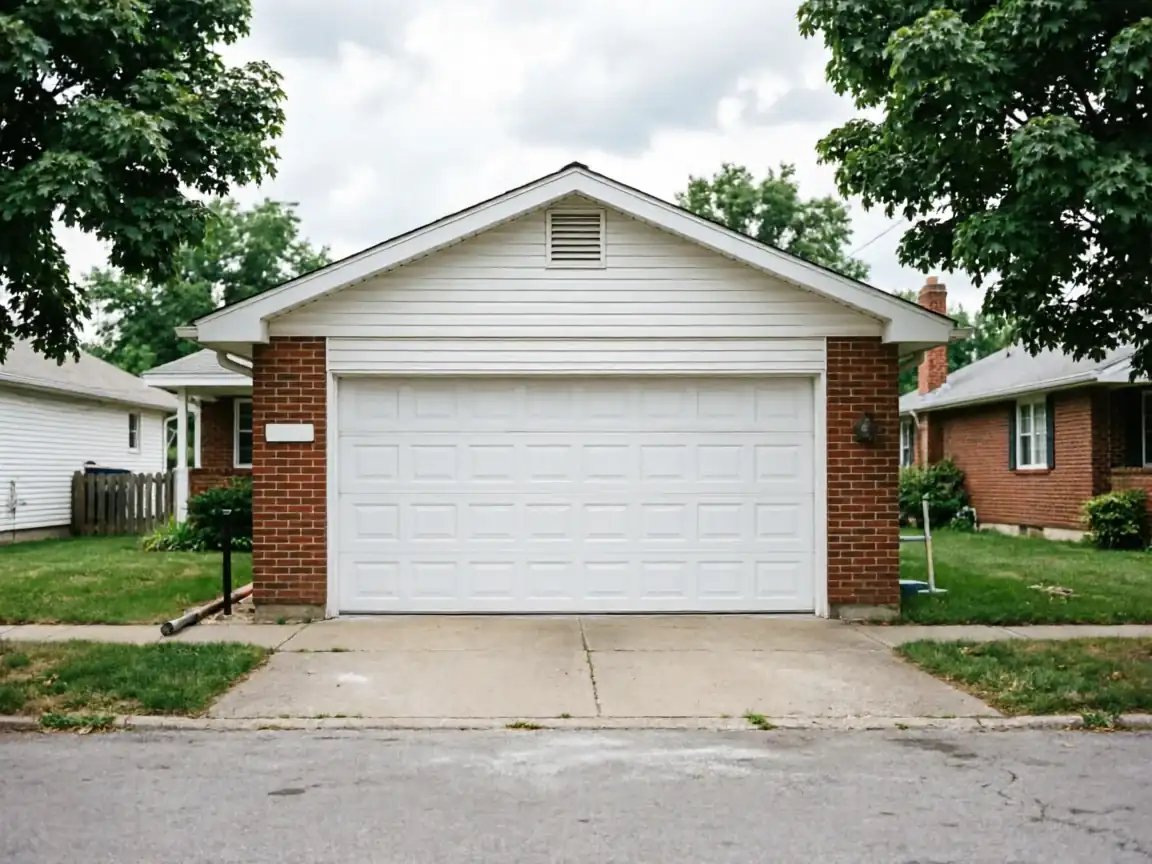
Most houses around Hopkins went up between 1957 and 2005, with the typical build year landing in 1984. That matters more than people think. A door from the early end of that range predates foam-injected insulation and modern torsion hardware - it's a single steel skin on a spring system that was never built for forty-plus years of use. A door from the later end, closer to the 90s, is more likely to have a working insulation layer but is still due for weatherstripping and roller replacement by now.
Hopkins sits in a cold-moderate climate band. That doesn't mean brutal winters every year, but it does mean repeated freeze-thaw cycles that work on seals, hinges, and track alignment. A door that's fine in August can bind in January once the cold tightens the metal and the old rubber bottom seal cracks. None of this is dramatic - it's slow wear that adds up across decades, and it shows up fastest in houses built at the older end of that 1957-2005 range.
If your house falls in that pocket and the door still looks original, you're not imagining the drag on the opener or the gap at the bottom. It's the age of the stock talking.
The Problem
The core issue is a mismatch between door age and what a cold-moderate climate asks of it
A door built in the 1960s or 70s, before insulated steel sections were standard, is basically an uninsulated metal sheet separating your garage from the outside. In winter that translates to a garage that never gets much above the outdoor temperature, which matters if the garage shares a wall with living space - common in homes from this era.
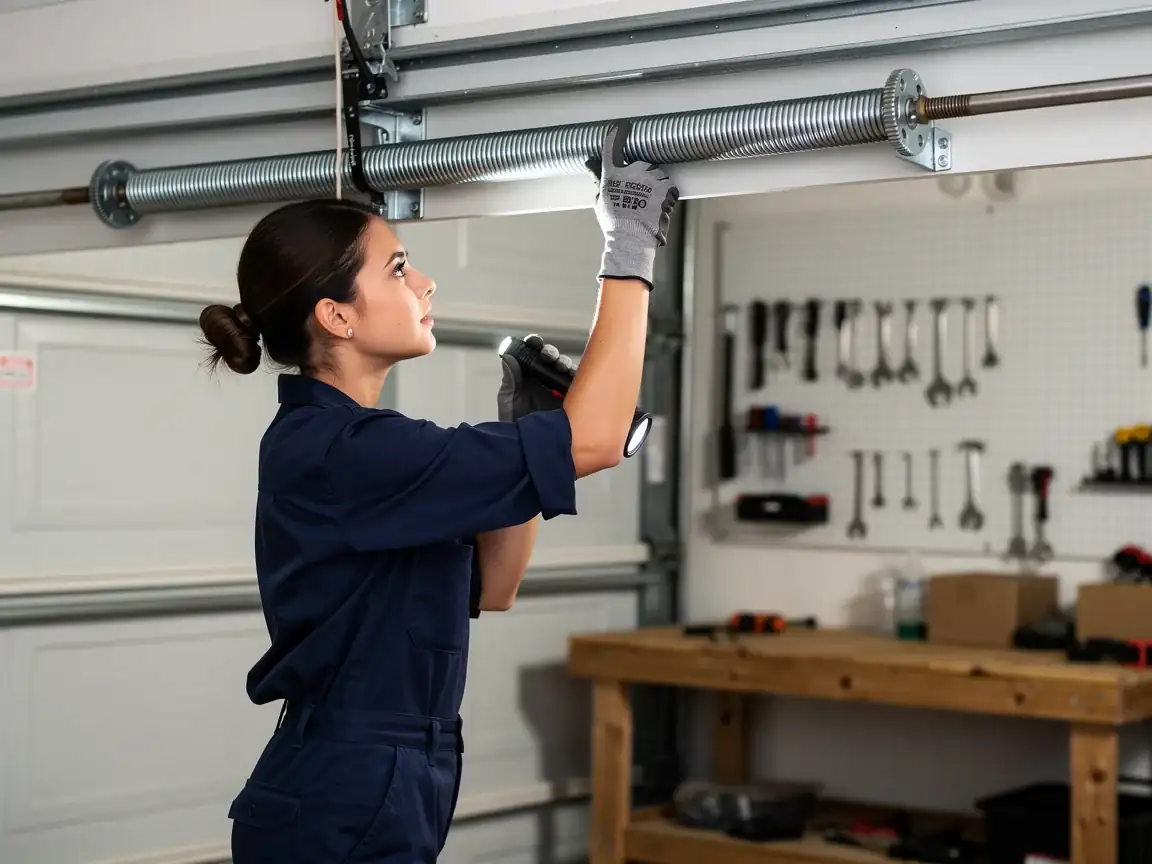
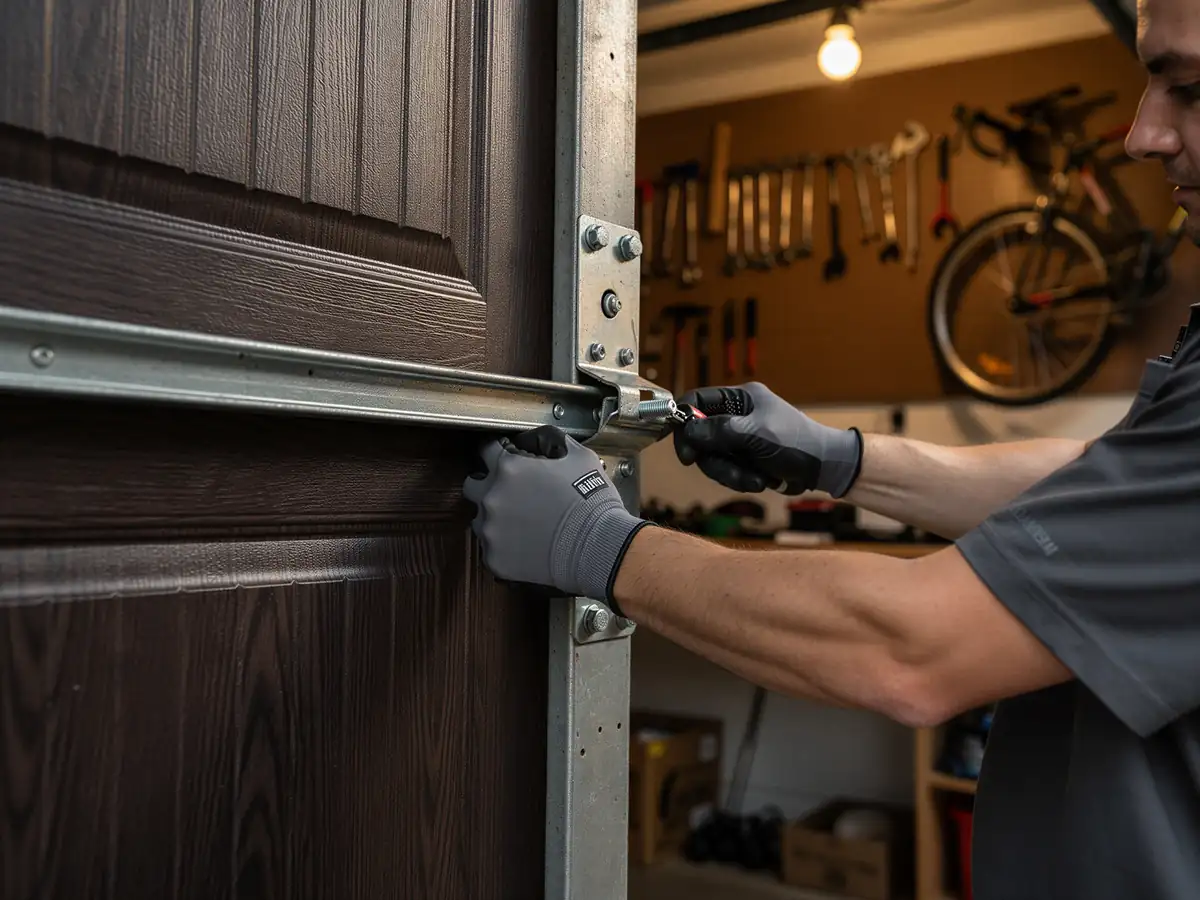
Repair can patch a lot of this: a new spring, new rollers, new bottom seal
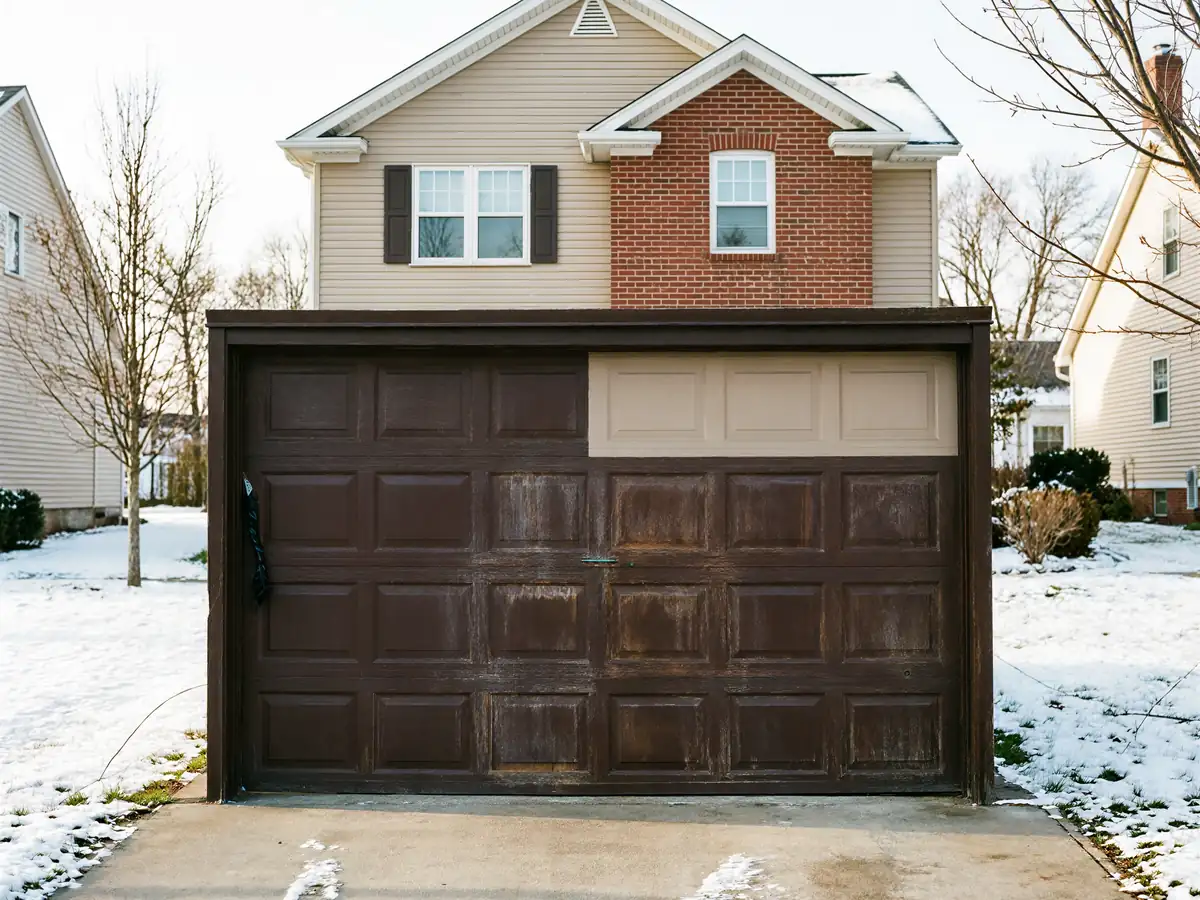
But past a certain point you're repairing a design that was never going to hold up to another twenty winters. If the panels are original to a house built in the 1960s or early 70s, you're usually not fixing a door - you're keeping an obsolete one limping along until a part you can't source fails.
Here's the honest limit: we don't try to match obsolete panel profiles from that era
If your door is original to a house from the early part of the 1957-2005 range and a panel is damaged, we'll tell you straight that replacement is the real option, not a special-order patch job that may not exist anymore.
Checking It Yourself
Start with the build era of your house, not just the door. If your house was built anywhere from the late 1950s through the 70s and the door looks original, treat it as a candidate for replacement rather than repair - this housing stock has had enough time for springs and hardware to reach the end of their service life. If your house is from the 1980s or 90s, which covers a lot of the construction in this area, the door may just need standard service: springs, rollers, weatherstripping.
Next, check for a cold-weather giveaway: daylight at the bottom seal when the door is closed, or frost forming on the inside of the panels in winter. Both point to insulation that isn't doing its job, which is common on doors that predate the insulated-steel standard.
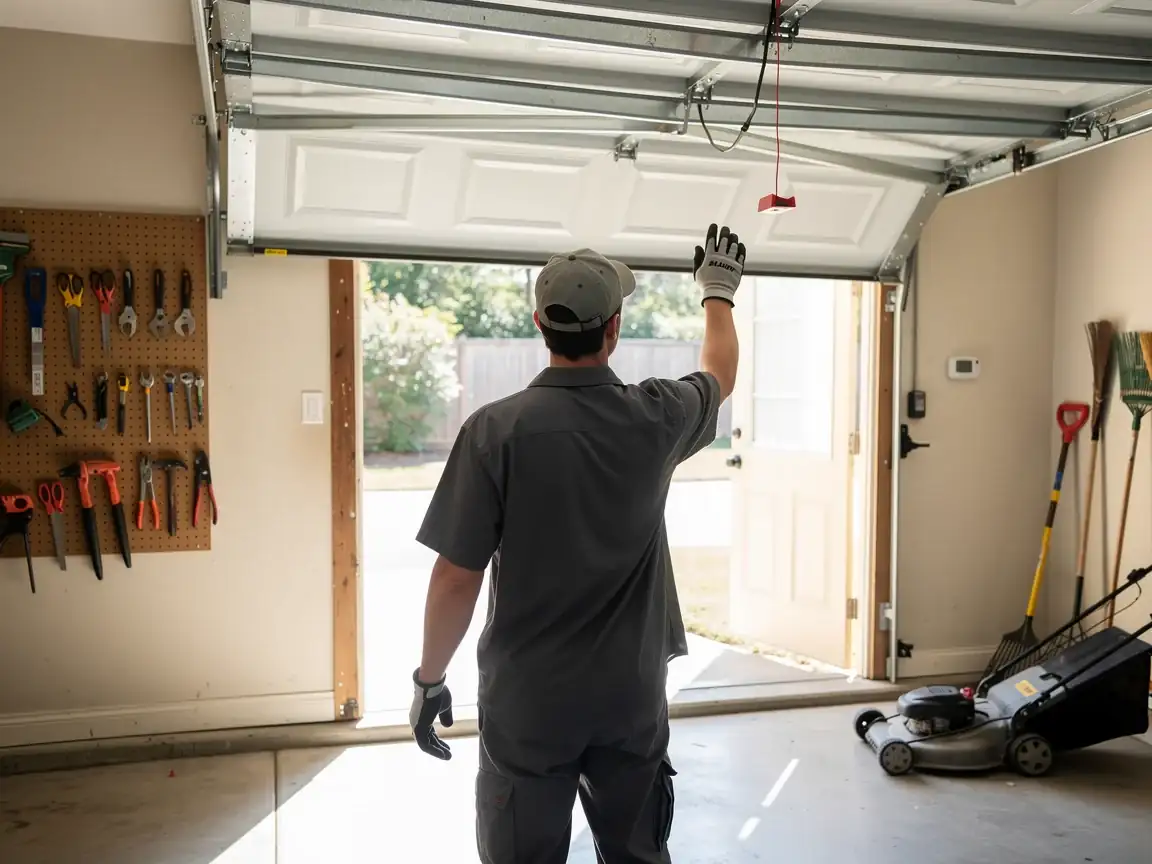
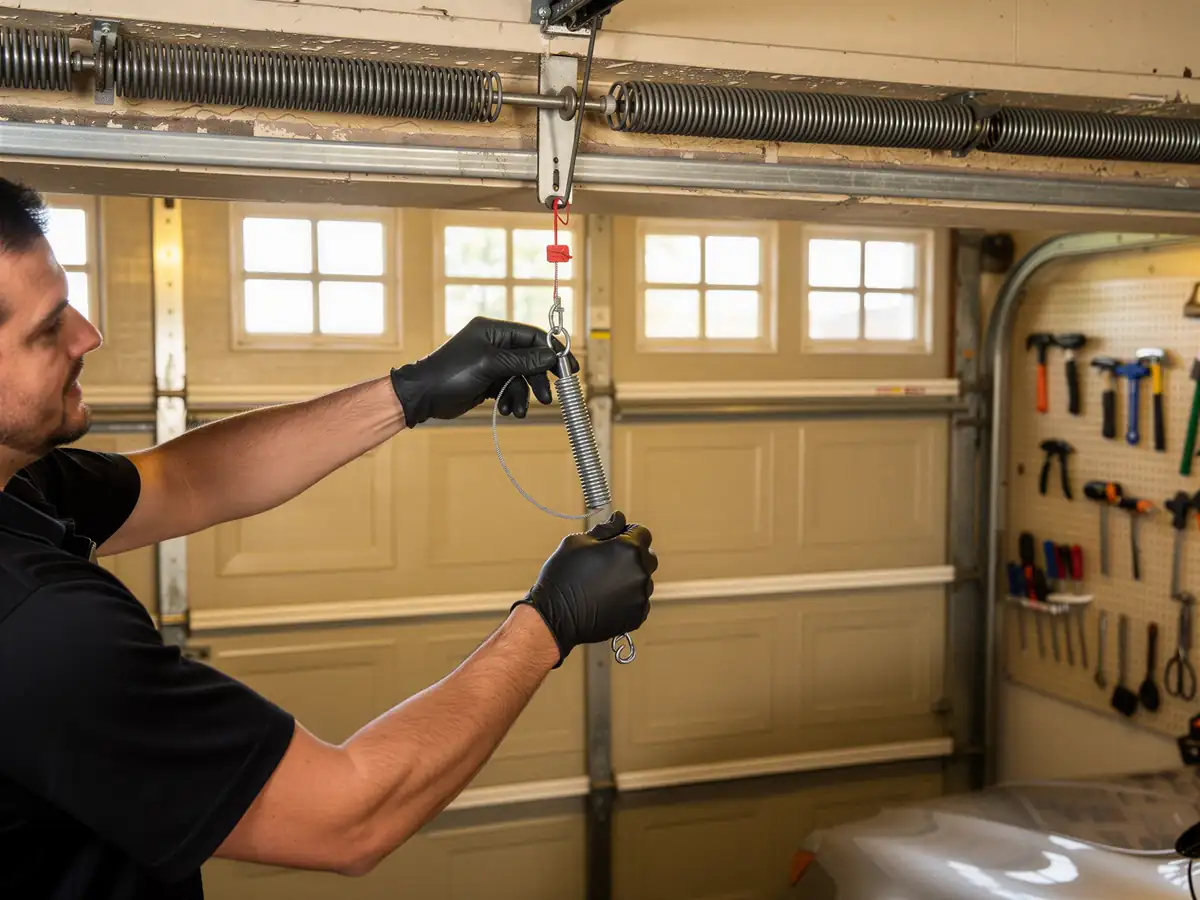
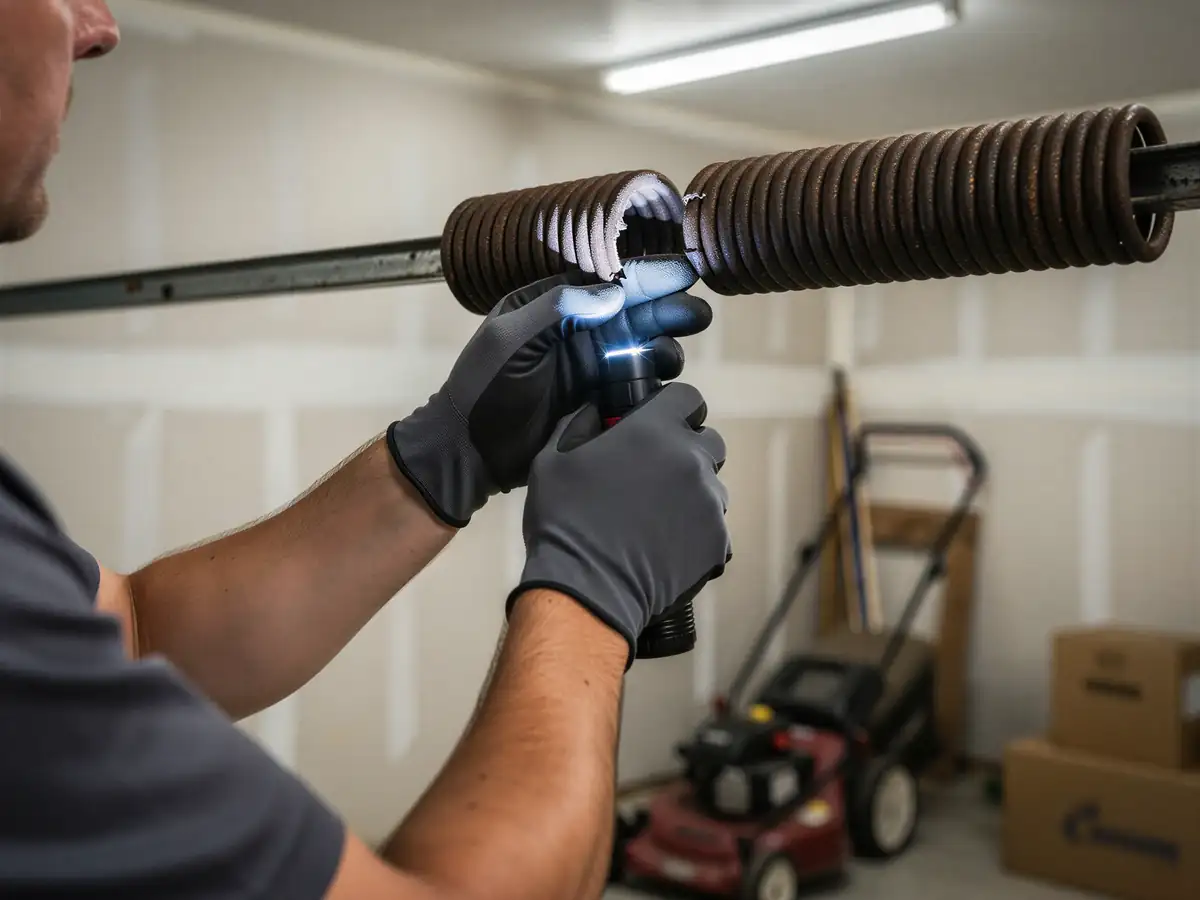
Then do a balance check. Disconnect the opener, lift the door by hand to waist height, and let go. It should hold, not drop and not jump up. A door that fails this is running on a spring that's lost tension - not a cosmetic issue, a safety one.
If you're unsure what decade your door is from, the house's build year is usually the better clue than the door's appearance, since doors get repainted and resealed far more often than they get replaced.
Season by Season
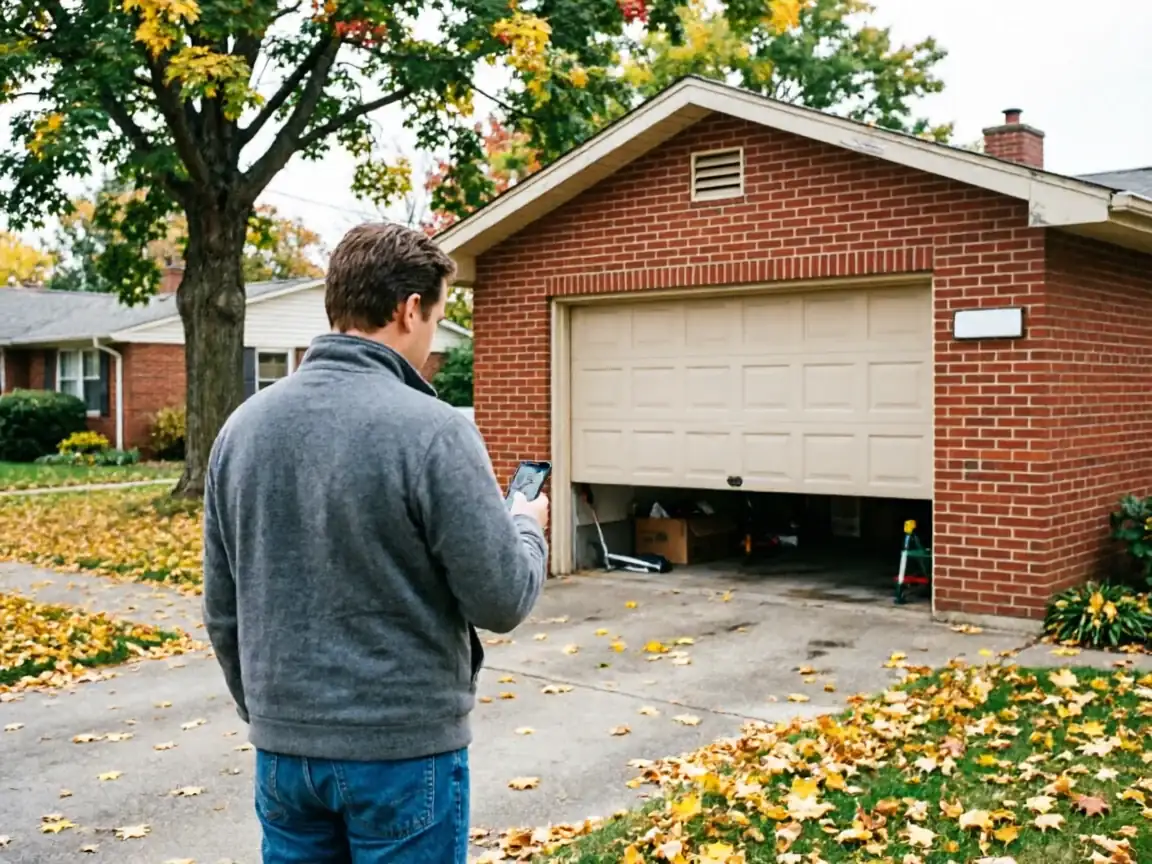
Fall is when to deal with a door you've been putting off. Cold-moderate winters here mean the metal contracts, hardware stiffens, and any marginal spring or cable tends to fail in the first hard cold snap rather than gradually. Getting ahead of that in October or November, before the ground freezes, costs less stress than a dead spring on the coldest morning of the year.
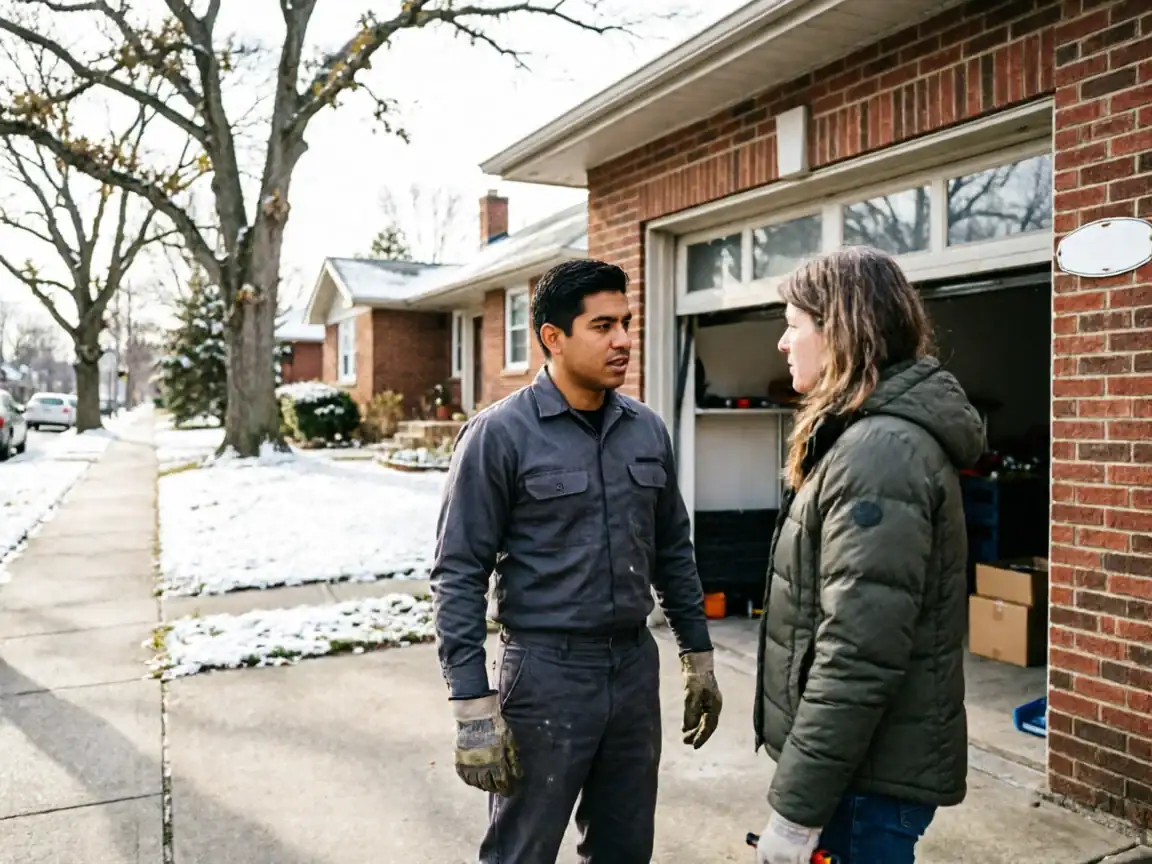
Winter is when insulation gaps get obvious. If the garage feels noticeably colder than it used to, or the opener strains more than it did last year, that's the freeze working on an aging door - worth noting now even if you wait until spring to act.
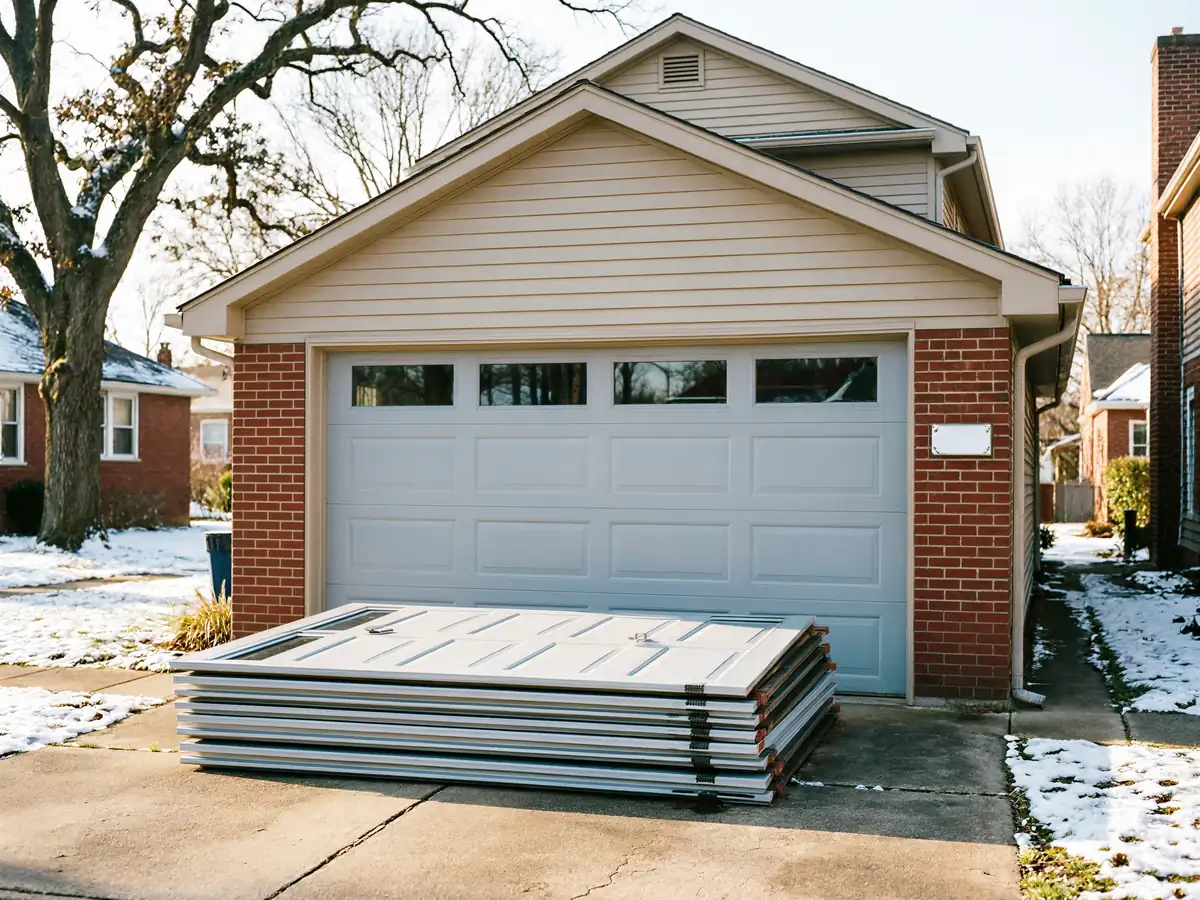
Spring brings the freeze-thaw aftermath: concrete floor shift, track misalignment, and seals that cracked over winter and need replacing before summer humidity swells the wood trim around older frames. This is also a reasonable window to plan a full replacement if you decided over winter that the door's done.
Summer is the slow season for failures, which makes it the best time to schedule a planned replacement rather than an emergency one. No frozen ground, no rushed install, and better availability on the door you actually want rather than whatever's in stock.