How That Shows Up in the Door
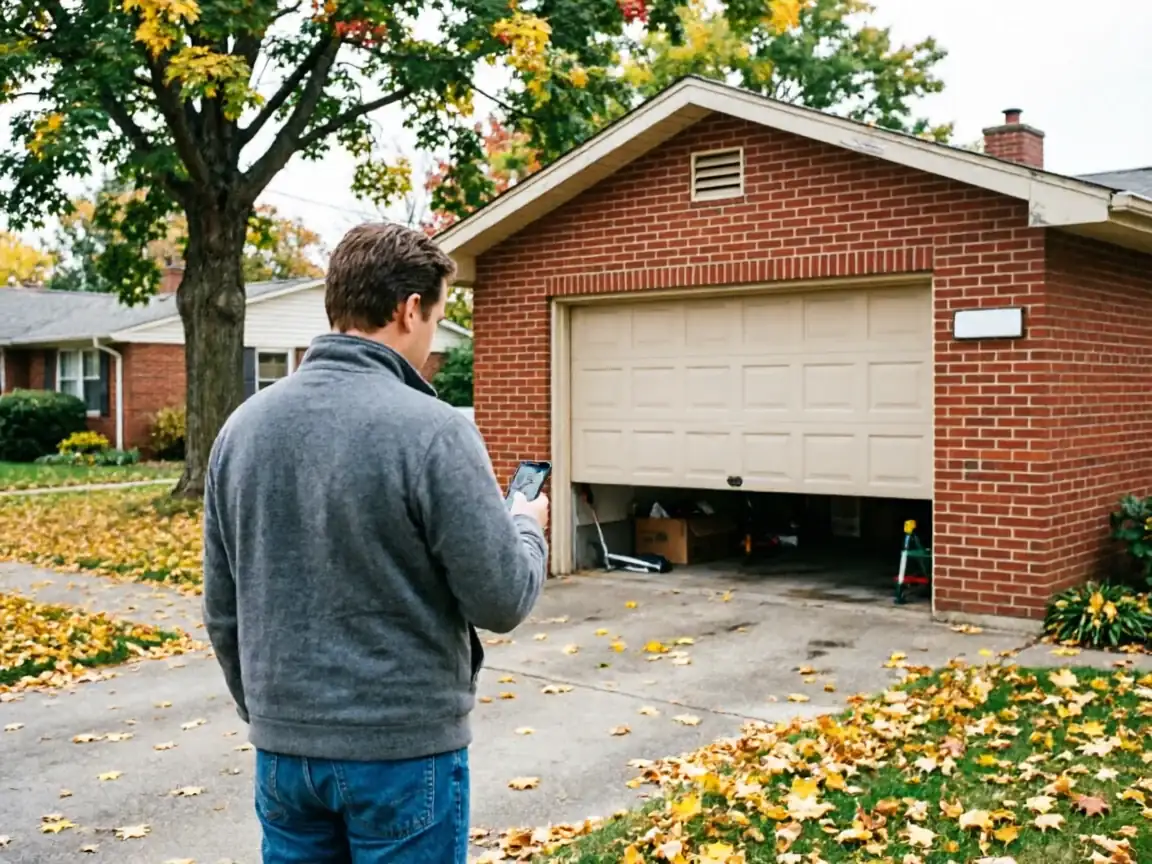
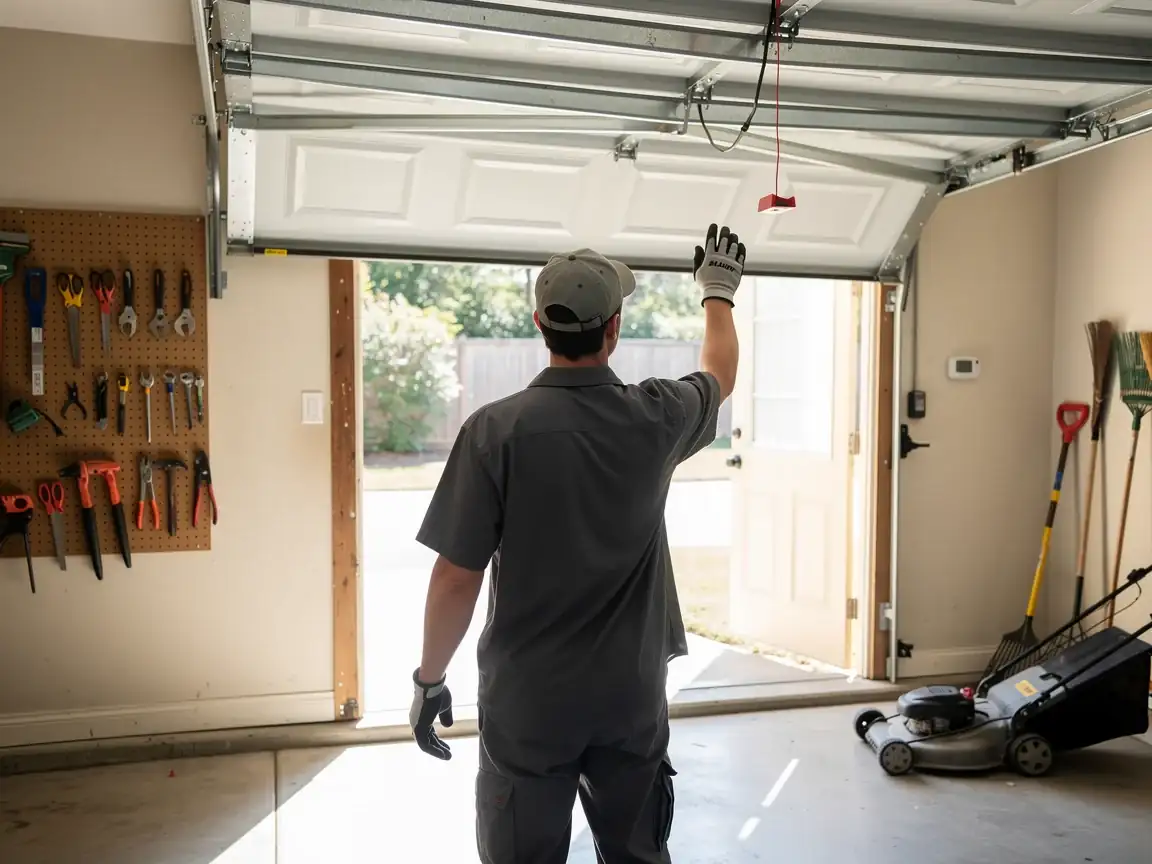
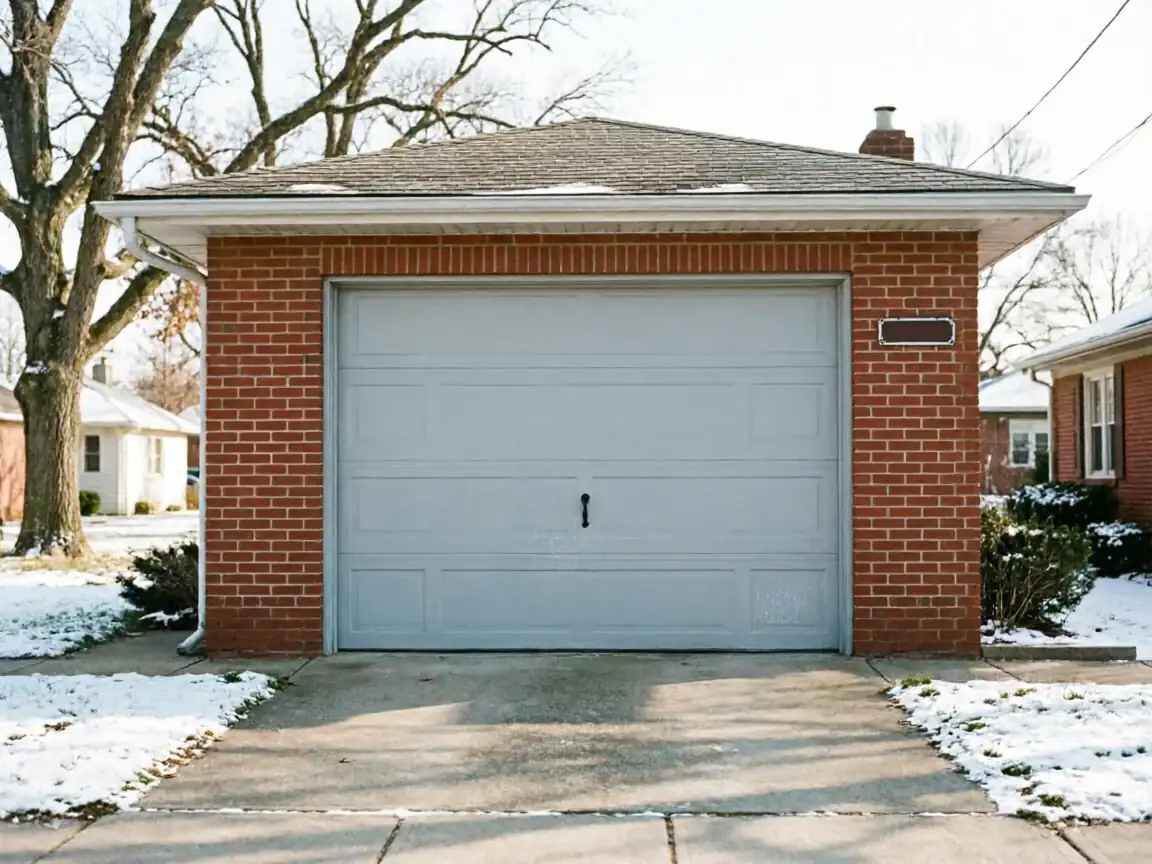
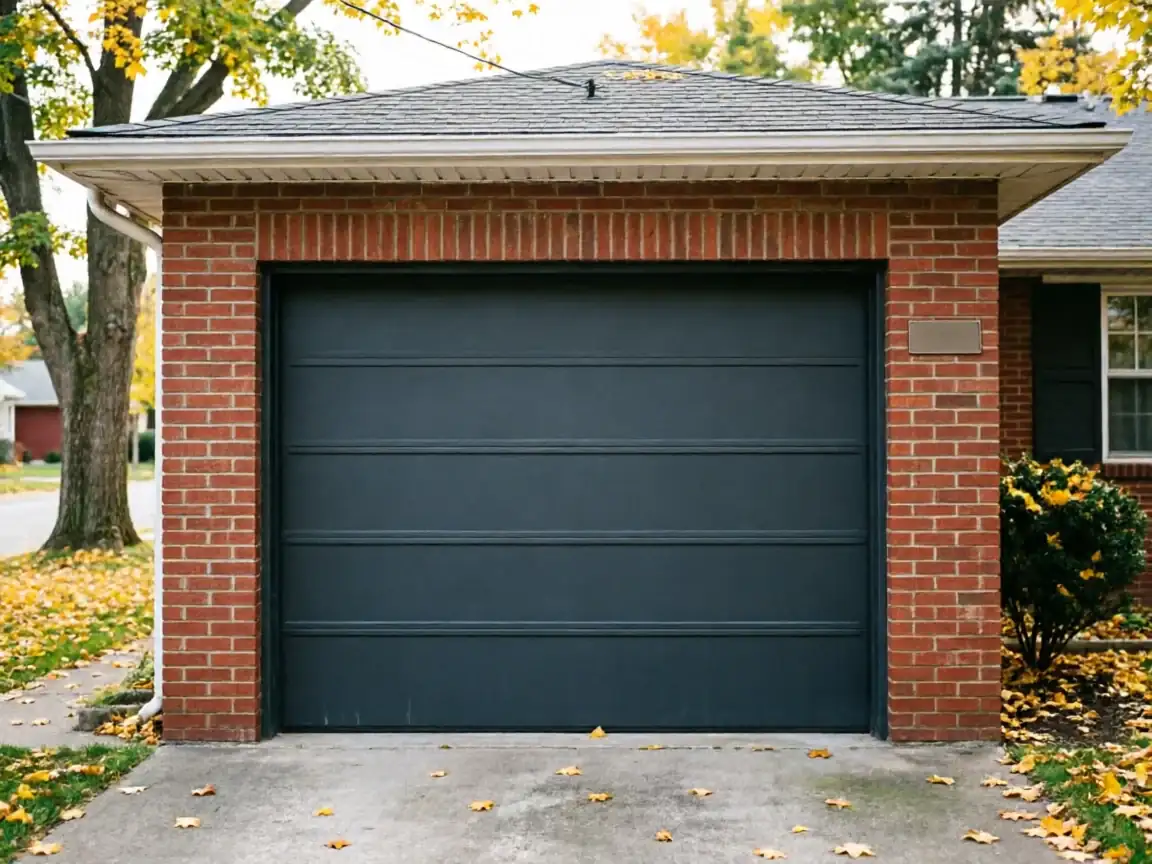
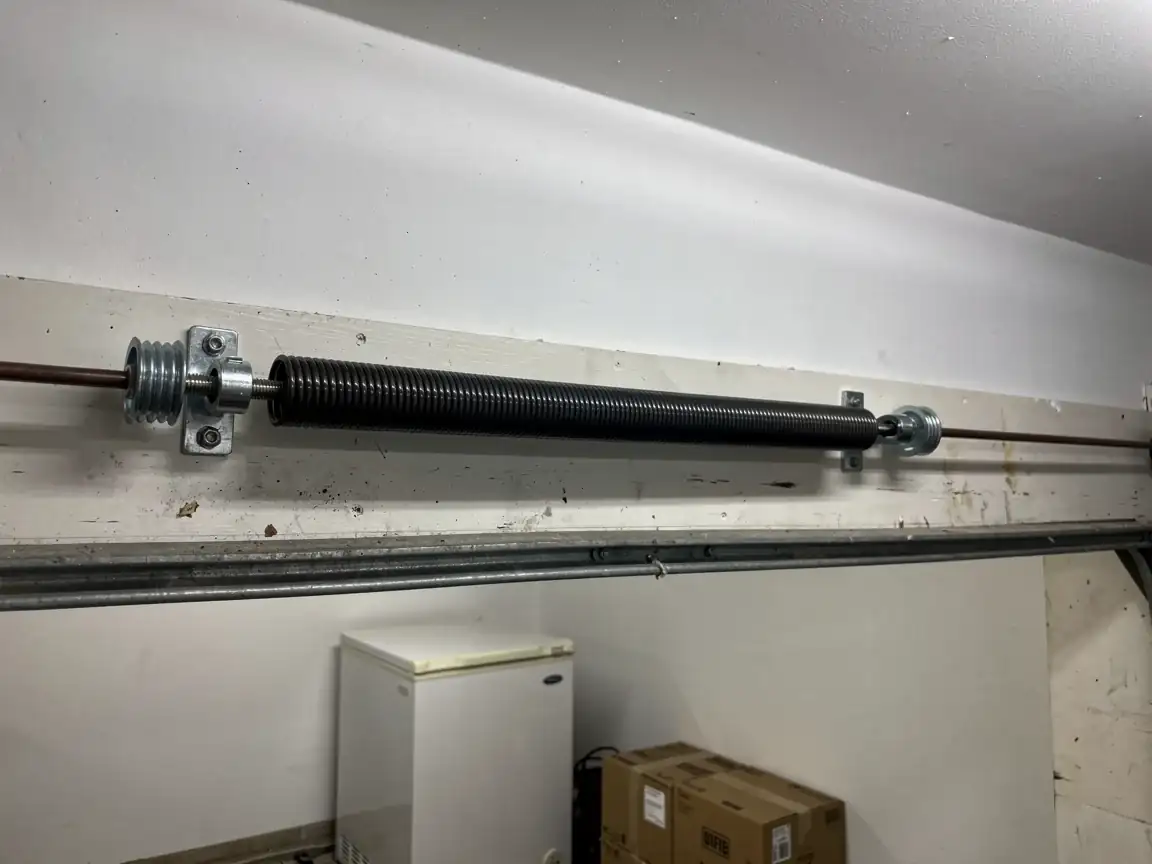
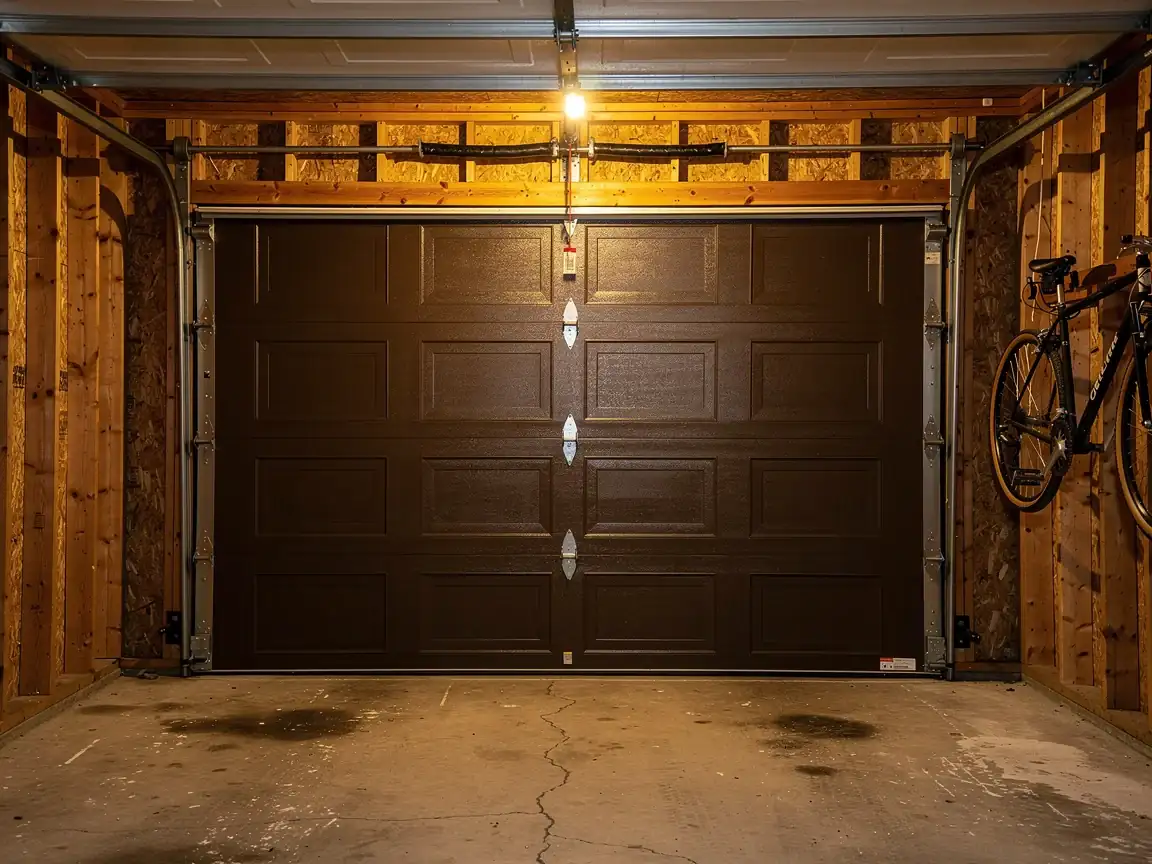
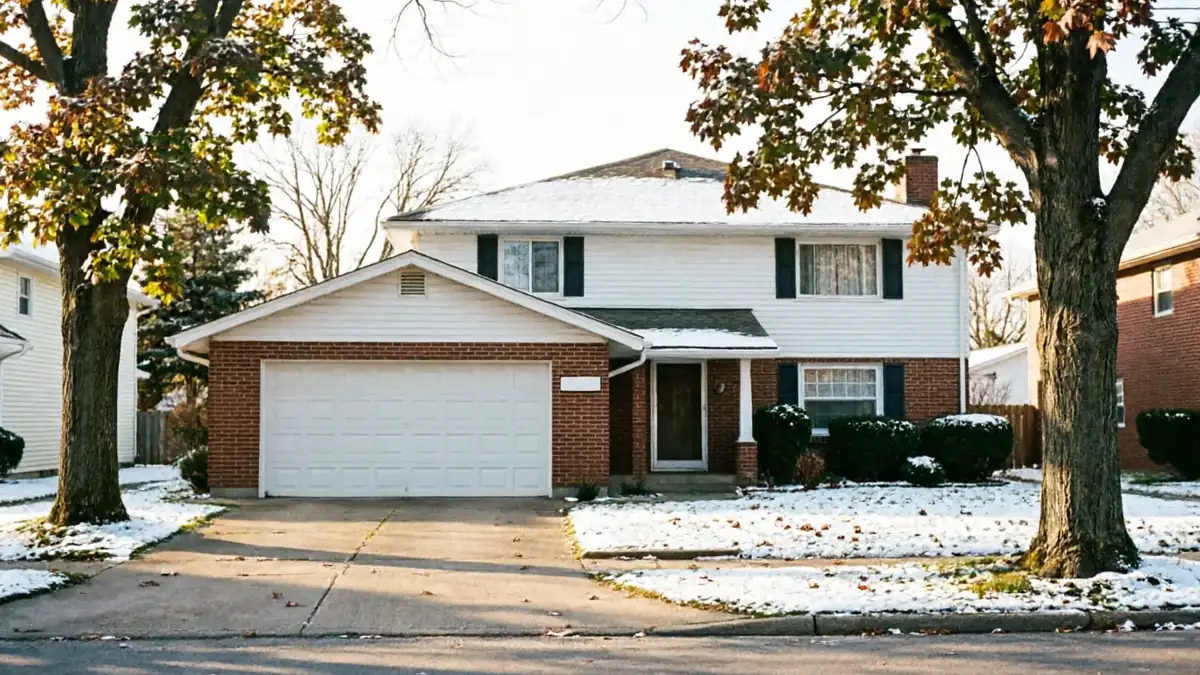
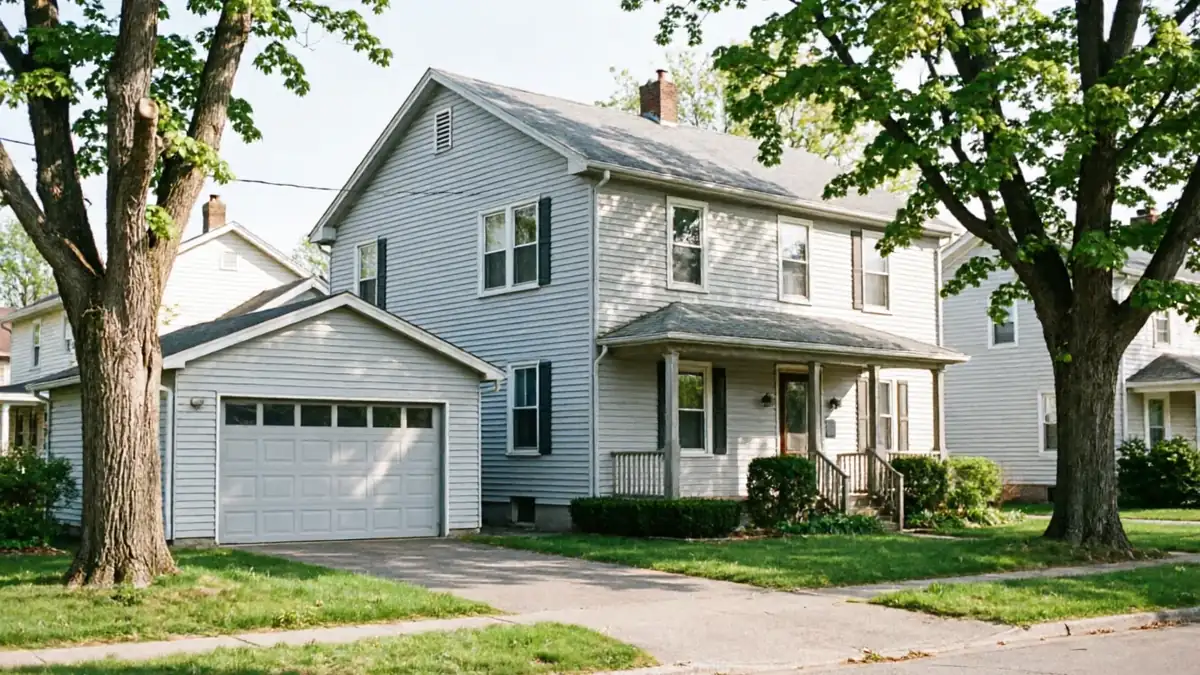
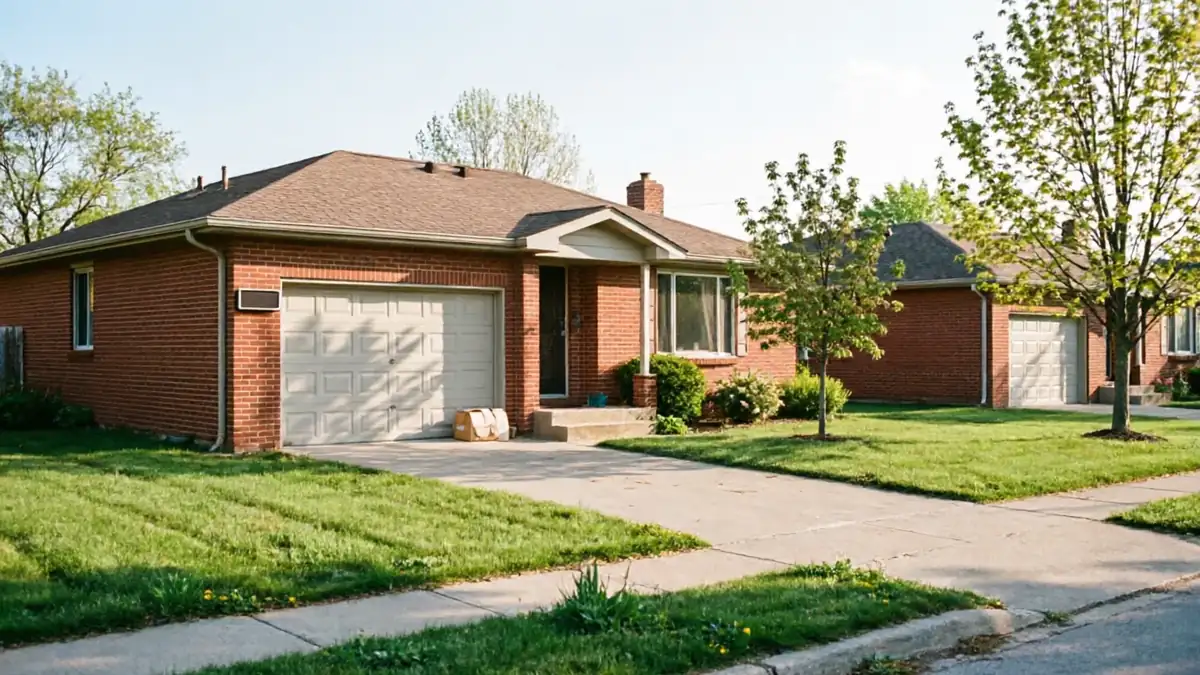
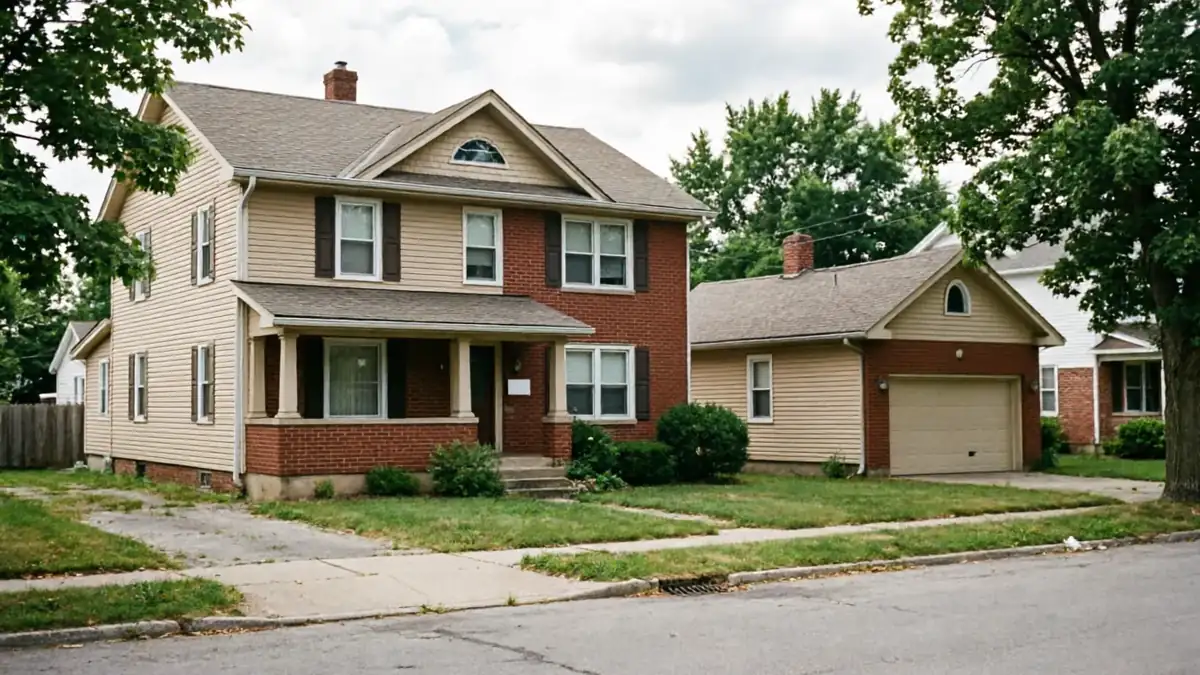
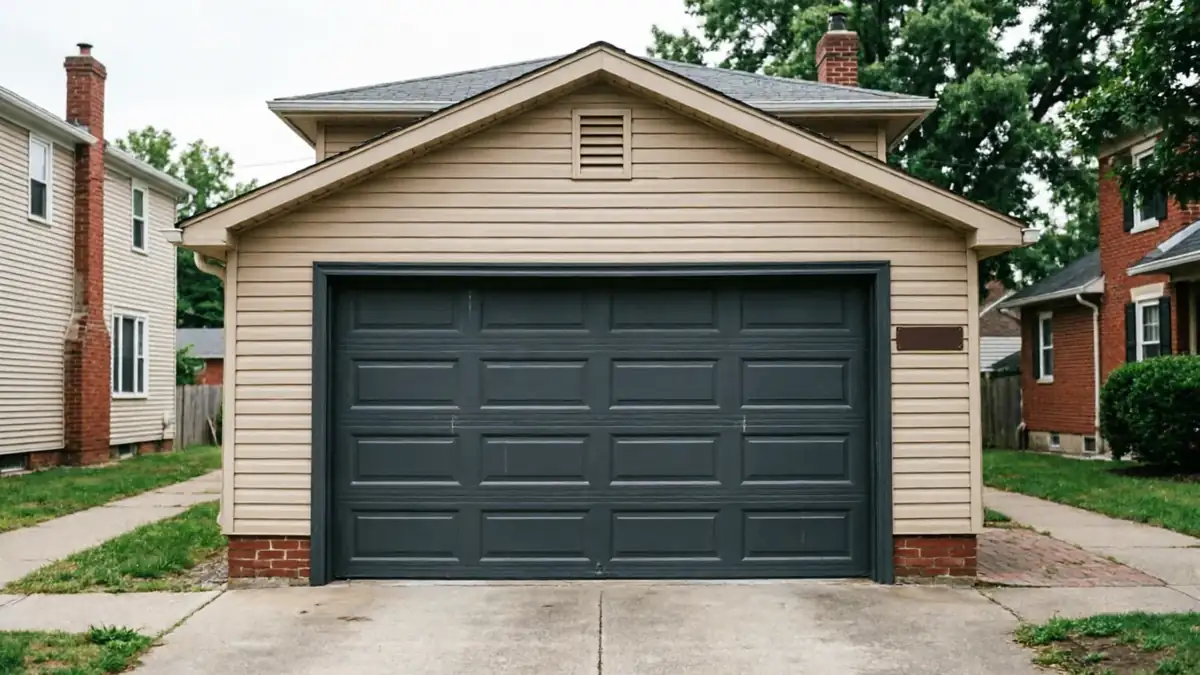
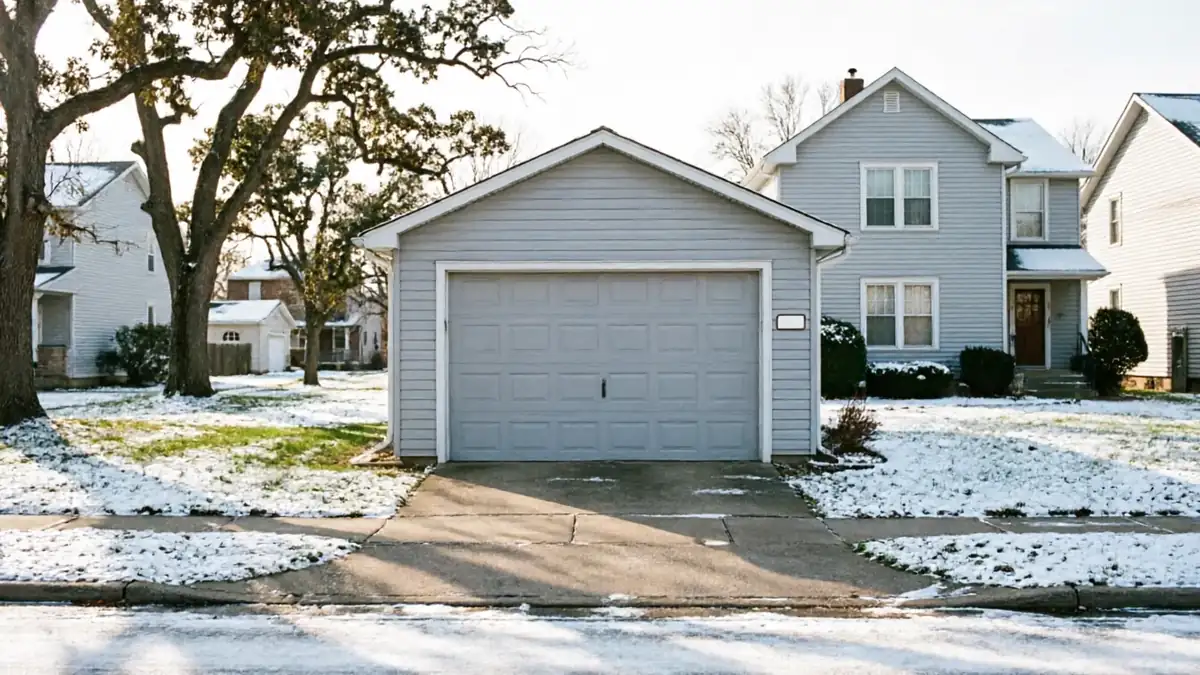
Mendota Heights sits right in the middle of the region's build window, with a median year built of 1983. That one number tells us more than almost anything else about what's hanging over your driveway. A door from 1983 is old enough that it was likely installed with a single torsion spring on a standard-lift bracket, not the dual-spring setups or extension-cable systems that came later or earlier. The steel gauge on panels from that era tends to be thinner than what's sold today, and the original openers, if they're still in service at all, often lack the auto-reverse sensors that became standard in the following decade. When we get a call from this area, we're not guessing at what we'll find - we're expecting worn torsion hardware, a single spring doing a job most newer doors split between two, and a track system that's been shimmed or adjusted more than once over four decades. That's the baseline. It's not a knock on the house; it's just what a door built in 1983 looks like at year forty.
What Was Built Here
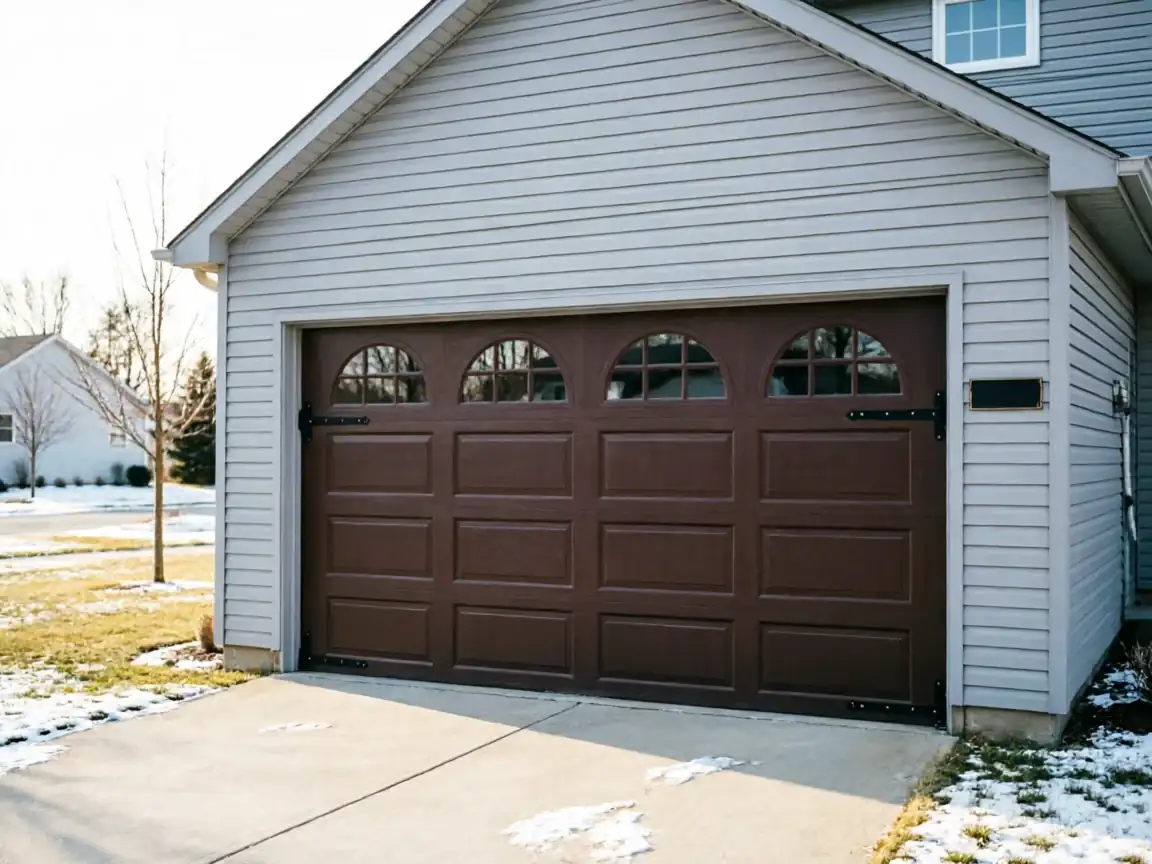
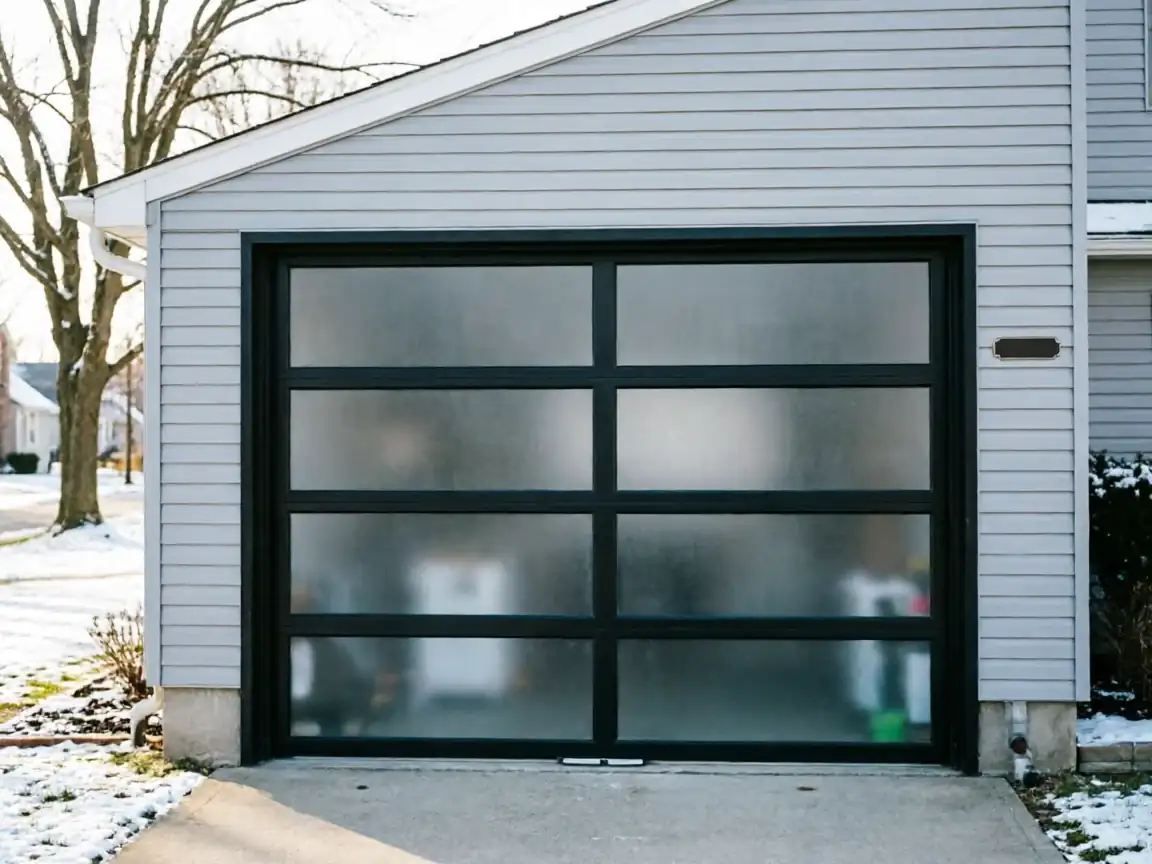
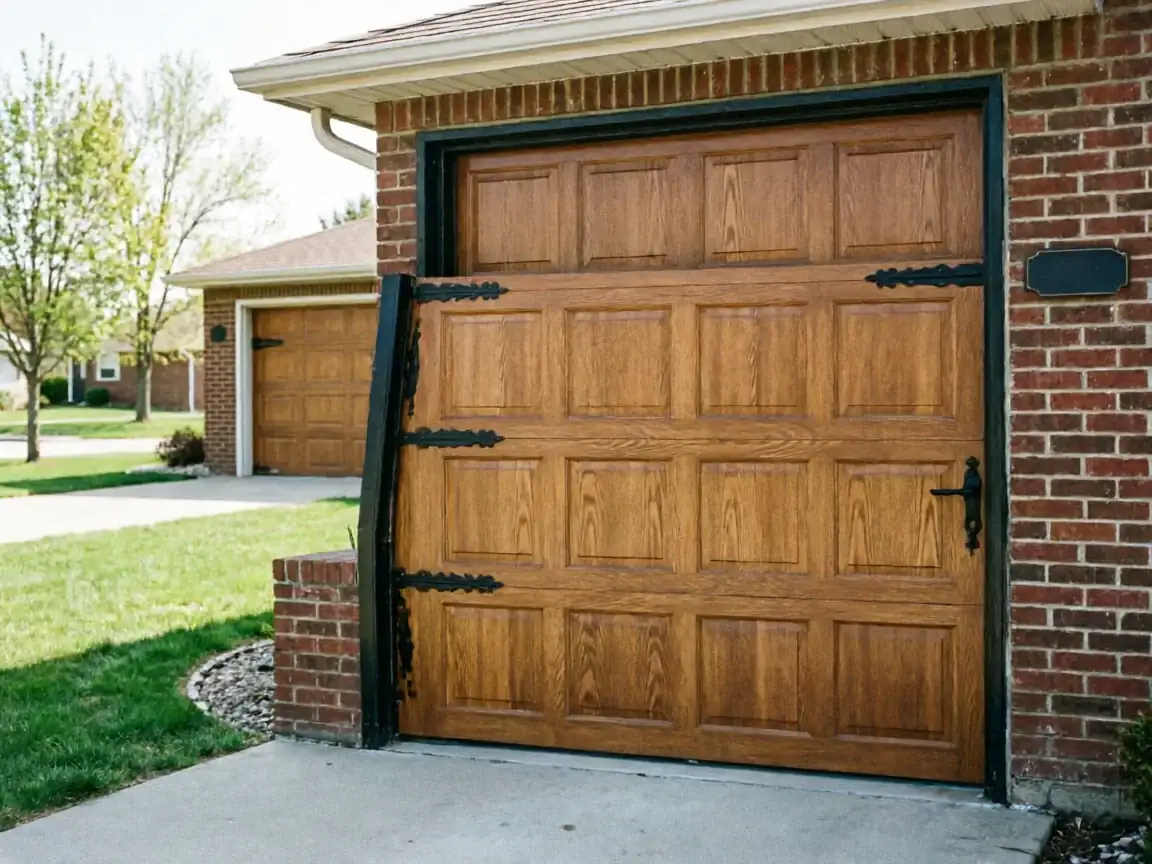
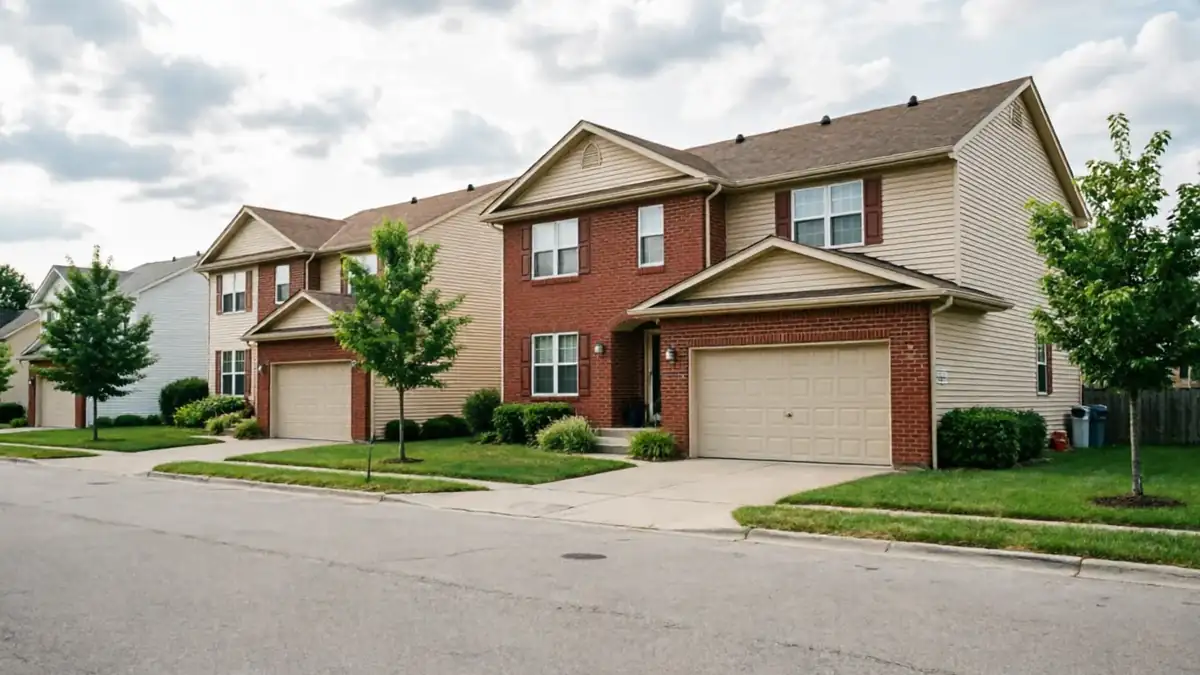
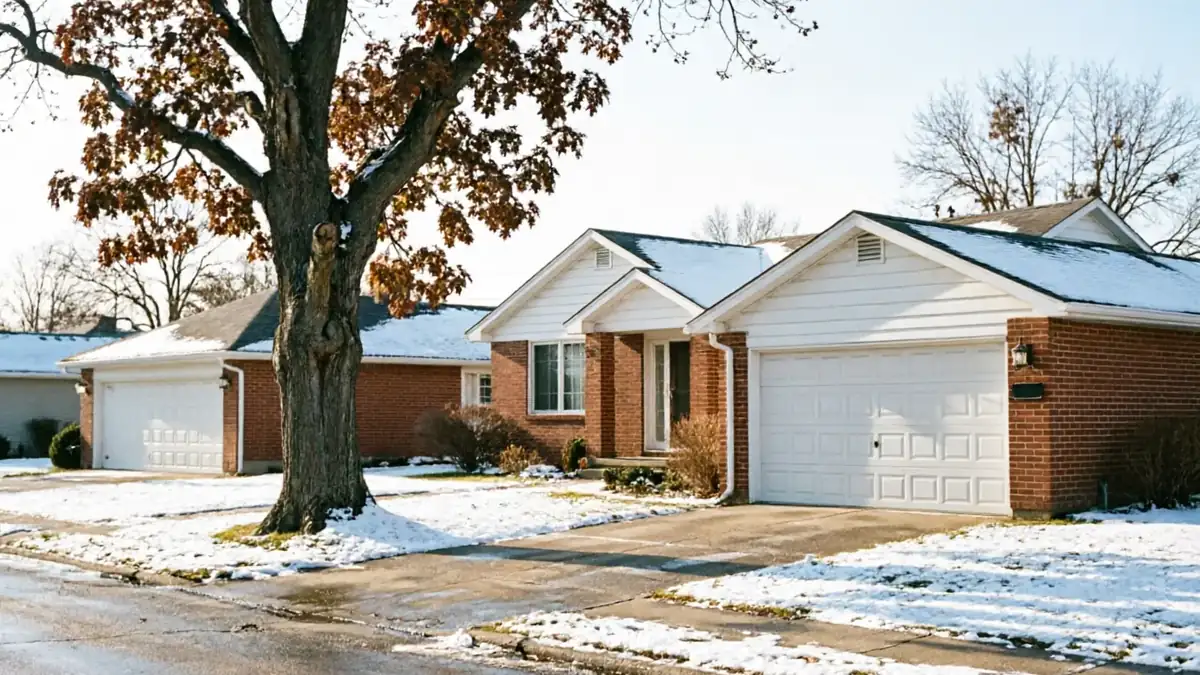
With roughly 4,740 households in Mendota Heights and a median income of $132,935, this is a step up from the service area's overall median of $116,500 across the broader 93,593-household footprint. That income gap tends to track with what we see on the trucks: more owners here opt for insulated steel doors with higher R-values and quieter belt-drive openers when it's time to replace, rather than patching an aging chain-drive unit one more time. It doesn't mean every door here is new - plenty of houses still run the original torsion hardware from the early '80s build - but when homeowners decide to replace rather than repair, they tend to spend for the upgrade rather than the base model. That's a pattern, not a rule, and we size every quote to the actual door in front of us, not the zip code.
The Split Between Old and New
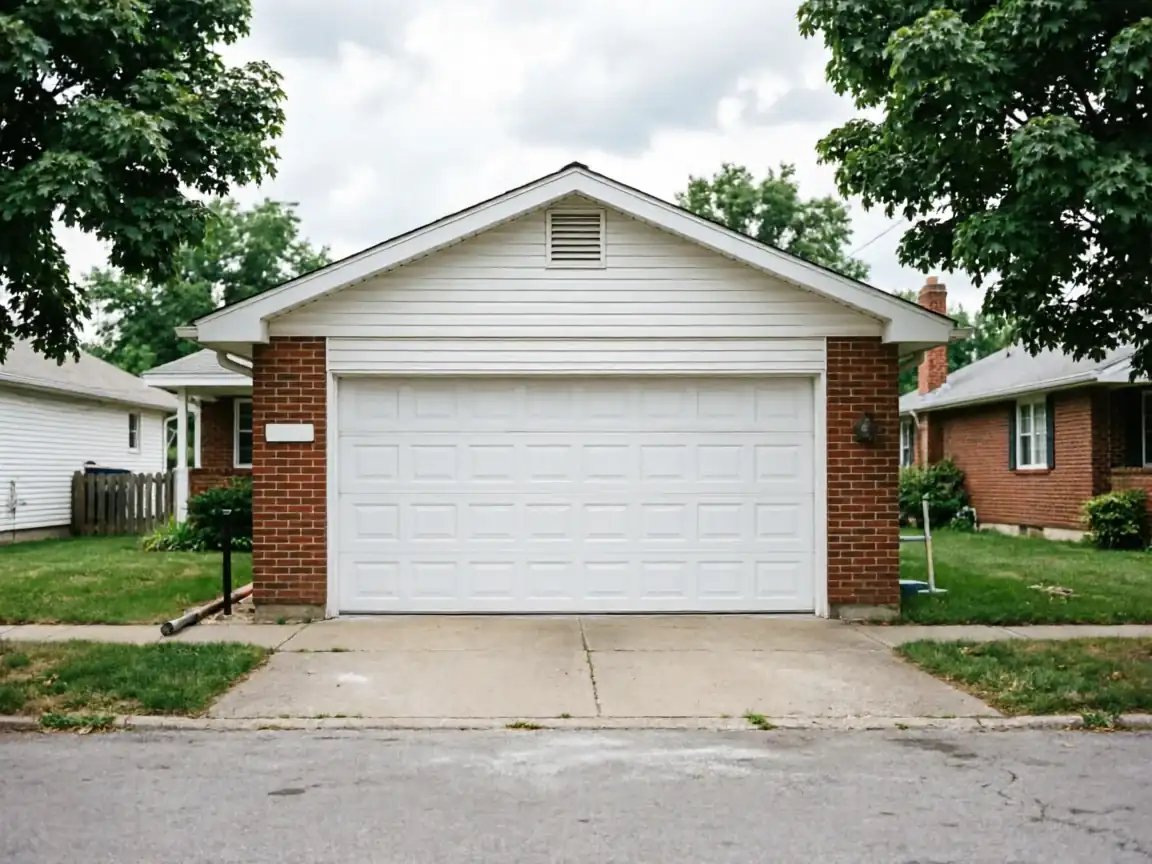
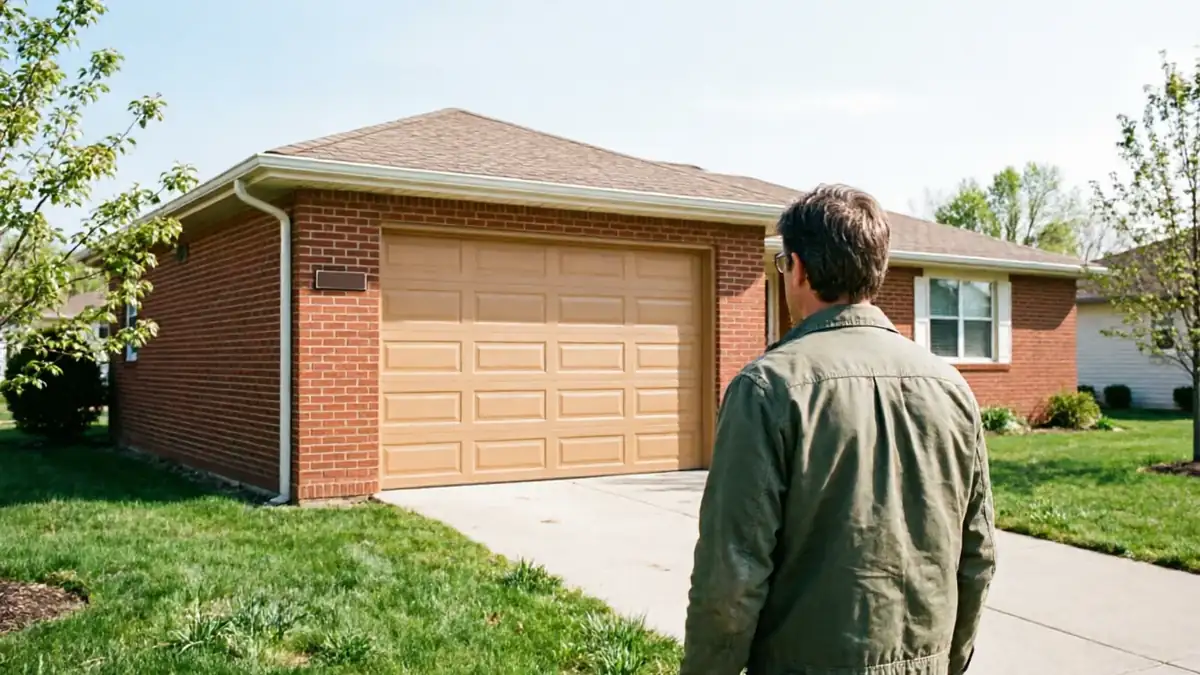
Across the wider service area, houses went up anywhere from 1957 to 2005, with most of that stock landing in the 1980s and '90s across 37 named communities. Mendota Heights, at a median build year of 1983, sits right in the thick of that range rather than at either edge. That matters because a door's age doesn't just affect the spring and opener - it affects whether replacement parts are still a normal stock item or something we have to special-order. Original one-piece doors from the earliest end of that range, if any survive here, use hardware that's gotten harder to source. The 1983-era torsion systems common to this area are still broadly serviceable, which is the honest good news: most repairs here are straightforward parts swaps, not custom fabrication. Where a repair doesn't make sense - a door with a cracked frame or an opener motor that's seized for good - we'll say so plainly and talk through replacement instead of billing for a fix that won't hold.