The Symptom
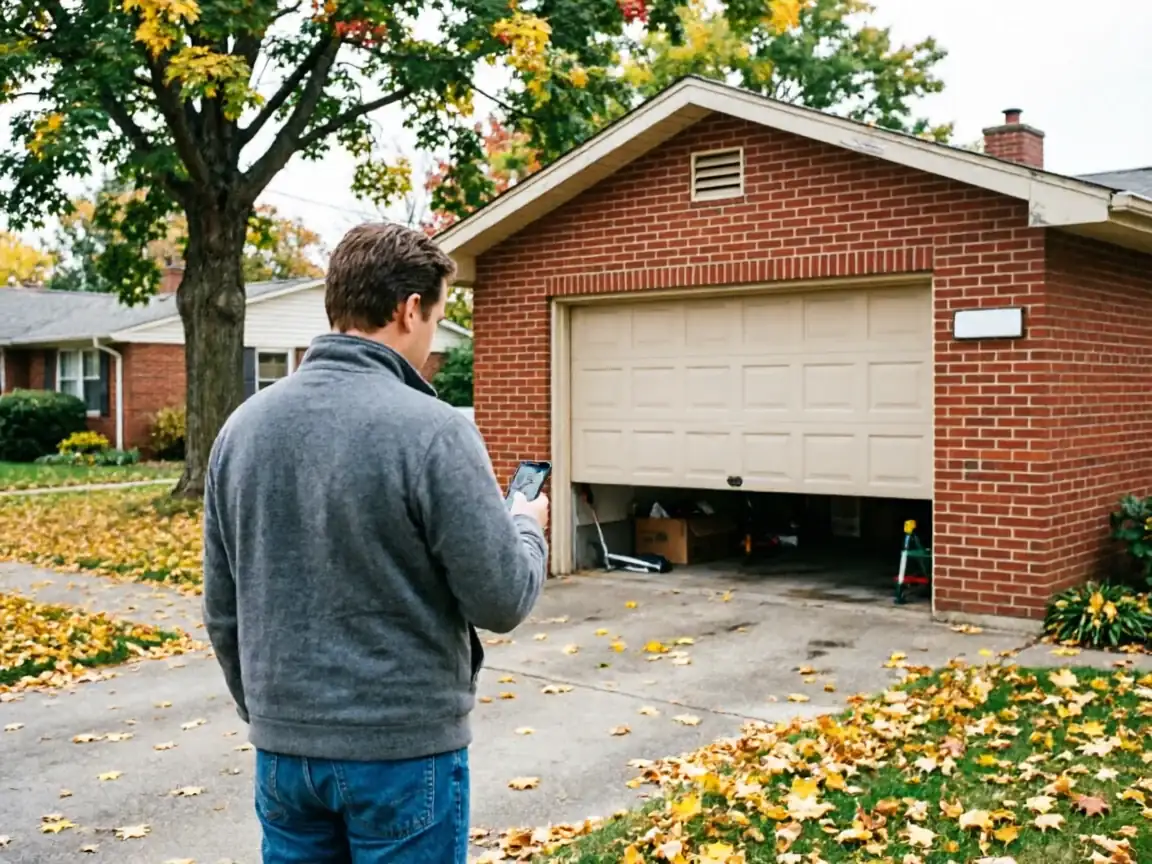
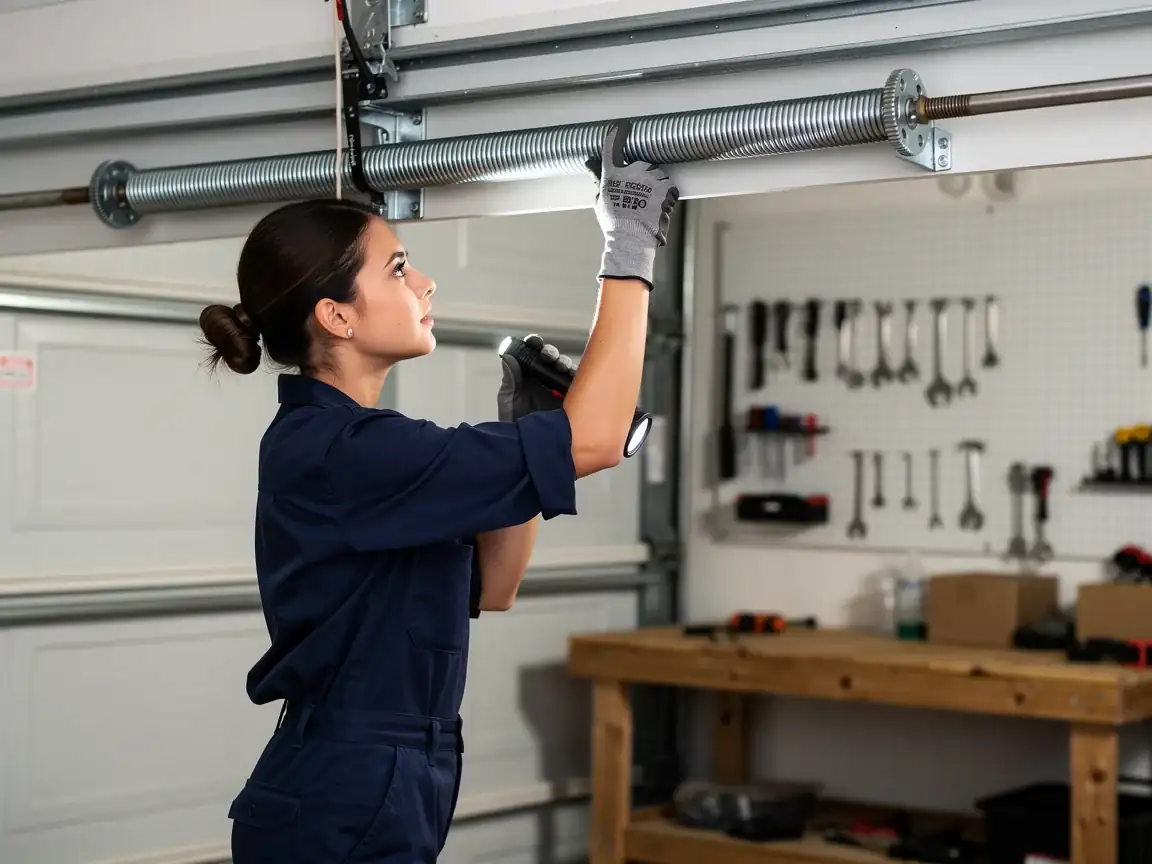
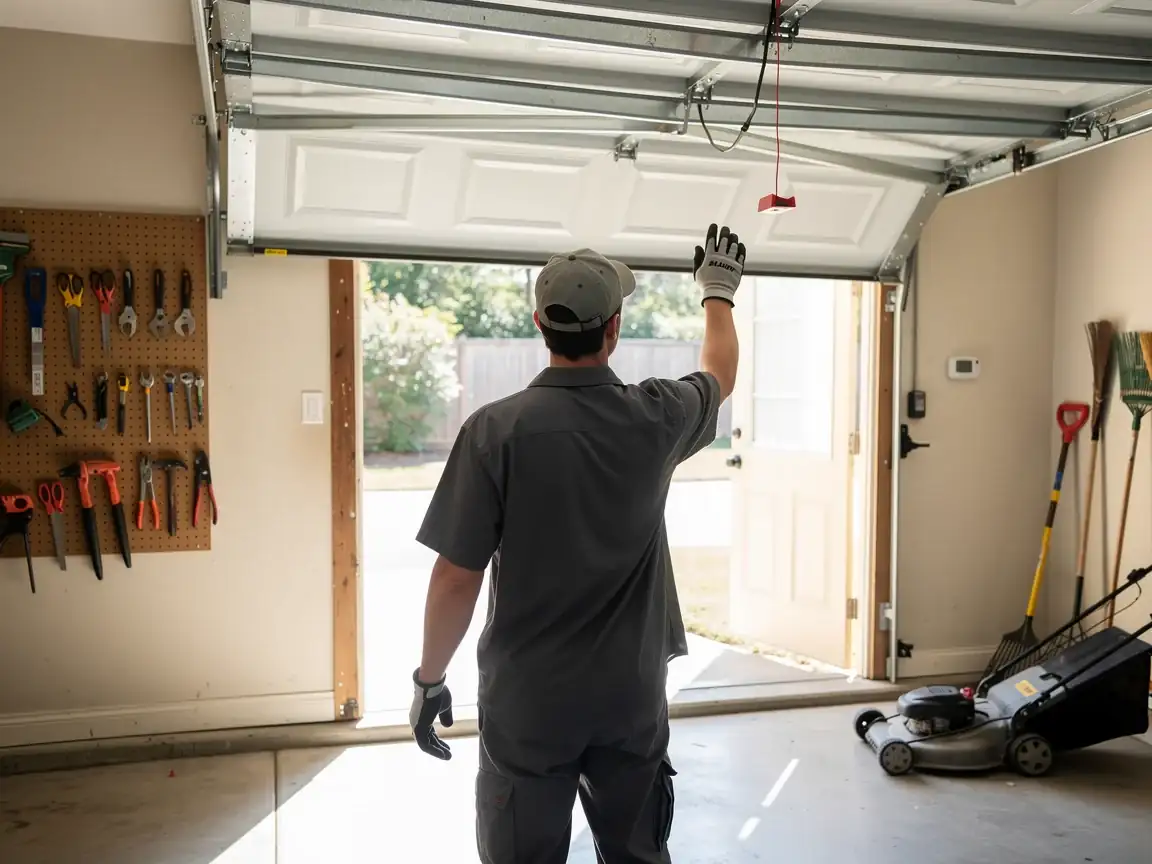
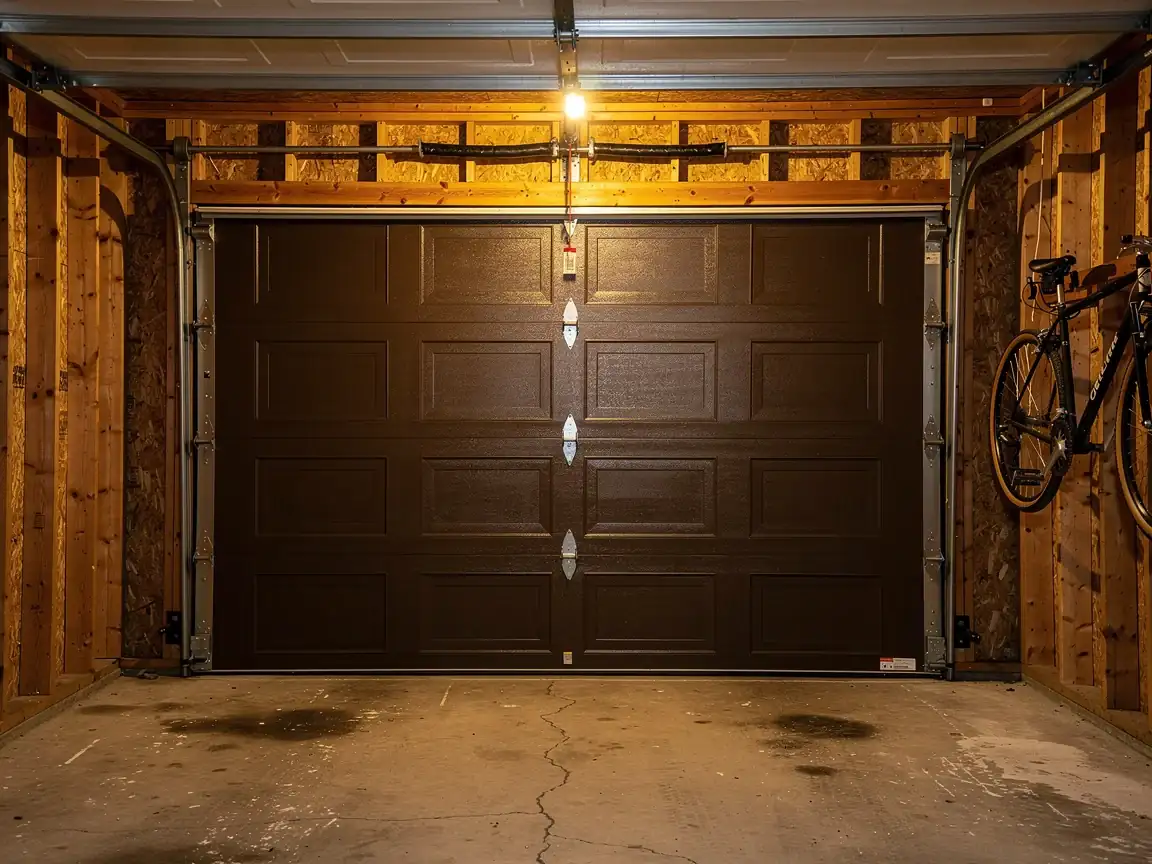
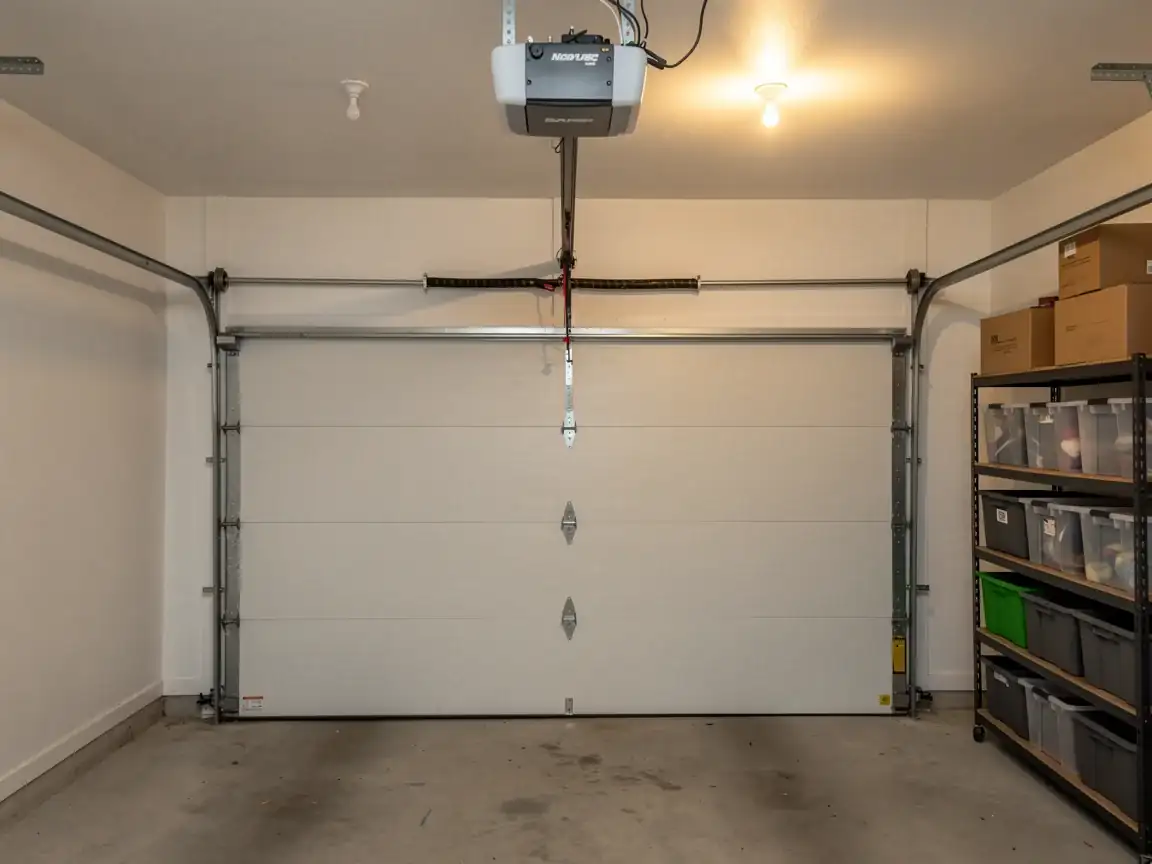
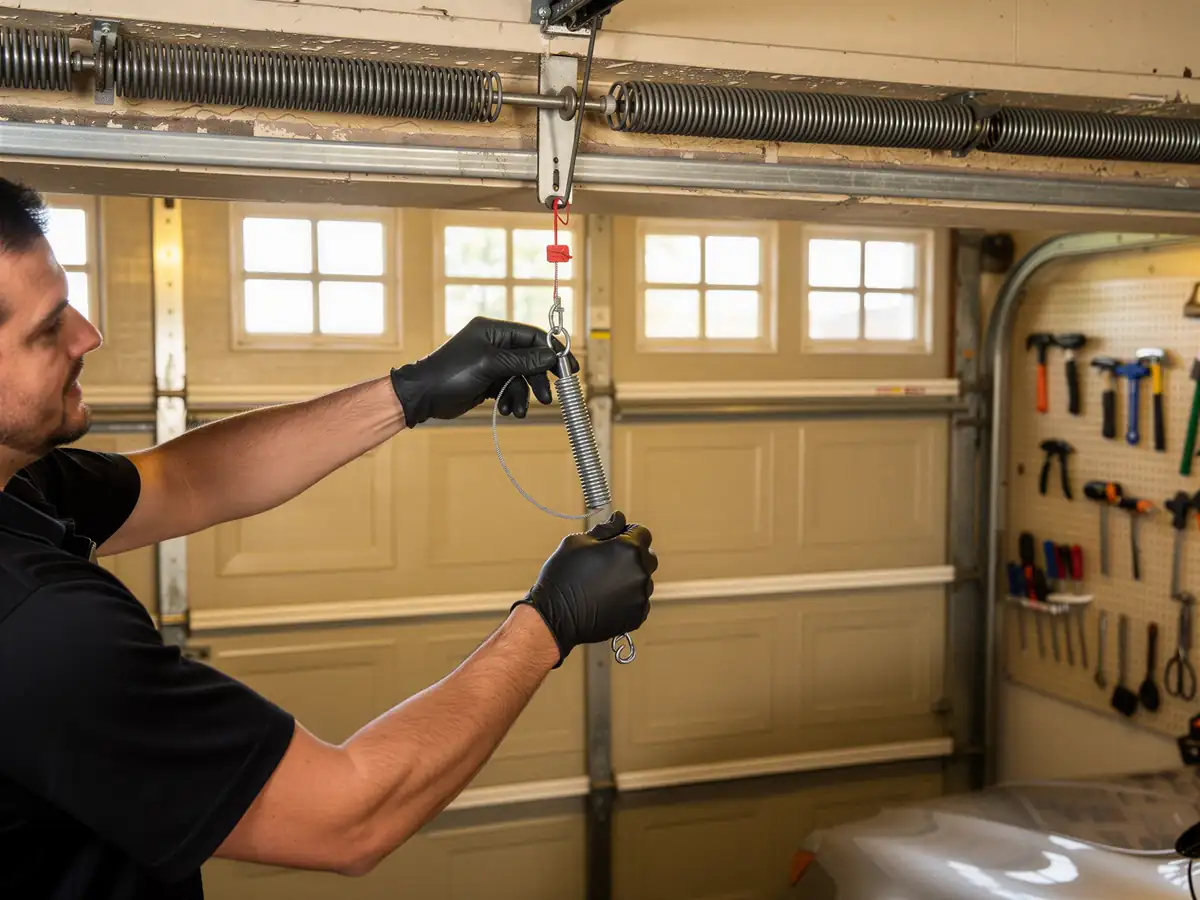
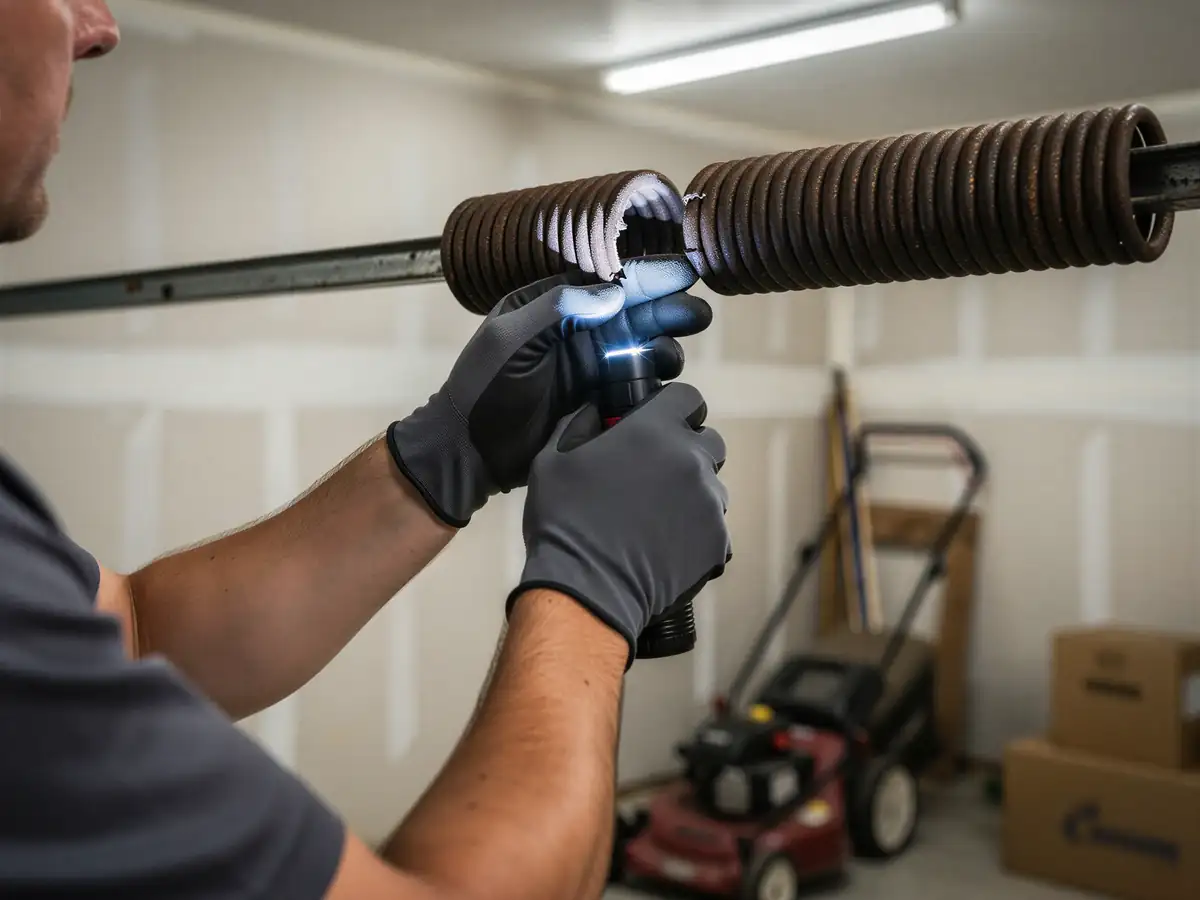
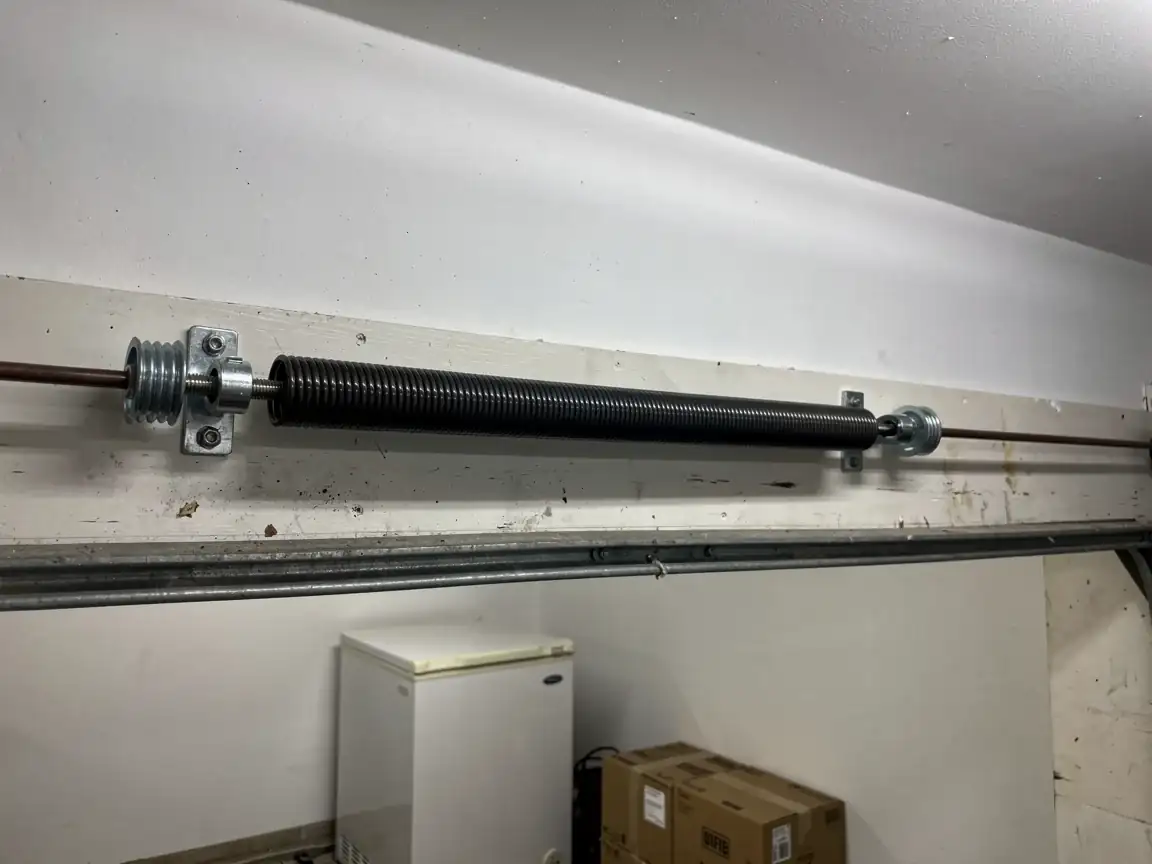
Most calls we get in Hopkins start the same way: the door hesitates, groans, or stops halfway and won't go further. Sometimes it's a loud bang followed by the door refusing to open at all - that's usually a torsion spring letting go. Other times it's an opener that runs but the door doesn't move, which points to a stripped gear or a worn drive chain.
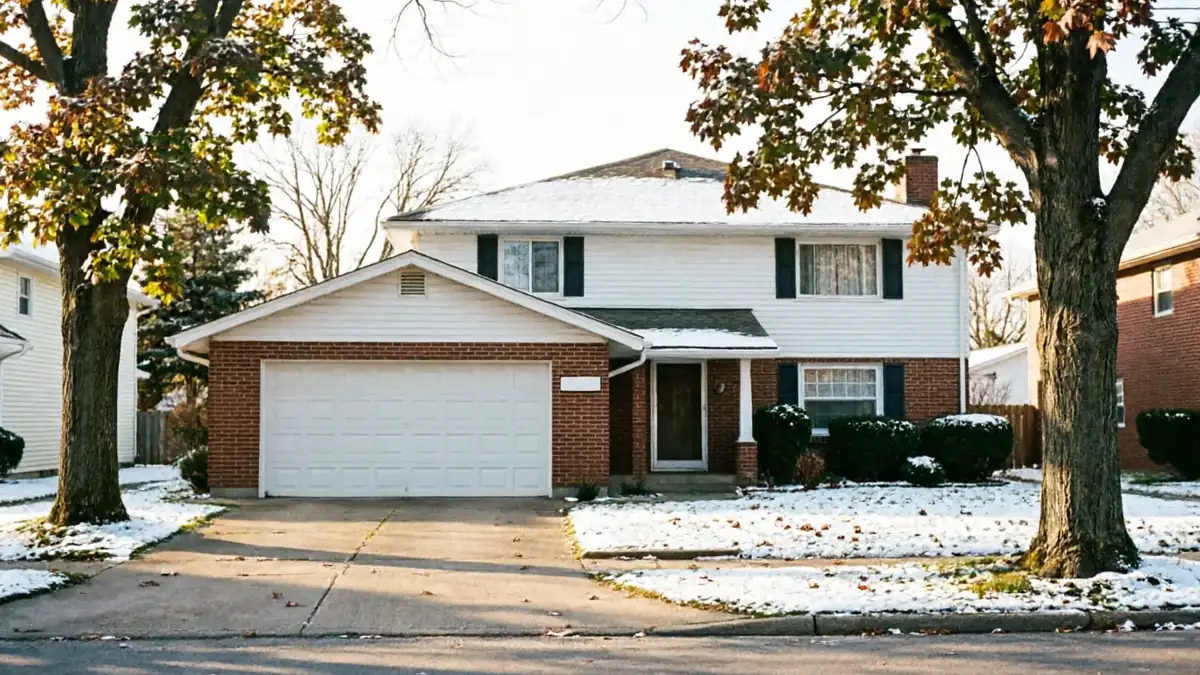
Housing in this service area was mostly built between 1957 and 2005, with a median build year around 1984, and a lot of that stock is concentrated in 1980s and 90s construction. That means a large share of the doors, tracks, and openers we're called out on are original or close to it - chain-drive openers from that era, steel torsion springs rated for a certain number of cycles that have simply run out, and tracks that were installed before current rollers and sealing standards existed.
If your door is slow to respond to the remote, or the opener light blinks but nothing happens, don't keep hitting the button. Repeated attempts on a failing opener motor or a spring under uneven tension can turn a $200 fix into a full opener or spring-and-cable replacement. We'd rather look at it once than twice.
What You Pay
We don't publish a flat number for garage door work because the job itself decides the cost
Spring size and wind, whether it's one door or a double, how old the track is, and whether the opener needs replacing along with the spring. What we can tell you is what drives the estimate up or down on most Hopkins jobs: double doors need heavier torsion springs than single doors, and a double door replacement on a home built in the 1980s or 90s often means swapping worn track hardware at the same time, since it wasn't built to current rail standards.
Household income in this service area runs a median of $116,500
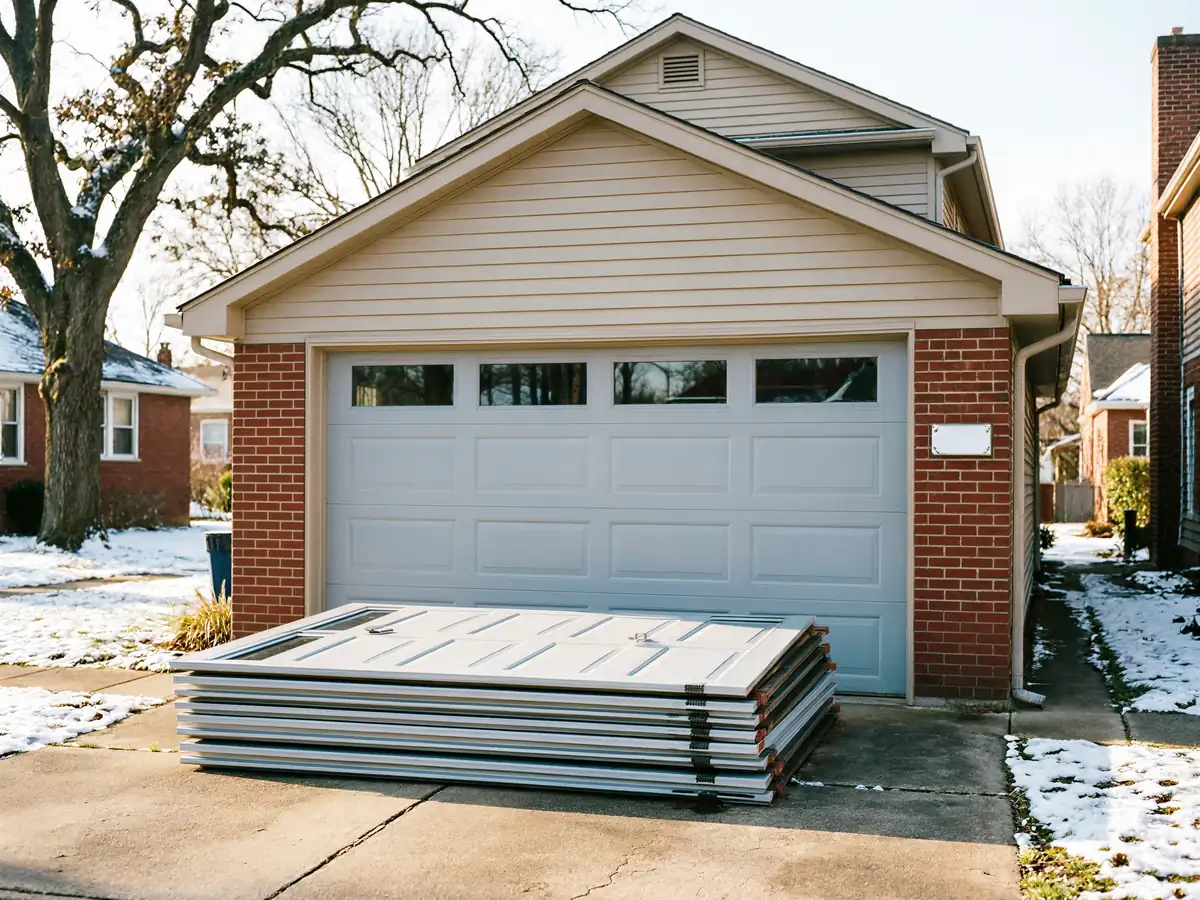
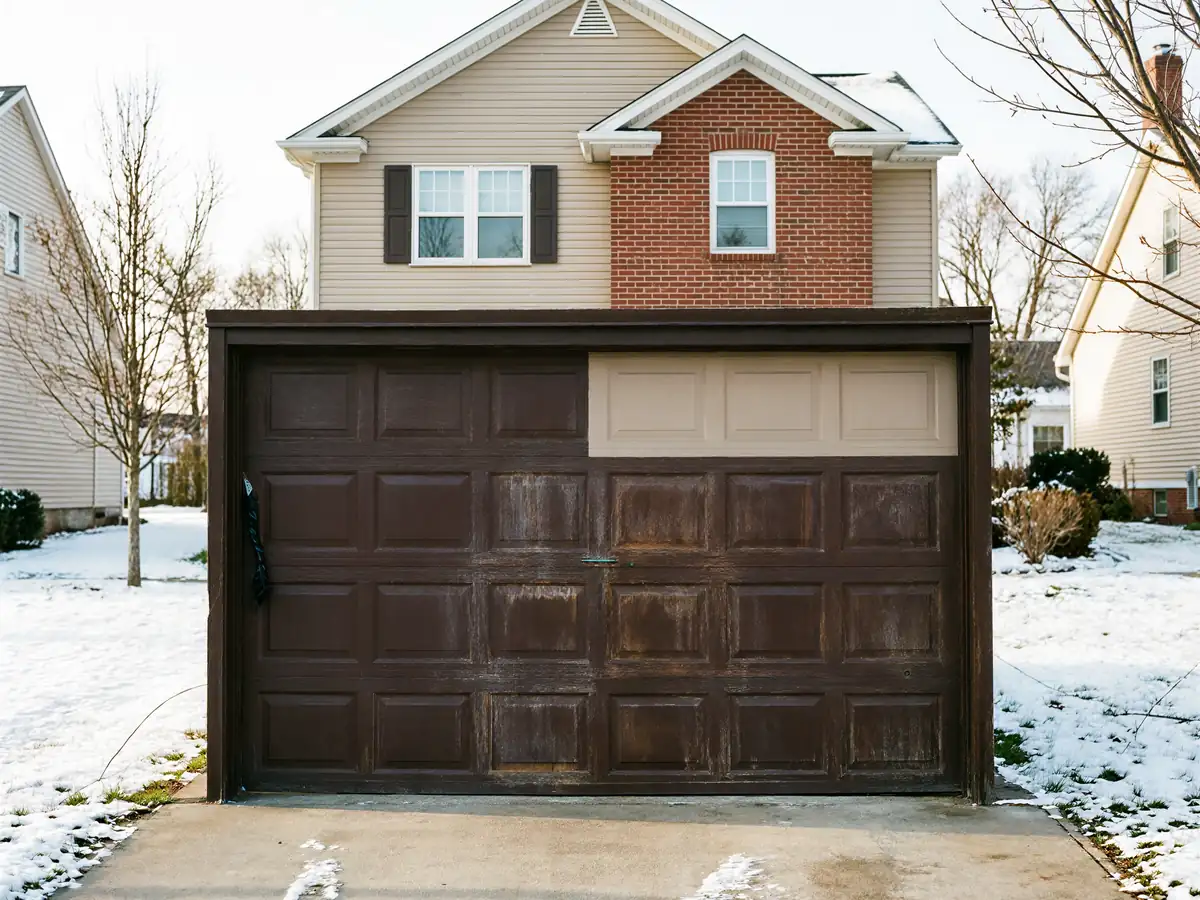
Which is part of why full door replacement is a real decision many owners weigh carefully against a repair - a new steel door and opener is a bigger spend than a spring swap, and it's not always the right call. We'll tell you straight when a repair gets the door through another several winters versus when the opener or track is far enough gone that replacement is the better value.
We give a number before we touch anything, not after
Why This Fails Locally
This area sits in a cold climate band, and that matters more than people expect for a garage door. Steel contracts in cold weather, and a torsion spring that's already near the end of its rated cycles is more likely to snap on a sub-freezing morning than on a mild one - the metal is stiffer and less forgiving right when the door gets used the most, first thing when it's cold out.
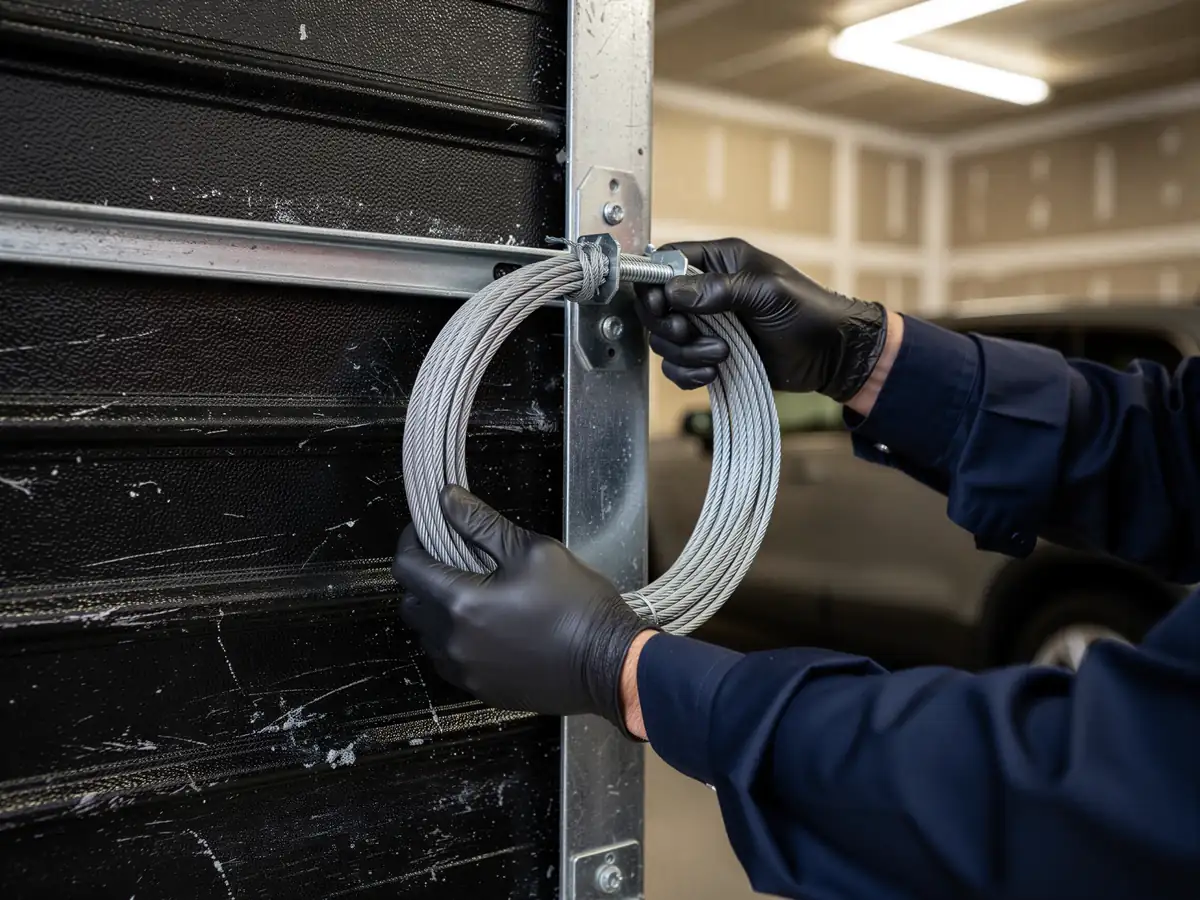
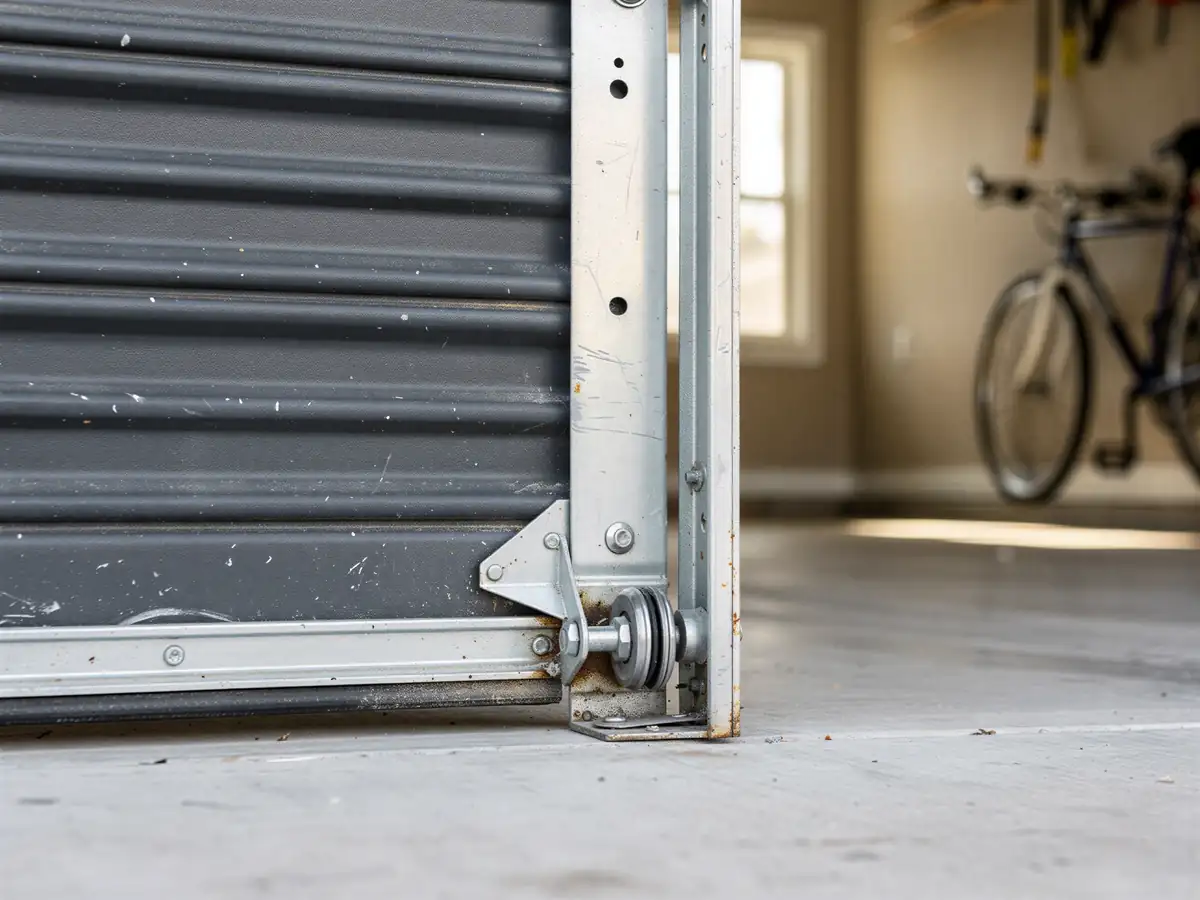
Combine that with the housing stock here. A door and opener installed when a Hopkins-area house was built in the 1980s or 90s has already been through decades of winters. Galvanized coatings on original springs wear thin over time, and once that coating is gone, the spring corrodes faster in freeze-thaw conditions. Nylon rollers from that era also go brittle in the cold and crack, which throws the door off-track.
We see a pattern: homes from this build era with original hardware have a much higher rate of spring failure in the coldest stretch of the year than homes with openers and springs replaced in the last decade. It's not bad luck - it's 30-plus-year-old steel meeting weather it wasn't built to handle anymore.
The DIY Question
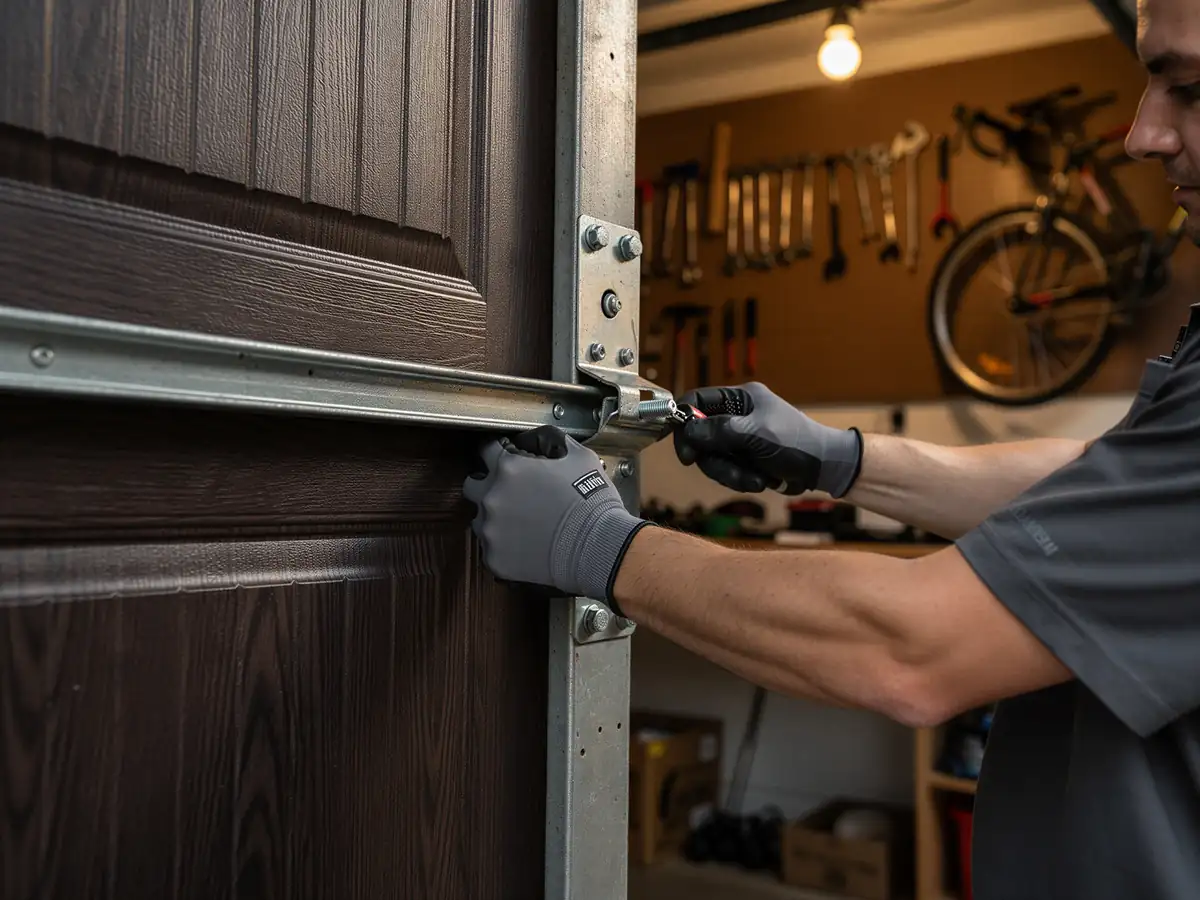
Some of this is fine to handle yourself. Reprogramming a remote, replacing the photo-eye sensors, lubricating hinges and rollers, tightening loose bolts on the track - all reasonable weekend jobs with a video and basic tools.
Torsion springs are not on that list. They're wound under enough tension to cause serious injury if the winding bars slip, and on a double-door spring sized for a home built in this area, that tension is significant. We won't talk you through doing that one yourself, and we'd tell any homeowner the same thing regardless of how handy they are.
The honest limit on our end: if a door is old enough that the track, springs, and opener are all failing around the same time, patching one piece at a time usually costs more over a year than replacing the system once. We'll say so if that's what we find, even if it means a bigger job than the one you called about.