The Symptom
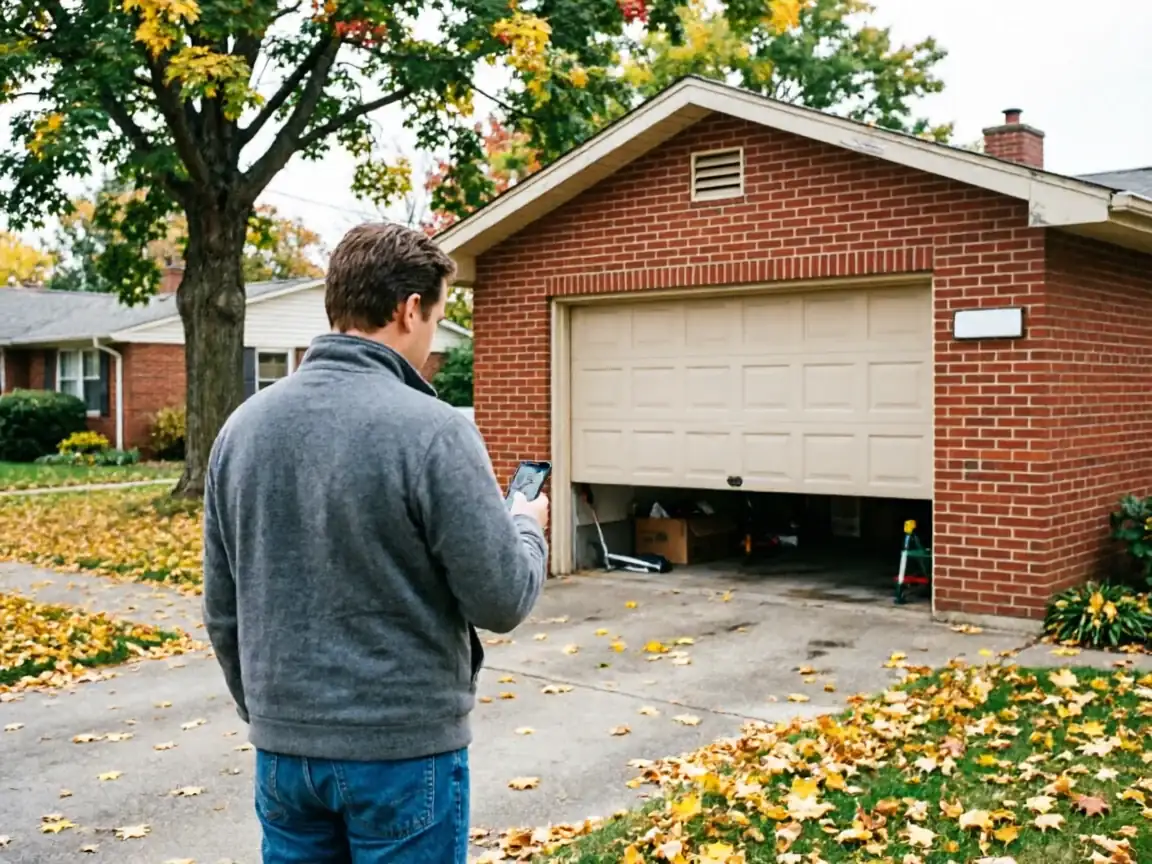
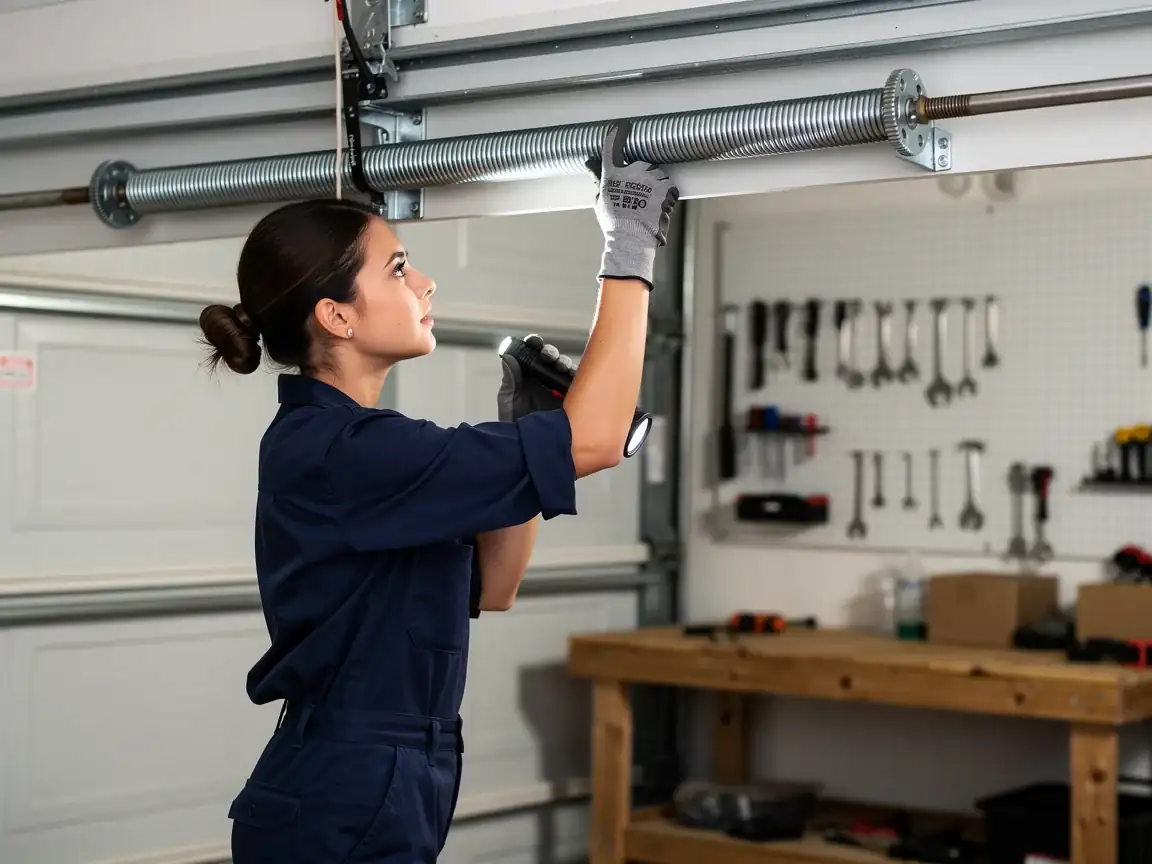
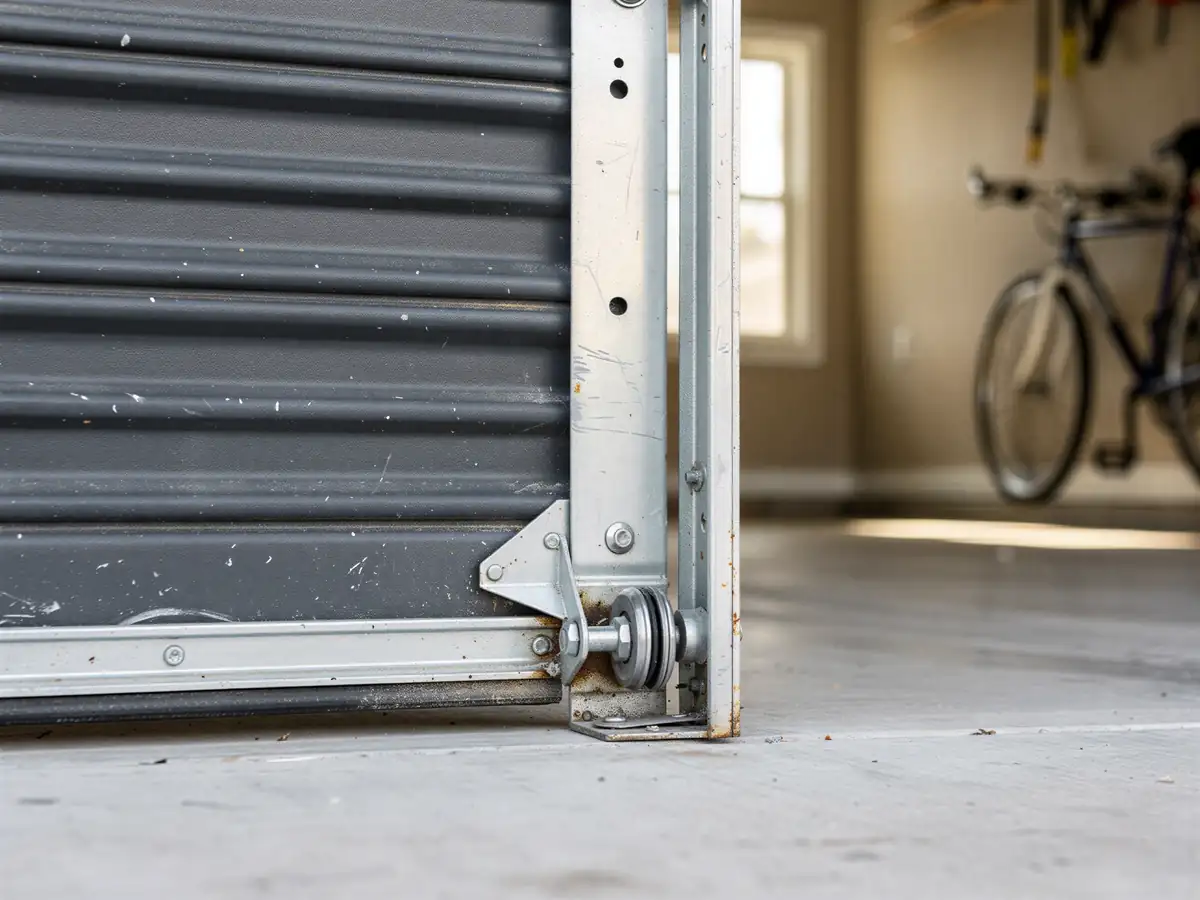
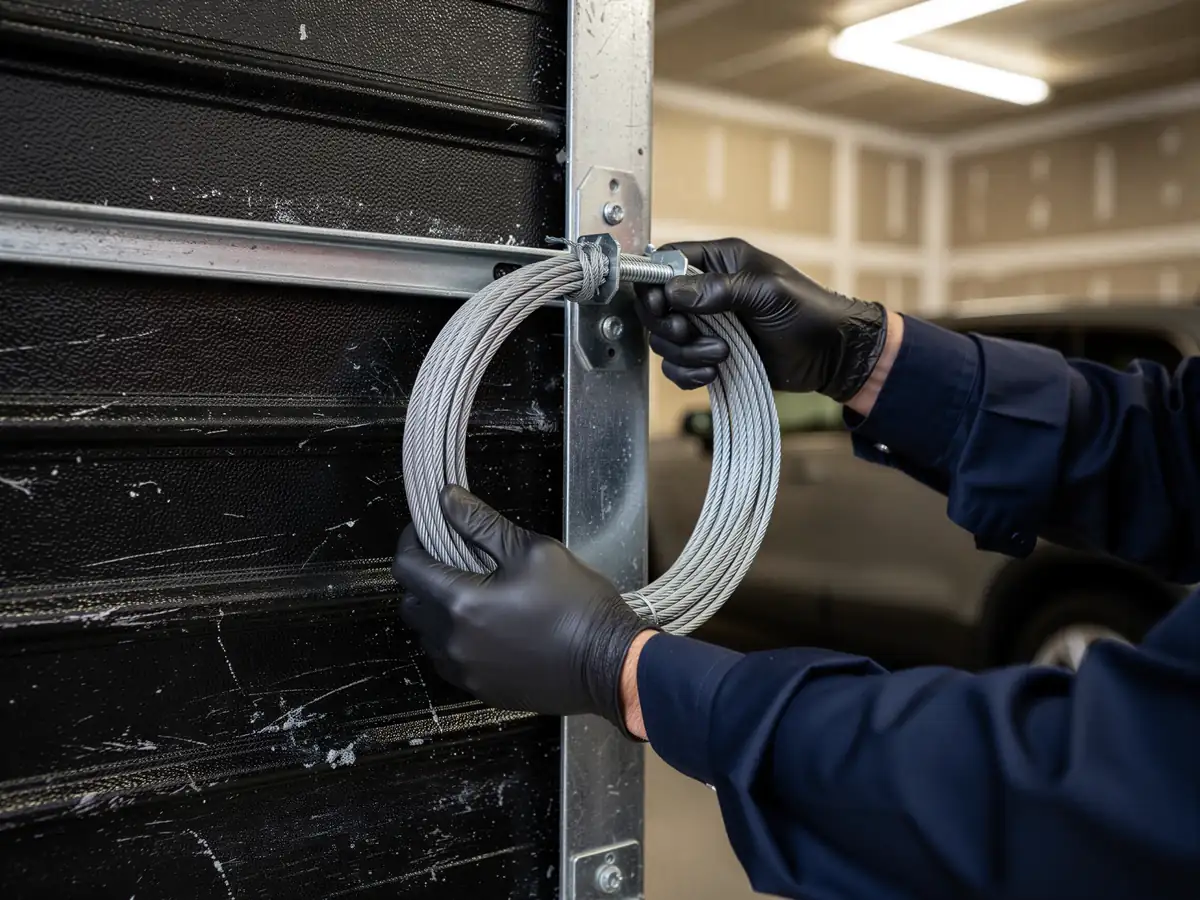
A door that drops crooked, one side lower than the other, or a cable that's unwound off the drum and lying loose in the track - that's a cable failure, not a spring failure, though the two get blamed on each other all the time. You'll usually hear it before you see it: a pop, then the door hangs at an angle or won't move at all because the opener senses the imbalance and stops. Sometimes it's slower, a frayed strand catching on the drum groove every cycle until it finally lets go.
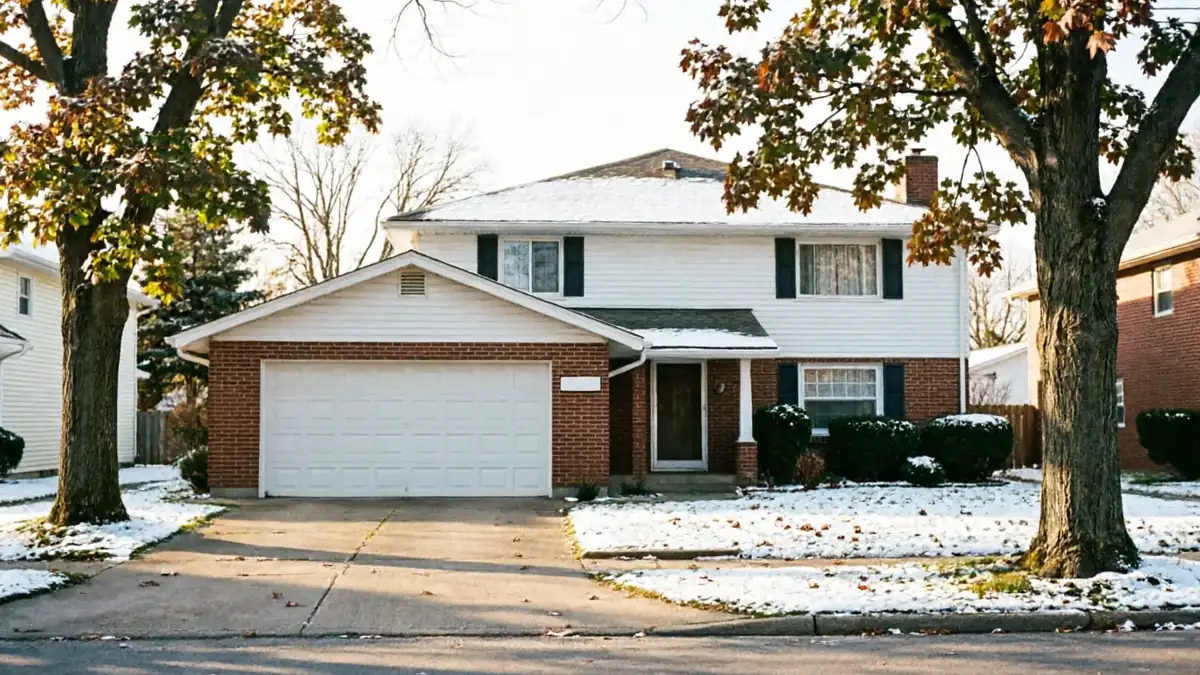
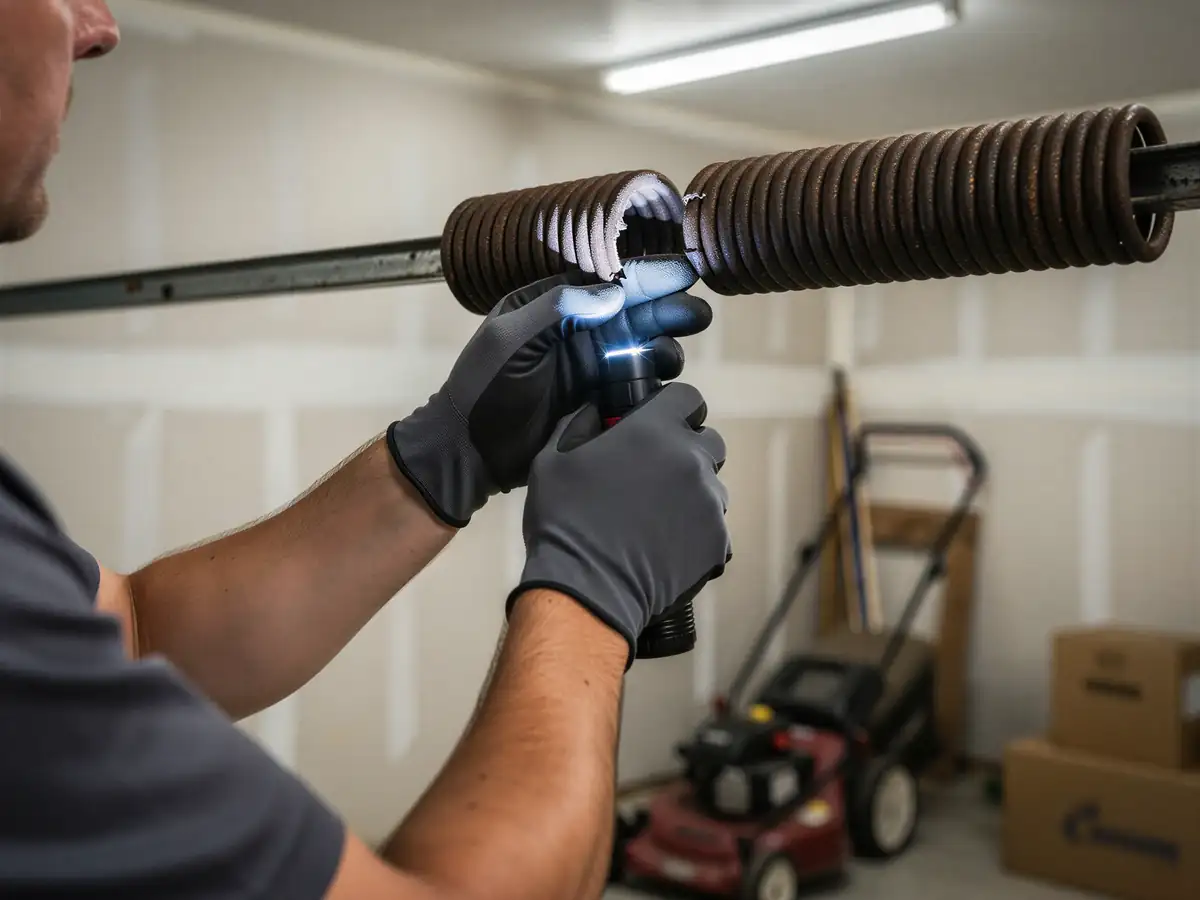
In Hopkins and the surrounding area, most of the houses still running original hardware date from 1957 to 2005, with the bulk of the stock from the 1980s and 90s. That's old enough that the galvanized coating on a lot of these cables has worn thin, and the drums they wrap around have grooves worn uneven from thirty-plus years of use. A worn drum chews a cable faster than a new one would, which is why cable failure on a door that age often isn't a one-time fluke - it's the hardware telling you it's near the end.
If both cables look original and one has already gone, we'd rather replace the pair and the drums together than patch one side and have you calling again in six months.
What You Pay
We don't have a flat number to post here, because cable jobs vary more than people expect
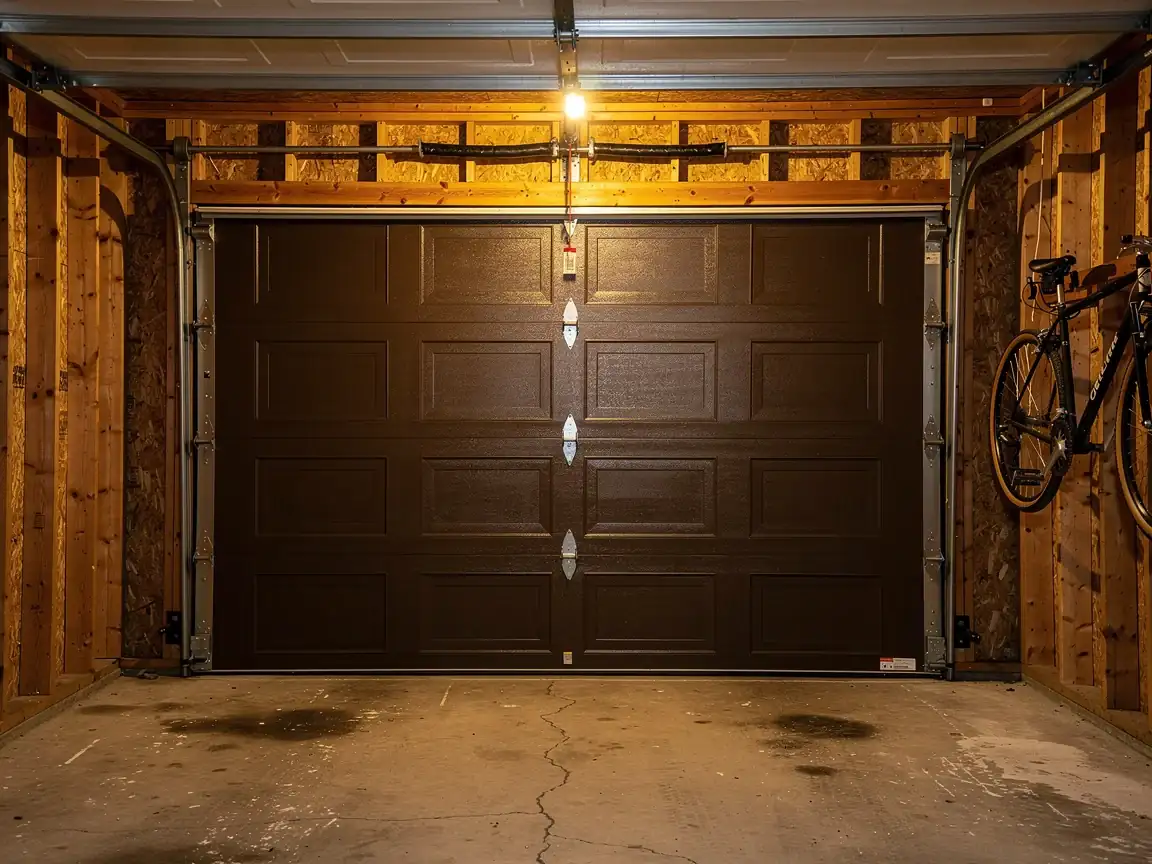
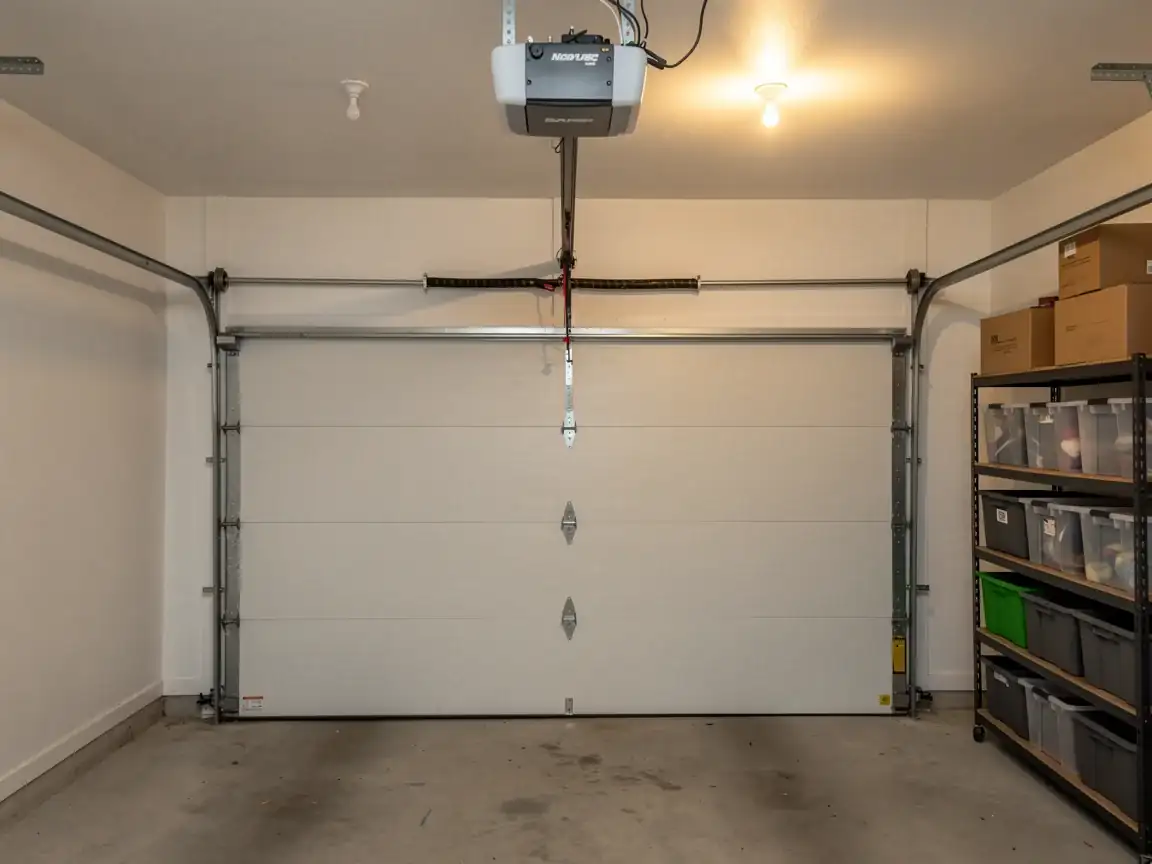
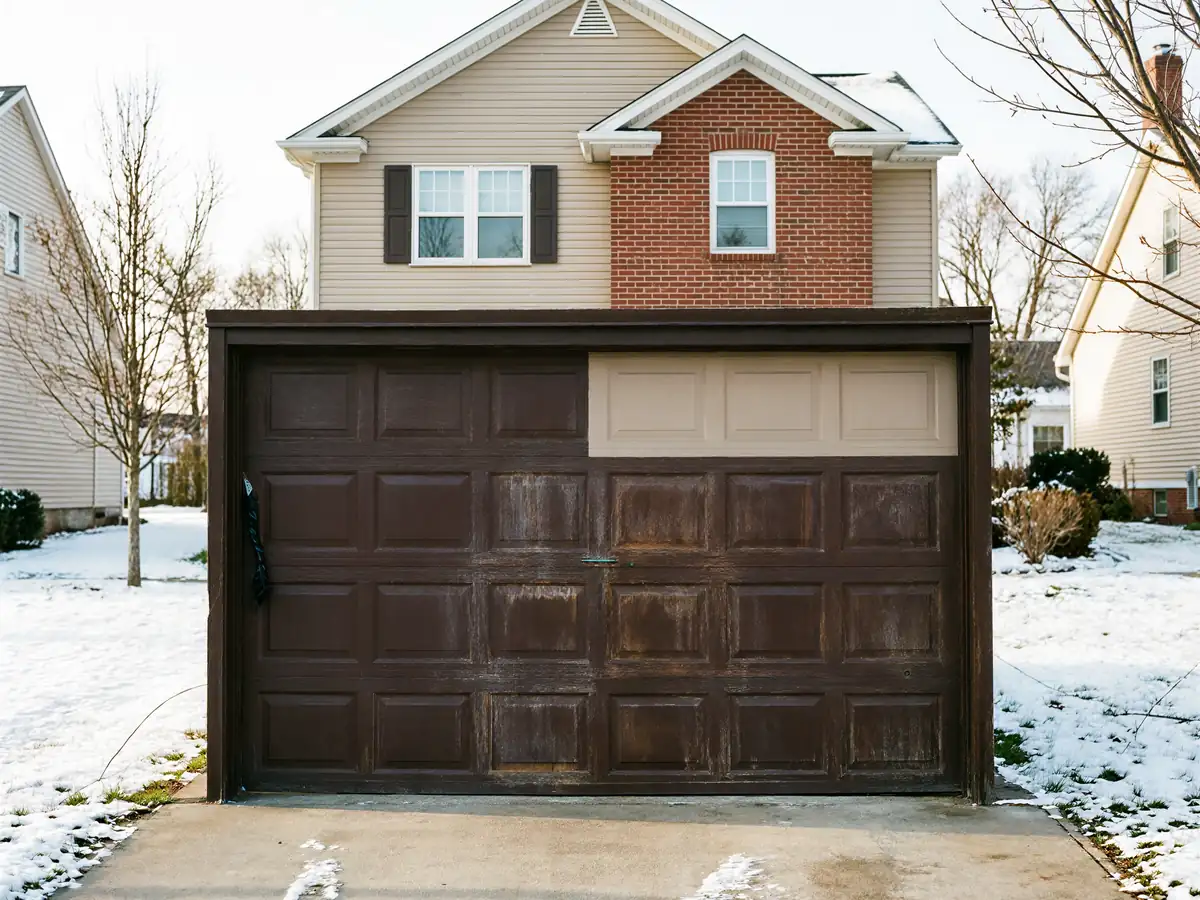
A single cable swap on a standard torsion setup is a different job than a job where the drum is also gouged, or where the door came down hard enough to bend a track or dent a bottom panel on the way. Double doors run two cables and two drums instead of one of each, which changes the parts and labor both.
What we can tell you is the shape of the decision
If the cable failed cleanly and the drums and spring are otherwise sound, it's a contained repair. If the door was still being used after the cable started fraying - which happens, because people don't always catch it early - there's a decent chance something else got stressed in the process and needs a look. We price the job after we've actually seen the drum wear and the track alignment, not off a phone description, because guessing low and finding more once the door's open helps nobody.
Why This Fails Locally
This part of Minnesota sits in a cold-moderate climate band, and that matters more for cables than people think. Lubricant that's fine in July turns stiff in January, and a cable that's already got a couple of frayed strands is far more likely to snap in a deep cold snap than in mild weather, because the steel itself loses some flexibility and the ice buildup on the track adds resistance the cable has to fight against on every cycle.
Across the service area - 37 named communities with housing mostly from the 1980s and 90s - a huge share of garages are running cable and drum assemblies that have never been replaced. Thirty to forty winters of expansion and contraction, road salt tracked in off the slab, and the occasional ice-jammed track all put extra load on a cable that's already thinner than it was the day it was installed. That's a different failure pattern than you'd see in a warm-climate market, where the same age of hardware tends to last longer simply because it's never fighting ice.
We see this most on doors nobody's touched since the house was built - original cable, original drum, original spring, all aging together until one part gives first.
The DIY Question
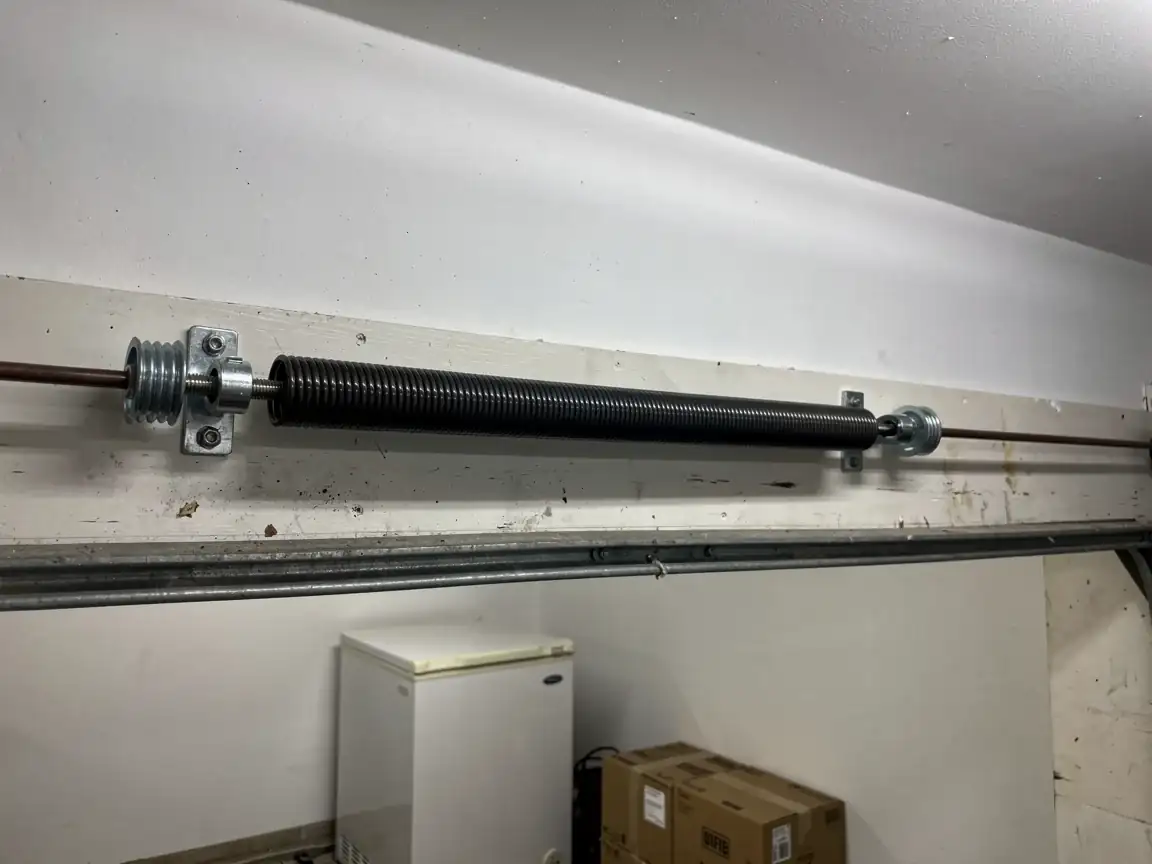
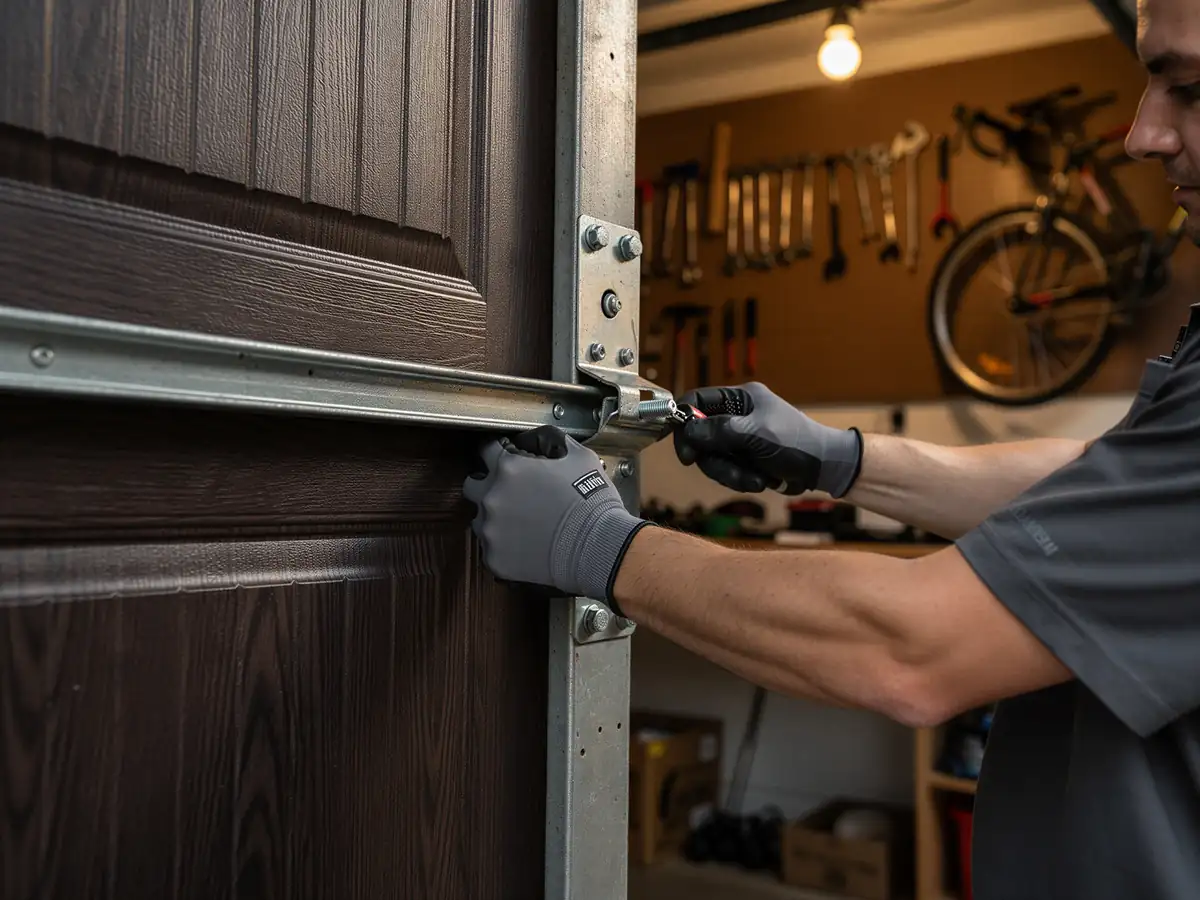
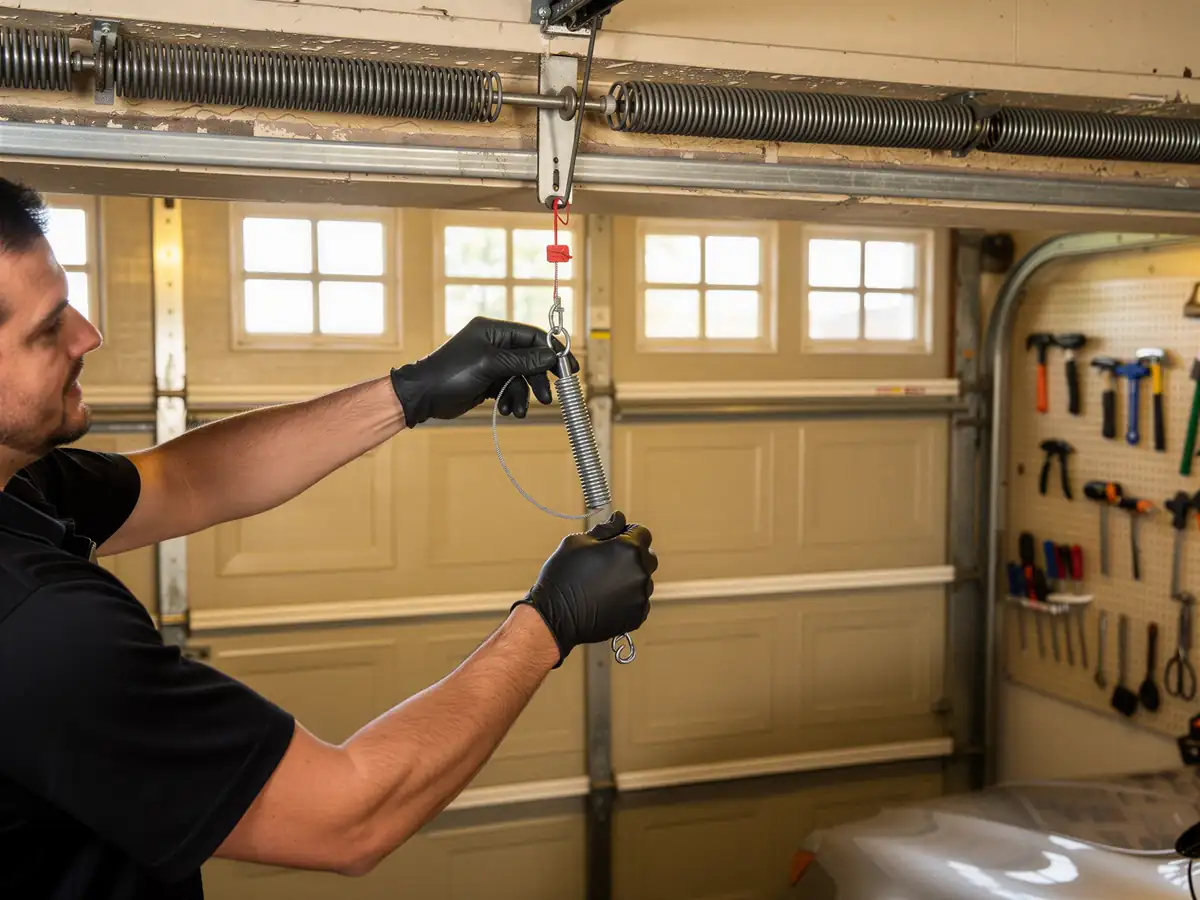
A garage door cable is under real tension even with the door down, because it's tied into the spring system. Loosening the wrong bolt, or trying to rewind a cable back onto a drum by hand, is how people lose fingers - this isn't a scare line, it's just how the mechanics work. If the cable snapped and the door is now stuck in whatever position it was in, the safest move is to leave it there, keep the opener unplugged so it doesn't try to force a cycle, and call it in.
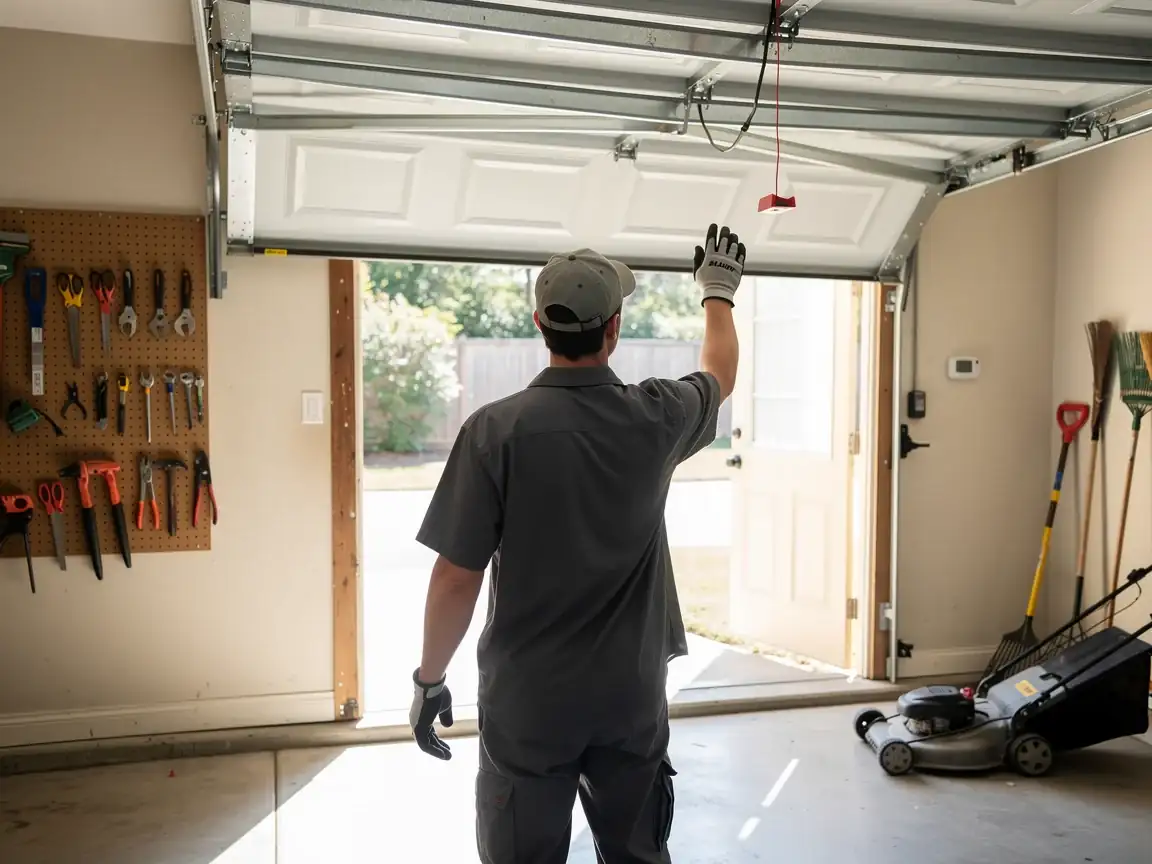
There are smaller things you can check yourself first: make sure the issue is actually the cable and not just a disconnected opener arm or a dead remote battery, since those look similar from across the garage. But once you can see a cable off the drum, frayed, or missing its end fitting, that's not a tighten-this-bolt fix. We'd rather walk you through what to look at over the phone than have you under a loaded door with a wrench.