How Local Conditions Play In
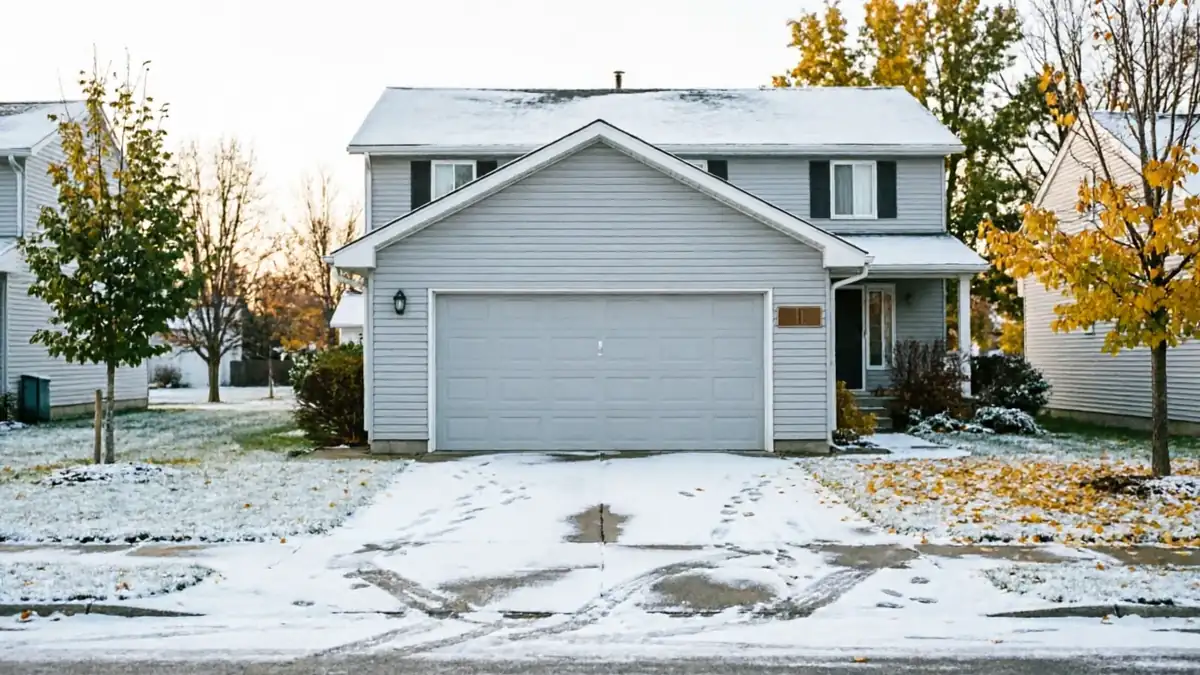
Hopkins sits in a cold-moderate climate band, and that matters more for a torsion spring than most homeowners think. Steel loses flex as it drops in temperature, and a spring that's already fatigued from years of cycling doesn't bend the way it did in July. It just lets go.
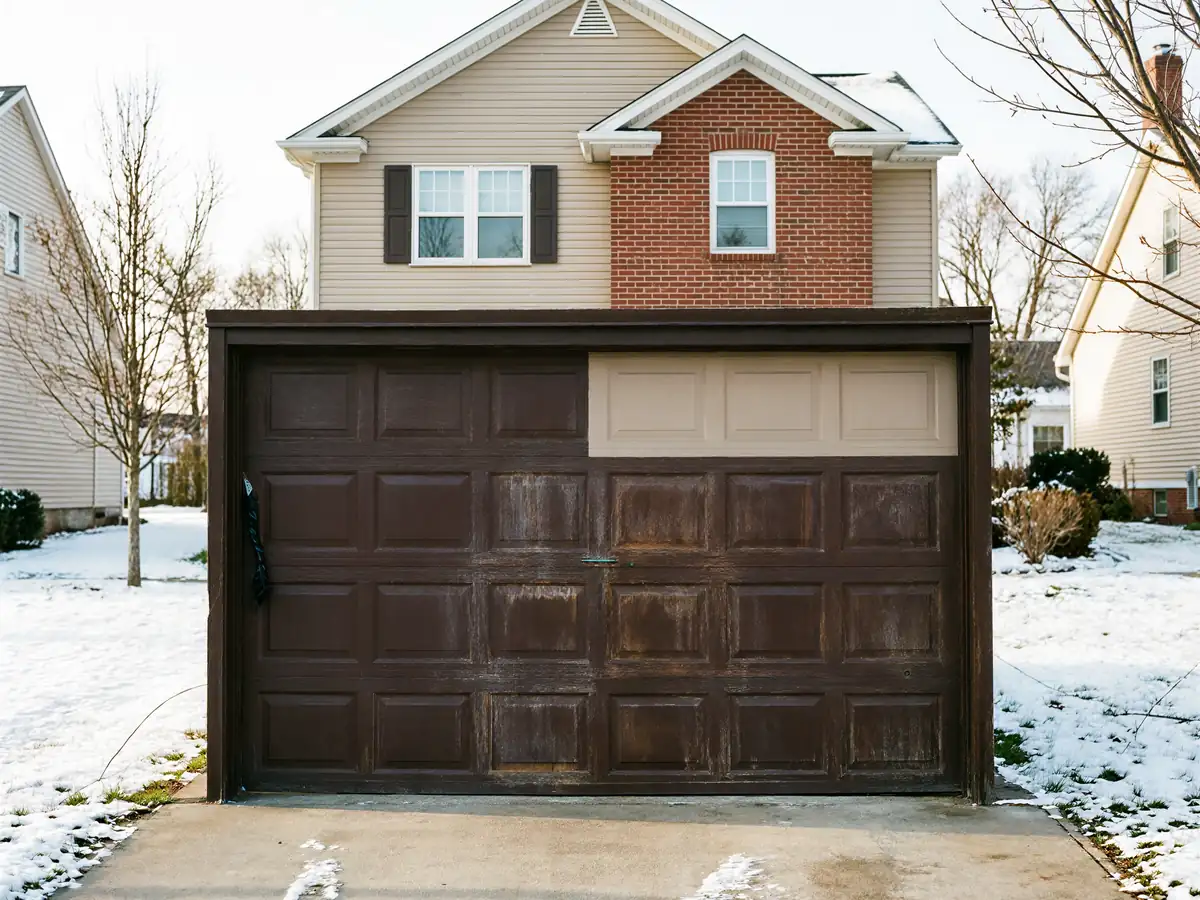
Most of the housing stock around here went up between 1957 and 2005, with the median build year landing around 1984. That's a wide range, but it means a lot of doors in this part of the Twin Cities west metro are still running the torsion springs that came with the house, or a first replacement set from the 90s. Across the 37 named areas that make up this stretch of housing, the common thread is age: these are springs that have already done a few decades of lifting before the cold ever becomes a factor.
A 1984-vintage double door spring wasn't engineered with a lot of margin. Add a hard cold snap and the fatigue that's been building for years finally wins. That's not a Hopkins-specific metallurgy problem - it's a timing problem, because the age of the stock lines up with the climate that's testing it.
The Problem
A torsion spring that snaps in cold weather almost never does it out of nowhere
It's been losing coil tension for years, and the cold is just the final push. Houses built in the 1957-2005 window - which covers most of what's around Hopkins - are now old enough that their original or first-replacement springs are past the point where cold weather is a minor inconvenience instead of a breaking point.
You'll usually get a warning
The door sounds different partway through its travel, the opener strains harder on the up-cycle, or the door doesn't sit level when it's halfway open. Those are signs the spring is carrying less load than the door needs, and a cold morning is often when the last bit of tension gives out.
The honest limitation here
I can't tell you from a general guide whether your specific spring is a week from breaking or a year from breaking. Spring life depends on cycle count and how it was wound, not just the calendar. What I can tell you is that a door built in that median-1984 era is well past any reasonable spring's rated life, cold weather or not.
Checking It Yourself
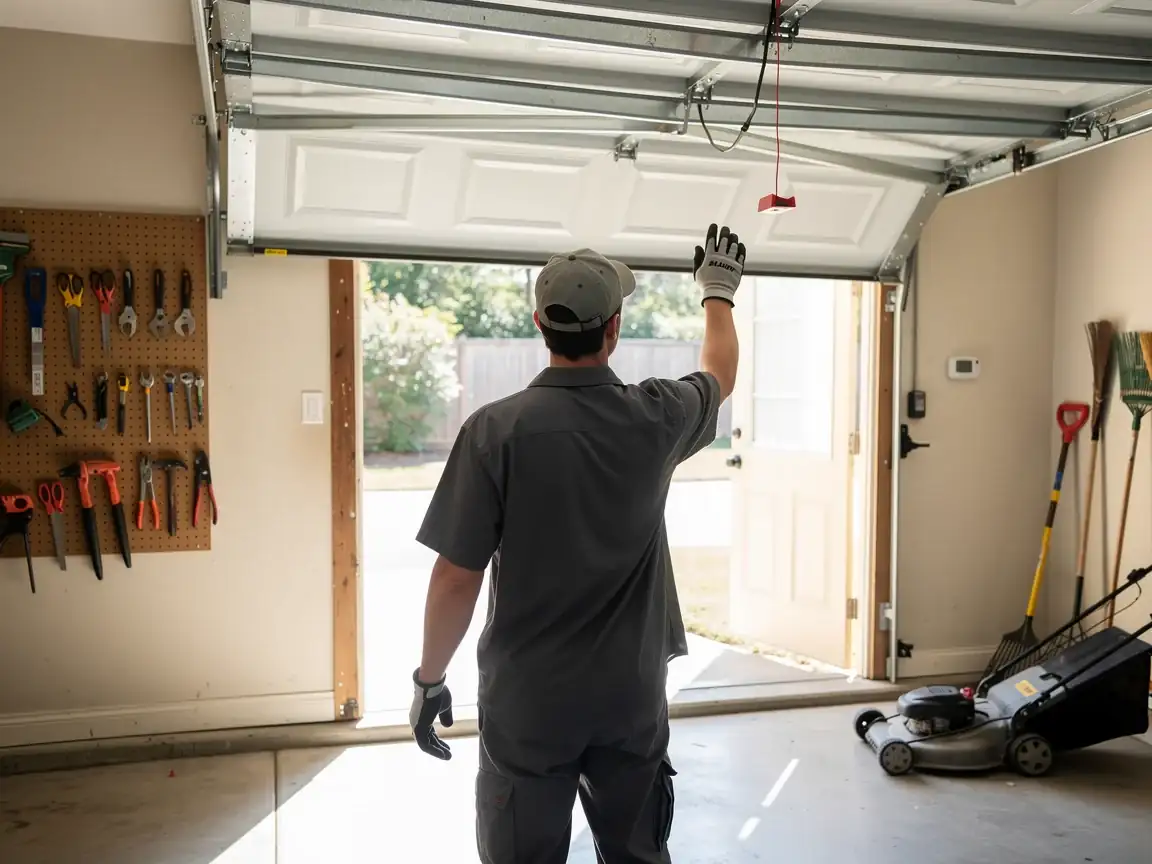
Disconnect the opener (pull the emergency release) and lift the door by hand. A properly balanced door, regardless of age, should stay put at about waist height and move with one hand. If it drops on its own or feels heavy, the spring has already lost meaningful tension - don't wait for a cold morning to find out the rest of the way.
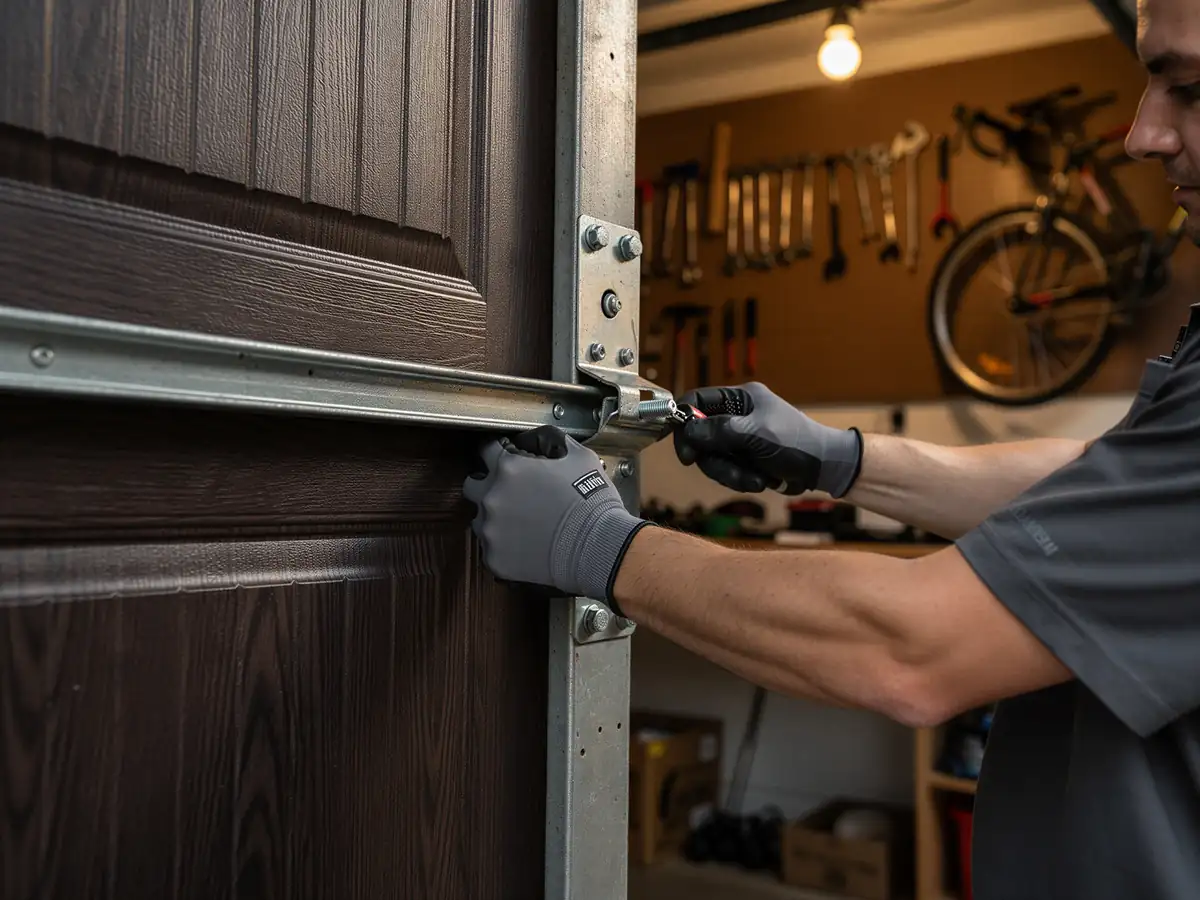
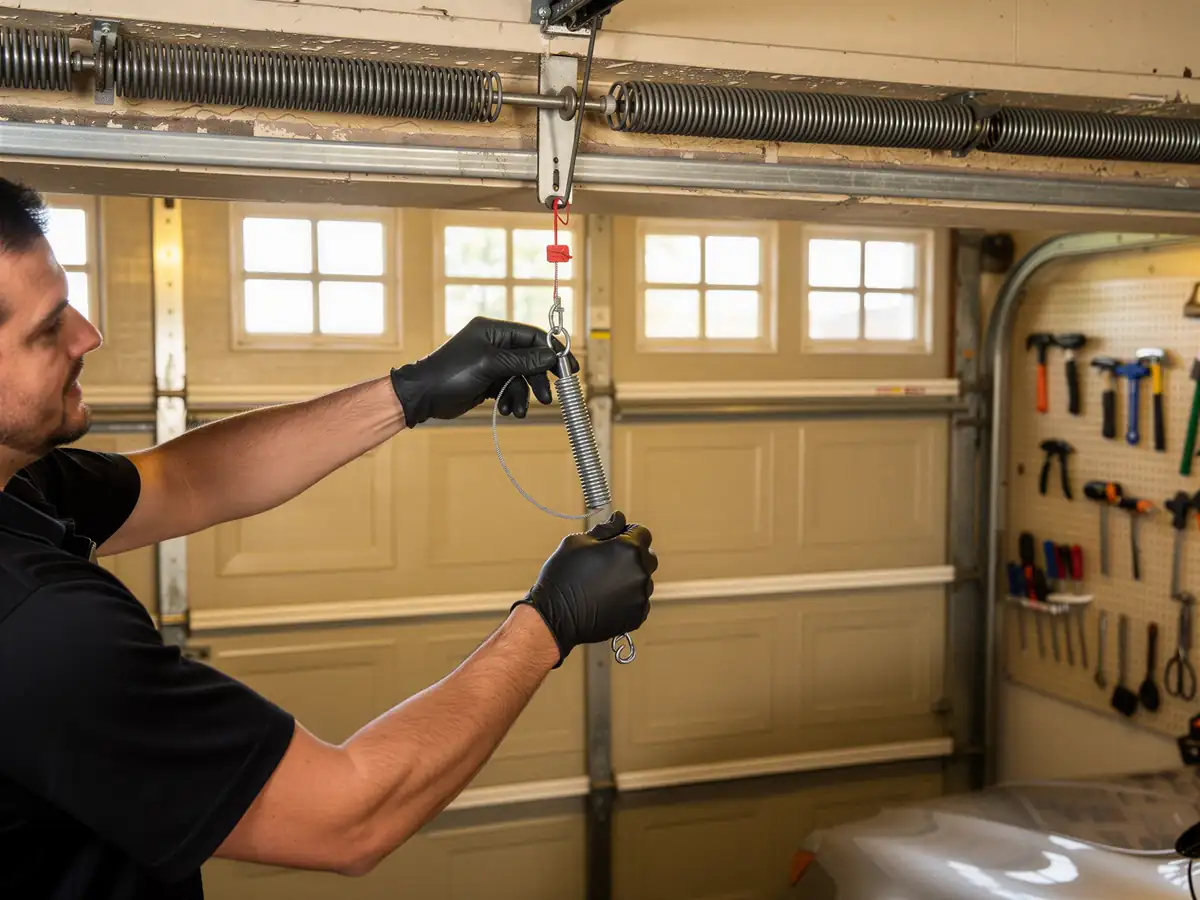
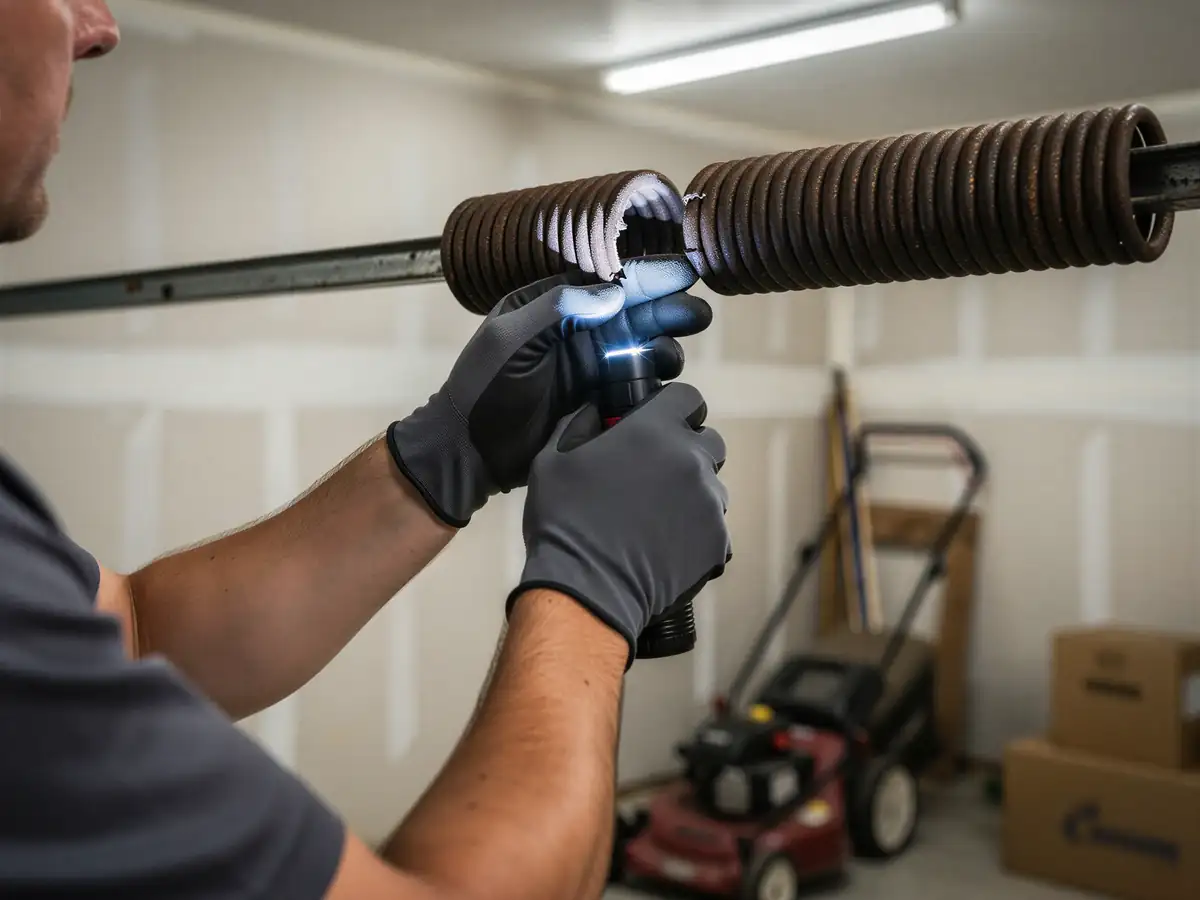
Look at the spring itself. A visible gap in the coil, or a spring that looks stretched compared to its mate on a two-spring setup, means it's at the end of its life. On older homes in this area, that's not a defect, it's just a 30-to-60-year-old part doing what metal parts do.
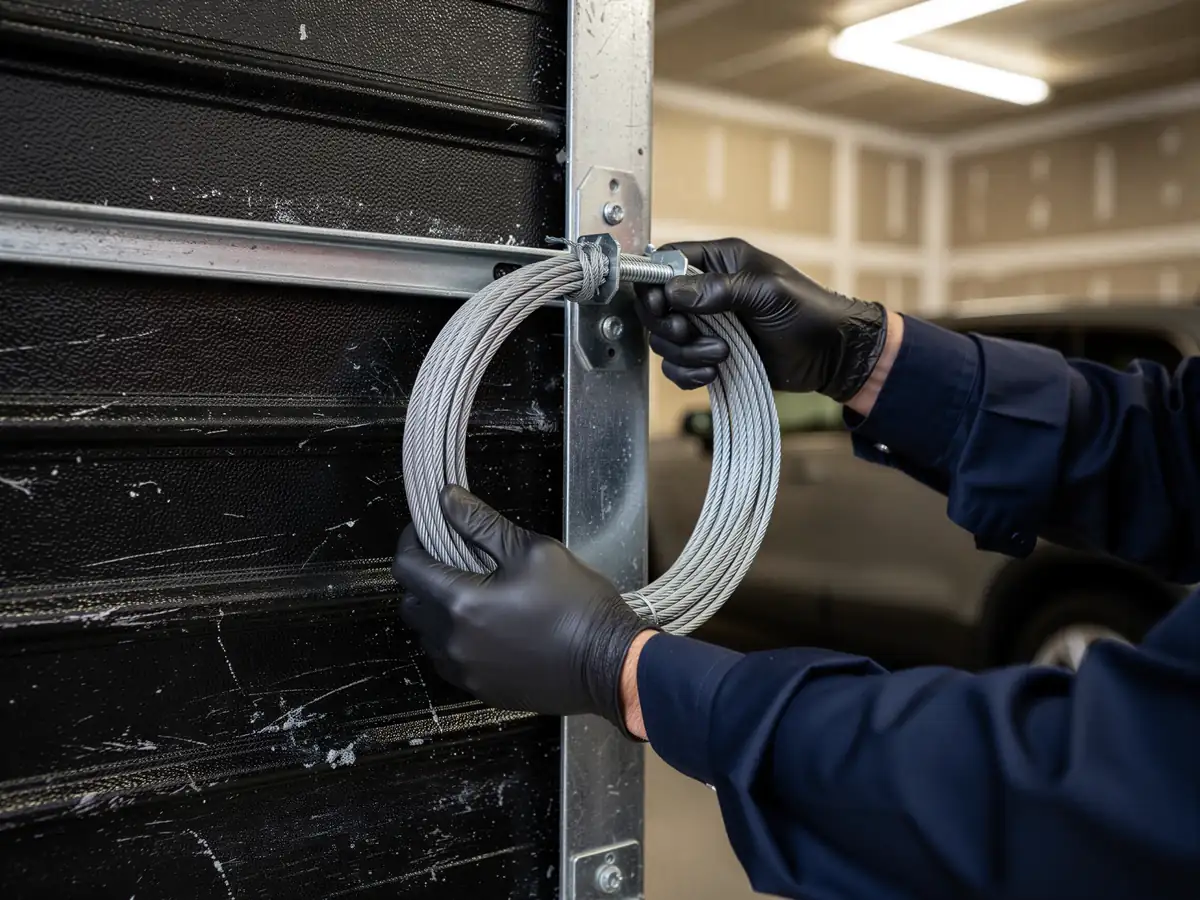
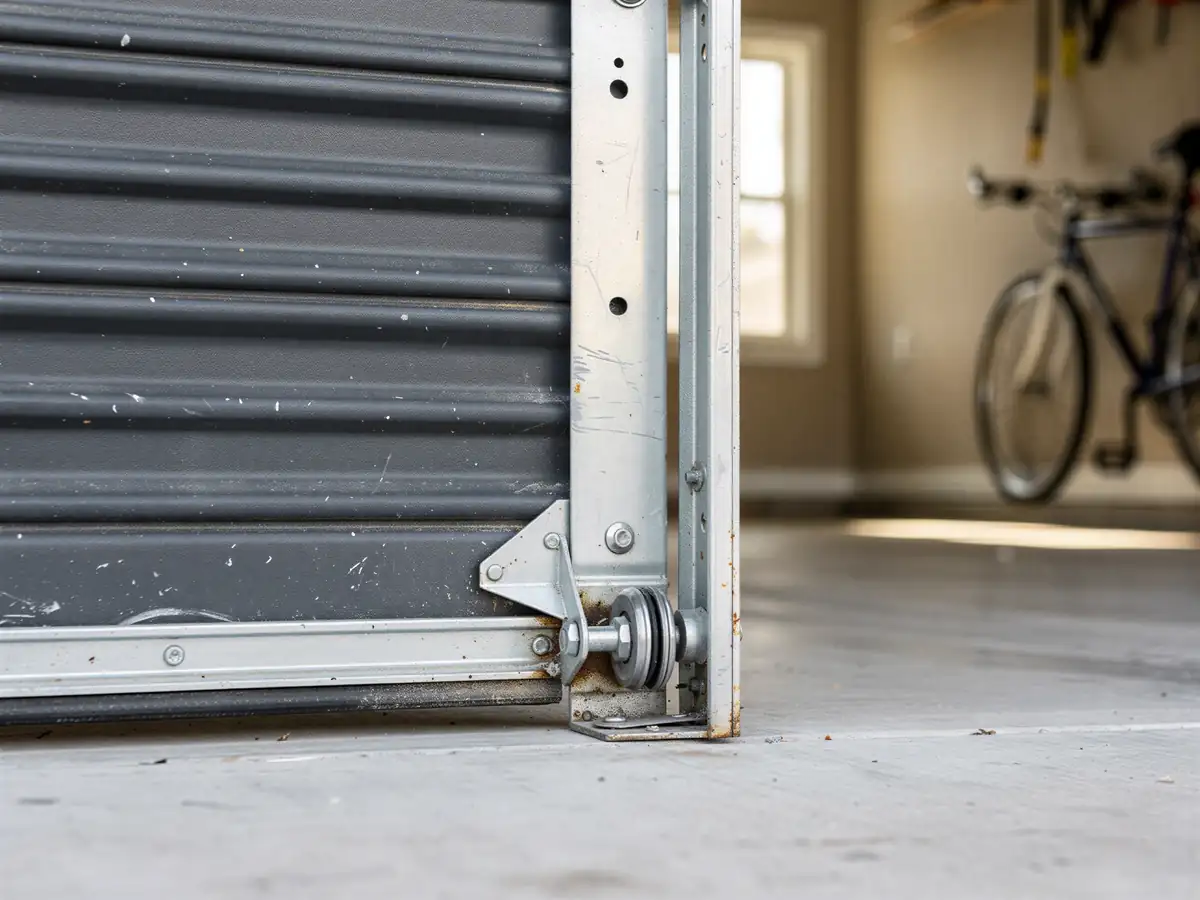
Check the cables too while you're under there. Cold makes everything stiffer, including cable sheathing that's starting to fray. If a cable looks frayed or kinked near the bottom bracket, that's worth a call before it's an emergency.
I'll say plainly: if the spring looks fine and the door balances well, don't replace it preemptively just because of the season. A good spring doesn't care about the forecast. This check is about catching the ones that are already compromised, not manufacturing work that isn't needed.
Season by Season
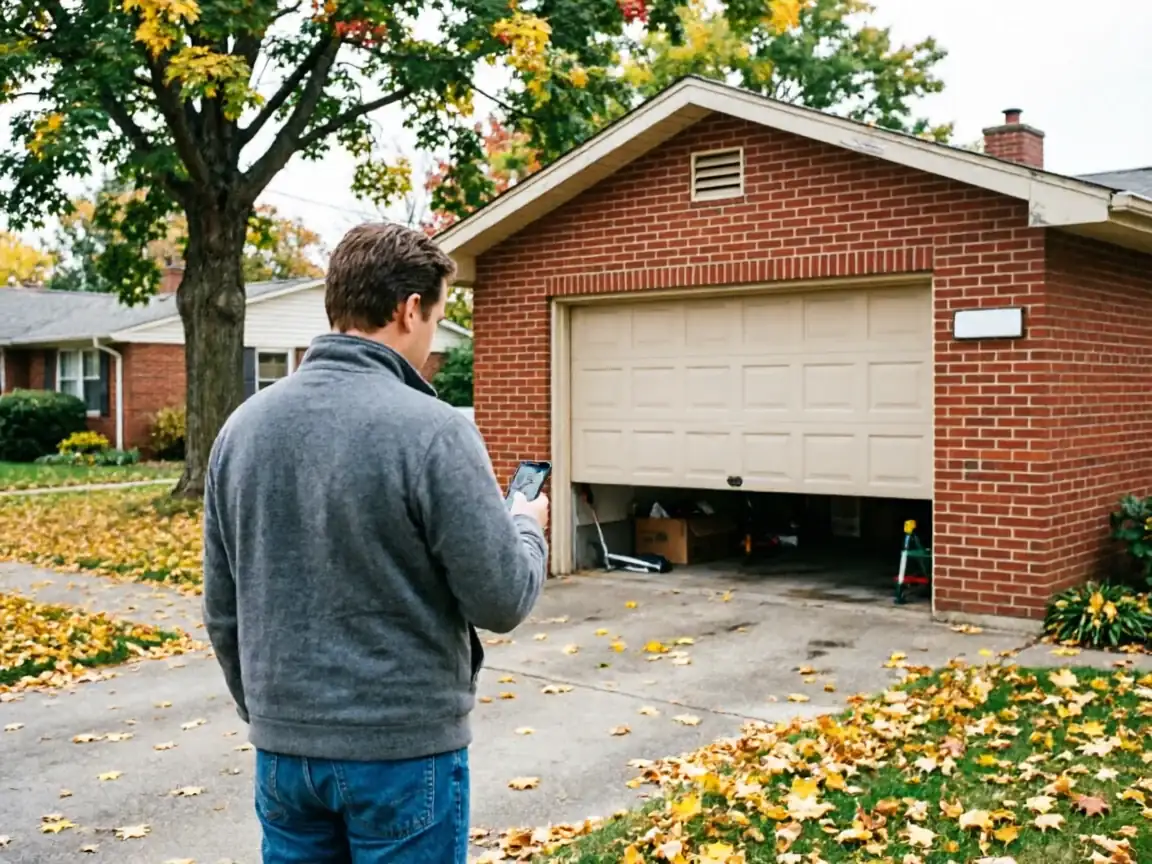
Fall is the window to check balance and listen for new noise, before the first hard freeze. If a spring is marginal, it's easier to deal with on a 40-degree Saturday than at 7am in January when the car's trapped inside.
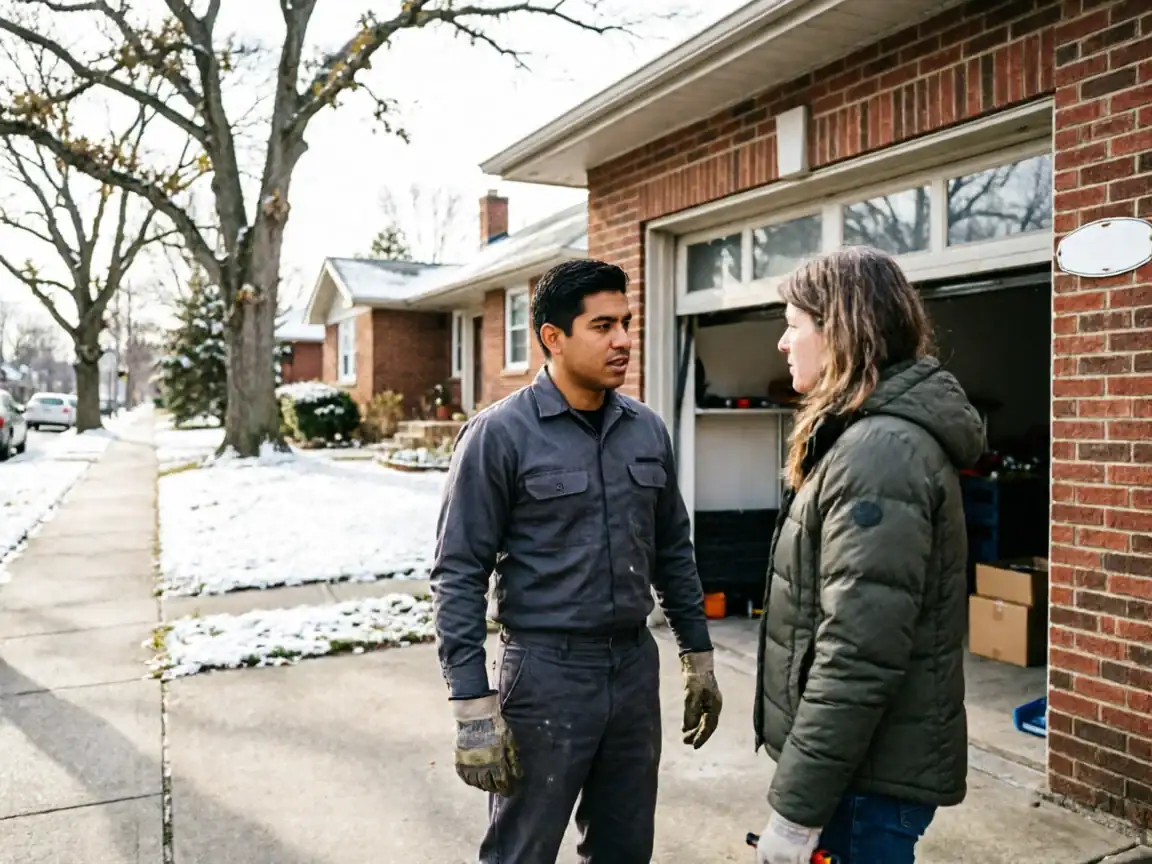
Winter is when fatigued springs fail. Cold steel is less forgiving, and in a cold-moderate climate like this one, that's a real seasonal pattern, not a scare tactic - the stress on an already-weak coil goes up as the temperature drops, and a spring that was going to last another year in August sometimes doesn't make it through February.
Spring and summer are lower risk for sudden failure but good for catching the slow stuff: rollers, hinges, and track alignment that heavy cold-weather use wore down. A door that worked hard all winter often shows its wear in April, not January.
Across the service area - homes stretching out toward Wayzata, Deephaven, and Excelsior, all within about six to eight miles - the pattern repeats because the housing ages the same way and the winters hit the same way. The fix isn't different by town. The timing of when it breaks usually is.