Serving Hopkins, MN & nearby
(952) 246-5107
Hopkins, MN

Why Garage Door Seals Fail Fast on Hopkins' 1960s-90s Housing Stock

Hopkins homes built mostly between 1957 and 2005 lose heat fast through worn garage door seals in Minnesota's cold winters. Here's what to check and fix.

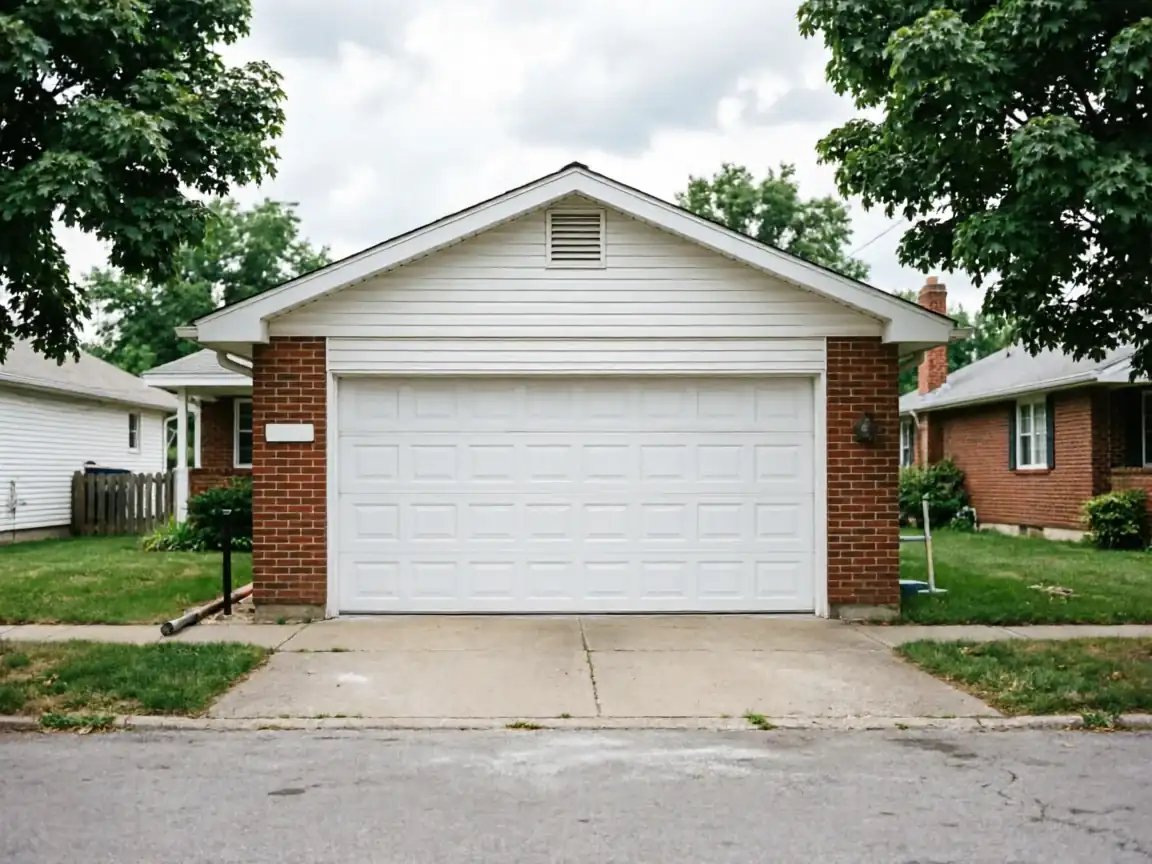
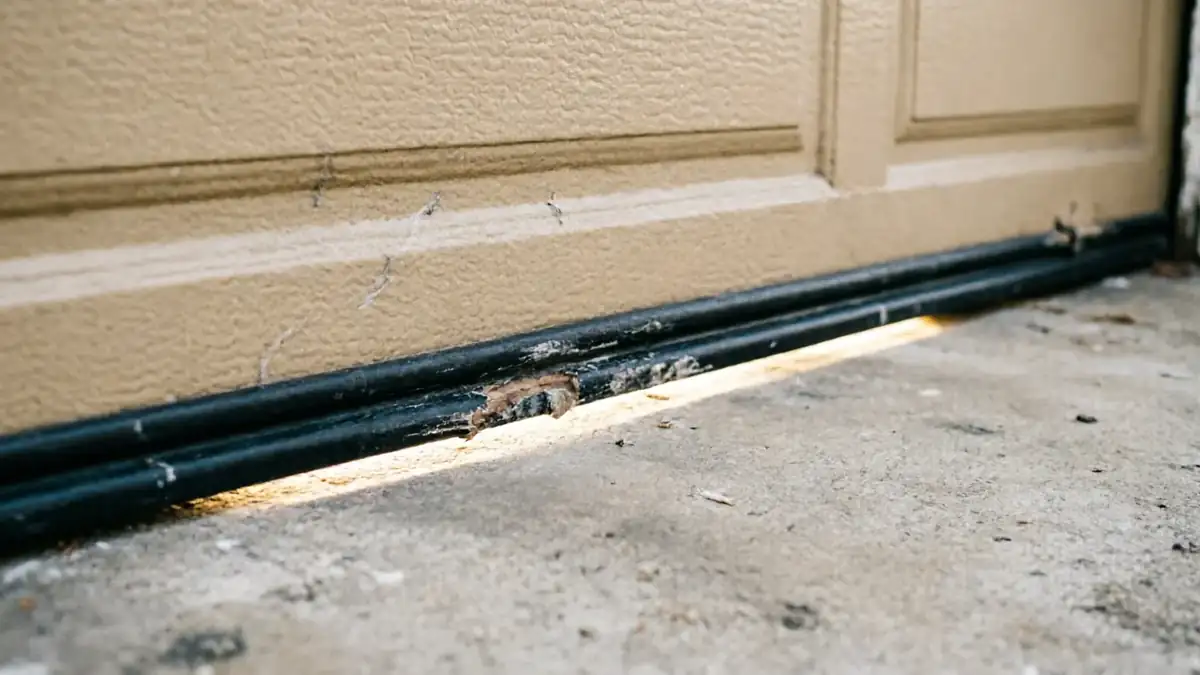
The garage door bottom seal is damaged, letting light show through.

How Local Conditions Play In

Most houses in this part of the service area went up between 1957 and 2005, with the typical build year landing around 1984. That matters for weatherstripping because a door and frame installed in the Reagan era was built to the sealing standards of that decade, not today's. Across the 37 named areas we cover, the bulk of garage doors date to the 1980s and 90s, meaning the bottom seal and corner blocks are original on a lot of these homes, or close to it. Hopkins sits in a cold, moderate climate band, not the deep-freeze extremes further north, but enough to put real stress on a door's weatherstripping every winter. Vinyl seals that were flexible when Reagan was in office get brittle after thirty or forty freeze-thaw cycles. Add in the fact that a double garage door has roughly sixteen linear feet of seal doing the work, and any gap lets a surprising amount of cold air pour in under a car's worth of space. None of this means every door here is failing. It means the odds are stacked a certain way by age and climate together, and that's worth checking before you just crank the thermostat up.

The Problem

A garage door seals in three places: the bottom astragal, the side and top jamb weatherstrip, and wherever two panels meet in a sectional door. On a door this old, the bottom seal usually goes first. The vinyl flattens on one side from years of sitting on concrete, and it stops making contact with the slab evenly. You'll see light under one corner even with the door fully down. Side weatherstrip pulls away from the track channel as the retaining strip's staples or nails work loose over time, and once it's hanging free, wind finds it fast. On older steel doors, the panel-to-panel seal is really just a vinyl flap riveted to the edge, and those flaps crack at the rivet line long before the rest of the door shows wear. None of this is dramatic. It's a slow leak, a few extra degrees of heat loss, a cold draft across the garage floor that eventually reaches the mudroom door next to it. The honest limit here: if the track itself has rusted or bent from years of water sitting against it, no amount of new weatherstripping fixes that. At that point you're looking at track work, not a seal swap.

Checking It Yourself

Start with a flashlight at night. Have someone stand inside the garage with the door down and the lights off while you walk the outside perimeter with a light. Any beam that shows through at the bottom corners, the top seal, or where panels meet is a gap worth noting. Next, run a hand along the bottom seal from inside; if it's hard and doesn't flex back when you press it, it's past useful life. Check the side weatherstrip for sections pulled loose from the track, especially near the bottom few feet where cars and salt-covered boots brush against it. If you see daylight along more than one edge, or the seal looks intact but you still feel a draft, the gap may be in the threshold itself rather than the door. With 93,593 households and 55,318 owner-occupied houses across this service area, a lot of those garages are still running the factory seal that came with a door installed decades ago, so finding wear here is common, not a sign anything was done wrong. What we can't tell from a visual check alone is whether the opener's down-force setting is compensating for a warped panel, which is a separate issue from seals.

Season by Season

Fall is the window to deal with this before the ground freezes, since a new bottom seal seats better against unfrozen concrete. Once winter sets in, road salt and sand tracked in on tires accelerates the cracking on vinyl seals that are already brittle, and ice buildup on the slab can actually lift a worn seal away from the floor entirely for weeks at a time. Spring brings freeze-thaw cycling that works screws loose in the weatherstrip retainer and can shift a threshold strip enough to open a new gap that wasn't there in December. Summer is the quiet season for seals here, though it's a reasonable time to check whether heat has made an older vinyl seal go soft and spread out of shape, which matters less for draughts but affects how well it seals under pressure. At a median household income of $116,500, most owners here can afford to fix a seal before it turns into a bigger repair, but plenty still wait until the first hard cold snap makes the draft impossible to ignore, which is the most expensive time to do it since everyone else notices the same thing at once.
How it works

From “it’s stuck” to “it’s fixed”

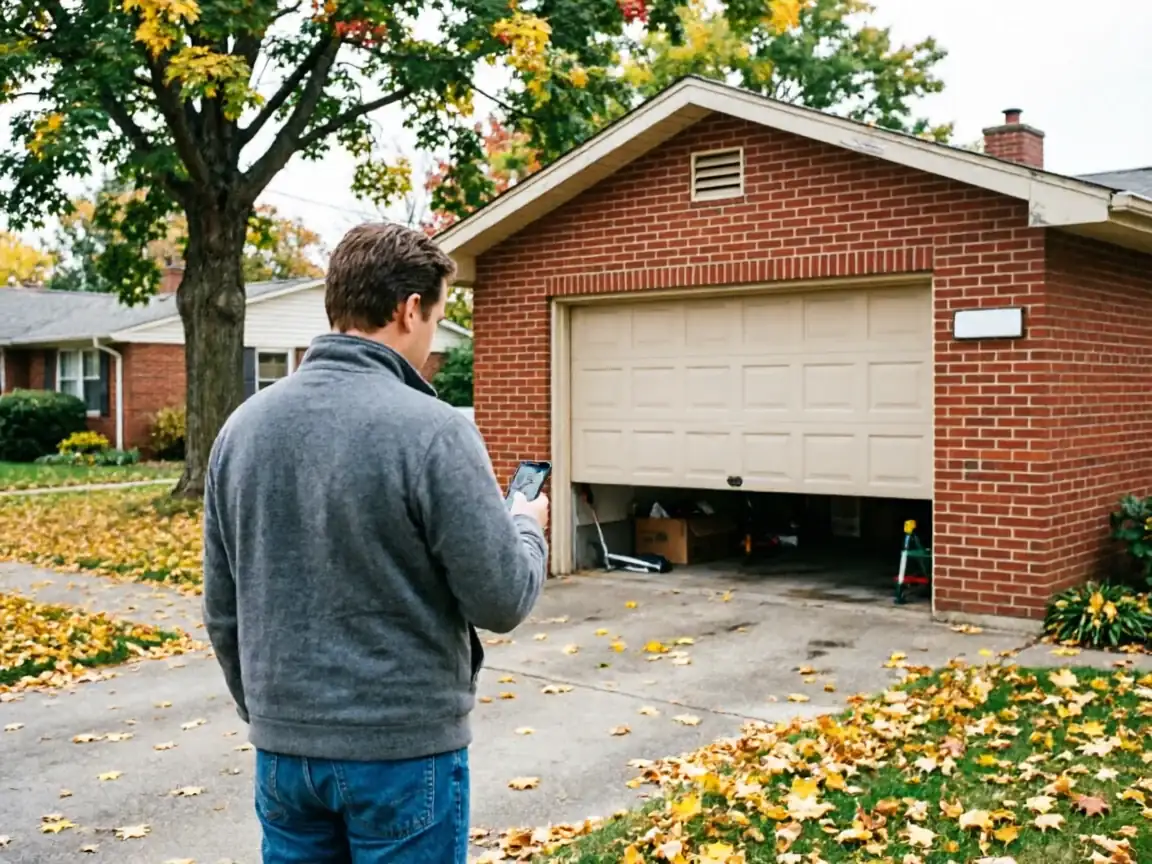
A man stands in a driveway looking at his phone, with a partially open garage door behind him.

Tell us what’s wrong

Describe the symptom - won’t open, loud bang, opener runs but the door won’t move.

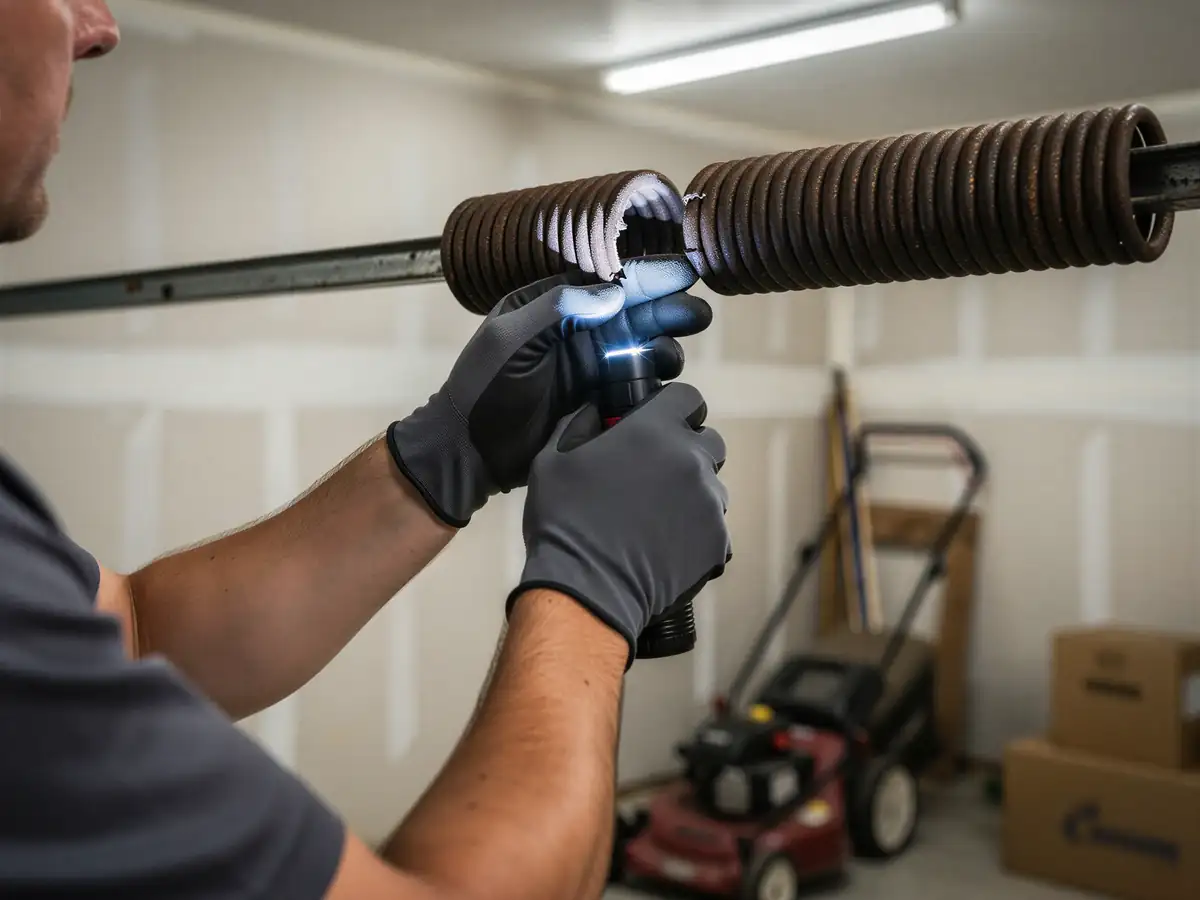
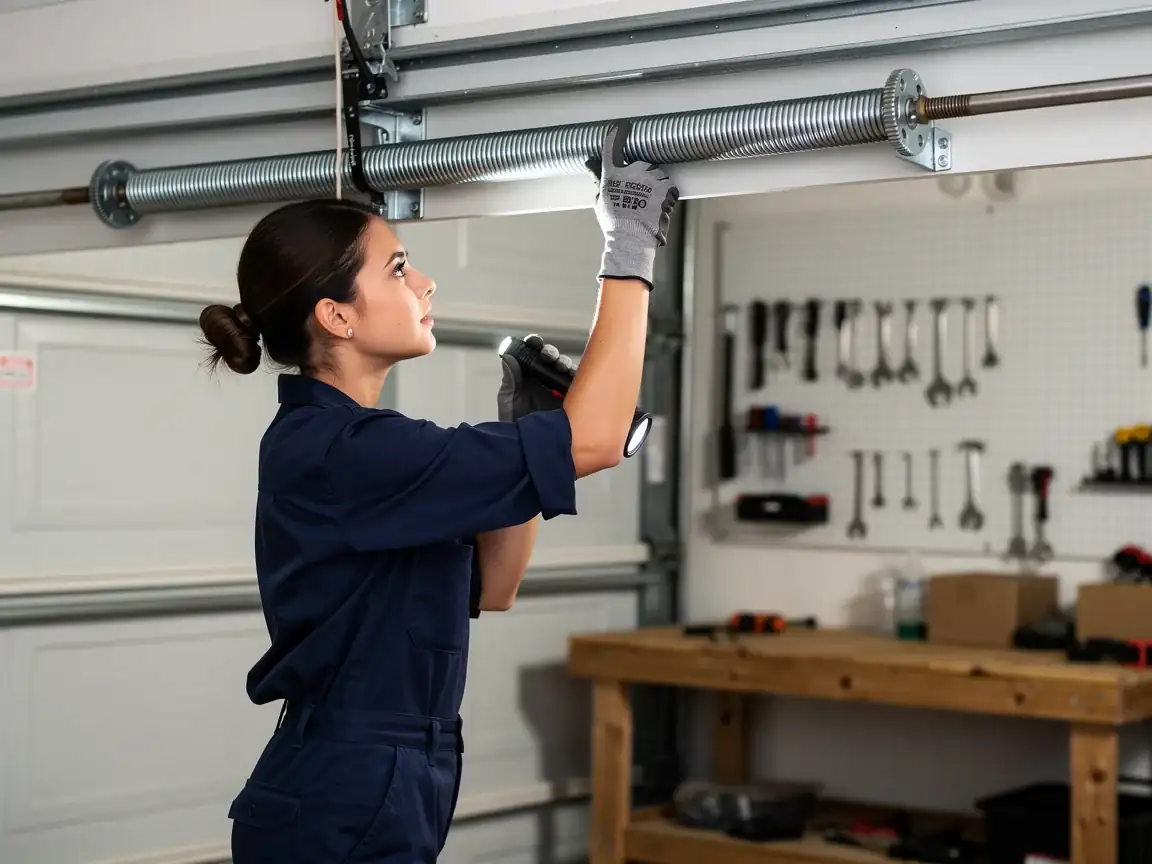
A technician in a blue jumpsuit inspects a garage door torsion spring with a flashlight.

On-site diagnosis

A technician tests the door under power and by hand and finds what actually failed.

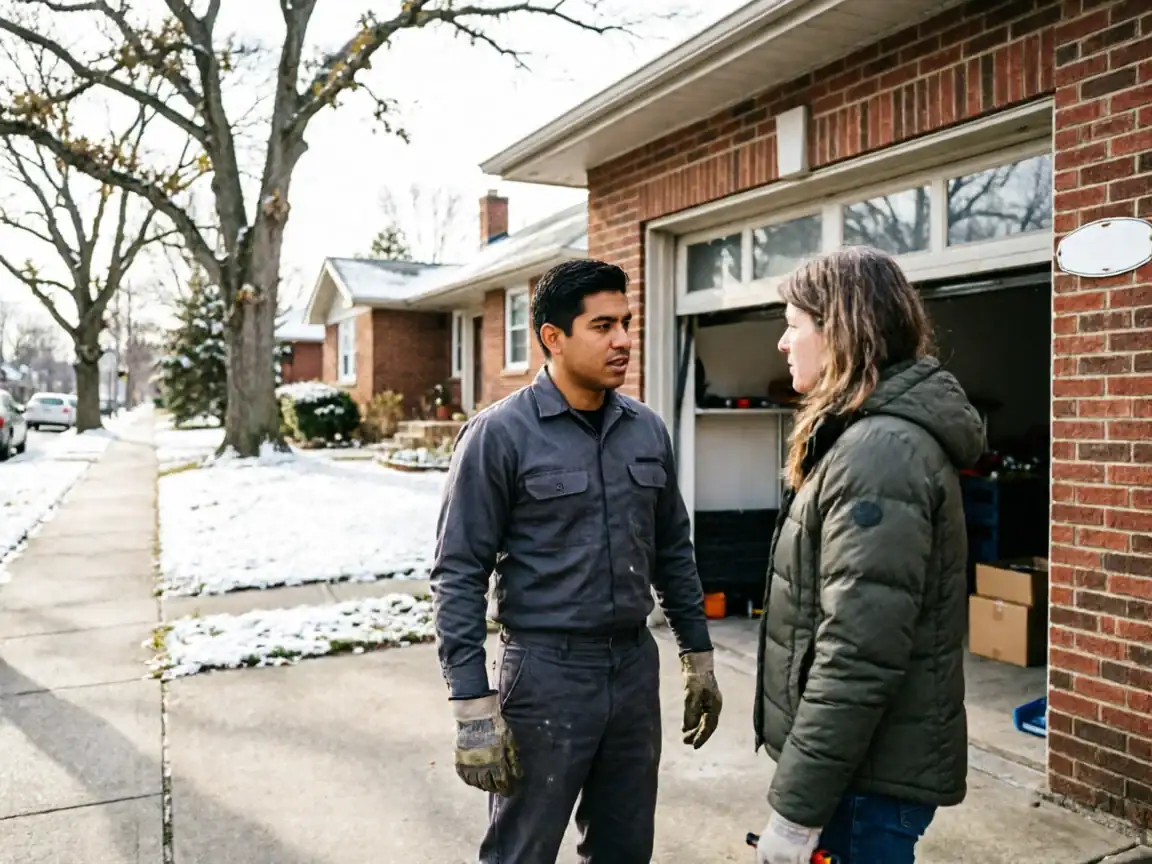
A technician talks to a woman in front of a house with an open garage door.

Clear, up-front plan

You get the fix that’s needed and what drives the cost - before any work starts.

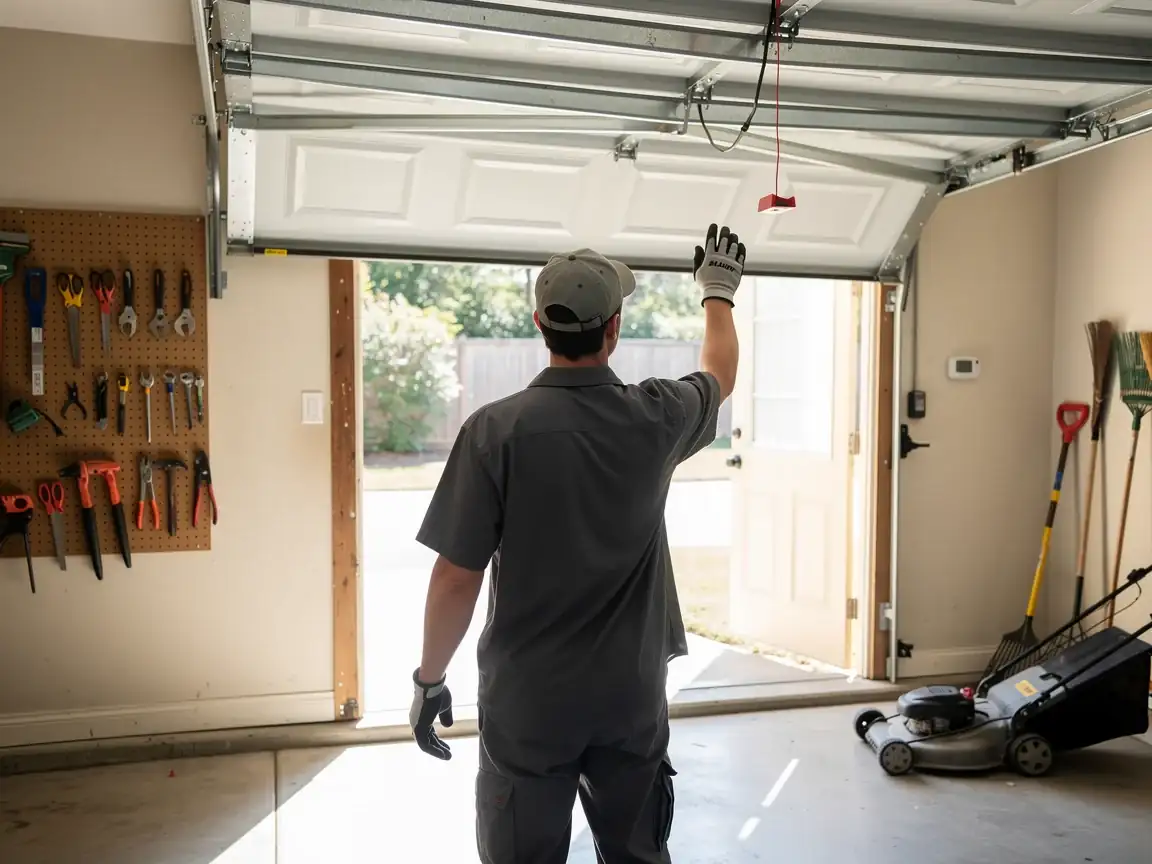
A technician in a gray uniform and gloves is looking at an open garage door.

Repaired & tested

The repair is done, the door is set true and tested, and the work area left clean.

Not sure which repair your door needs in Hopkins, MN? Describe what it’s doing - every job starts with a diagnosis.

How we work

What to expect

Diagnosis first

Every visit starts by finding what actually failed - not a pre-written parts list.

The right part for the door

Springs and openers matched to the door’s weight and age, so the fix holds up.

Straight answers

When a repair makes more sense than a replacement - or the reverse - you hear it plainly.

Clean, careful work

Tension released safely, hardware set true, the door tested under power before we leave.

What we do

Garage Door Services

Repair and installation work for Hopkins homes and businesses.

Questions

Frequently asked

Straight answers about garage door repair in Hopkins. Still unsure? Ask us directly.

How often should I replace garage door weatherstripping in Hopkins?

There's no fixed schedule, but on homes with doors from the 1980s and 90s, check the bottom seal every fall. Once vinyl stops flexing back when pressed, it's done its job and won't improve. Side and top weatherstrip usually lasts longer unless it's been pulled loose from the track.

Why do I feel cold air under my garage door even with new weatherstripping?

If the seal itself looks fine but you still feel a draft, the gap is often in the threshold or in an uneven slab, not the seal. Concrete settles over decades, and a seal that fit the floor when installed may no longer sit flush against it.

Can I replace a bottom seal myself?

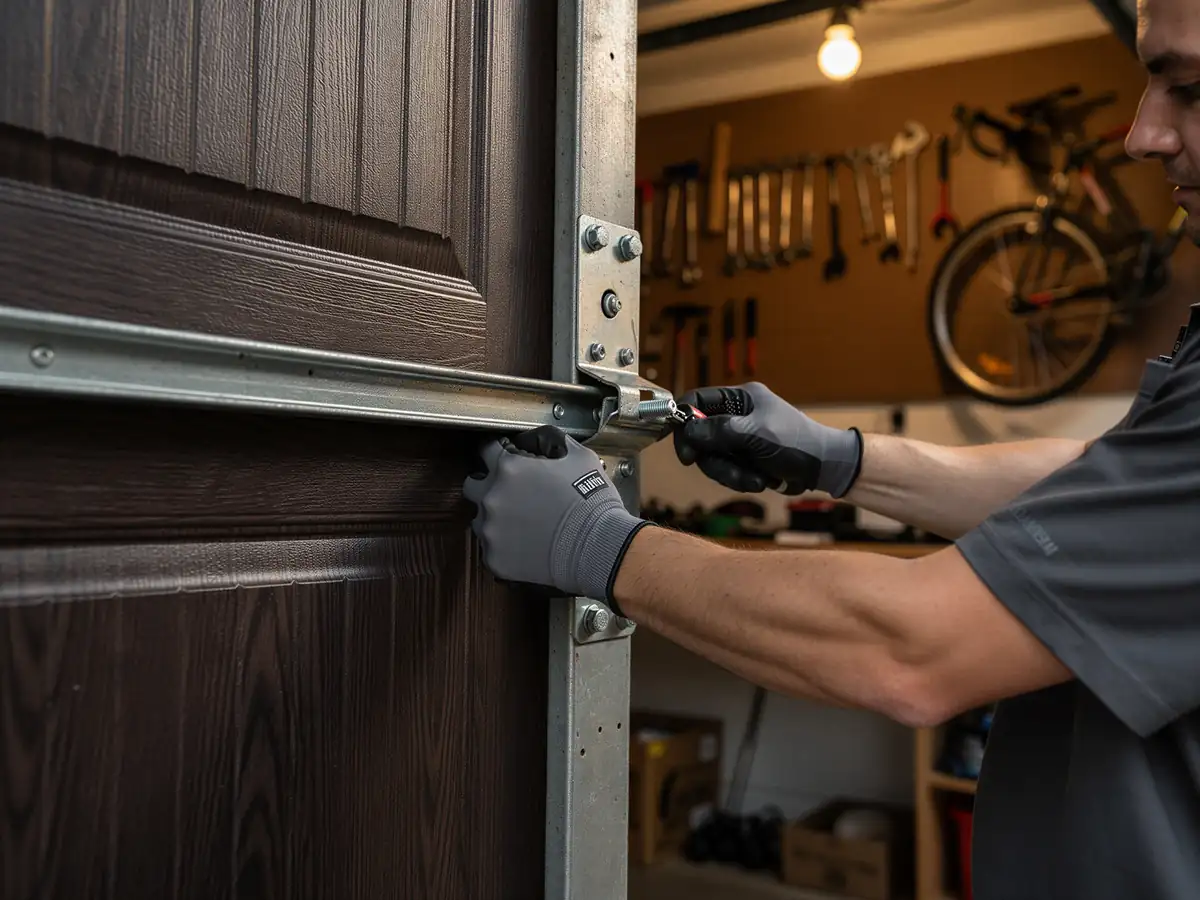
Yes, on most sectional doors the bottom astragal slides out of a track along the panel edge and a new one slides back in. It's a reasonable weekend job. What's harder to judge yourself is whether a cracked seal is hiding a bowed panel underneath, which needs a different fix.

Ready to get your garage door sorted?

Tell us what it’s doing and where you are in Hopkins - we’ll take it from there.

8Services offered
6Areas covered
Diagnosisfirst, then the fix
Request a QuoteCall