How Local Conditions Play In
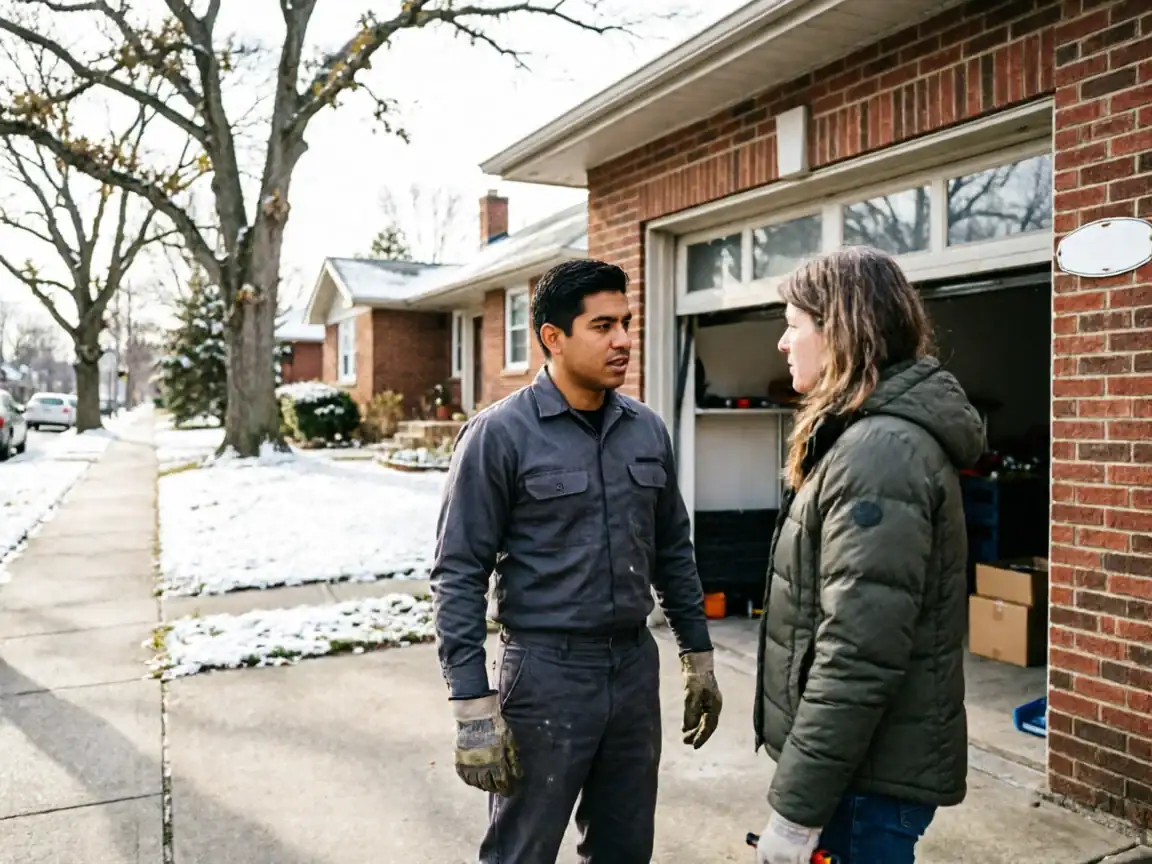
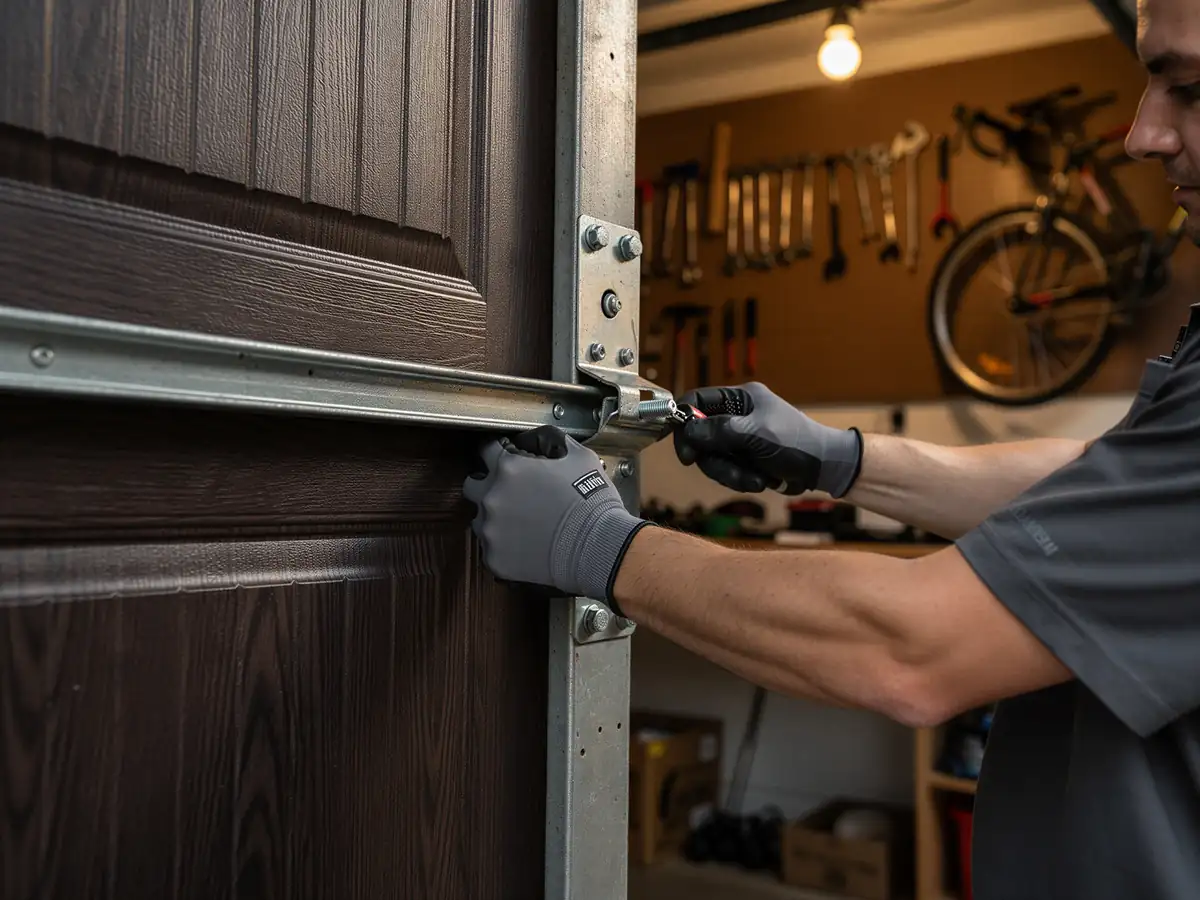
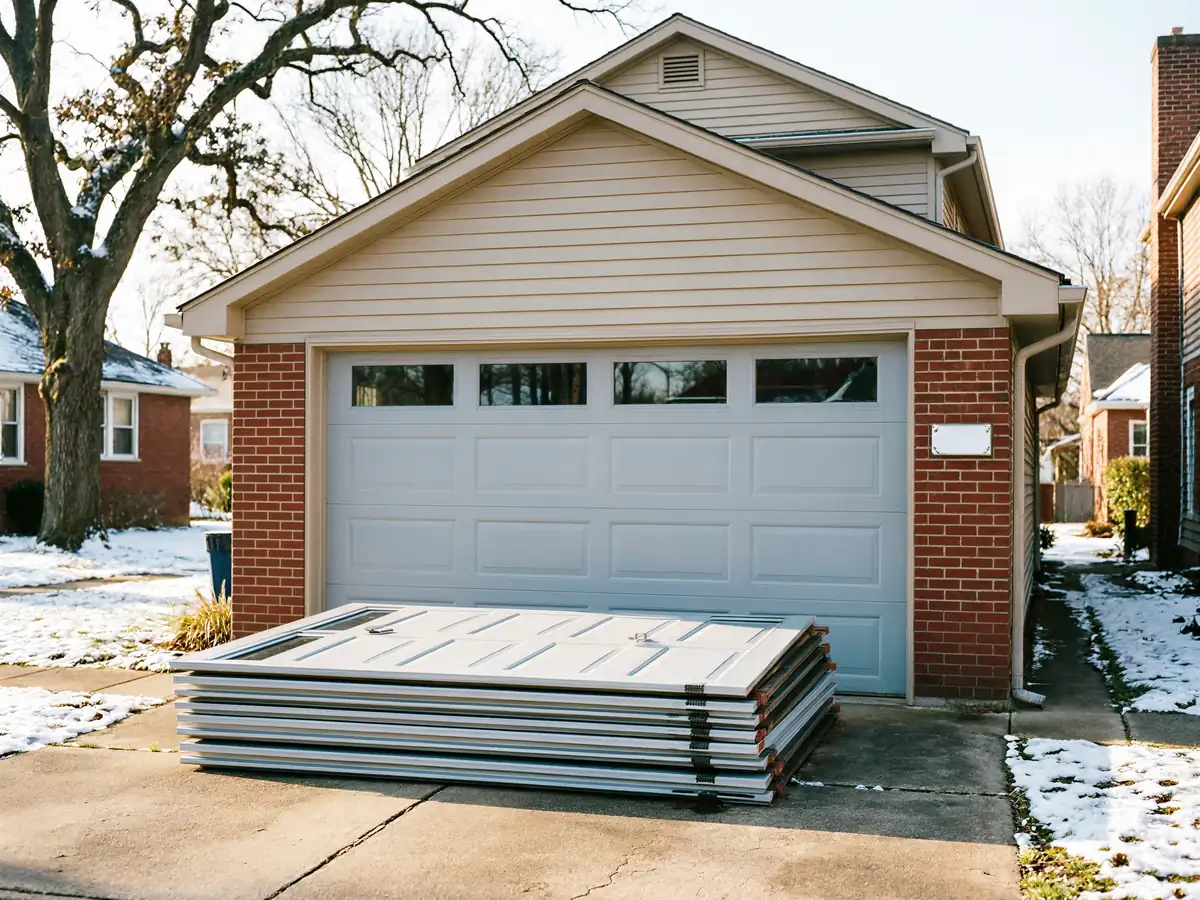
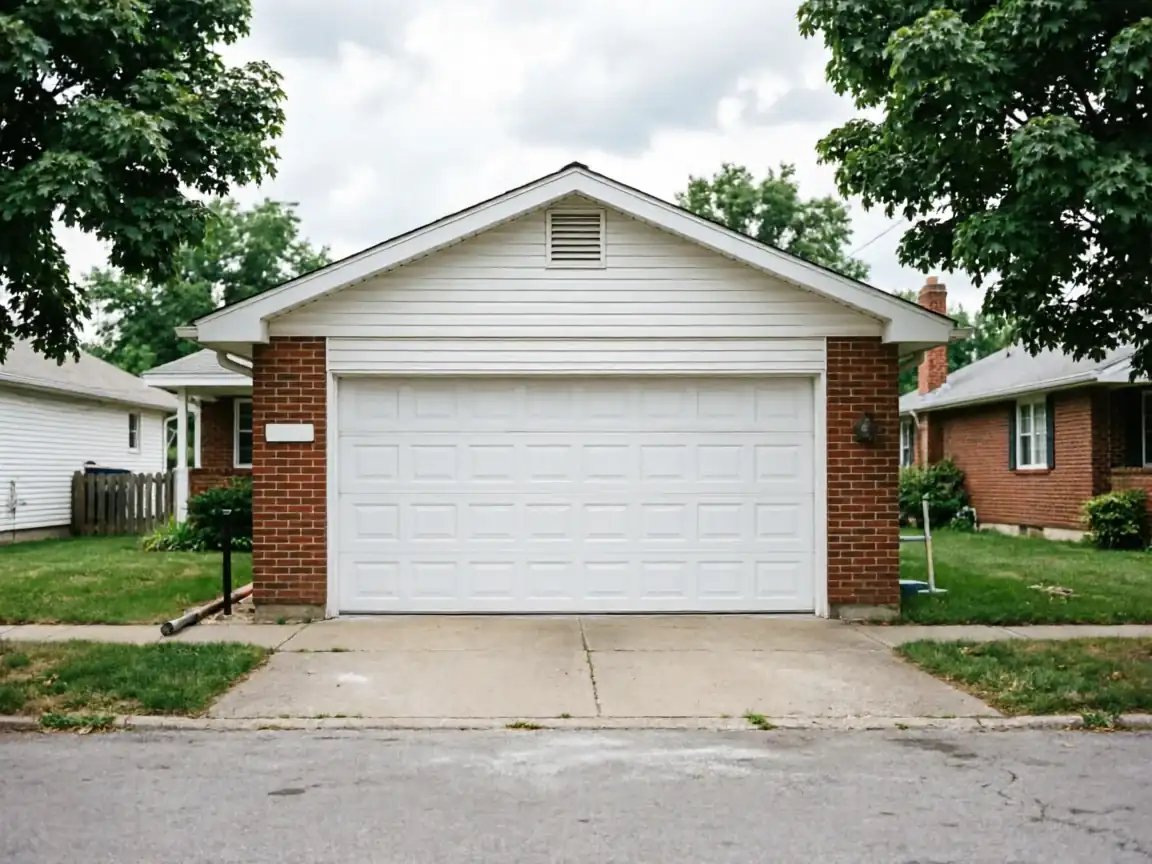
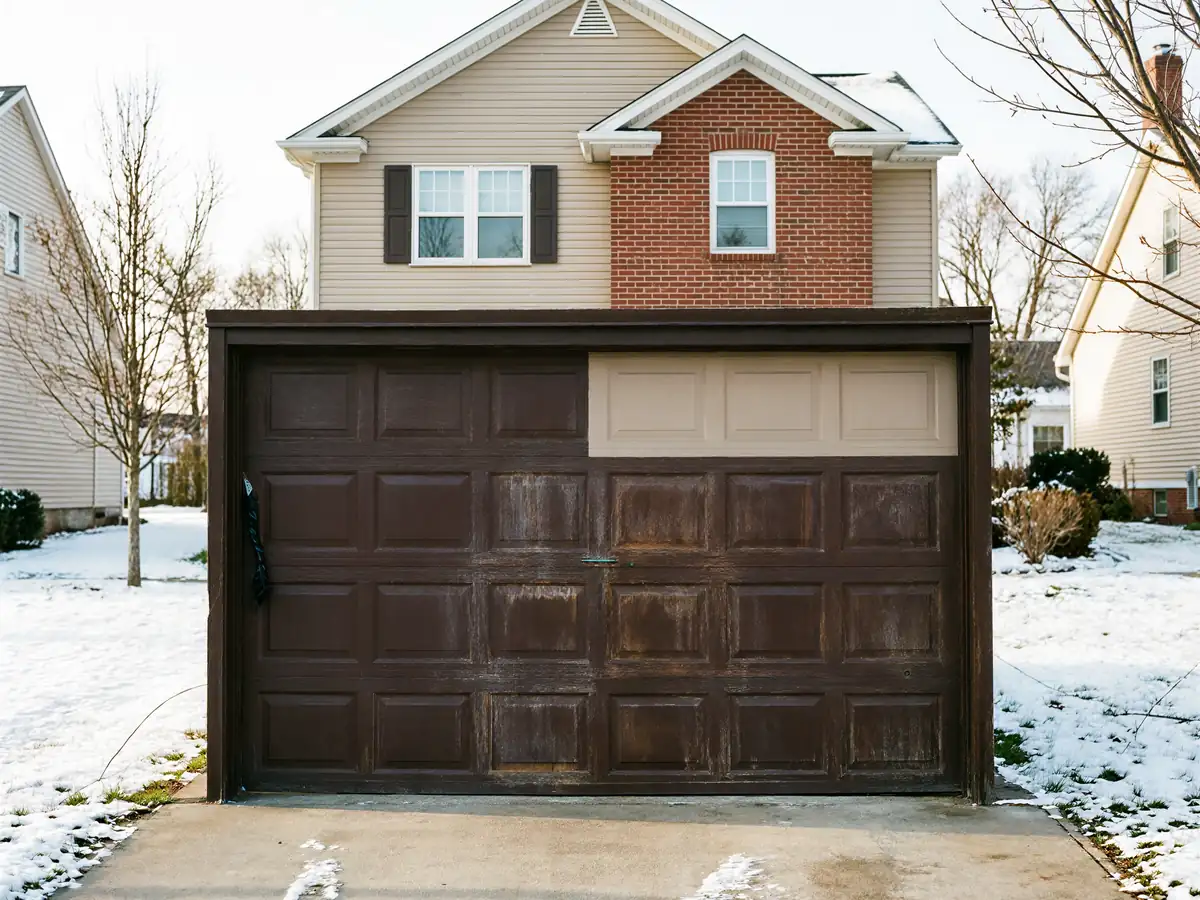
Hopkins housing mostly went up between 1957 and 2005, with the typical house dating to 1984, and most of what's out there falls into that 1980s-90s stretch of construction. That matters because a door and opener installed when a house was built tends to still be the door and opener in the garage today, unless something broke badly enough to force a swap. A tech walking up to a Hopkins garage already has a rough idea what's behind the panel before it opens: steel sectional doors on extension or torsion springs sized for that era, openers from whatever generation was standard when the house was framed. The climate here sits in a cold, moderate band, which means freeze-thaw cycling is a yearly stress test on every moving part - springs, hinges, the track itself. None of this is dramatic weather, just steady cold that finds whatever was already weak. So the first thing we're doing on any call, before we touch a wrench, is placing the house: how old is this setup likely to be, and what's cold done to it since the last time anyone looked.
Checking It Yourself
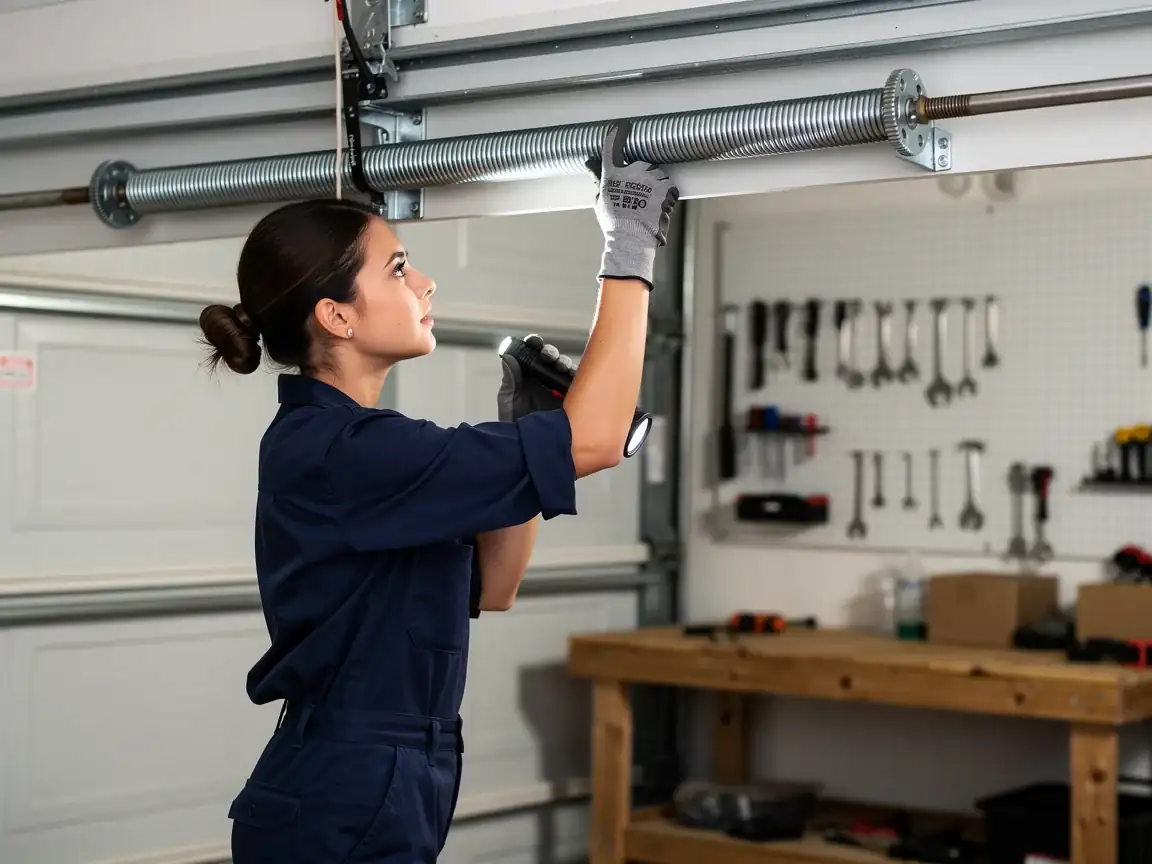
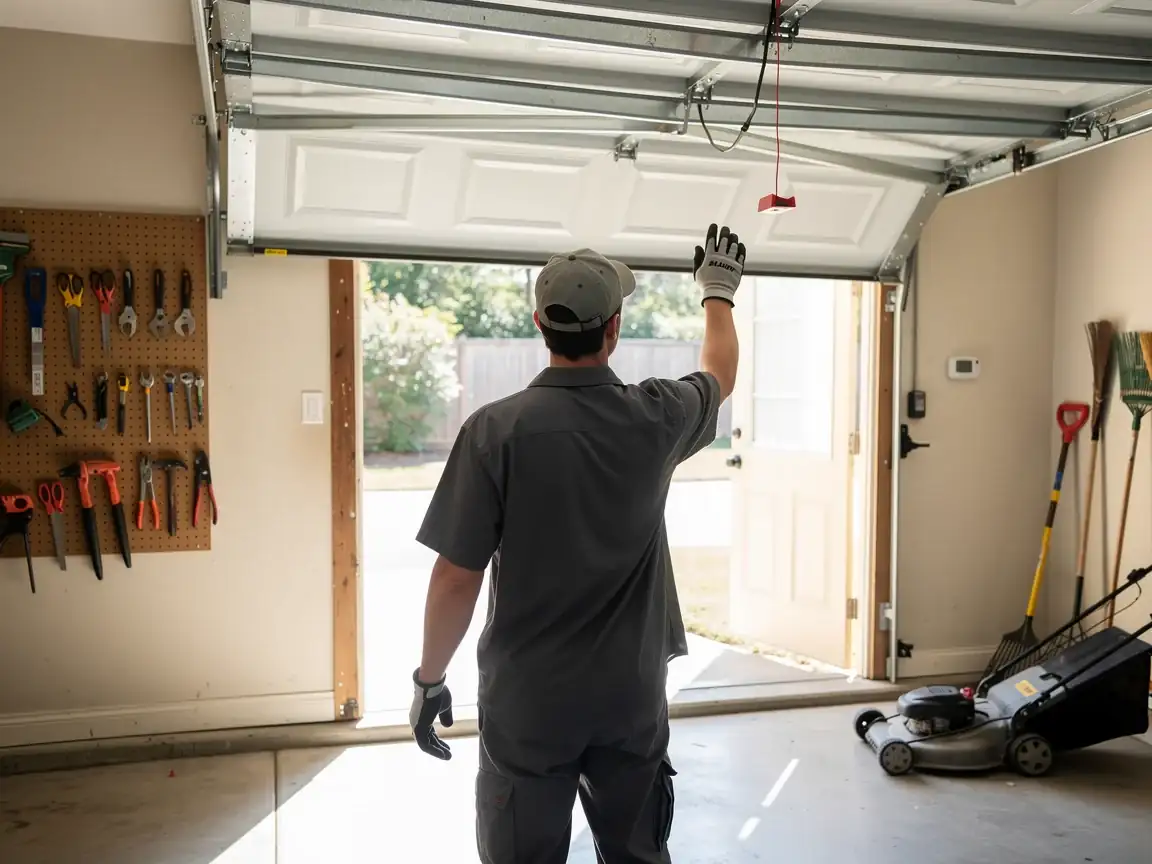
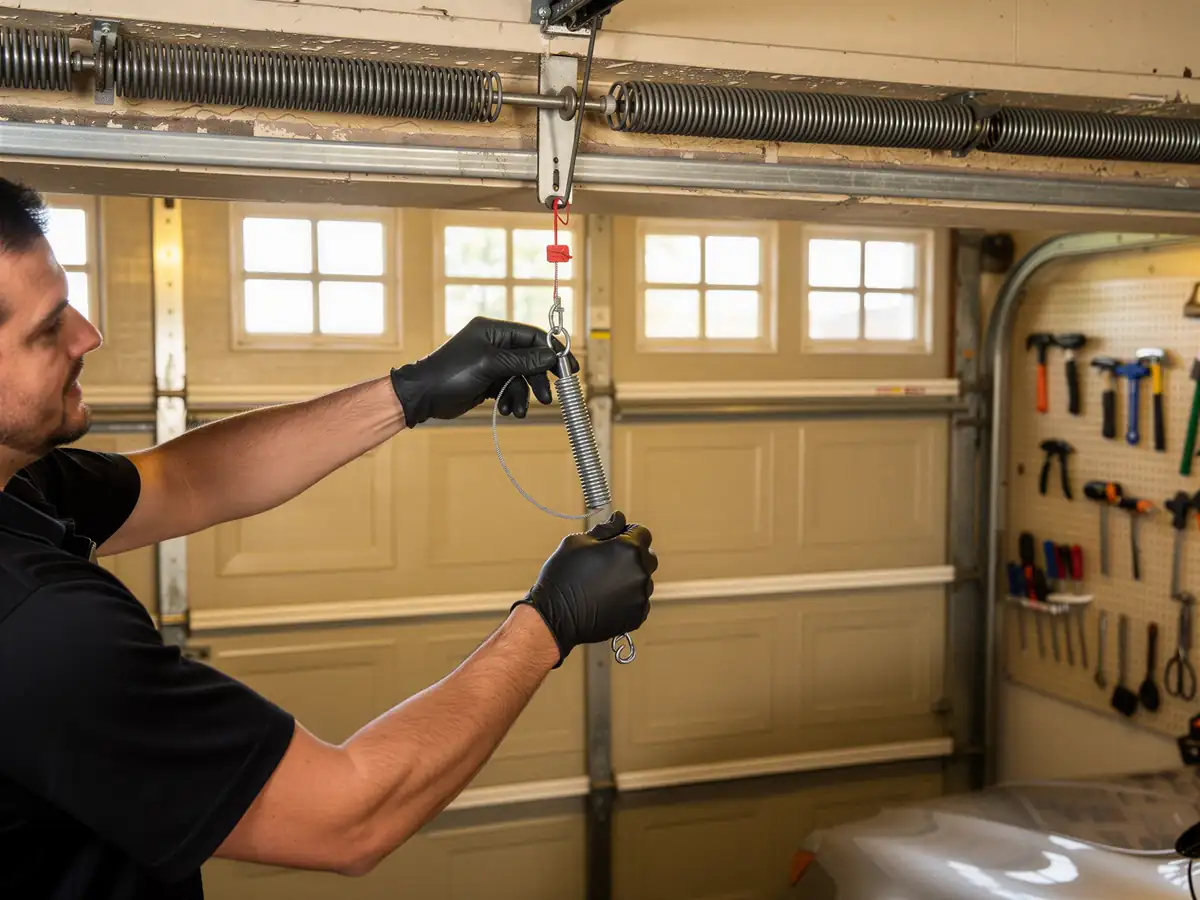
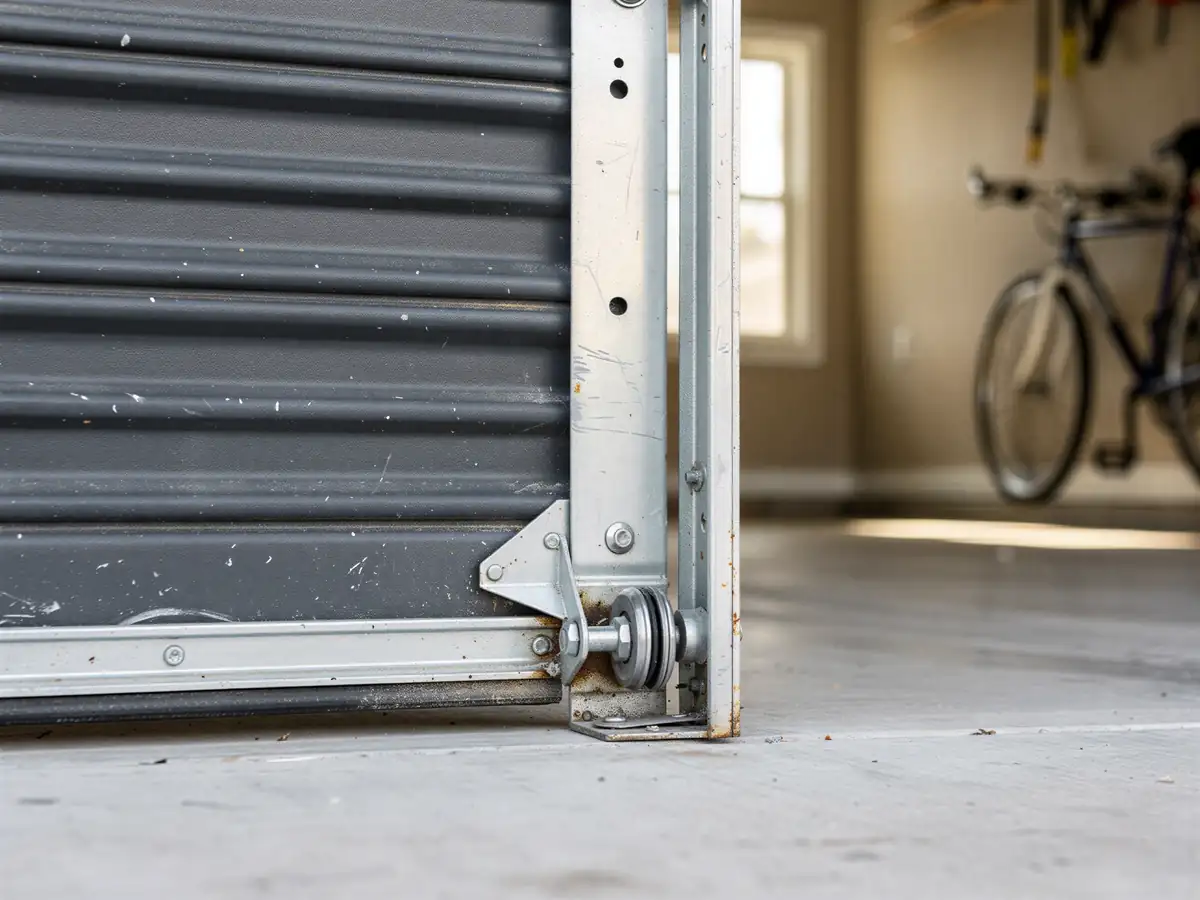
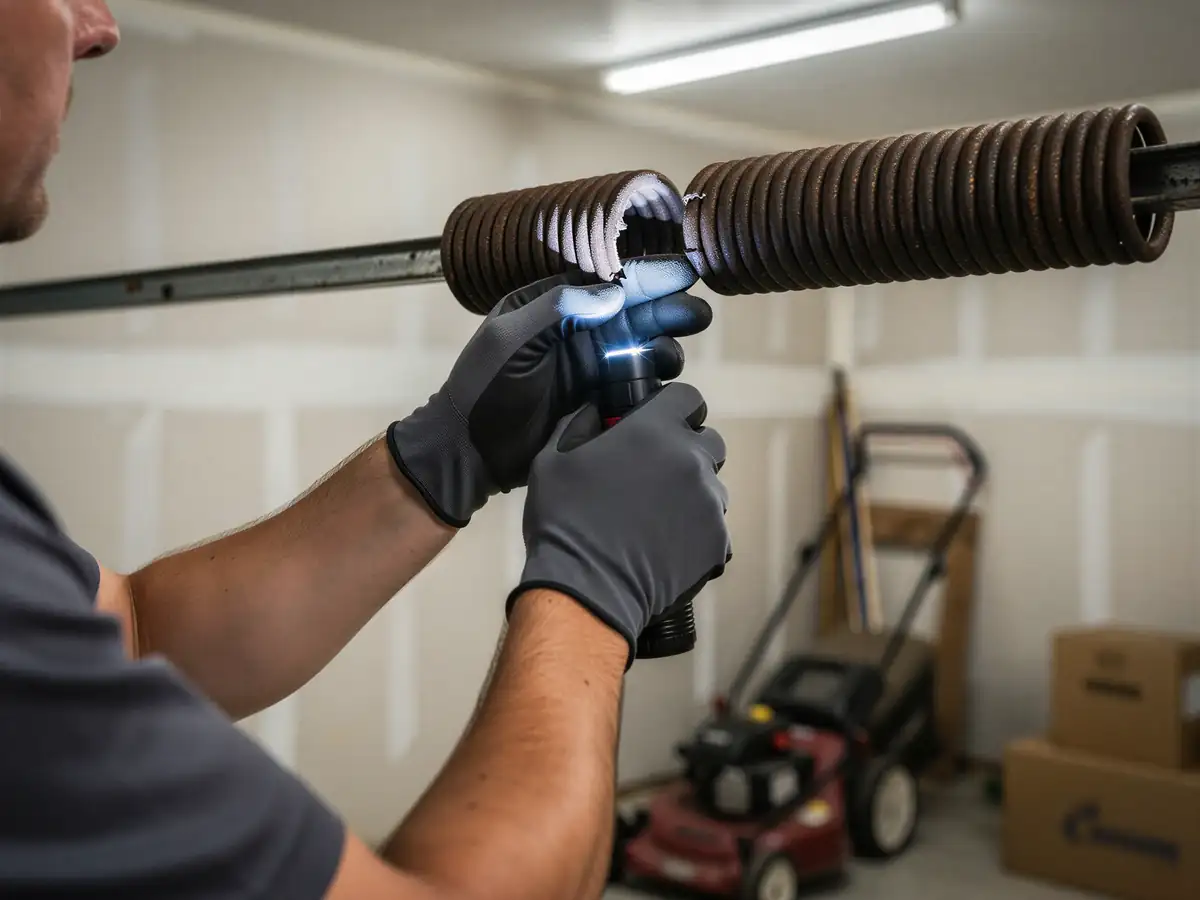
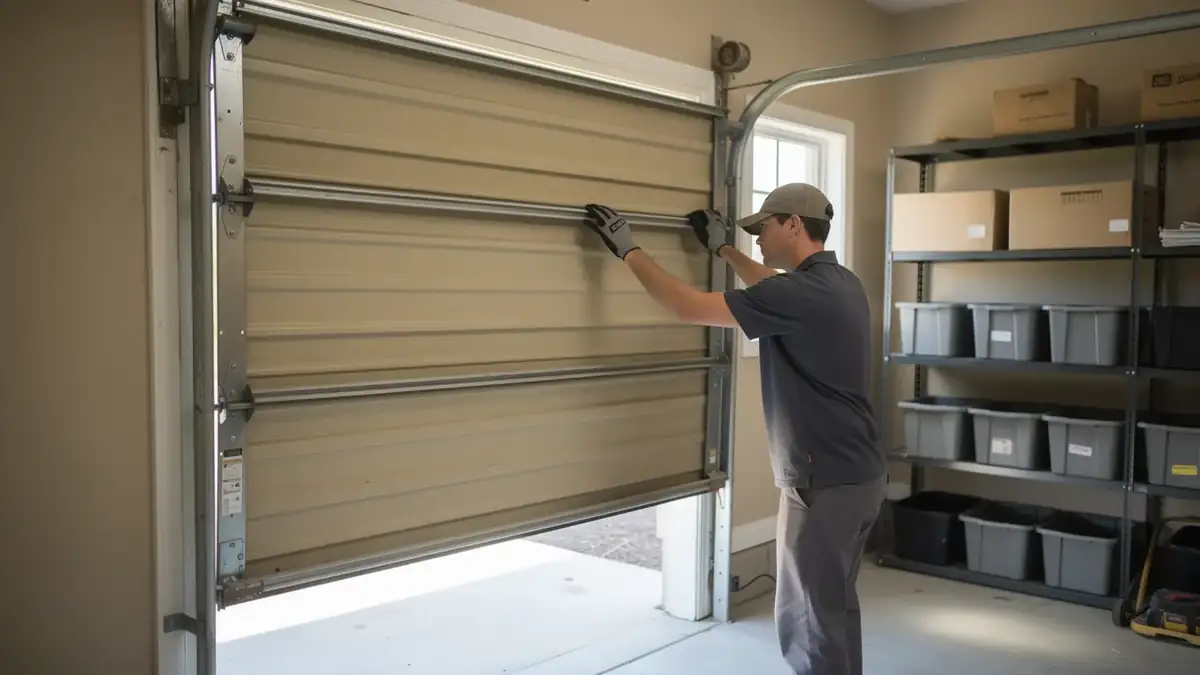
Before you call anyone, there are a few things worth a look. Open the door by hand with the opener disconnected - it should move smoothly and stay roughly level wherever you let go. If it drops on one side or feels heavier than it should, that's spring tension, not an opener problem, and it's not a DIY fix. Check the photo-eye sensors near the floor on each track; if they're more than a few years newer-looking than the rest of the hardware, someone already replaced them once, which tells you the door's seen real age. Listen for grinding versus popping - grinding is usually rollers, popping under cold is often the spring coil itself. One honest limit here: if your door is original to a house from the earlier end of that 1957-2005 range, parts for it may simply not be made anymore, and a repair quote should tell you plainly when replacement is the cheaper long-run call.
Season by Season
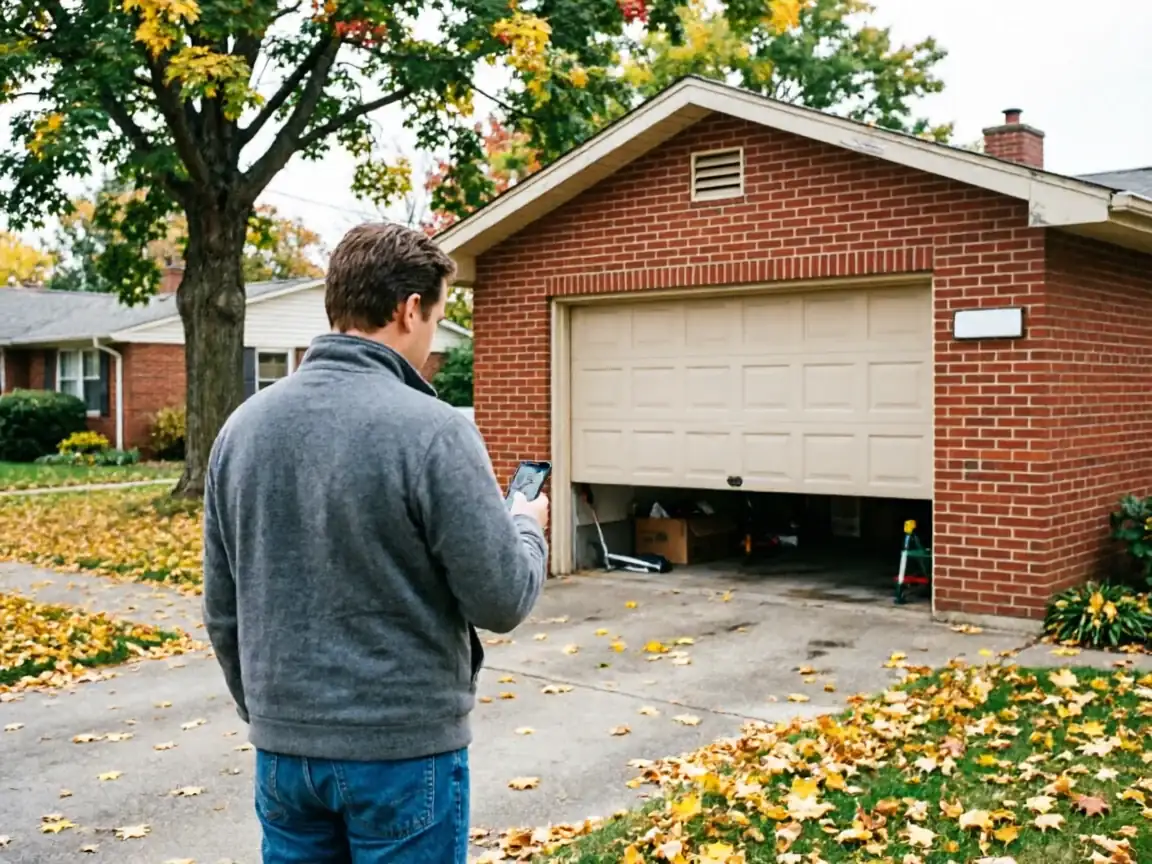
Fall is when we'd rather see a door than after the first hard freeze - lubricant service and a spring tension check catch most of what winter would've broken anyway. Winter is when the cold-moderate climate does its worst work: metal contracts, grease stiffens, and a spring sitting at the edge of its life finally gives. That's also when 1980s-era openers with aging capacitors tend to stall halfway up. Spring is cleanup season - track alignment shifts after months of expansion and contraction, and that's the time to true it back up before summer heat adds its own stress the other direction. Summer's quieter for failures but it's the right window to replace anything you noticed straining all winter, since parts lead times are shorter and nobody's choosing between a garage door and a snowed-in car. None of this changes year to year by much, which is exactly why a seasonal check catches problems before they're emergencies.