How Local Conditions Play In
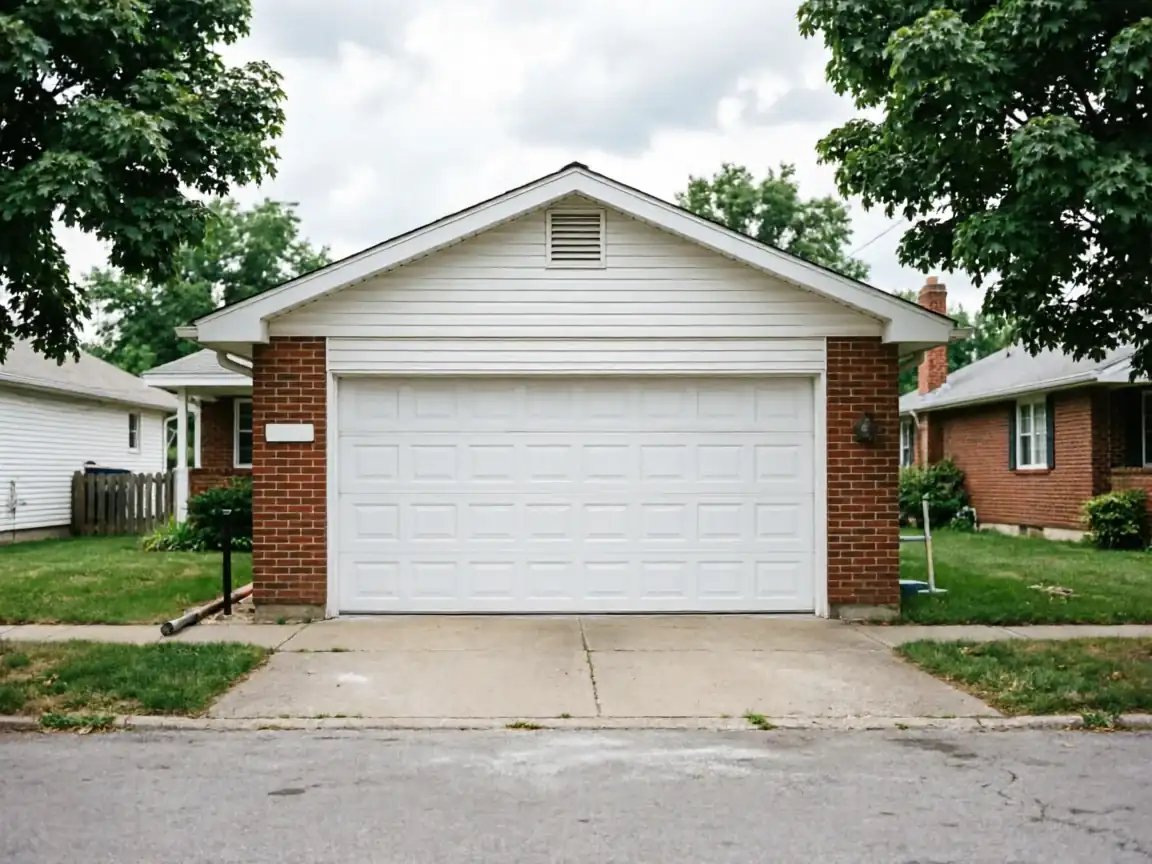
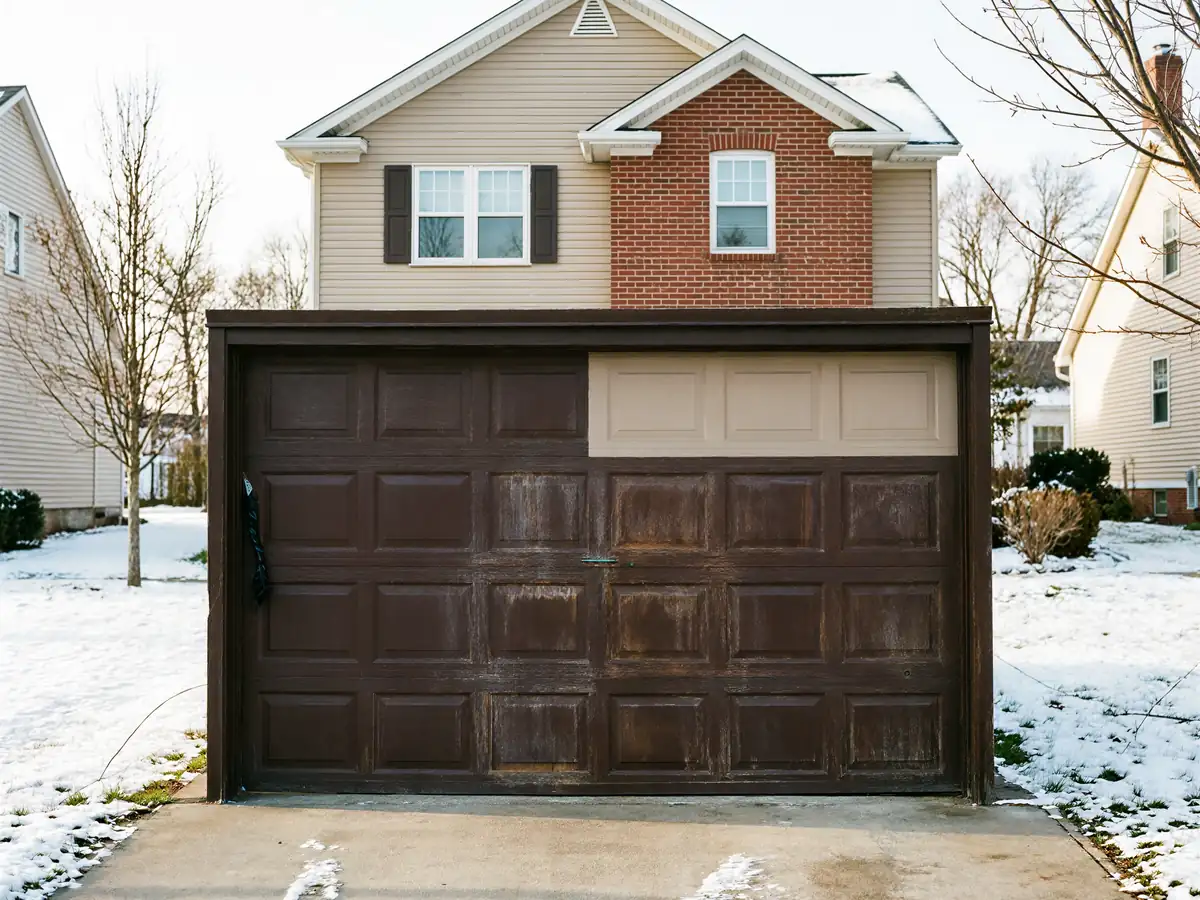
Hopkins housing mostly went up between 1957 and 2005, with the median build year landing around 1984, and the bulk of it falls into that 1980s-90s wave that shows up across the 37 named areas we track in this part of the metro. A door installed when that house was built was sized and insulated to the standards of its decade, not today's. Plenty of those garages still carry the original single-layer steel door, or a early double-layer unit with foam that's thinned out and pulled away from the skin over thirty-plus years.
The cold here isn't extreme-to-severe, it sits in the moderate-cold band, but it's steady enough that a poorly insulated door matters for a few months a year, especially if the garage shares a wall with living space or a laundry room. You feel it as a cold floor above the garage, condensation on the inside of the door, or an opener motor that seems to work harder on the coldest mornings. None of that means the door is broken. It means it was built to a different spec.
The Problem
Doors made before insulation rules tightened usually have one of two problems, sometimes both
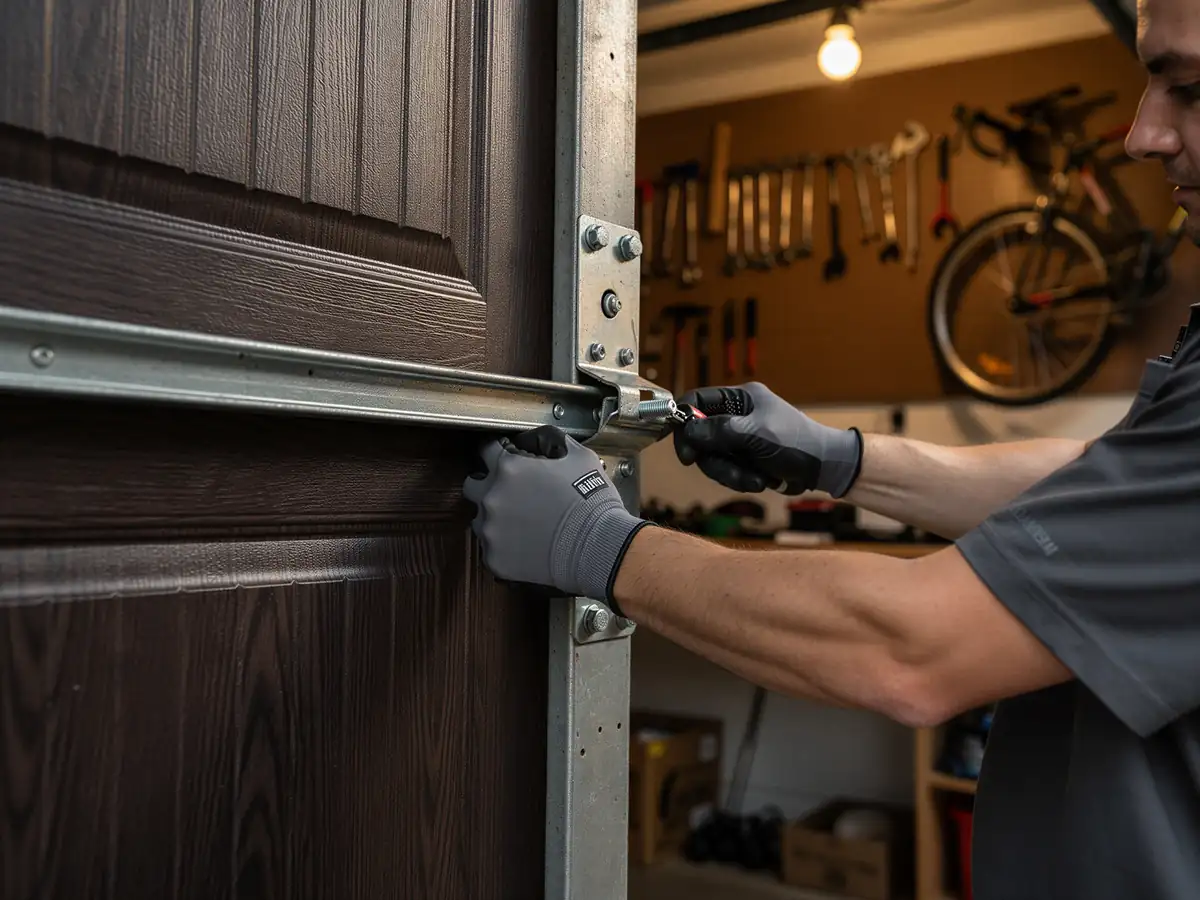
First, the panel itself: a thin steel skin with little or no foam core, or foam that's degraded and separated from the metal, so it's doing almost nothing. Second, the perimeter seal - bottom astragal, side weatherstrip, and top seal - which on a house this age has usually been replaced once or twice already, sometimes with the wrong profile for the track.
The honest part: insulation alone rarely justifies full replacement if the door is otherwise sound
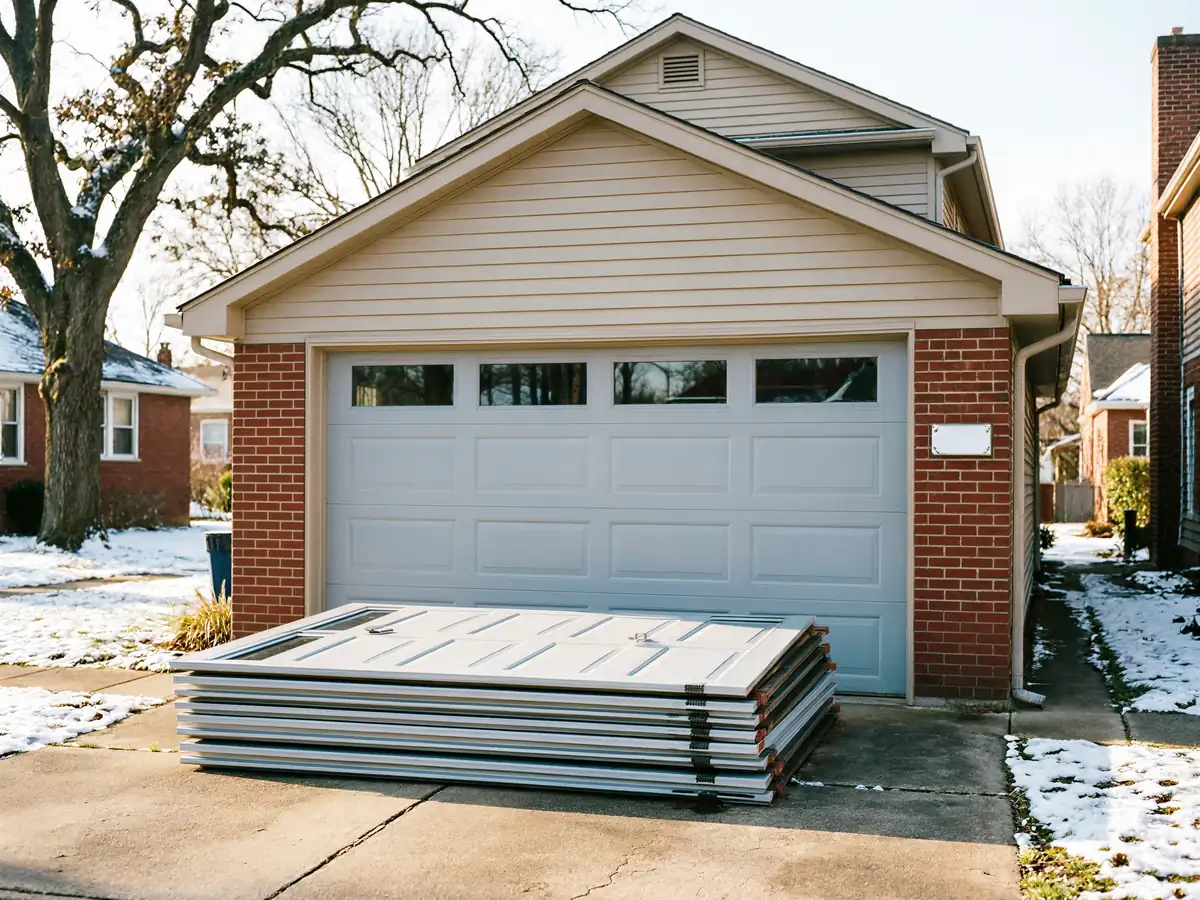
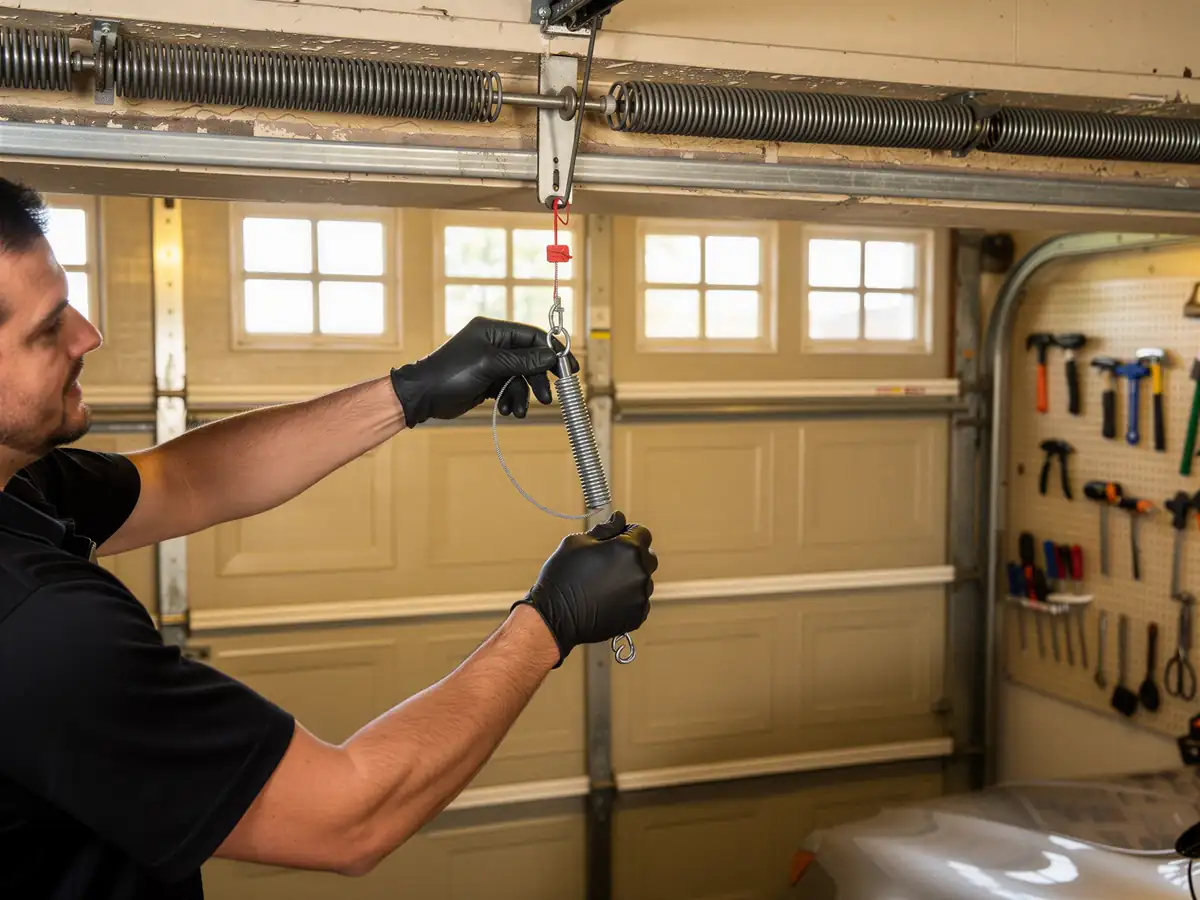
Tracks straight, hardware sized right, panels not rusted through. Adding a retrofit insulation kit or swapping weatherstrip is often the cheaper fix and it's the one we'd recommend first on a door that still operates well. Replacement makes sense when the steel's bowed, the panels are delaminating, or the door predates even the 1984 median and the hardware's obsolete sizing you can't match to current rollers and cable.
Checking It Yourself
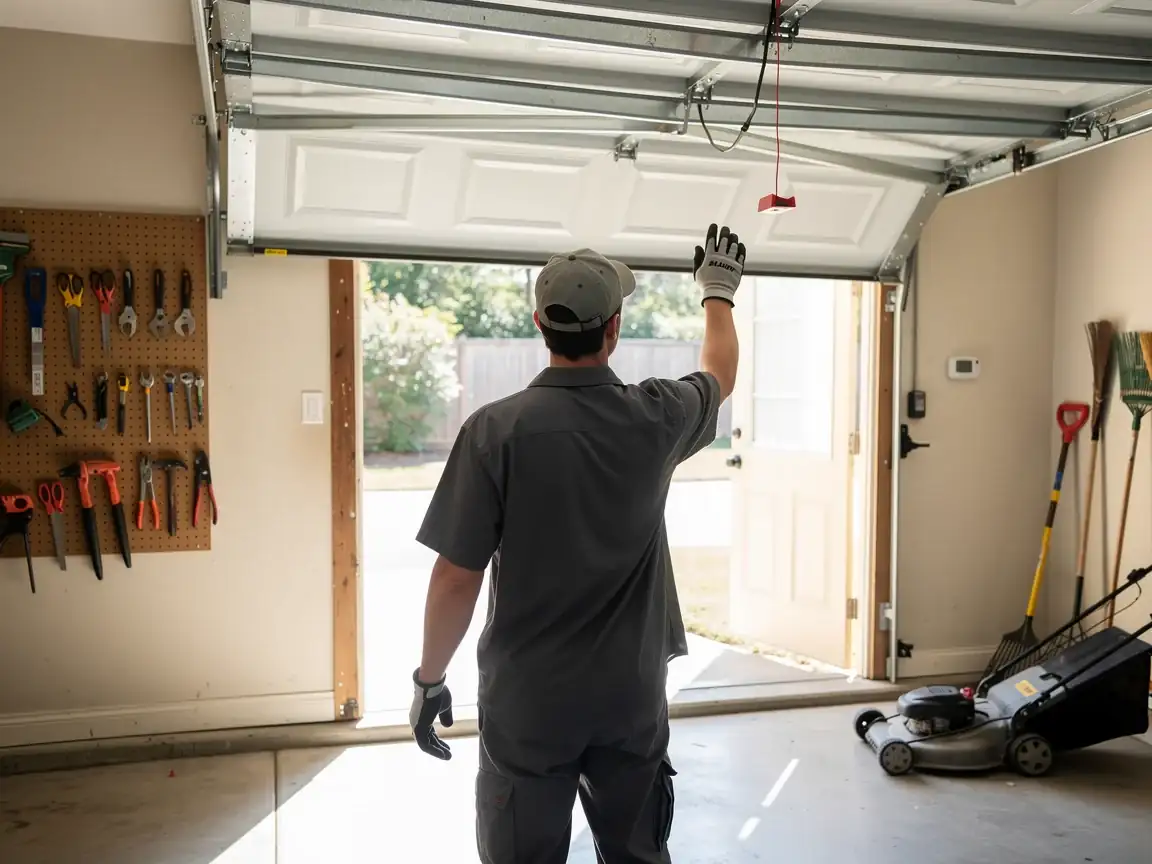
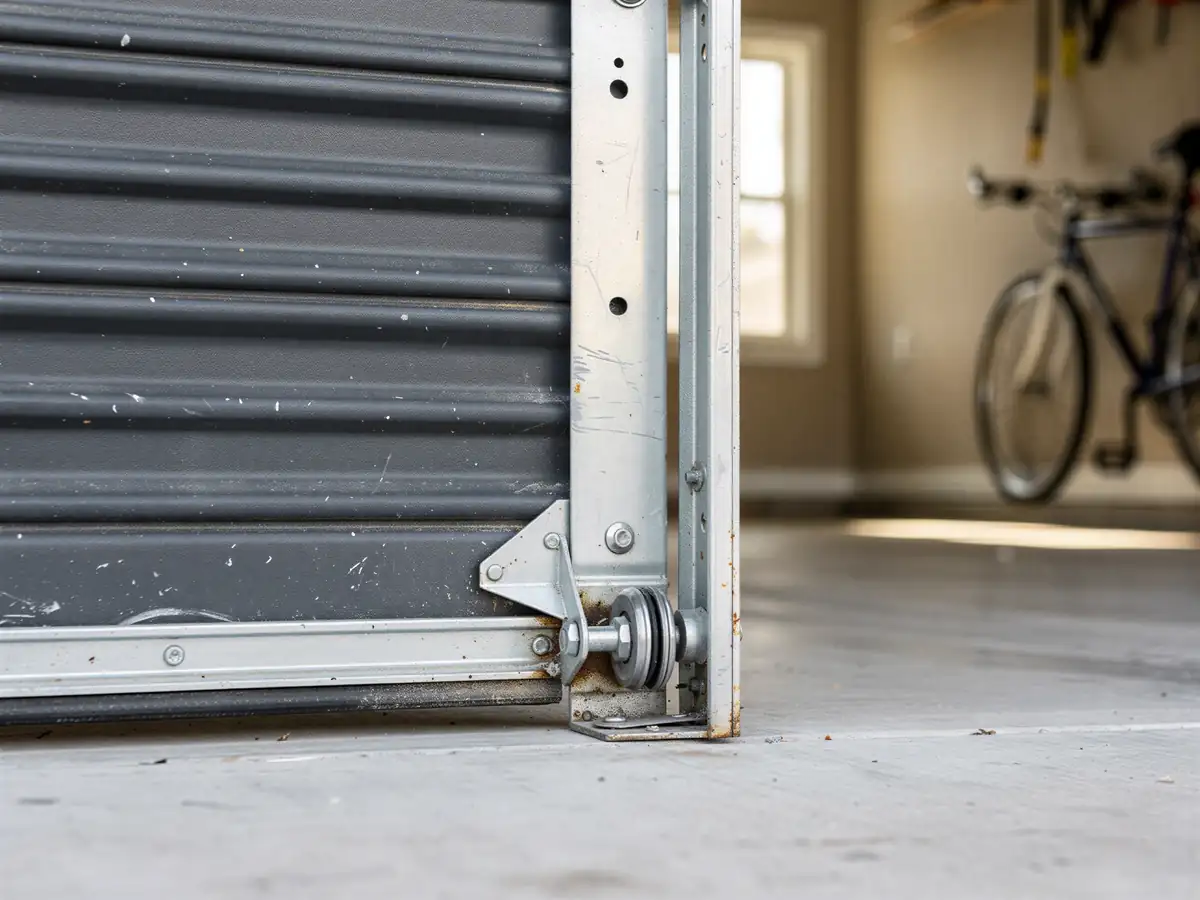
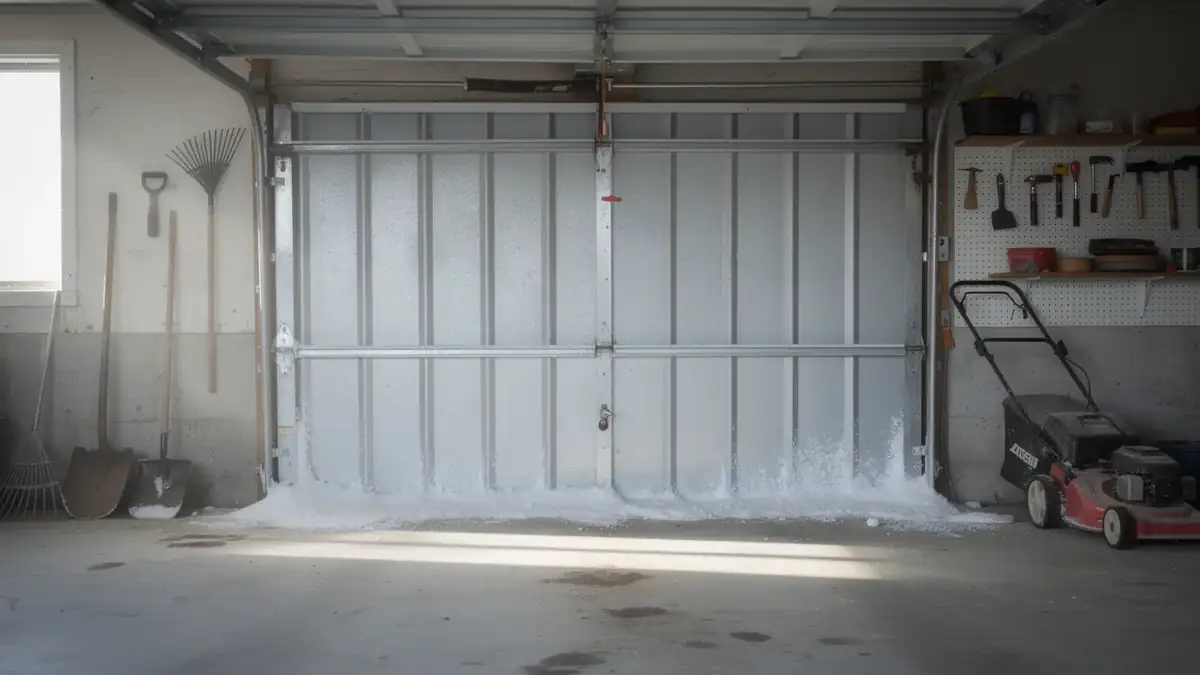
Walk out to the garage on a cold morning and put your hand flat against the inside of the door, mid-panel. If it's noticeably colder than the wall next to it, there's little to no insulation doing work. Look along the bottom edge for daylight - on a house built in the 1980s-90s range, the original astragal has usually hardened and cracked by now, even if nobody's touched it.
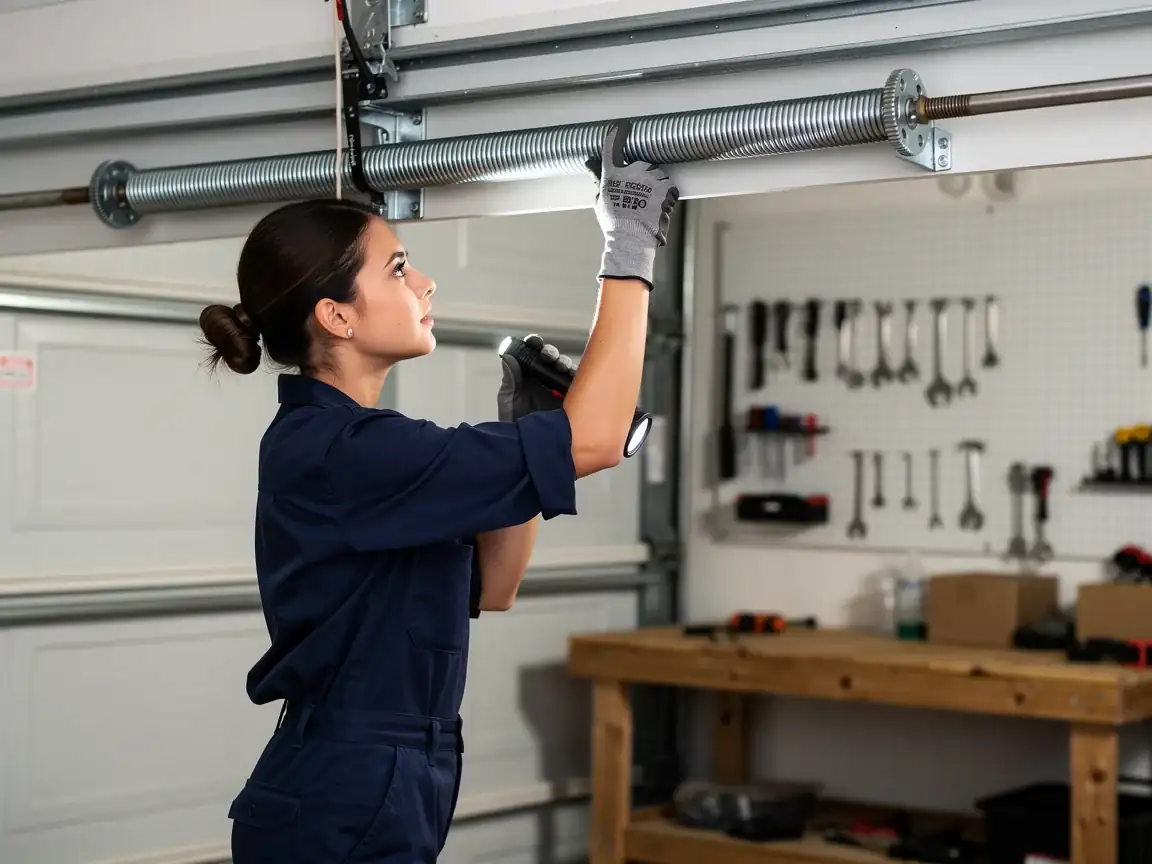
Check the top seal where the door meets the header. On older Hopkins-area construction this is often just a thin vinyl strip nailed on, not a proper retainer seal, and it's usually the single biggest gap in the whole door. If you see frost or a wet line forming on the inside panel near the top, that's the cold air finding its way past that strip. None of this takes tools - it's a five-minute walk around the door with your hand and a flashlight.
Season by Season
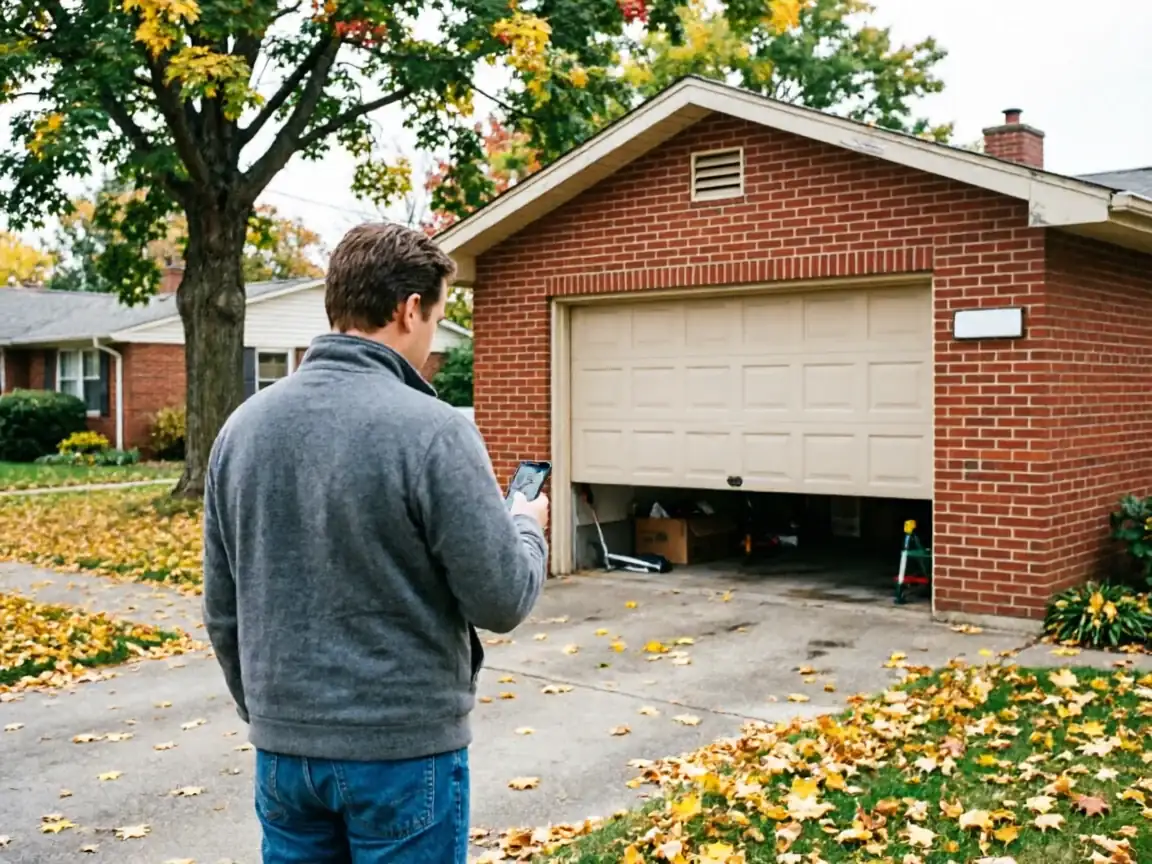
Fall is the right time to deal with any of this, before the moderate-cold stretch sets in - check seals and weatherstrip while it's still warm enough to work with fresh vinyl and adhesive. Winter is when you'll notice the problems you didn't fix: stiff rollers, a harder-working opener, condensation on panels. That's diagnostic information, not an emergency unless the door stops moving.
Spring is a good time for the retrofit insulation kit if you decided to go that route instead of replacing the door - working in a garage that isn't freezing makes the job easier and the foam sets better. Summer's mostly maintenance: lubricate track and hinges, recheck the seals you installed in fall since heat and UV wear vinyl faster than cold does. None of this changes with the calendar everywhere - it changes here because the stock of doors in this area dates mostly from that 1957-2005 window, so a lot of houses are hitting the same age-related wear at roughly the same time.