How That Shows Up in the Door
Dayton sits newer than most of the towns we cover. The median home here went up around 2003, almost twenty years past the 1984 median across the rest of the service area. That gap matters more than it sounds like it should.
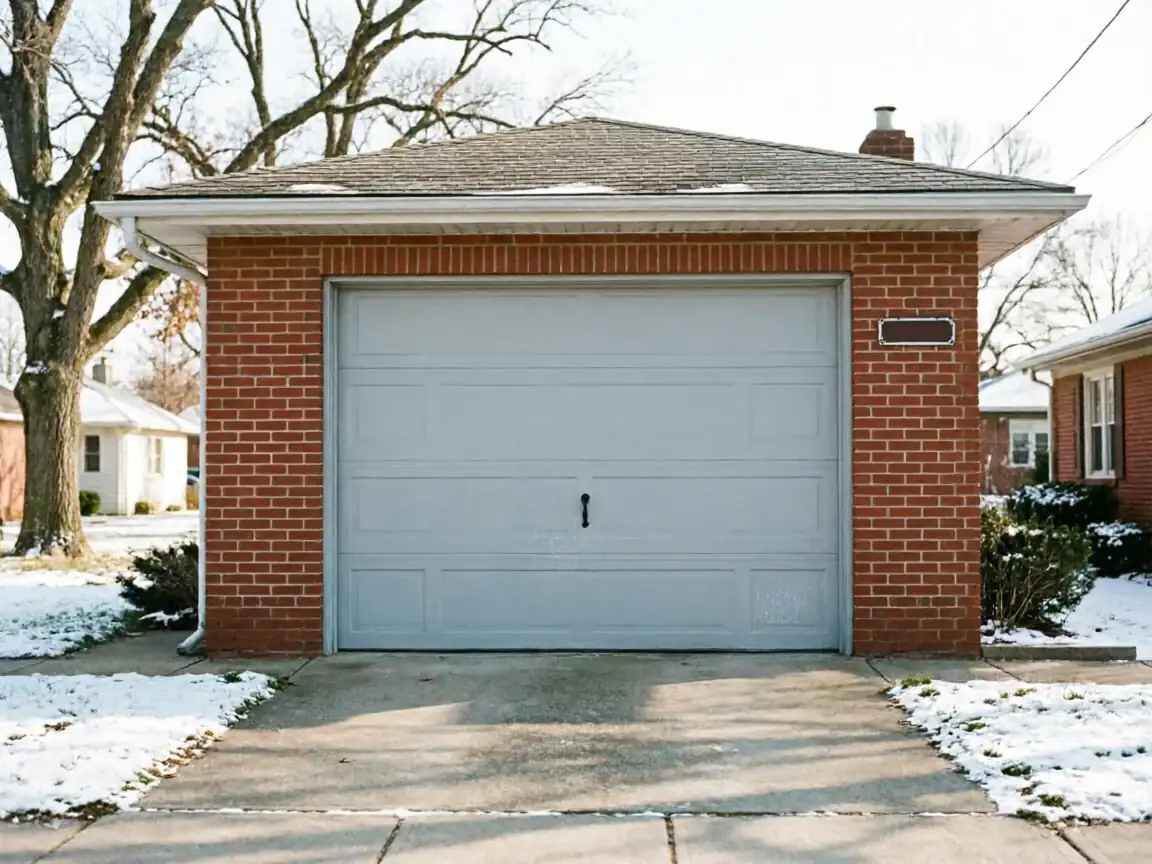
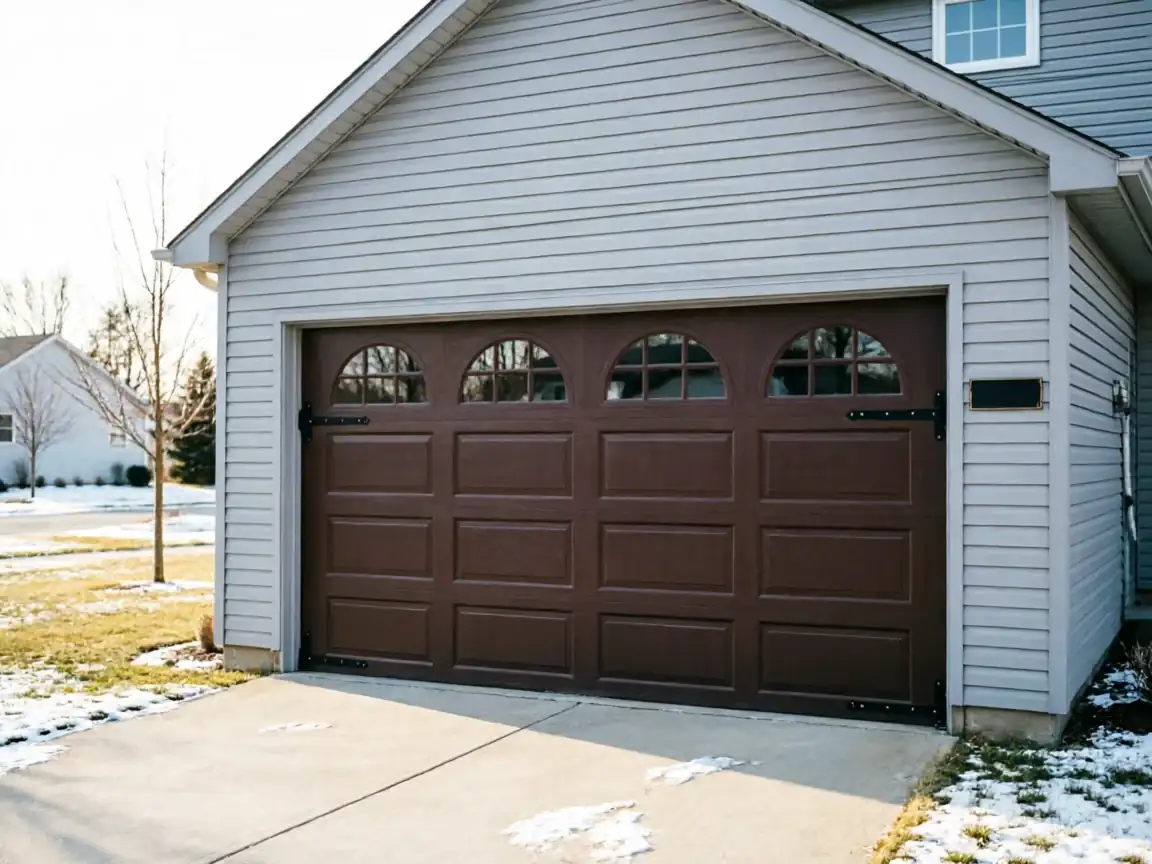
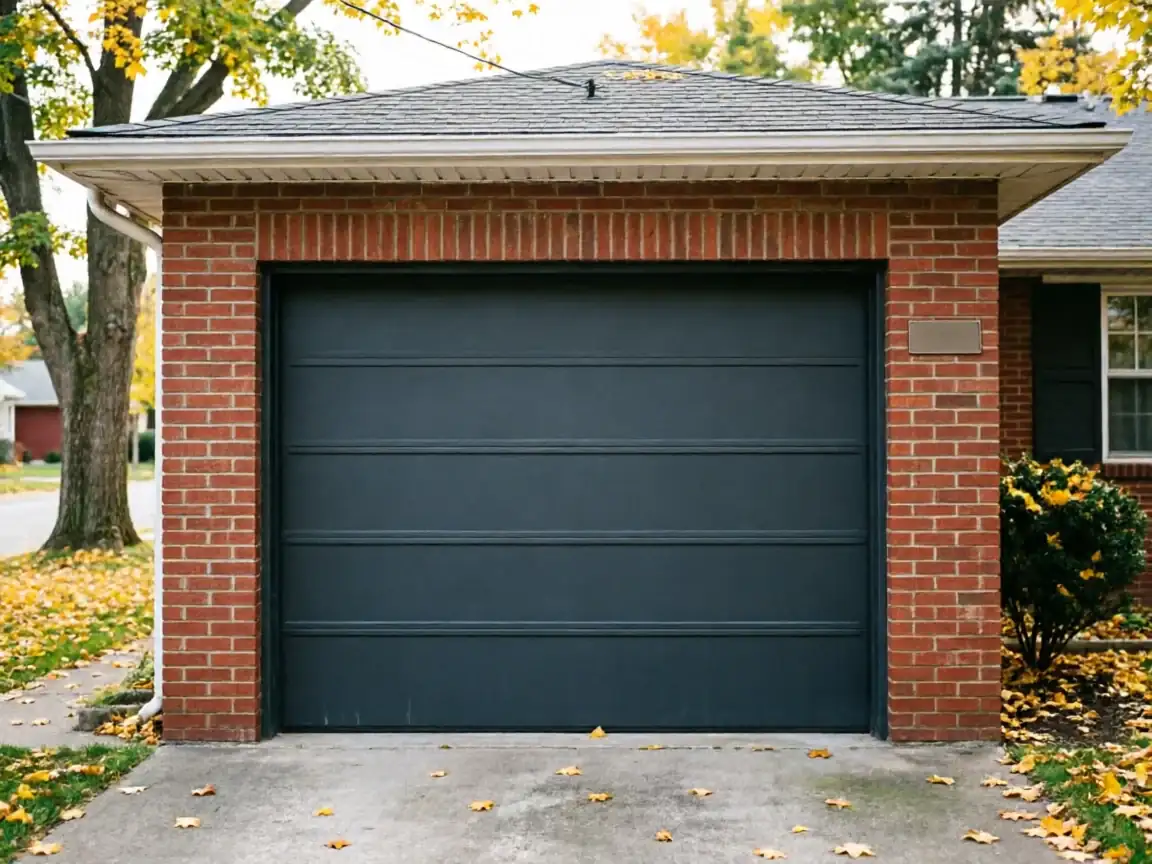
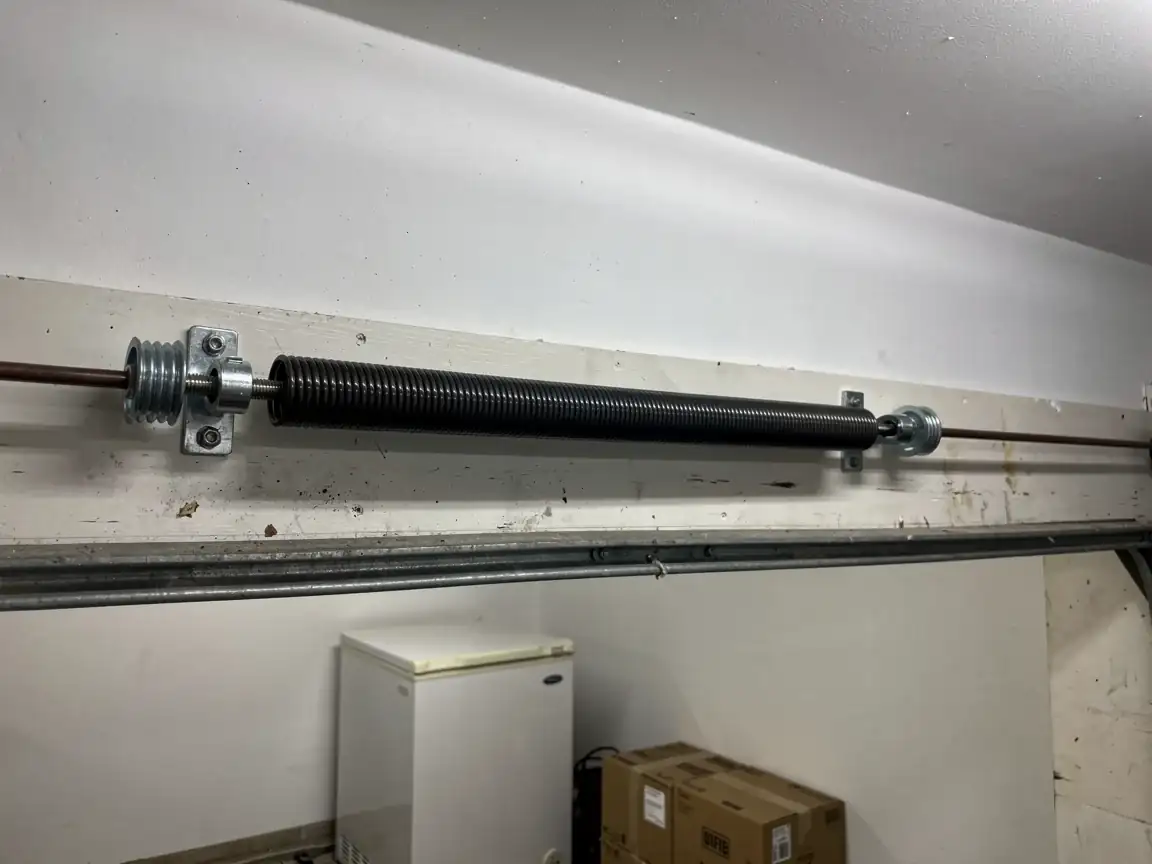
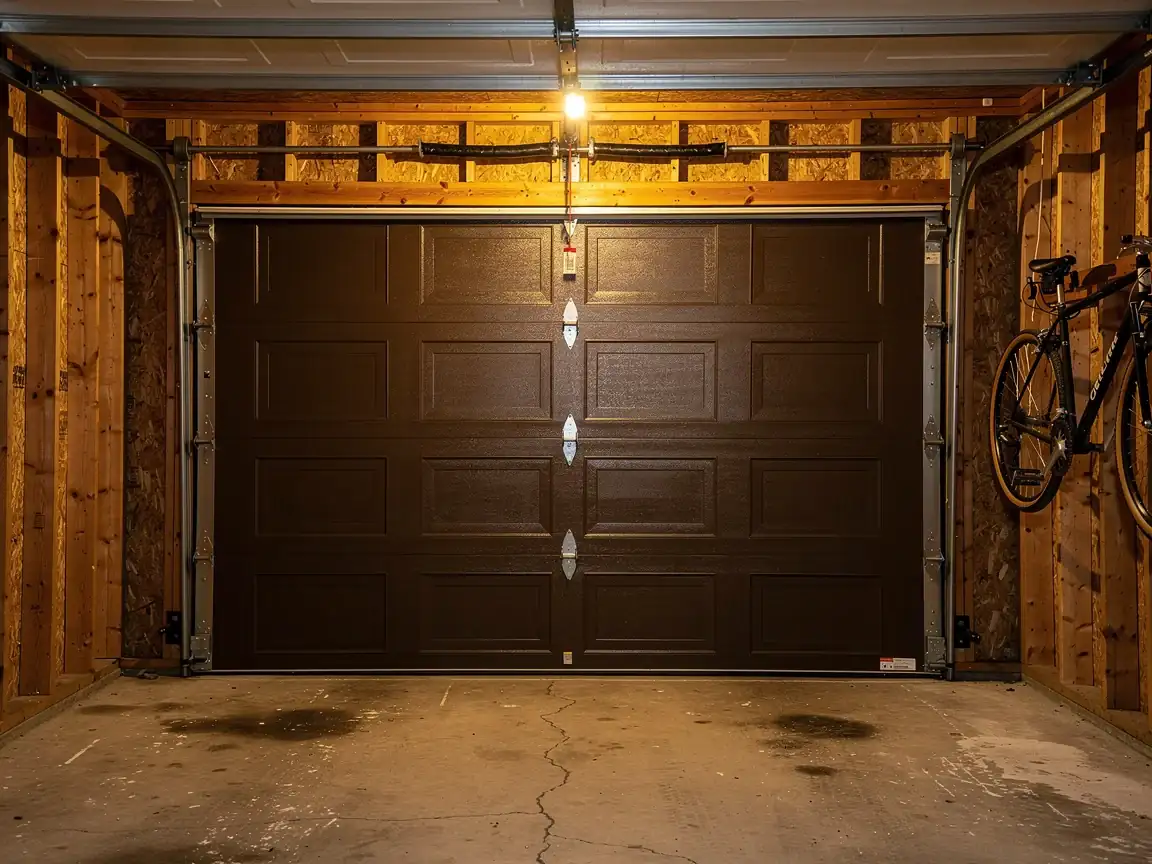
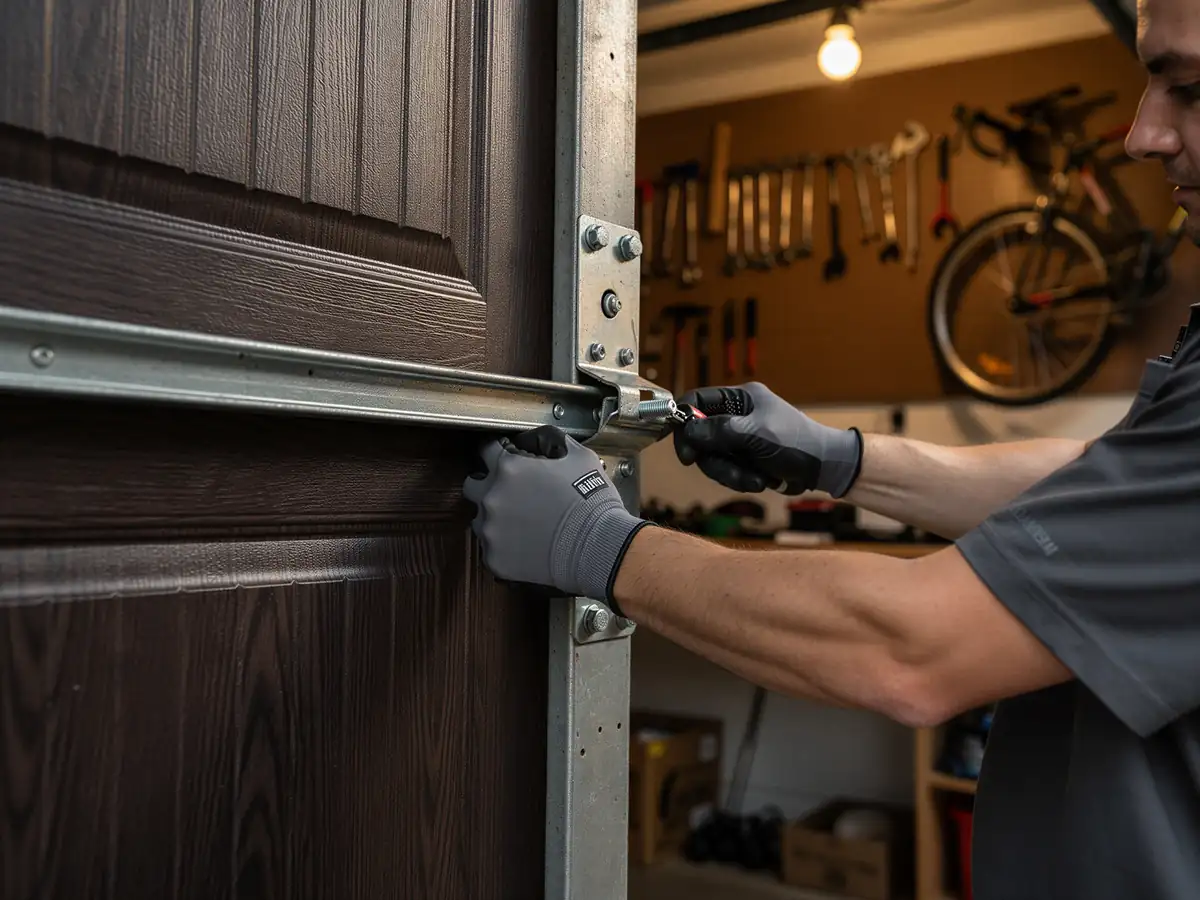
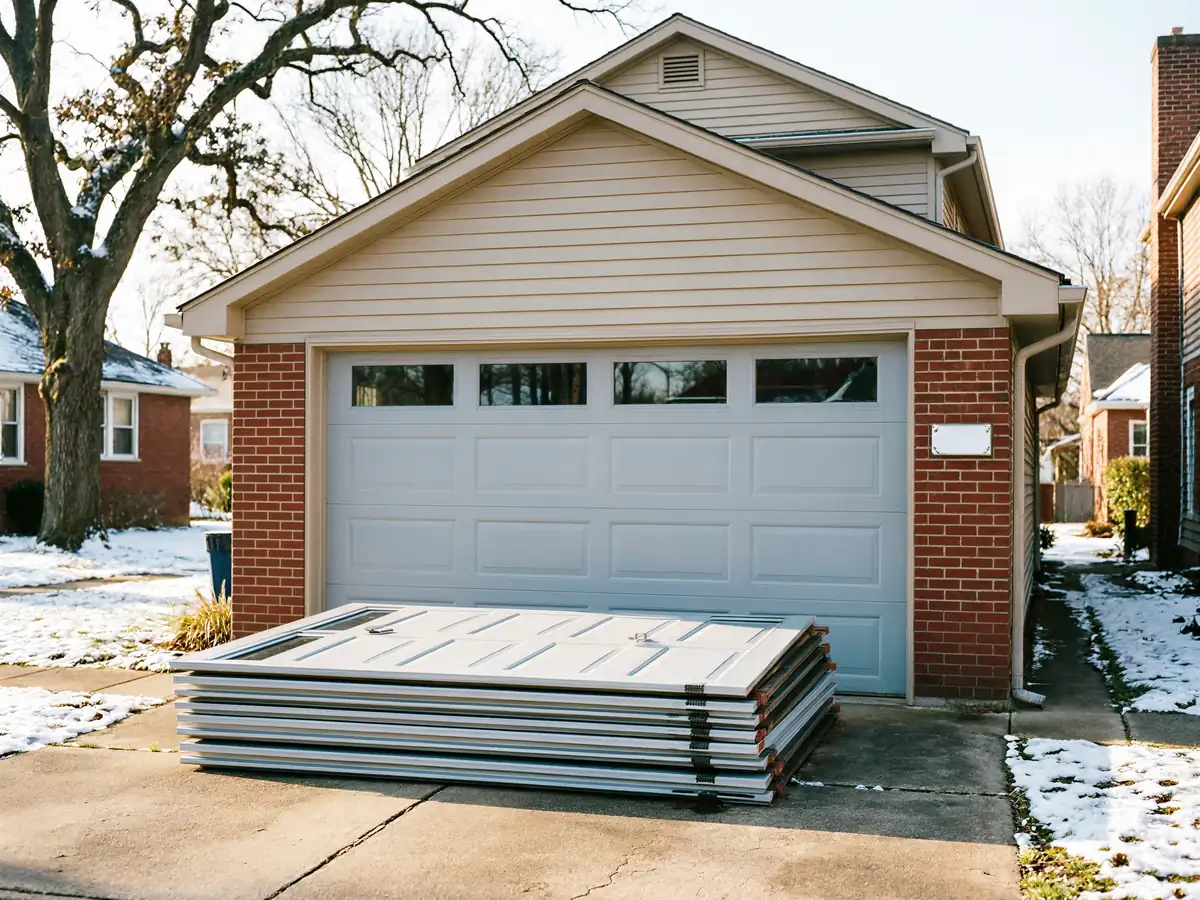
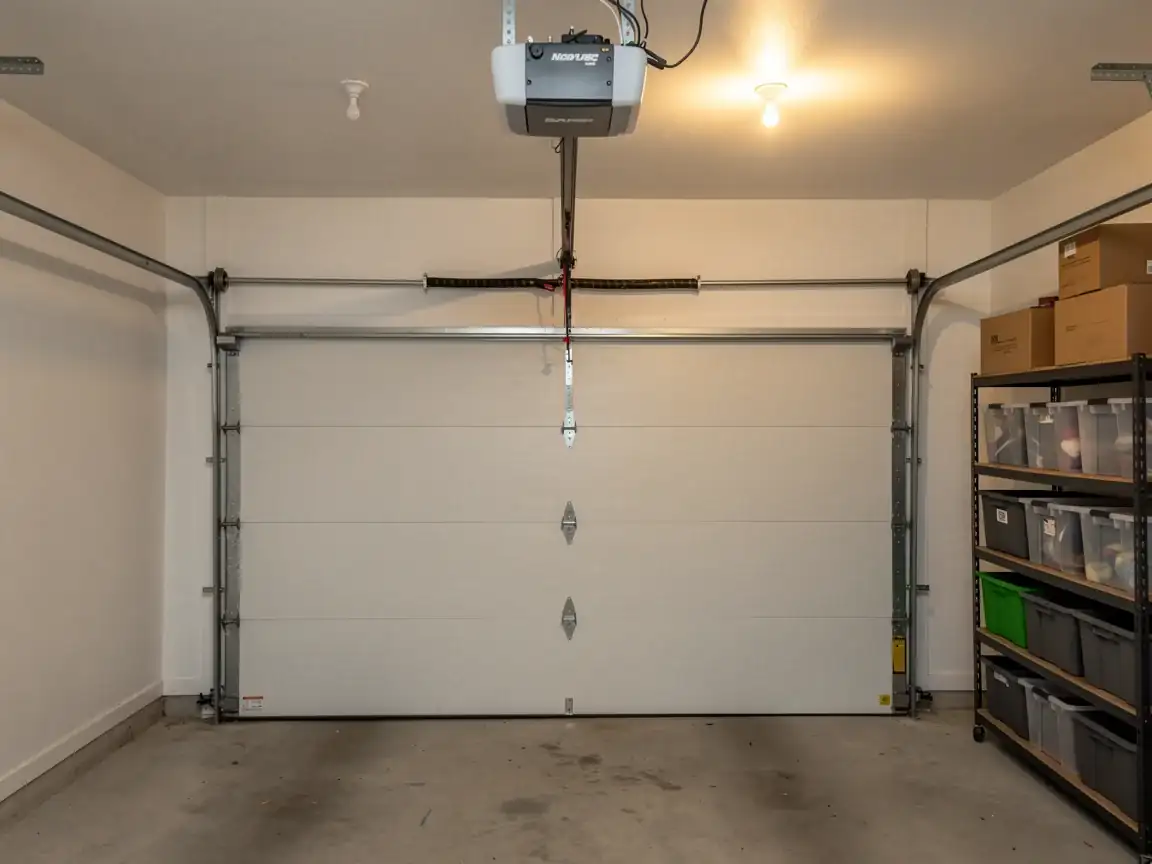
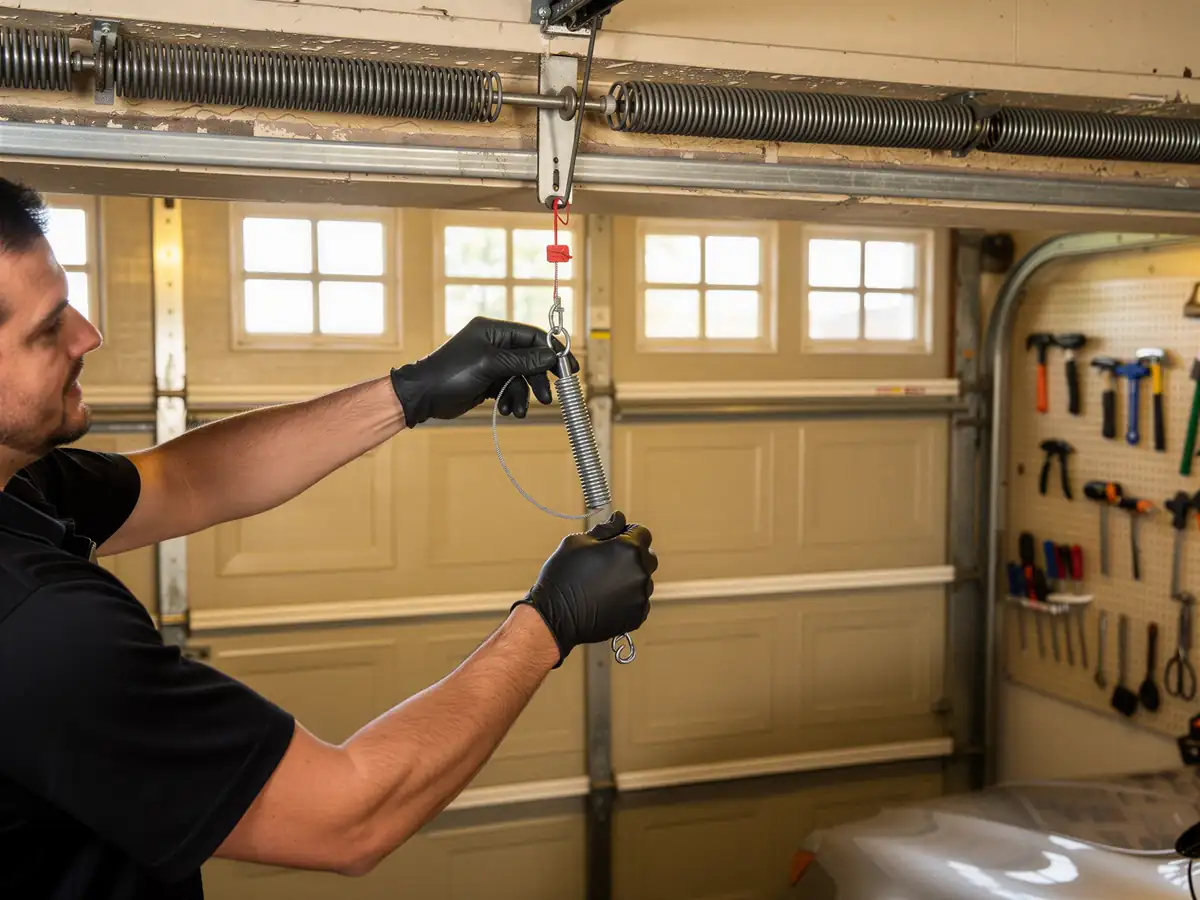
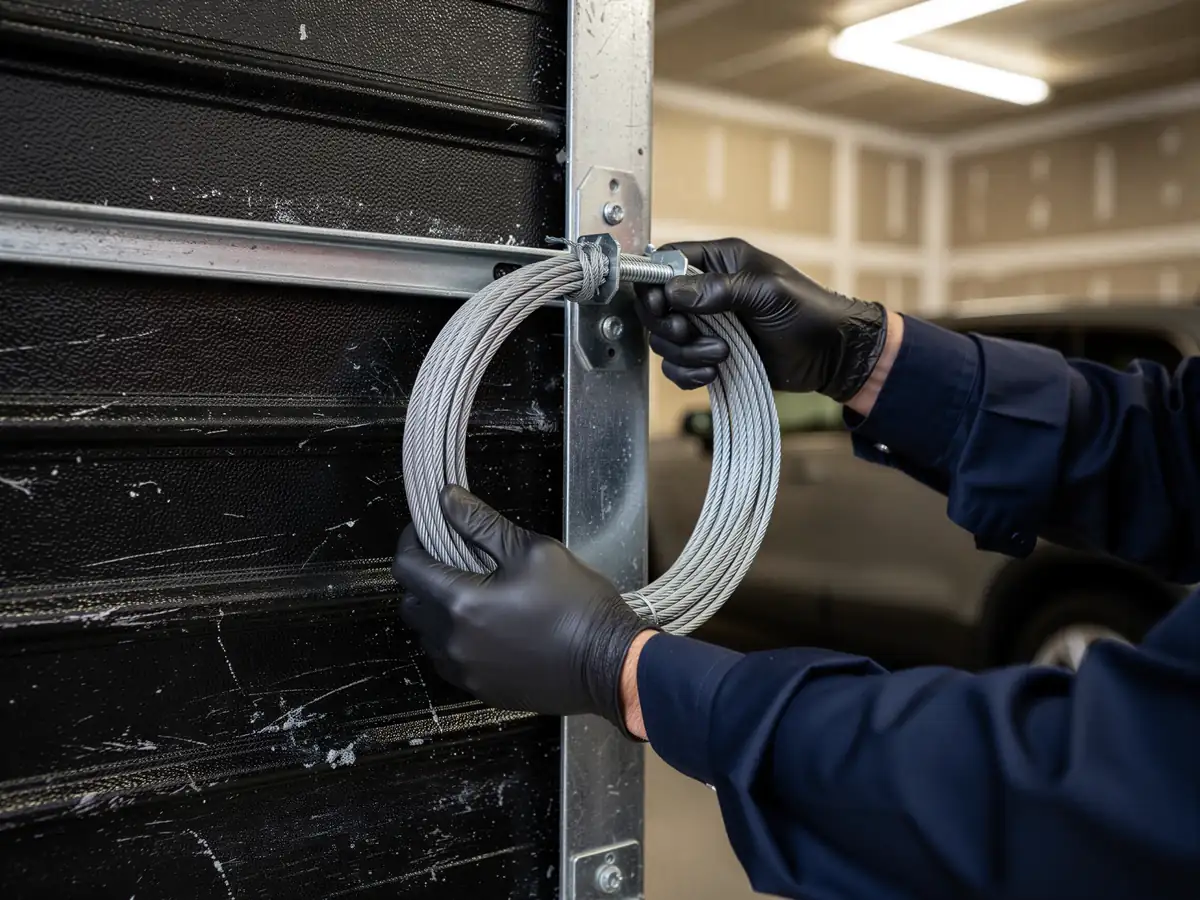
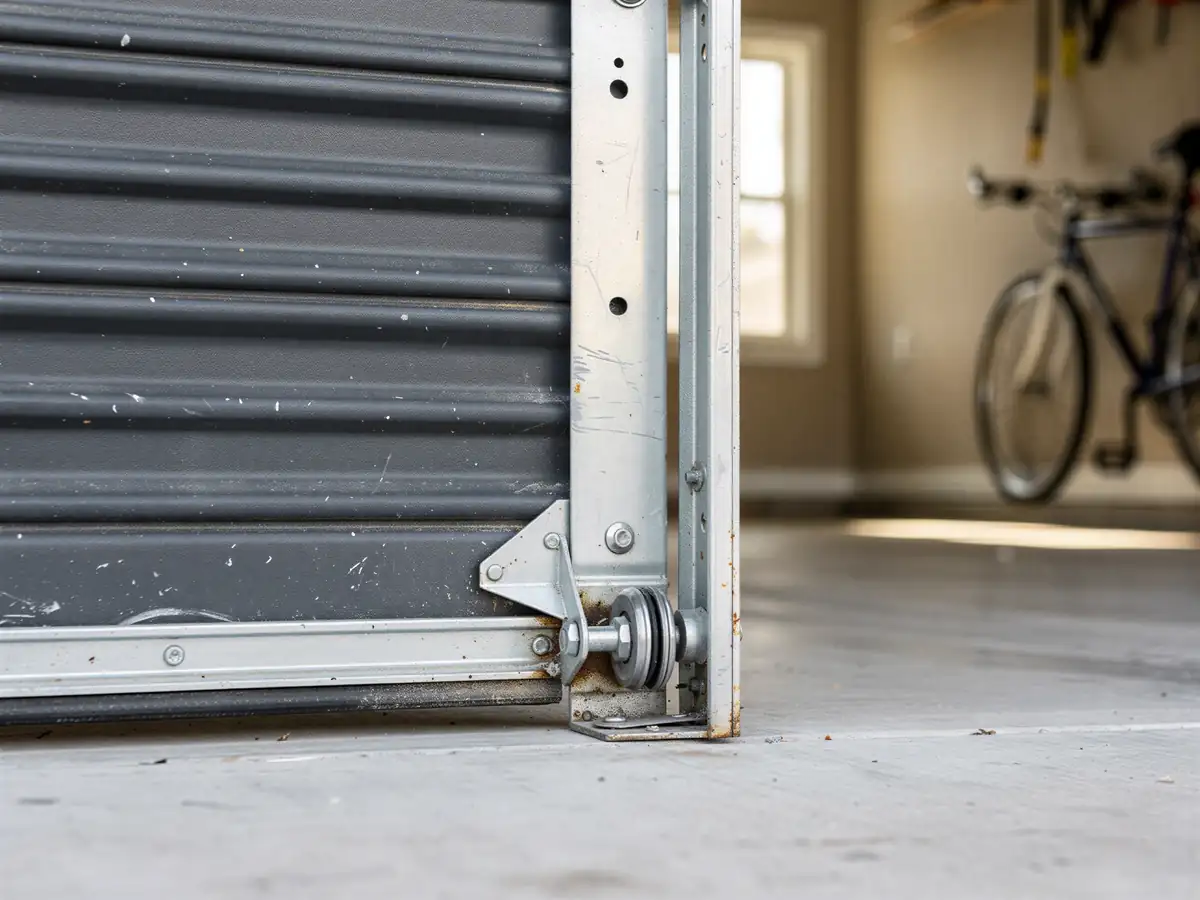
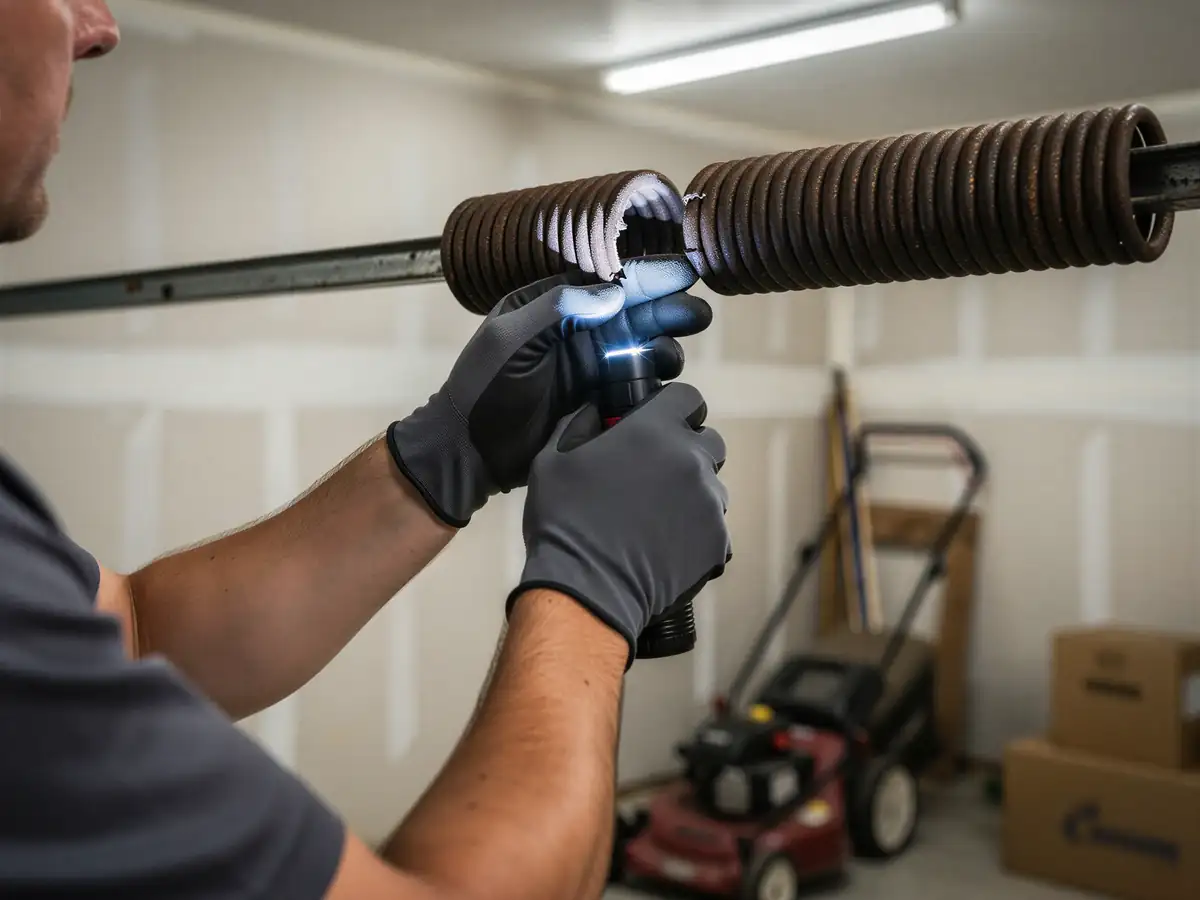
A house built in 2003 came with a steel panel door on torsion spring hardware and, usually, a chain or belt-drive opener with a circuit board rather than an old relay-based unit. The failures we see on this stock are different from what shows up on a 1970s door: worn rollers, opener logic boards that finally give out after twenty-some years, weatherstripping gone brittle, and the occasional cable fray on a door that's been cycled thousands of times without anyone touching the hardware.
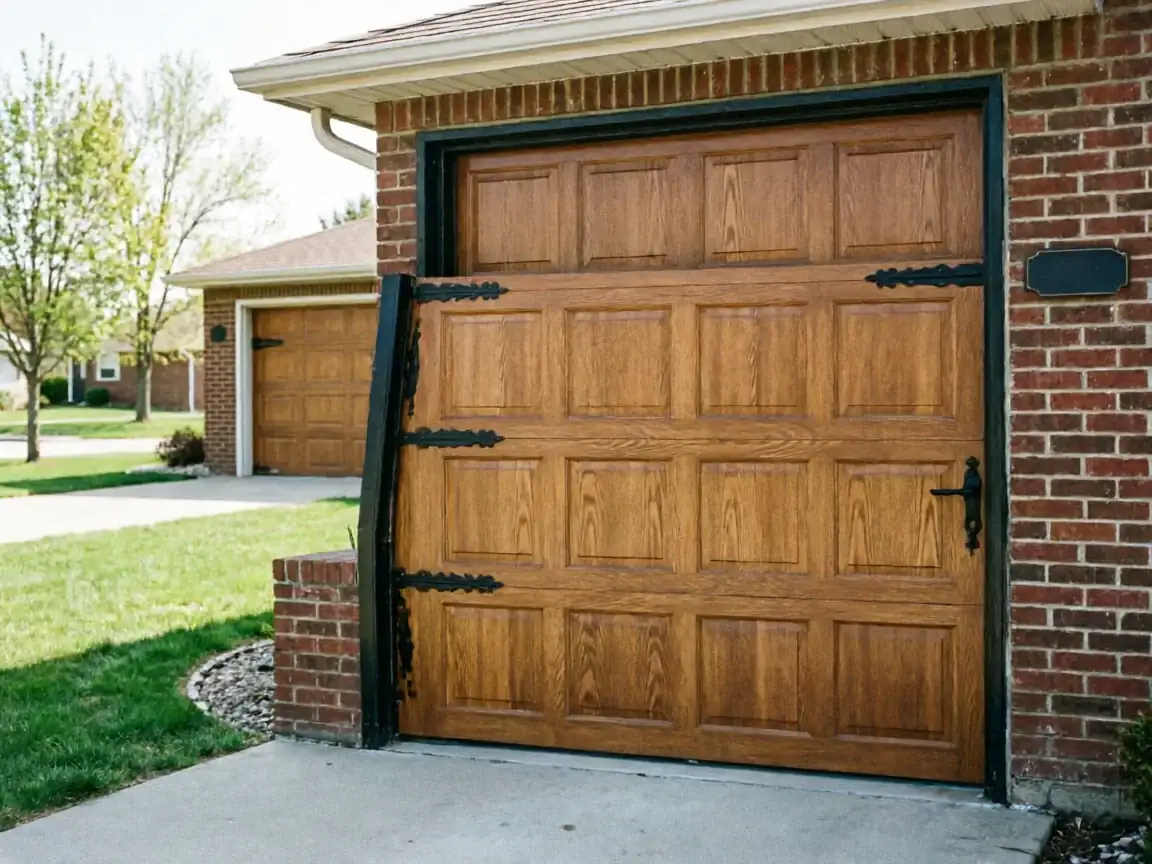
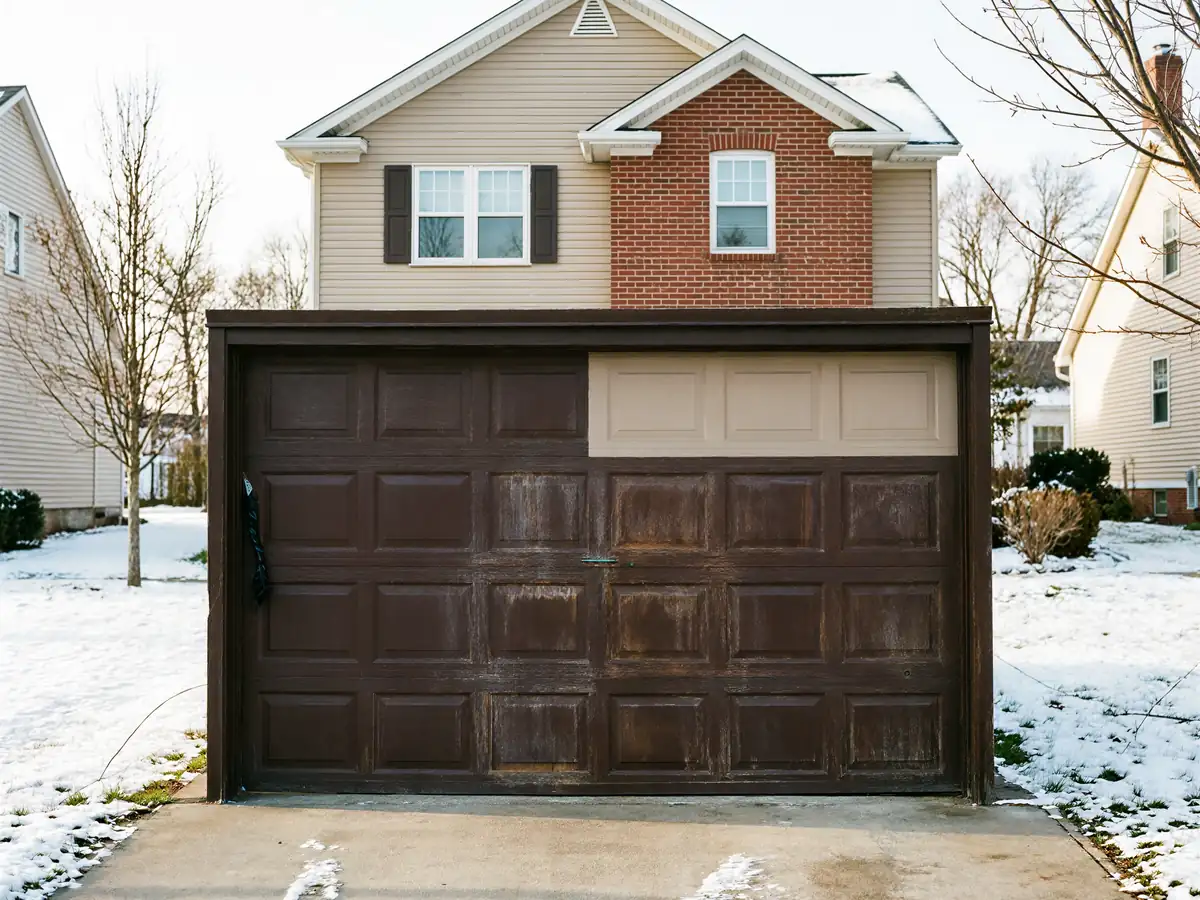
What you mostly don't get in Dayton are the problems that come with genuinely old doors - the single torsion spring on a door built for two, the side-mounted hardware nobody stocks parts for anymore, the wood-panel door that's rotted at the bottom corner. If your opener or spring is failing and your house was built in the last twenty years, odds are decent it's a part that's simply worn out on schedule, not a mismatch between old hardware and a newer house.
Timing on This Area
We run out of Hopkins, and Dayton is about 18 miles out
That's a real drive, not a quick hop across town, and it's worth saying plainly: a call to Dayton isn't the same as a call three streets from the shop. We don't claim a depot here and we don't promise a response window we can't back up from that distance.
- 18 miles
What we can say is that the trip is factored into how we plan the truck's day
Dayton jobs tend to get grouped with other calls in that direction rather than squeezed in as a one-off. If you need a part that isn't on the truck, the extra distance can add a little more lead time to a second visit, which is worth knowing before you book.
What Was Built Here
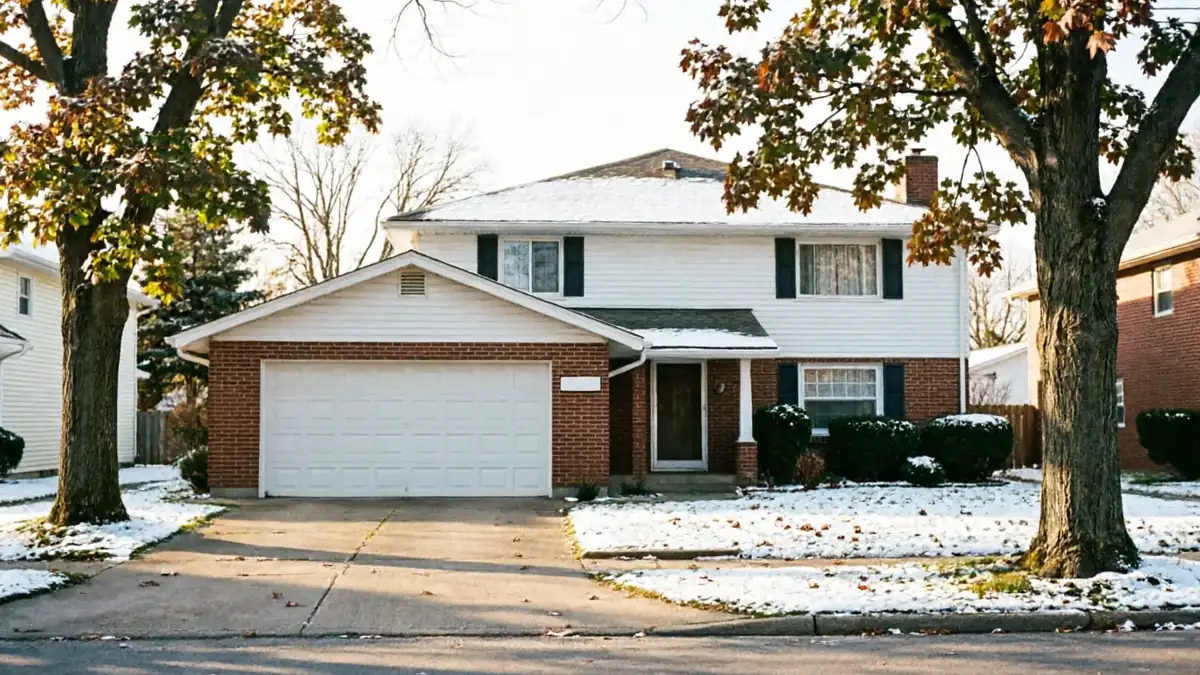
Across the wider service area, homes run from 1957 through 2005, with a median around 1984. Dayton sits well past that median - its own build year centers closer to 2003, which puts a lot of the town's housing stock among the newest in the area we cover.
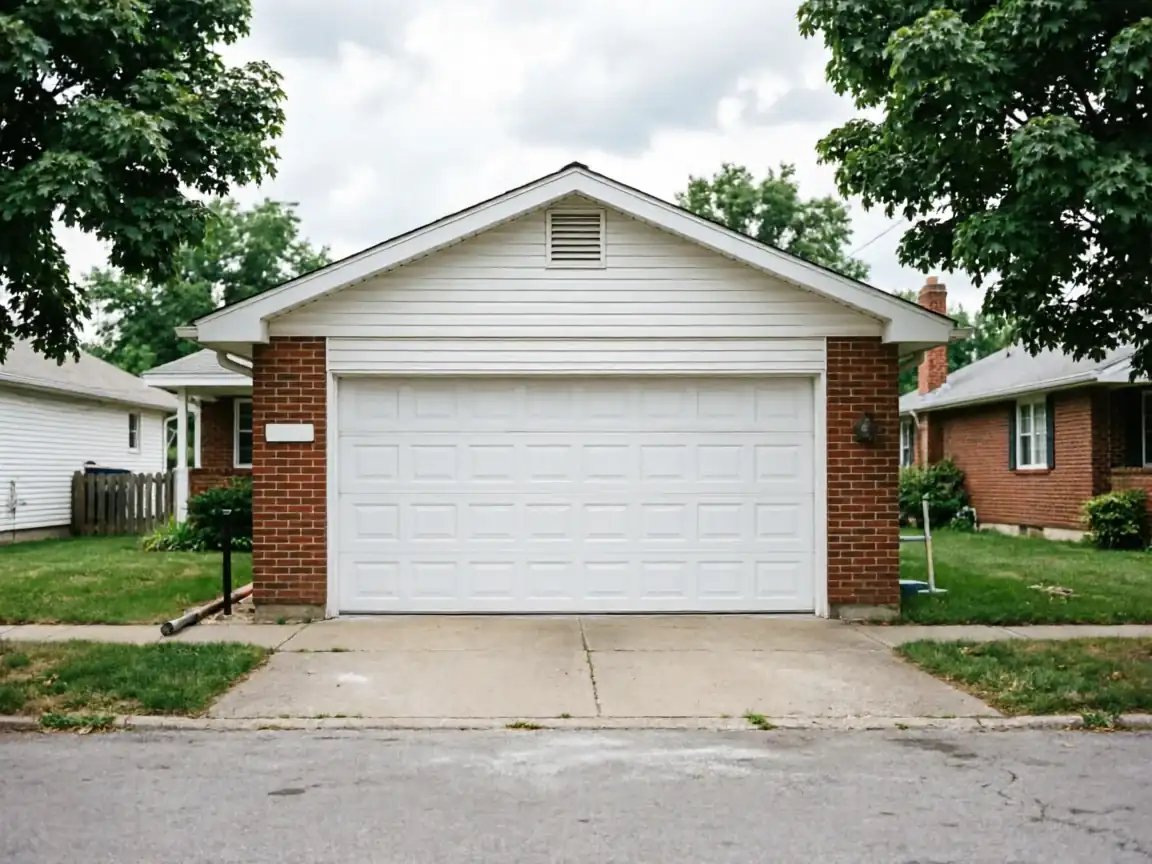
That later build date means less variation in what's behind the door. Instead of a mix of eras - 1960s single-car garages next to 1990s two-car doors next to early-2000s builder-grade installs - Dayton leans toward one generation of construction. Garages were sized for two cars from the start, openers came standard, and the hardware follows a fairly consistent builder spec rather than decades of patchwork replacement.
At roughly 3,034 households, Dayton is a smaller slice of a service area that totals 93,593 households and 55,318 owner-occupied houses. The median household income here, $137,383, runs well above the $116,500 median for the service area as a whole - which tracks with the newer, larger homes typical of a town built out mostly after 2000.
The Split Between Old and New
The service area overall splits fairly evenly between older and newer stock, with homes dating back to 1957 on one end and up through 2005 on the other. Dayton sits firmly on the newer end of that range. Where some of the towns we cover still have original one-piece doors from the 1960s hanging on side-mount torsion hardware, that's not what you'll find on most Dayton streets.
Winters here are the same cold-moderate climate as the rest of the area, so insulation and weatherstripping matter regardless of build year - but a 2003 door usually left the factory with insulated panels already, where a 1960s one-piece door often didn't. The honest limitation: if your Dayton home happens to be one of the rarer older builds, a mismatch between an aging door and newer opener hardware (or the reverse) can happen, and in those cases it's worth a look in person rather than guessing over the phone.