The Symptom
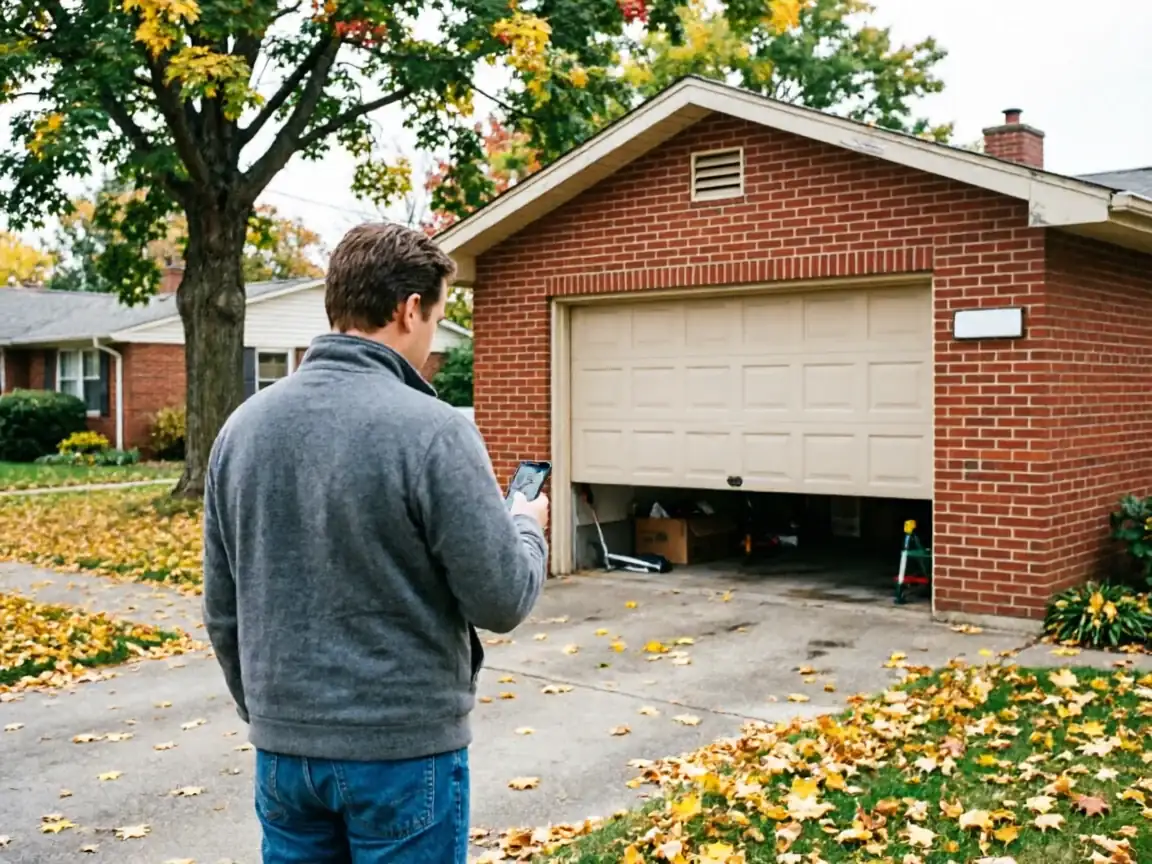
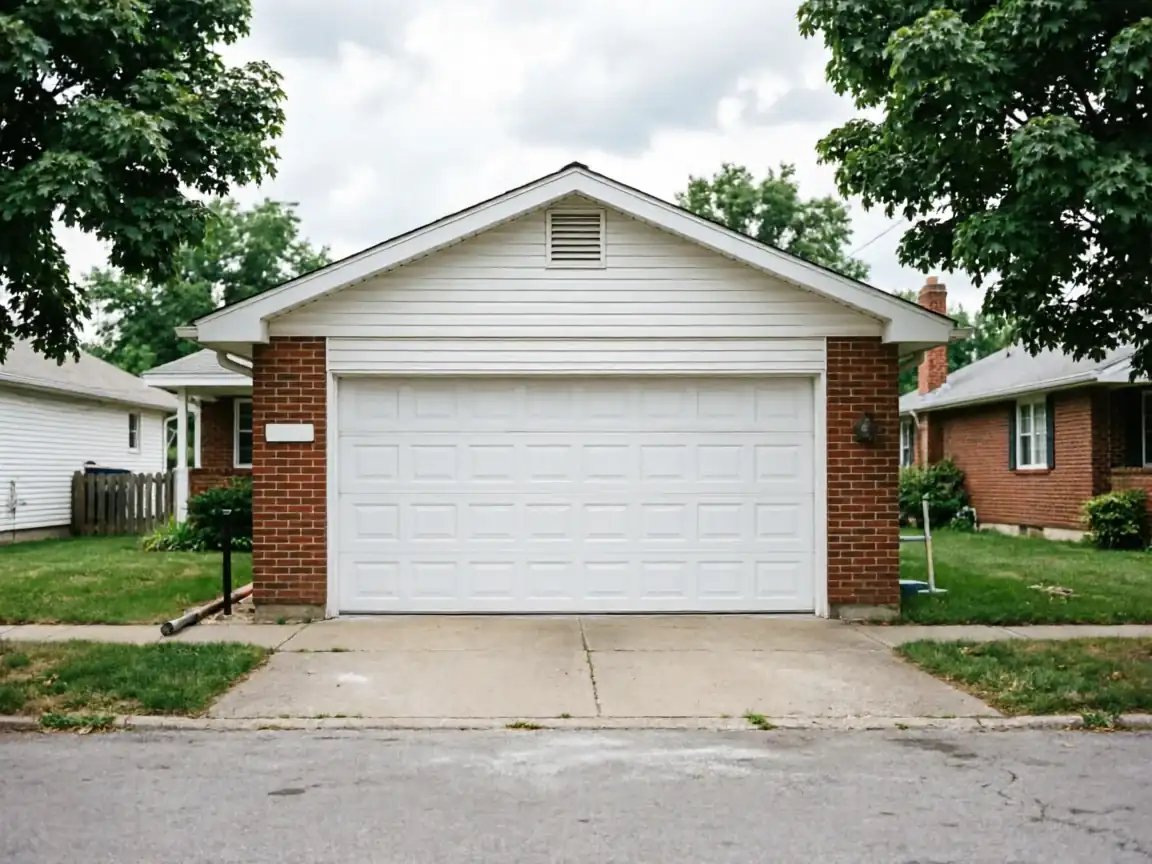
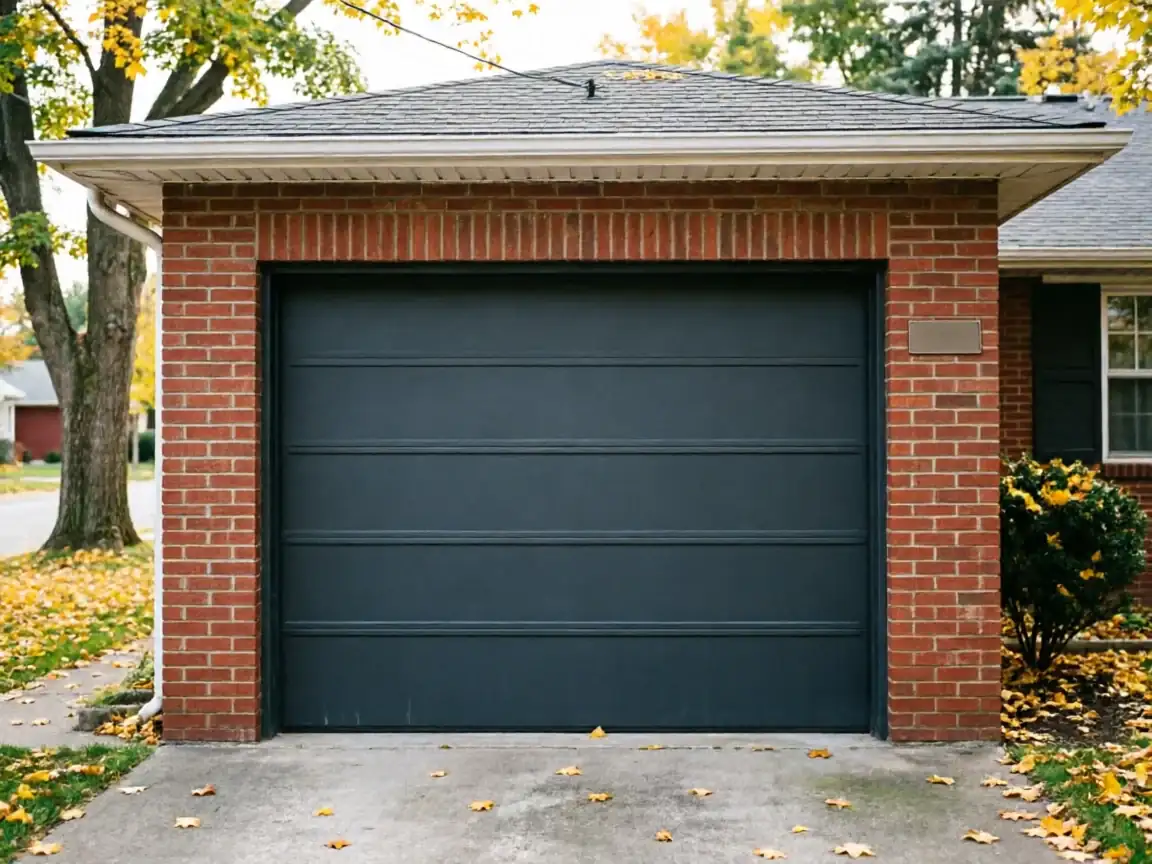
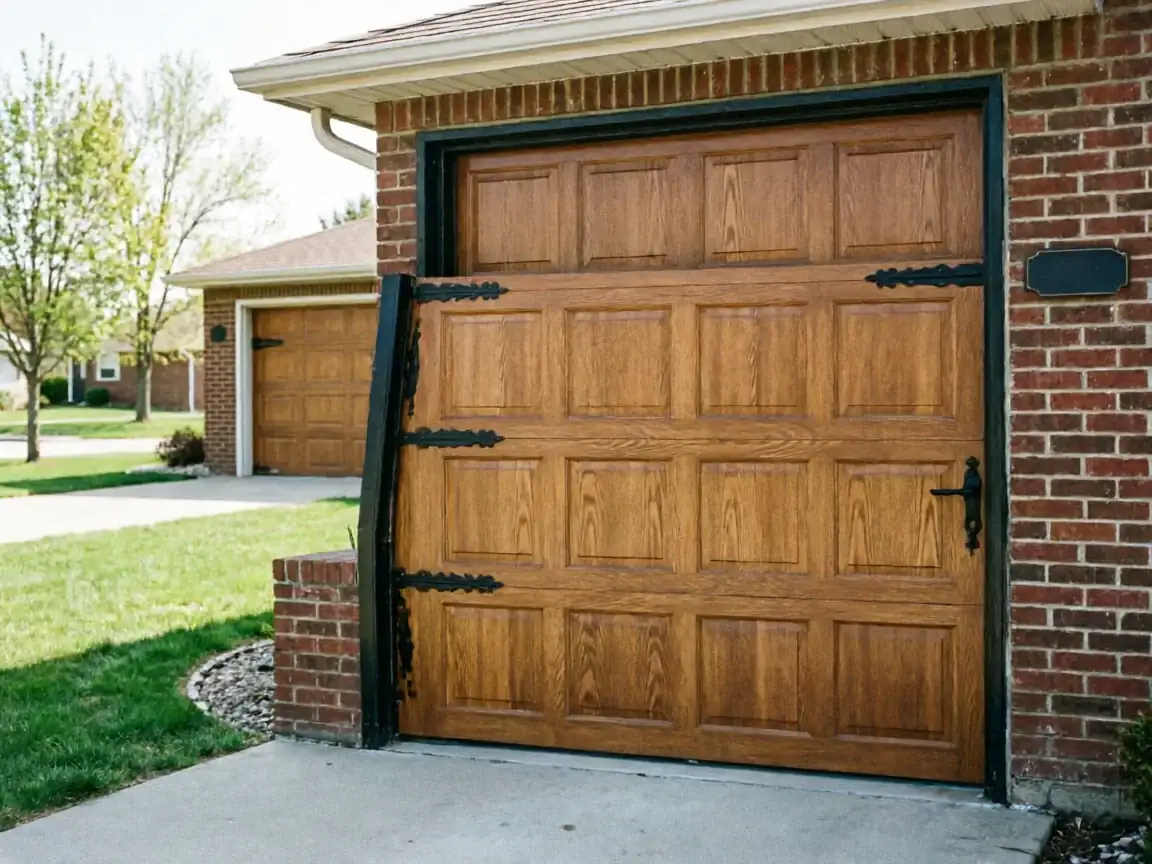
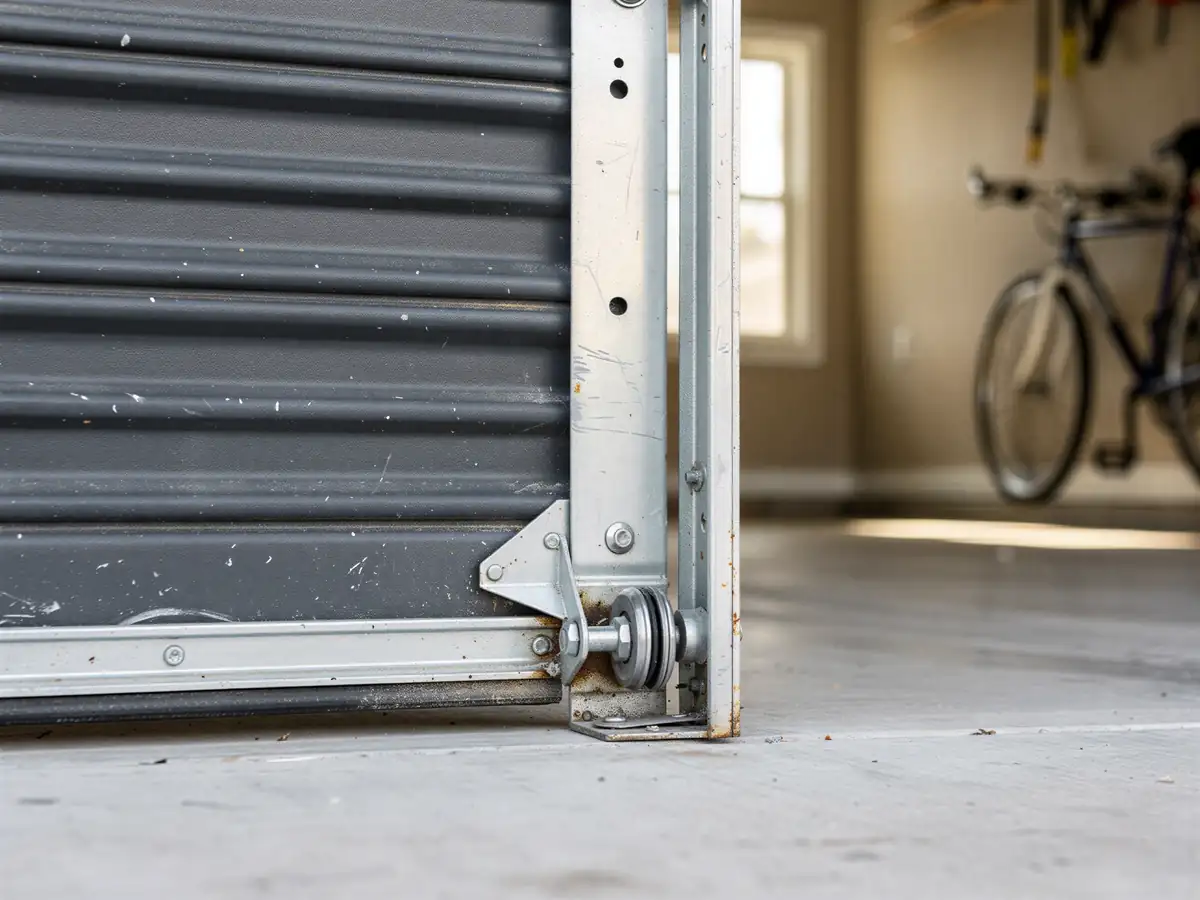
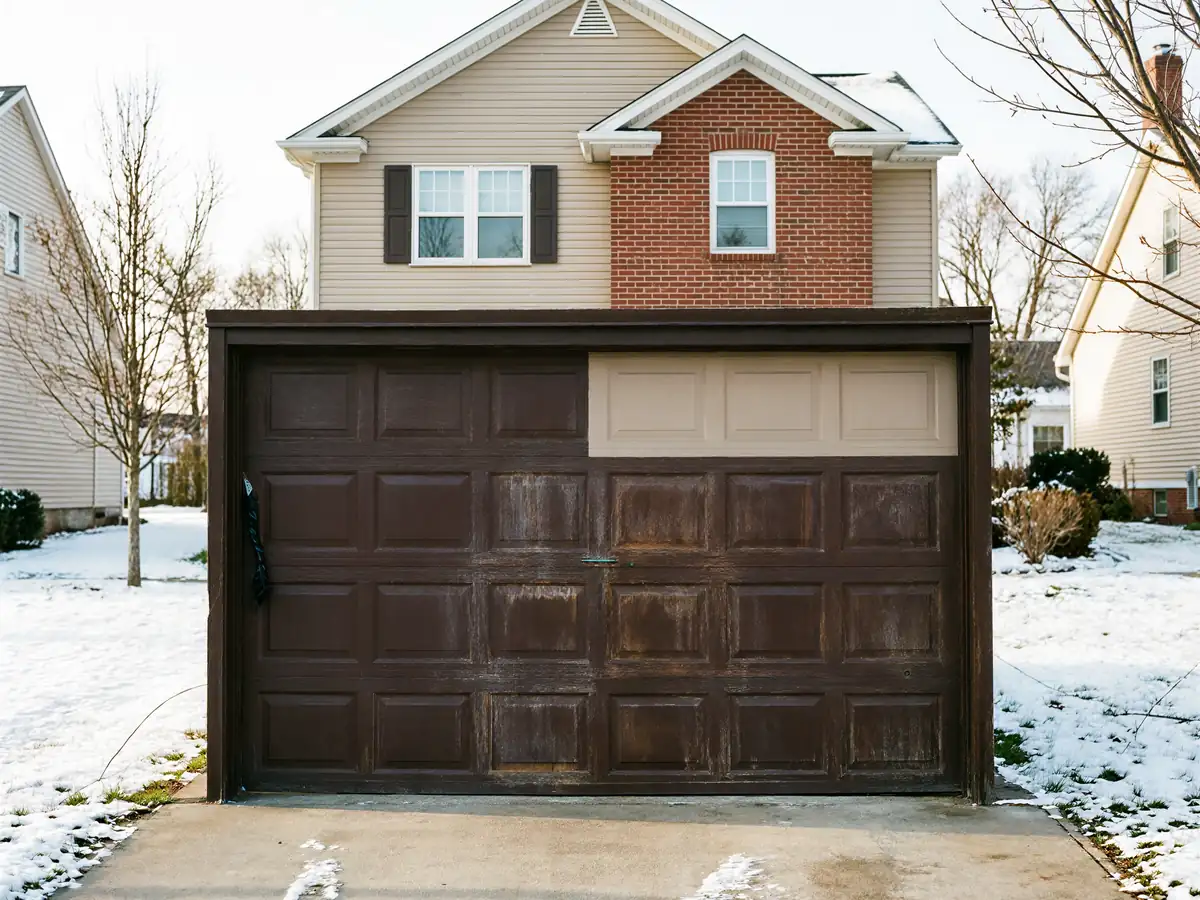
A cracked or dented panel usually shows up one of two ways. Either something hit the door - a bike, a bumper, a stray hockey stick - and left a crease in one section, or a bottom panel has split along the seam with no impact at all. The second kind is the one we see more of once the weather turns. A panel that looked fine in October can show a hairline crack by February, right along the bottom rail where the steel takes the most flex.
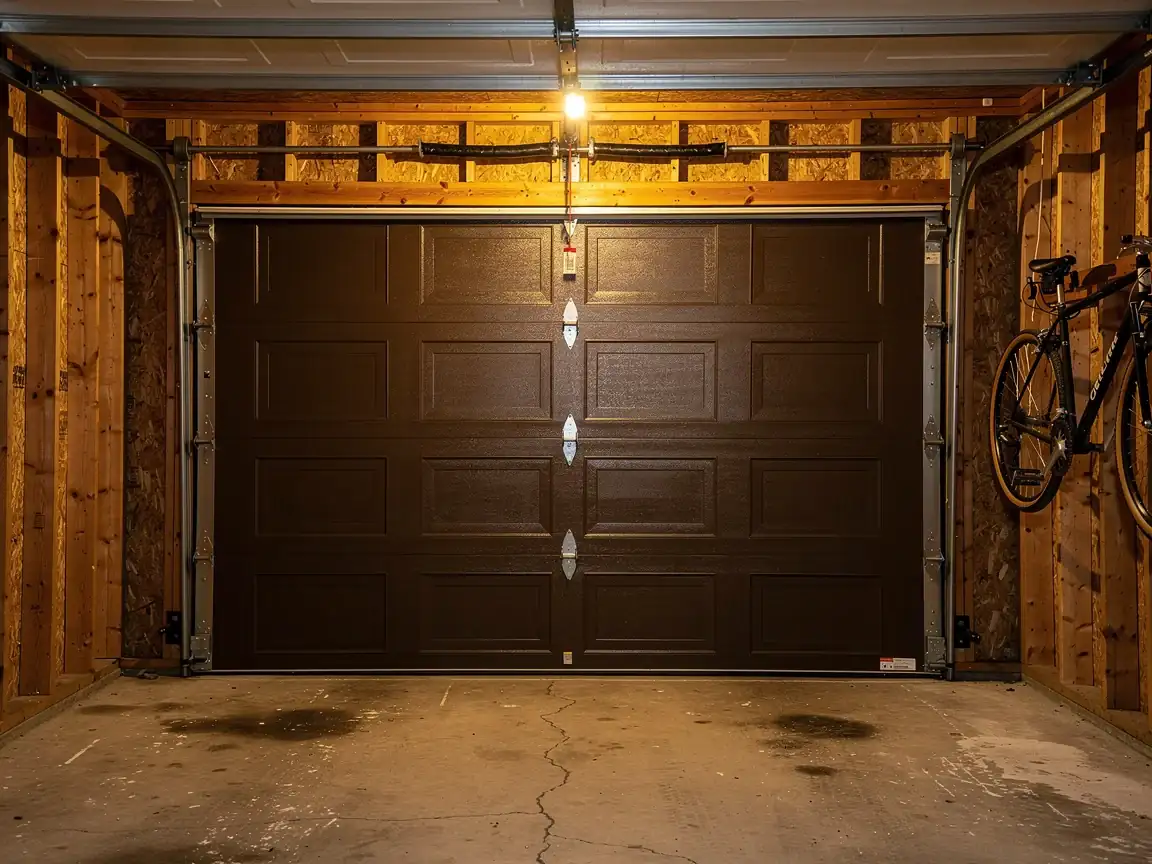
On a lot of the doors around Hopkins, that crack runs on a panel that's original to the door - steel from a build era when insulation wasn't standard and the gauge was thinner than what goes in now. Once one panel goes, the door doesn't usually fail outright, but it stops sealing right at that seam, and cold air starts finding its way in exactly where the panel used to flex clean.
If you're seeing rust bleeding out from a seam, or a panel that bows out when the door is down, that's past a touch-up. It's a sign the steel has fatigued at that joint and a patch won't hold through another winter.
What You Pay
What a panel replacement runs depends mostly on whether we can still get a matching section
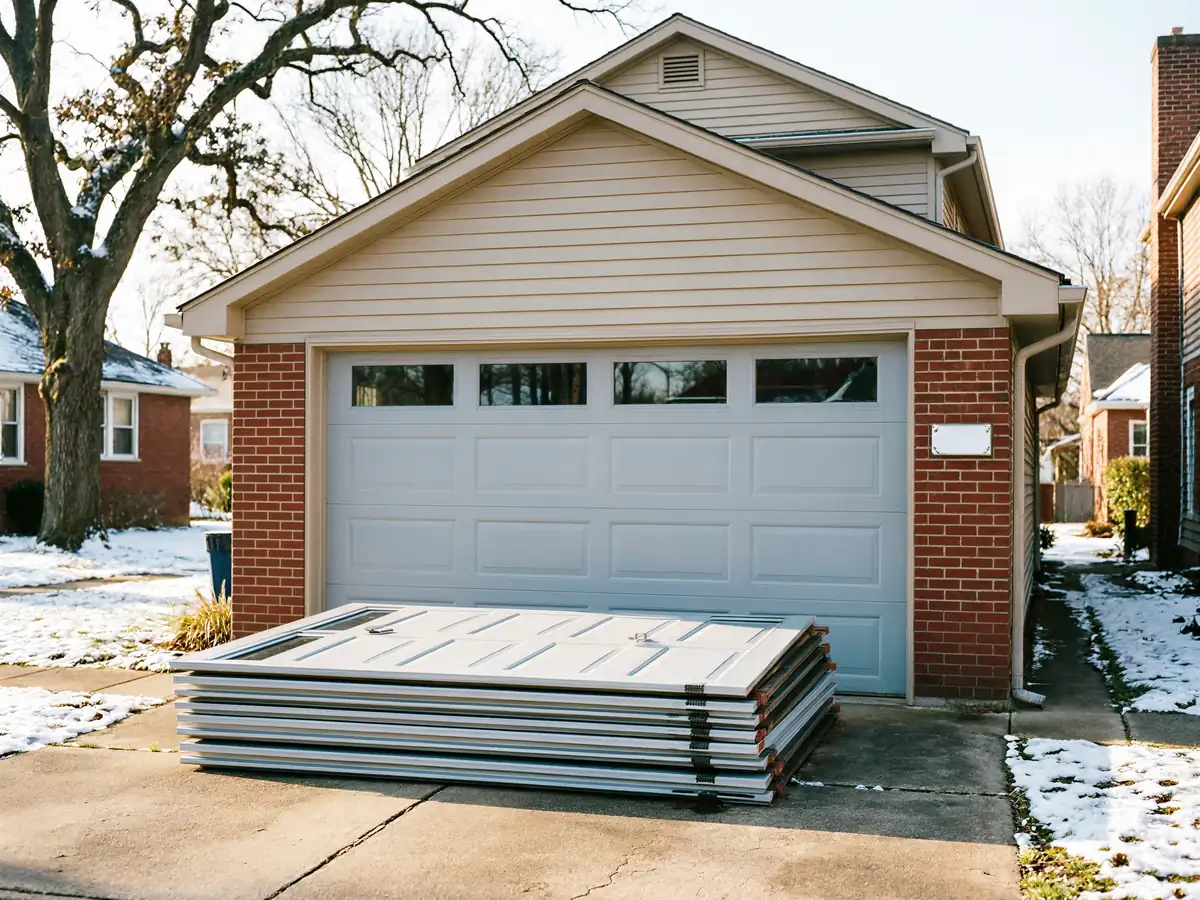
A door that's a common size and a current model usually has panels in stock or a short order away. A door from the 1980s or 90s - which covers a lot of what's out there across this service area - is a different story. Some of those runs are discontinued, and the panel has to be special-ordered or the whole door gets replaced because a mismatched panel looks worse than the crack did.
Color match is the other cost driver nobody expects
A panel baked at the factory ten or twenty years ago has faded. A new panel, even the right model, can sit next to the old ones looking like a different shade until the whole door weathers evenly - which takes a season or two outdoors, not a afternoon.
With a median household income of $116,500 across the service area
Most owners we talk to want the cheaper fix if it holds up, and for a single damaged panel on a door that's otherwise sound, that's usually the right call. It only stops being the right call when the frame or the opener hardware is compromised too - at that point you're pricing two jobs instead of one, and a full door often costs less than doing both separately.
- $116,500 median household income
Why This Fails Locally
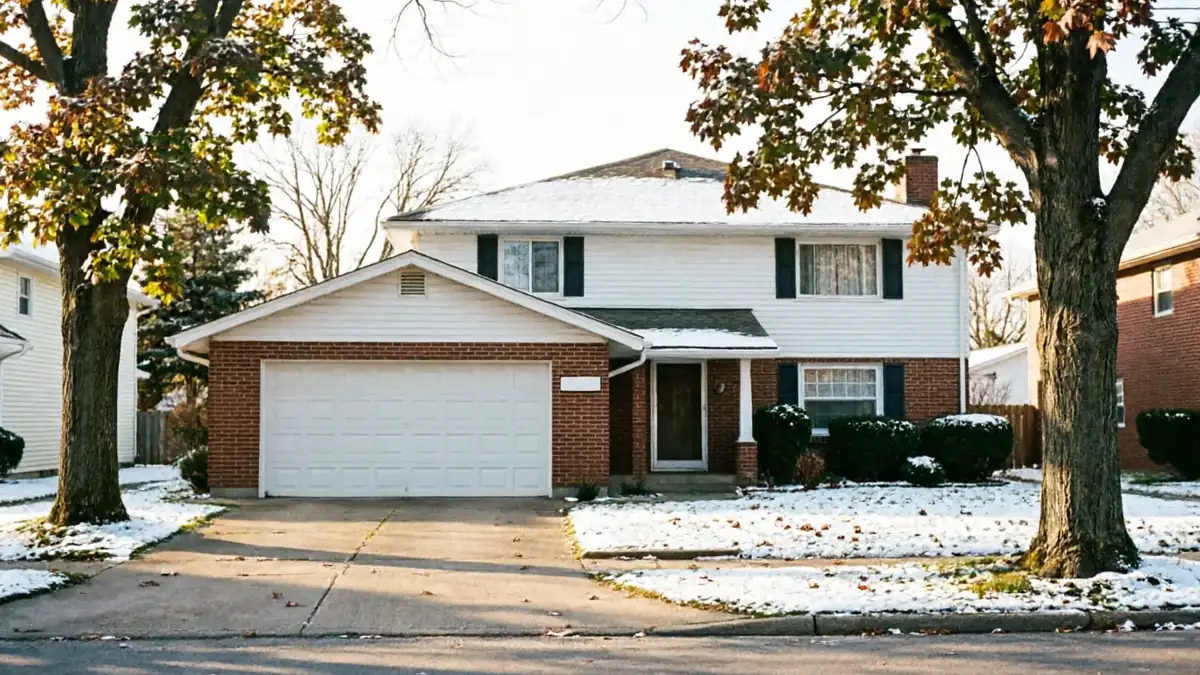
Housing in this area was mostly built between 1957 and 2005, with the thickest cluster landing in the 1980s and 90s across the named communities this shop covers. That matters because a huge share of the garage doors out there are either original to the house or a straight swap installed decades back on the same frame and track - meaning a lot of steel sections that are thirty-plus years old and were never designed with today's insulation or gauge standards.
The climate here is the other half of it. This is a cold moderate band, which means panels go through real freeze-thaw cycling every winter - steel contracts hard overnight and expands again by afternoon, over and over, for months. On a panel that's already thin-gauge and has taken a small dent or a scrape, that cycling is what turns a cosmetic mark into a structural crack along the seam. It's not one hard freeze that does it. It's the repetition.
Across the households and owner-occupied houses this shop serves, panel mismatches are the single most common reason a one-panel job turns into a full-door conversation - the section exists, but the track hardware or the color run doesn't match anymore, and trying to force a fit just moves the failure point somewhere else on the door.
The DIY Question
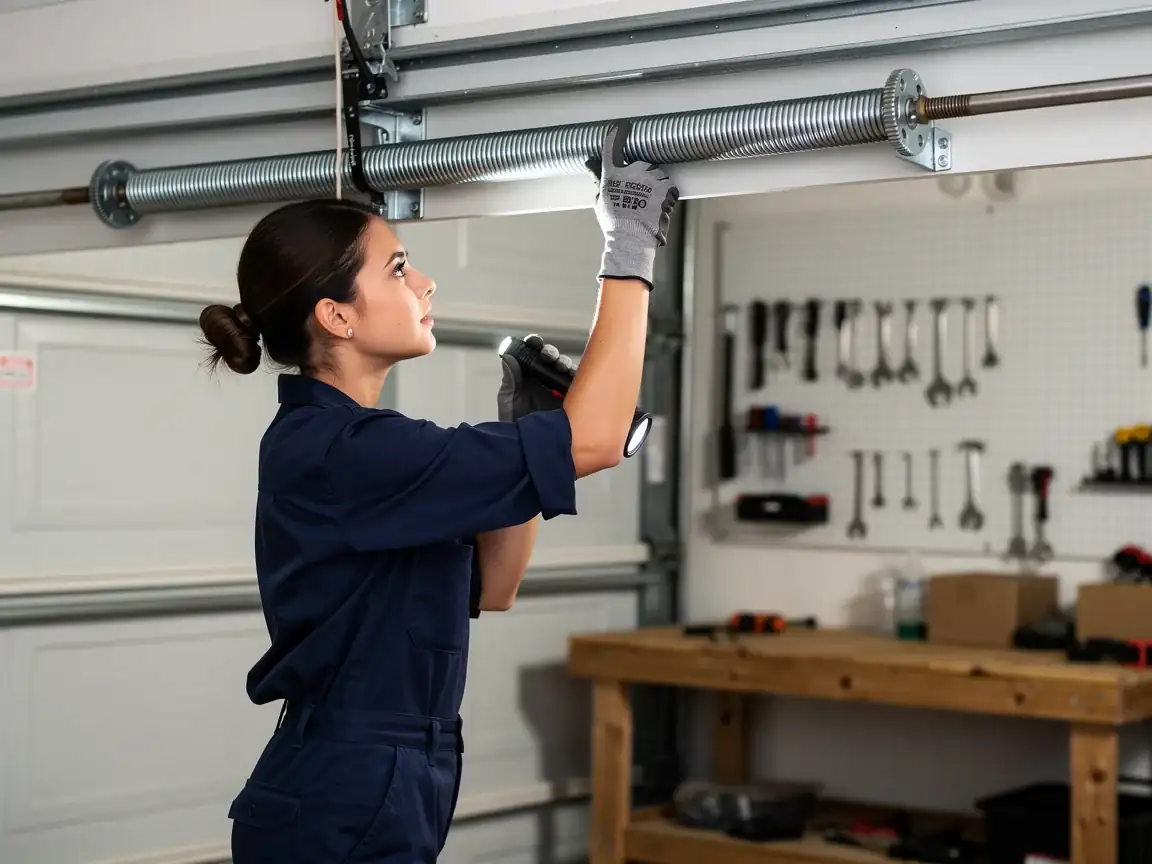
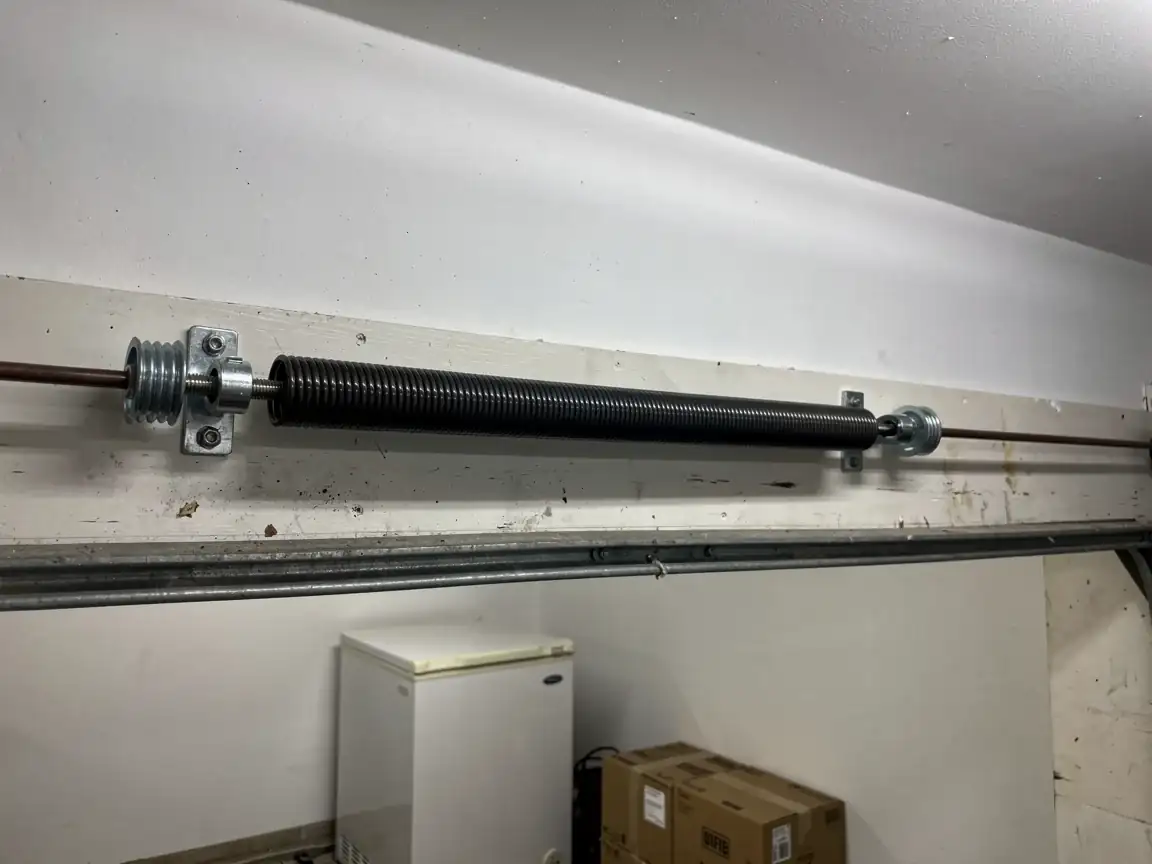
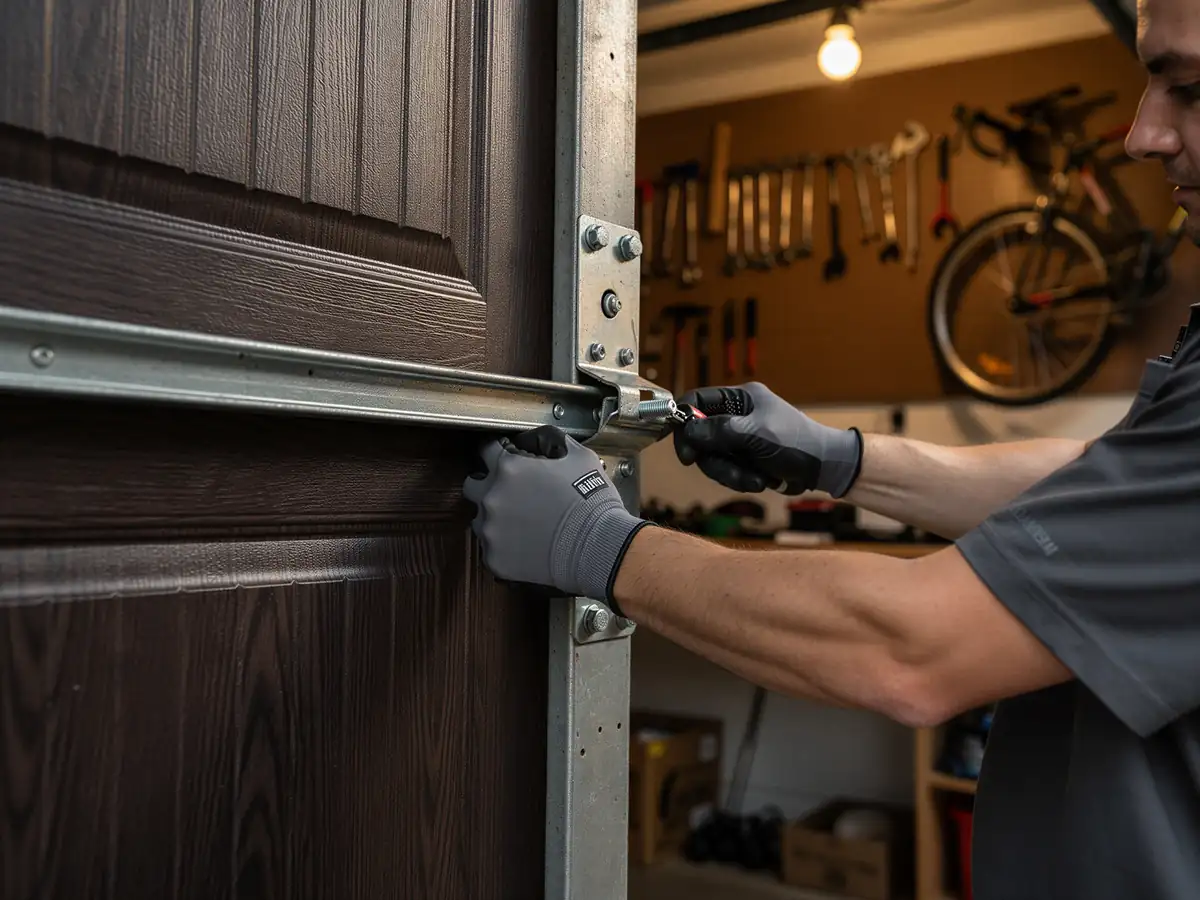
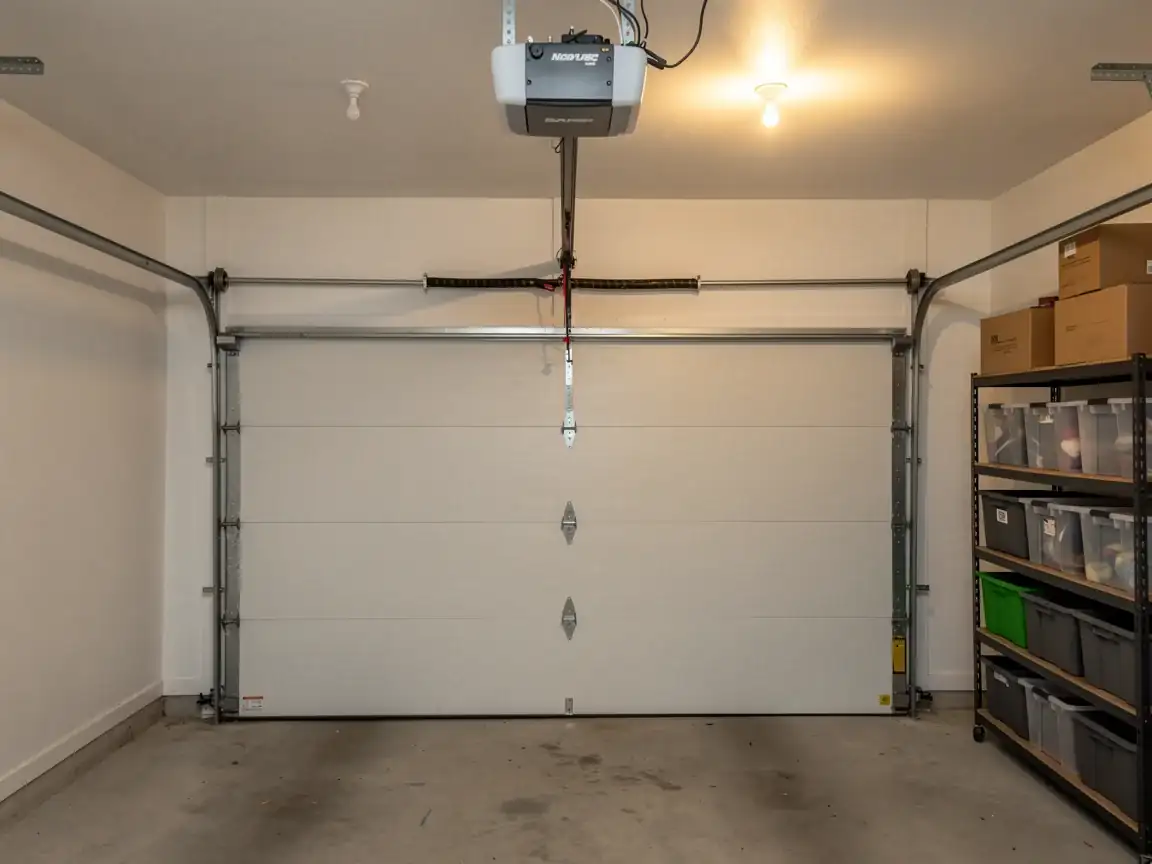
Swapping a single panel is mechanically simple on paper: unbolt the stiles, slide the section out, slide the new one in. Where it goes wrong is fit. Panel sections from different manufacturing runs - even the same brand - can be off by a fraction of an inch in height or in the hinge spacing, and that fraction is enough to bind a track or throw off the balance on a torsion spring that was set for the old weight.
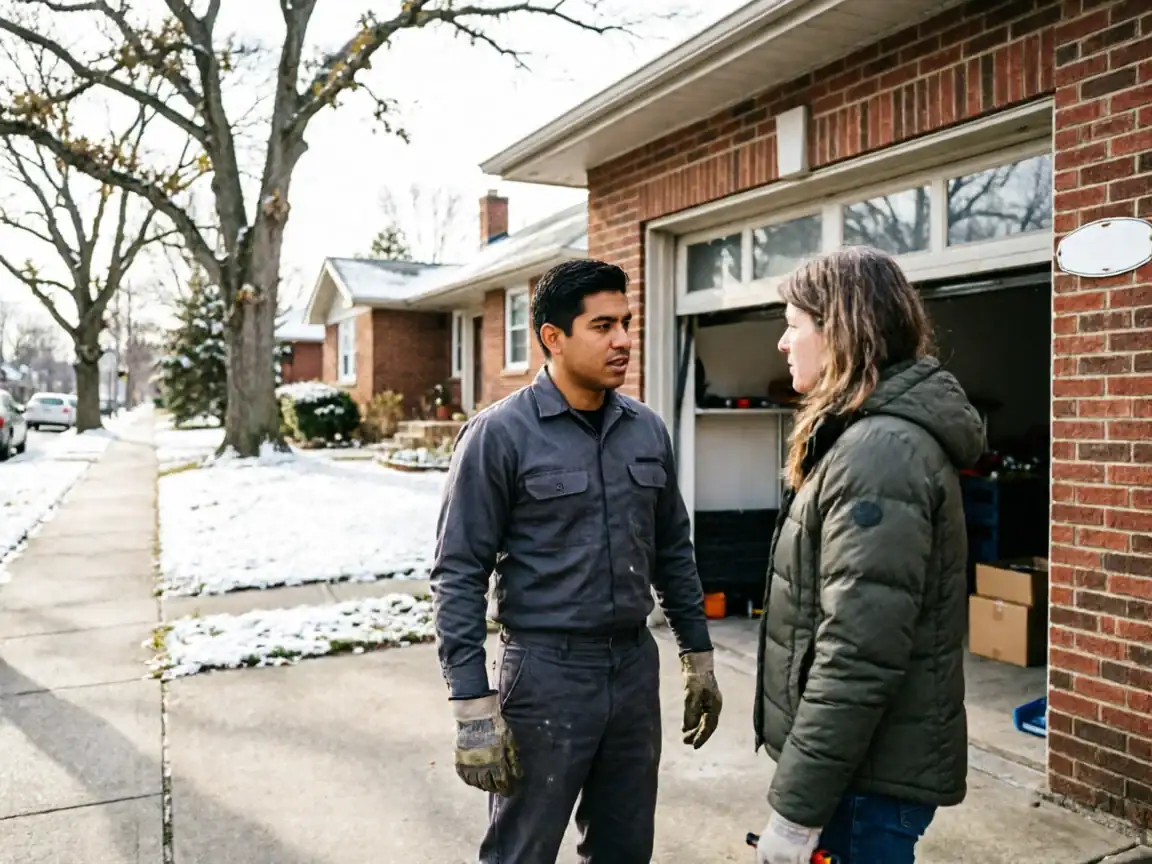
We'll be straight about the limit here: if you can't identify the exact model and run year of your door, ordering a panel off a part number alone is a guess, and a wrong panel usually costs more to return and reorder than it would have to just call someone out to measure it first. That's not a sales pitch, it's just how the parts side of this works.
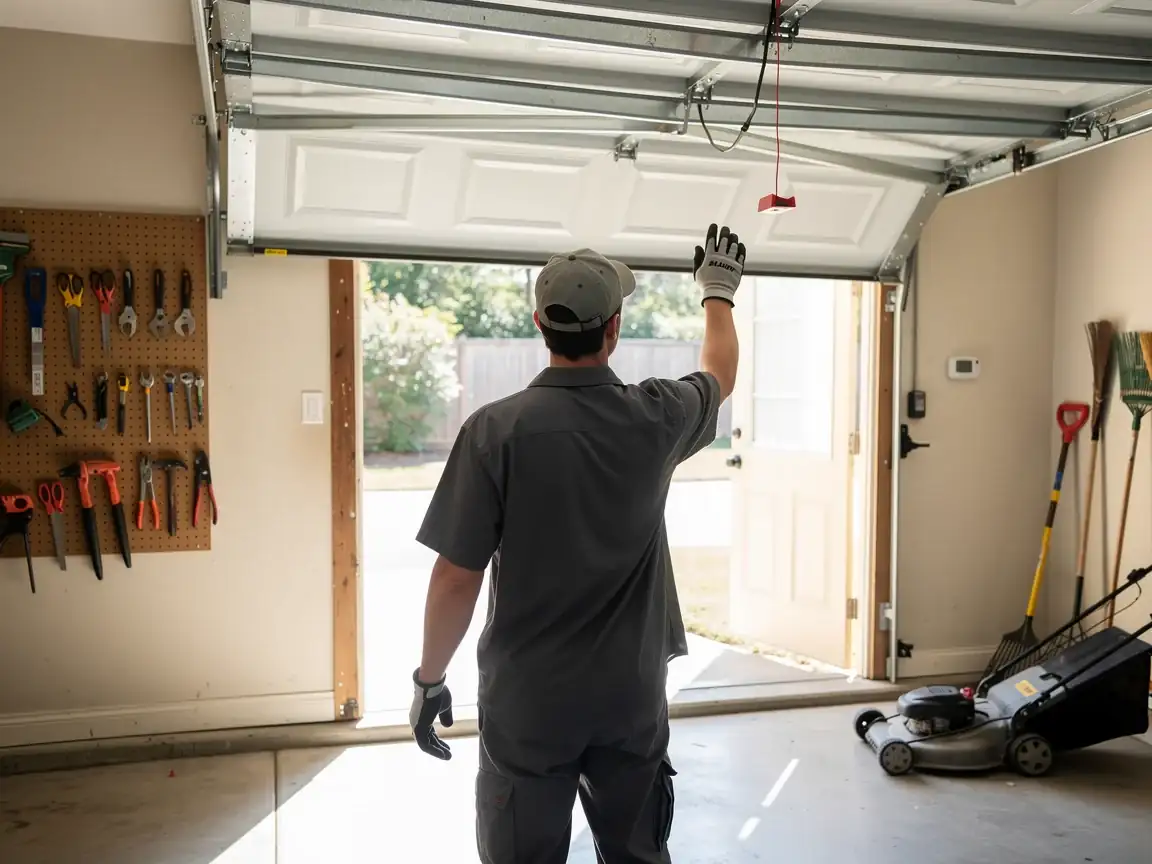
Where DIY makes sense is cosmetic - a scuff, a scratch, paint touch-up on a panel that isn't actually cracked. Once you're past the finish and into a split seam or a bowed section, the door's structural integrity is on the table, and that's a measure-and-match job worth having someone do right the first time.