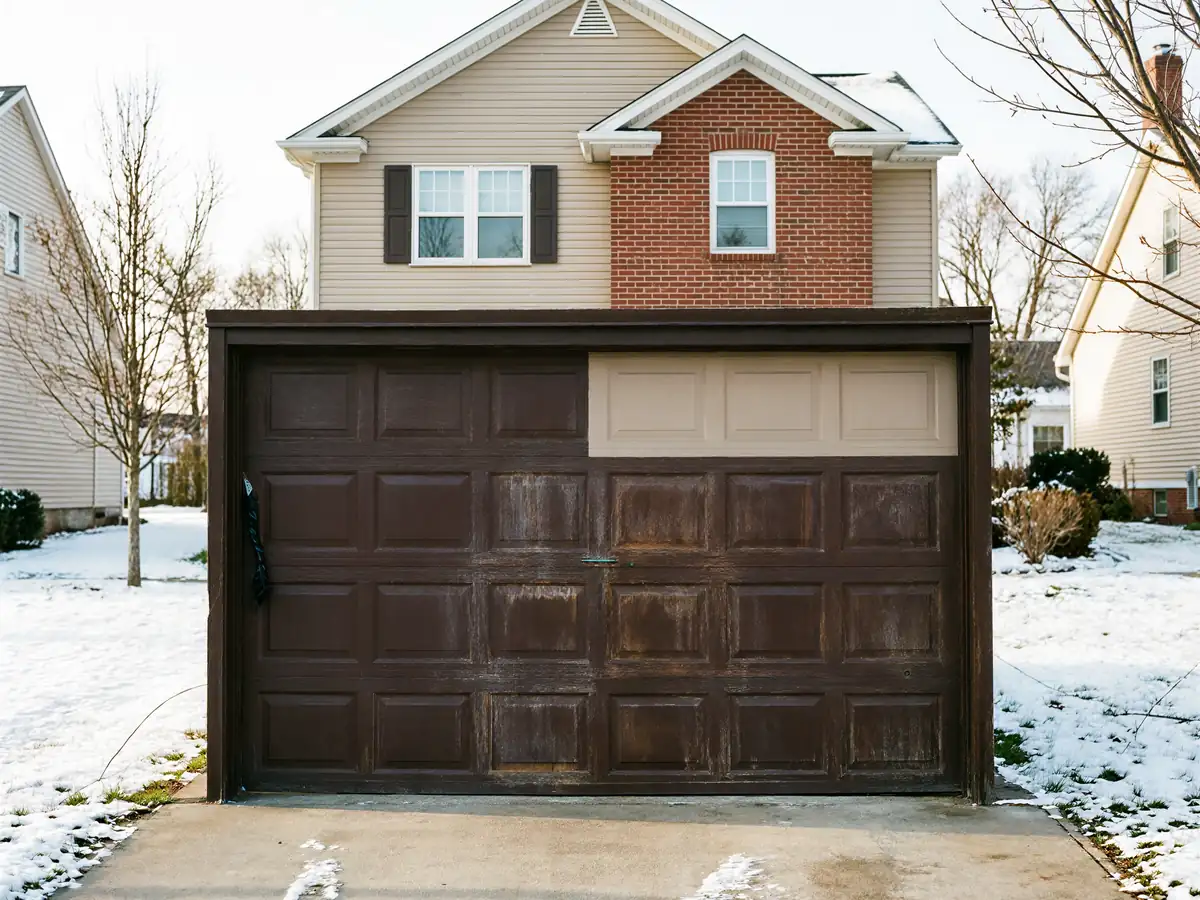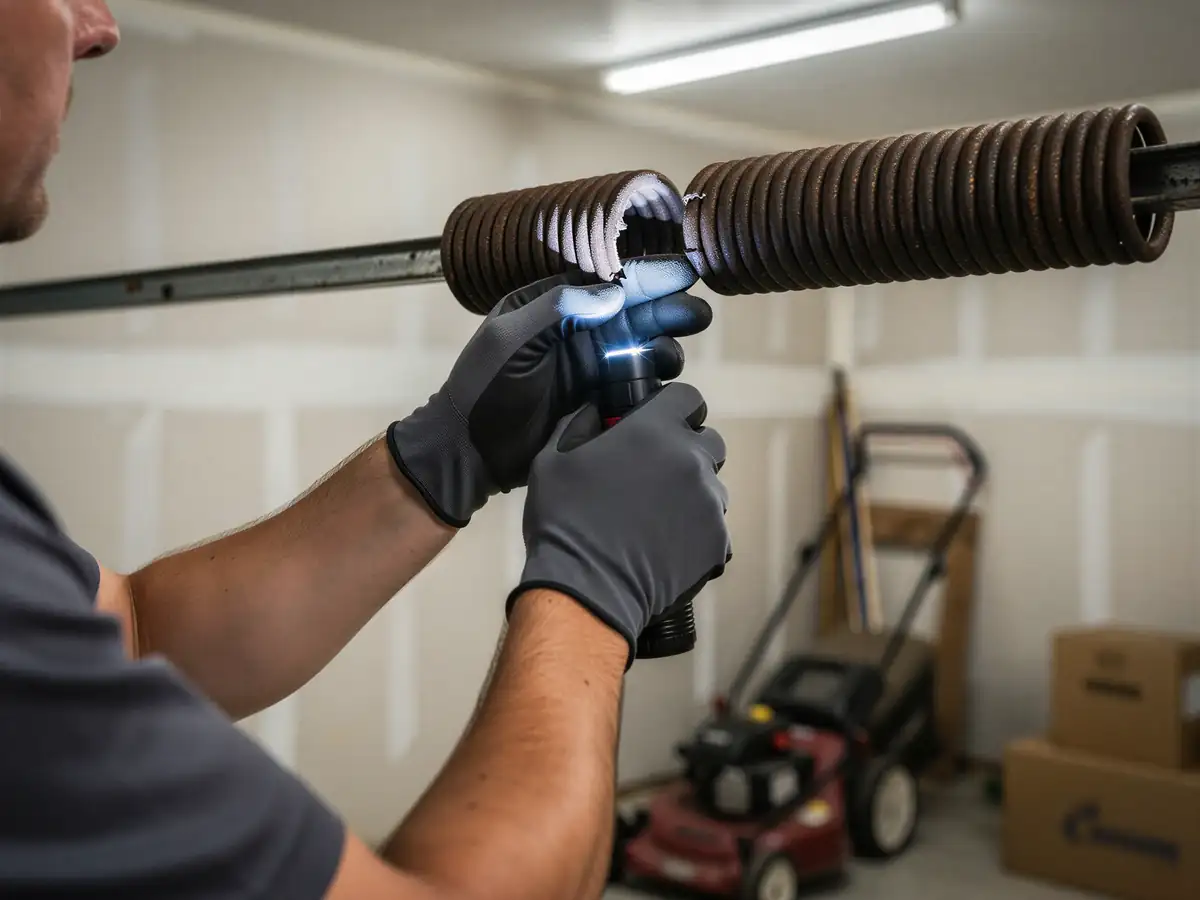
Serving Hopkins, MN & nearby
(952) 246-5107
Hopkins, MN

Is Your Hopkins Garage Door Worth Fixing, or Time to Replace

A look at when a garage door built during Hopkins' 1957-2005 housing boom is worth repairing versus replacing, based on local build years and winter stress.

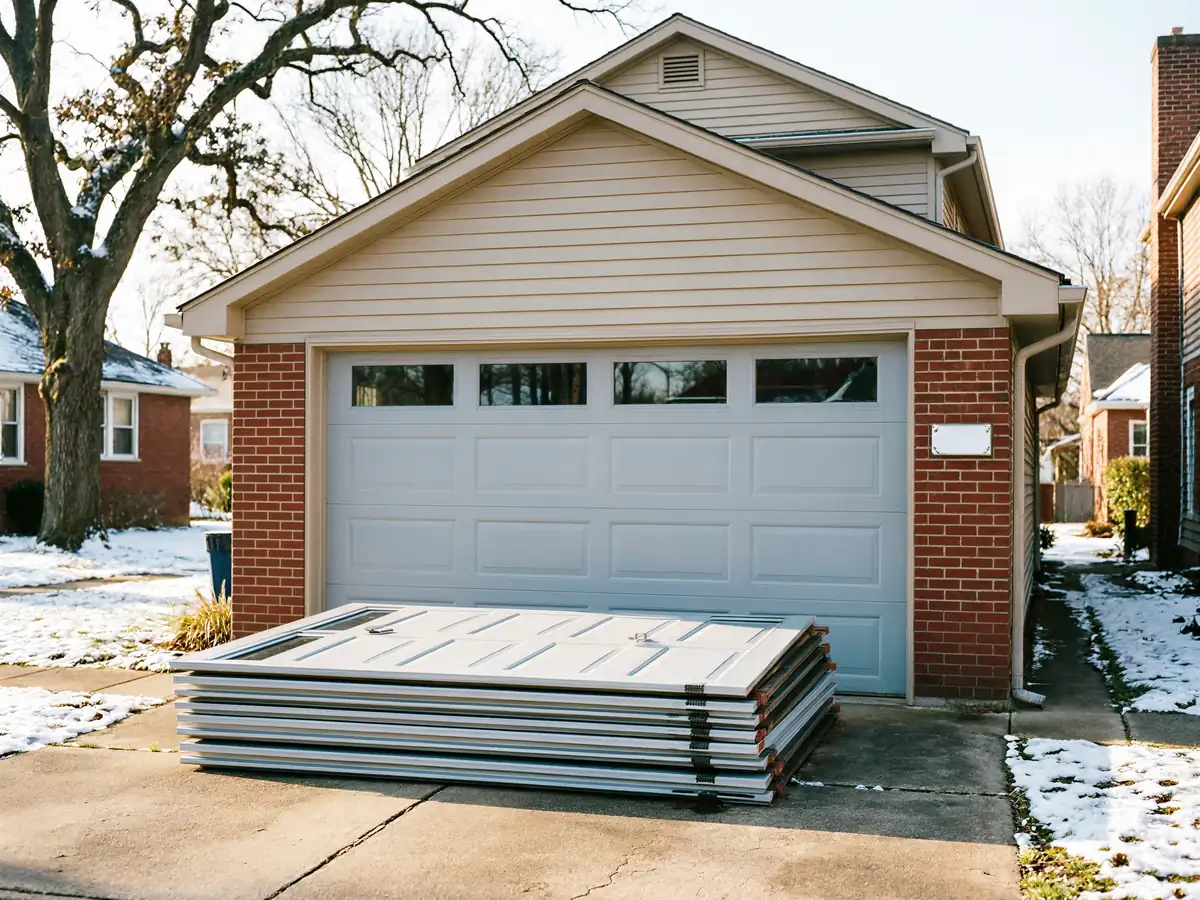
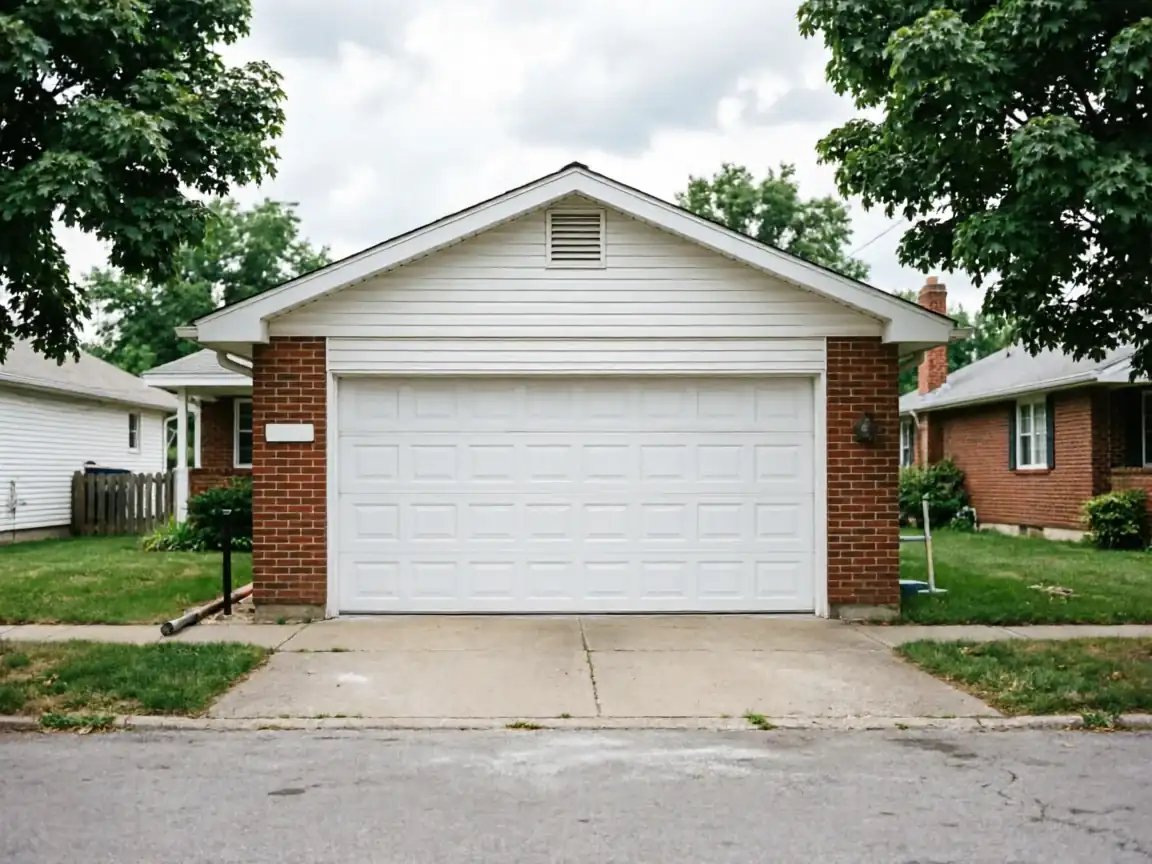
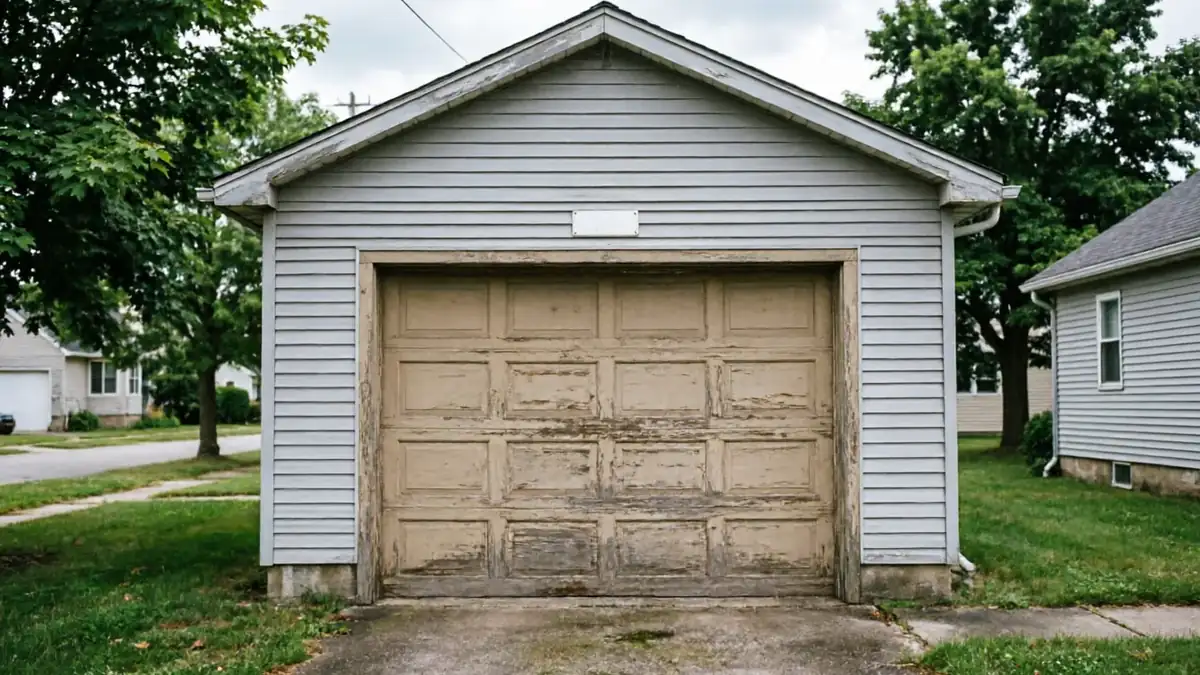
A detached garage with light gray siding and a worn, peeling beige garage door.

How Local Conditions Play In

Hopkins housing mostly went up between 1957 and 2005, with the median build year sitting at 1984, and that one number tells you a lot about what's hanging on these garages right now. A door installed when a house was framed in the early 1980s is pushing forty years old. Across the 37 named pockets of this service area, the stock leans heavily 1980s and 90s, which means a lot of steel sectional doors on torsion or extension hardware that was standard for that decade but isn't what gets installed new today. That matters because parts made for a 1984 door aren't always the parts on the truck in 2024 - some hardware we can match, some we end up adapting or replacing outright. Add in a cold-moderate climate band and you get steel panels, springs, and rollers that have cycled through forty-plus winters of contraction and expansion. None of that means every older door is a lost cause. It means the decision to fix or replace has to start with knowing roughly when the door went in, not just what's broken on it today.

The Problem

The doors from that 1980s-90s wave were built for their time, not for forty years of Minnesota winters. Steel panels from that era are usually single-layer or thin-foam, not the dense polyurethane core you see in newer doors, so they flex more and dent easier. Torsion springs from that period are generally undersized by today's cycle-life standards, which means they fail sooner and with less warning. We see broken springs and seized rollers most on doors that match that build window - not because the install was bad, but because the materials and hardware specs of 1984 just don't hold up as long as what's available now. A cracked bottom panel, a bent track from an old impact, or an opener motor that's been straining against a heavier-than-spec door for two decades - these are the failure patterns tied directly to the age of the housing stock here, not random bad luck.

Checking It Yourself

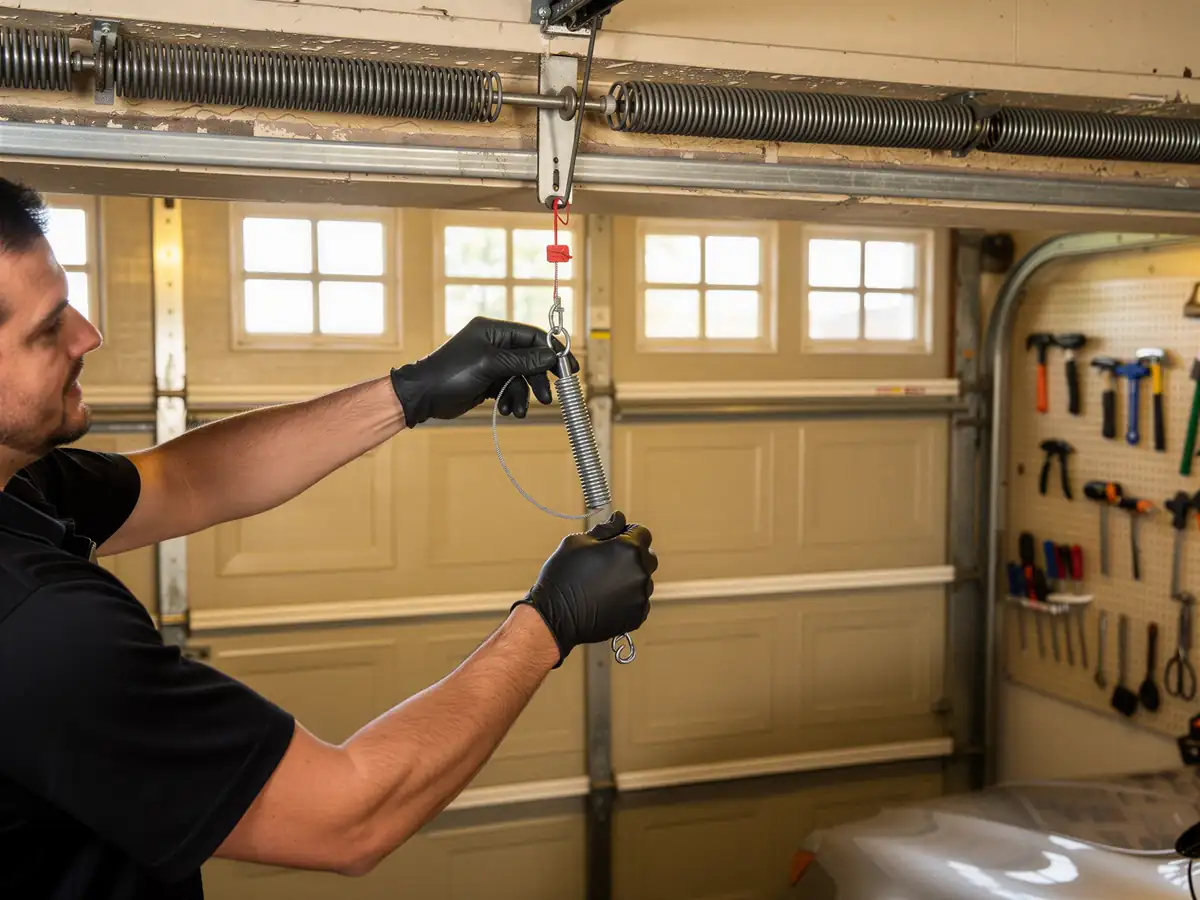
Before you call anyone, a few checks tell you where you stand. Look at the springs above the door - if one is visibly separated or the door feels twice as heavy to lift by hand as it used to, that's wear, not a fluke. Run a hand along the bottom panel for rust-through or soft spots, which shows up more on original 1980s-90s steel that never had a thick insulated core to begin with. Check if the door shudders or hangs crooked partway through a cycle; on older torsion setups that's often a cable off its drum, not the motor. Listen for grinding on the rollers - original steel rollers from that era were never nylon, and they're usually the first thing to go loud. None of this tells you for certain whether to repair or replace, but it tells you whether what's wrong is a $20 roller or a structural problem with a panel that's outlived its design life.

Season by Season

In a cold-moderate climate, the stress on an older door isn't constant - it spikes. Fall is when we'd rather hear about a stiff spring than wait for the first hard freeze to snap it, since cold steel is more brittle under load. Winter itself is the hardest test: a torsion spring near the end of its life, on a door built in that 1980s window, is most likely to go in January, not July. Spring brings the opposite problem - moisture and freeze-thaw cycling work on any rust that started over winter, so panel corrosion tends to show up as spring repair calls. Summer is the slow season for emergencies but the right time for an honest look at a door that's been limping along, since there's no urgency clouding the repair-or-replace call. We won't push a full replacement on a door that just needs a spring and a tune-up - but we also won't keep patching a panel that's rusted through near the bottom corner, because at that point the labor to keep fixing it costs more over a year or two than replacing it once.
How it works

From “it’s stuck” to “it’s fixed”

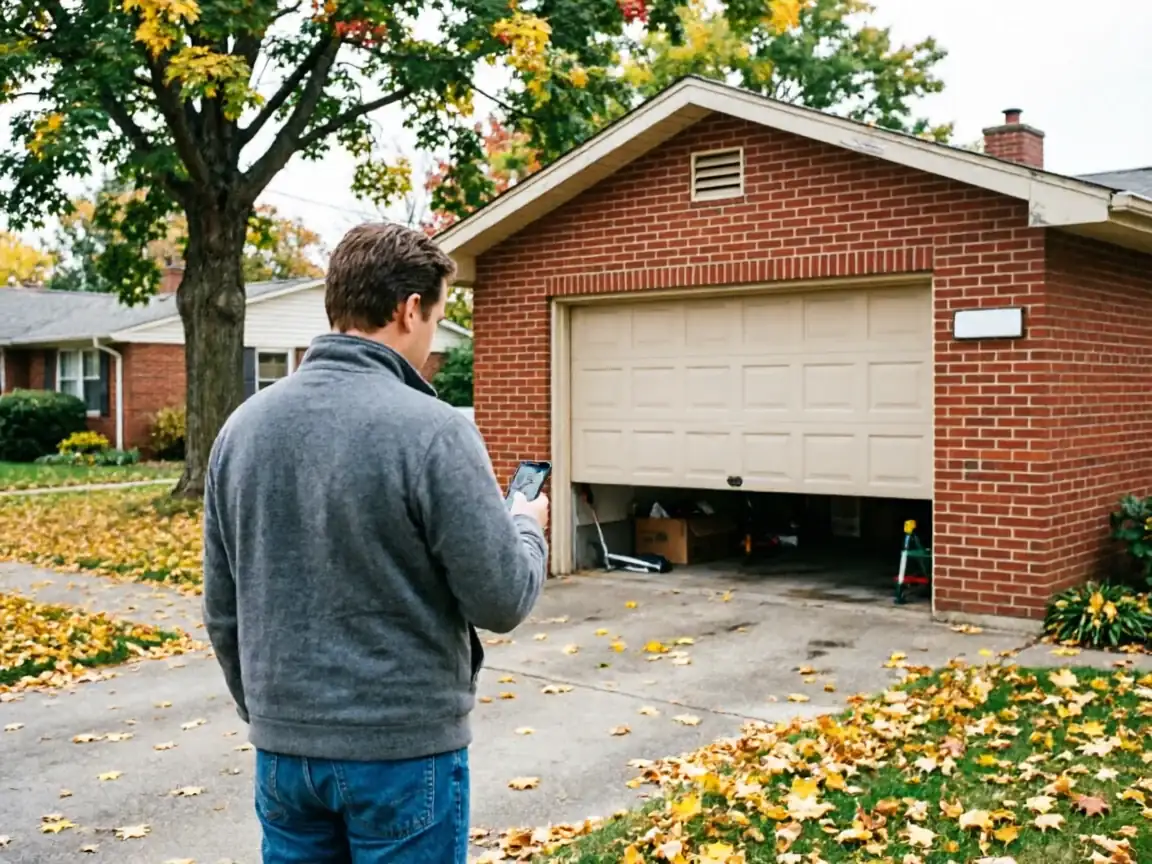
A man stands in a driveway looking at his phone, with a partially open garage door behind him.

Tell us what’s wrong

Describe the symptom - won’t open, loud bang, opener runs but the door won’t move.

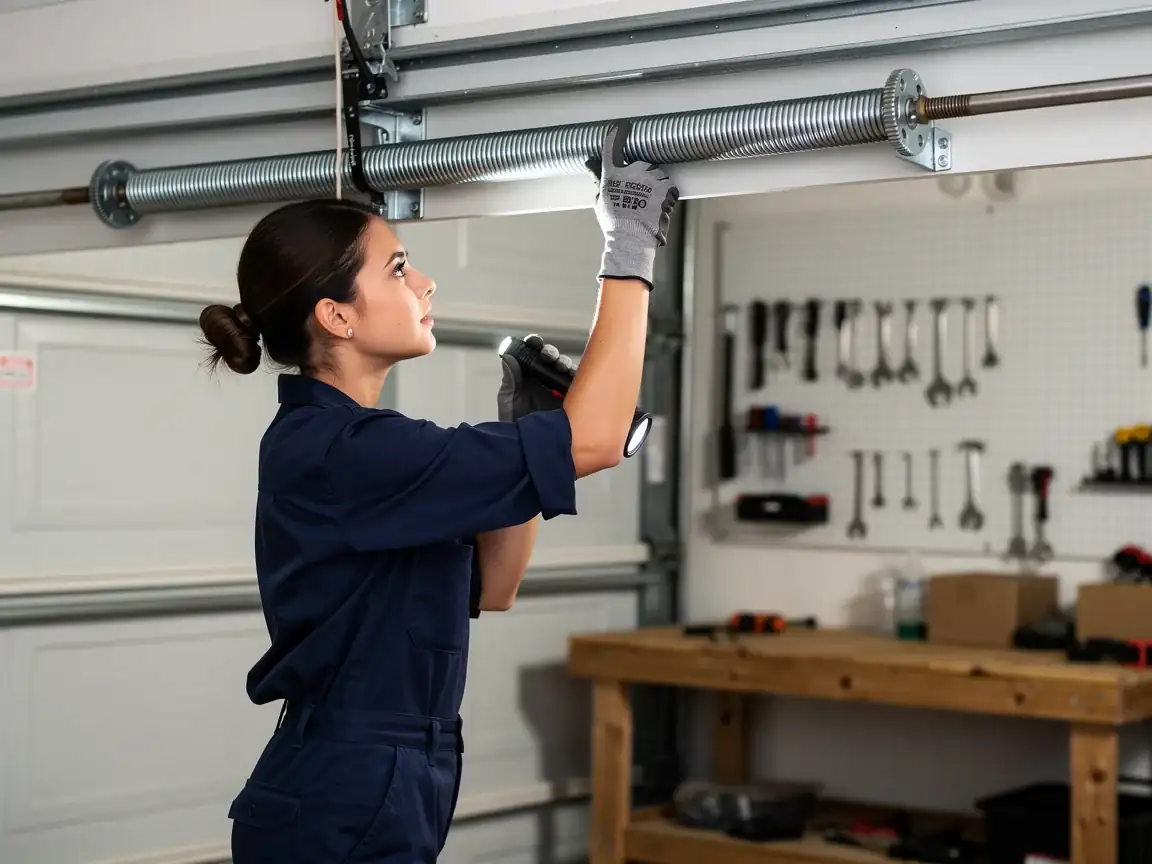
A technician in a blue jumpsuit inspects a garage door torsion spring with a flashlight.

On-site diagnosis

A technician tests the door under power and by hand and finds what actually failed.

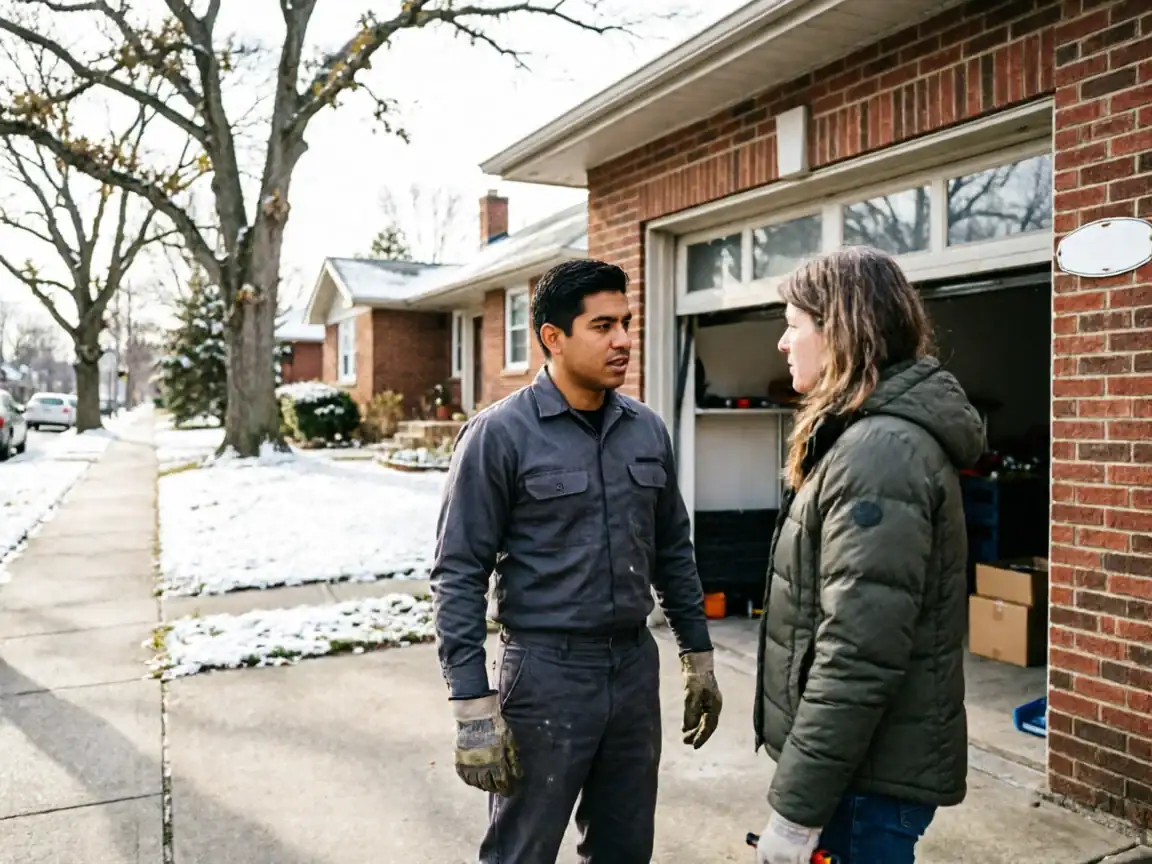
A technician talks to a woman in front of a house with an open garage door.

Clear, up-front plan

You get the fix that’s needed and what drives the cost - before any work starts.

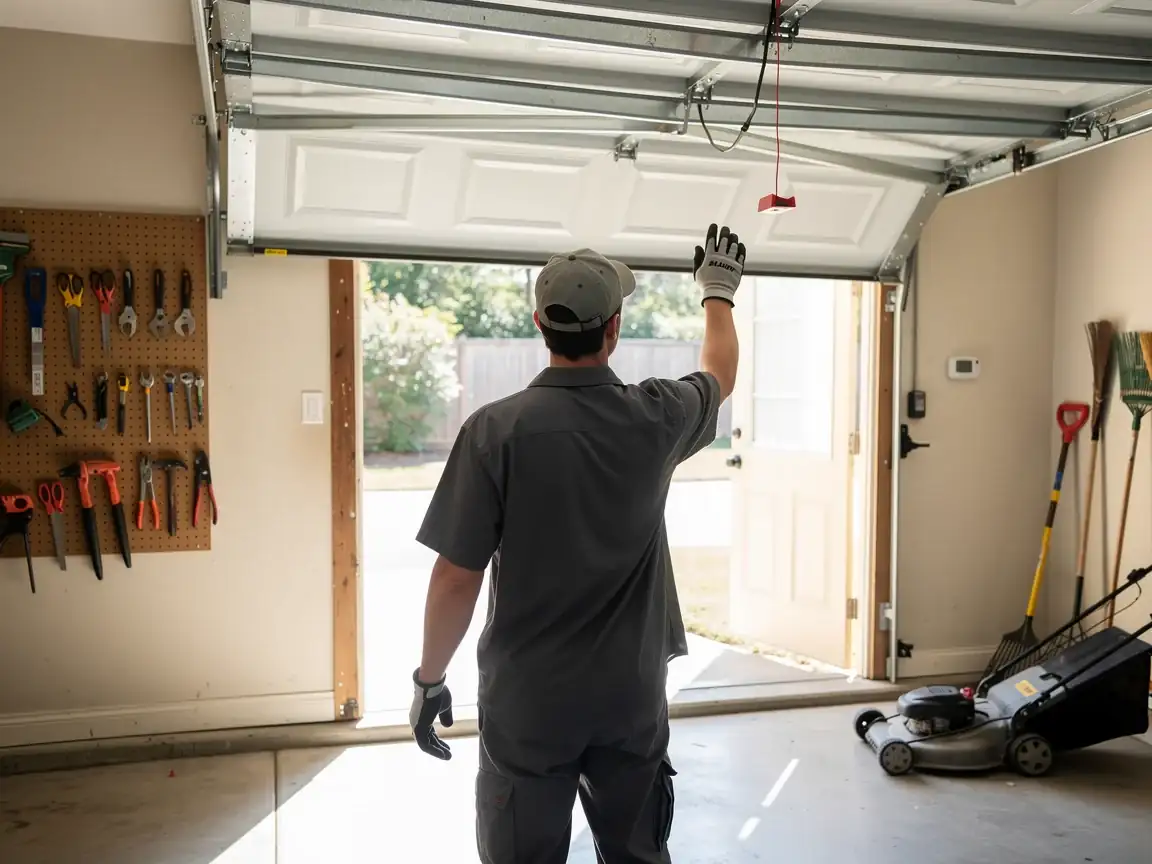
A technician in a gray uniform and gloves is looking at an open garage door.

Repaired & tested

The repair is done, the door is set true and tested, and the work area left clean.

Not sure which repair your door needs in Hopkins, MN? Describe what it’s doing - every job starts with a diagnosis.

How we work

What to expect

Diagnosis first

Every visit starts by finding what actually failed - not a pre-written parts list.

The right part for the door

Springs and openers matched to the door’s weight and age, so the fix holds up.

Straight answers

When a repair makes more sense than a replacement - or the reverse - you hear it plainly.

Clean, careful work

Tension released safely, hardware set true, the door tested under power before we leave.

What we do

Garage Door Services

Repair and installation work for Hopkins homes and businesses.

Questions

Frequently asked

Straight answers about garage door repair in Hopkins. Still unsure? Ask us directly.

How do I know if my garage door is original to the house?

If your Hopkins home was built in the 1980s or 90s and the door has never been replaced, there's a good chance it's original hardware from that era - thinner steel, no foam core, older-spec springs. A straight visual check on panel thickness and spring size can usually confirm it, though we're happy to take a look.

Is it ever worth replacing just the springs on an old door?

Often, yes. If the panels and track are sound and only the spring failed, a new spring on existing hardware is usually the cheaper, faster fix. We only recommend full replacement when the panels themselves are damaged, rusted through, or the door is structurally out of square.

Does the cold really make old springs fail faster?

Cold steel is more brittle and a spring already near the end of its cycle life is more likely to snap when it's working against a stiff, cold door. We see more spring failures here in the coldest weeks of winter than any other time of year.

Ready to get your garage door sorted?

Tell us what it’s doing and where you are in Hopkins - we’ll take it from there.

8Services offered
6Areas covered
Diagnosisfirst, then the fix
Request a QuoteCall