The Symptom
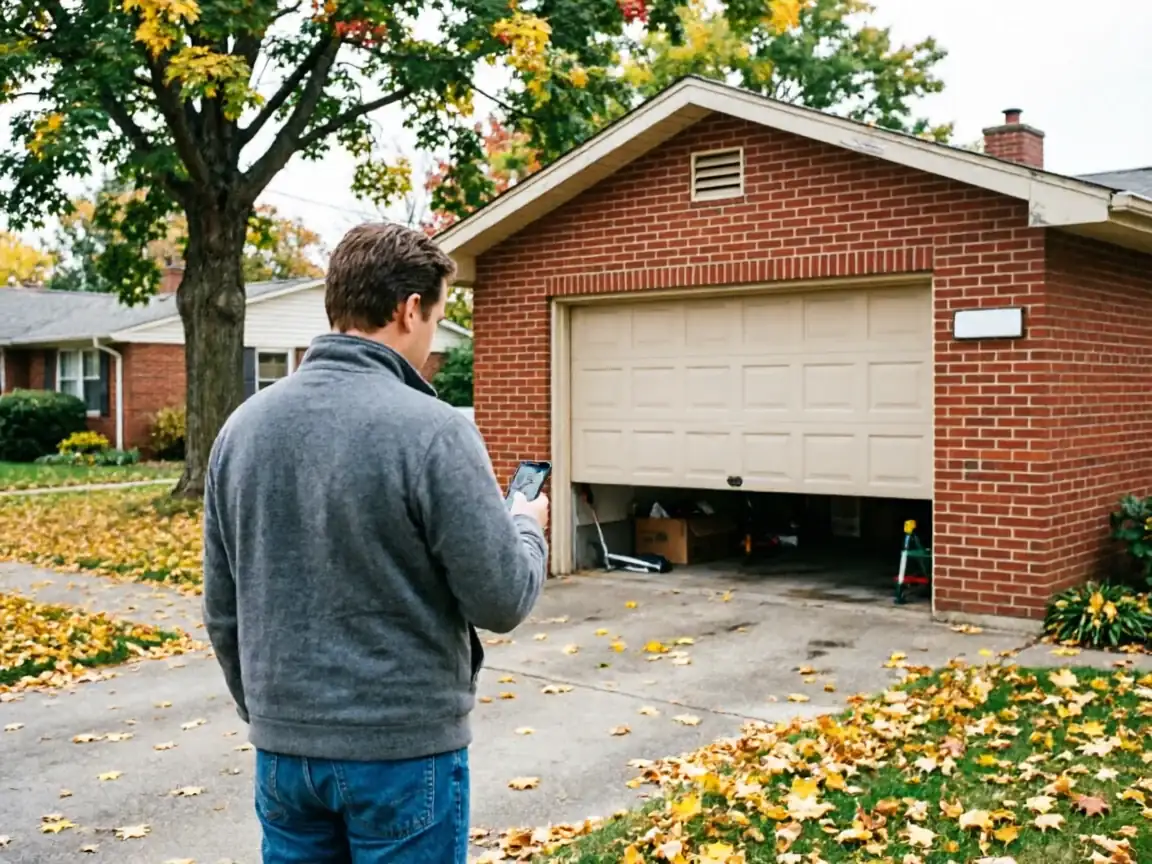
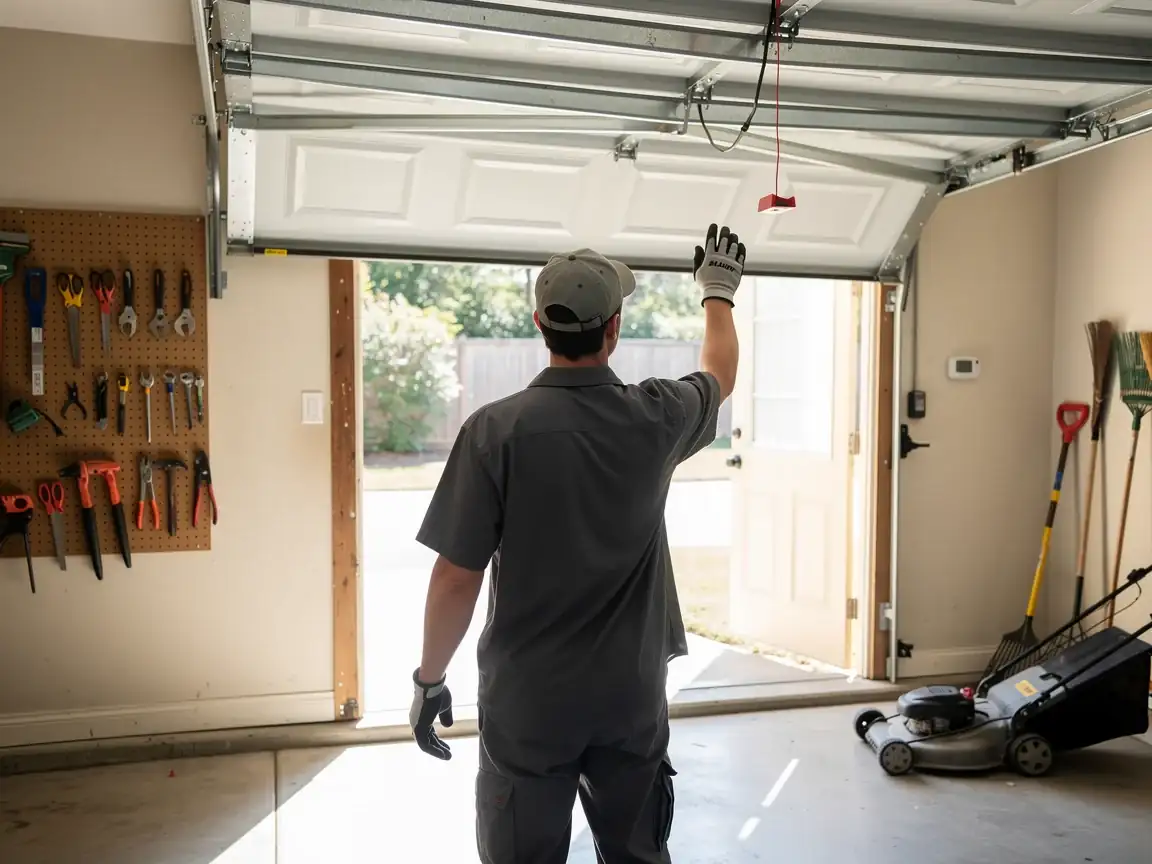
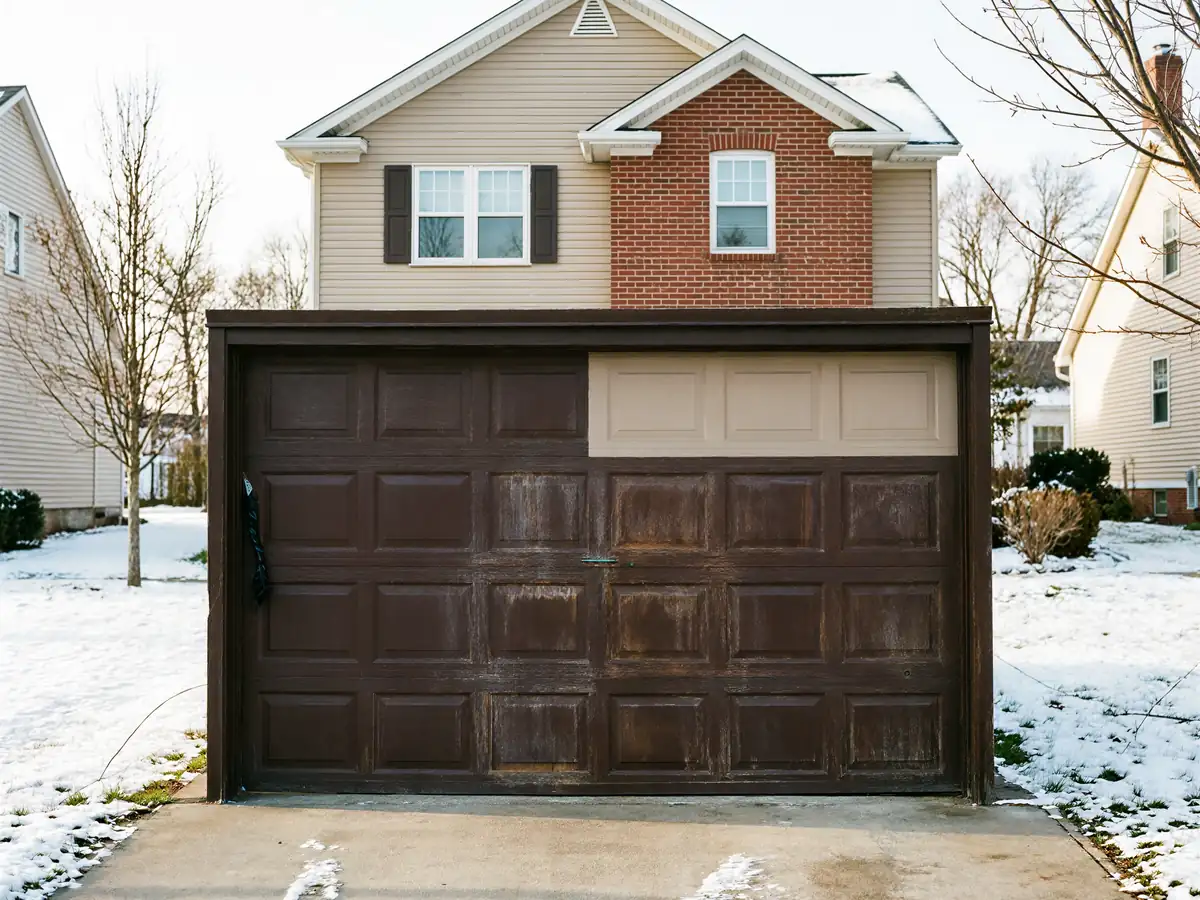
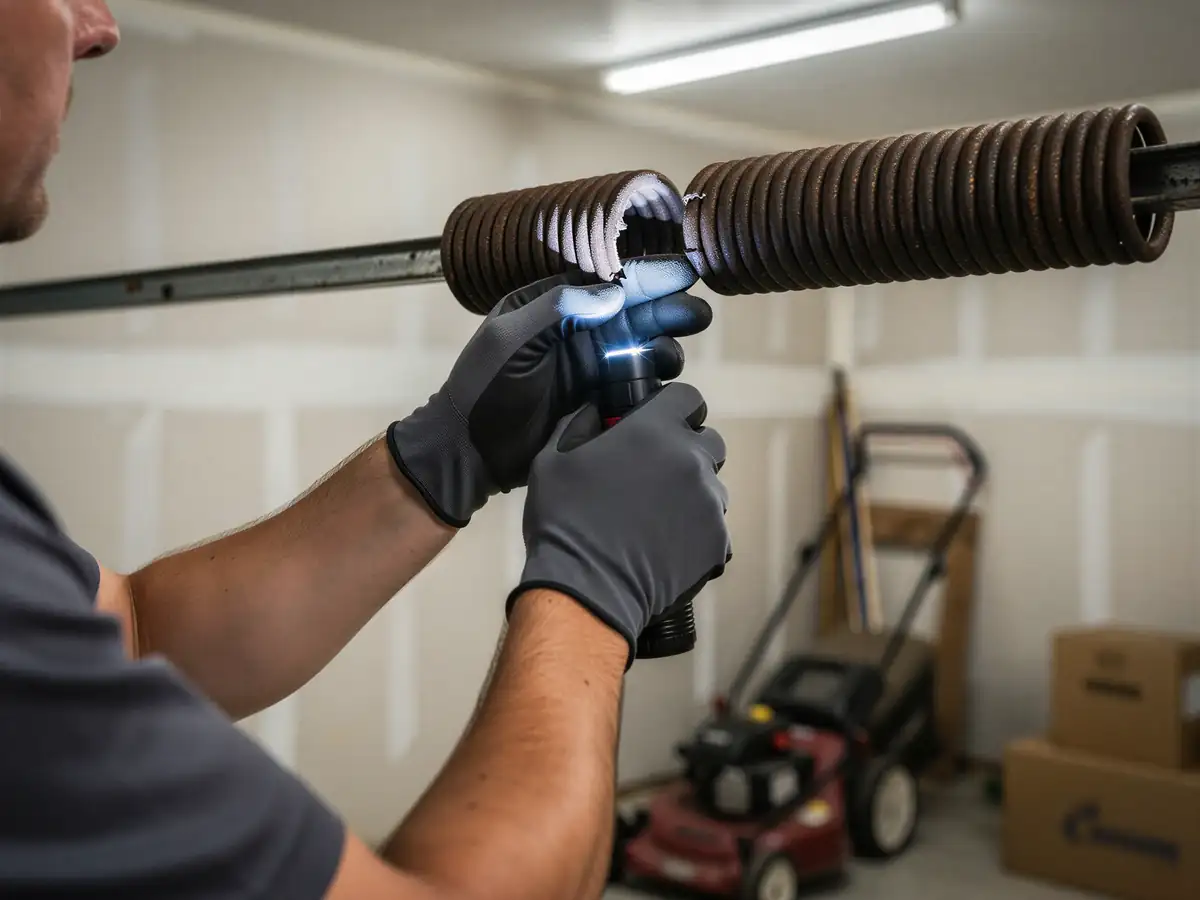
The door won't lift, or it lifts a few inches and stops. Sometimes you hear a bang from the garage first - that's the spring letting go. Other times it's quieter: the opener strains, the chain skips, and the door looks like it's fighting gravity because it is. A torsion spring that's lost tension can't counterbalance the door's weight anymore, so the opener motor is doing a job it was never built for.
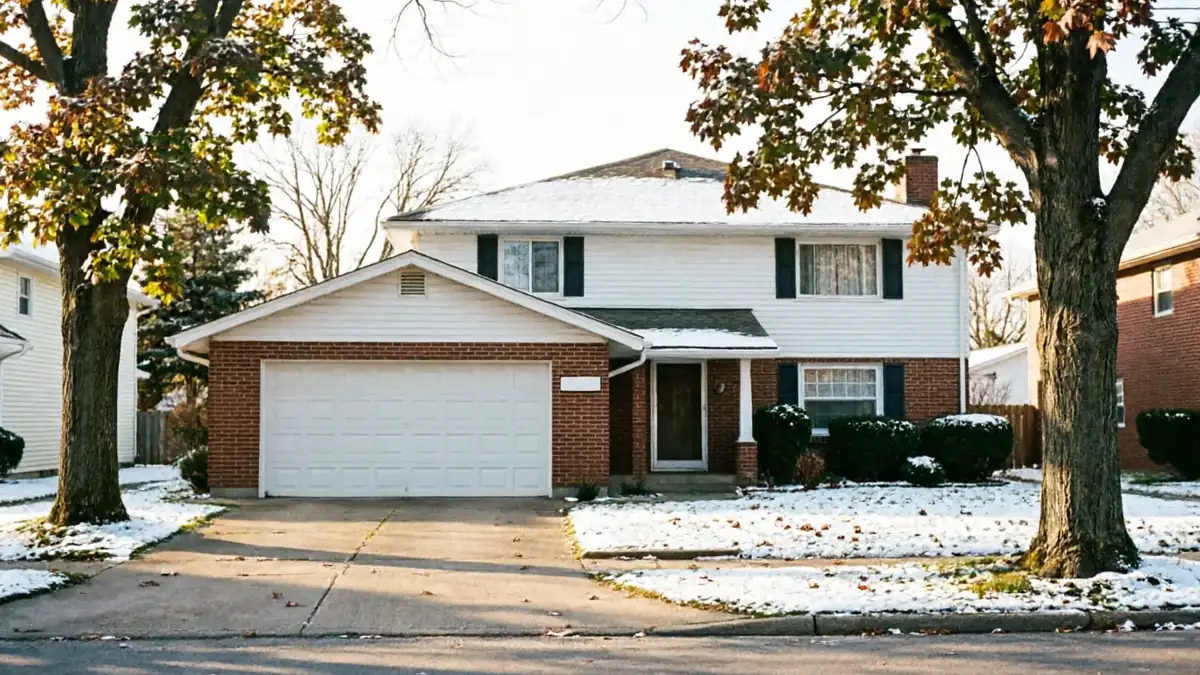
Most houses in this service area went up between 1957 and 2005, with the bulk of the stock dating to the 1980s and 90s. That matters here because springs are rated by cycle count, not by calendar year, and a spring installed when the house was built or last remodeled has usually put in 7-10 years of daily cycling by the time it breaks. If your garage faces north or gets direct exposure to winter wind off an open yard, the steel fatigues faster. Either way, a dead spring is not a mystery fault. It's a wear part reaching the end of its life, and on a door this age, it's often overdue.
What You Pay
We don't publish a flat number here because spring jobs vary with spring type, door weight, and whether one spring failed or the set is matched and both need replacing
A single door usually needs one spring; a double door almost always runs two, and if one breaks, the other is close behind on the same cycle count - replacing both at once is standard practice, not an upsell.
What we can tell you
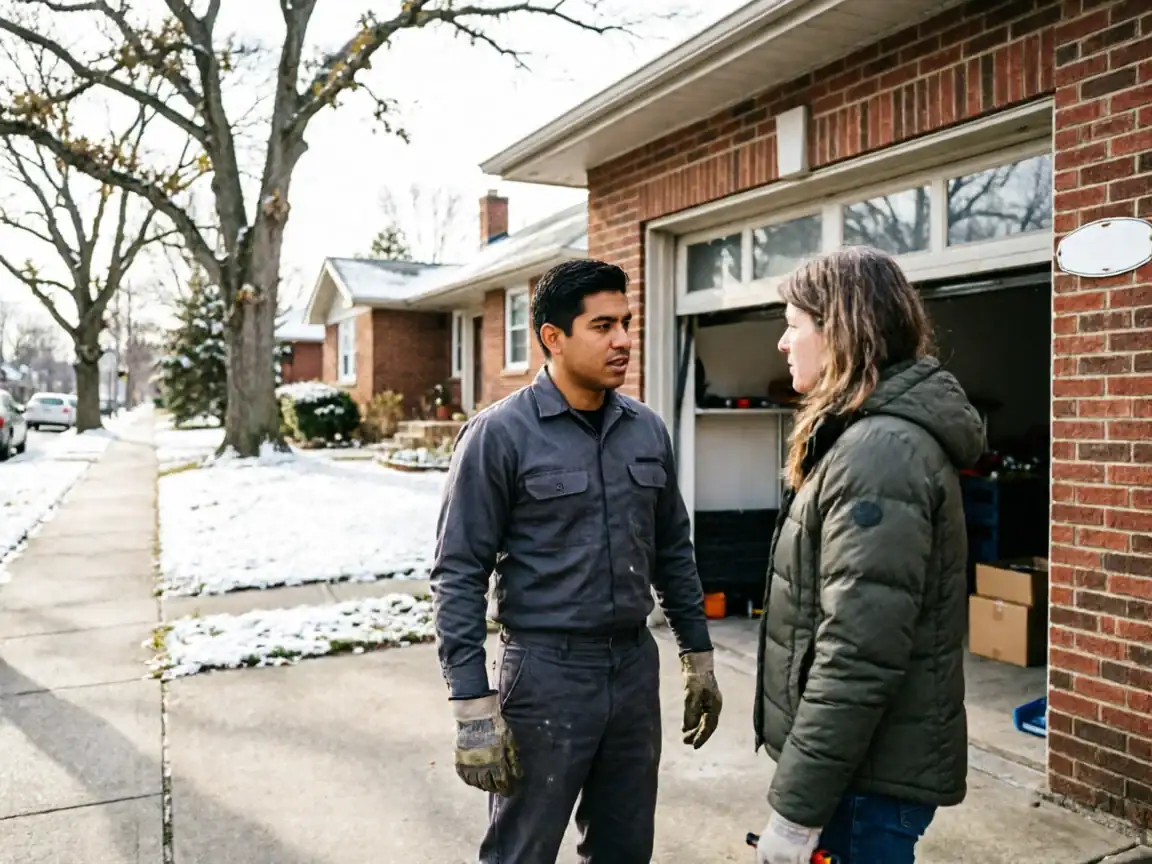
The quote you get should separate spring cost from a trip charge, and it should account for the gauge and length of the spring your door actually needs, not a generic size. Builders in this area used a mix of torsion setups across the 1980s-90s construction wave, so two houses on the same block can need different hardware. If a quote sounds suspiciously low before anyone's looked at your door, that's a sign they're planning to upsell once the truck is in your driveway. Ask what's included before you book.
Why This Fails Locally
Three things stack up against springs in houses built here. First, age - with most of the service area's roughly 55,318 owner-occupied houses dating to that 1980s-90s construction window, a lot of original or first-replacement springs are hitting or past their rated cycle life at the same time, which is why this fault clusters in waves rather than trickling in evenly.
Second, climate. This is a cold-moderate band, and steel springs lose tension faster through repeated cold-to-warm swings than they would somewhere with a flatter temperature curve. A spring that's wound tight on a 20-degree morning and then sits in a sun-warmed garage by afternoon is working through more stress than the cycle rating alone suggests.
Third, door weight creep. Owners in this area have had decades to swap a lightweight original door for a heavier insulated steel one, often without upgrading the spring to match. The opener compensates for a while. Then it doesn't. None of this is unique to one house - it's a pattern that shows up across the 1957-2005 housing stock that defines this whole area, not a one-off bad part.
The DIY Question
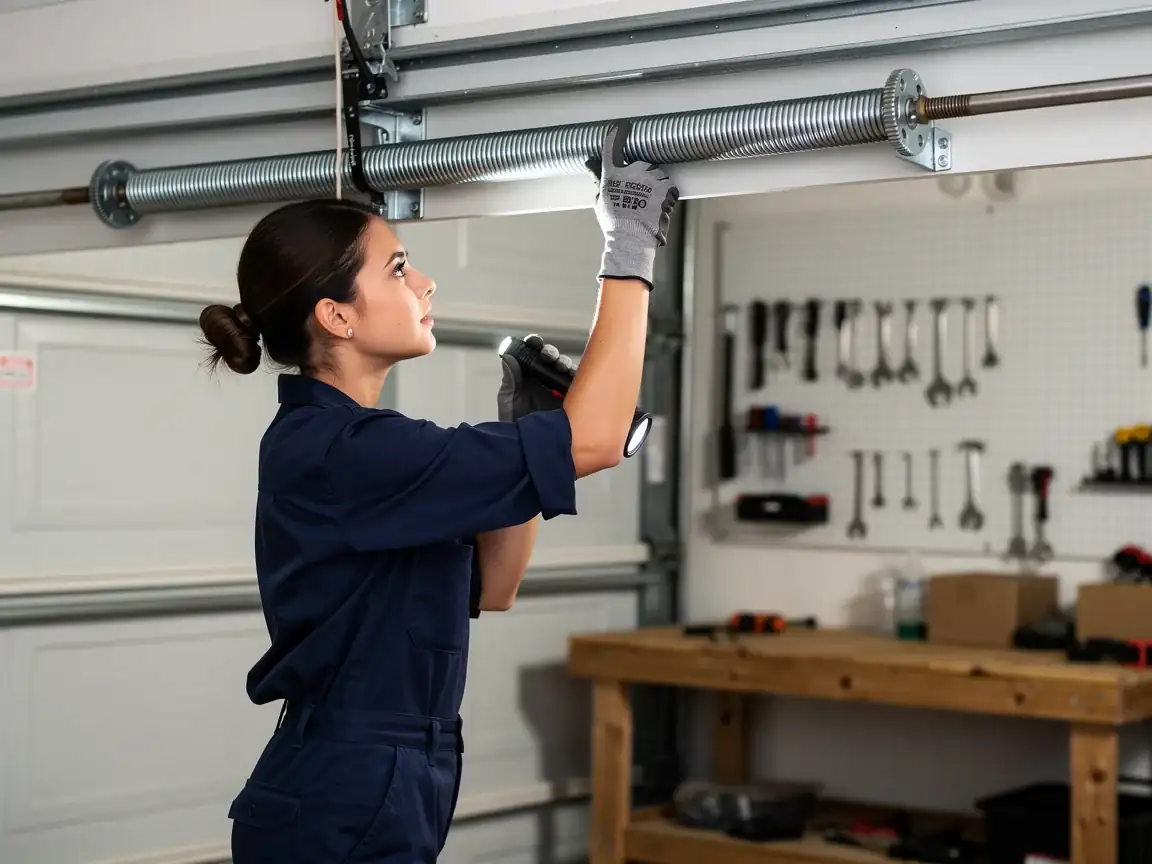
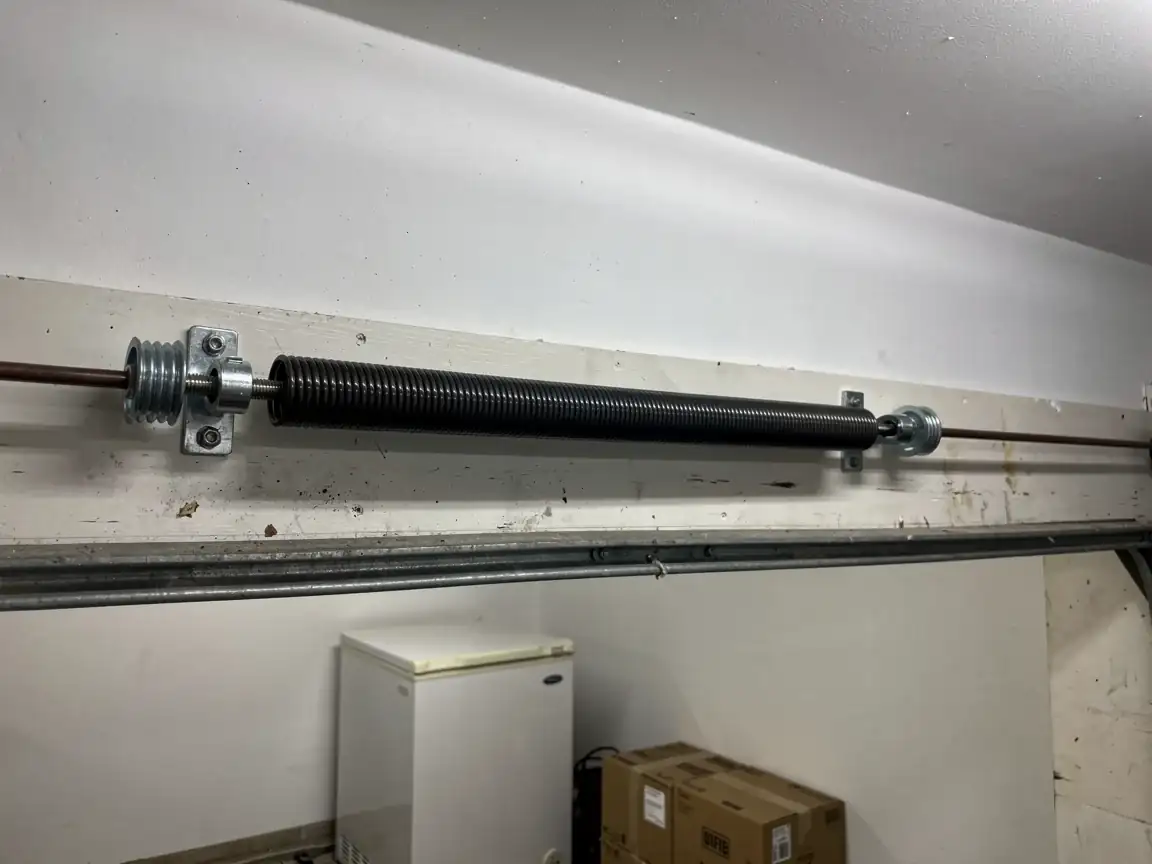
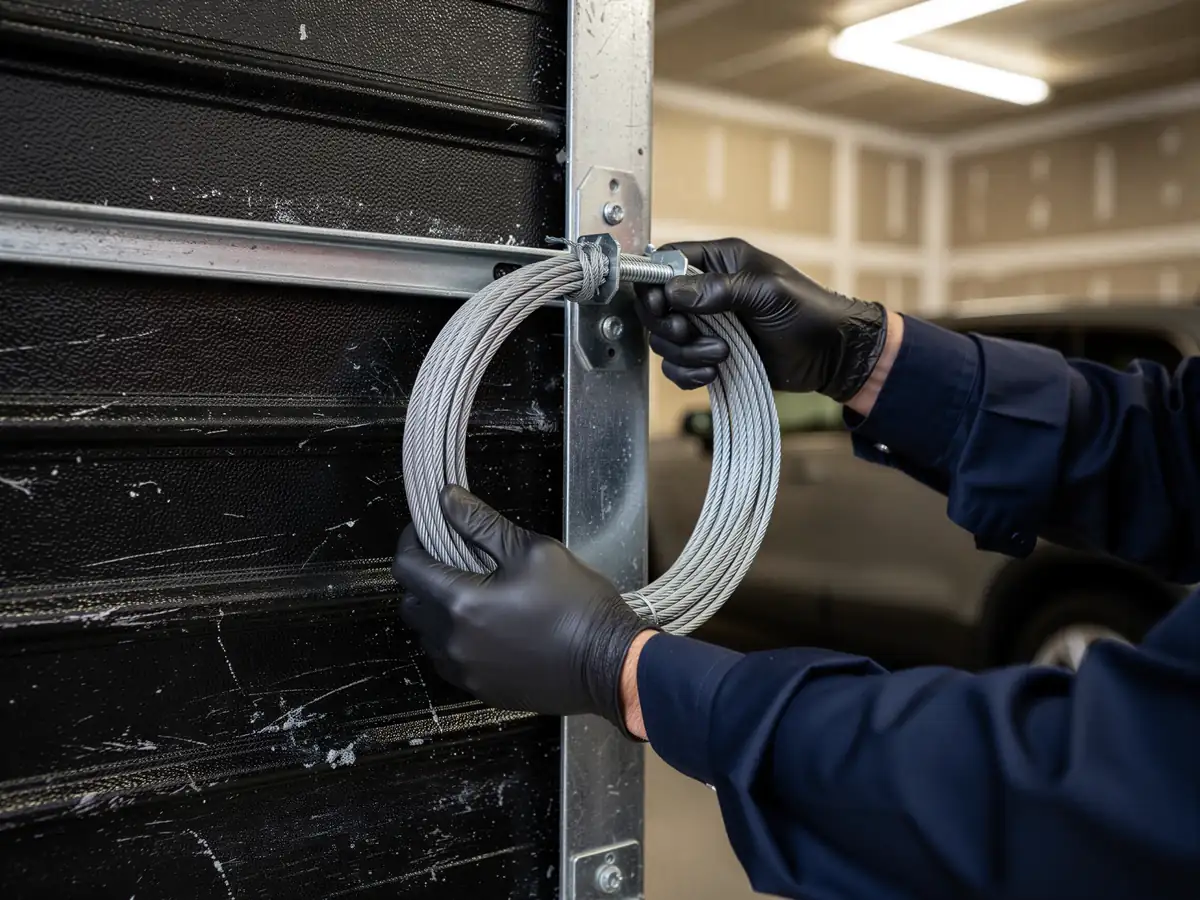
A torsion spring is wound under enough tension to break bones or worse if the winding bars slip. We're not saying that to scare you into calling us - it's just true, and it's the reason most hardware stores won't sell torsion springs without also selling you the specific winding bars and insisting you watch a safety video first.
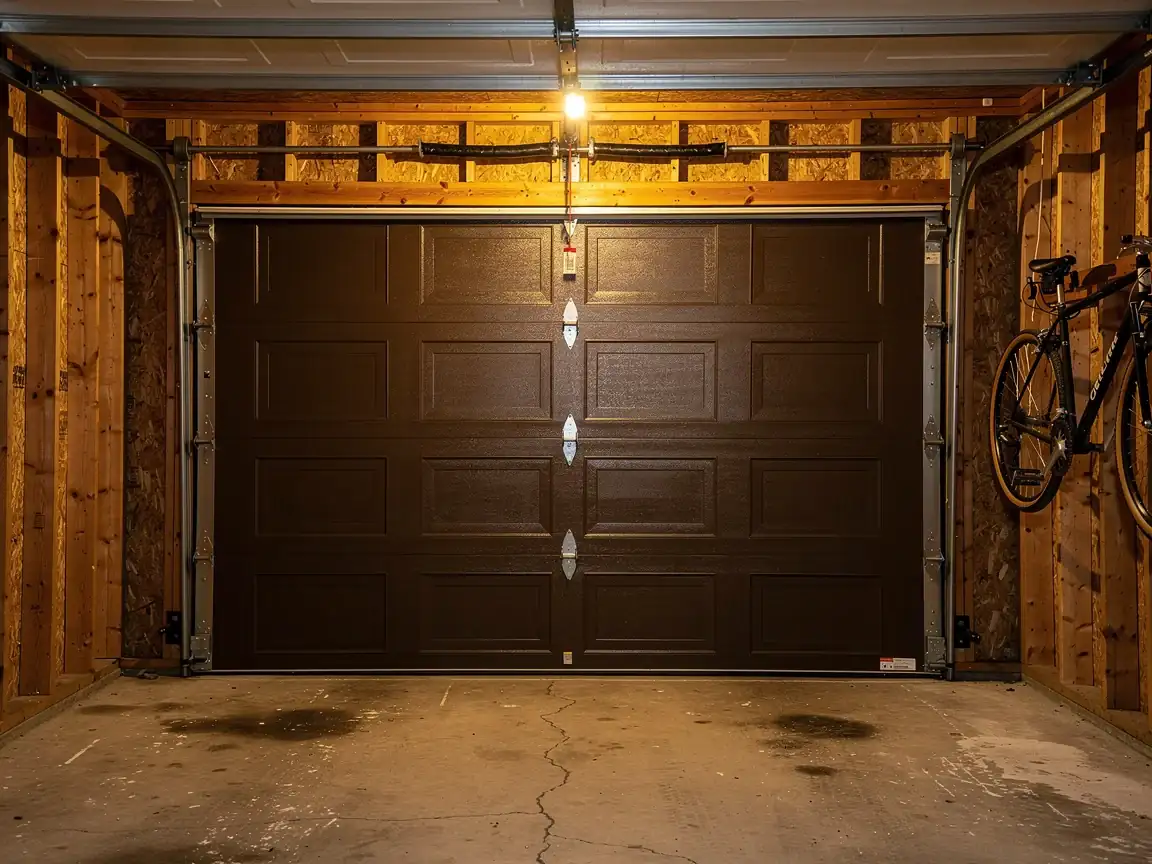
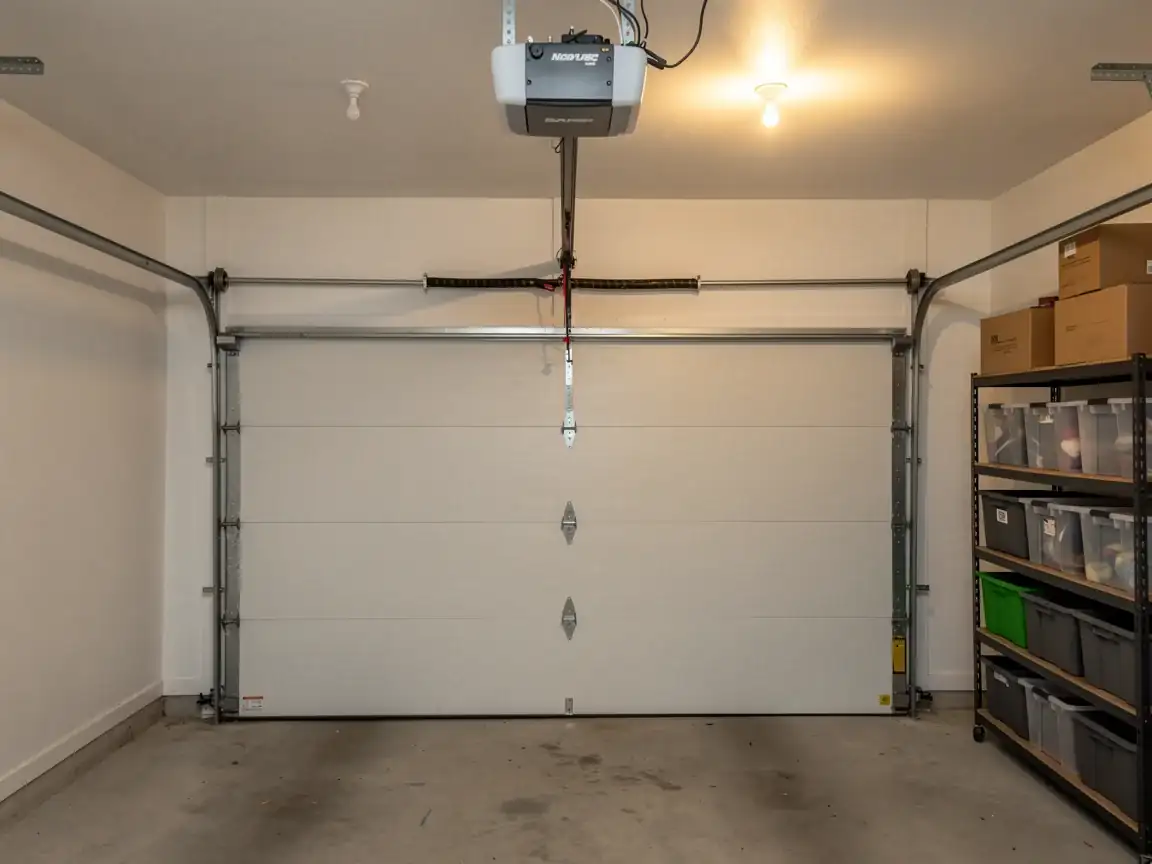
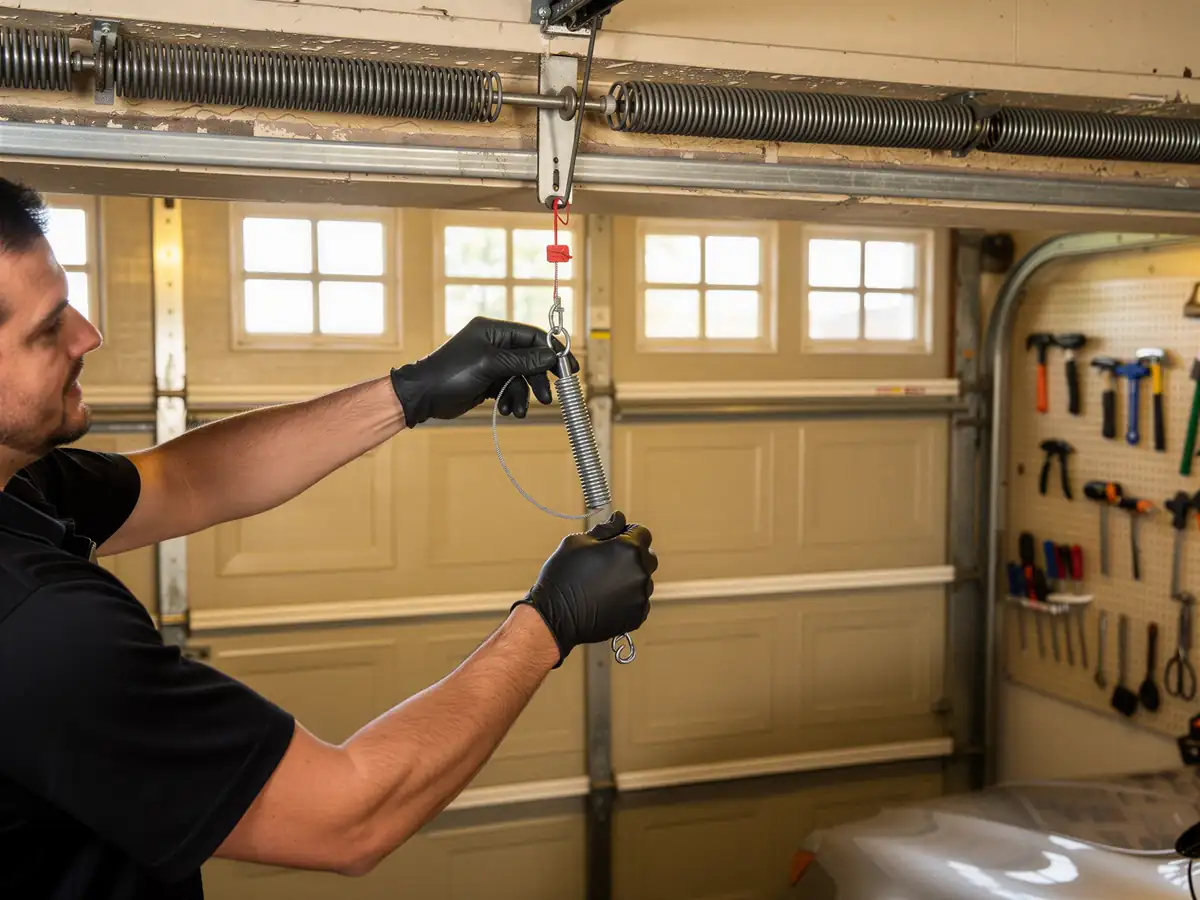
Extension springs, the kind mounted horizontally above the horizontal track, are lower-risk and some owners do replace those themselves with the right parts and care. If your door has torsion springs mounted on a bar above the door opening, that's a different job and we don't recommend it as a weekend project.
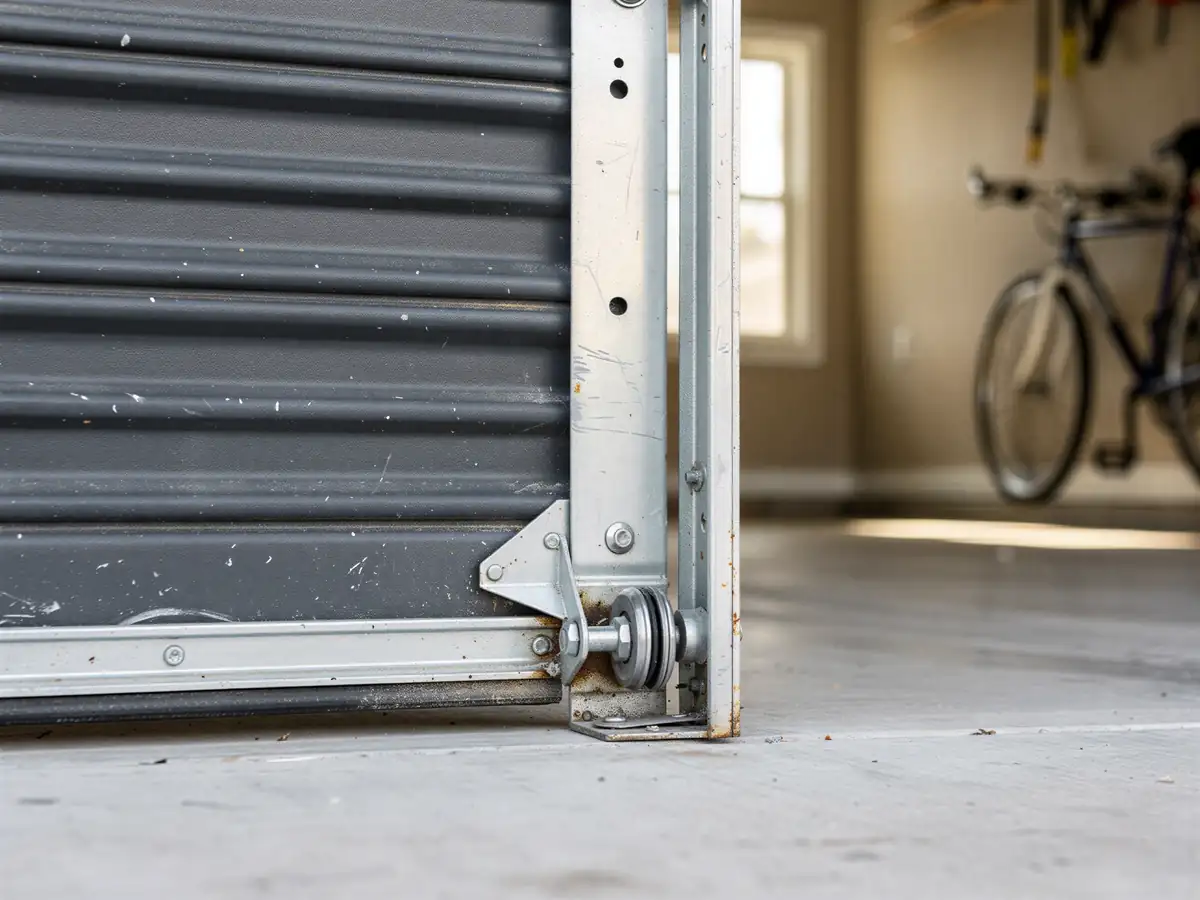
Here's the honest limit: if your door is original to a house built in the 1960s or 70s, parts for that specific hardware can take longer to source than a standard modern size, and sometimes the cheaper path is a new torsion system rather than hunting down a match for a 50-year-old bracket. We'll tell you straight if that's your situation instead of quoting a repair that won't hold.