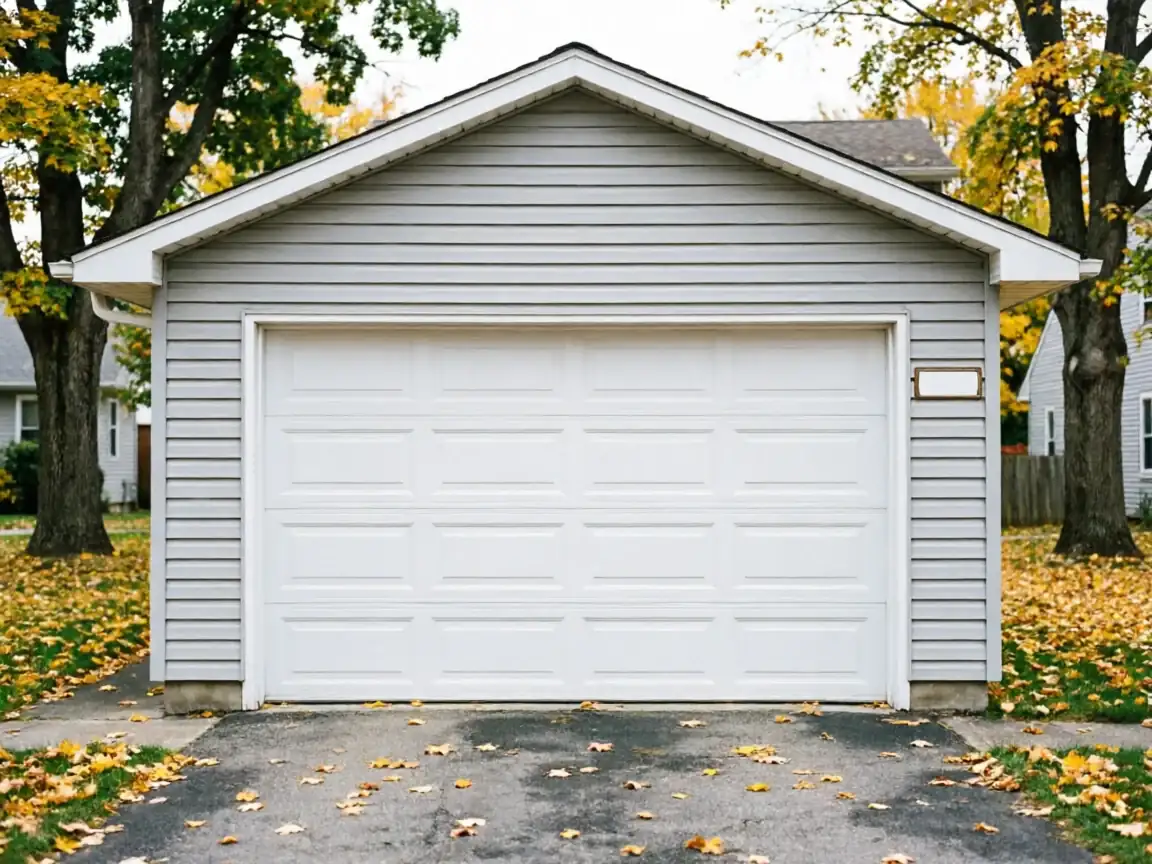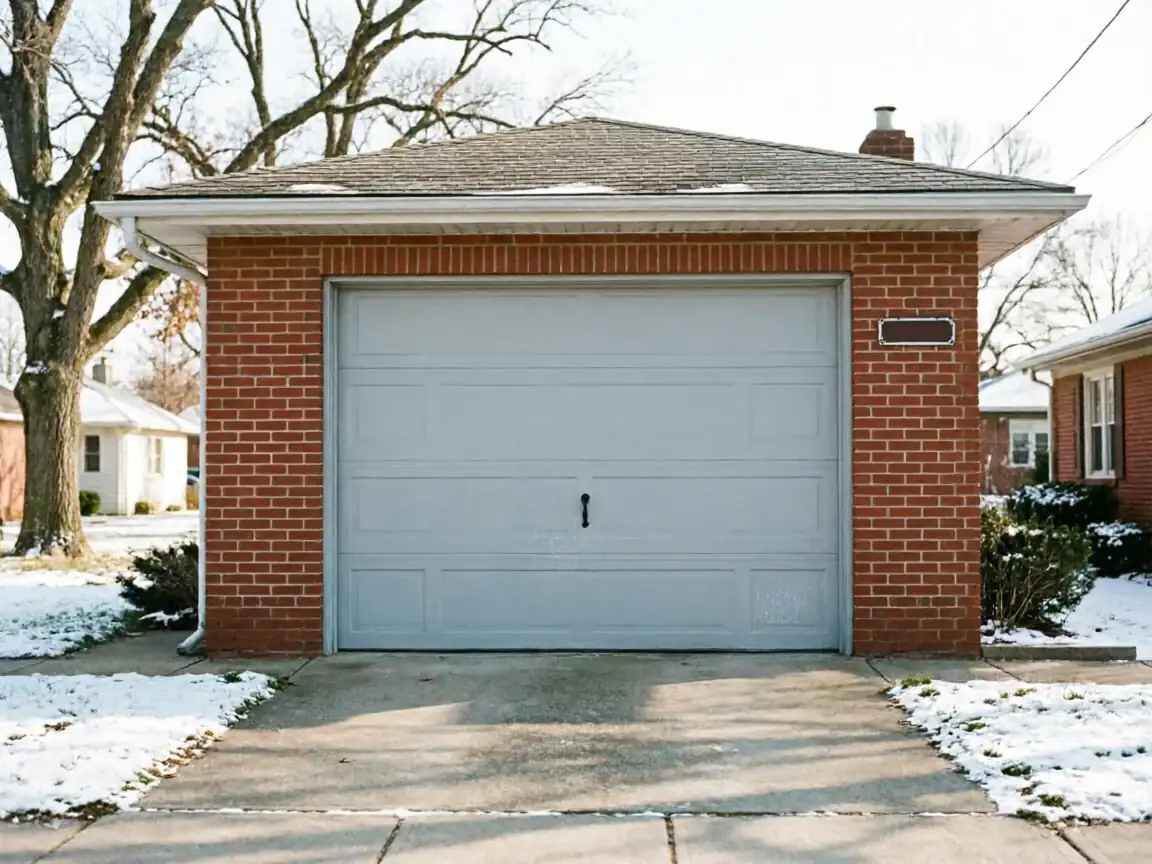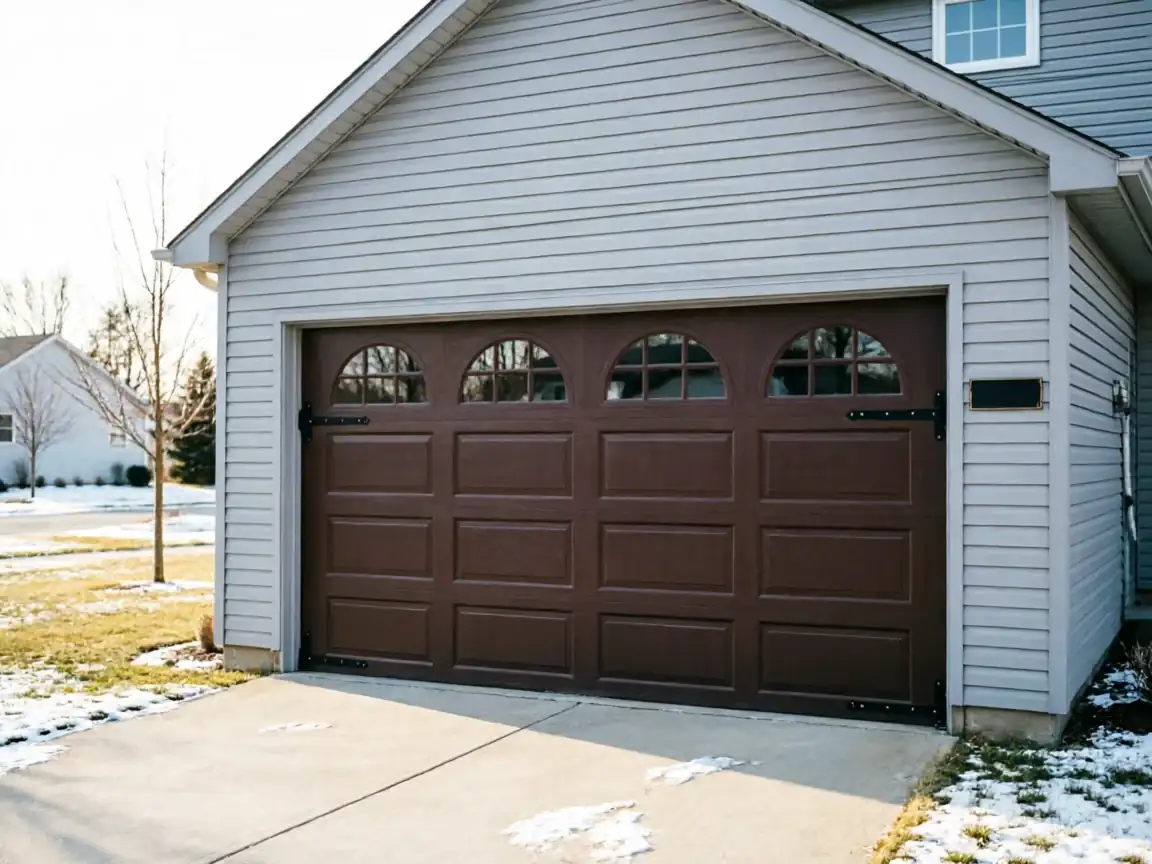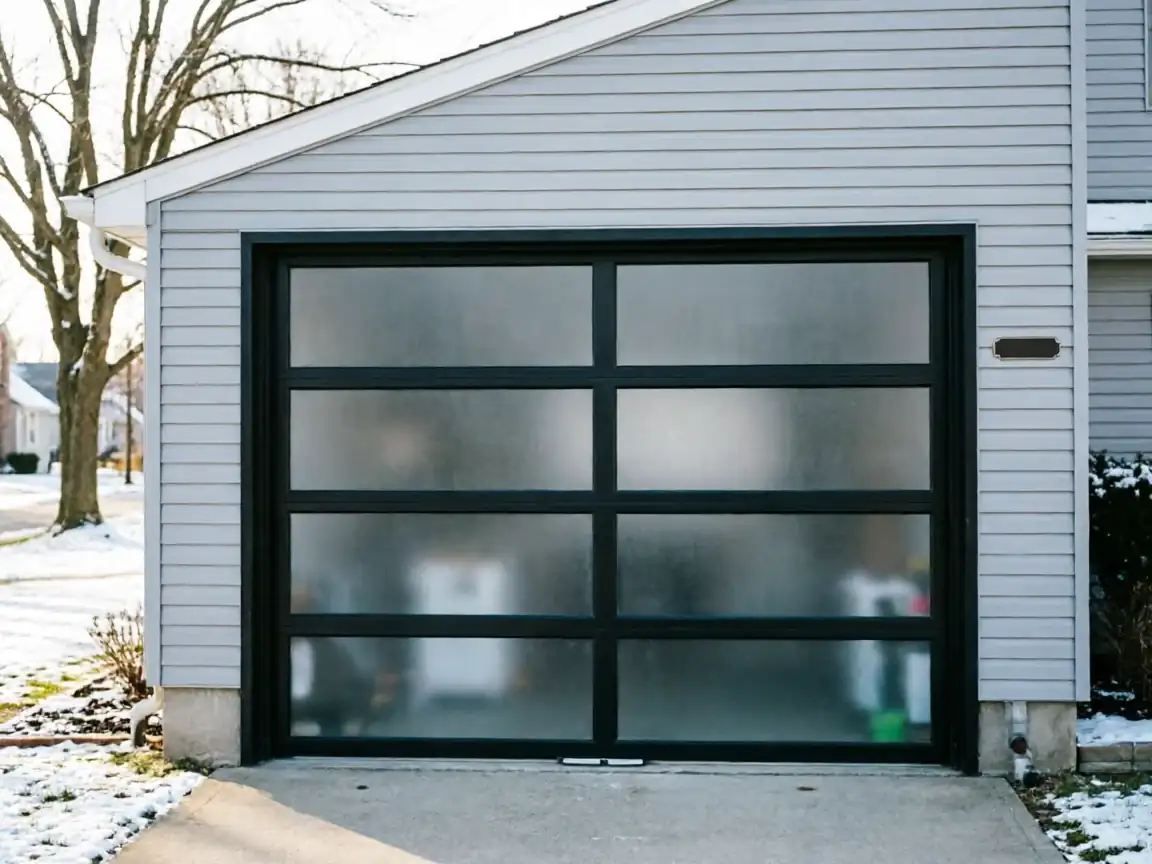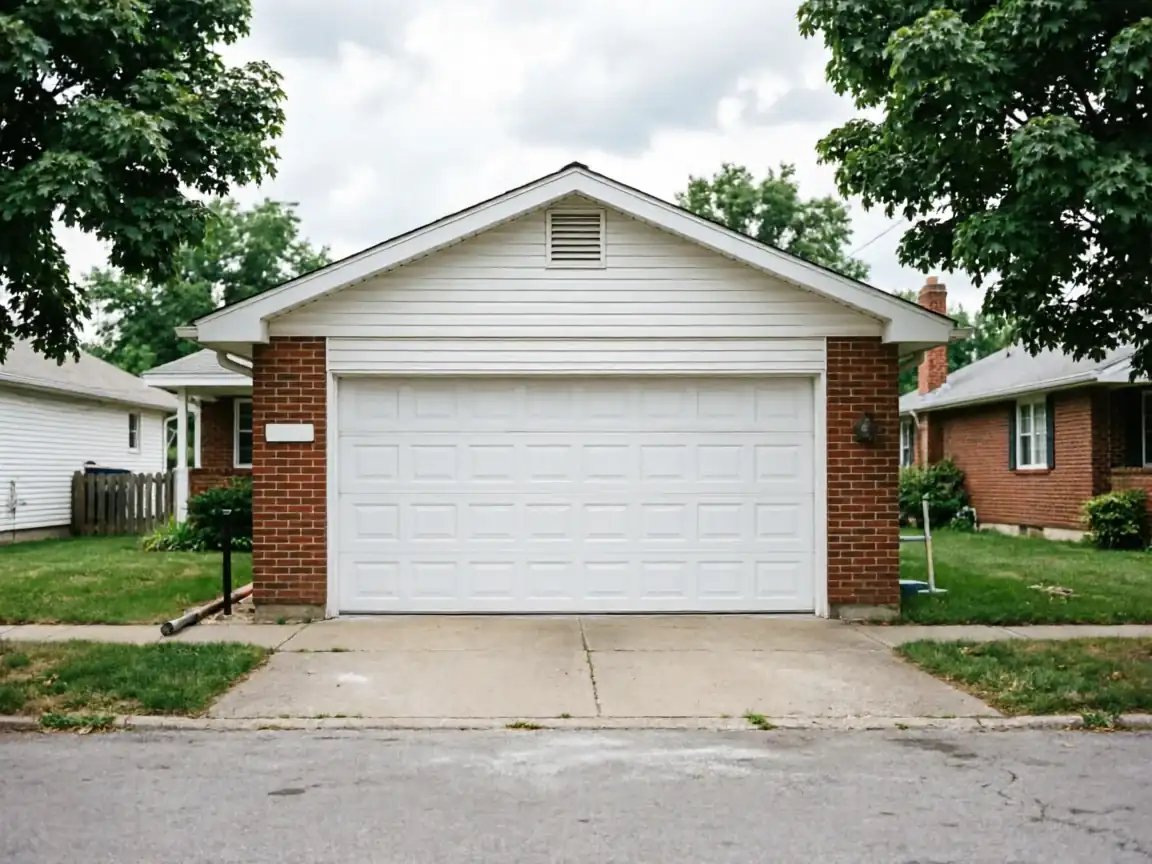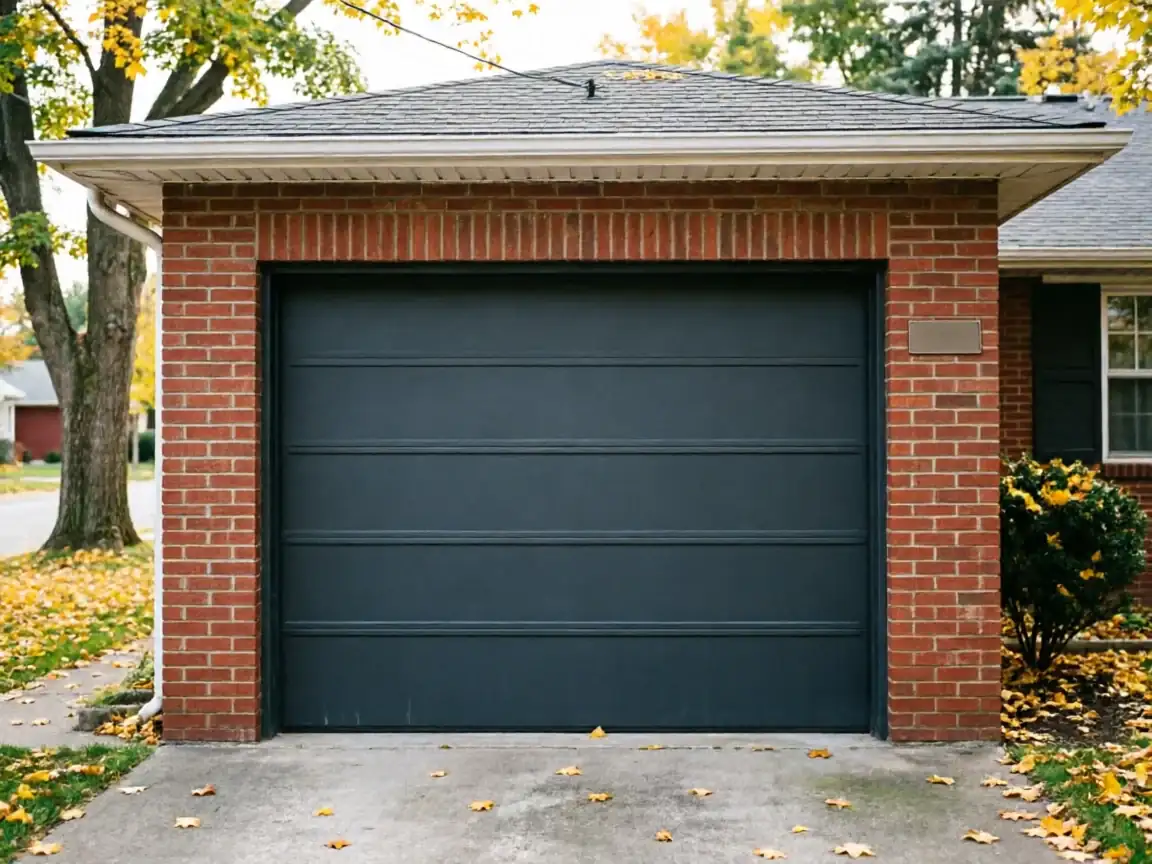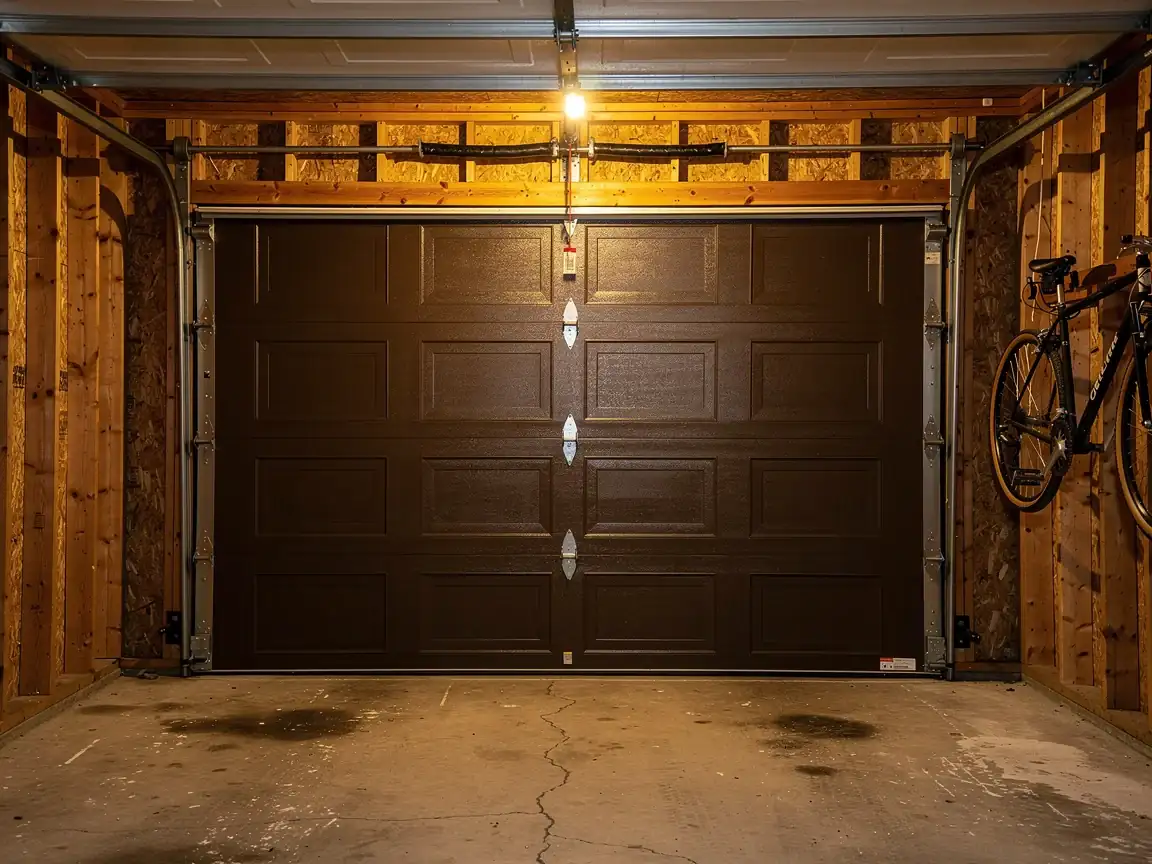
The Symptom
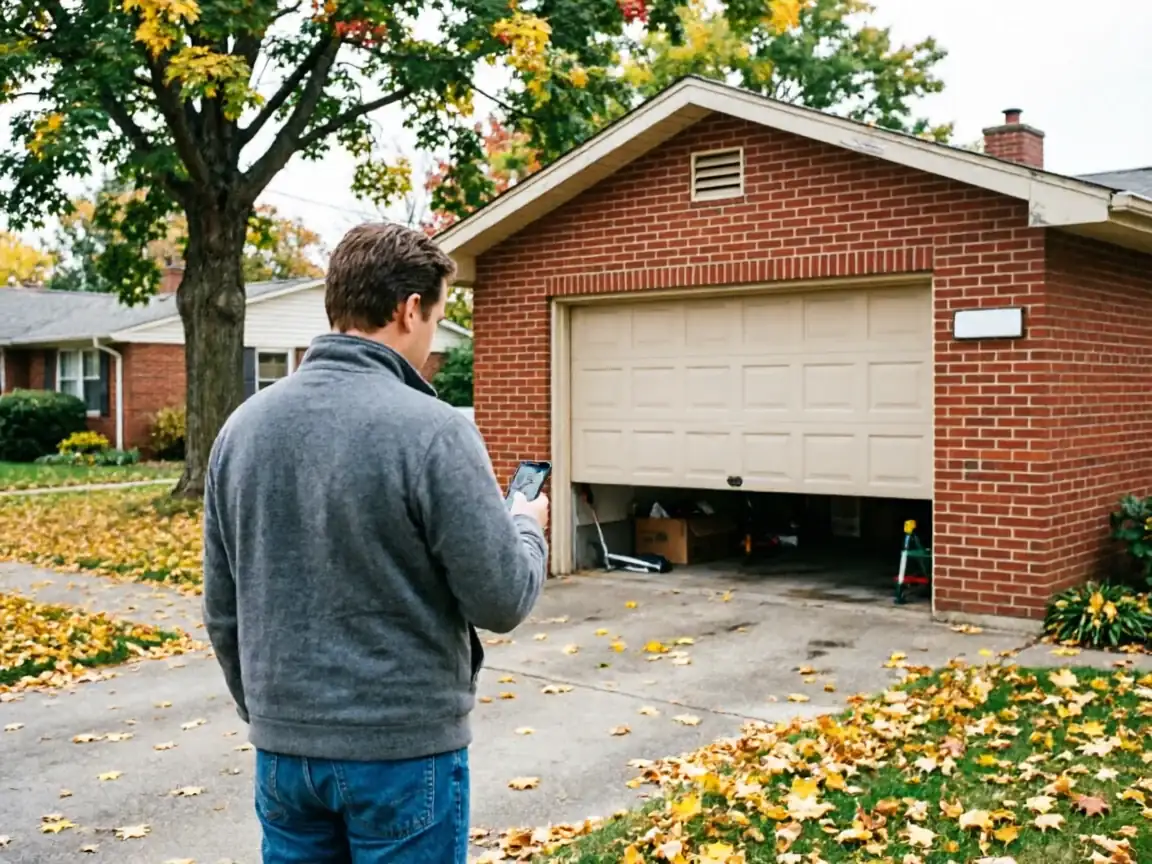
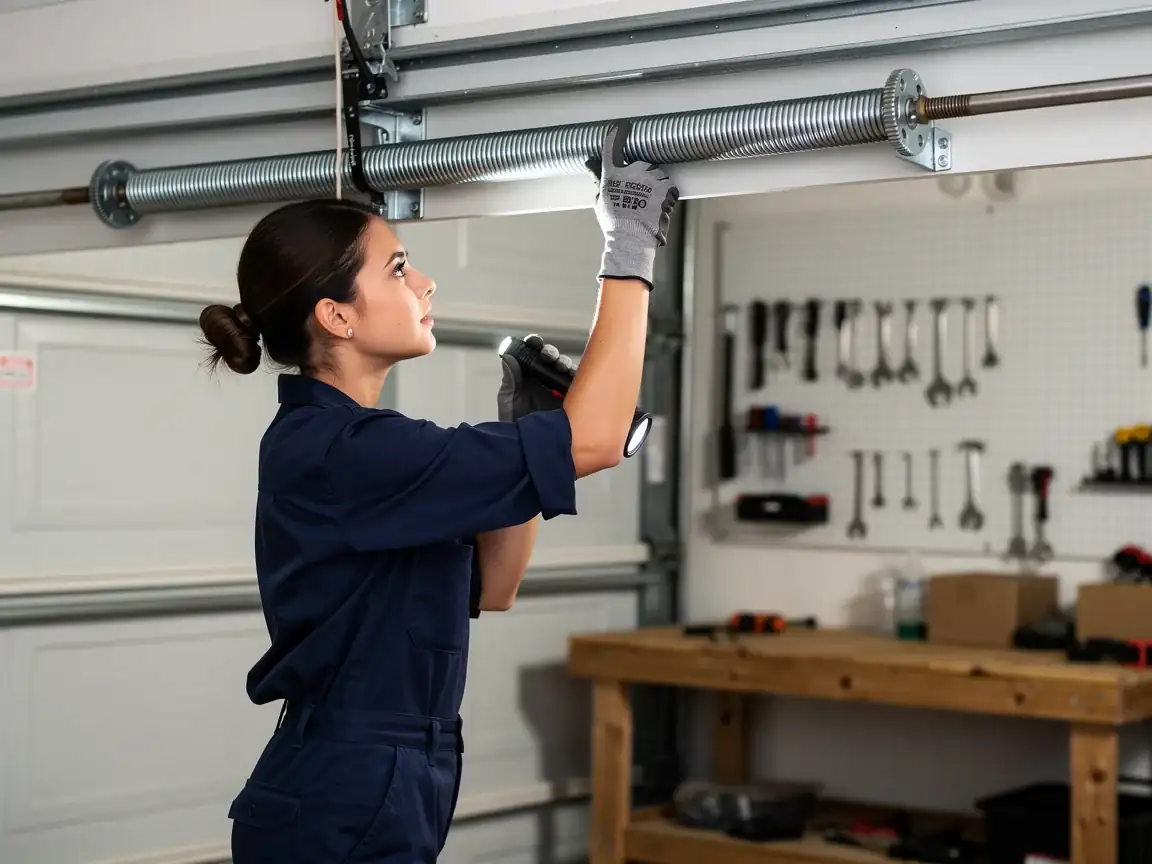
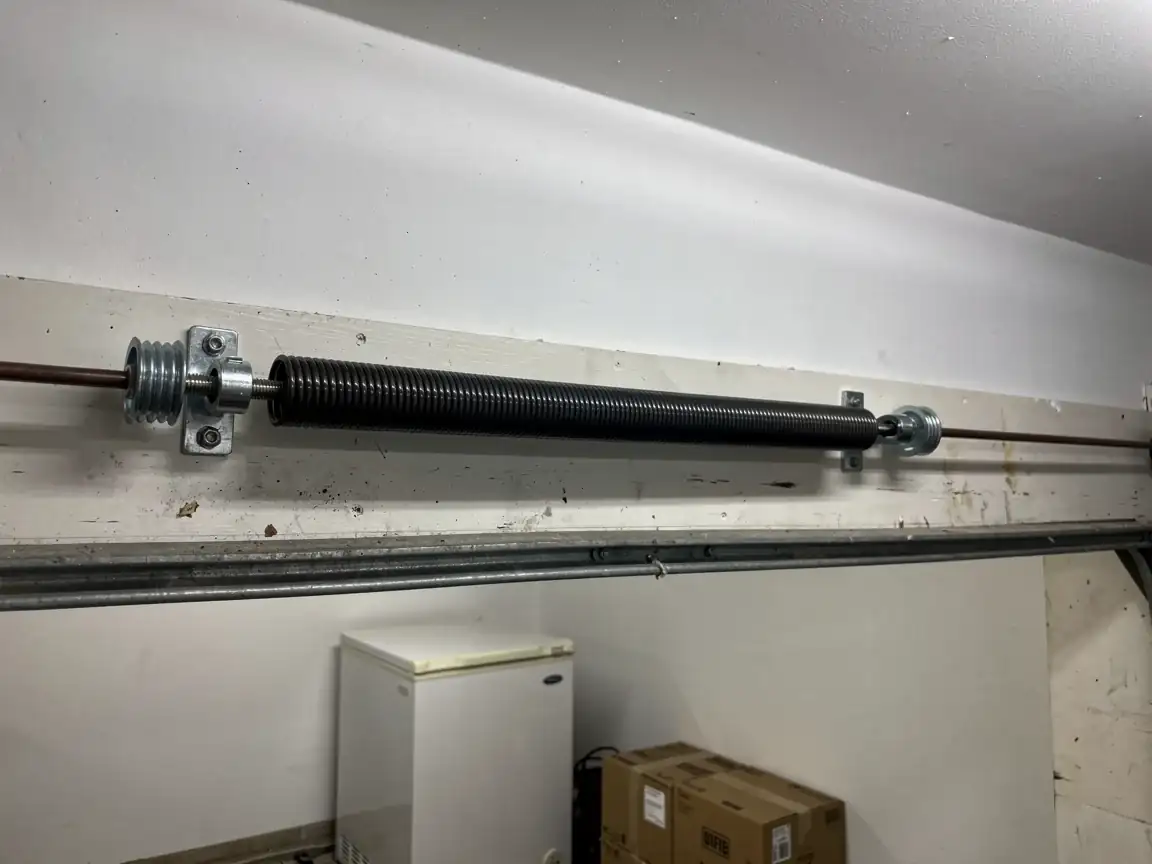
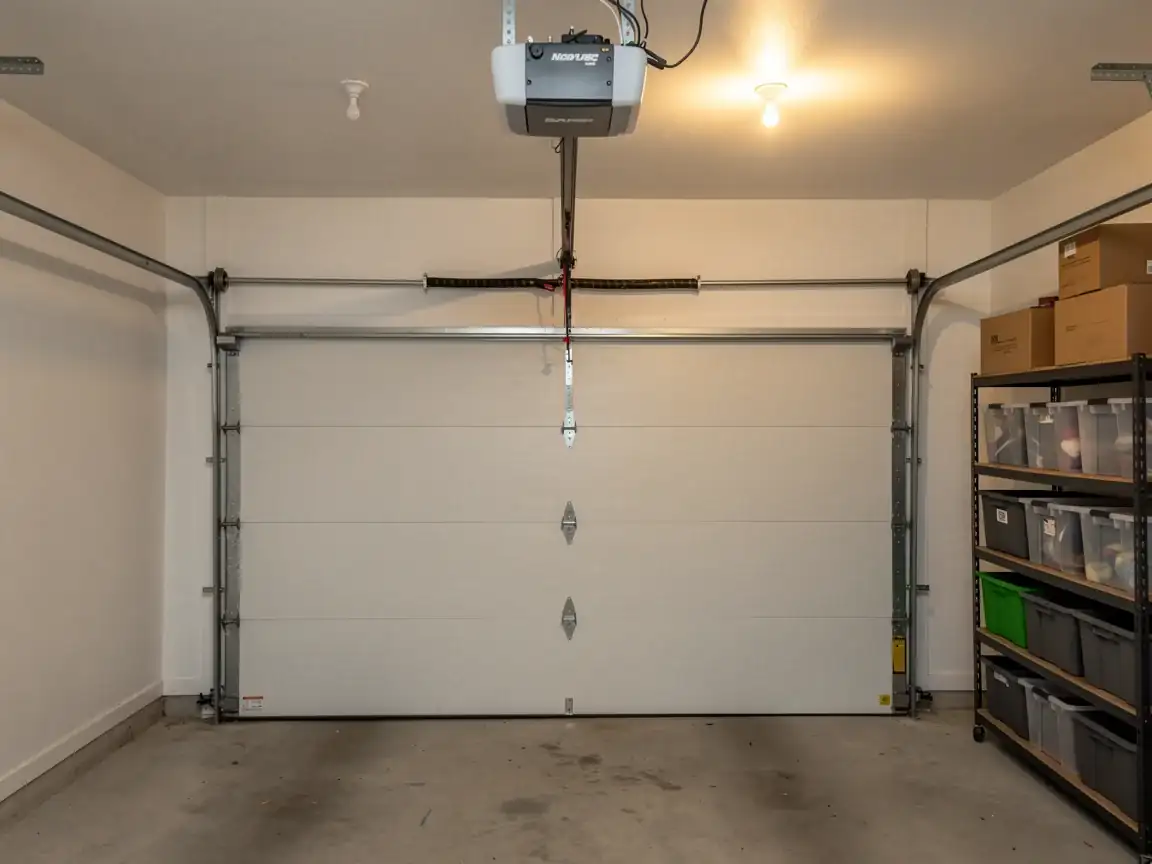
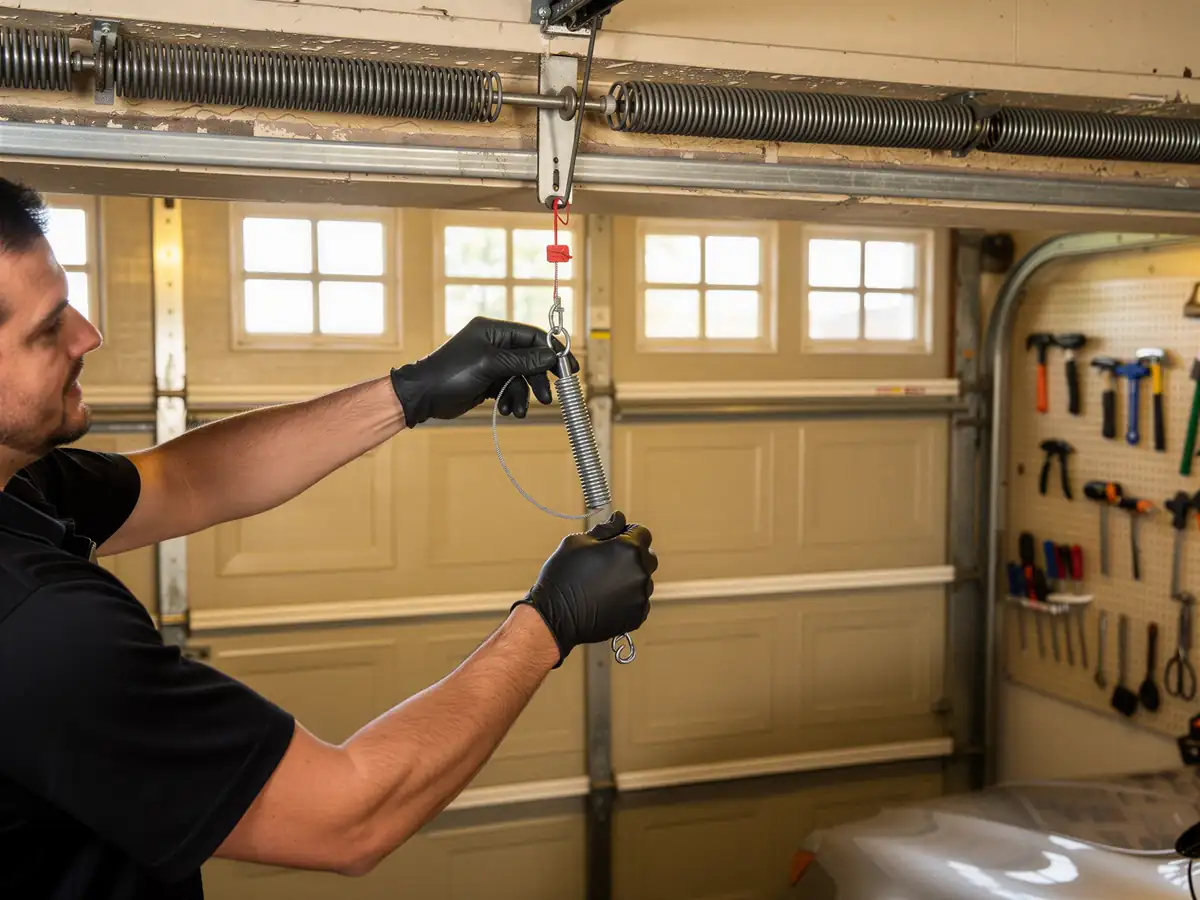
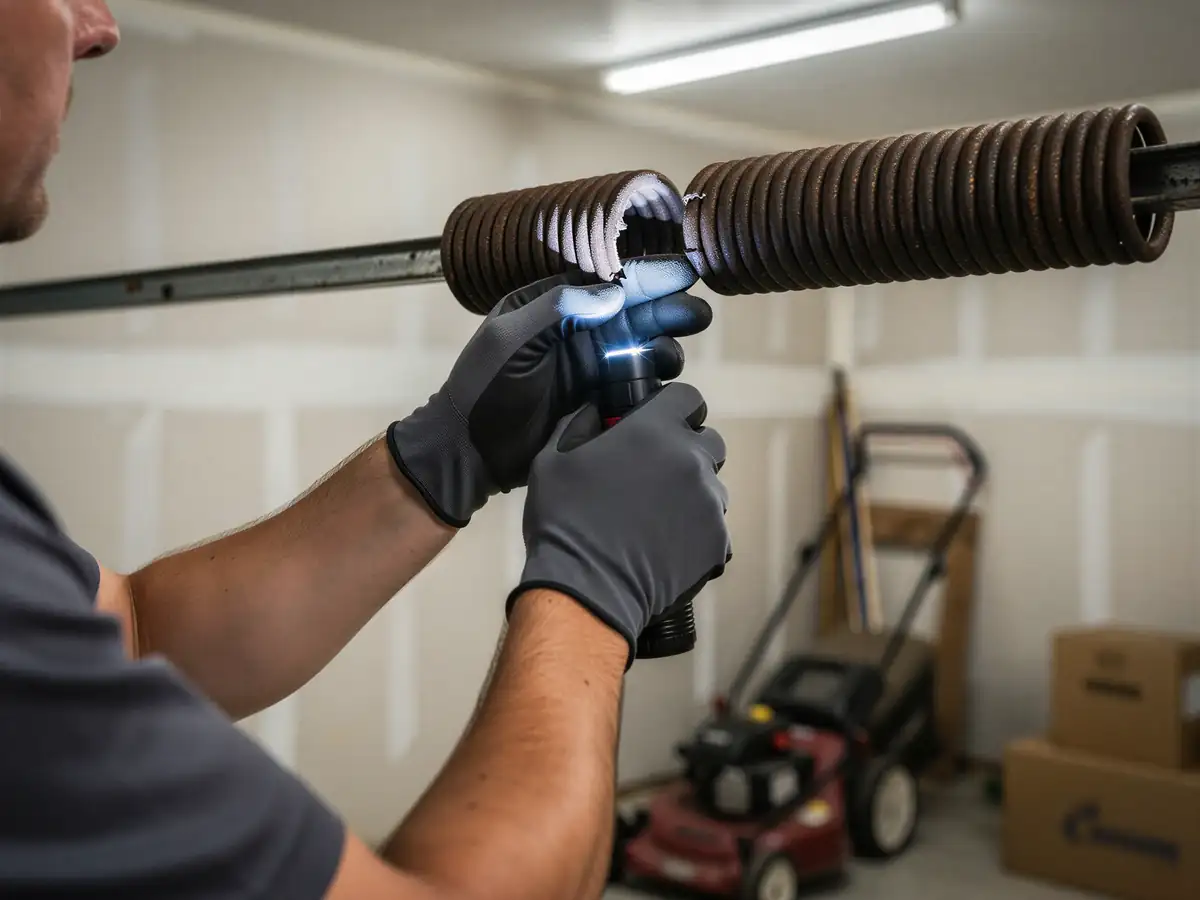
The call usually starts the same way: the door won't go up, or it goes up and slams back down, or the opener just hums. Sometimes it's a loud bang from the garage followed by a door that won't budge - that's almost always a broken torsion spring, and it's the single most common repair call we get in this area.
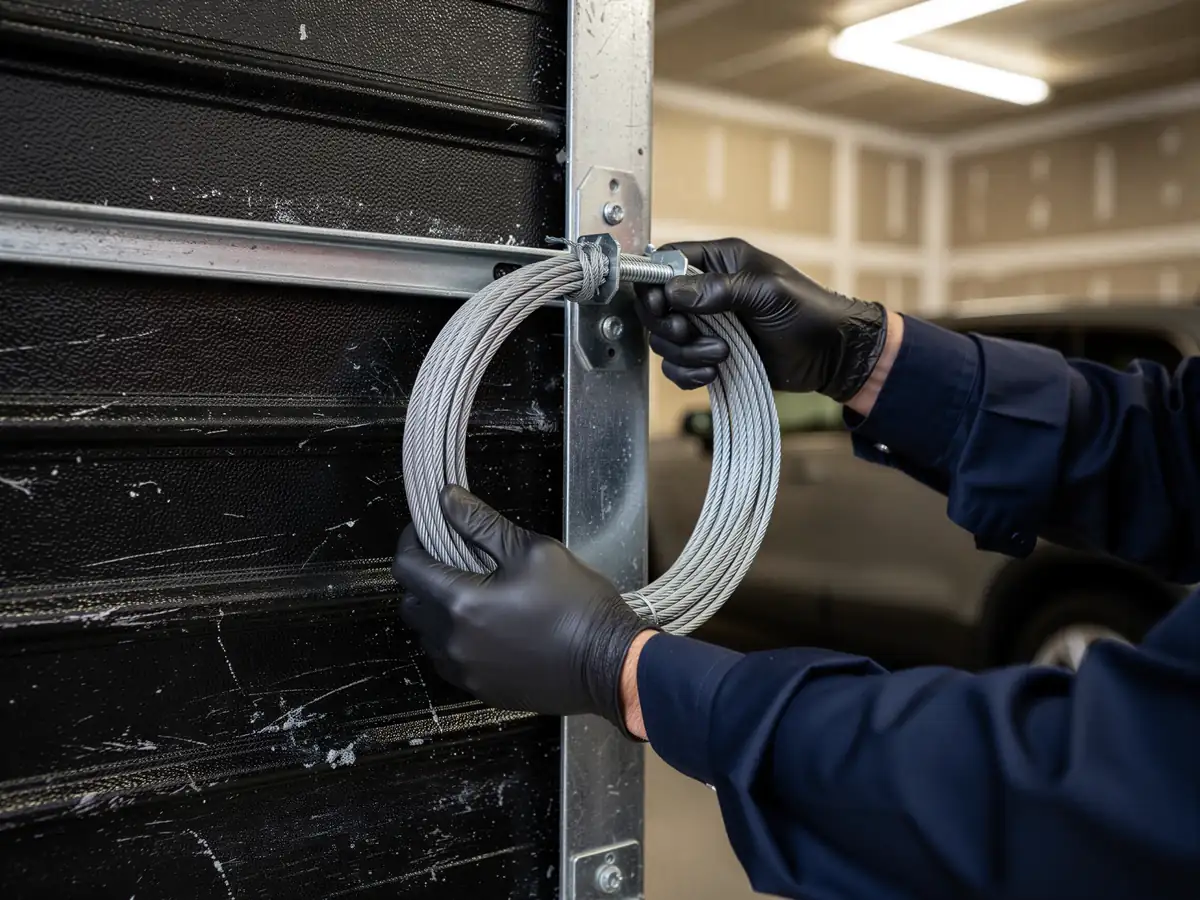
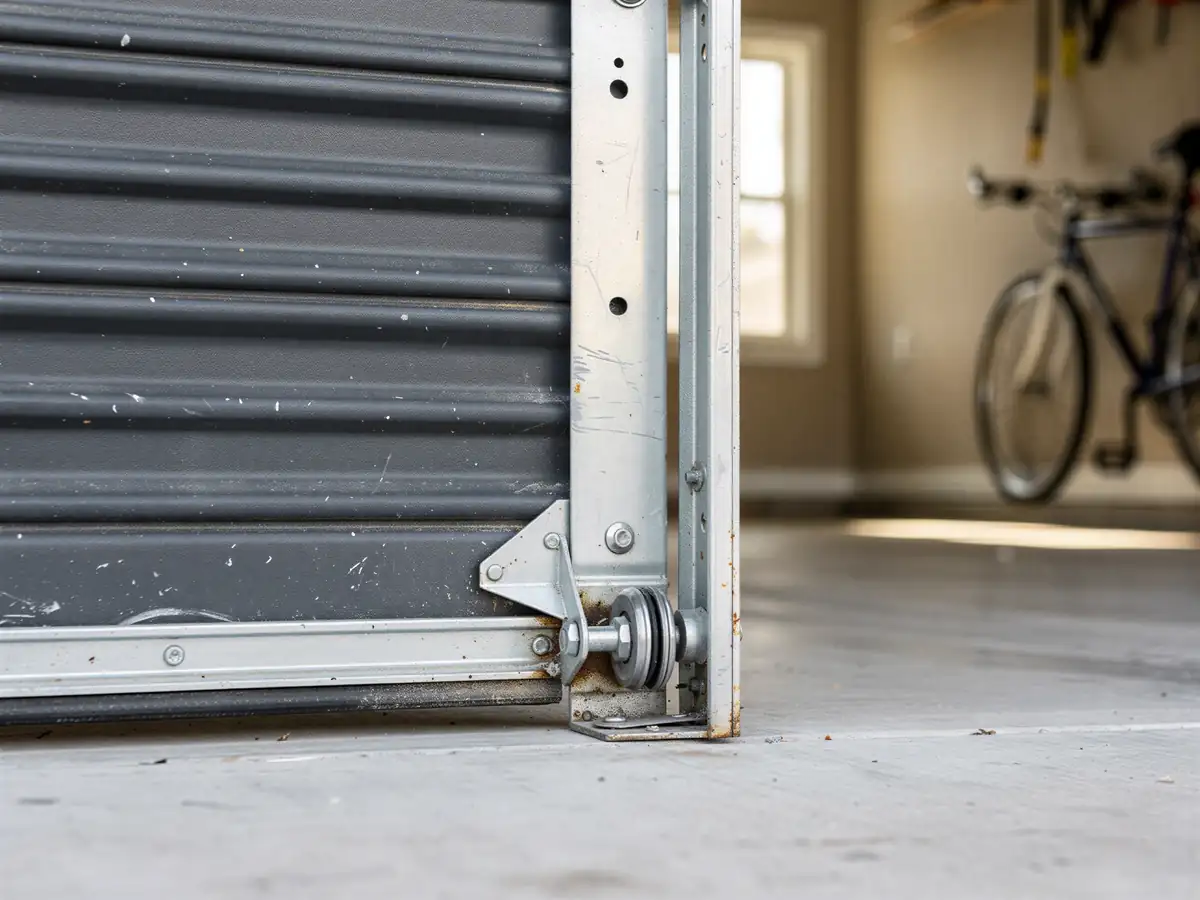
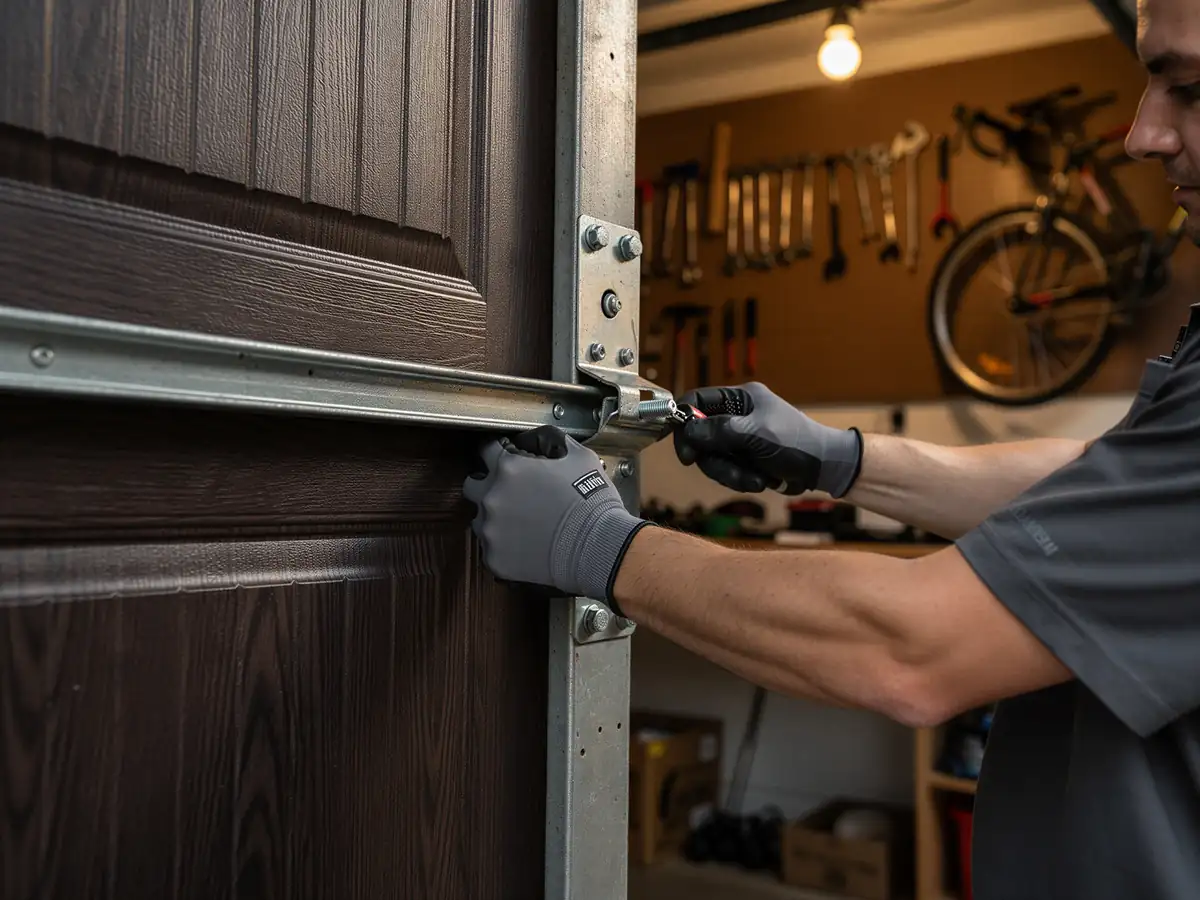
Other times it's slower. The door starts drifting off-track, or one side lifts a beat before the other, or the remote works some days and not others. Those point to worn rollers, a stretched cable, or an opener board on its way out rather than a clean spring snap.
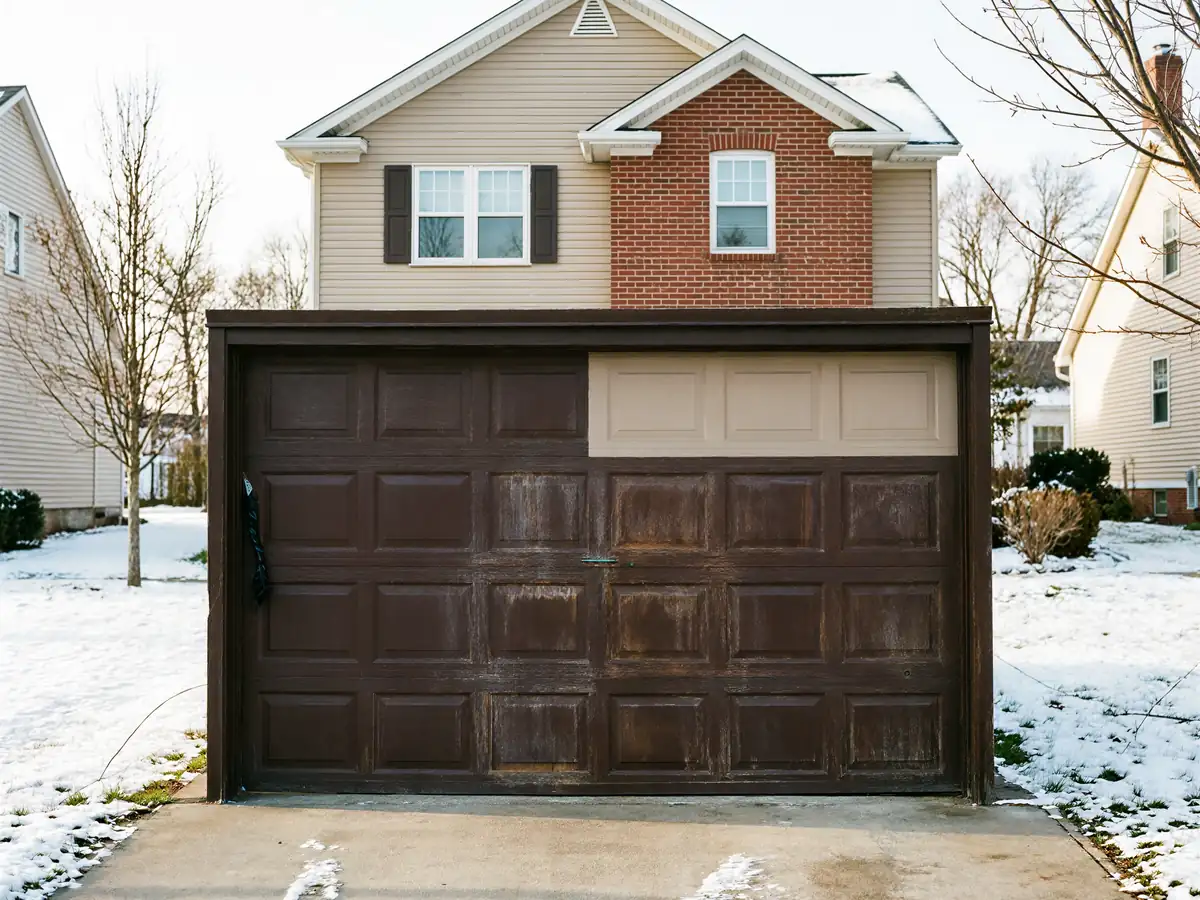
What ties these together in Hopkins is age. A big share of the houses here were built between 1957 and 2005, with the median landing around 1984. That means a lot of garages still have their original torsion hardware, or a first replacement spring that's now had thirty-plus years of cold-weather cycling on it. When a spring finally lets go, it's rarely a surprise to anyone who's owned the house long enough - it's a part reaching the end of a predictable lifespan, not a fluke.
What You Pay
We don't publish a flat number here because what you pay depends on what's actually broken
And that varies more than people expect once a door is thirty or forty years old. A single torsion spring swap on a door that's otherwise sound is a different job than a double-door setup where the opener, both springs, and the track all need attention at once.
Age works against you in a specific way
Doors and openers from the 1980s and 90s building boom that shaped most of this area sometimes use spring sizes or opener parts that current manufacturers don't carry anymore. That can mean a universal replacement instead of an exact match, which changes the quote.
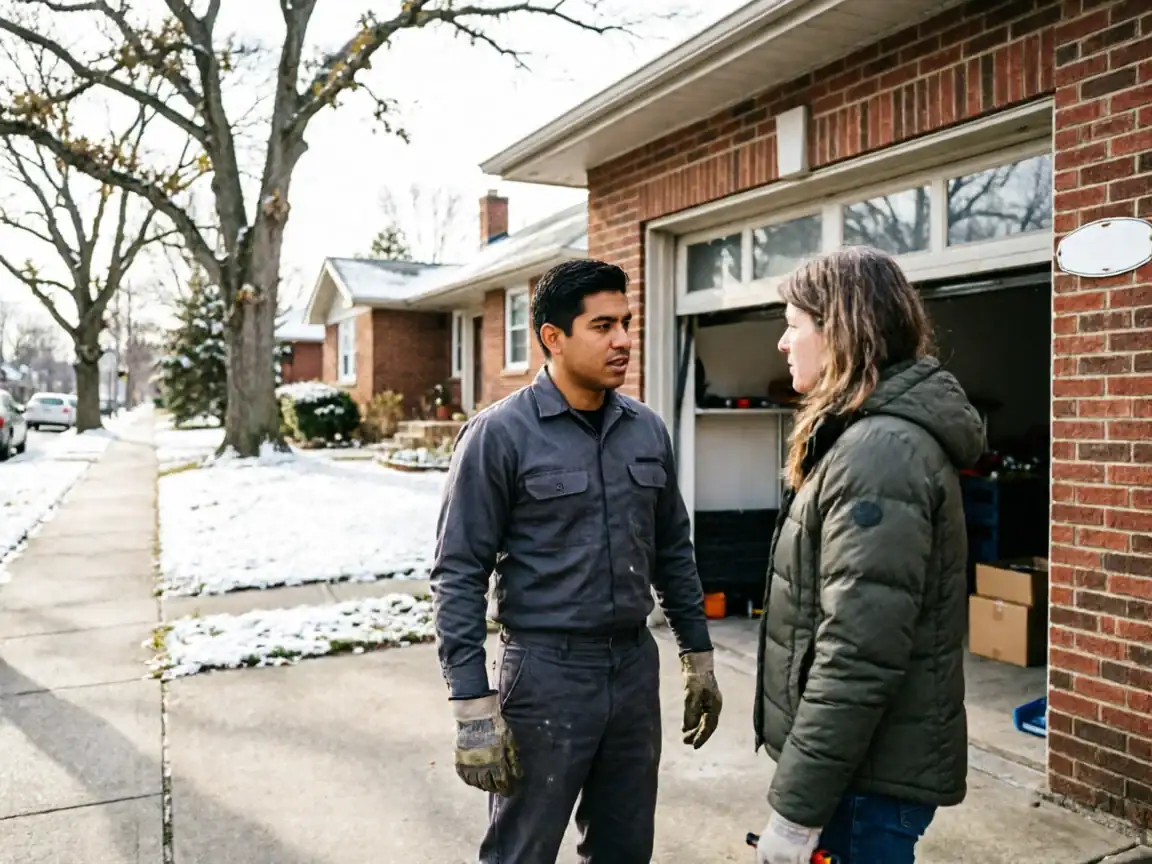
We look at the door in person before we give you a number
Torsion spring tension and cable condition aren't something you can diagnose over the phone, and a wrong guess benefits nobody. If a repair doesn't make sense next to a replacement, we'll tell you that too, and let you decide from there.
Why This Fails Locally
Hopkins sits in a cold, moderate climate band, and that matters more to a garage door than most owners realize. Steel torsion springs expand and contract through the winter swing, and that repeated flex is what eventually fatigues the coil and snaps it - usually on a cold morning when the metal is stiffest and least forgiving.
Pair that climate with the housing stock: across the 55,318 owner-occupied houses in this service area, most building happened in the 1980s and 90s, concentrated in houses that are now old enough that original hardware is wearing out on schedule, not by accident. A spring rated for a certain number of cycles, installed in a house built in 1984, has had four decades of freeze-thaw stress working against it.
This isn't a Hopkins-specific defect - it's what happens when a cold climate meets a housing stock that's mostly 25 to 65 years old. The failure mode is predictable enough that we see the same worn parts over and over on doors from the same building era.
The DIY Question
A torsion spring is under enough stored tension to break a bone or worse if it lets go while you're working on it. We don't walk homeowners through spring replacement over the phone, and we'd tell you the same thing in person - this is the one repair on a garage door that isn't a reasonable weekend project, regardless of how handy you are.
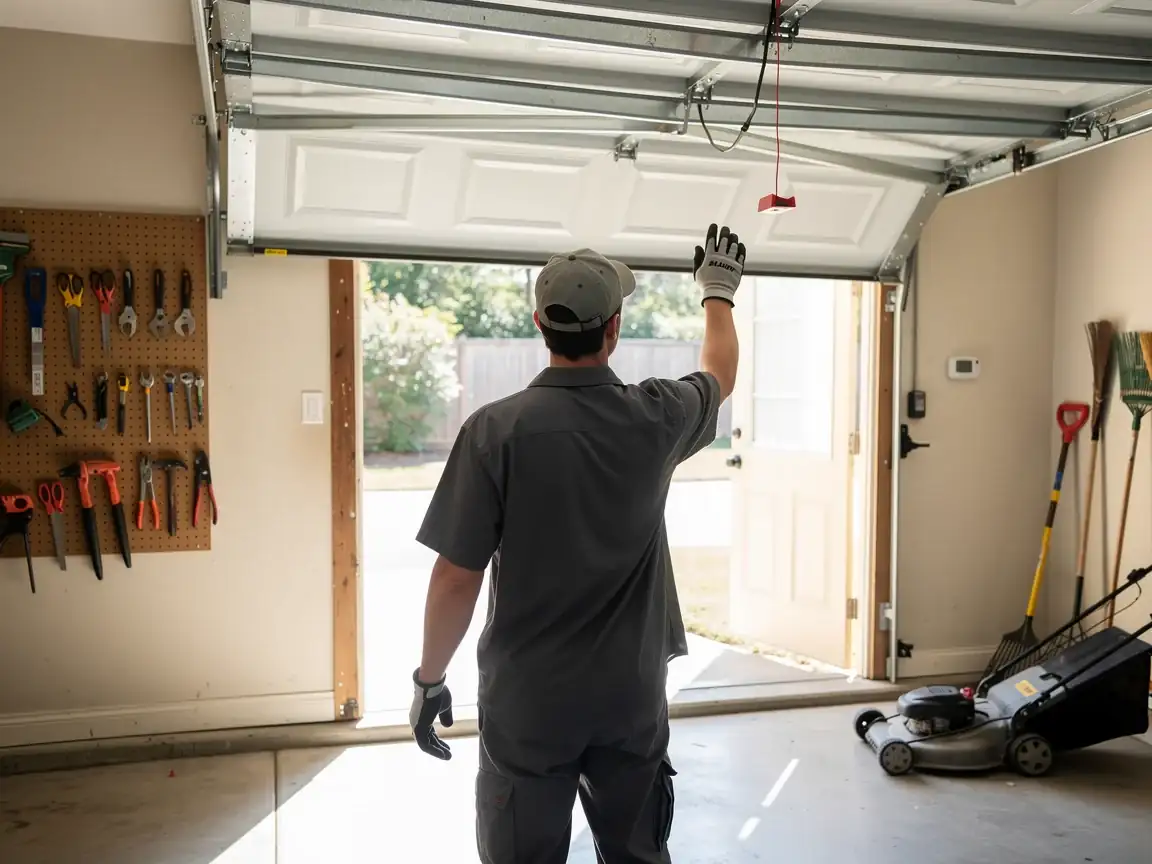
Things you can reasonably check yourself: whether the tracks are visibly bent, whether the sensors at the bottom of the door are aligned and the little lights are solid, whether the door is unusually heavy to lift by hand with the opener disconnected (a sign the spring is already going). Any of those can save you a trip charge if you catch them early.
Once you're into springs, cables, or anything that's actually holding the door up against gravity, that's where we'd rather you call than improvise. The honest version of our advice is that a $20 part done wrong can turn into a door, a wall, or a hand that needs real repair.