How That Shows Up in the Door
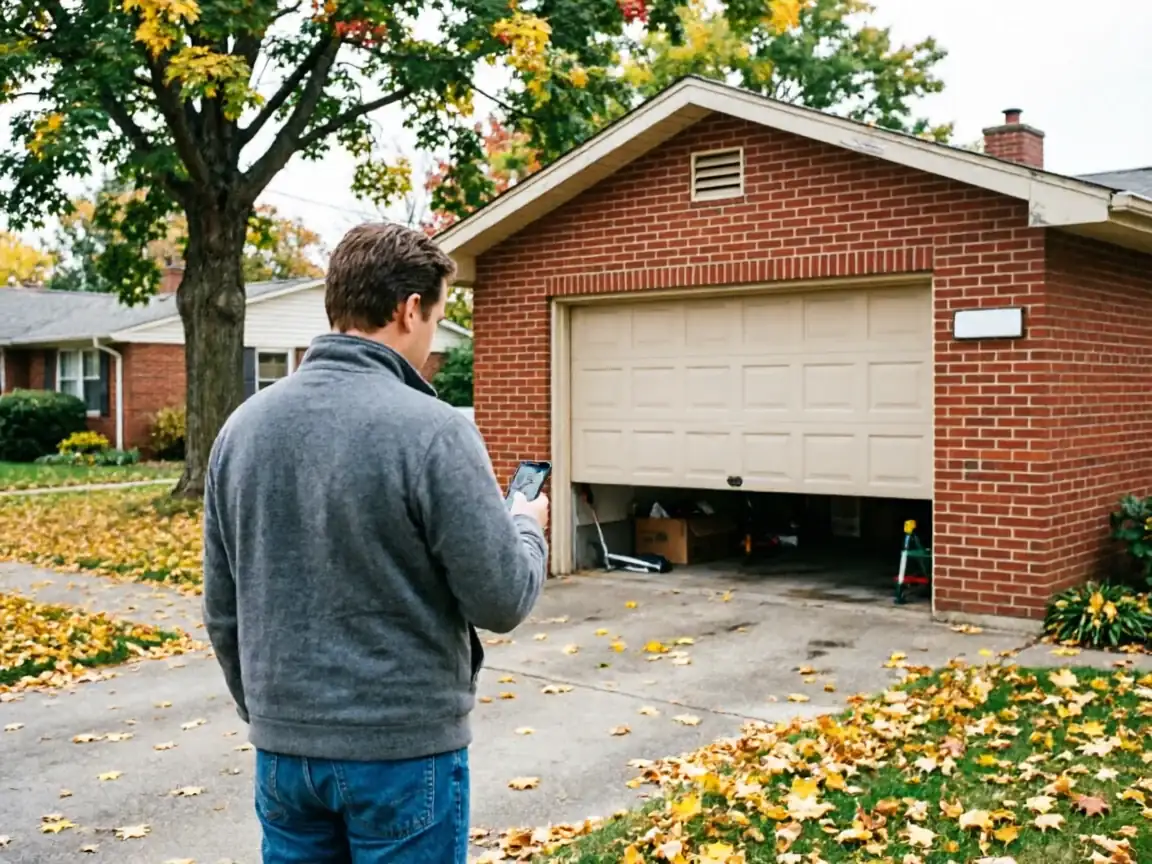
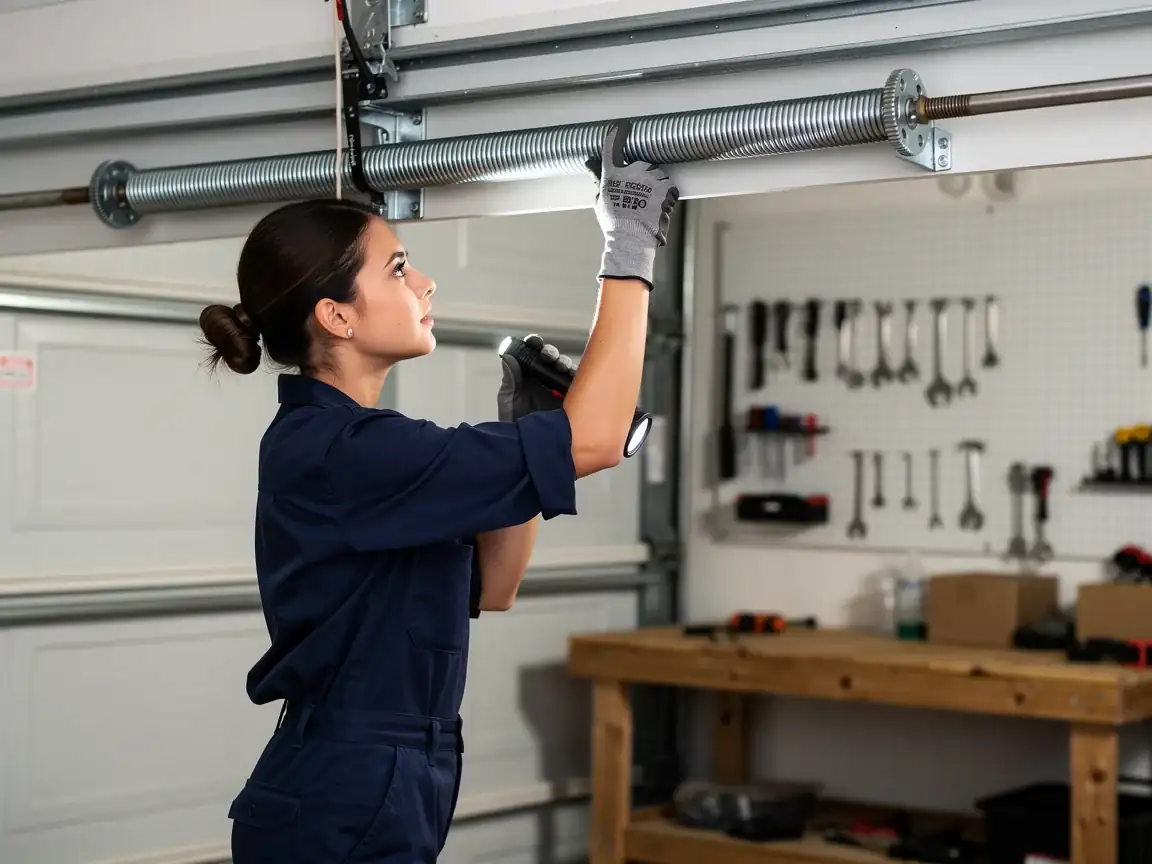
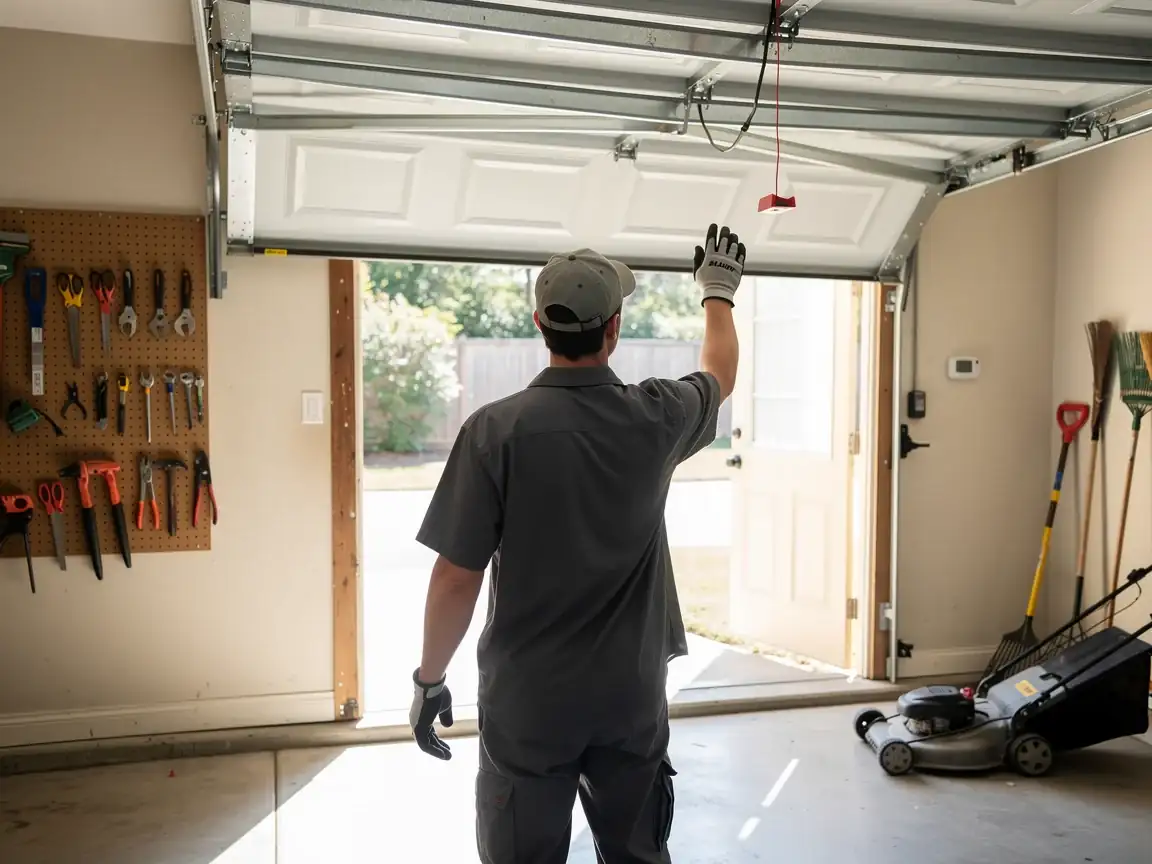
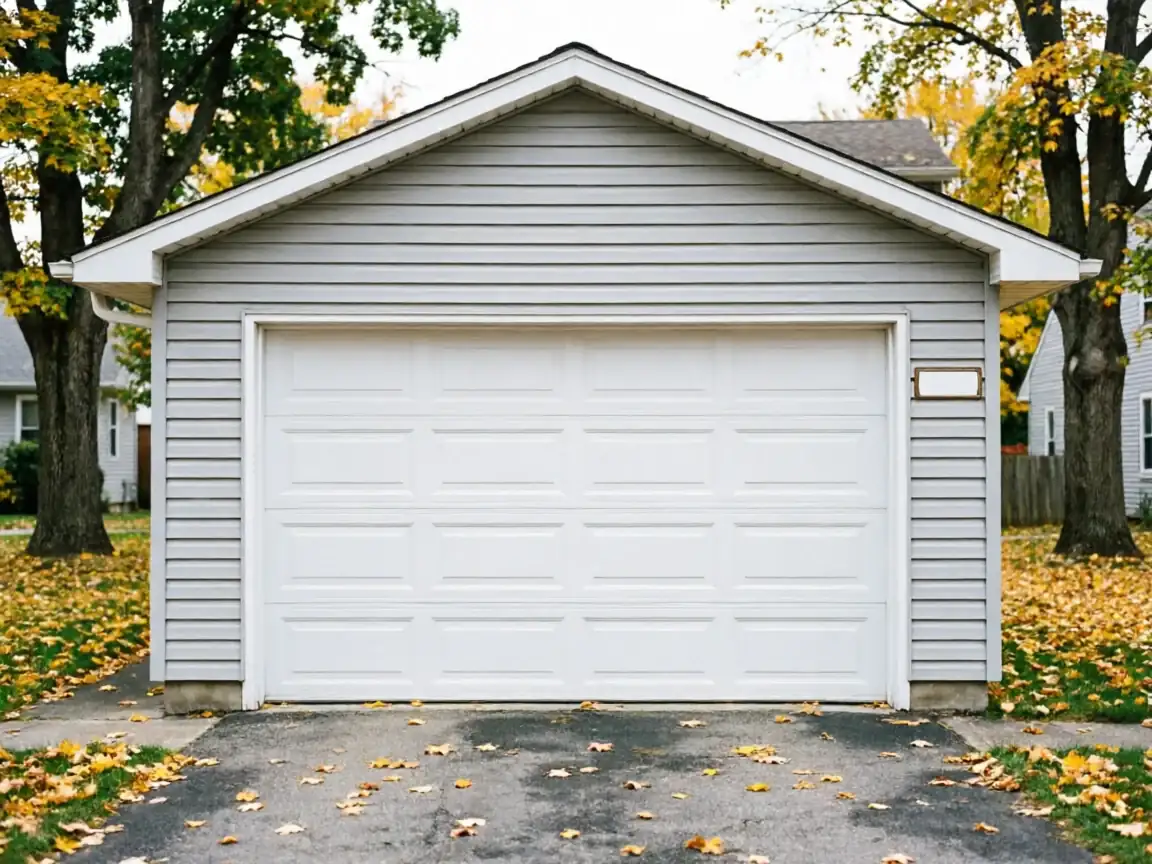
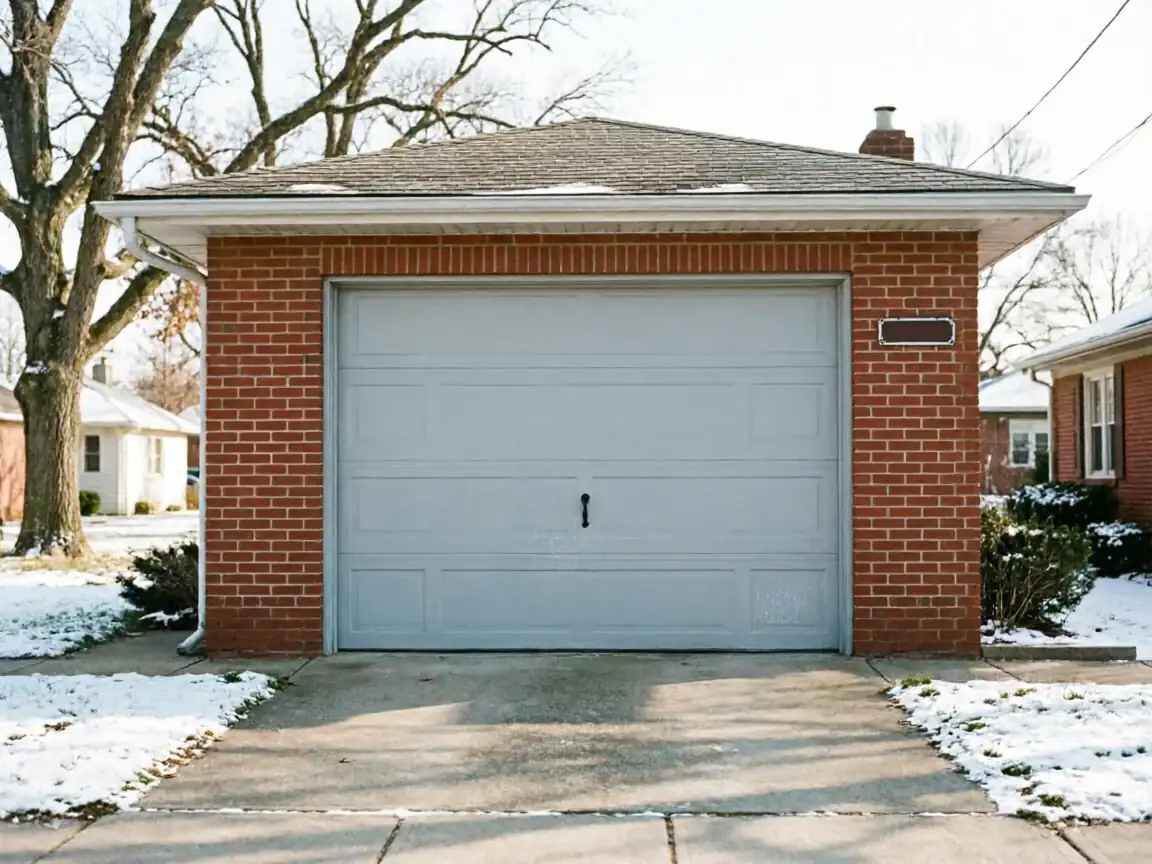
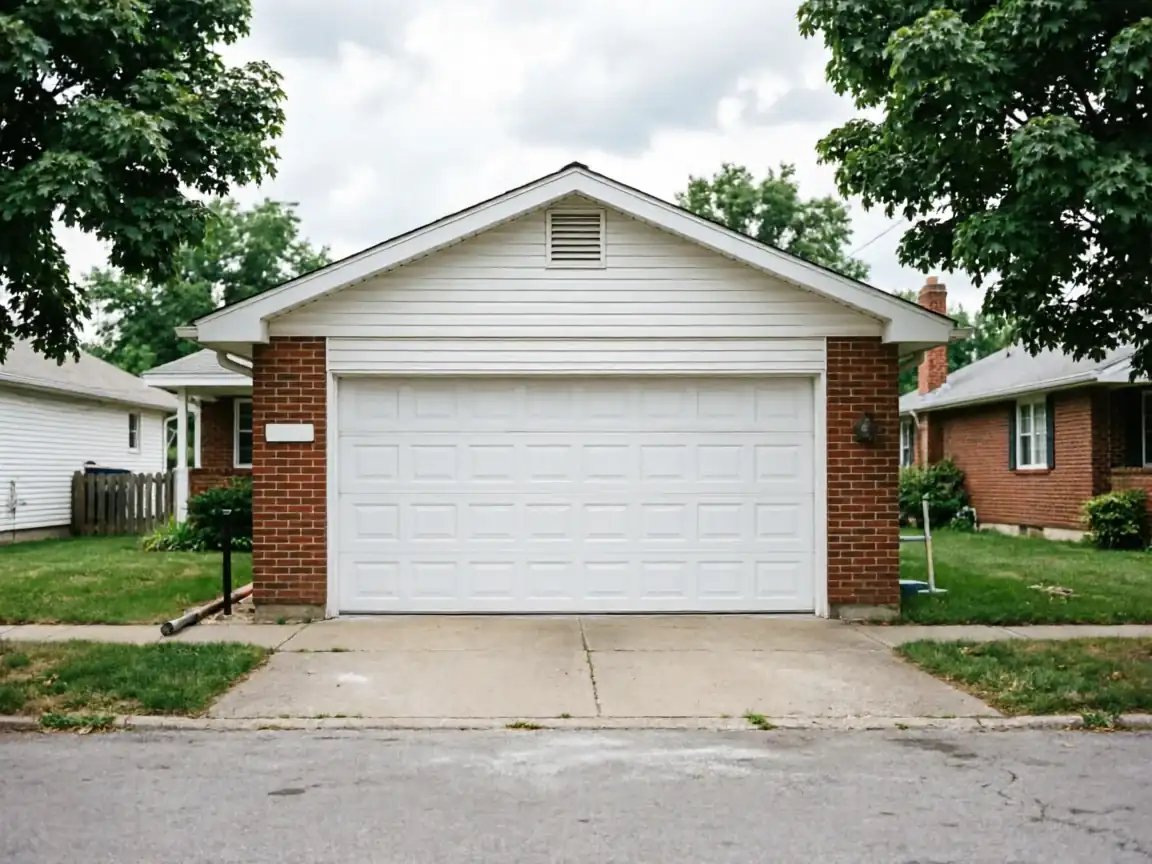
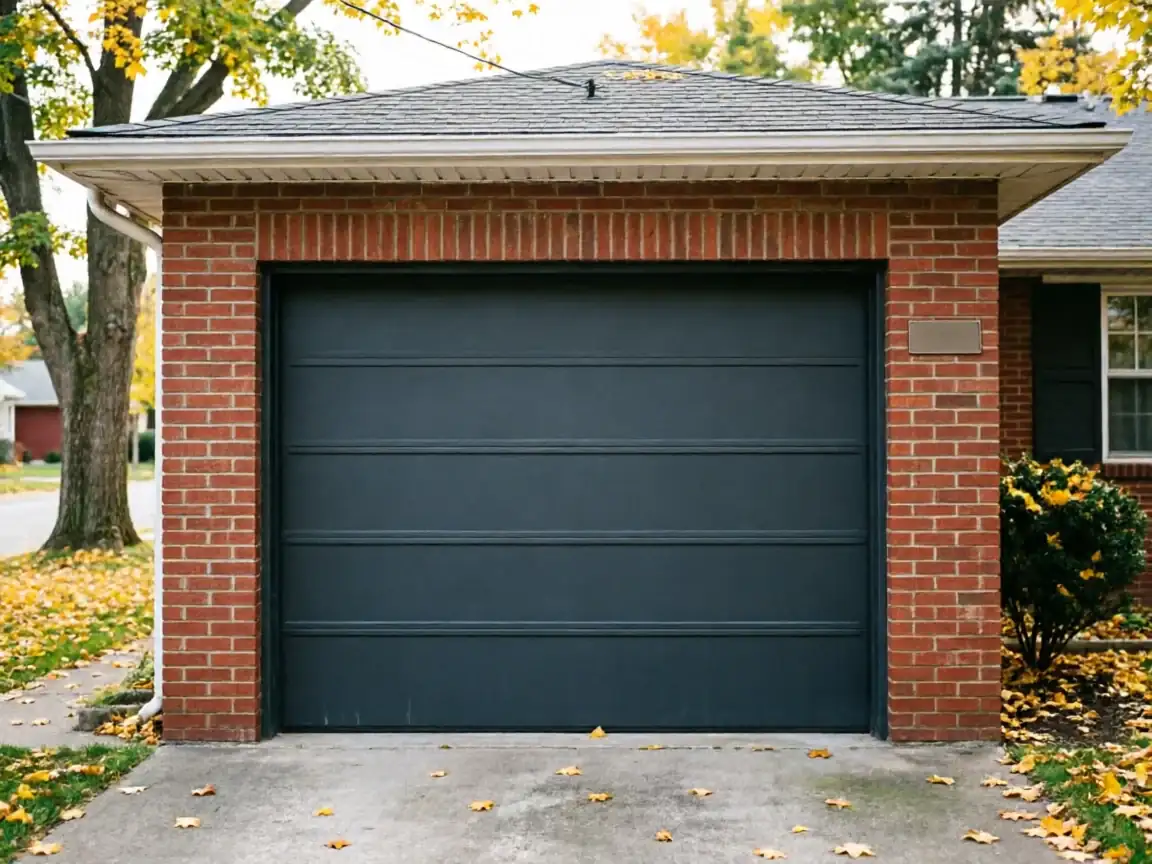
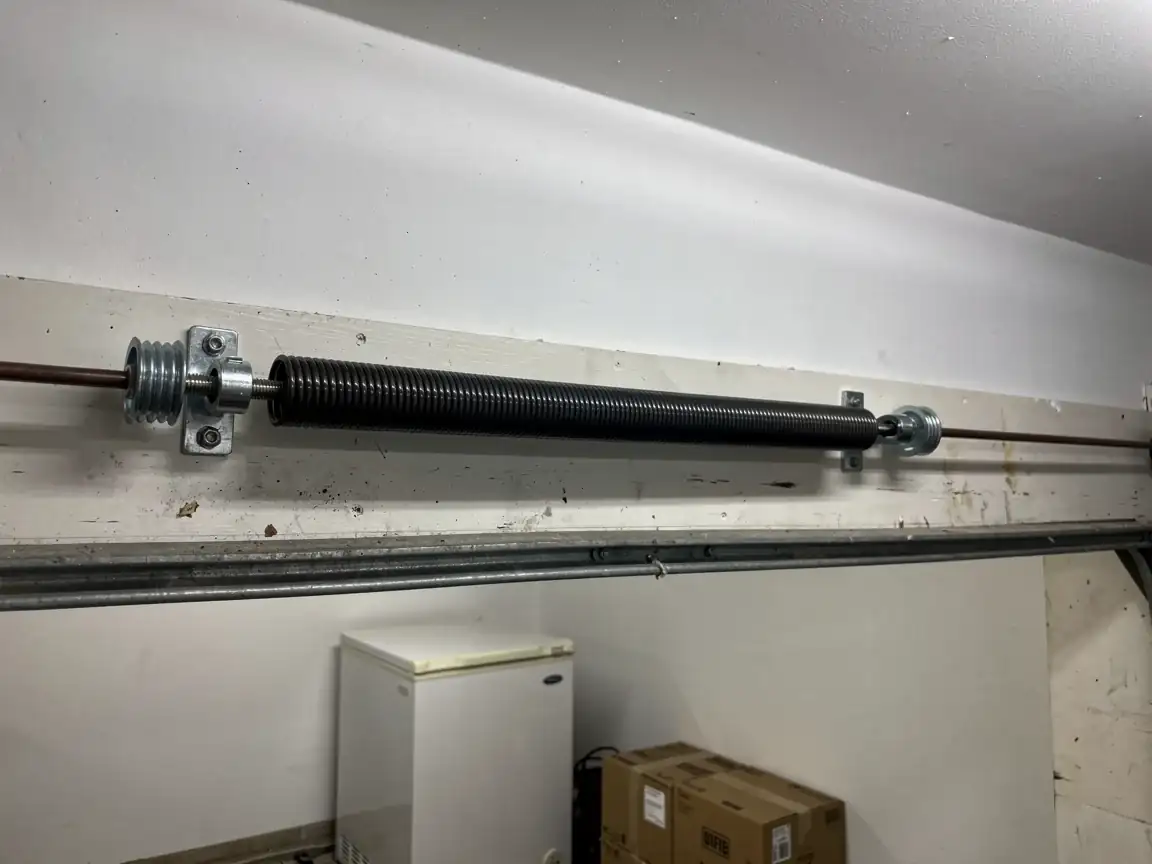
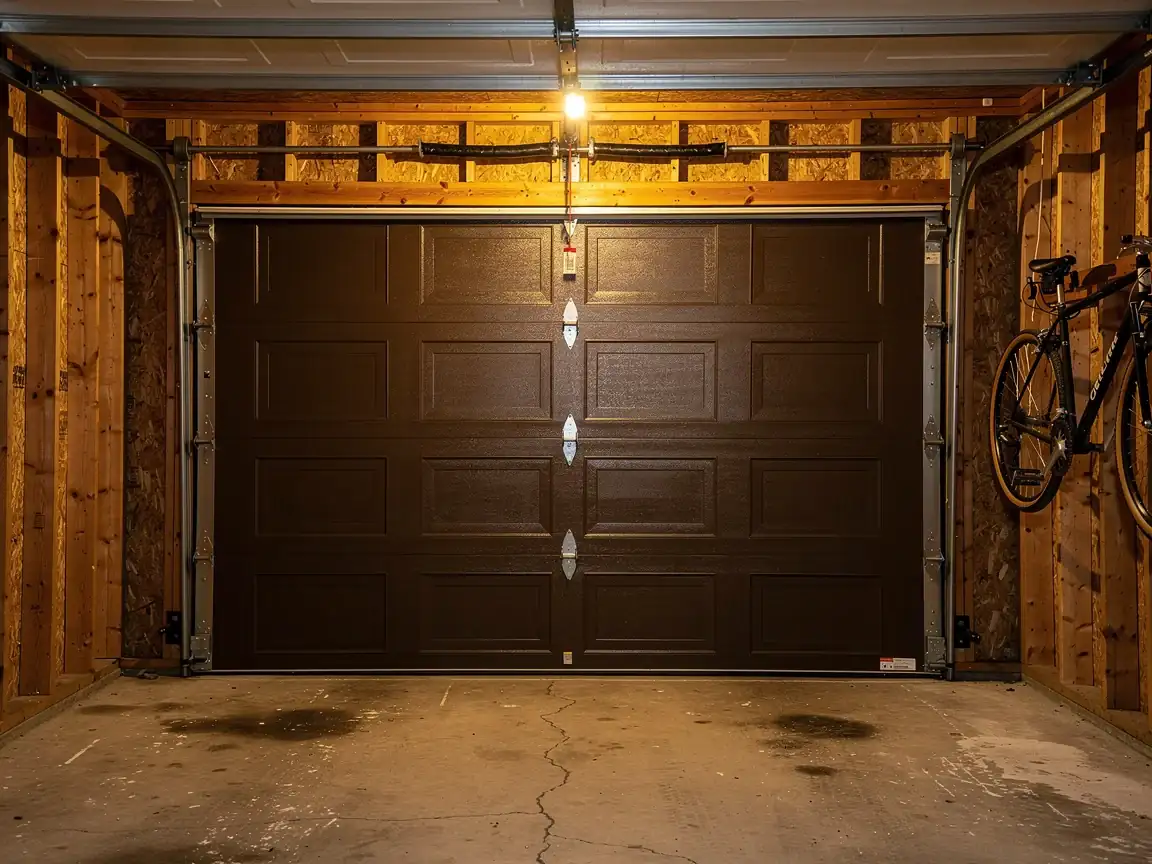
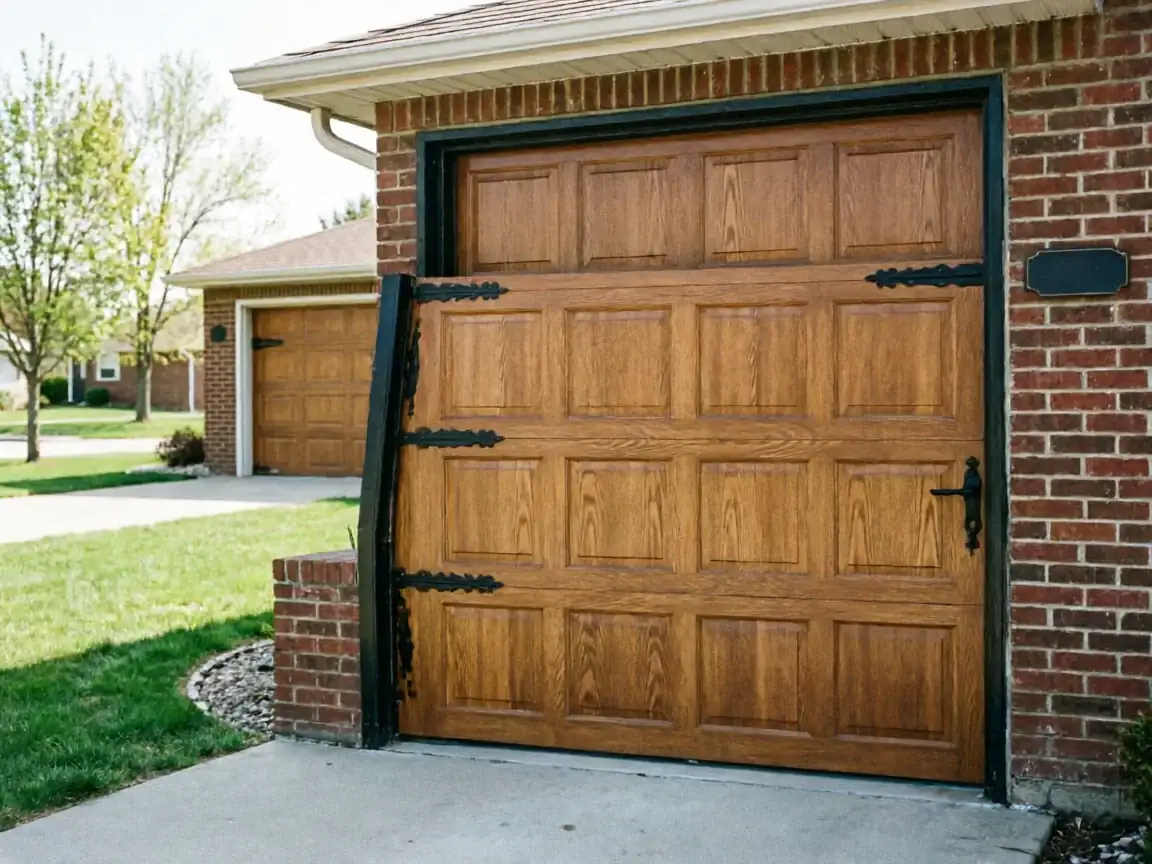
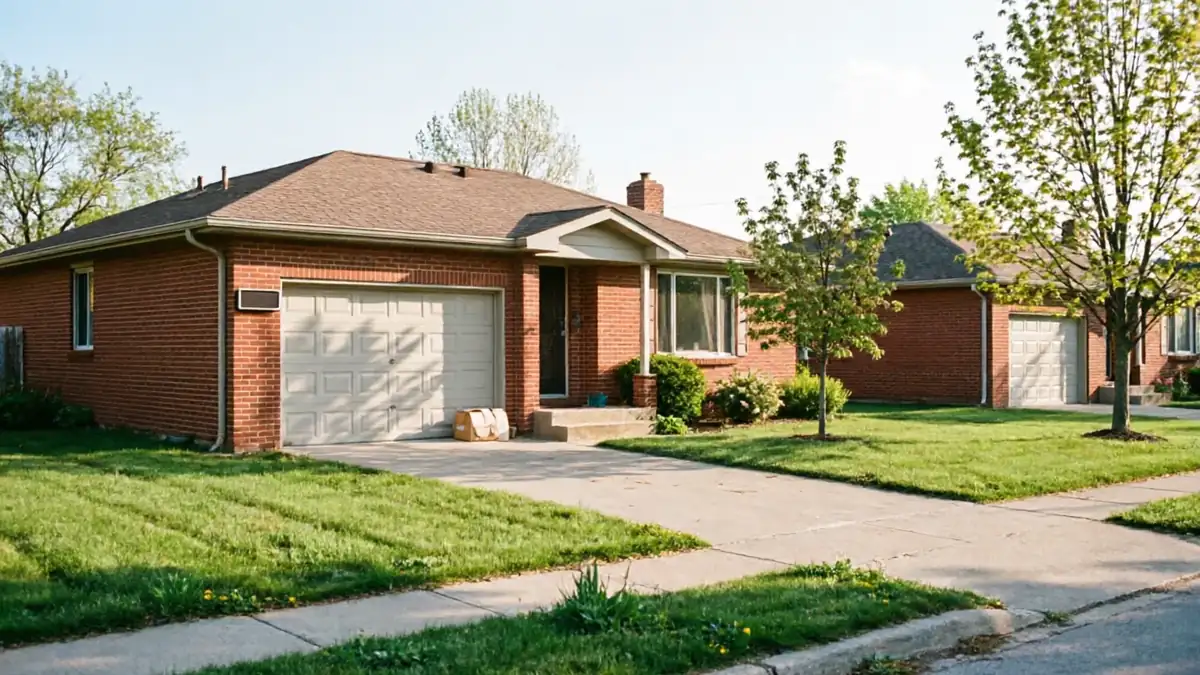
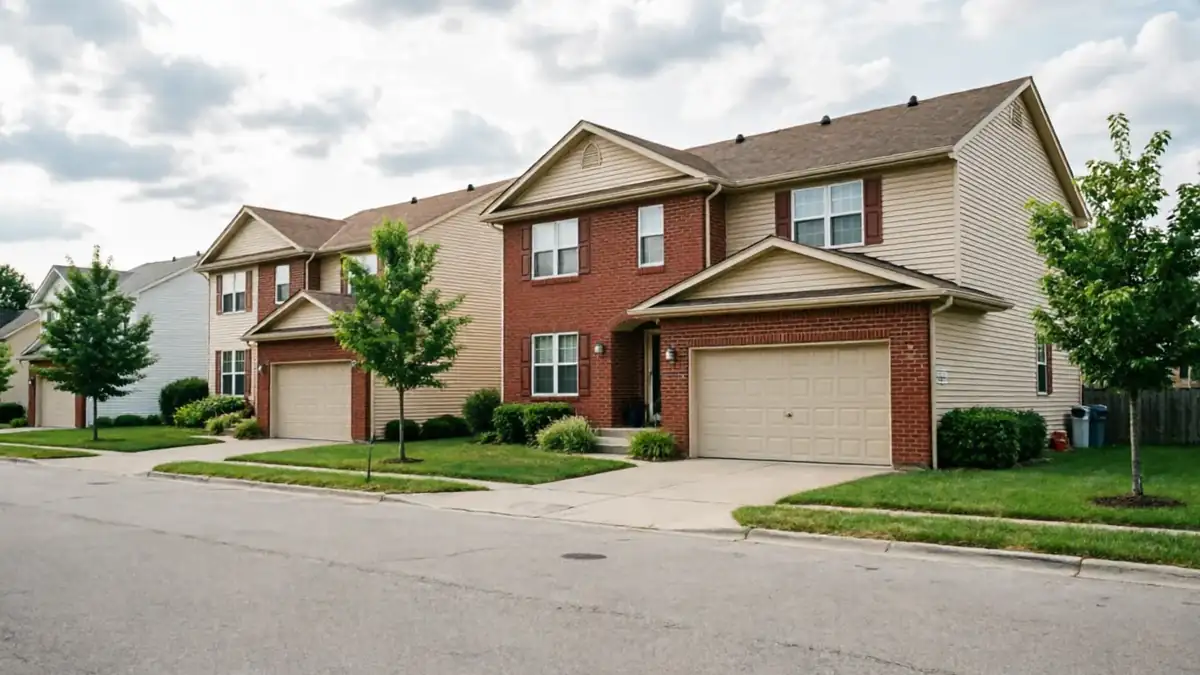
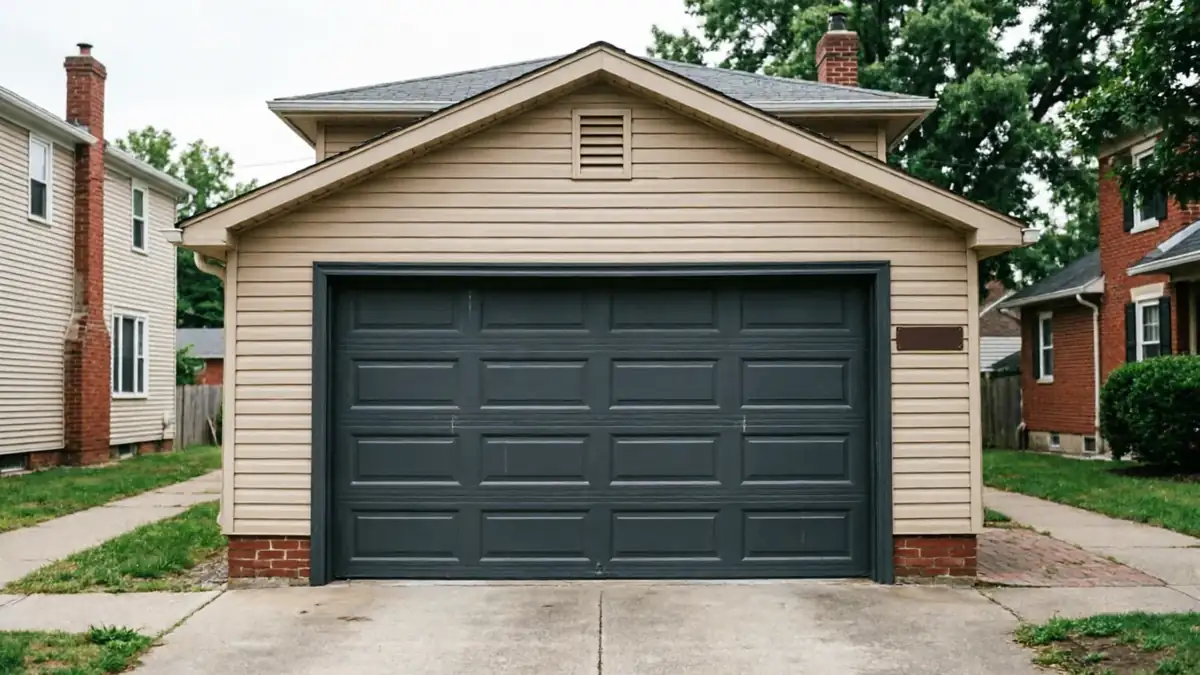
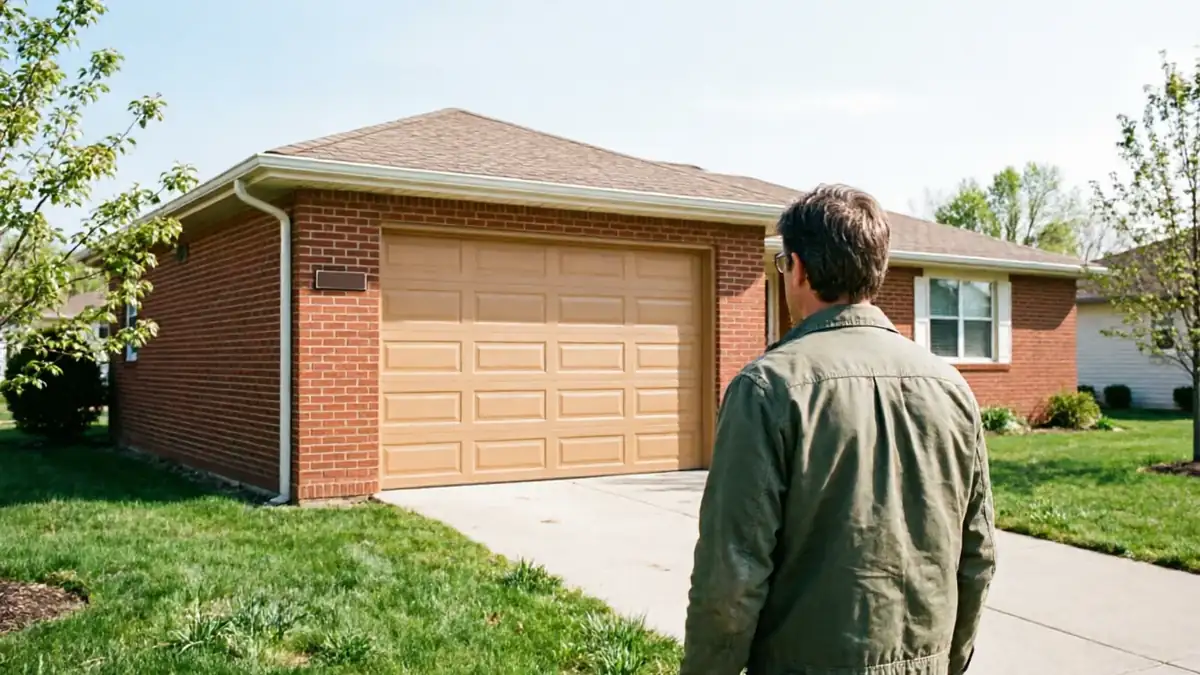
Victoria sits apart from a lot of the territory we cover because the median home here was built around 2005, a good two decades newer than the 1984 median across the wider service area. That gap matters more than it sounds. A door built in 2005 or later almost always came with a steel torsion spring system mounted overhead rather than the older side-mounted extension springs still common in the early-1980s stock elsewhere. It likely shipped with a chain or belt-drive opener with a photo-eye safety sensor, not the manual-reverse units from decades back. The failures we see in Victoria tend to be opener logic boards, worn nylon rollers, and photo-eye misalignment from a bumped sensor bracket - not the brittle hinges and rusted-through tracks that show up on a 1960s one-piece door. If your Victoria door is sticking or the opener is cycling oddly, it's more likely a sensor or circuit board issue than a structural one. We don't guess at this from the truck; we look at the actual hardware once we're there, because a door built in 2005 and a door built in 1985 fail in different places for different reasons.
What Was Built Here
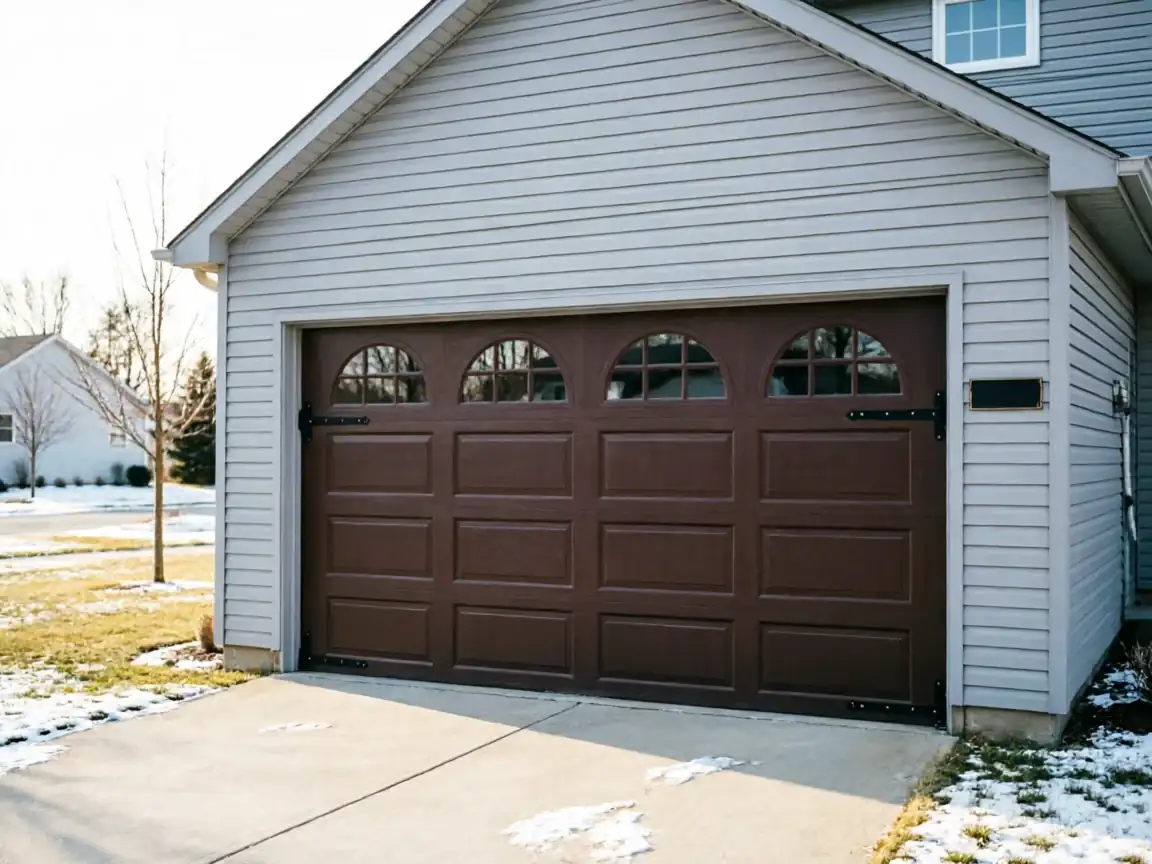
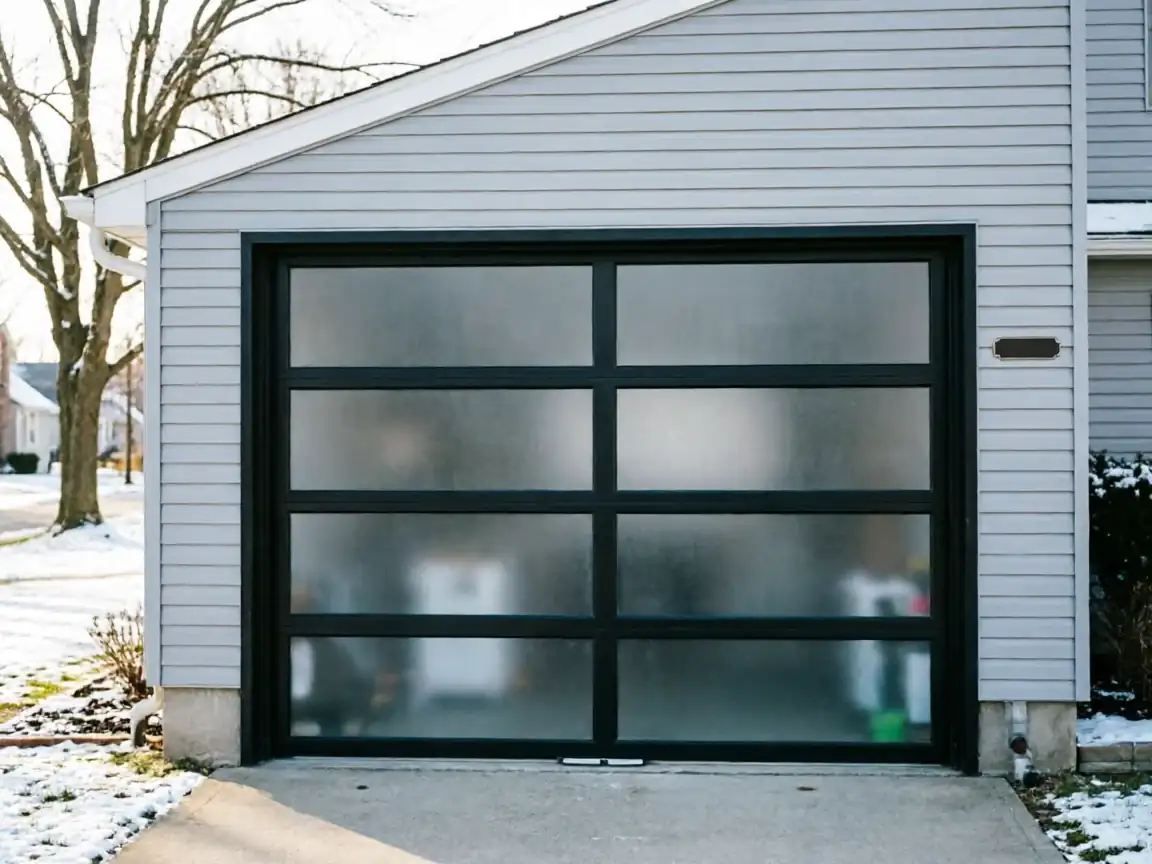
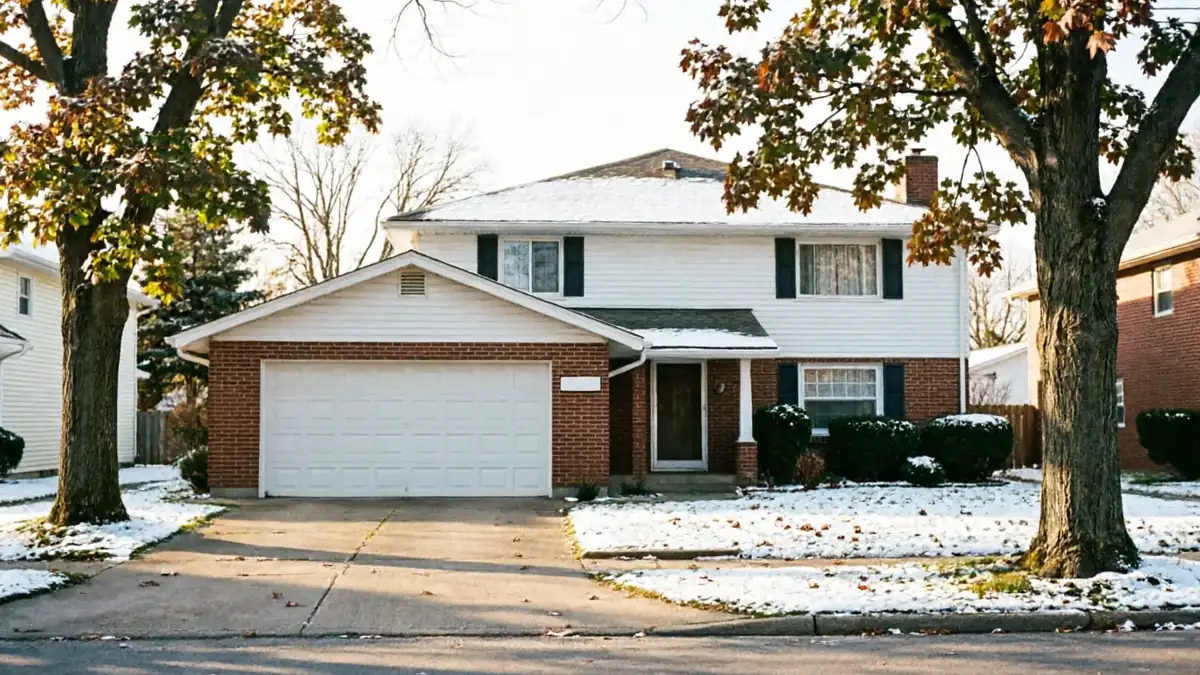
Victoria's housing stock is notably newer than the broader area we serve, where the median build year runs to 1984 across 37 named communities and roughly 93,593 households total. Victoria's own median sits around 2005, and the area counts about 3,914 households with a median income near $192,821 - well above the service-area median of $116,500. That combination tends to mean larger garage bays, heavier insulated steel doors, and two-car or three-car openers rated for more weight than the single-car units common on older stock nearby. Heavier doors need springs sized correctly for that weight; an undersized spring on a newer, heavier door will fail faster than people expect, even though the door itself is barely out of warranty.
The Split Between Old and New
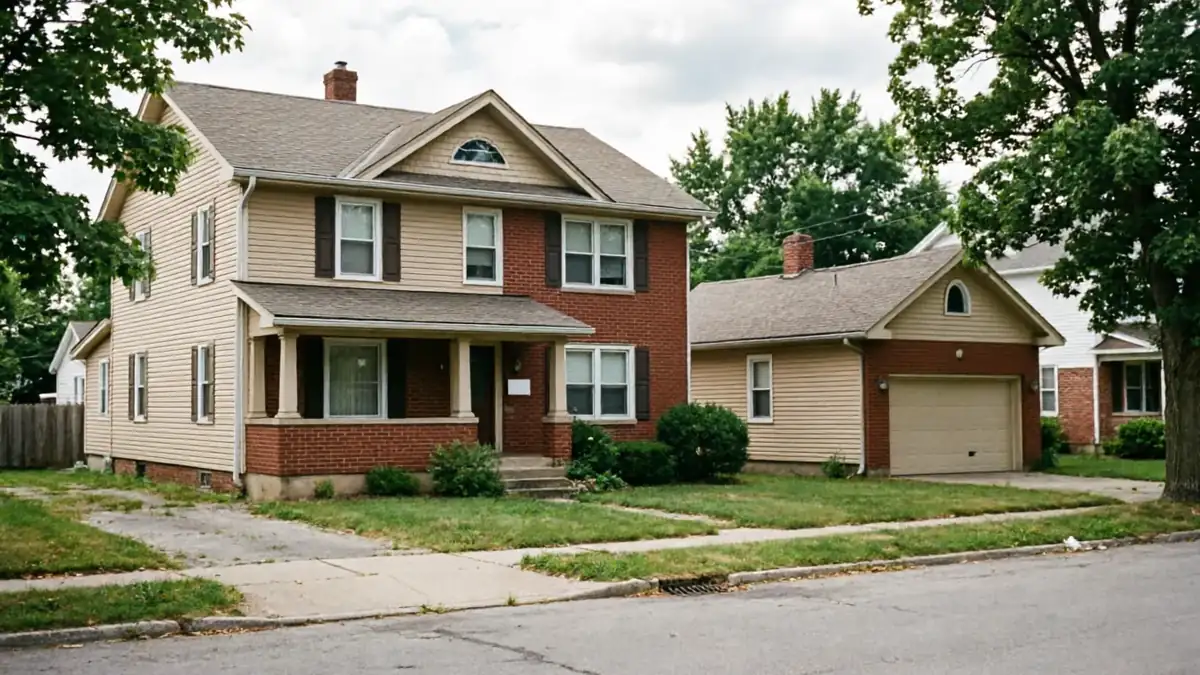
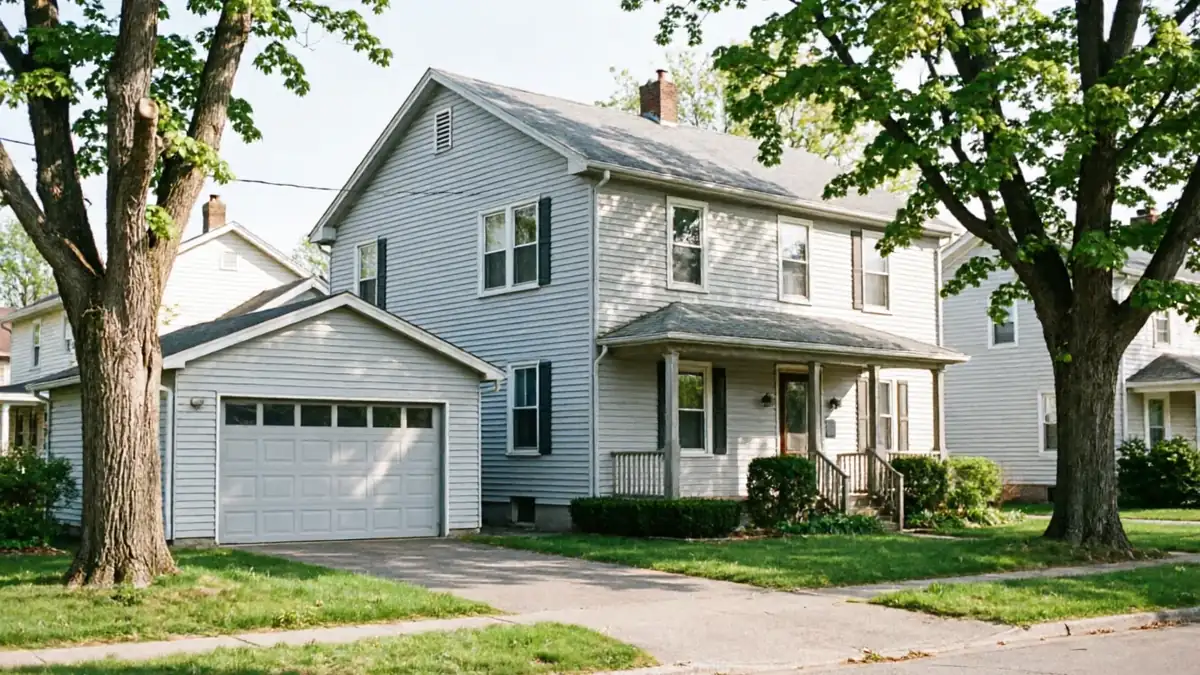
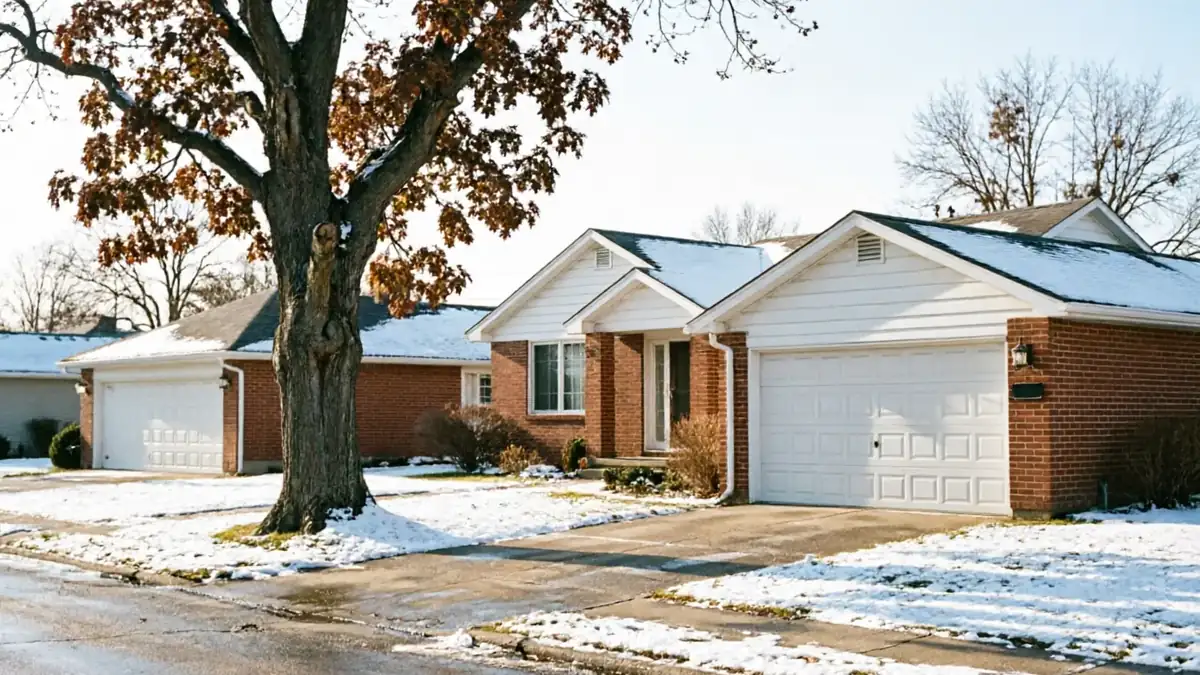
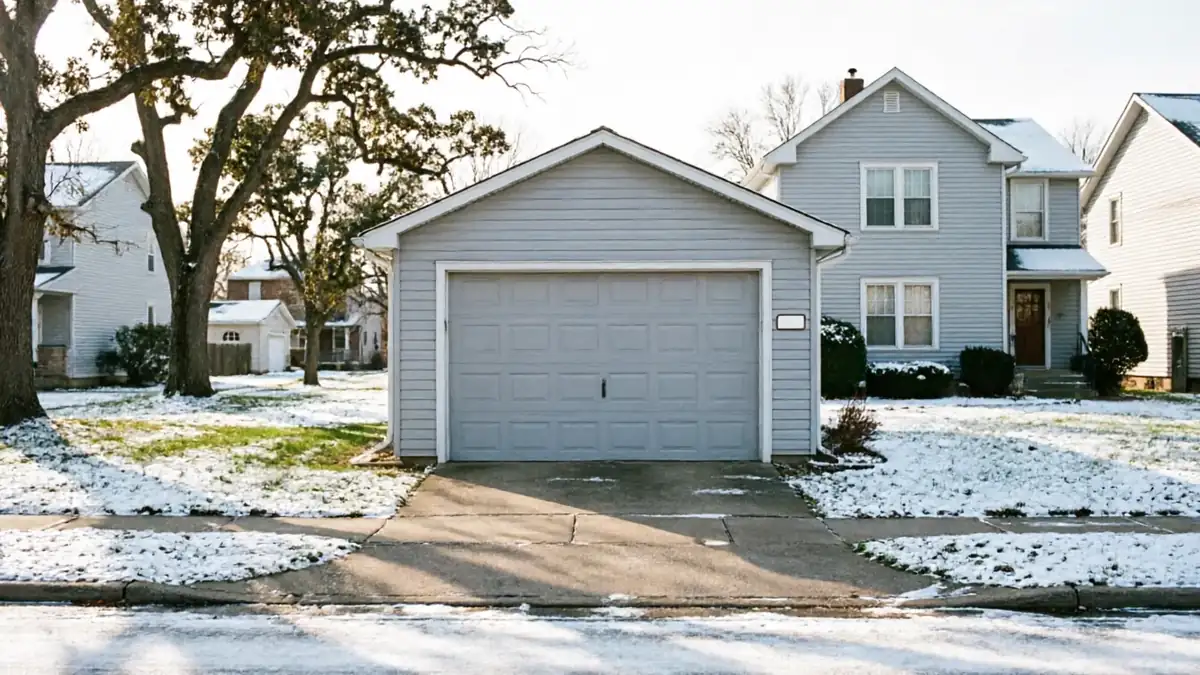
The region overall falls into a cold, moderate climate band, which means freeze-thaw cycling on hardware and seals is a factor everywhere we work, Victoria included. But the split between old and new housing stock is what actually drives the job list here. Where older parts of our coverage area are still running 1980s torsion springs that are a decade or two past a reasonable service life, Victoria's newer builds are mostly dealing with opener electronics, sensor alignment, and weatherstripping wear rather than spring fatigue. That's a different kind of call - less about replacing a worn-out mechanical system and more about troubleshooting a control board or a misaligned track on a door that's otherwise in good shape. One limitation worth saying plainly: if a logic board is proprietary to a specific opener brand and discontinued, we may be looking at a full opener swap rather than a board repair, and that's a cost conversation we'll have before doing any work.