Serving Hopkins, MN & nearby
(952) 246-5107
Hopkins, MN

What We Actually Do on a Hopkins Service Call

A look at what our techs actually check on a Hopkins service call, tied to the area's 1957-2005 housing stock and cold-climate wear on doors and openers.

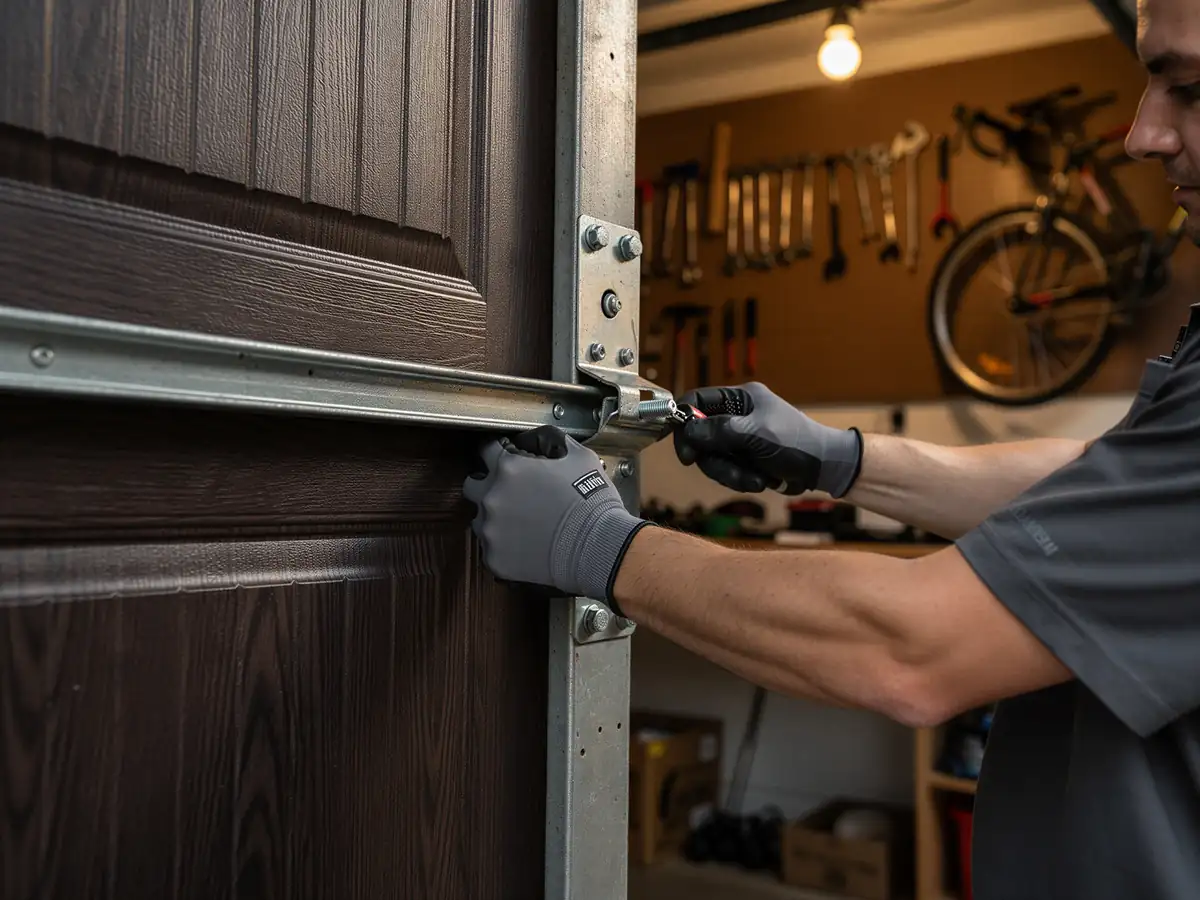
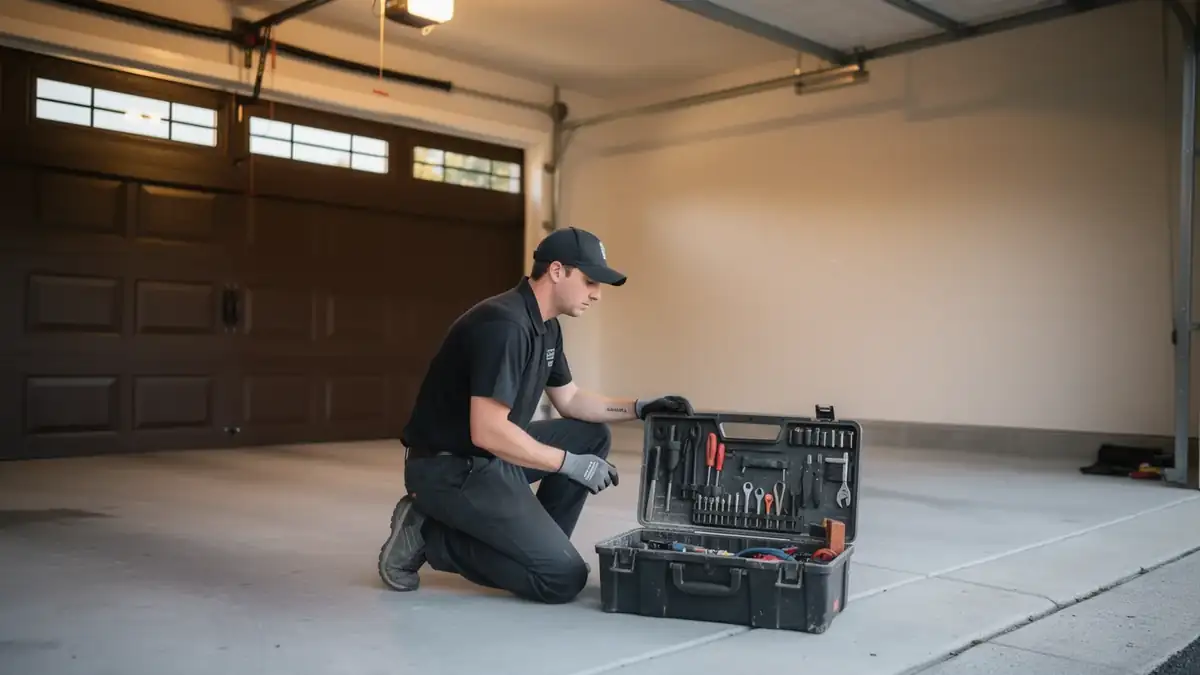
A technician kneels beside an open toolbox in a garage with a brown door.

How Local Conditions Play In

Hopkins sits in a cold moderate climate band, and that shapes what breaks and when. Most of the housing stock in this part of the service area went up between 1957 and 2005, with the median build year around 1984, and the bulk of it falls into that 1980s-90s wave common across the 37 named areas we work in. That means a lot of doors and openers out there are original or close to it, running steel torsion springs and chain-drive openers that were standard equipment for that era. Cold swings matter more to this hardware than people expect. Steel springs lose tension differently in winter than in July, lubricant on rollers and hinges thickens up, and the metal in tracks contracts just enough to throw alignment off on the coldest mornings. A door that worked fine in September can start binding or grinding by January without anything actually having failed yet - it's just the season catching up to parts that are thirty-plus years old. When we come out on a call, we're not guessing at what a house like this has. We know roughly what's behind the panel before we open the garage.

The Problem

The complaint we hear most from houses in this age range is a door that's gotten loud, or one that hesitates partway up. On a service call that's usually one of three things: a torsion spring that's lost tension, worn rollers that have gone from round to oval, or an opener drive gear that's stripped from age. None of those are dramatic failures - they're wear patterns that show up on schedule in homes built in the 1980s and 90s, especially once a spring or roller set has gone fifteen-plus winters without being touched. We check the spring tension first, because an unbalanced door puts strain on everything downstream of it - the opener motor, the track, the cables. Then we look at roller wear and track alignment, since cold-weather contraction in the rails will expose a track that's slightly out of square long before summer would. We don't replace parts that don't need it. If a spring still has life in it, we say so, even if it means a shorter invoice.

Checking It Yourself

Before you call, there's a few things worth looking at yourself, especially if your house falls in that 1957-2005 build range common here. Pull the manual release and lift the door by hand - it should move with one hand and stay put at waist height. If it drops or feels heavy, that's a spring losing tension, not an opener problem. Listen for grinding on the way up; that's usually rollers, and on a house this age they're often the original steel rollers, which wear out faster than nylon ones. Check the tracks for frost or ice buildup on the coldest days - cold moderate winters here mean condensation inside an unheated garage freezes on the rail and throws the door off balance until it thaws. What you shouldn't do is touch the spring itself. Torsion springs under tension are the one part of this job we don't recommend as a DIY fix, in any climate, on any door - that's where calls turn into trips to the ER instead of savings.

Season by Season

In a cold moderate climate, the swing from summer to winter does more to a garage door than most owners realize. Spring is when steel contracts least and problems that were hiding in winter - a spring that was already weak, a roller that was already oval - tend to get caught on a routine call. Summer is low-stress for hardware; it's the easiest season to get a non-urgent repair scheduled instead of an emergency one. Fall is when we see the most calls booked ahead of the cold, because owners in houses from this era know what last January felt like. Winter is when steel torsion springs lose tension fastest and lubricant thickens, and it's also when a chain-drive opener from the 80s or 90s is most likely to finally strip a worn gear rather than limp through another season. None of this is specific to one house - it's specific to a climate band and a housing stock, and Hopkins has both in a combination that keeps this kind of call steady through the colder months rather than bunched up in one emergency week.
How it works

From “it’s stuck” to “it’s fixed”

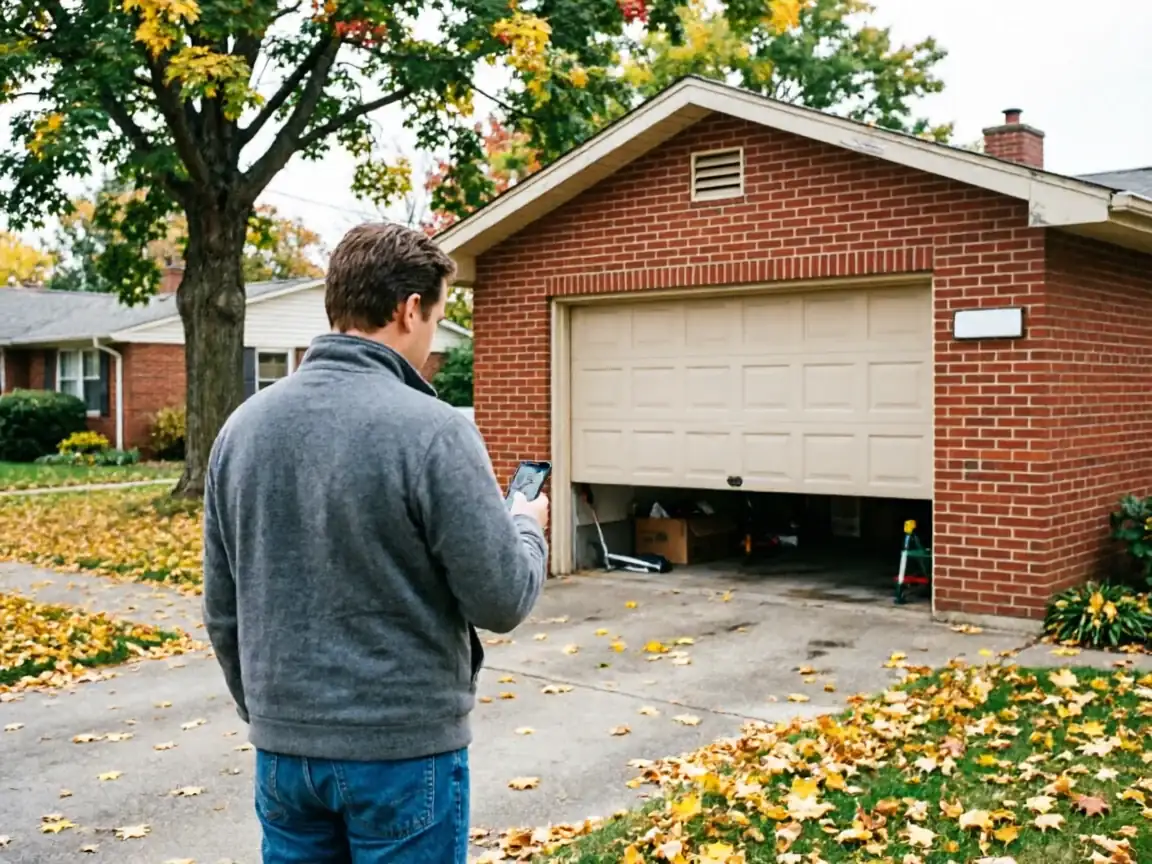
A man stands in a driveway looking at his phone, with a partially open garage door behind him.

Tell us what’s wrong

Describe the symptom - won’t open, loud bang, opener runs but the door won’t move.

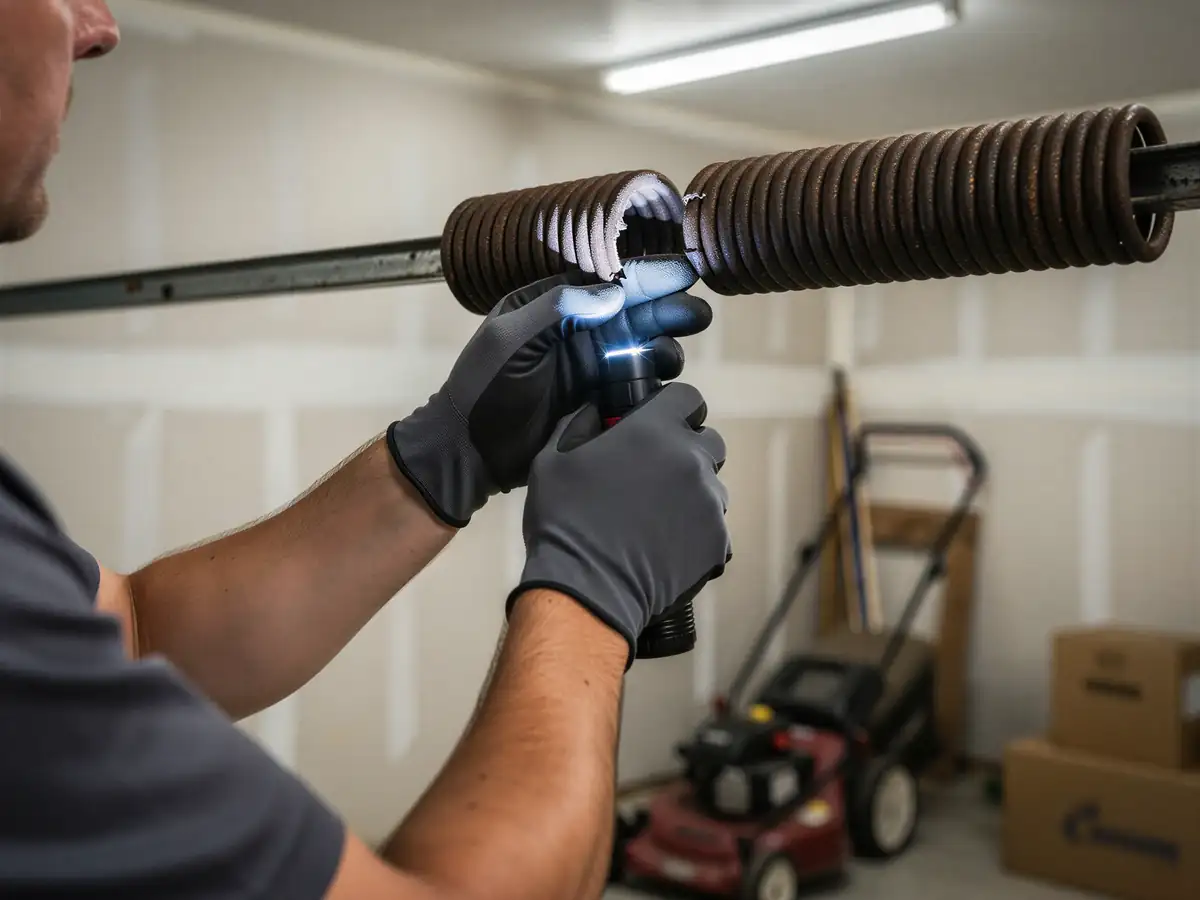
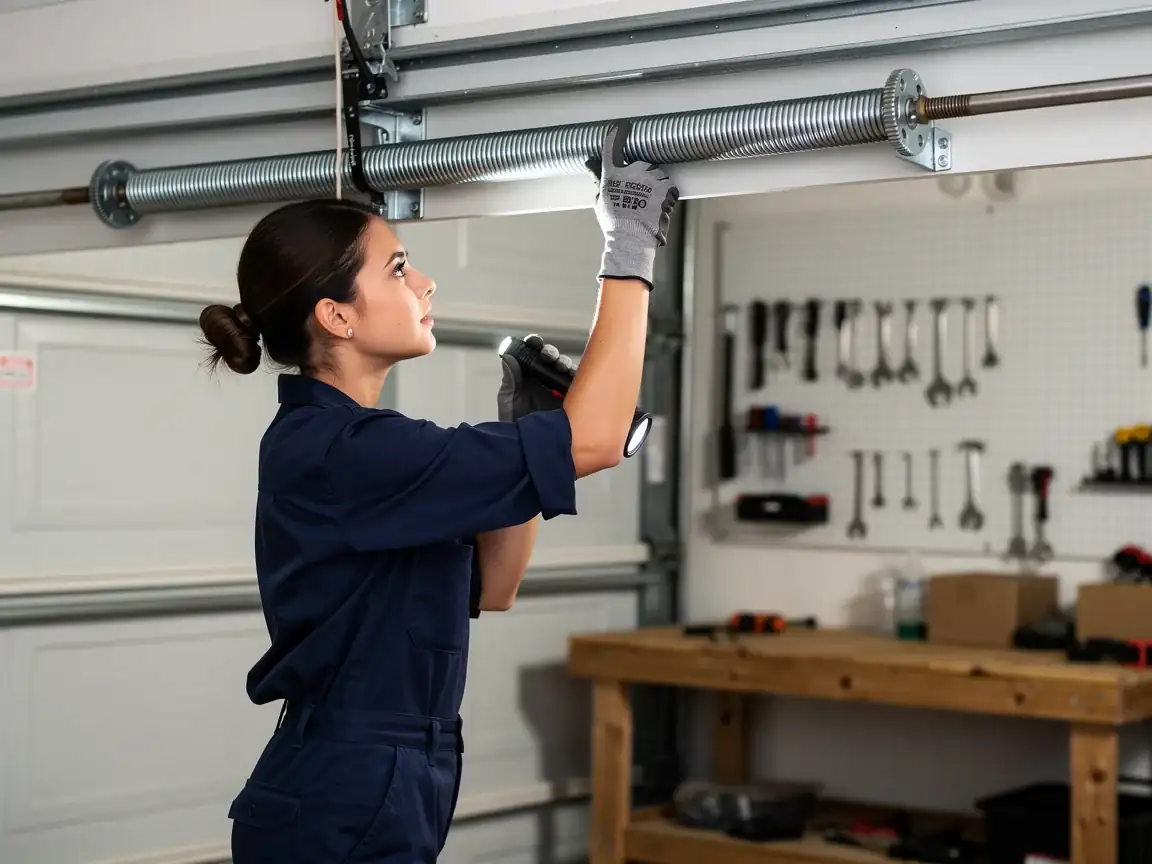
A technician in a blue jumpsuit inspects a garage door torsion spring with a flashlight.

On-site diagnosis

A technician tests the door under power and by hand and finds what actually failed.

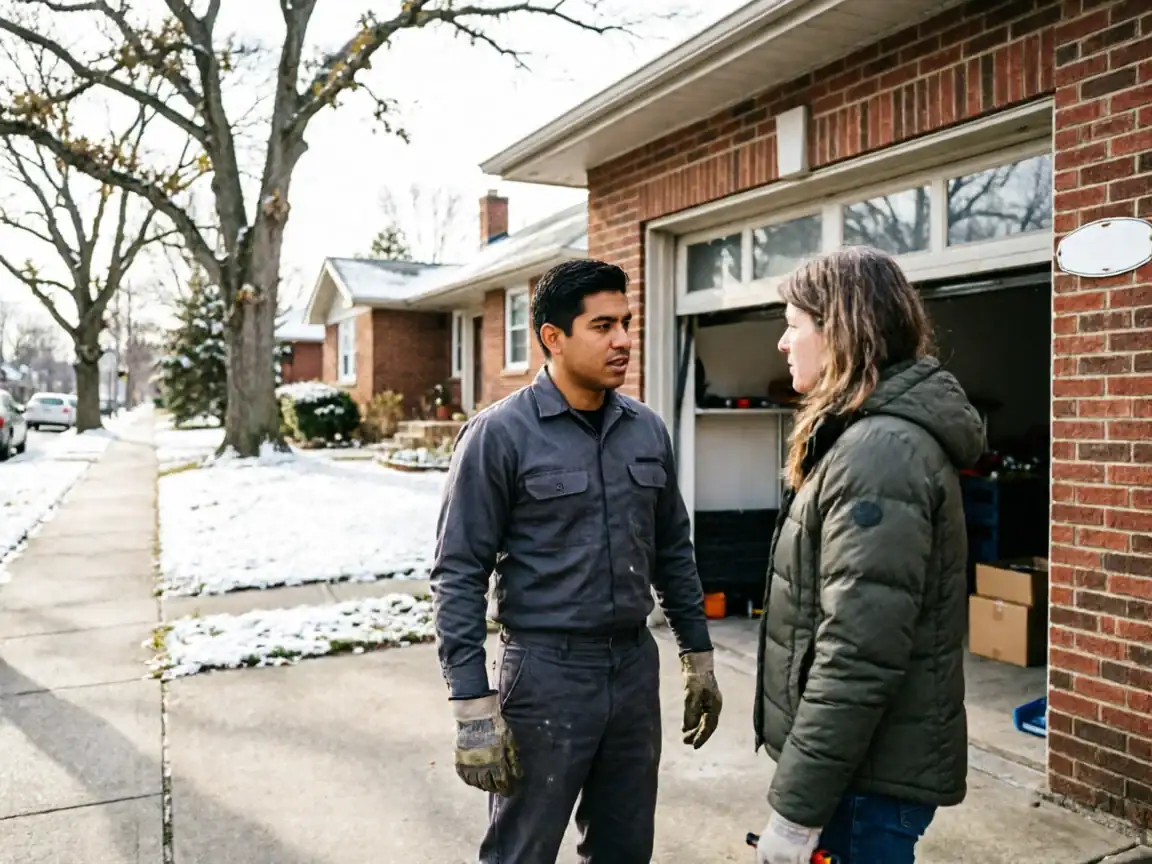
A technician talks to a woman in front of a house with an open garage door.

Clear, up-front plan

You get the fix that’s needed and what drives the cost - before any work starts.

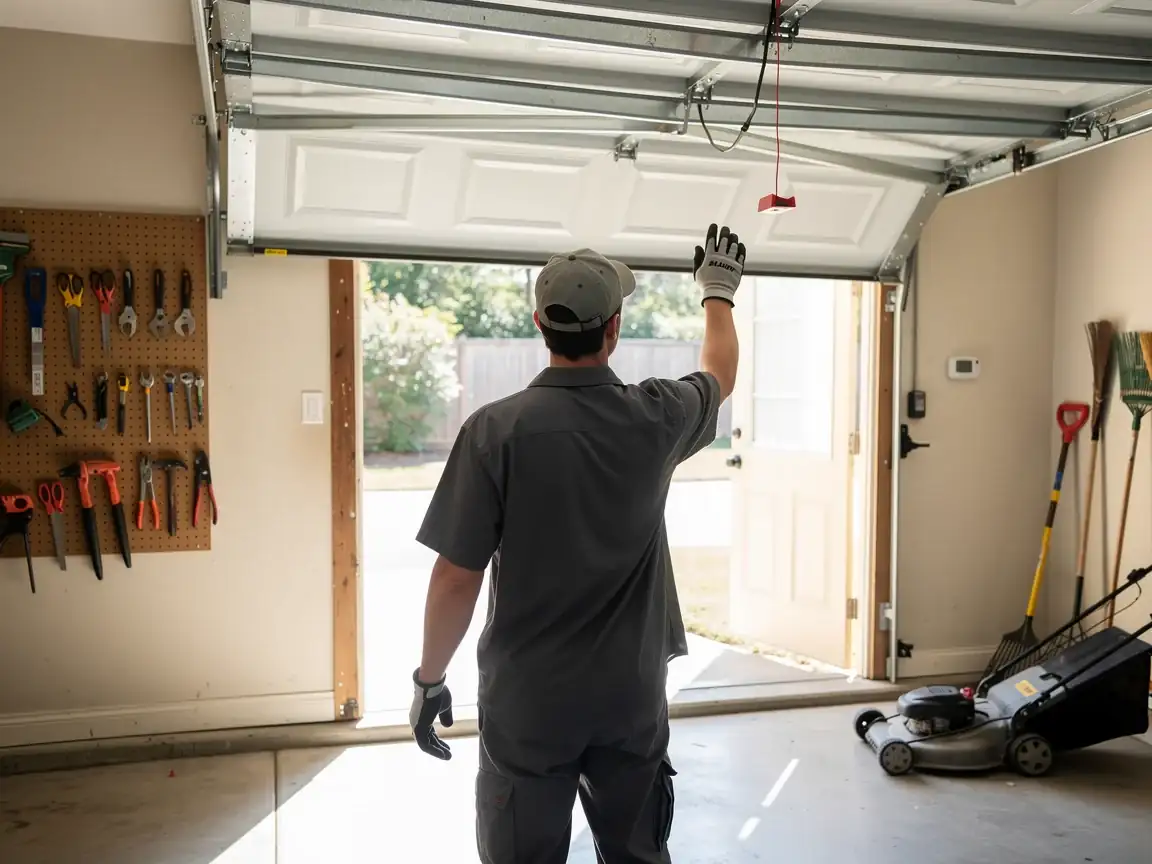
A technician in a gray uniform and gloves is looking at an open garage door.

Repaired & tested

The repair is done, the door is set true and tested, and the work area left clean.

Not sure which repair your door needs in Hopkins, MN? Describe what it’s doing - every job starts with a diagnosis.

How we work

What to expect

Diagnosis first

Every visit starts by finding what actually failed - not a pre-written parts list.

The right part for the door

Springs and openers matched to the door’s weight and age, so the fix holds up.

Straight answers

When a repair makes more sense than a replacement - or the reverse - you hear it plainly.

Clean, careful work

Tension released safely, hardware set true, the door tested under power before we leave.

What we do

Garage Door Services

Repair and installation work for Hopkins homes and businesses.

Questions

Frequently asked

Straight answers about garage door repair in Hopkins. Still unsure? Ask us directly.

Why does my garage door get louder in winter?

Cold contracts the steel in your tracks and thickens lubricant on rollers and hinges, which is a bigger factor in a cold moderate climate like this one. If your house is from the 1980s-90s wave common here, original steel rollers have likely worn from round to oval by now, and that's usually the noise.

Is a service call different from a repair?

A service call is where we check spring tension, roller and track condition, and opener function before deciding what's actually wrong. Sometimes it ends with a repair, sometimes it doesn't - if the door's balanced and the hardware's sound, we say so rather than replace parts that don't need it.

Should I try to adjust the spring myself?

No. Torsion springs hold enough tension to cause serious injury, and that's true on any door in any climate. Everything else - rollers, tracks, hinges - you can safely inspect yourself; the spring is the one part we tell every owner to leave to a tech.

How old is a typical door you work on in this area?

Most of the housing stock in this part of the service area was built between 1957 and 2005, with the median around 1984, so a lot of the doors and openers we see are original equipment from that era, now thirty to forty years old.

Ready to get your garage door sorted?

Tell us what it’s doing and where you are in Hopkins - we’ll take it from there.

8Services offered
6Areas covered
Diagnosisfirst, then the fix
Request a QuoteCall