How That Shows Up in the Door
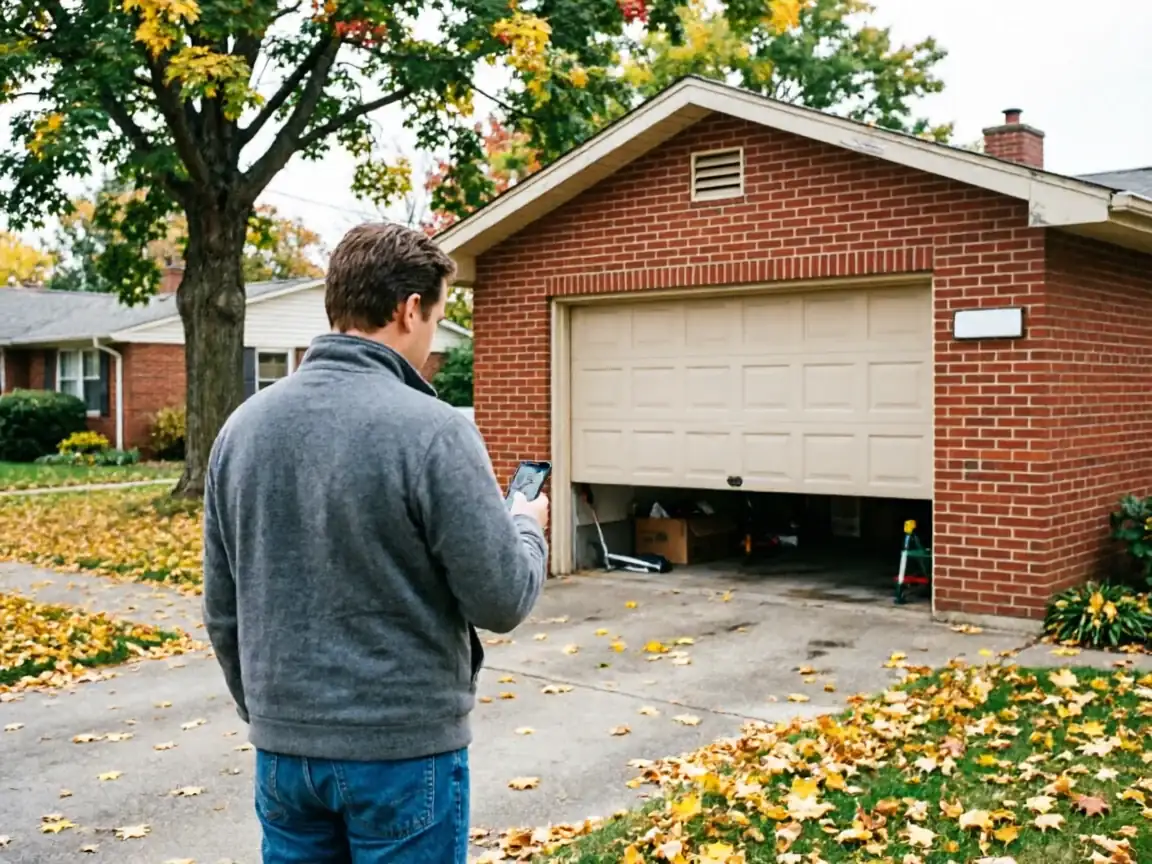
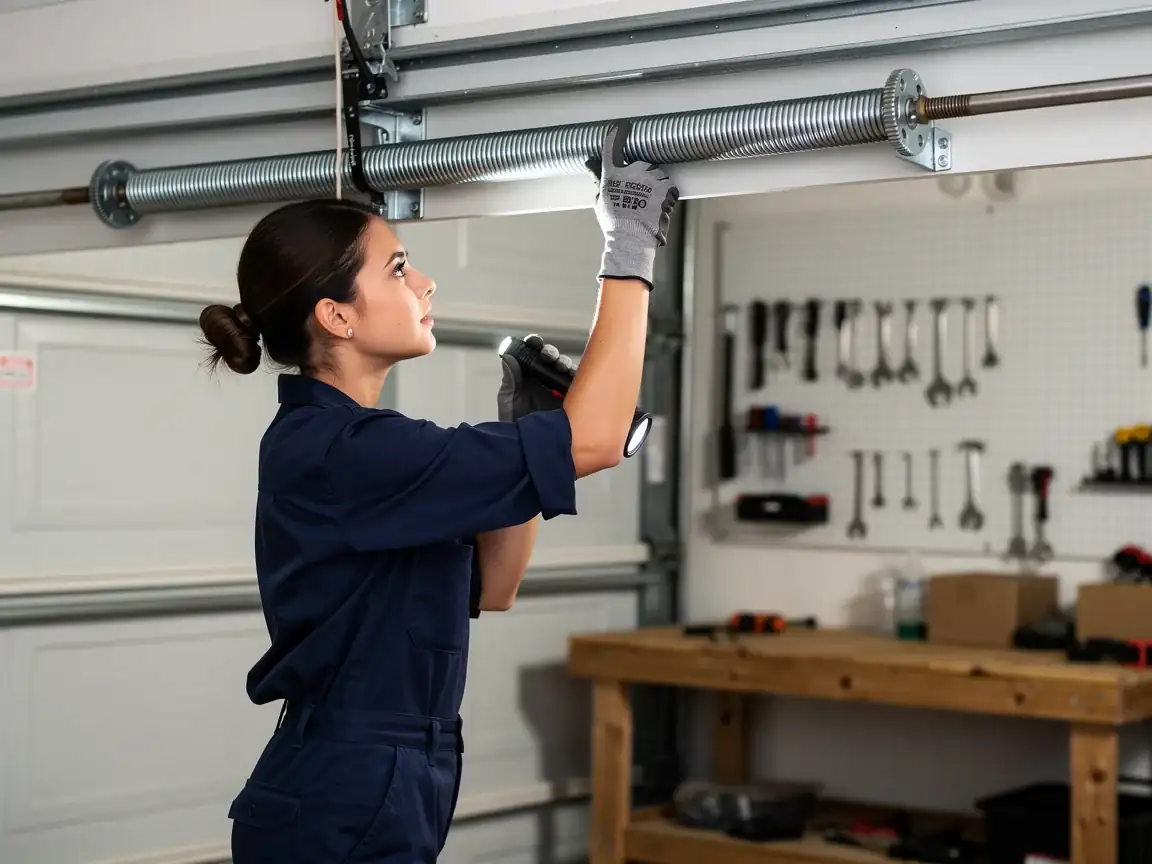
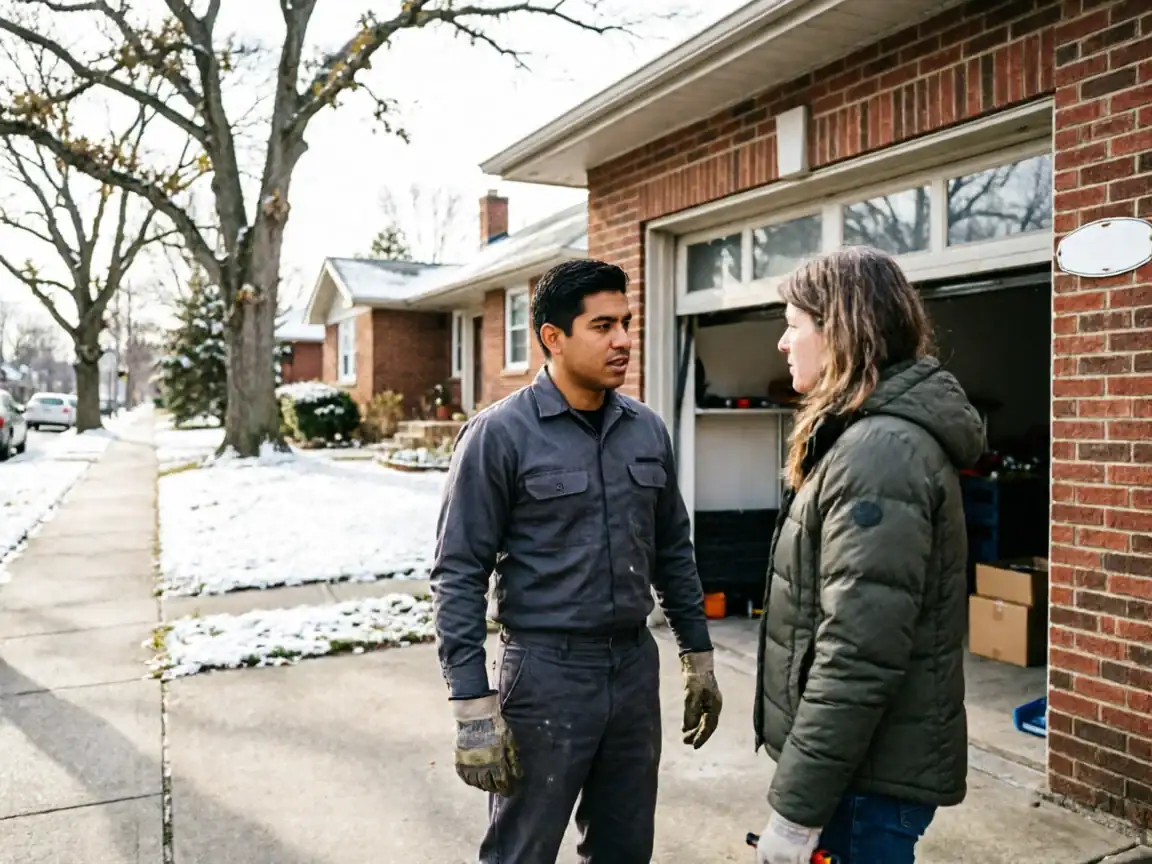
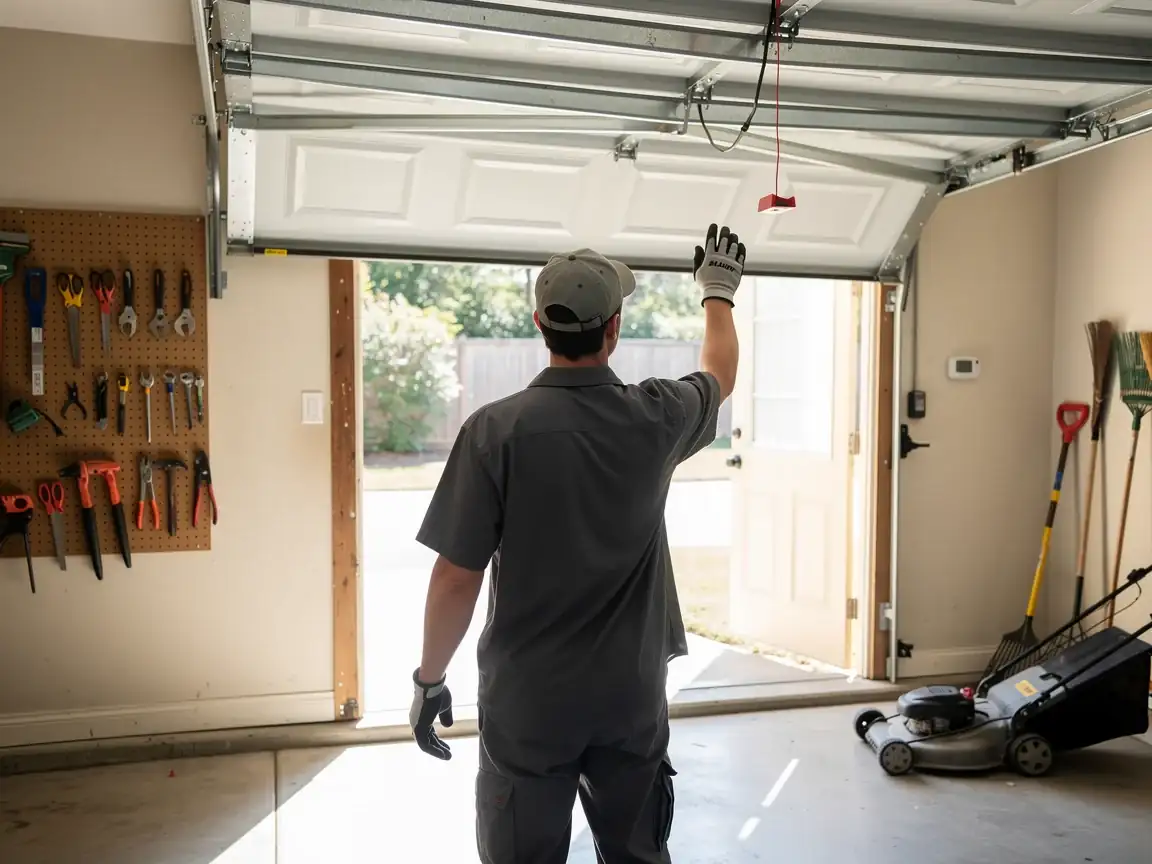
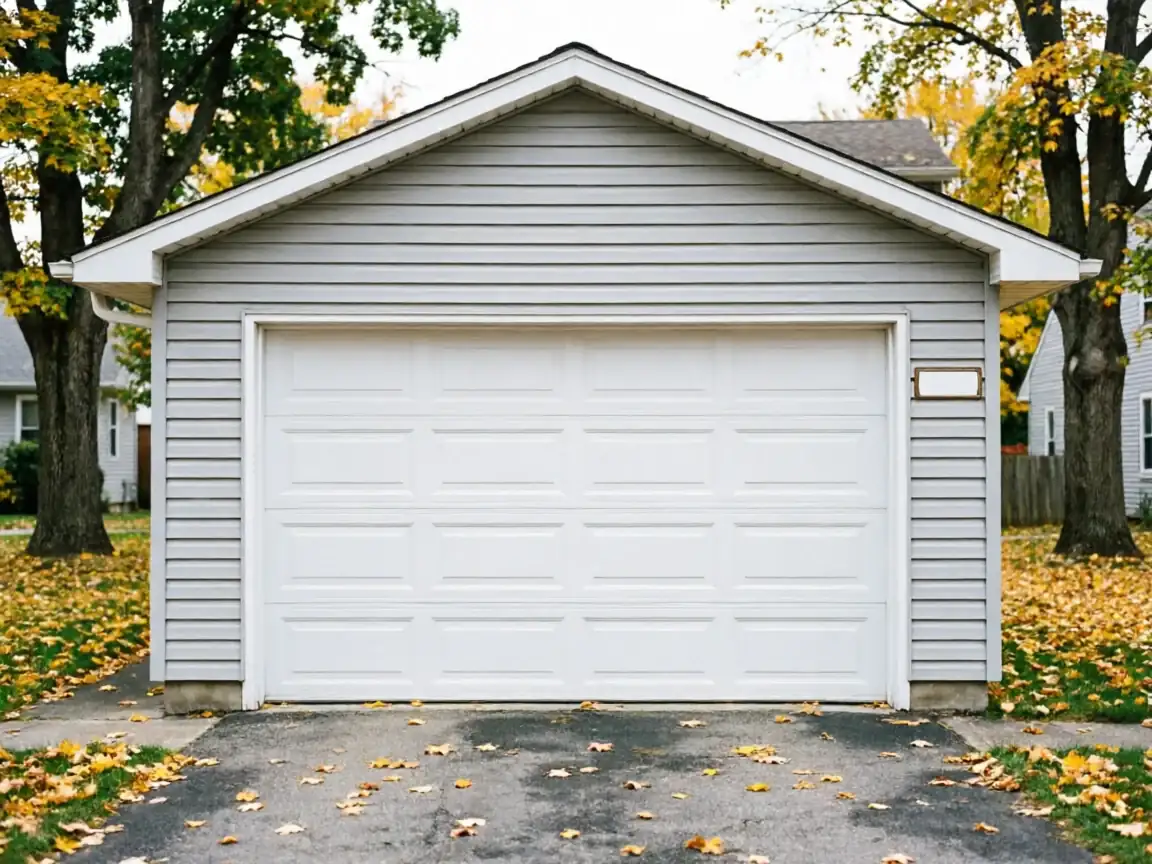
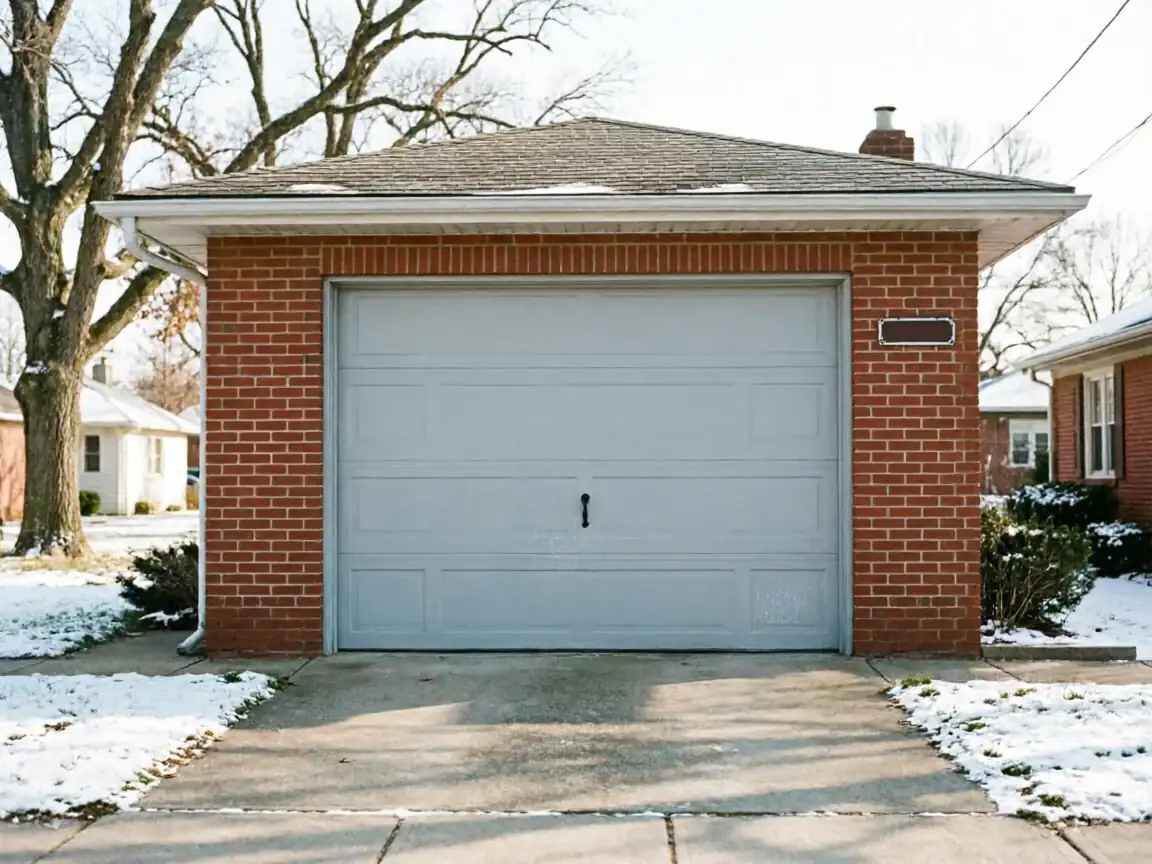
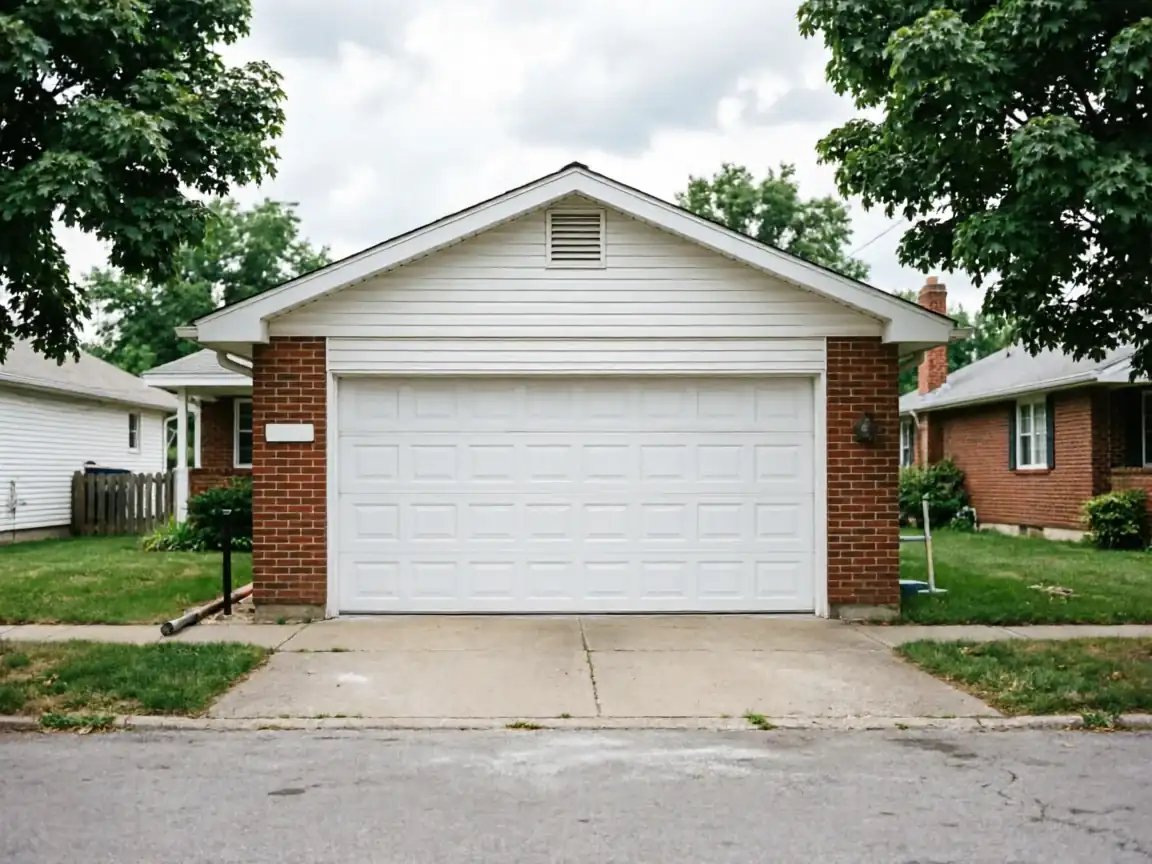
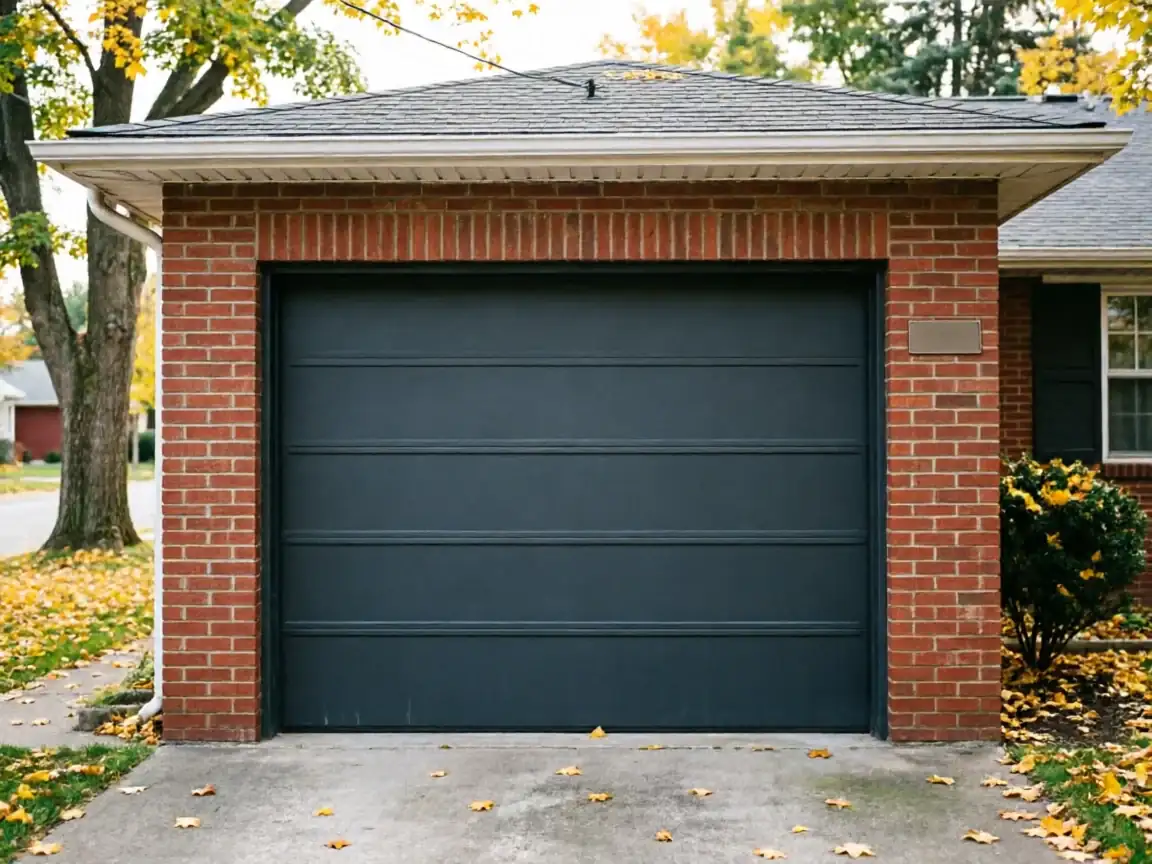
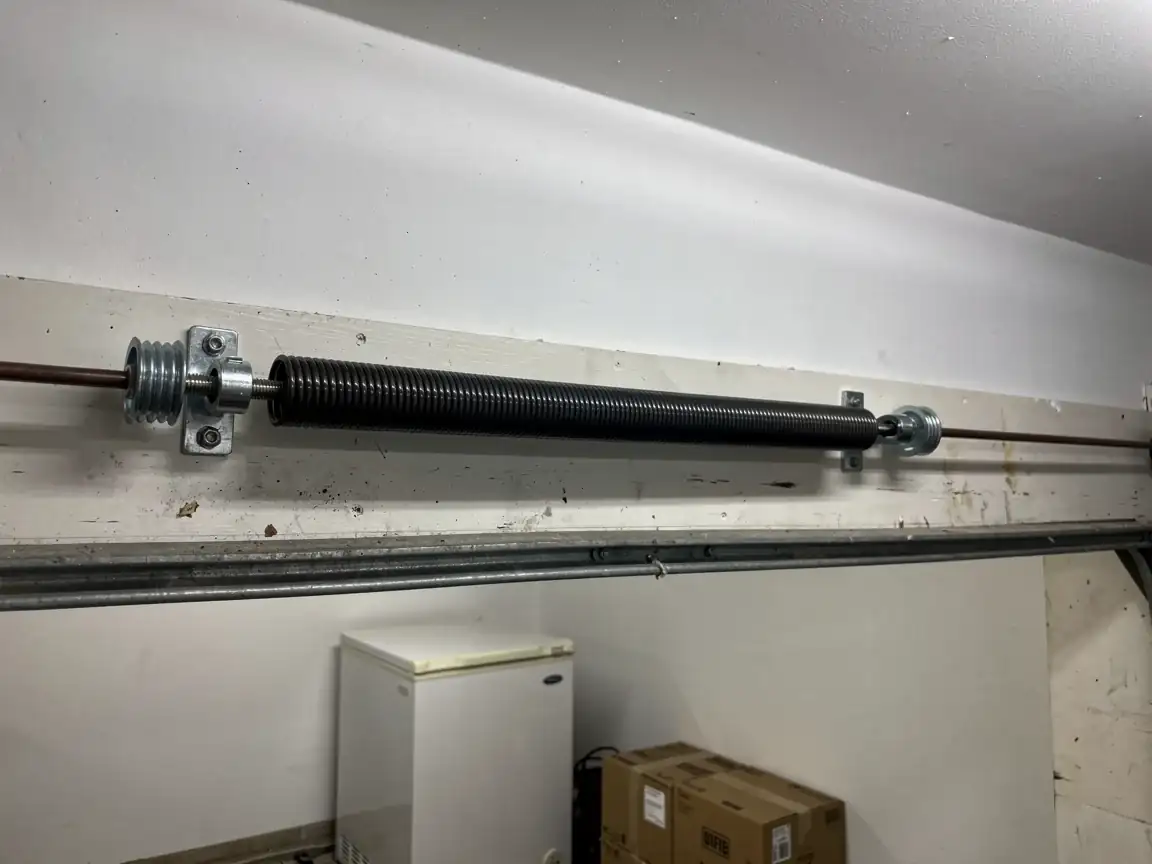
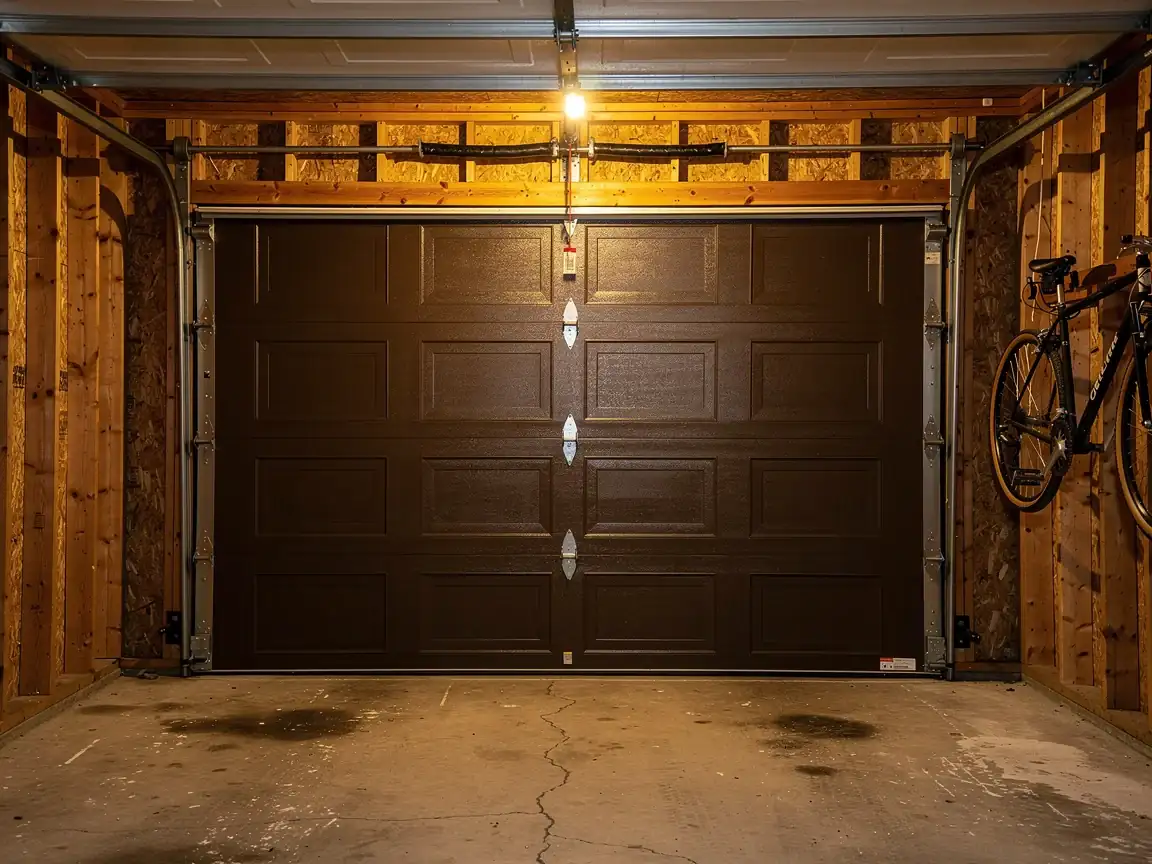
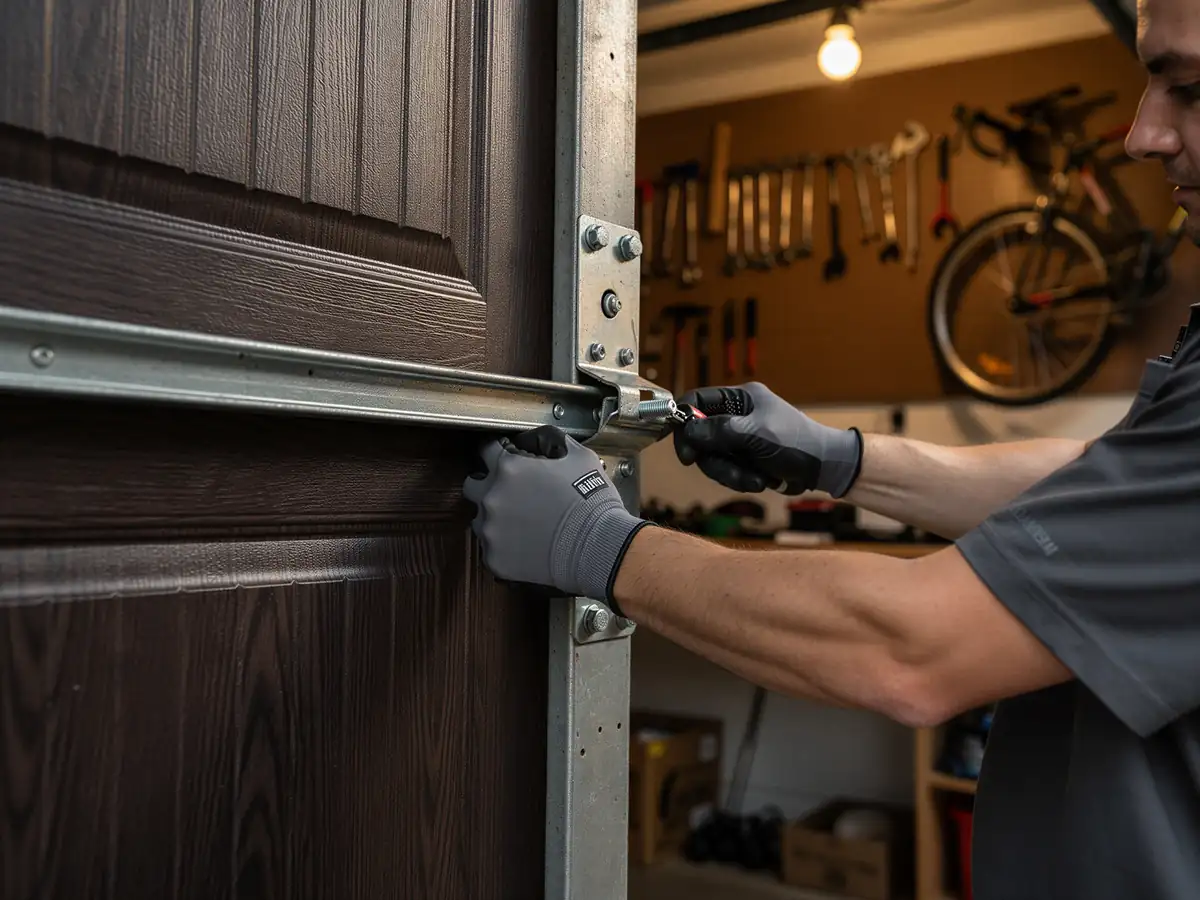
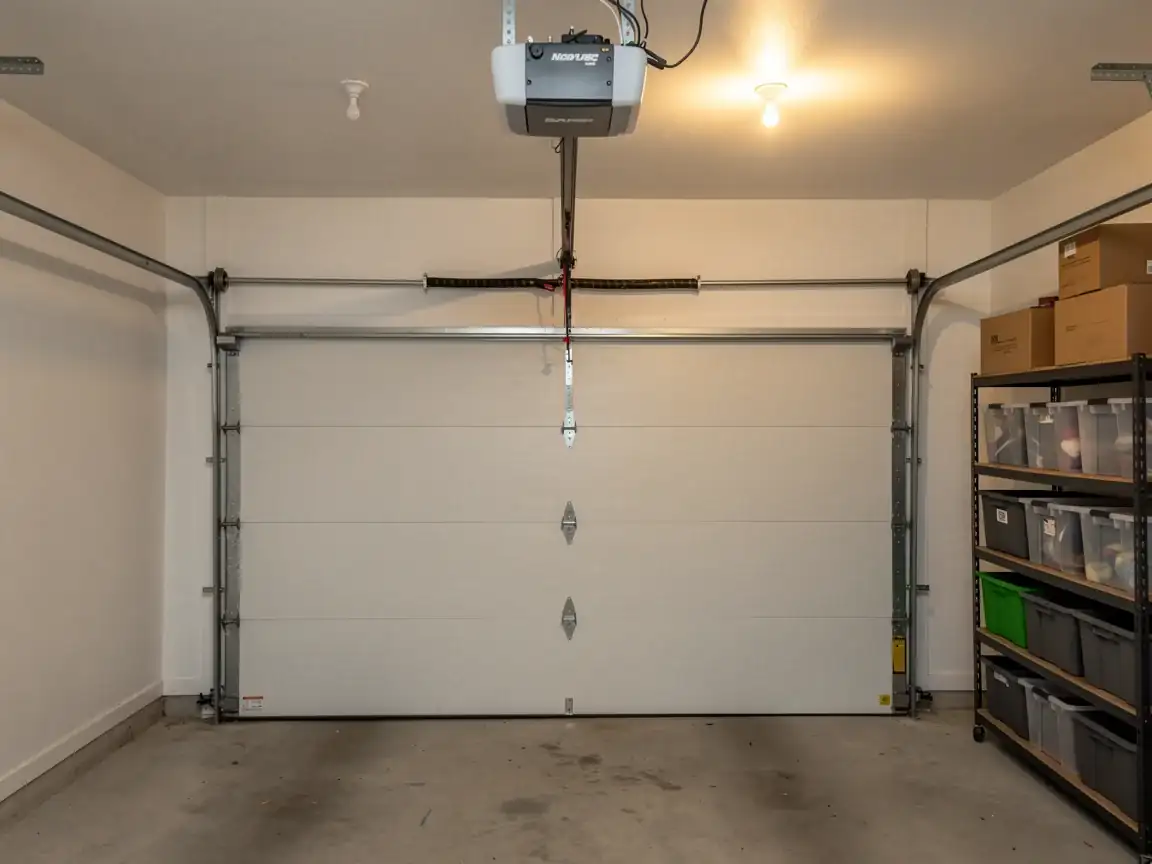
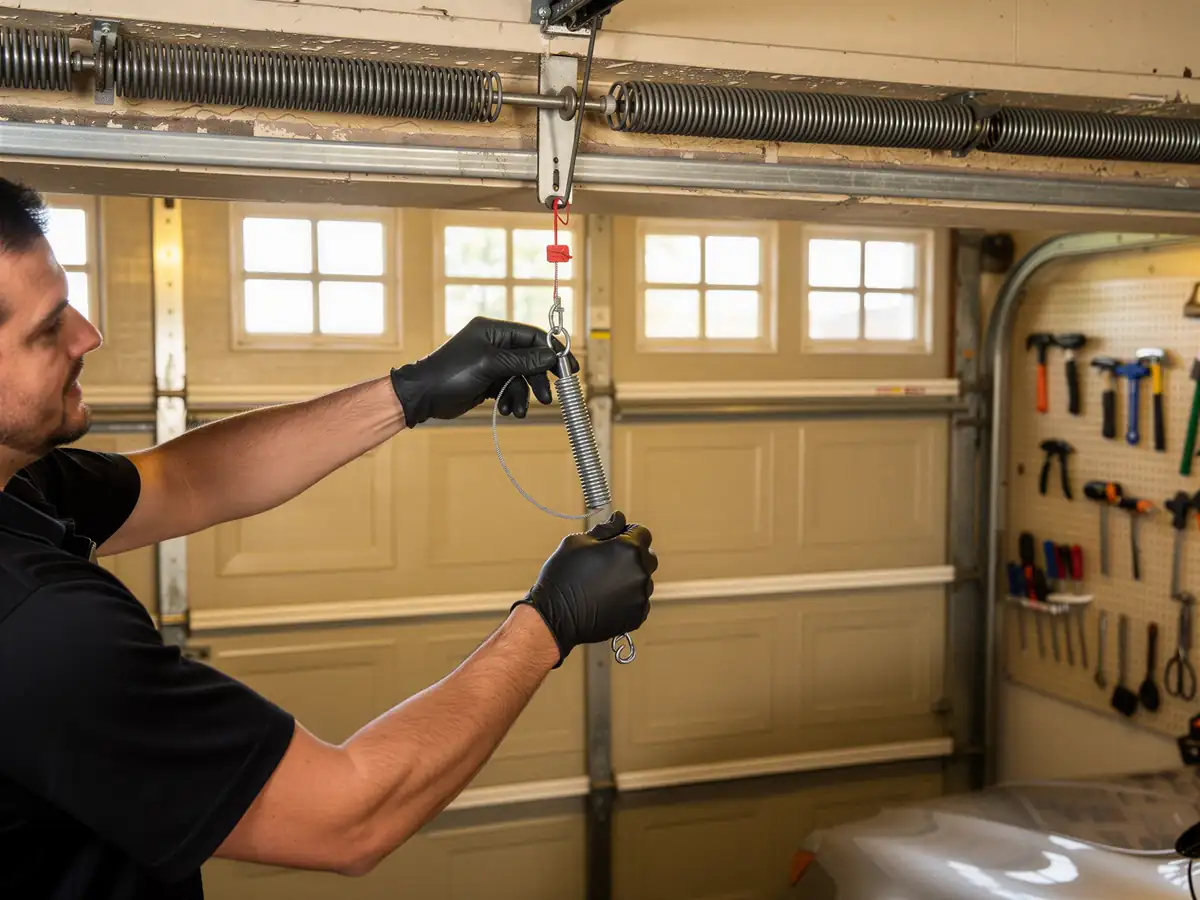
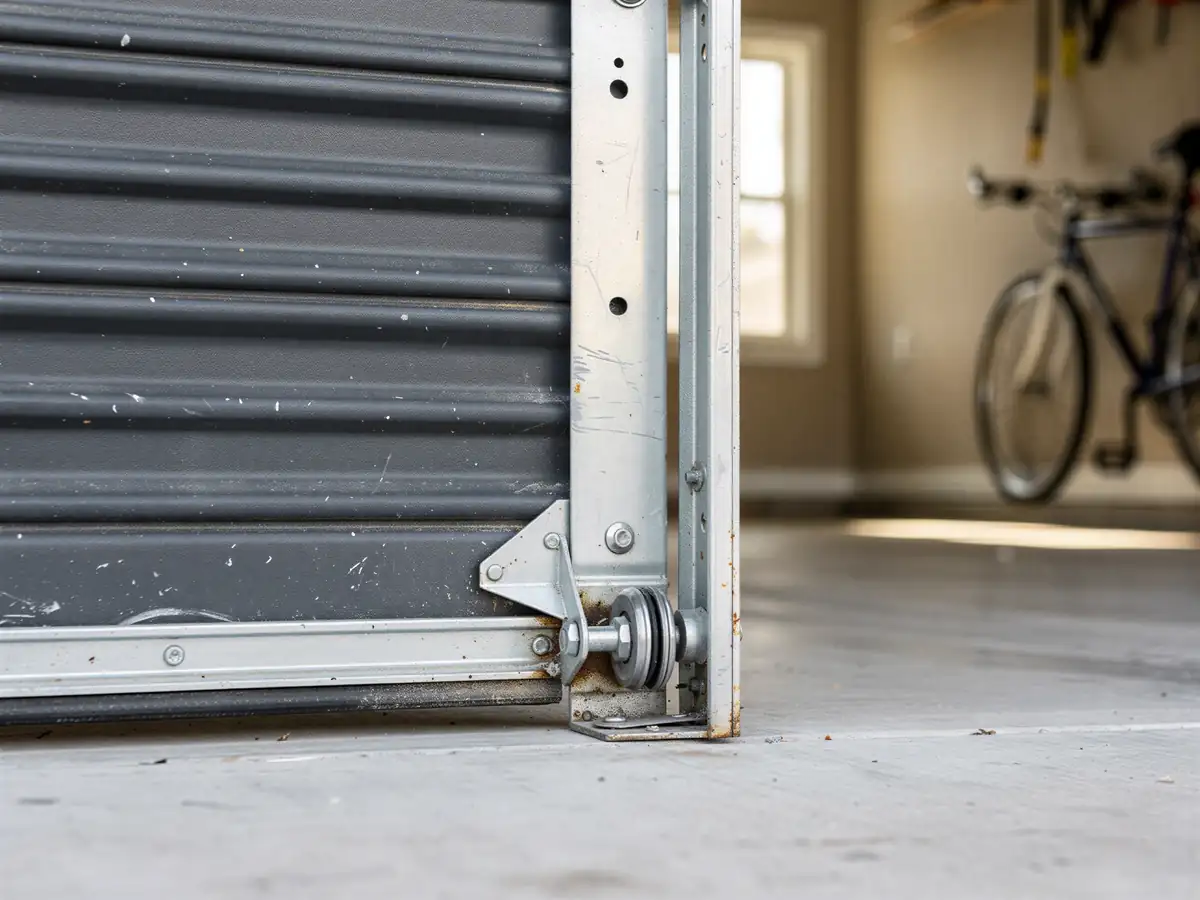
Rogers is one of the newer areas we cover, with a median build year around 2003 - a good two decades past the 1984 median for the wider service area. That gap matters more than it sounds like it should. Homes from this era came with insulated steel doors as standard rather than the single-skin panels common in older housing, and the torsion springs are almost always mounted the way manufacturers do it now, not the older side-mount setups you find in 1970s and 80s garages. What actually fails in a Rogers garage tends to be different: worn rollers on doors that have simply logged 20 years of cycles, opener circuit boards and photo-eye sensors reaching the end of their service life, or weatherstripping that's shrunk and cracked from Minnesota winters. You see far fewer of the brittle, decades-old torsion springs that cause trouble in older stock. The fix is usually a part swap, not a full hardware rebuild, which keeps most Rogers calls on the shorter side once we're on-site.
What Was Built Here
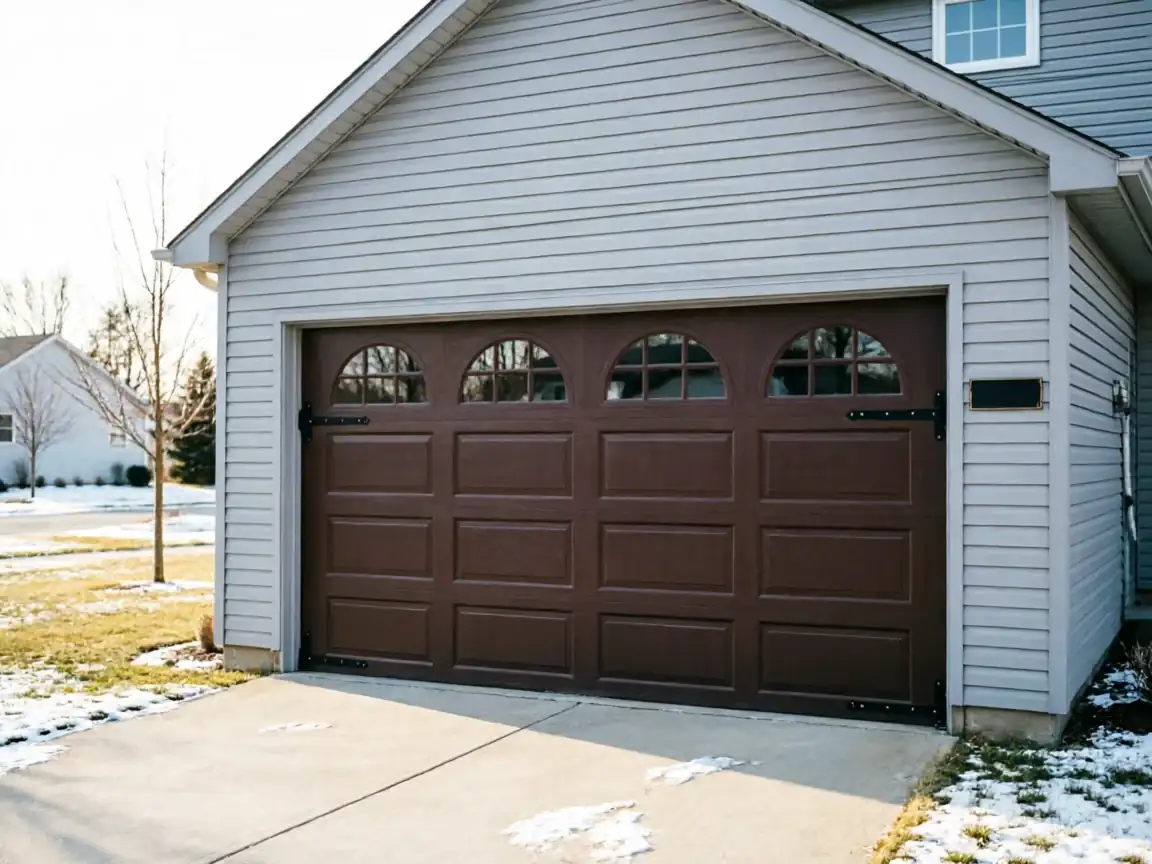
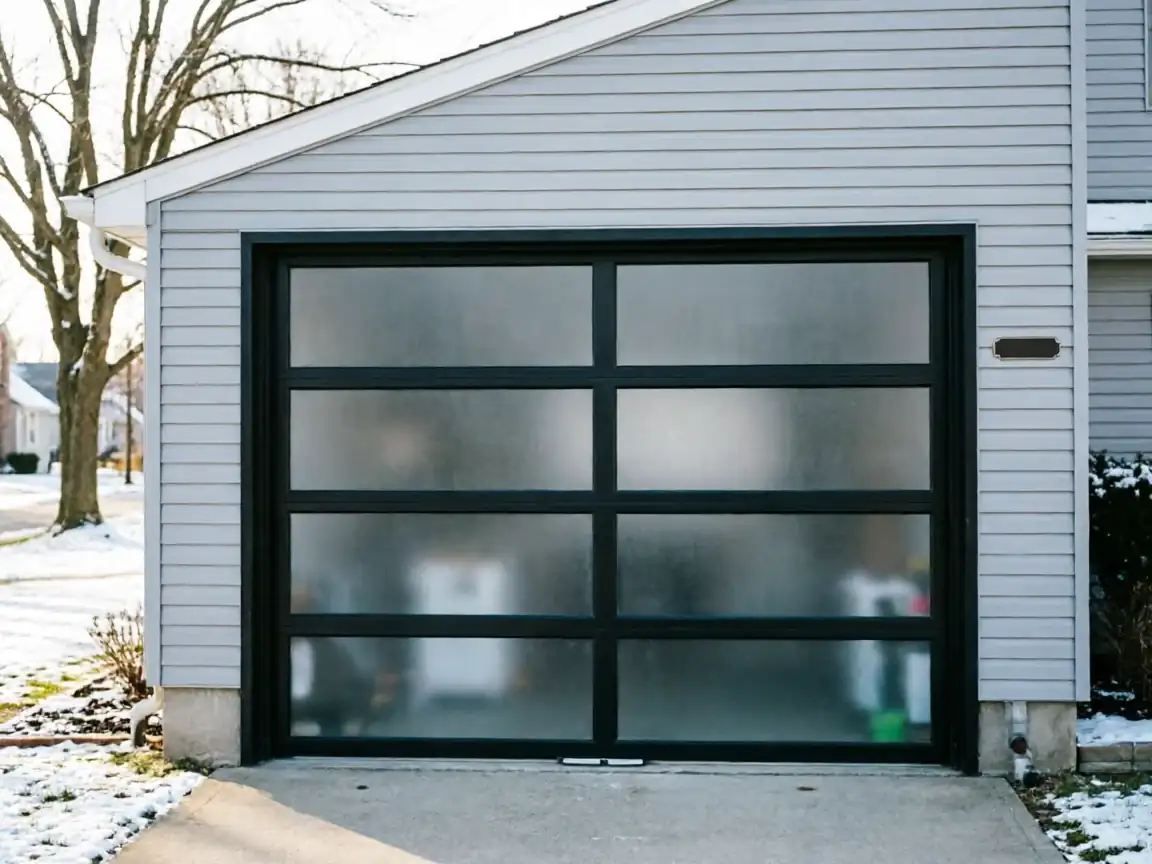
Rogers has grown fast, and it shows in the numbers - a median build year around 2003 puts most of the housing stock here well inside the newer end of what we service. There are roughly 4,586 households in the area, with median household income around $159,638, noticeably higher than the roughly $116,500 median across our broader coverage area of 93,593 households. That income and build-year combination tends to track with higher-end door and opener installs: insulated panel doors, belt-drive openers, battery backup units, that sort of thing. The area sits in a cold-moderate climate band, which means winter cold is a real factor for seals, lubrication, and opener sensors even on newer, better-built doors - age doesn't make a door immune to a Minnesota January.
The Split Between Old and New
Rogers isn't uniformly new construction. While the median build year lands around 2003, that's a median, not a floor - there are older farmhouses and outbuildings scattered through the area that predate the subdivisions by decades, alongside newer builds still going up on the edges of town. That split means we can show up to two jobs a mile apart and find completely different problems: a 1970s hand-built door with a seized torsion spring on one block, and a 2015 opener with a failing logic board on the next. We don't assume anything about a Rogers garage until we've looked at it, because the area doesn't fit one hardware profile the way some of the older, more uniform parts of our coverage area do.