The Symptom
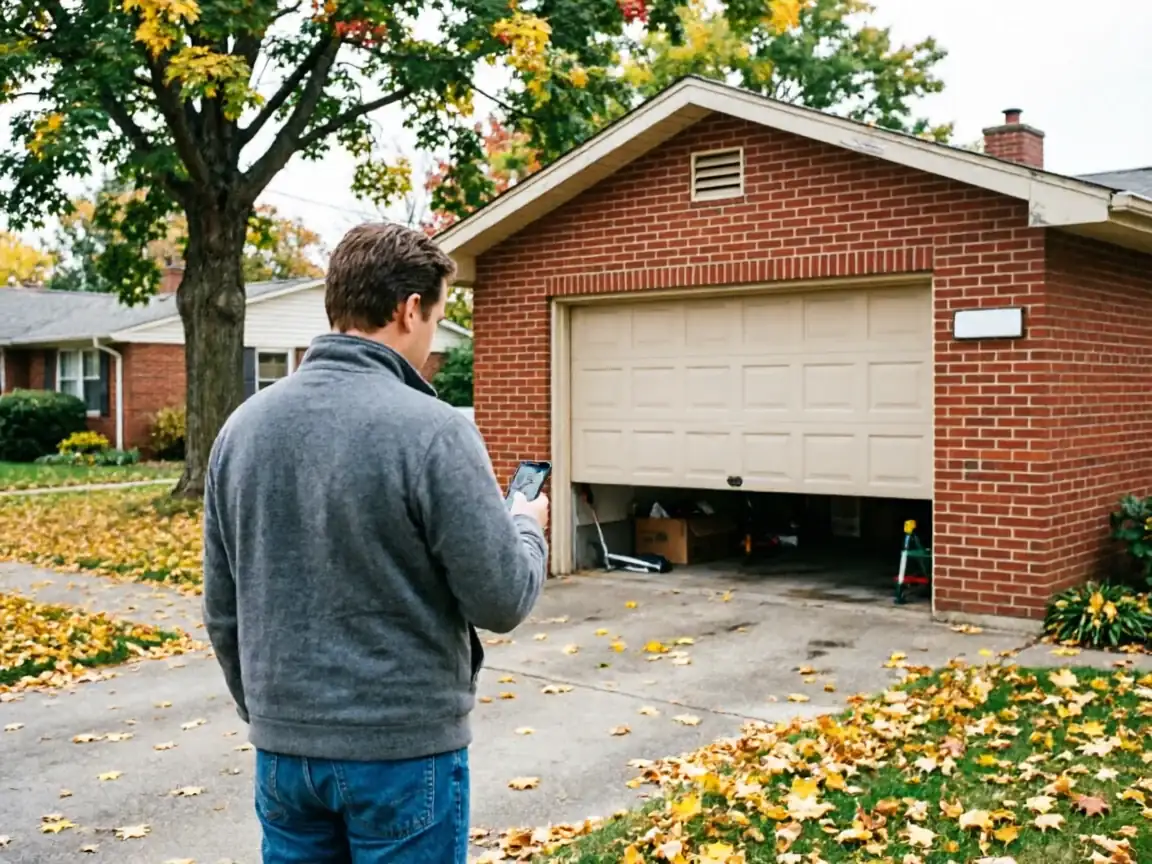
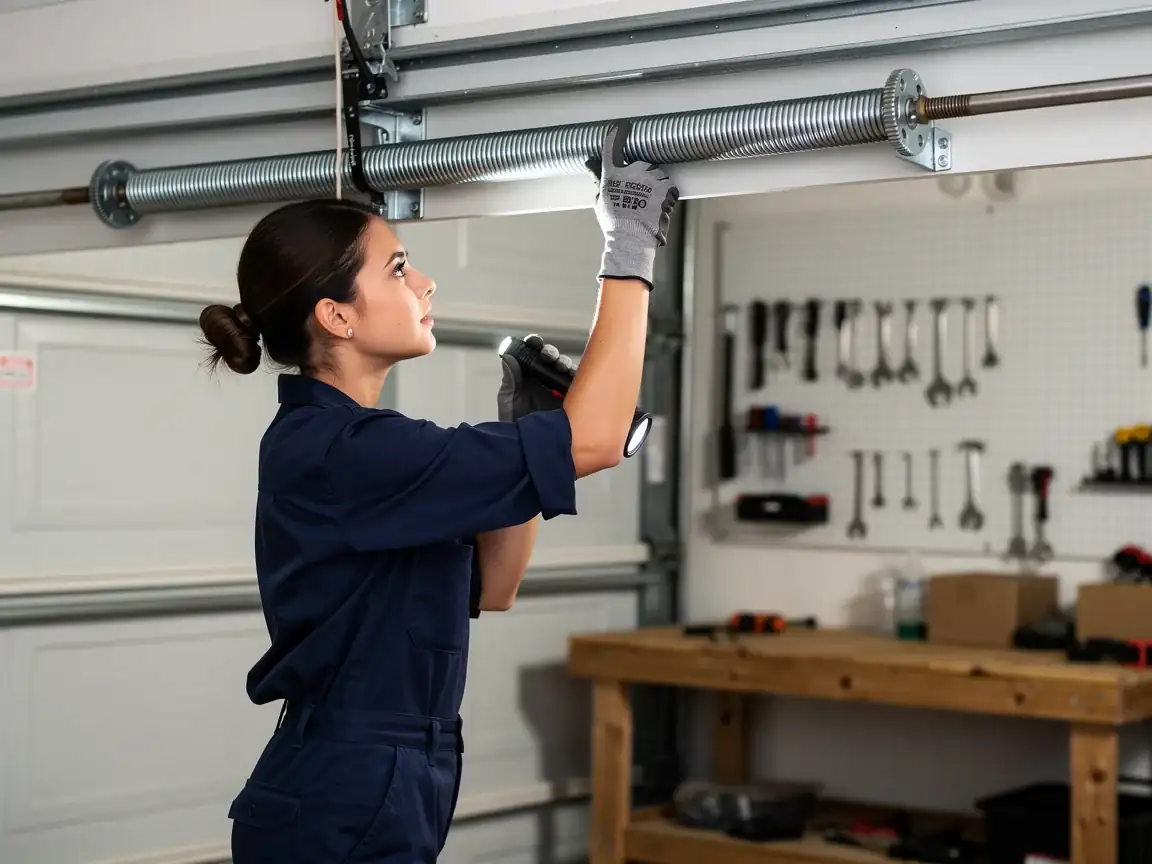
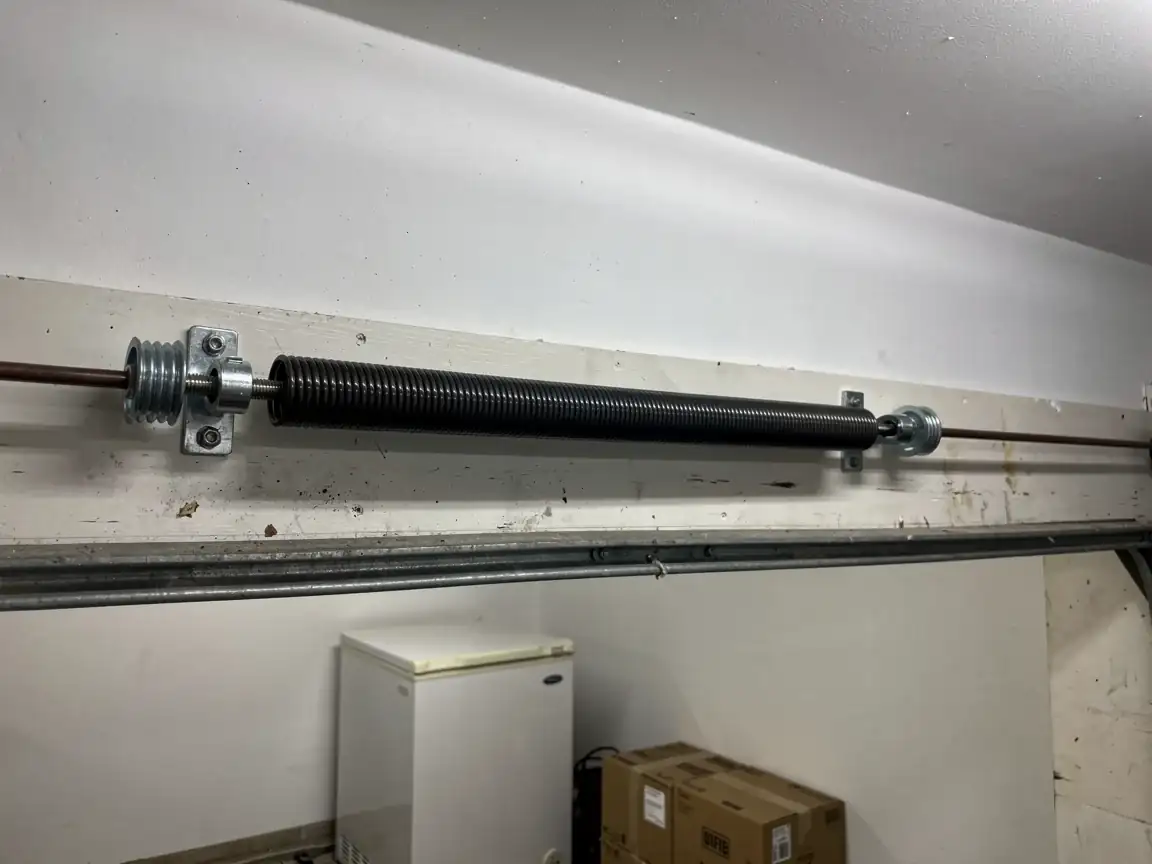
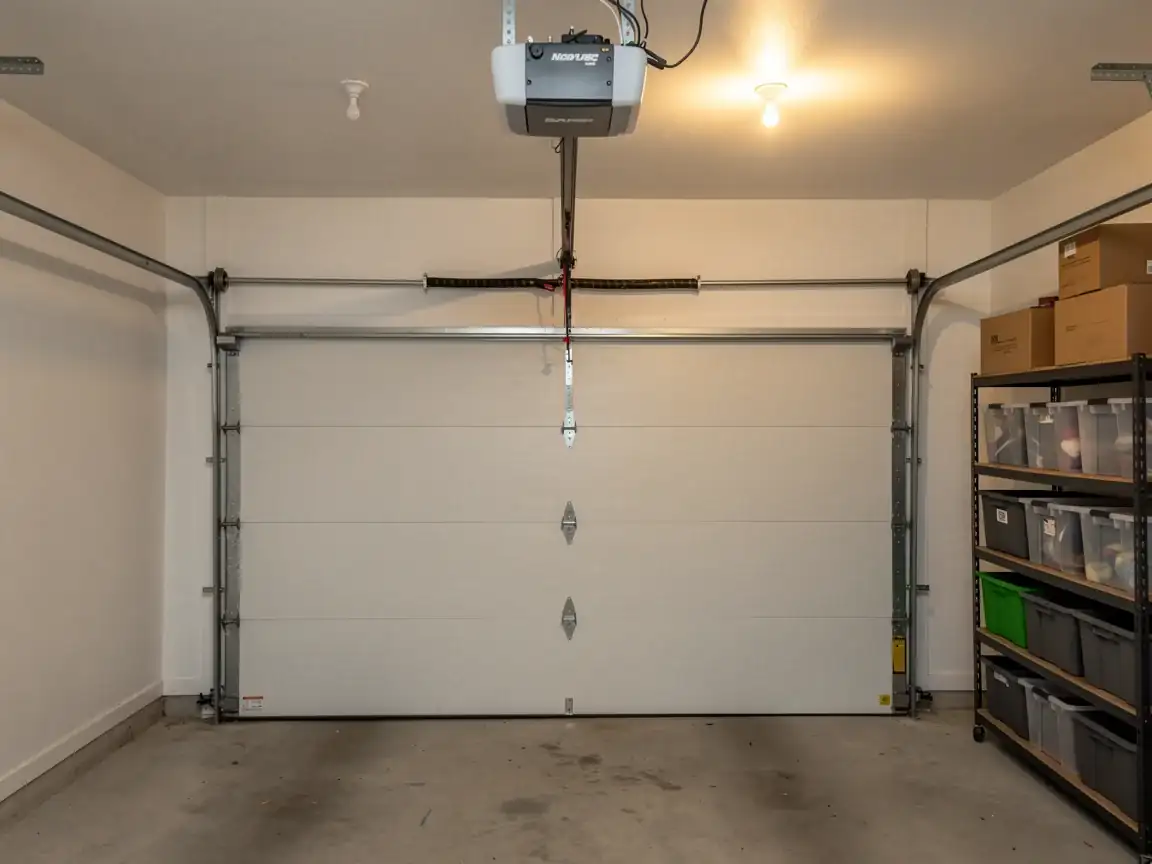
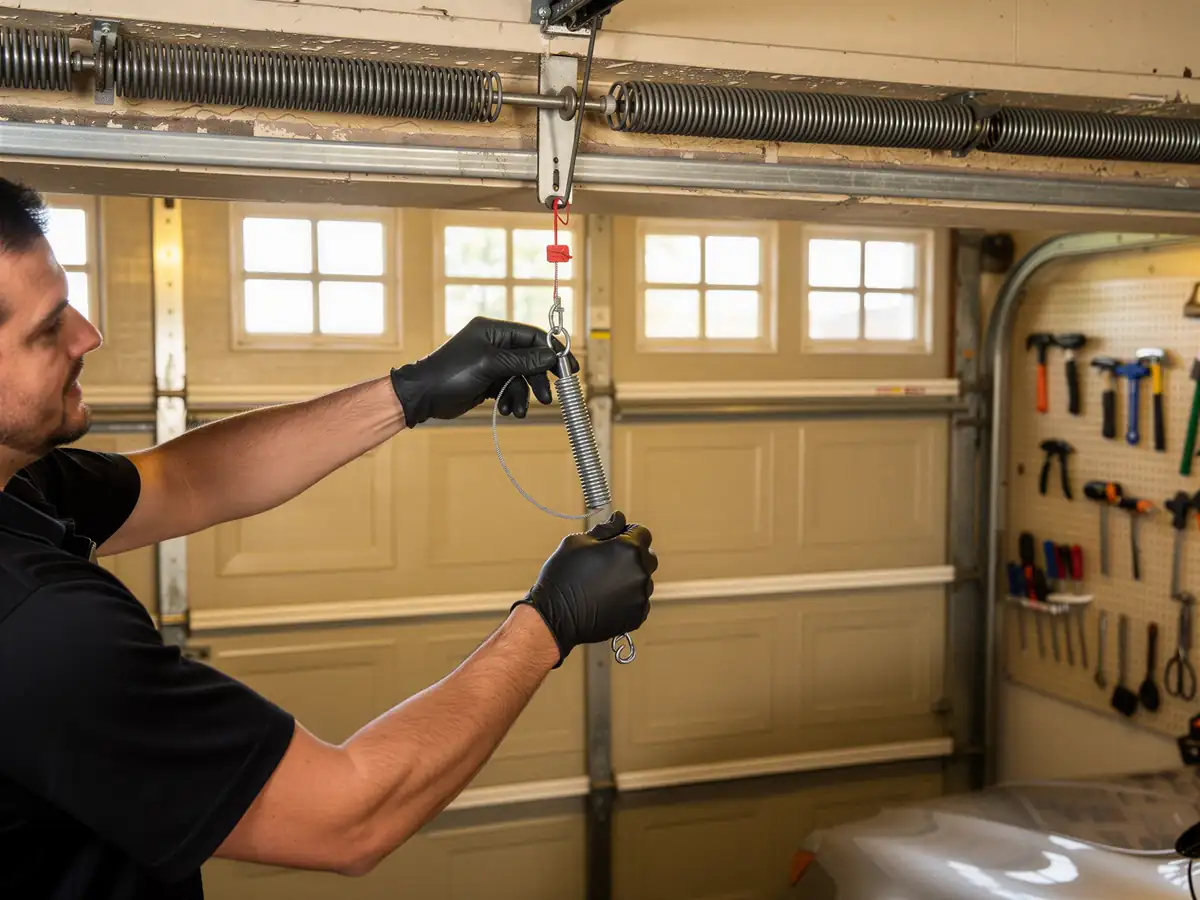
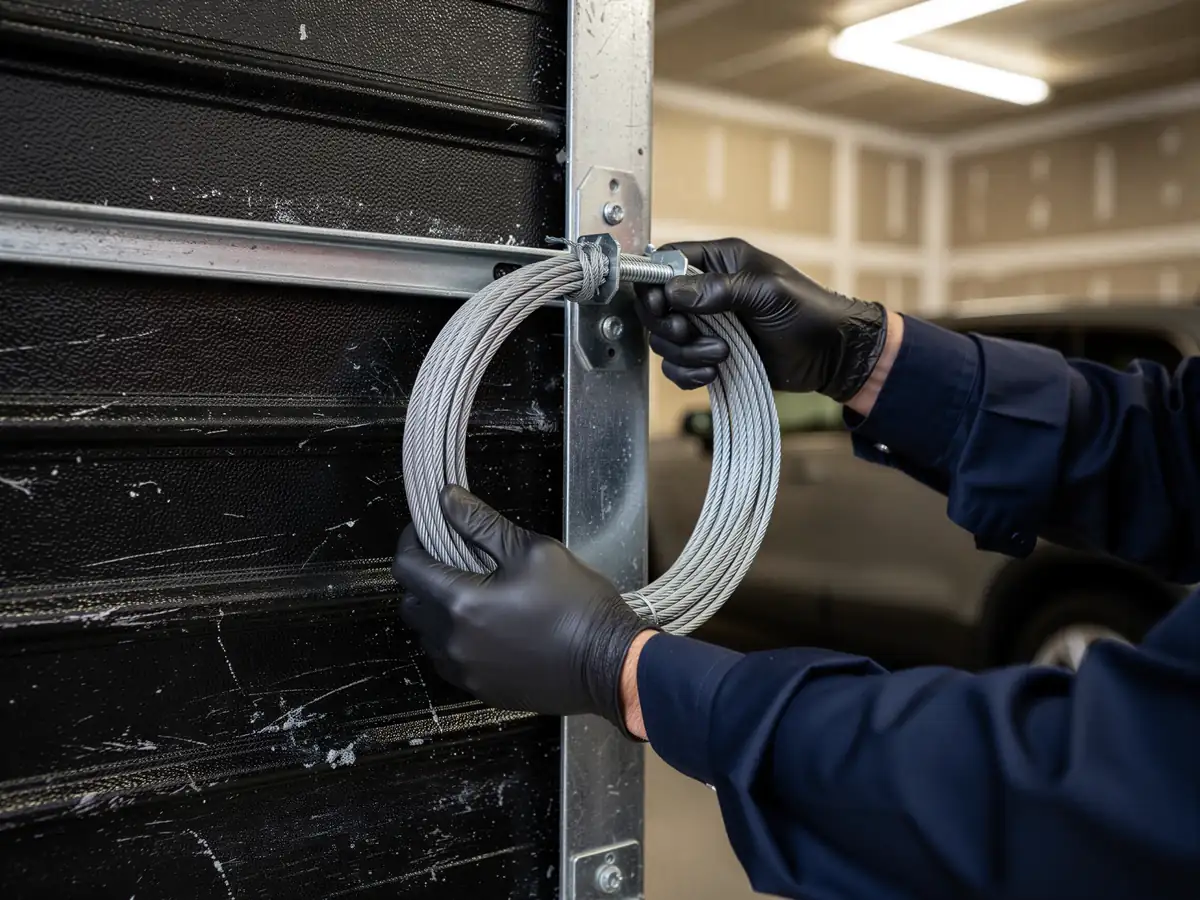
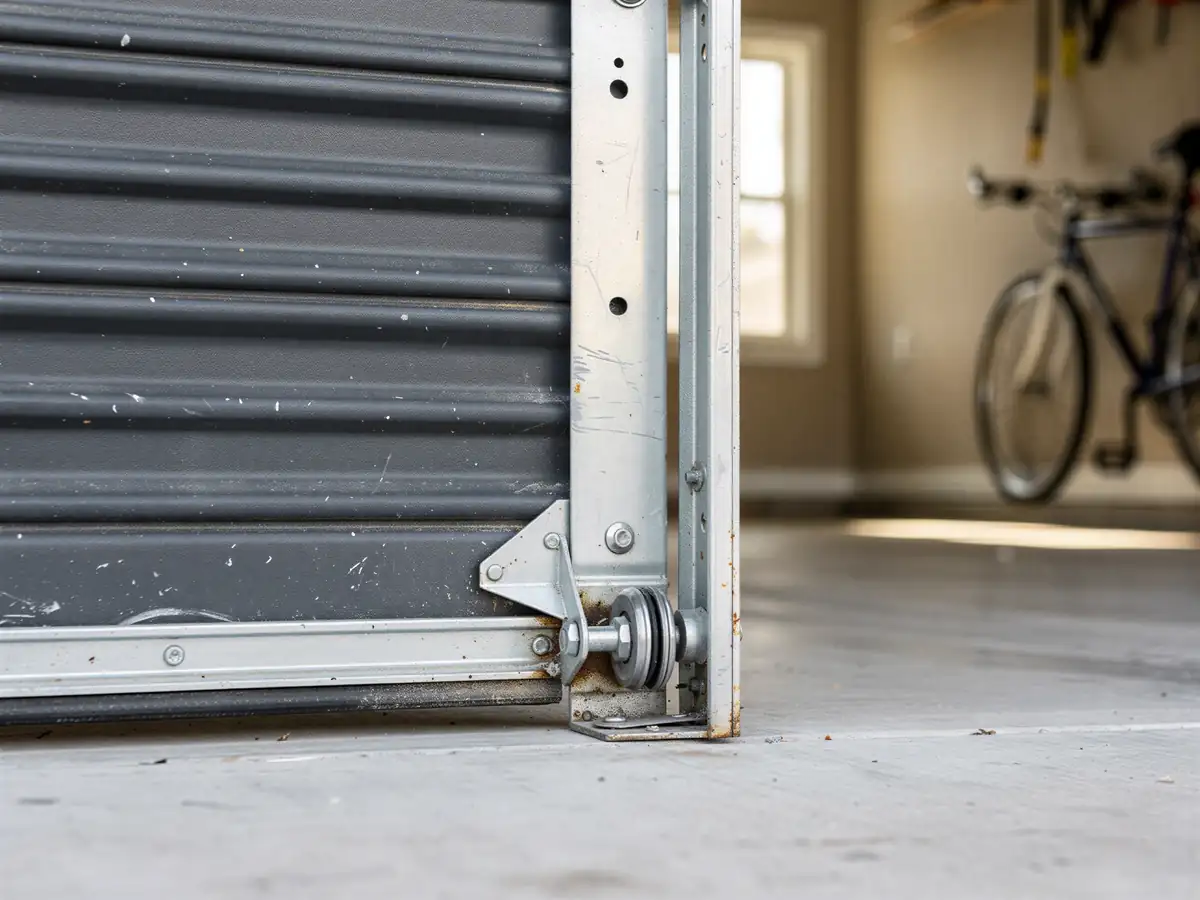
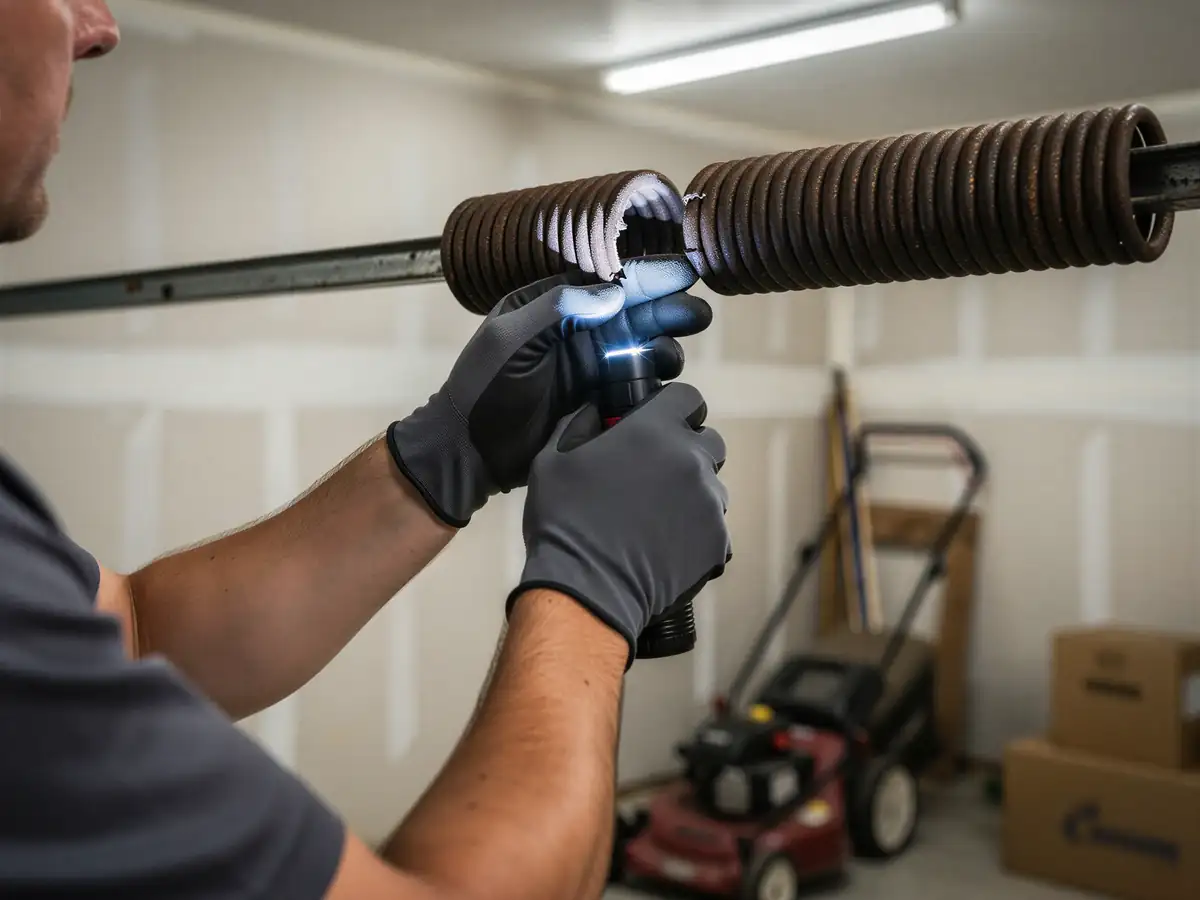
The call usually starts the same way: the door won't budge, or it came down fast and stopped halfway with a bang. Sometimes it's a snapped torsion spring - you'll see the gap in the coil above the door, or hear the bang from inside the house when it goes. Sometimes it's a cable that frayed through and let one side of the door drop crooked in the track, jamming the rollers. Less dramatic but just as urgent: an opener that grinds, reverses, or won't respond at all, leaving a door stuck open overnight.
Across the service area - homes built mostly between 1957 and 2005, with a lot of that stock from the 1980s and 90s - the springs and cables doing this work have usually been cycling for two to three decades. That's long enough for fatigue to catch up with the steel, especially once winter cold adds stress to the coil. None of this is a judgment on how a door was installed. It's just what happens to moving steel parts after enough winters.
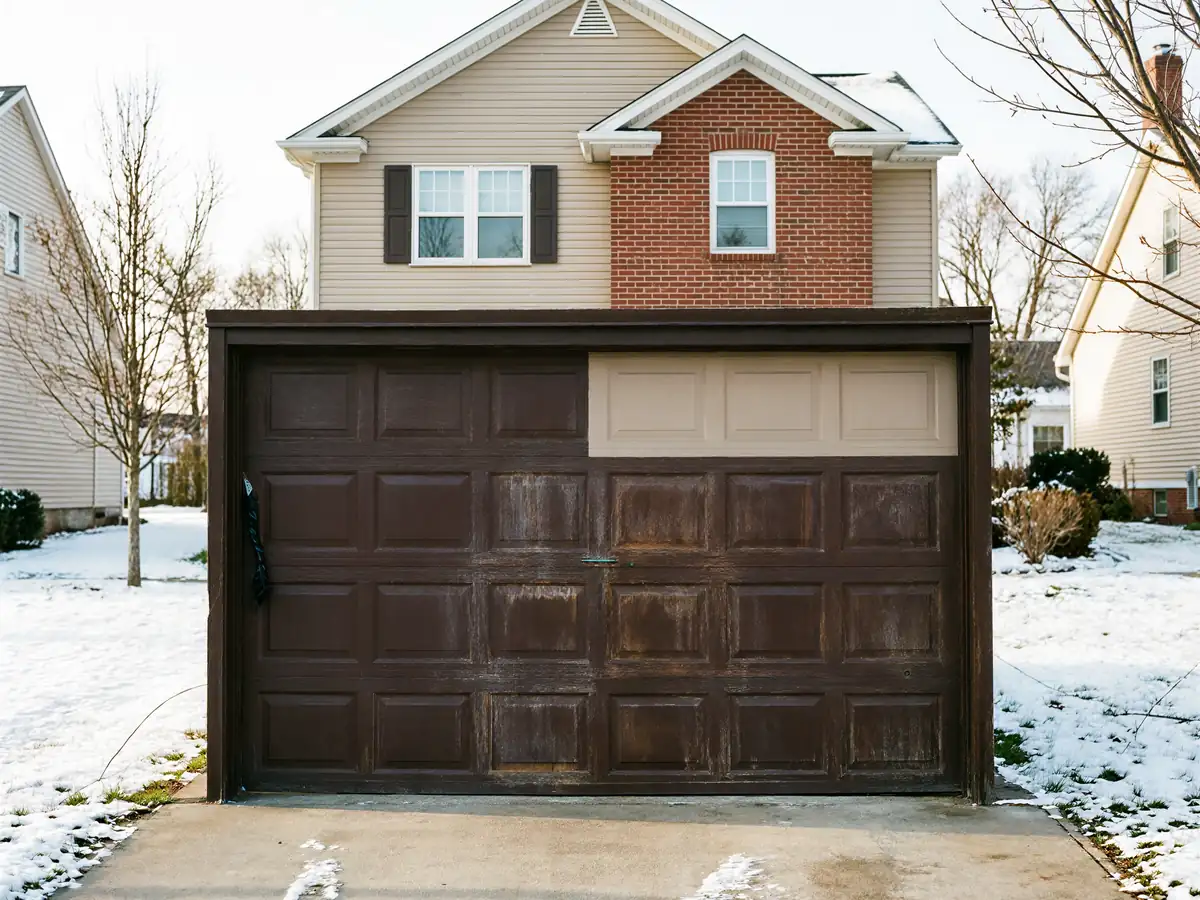
We treat a broken spring, a snapped cable, or a dead opener on a stuck door as same-day work, not next-week work. A door that won't close is a door that won't lock.
What You Pay
We don't post a flat number here because the job itself decides the number
A single torsion spring swap is a different job than replacing two springs plus cables on a door that's been grinding on bad rollers for a year. What we can tell you is how we price: we look at the door in person or over a clear photo and phone call, tell you what's actually broken, and quote before we start. No teardown fee to find out what's wrong.
With median household income in the service area at $116,500
Most of the households we see are weighing a repair bill against the cost of letting a door sit broken through a Minnesota winter - and for most of them, the repair is the smaller number. We'll say plainly when a repair isn't worth it: if a door is old enough and the opener, springs, and track are all failing together, replacement often costs less over time than patching the same door three more times.
Emergency or after-hours calls carry a different rate than a scheduled daytime appointment
We'll tell you that rate before you commit to the call, not after the truck's in the driveway.
Why This Fails Locally
This region sits in a cold, moderate climate band, and that matters more for garage doors than people expect. Torsion springs are steel under constant tension, and steel contracts in cold. A spring that's been fine for fifteen summers can finally let go on the first hard cold snap of the season, because the metal is stiffer and less forgiving right when the door's being asked to lift a door panel that's also heavier with cold, stiff weatherstripping.
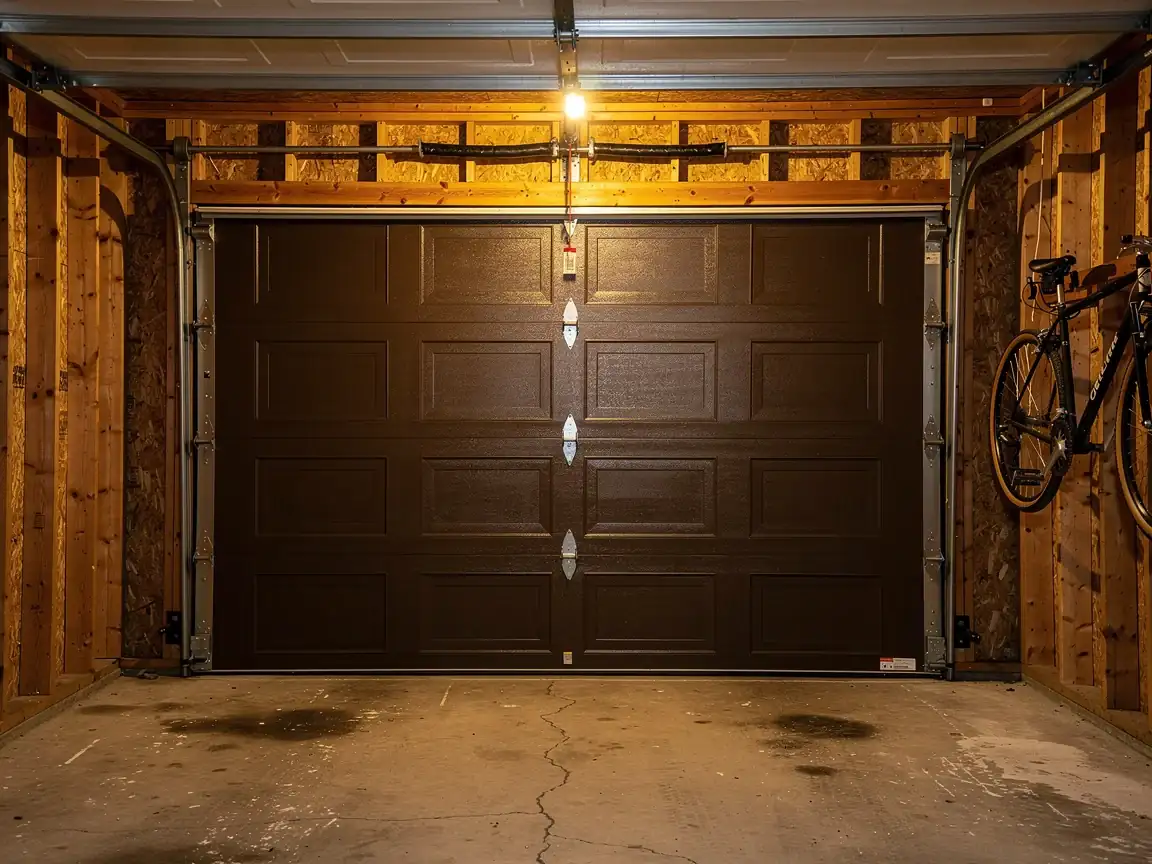
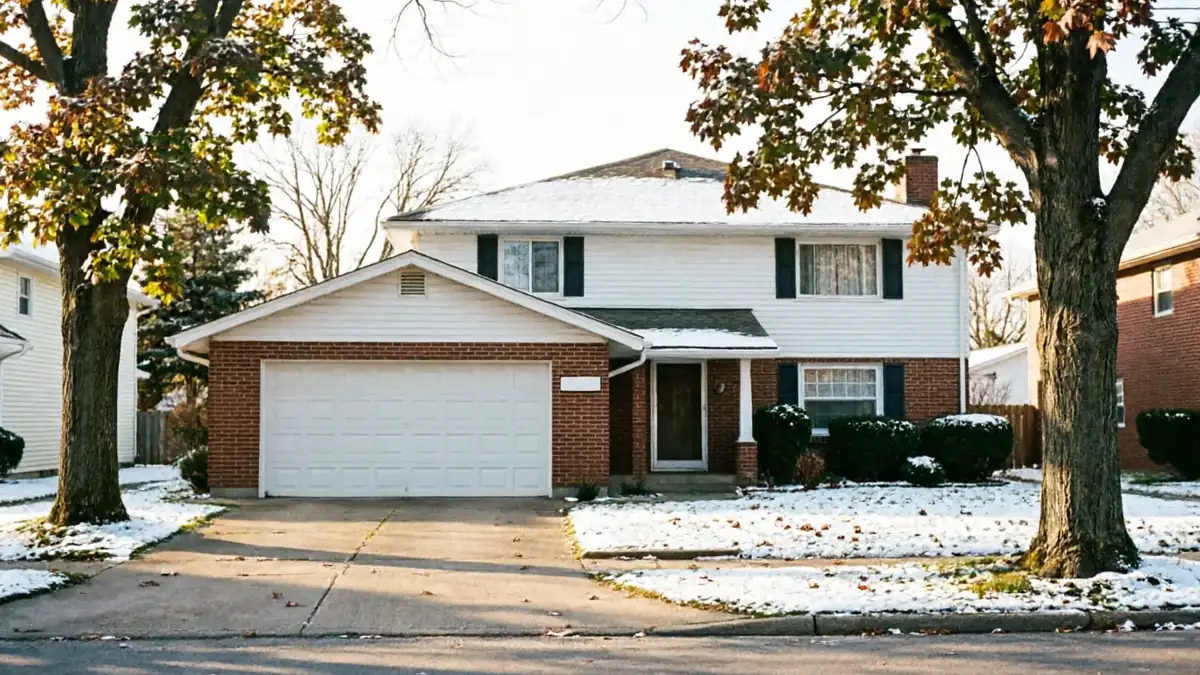
Houses built from 1957 through 2005 - which covers most of the 37 named areas in this service region - span several eras of garage door hardware. The 1960s and 70s builds often still have older single-spring or non-standard torsion setups; the 1980s and 90s builds, which make up most of the stock, usually have double-torsion systems that are more common but still wear out at the same twenty-to-thirty-year mark. Either way, by the time a spring or cable fails, the door's often also carrying a tired opener and worn rollers, which is why one symptom - door won't open - frequently turns into two or three parts needing attention at once.
This isn't a problem unique to any one street. It's a function of age and cold, and it shows up across the whole service area at roughly the same pace.
The DIY Question
A torsion spring is wound under enough tension to break bones or worse if it's released wrong, and that's not an exaggeration homeowners should test themselves. If the symptom is a broken spring or a snapped cable, that's not a weekend project - it's a call. The tools and winding bars for torsion work aren't things most garages have, and the margin for error is thin.
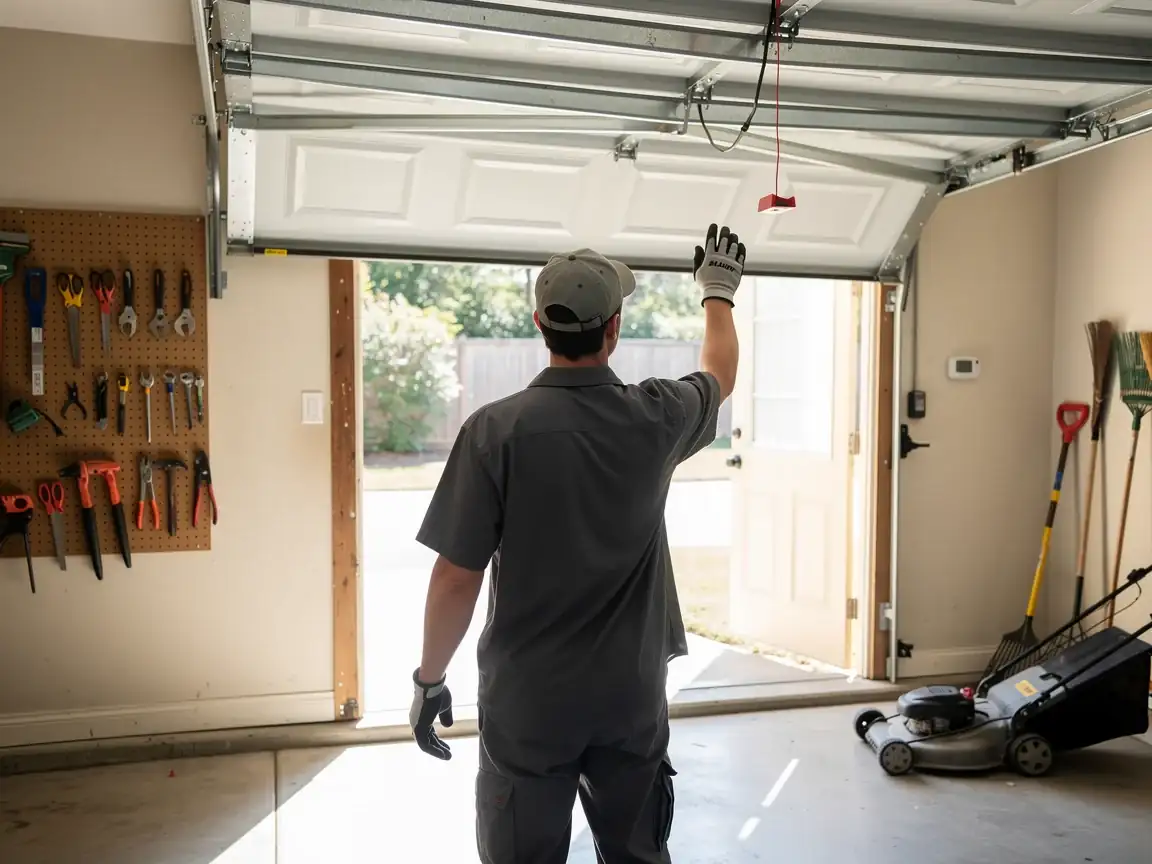
What you can reasonably check yourself first: make sure the opener isn't simply unplugged or the breaker hasn't tripped, check that the photo-eye sensors near the bottom of the track aren't blocked or knocked out of alignment, and look for anything visibly binding the track - a bent bracket, a dropped bolt, ice buildup in cold weeks. If the door moves freely by hand with the opener disconnected but won't run on the opener, that points to the opener, not the spring system, and it's a cheaper, safer fix.
We'd rather talk you through a five-minute check over the phone and save you the call than have you force a jammed door and turn a $200 fix into a $600 one. That's an honest trade for us even though it costs us a job some days.