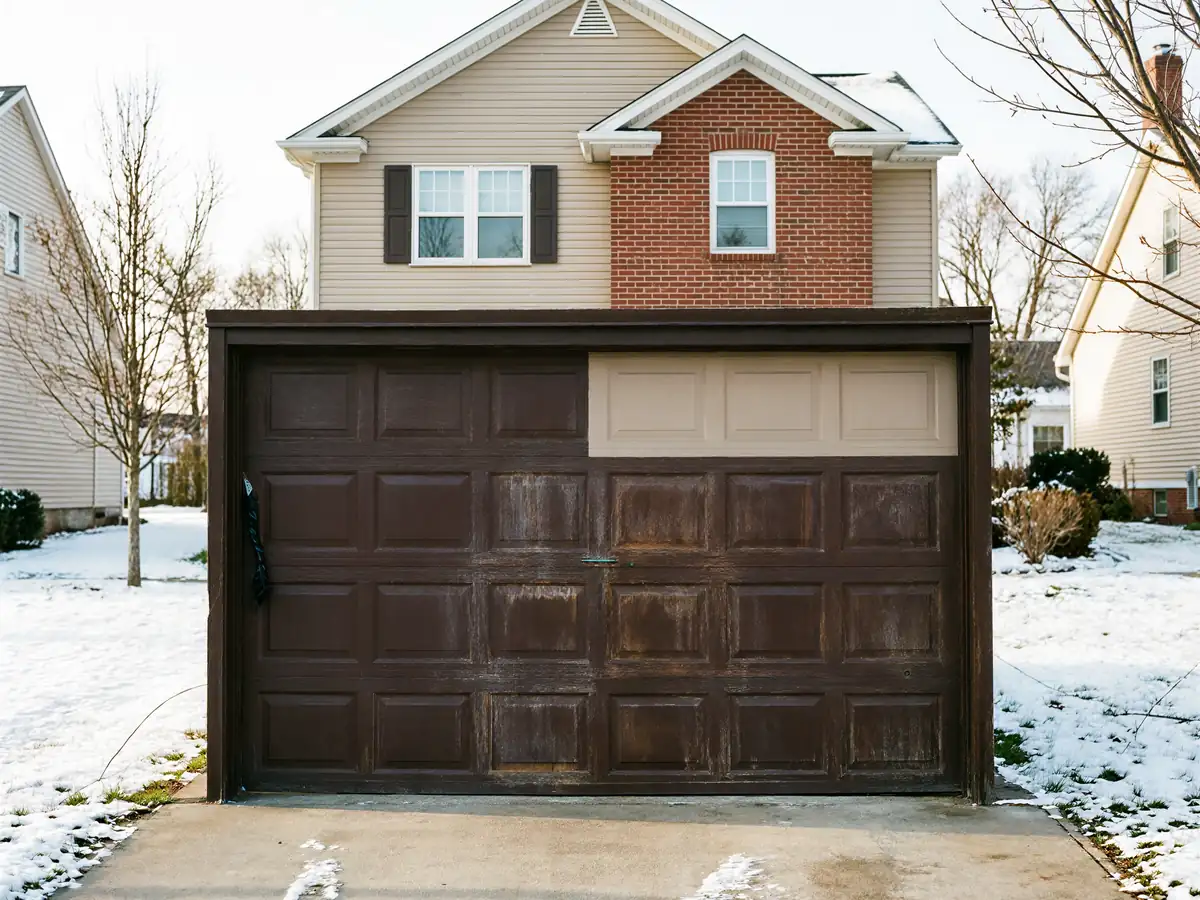
Getting It Booked In
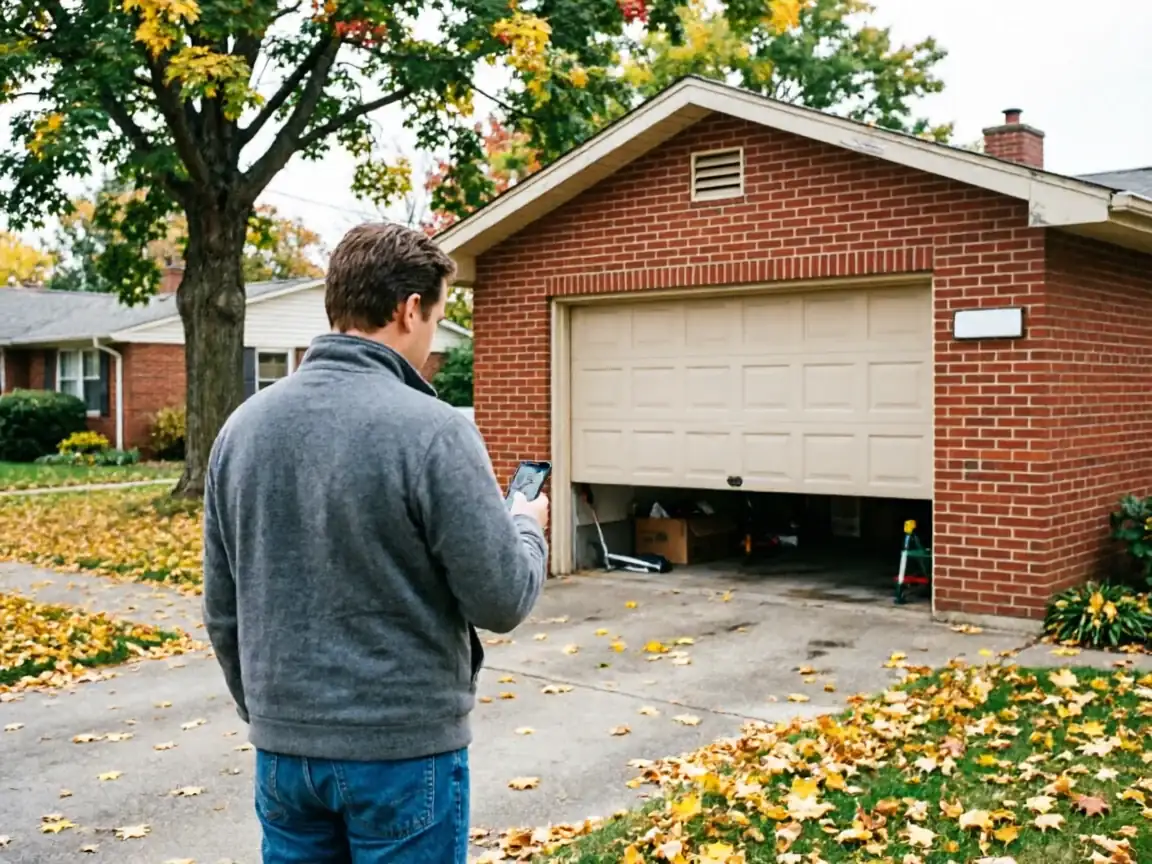
We run this job out of Hopkins, about 15 miles from Minnetrista, so there's no local branch to drop into and we're not going to pretend there's a faster window than there actually is. What we can tell you is what the job needs before a truck rolls: the door's width, whether it's a single or double, and a photo of the damaged section if you can get one. That photo does more than a phone description ever will, because panel profiles changed through the 80s and 90s and matching one wrong costs everyone a second trip.
Booking is simple - call or use the repair page linked below, tell us the make if it's on the top rail sticker, and we'll tell you honestly whether we can match the panel or whether the door's old enough that a full replacement makes more sense than chasing one piece. We'd rather say that up front than measure twice and quote once.
What the Repair Takes
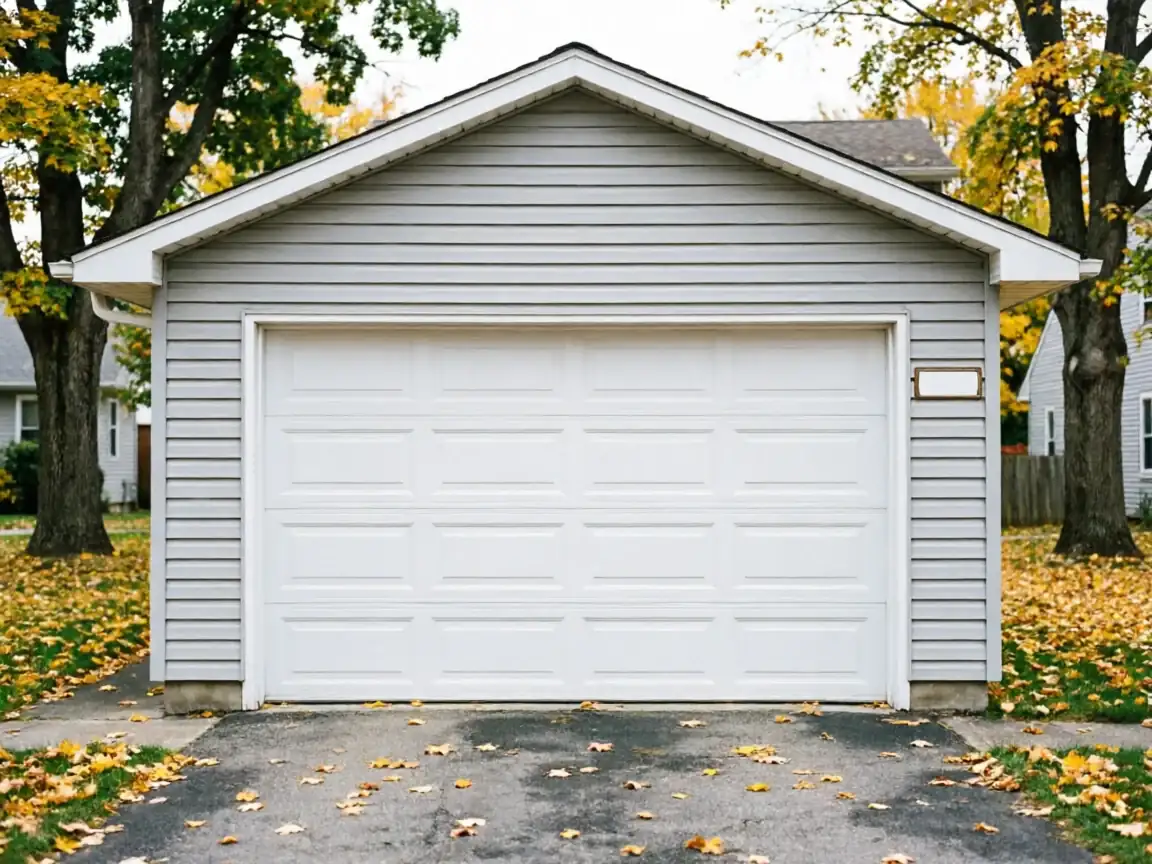
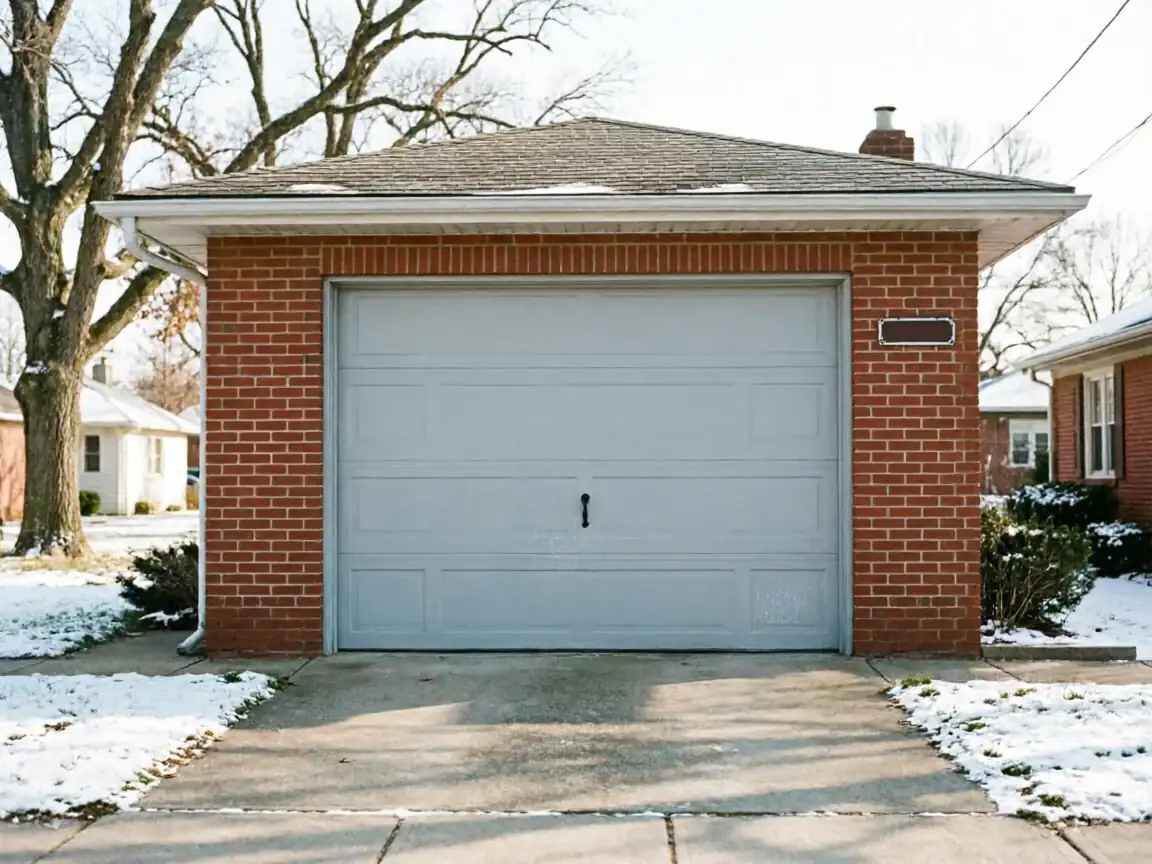
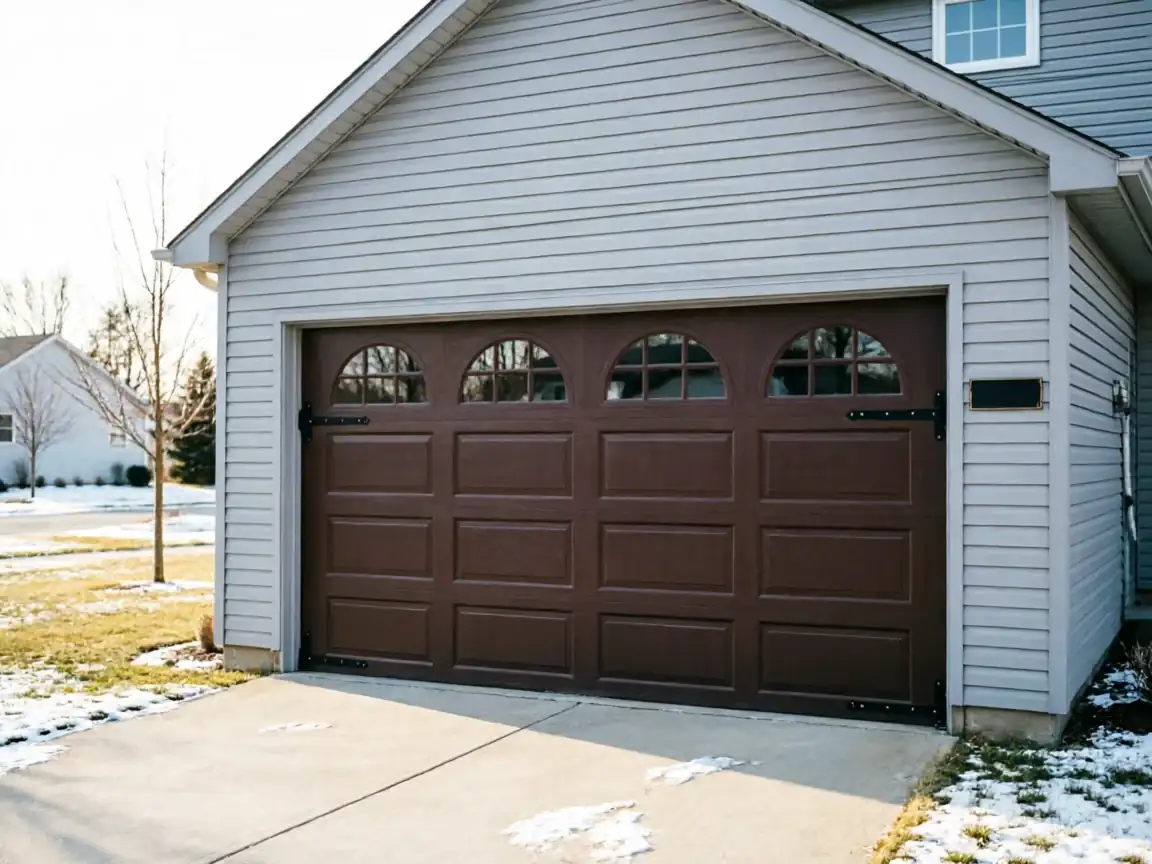
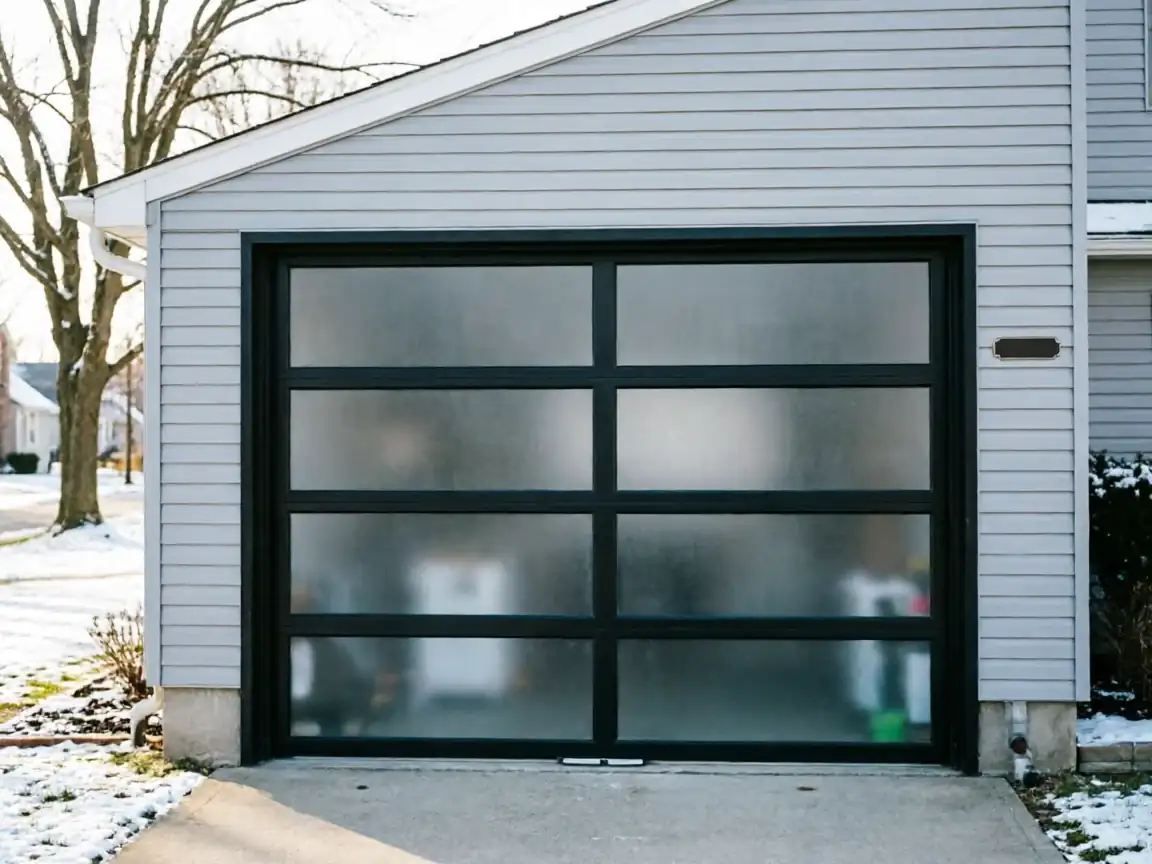
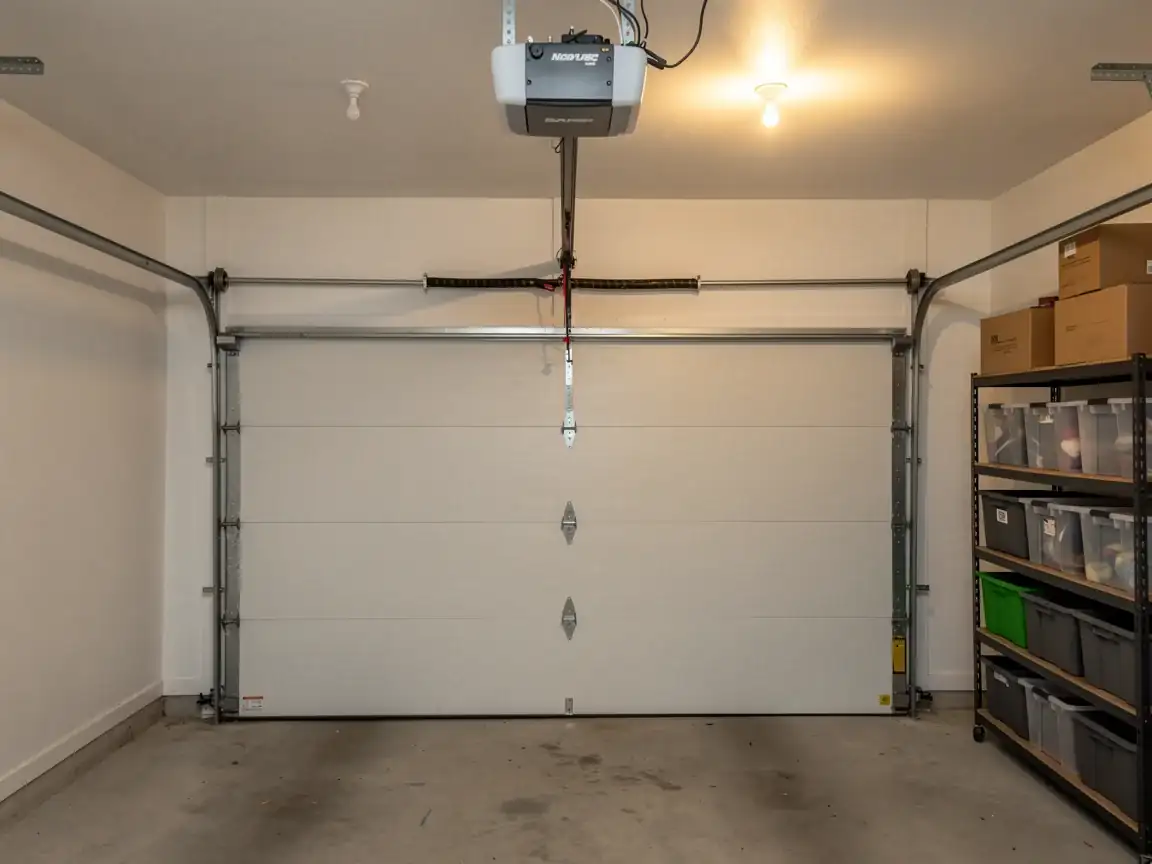
A sectional door built in the early-to-mid 90s
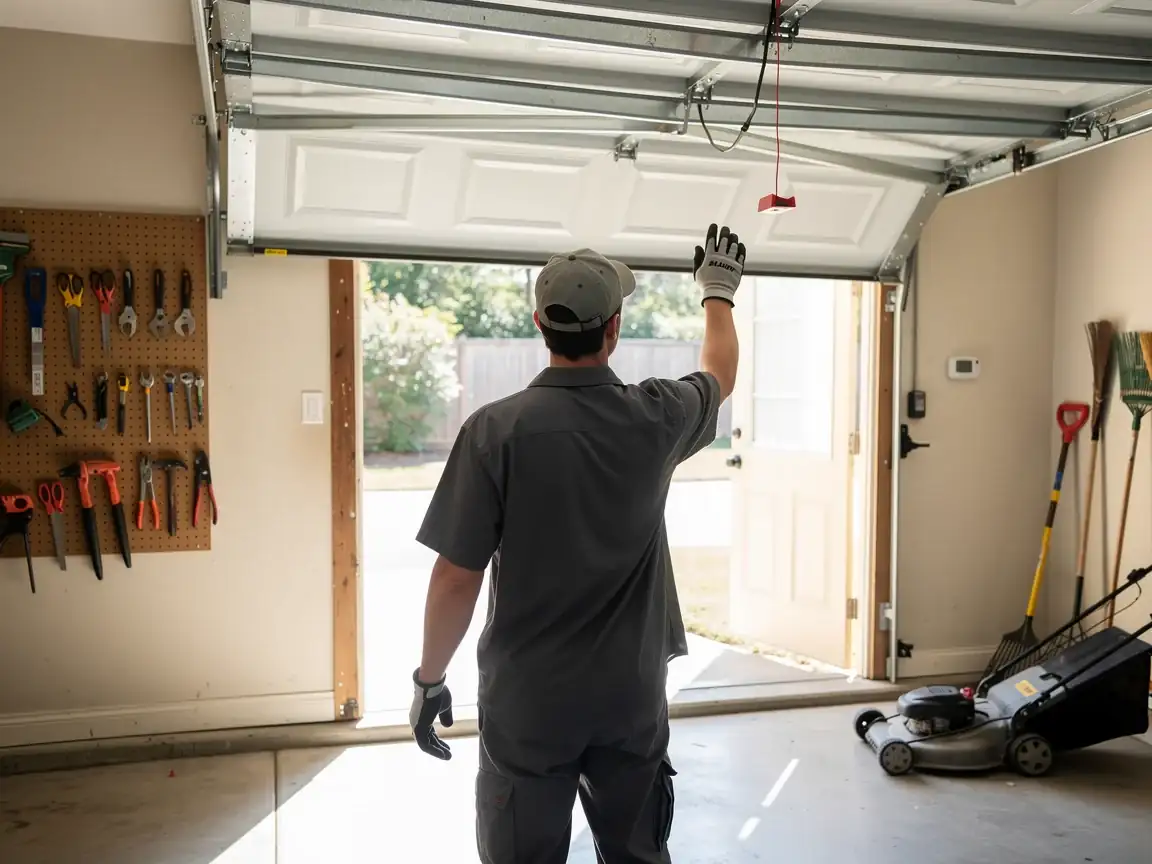
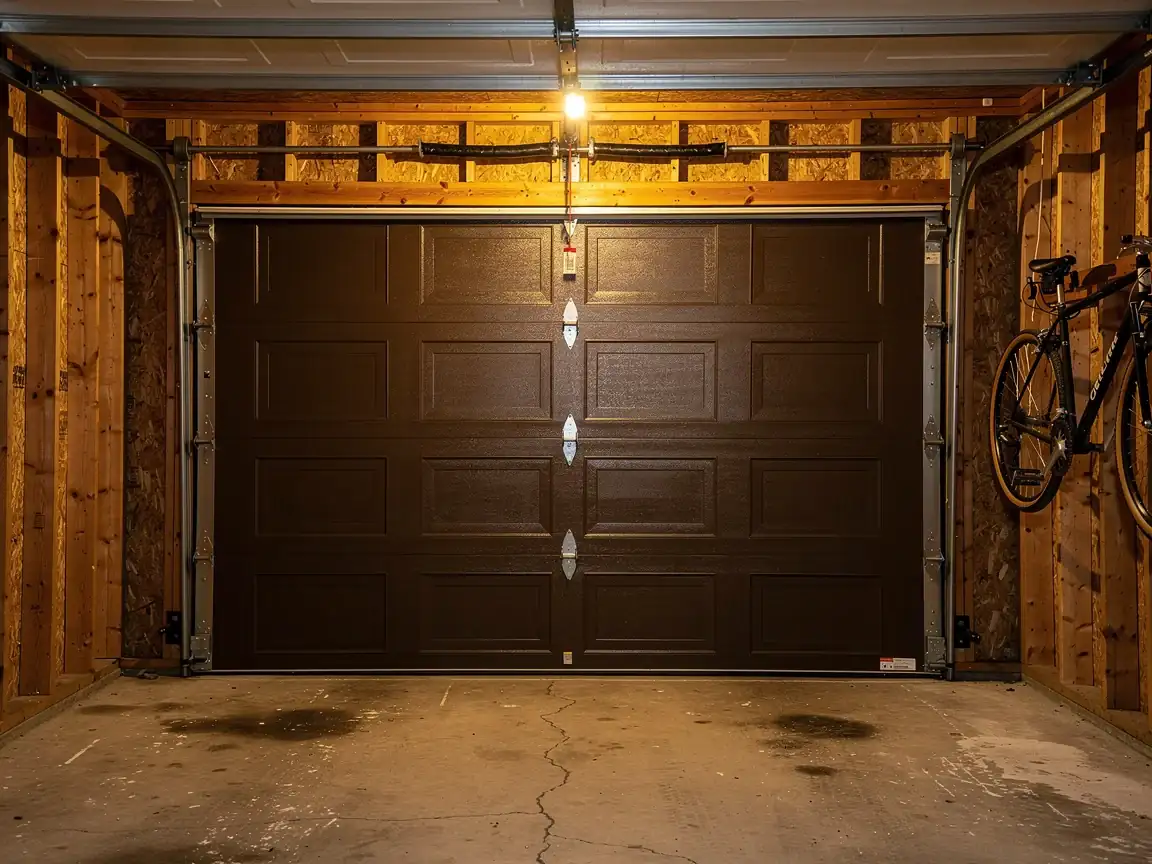
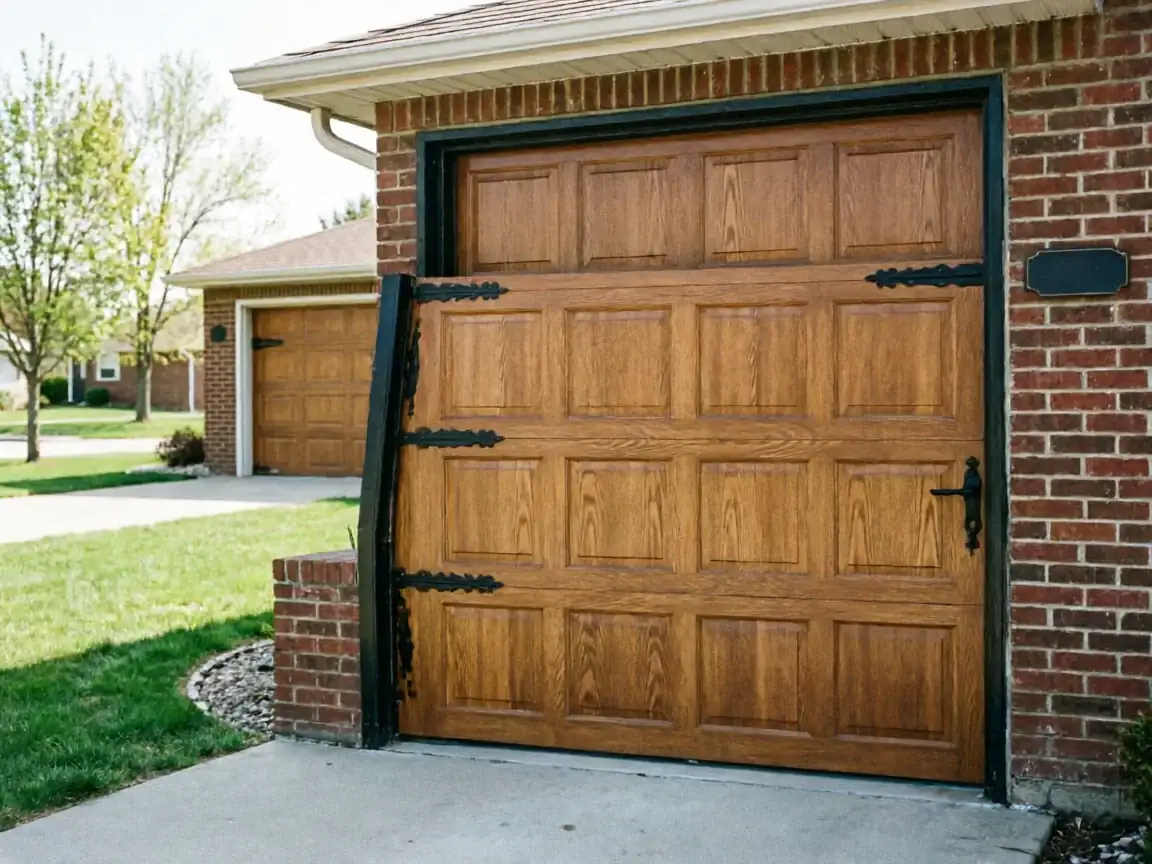
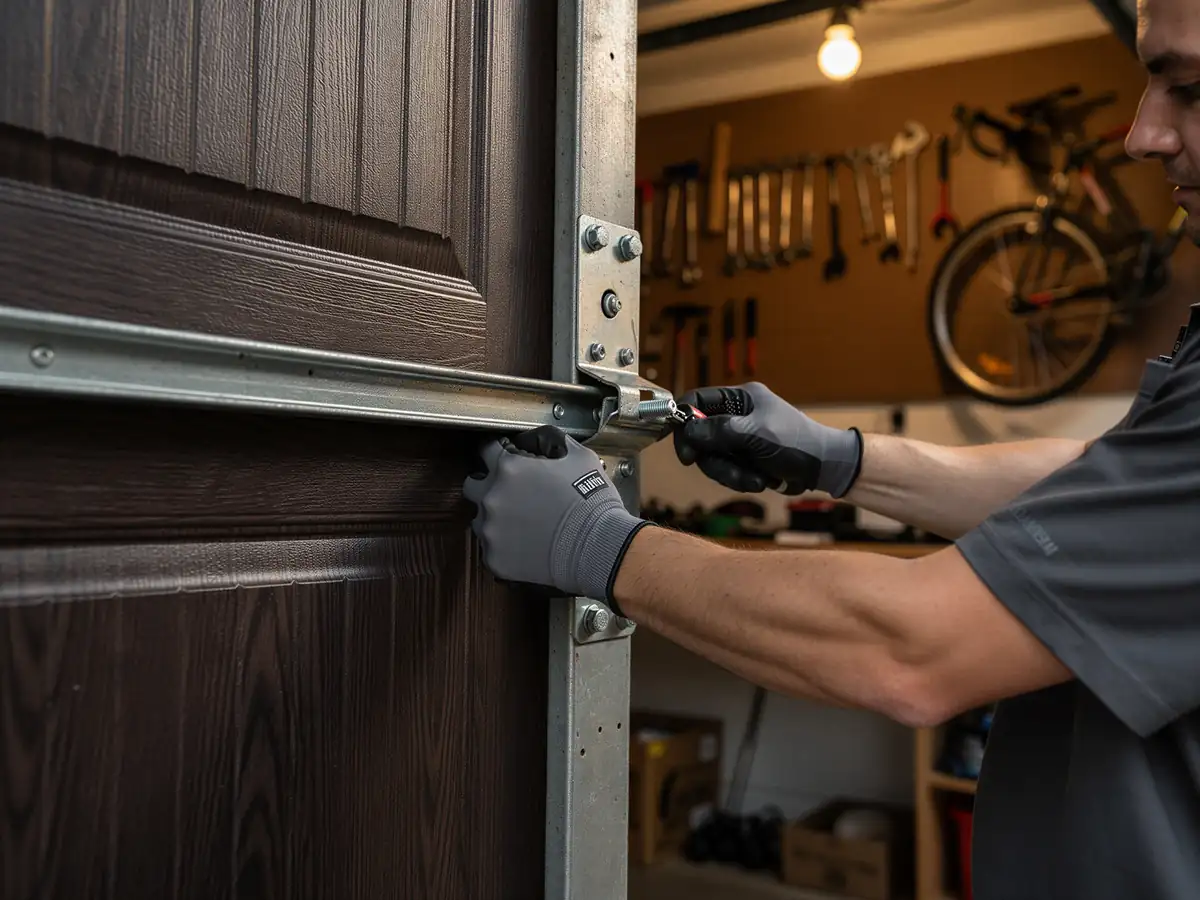
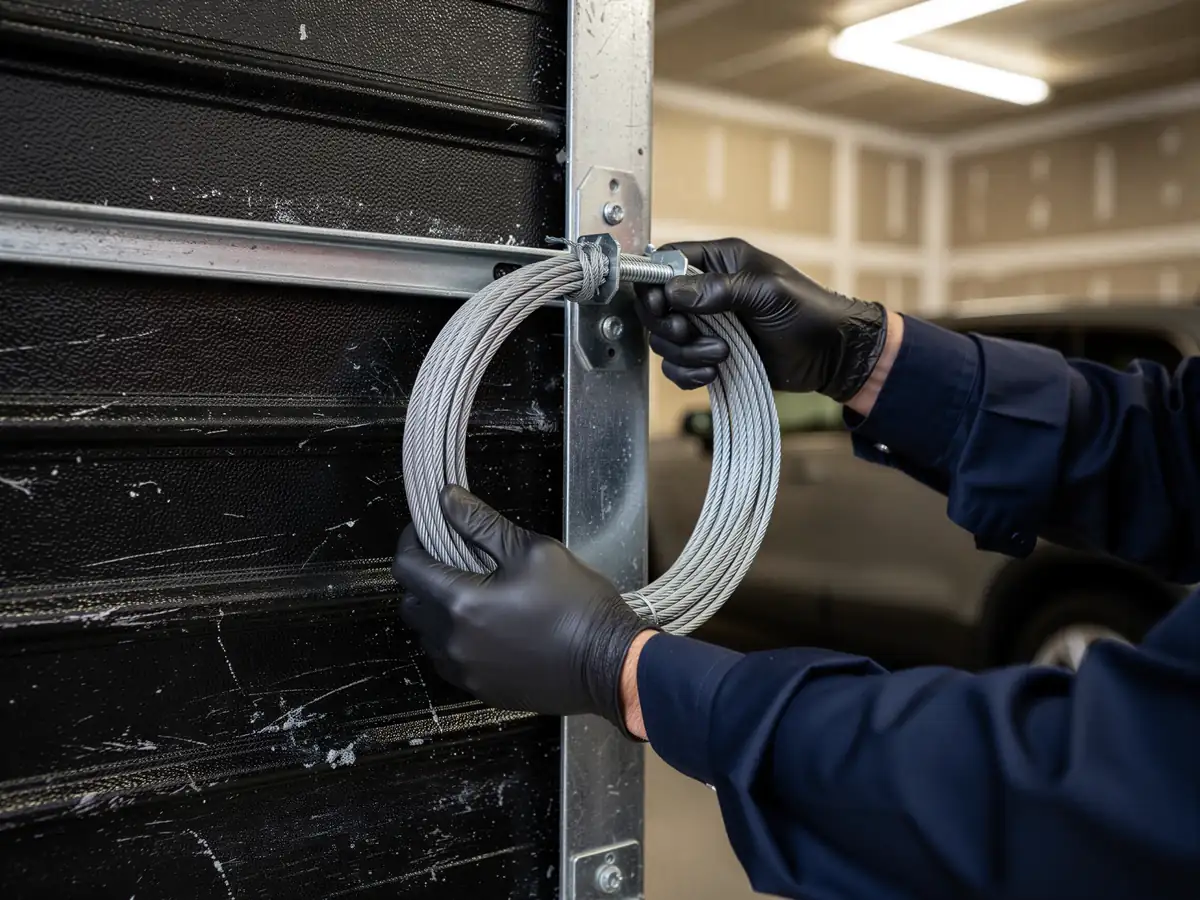
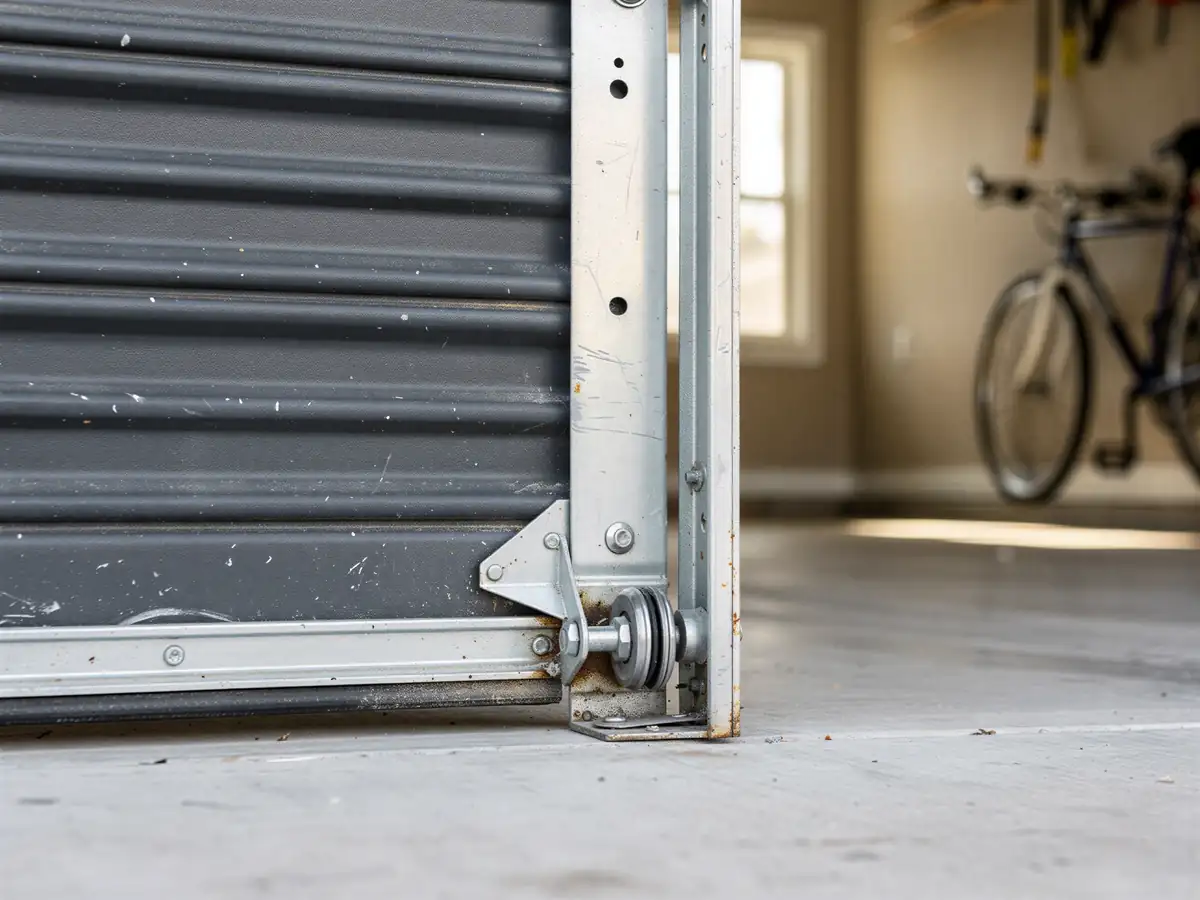
Which covers most of what's standing in Minnetrista - almost always uses a steel skin over a foam core, assembled in horizontal sections bolted to hinges and rollers. Replacing one panel means pulling the door off tension, unbolting the hinges on either side of the damaged section, sliding the new panel in, and re-hanging it without throwing the whole door out of square. Get the alignment off by even a little and the rollers bind in the track within a season.
The harder part is sourcing
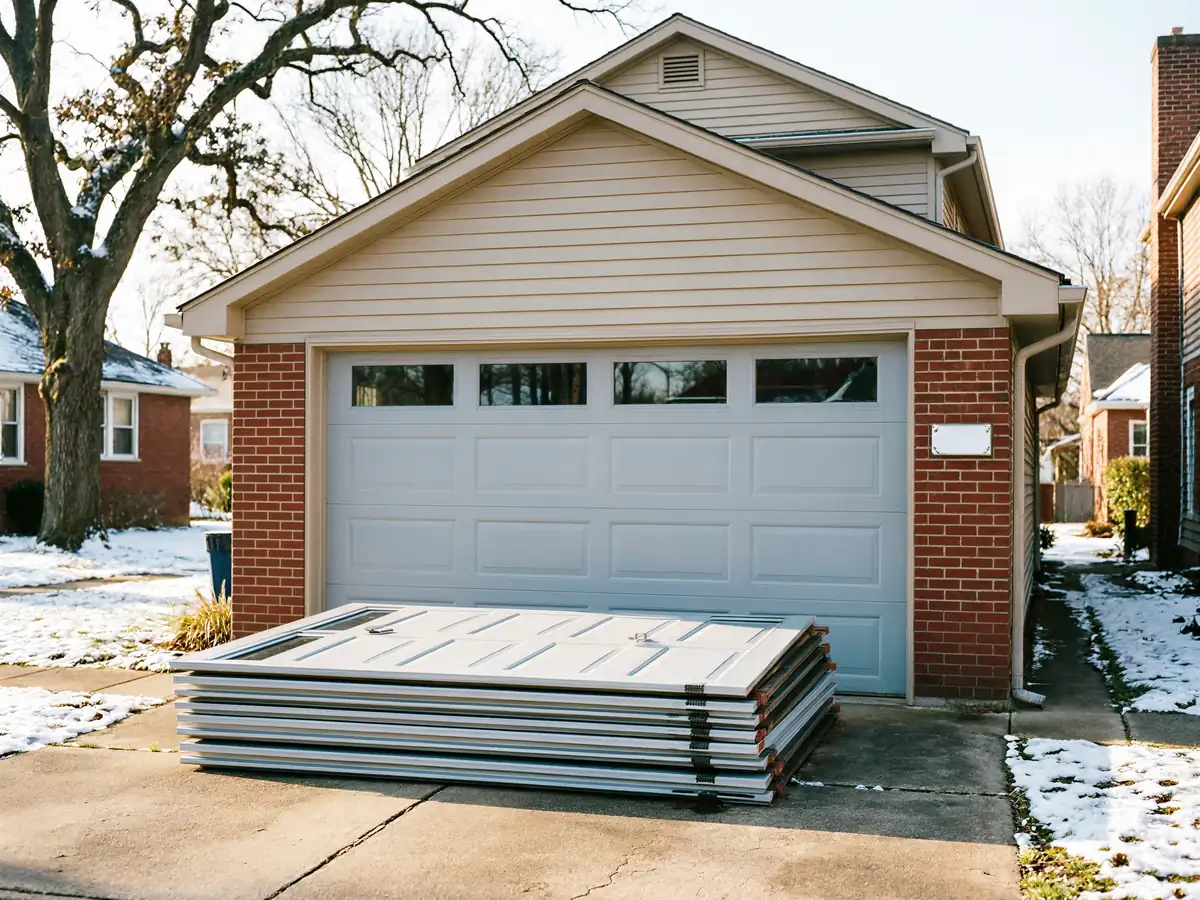
If the original manufacturer still makes that profile, we order it to width and color-match the rest of the door. If they don't, we're matching as close as we can or talking about replacing the full door instead of chasing a panel that doesn't exist anymore. We won't install a mismatched panel and call it done - it'll show, and it'll bind.
The DIY Question
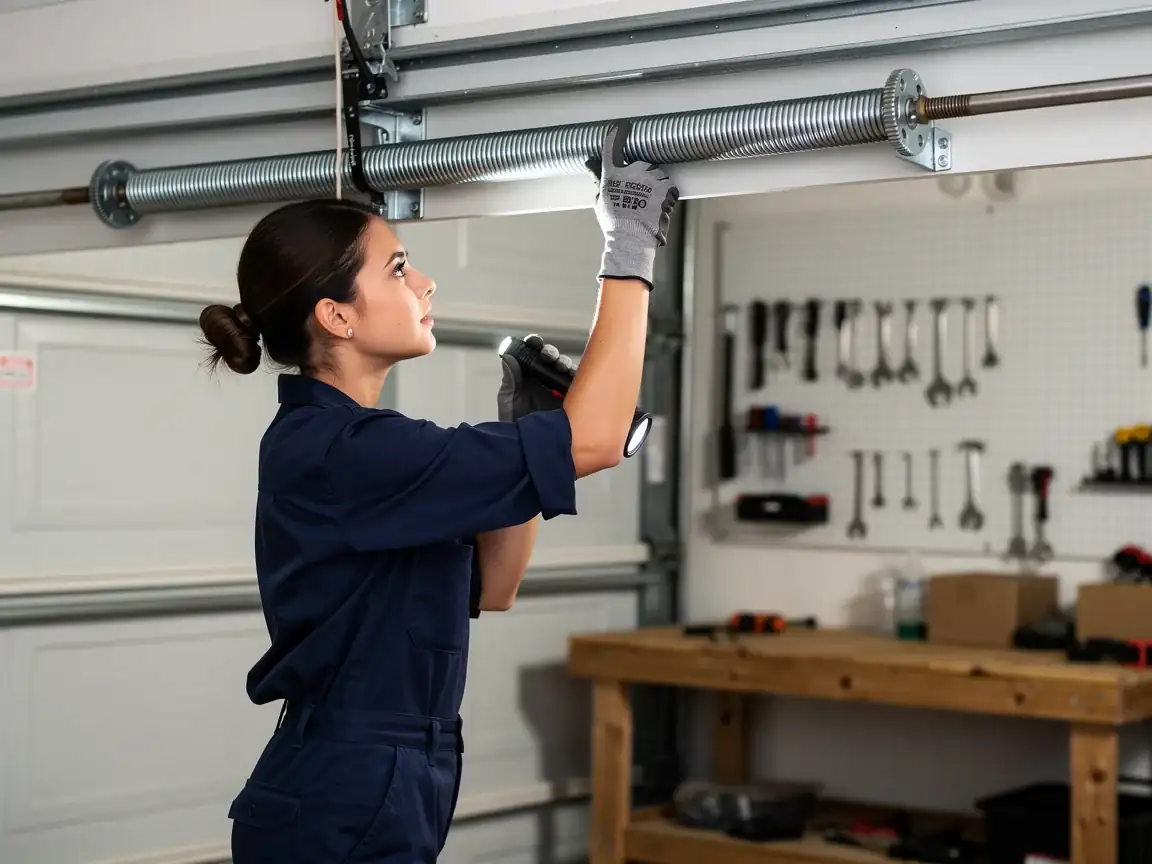
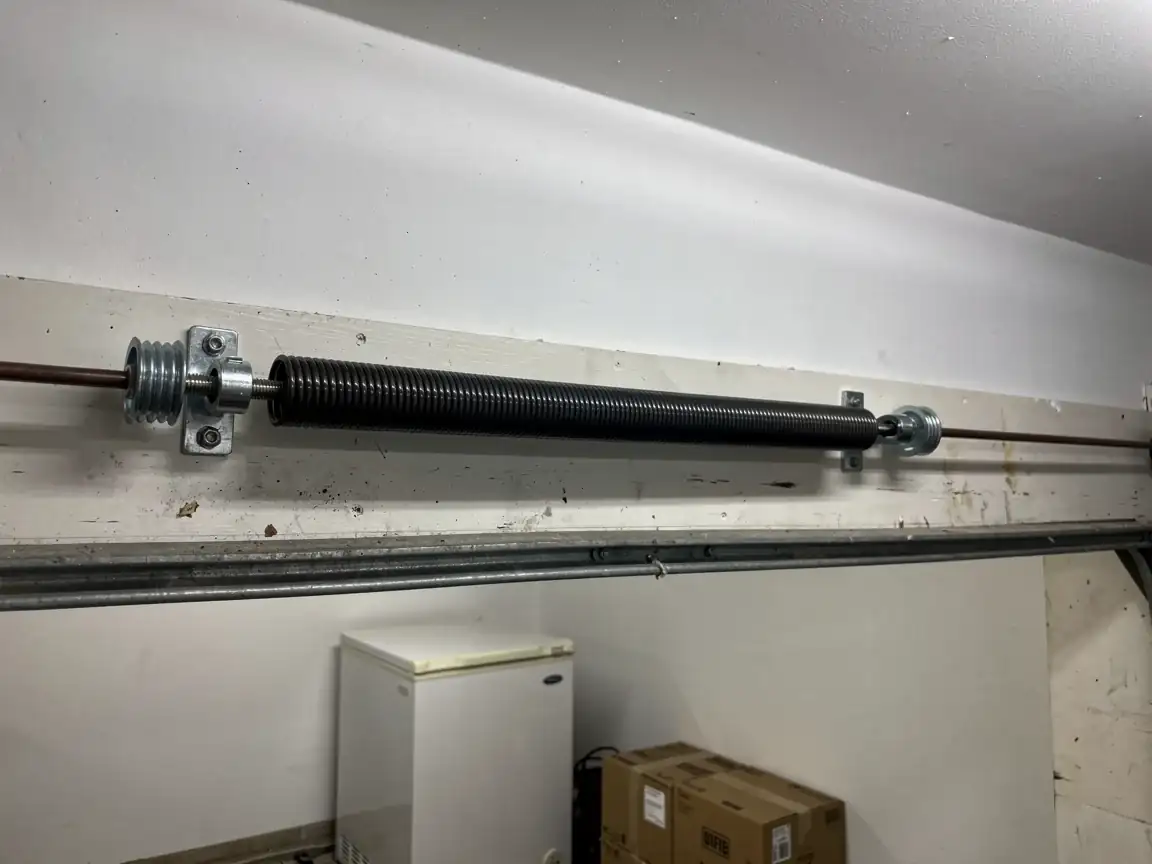
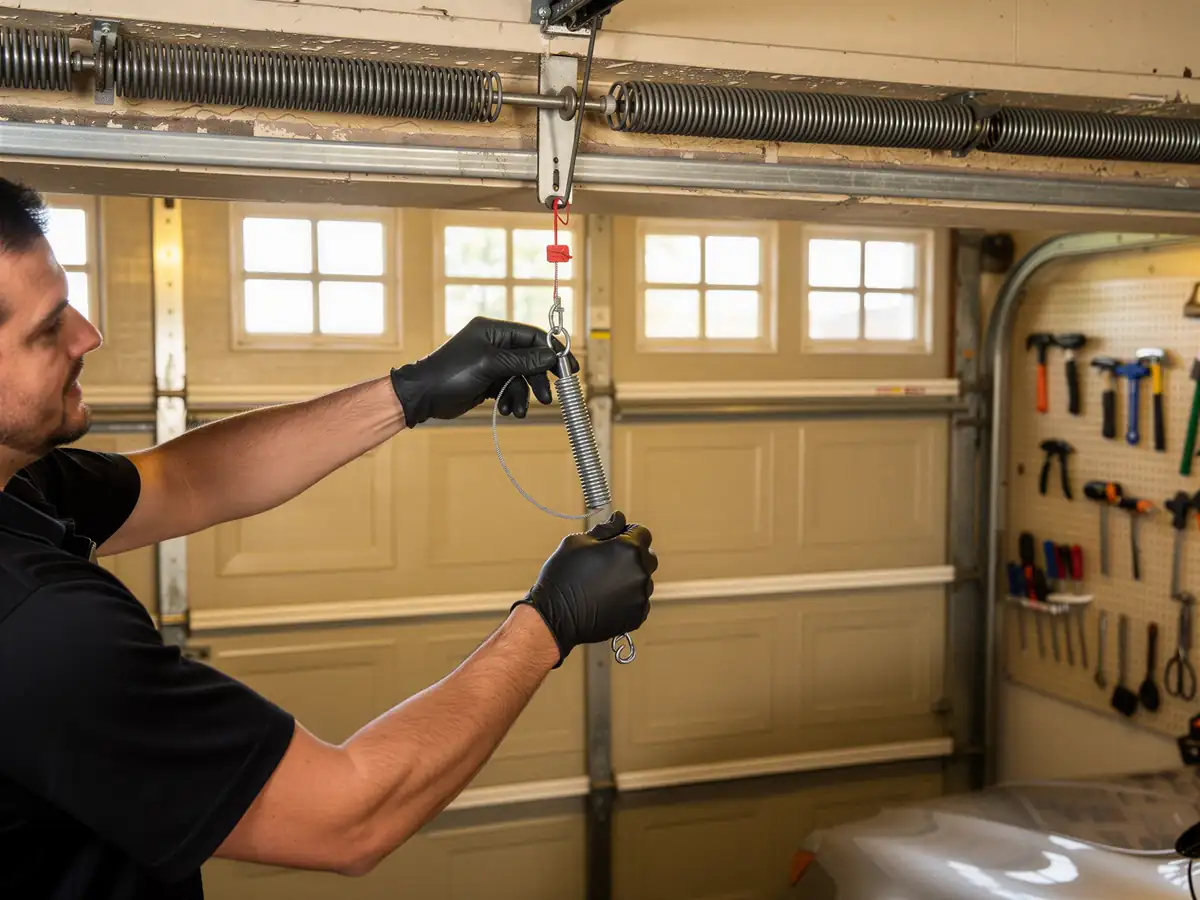
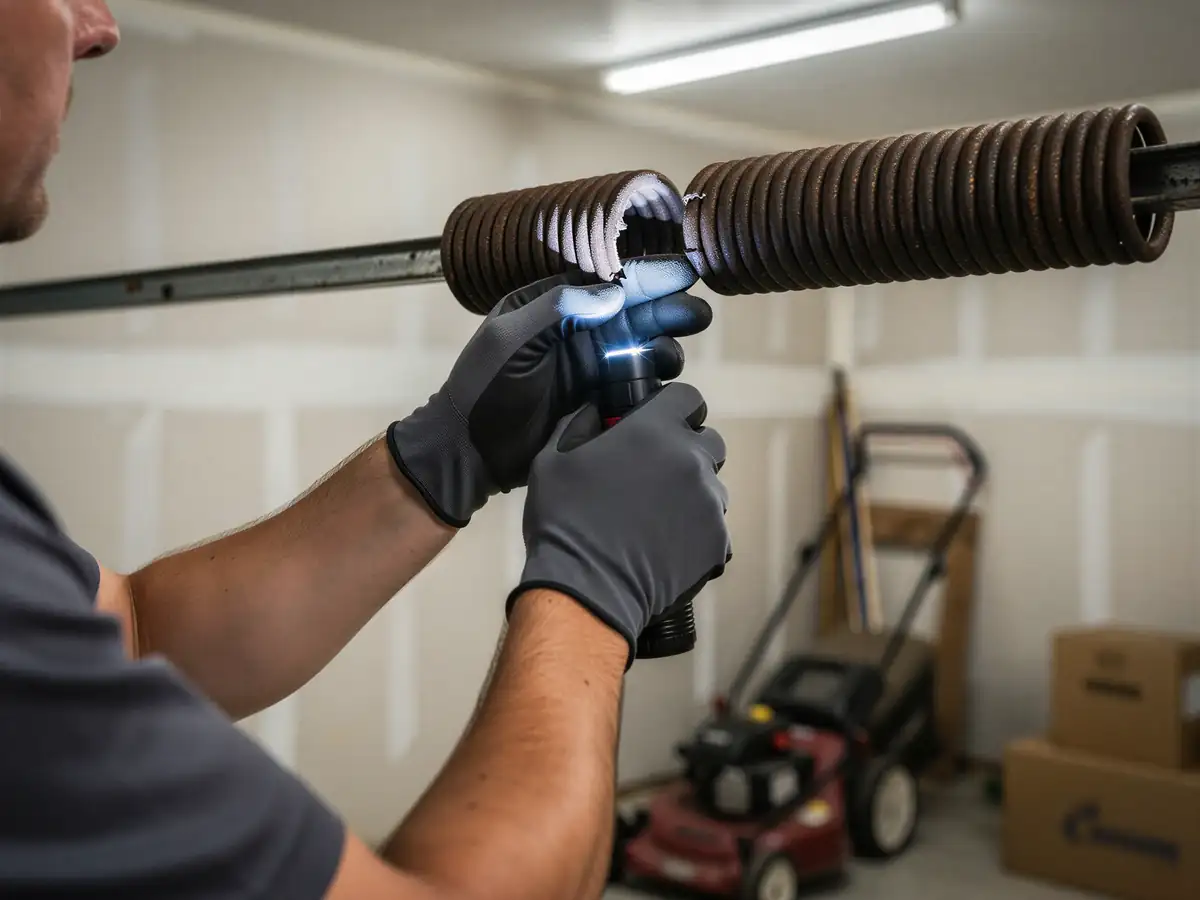
Swapping a bottom panel sounds like a weekend job until you're the one holding 150 pounds of door while trying to line up hinge bolts. The spring side of this is the real risk - if the door uses a torsion spring to hold tension, unbolting panels with that spring still wound can put the whole assembly through a windshield or a hand. That's not a scare tactic, it's just how the hardware is built.
Where we'll tell you straight: if it's a cosmetic ding on an upper panel with no crack and no gap, and the door still runs smooth, that's sometimes a live-with-it situation rather than a repair. We're not going to talk you into a job the door doesn't need. But cracked seams, water getting behind the skin, or a section that's pulled away from the hinge - that's not a DIY fix, and the sourcing lead time alone usually makes it not worth the attempt.
Why This Fails Locally
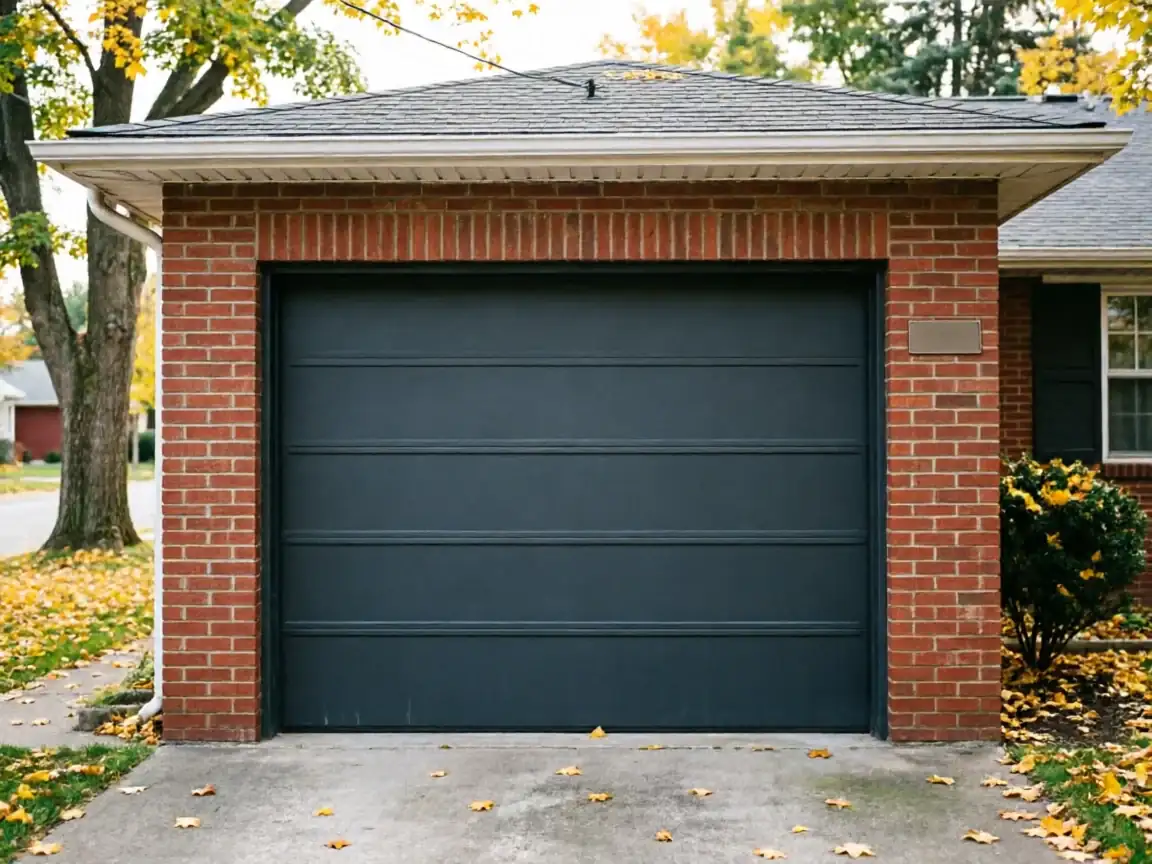
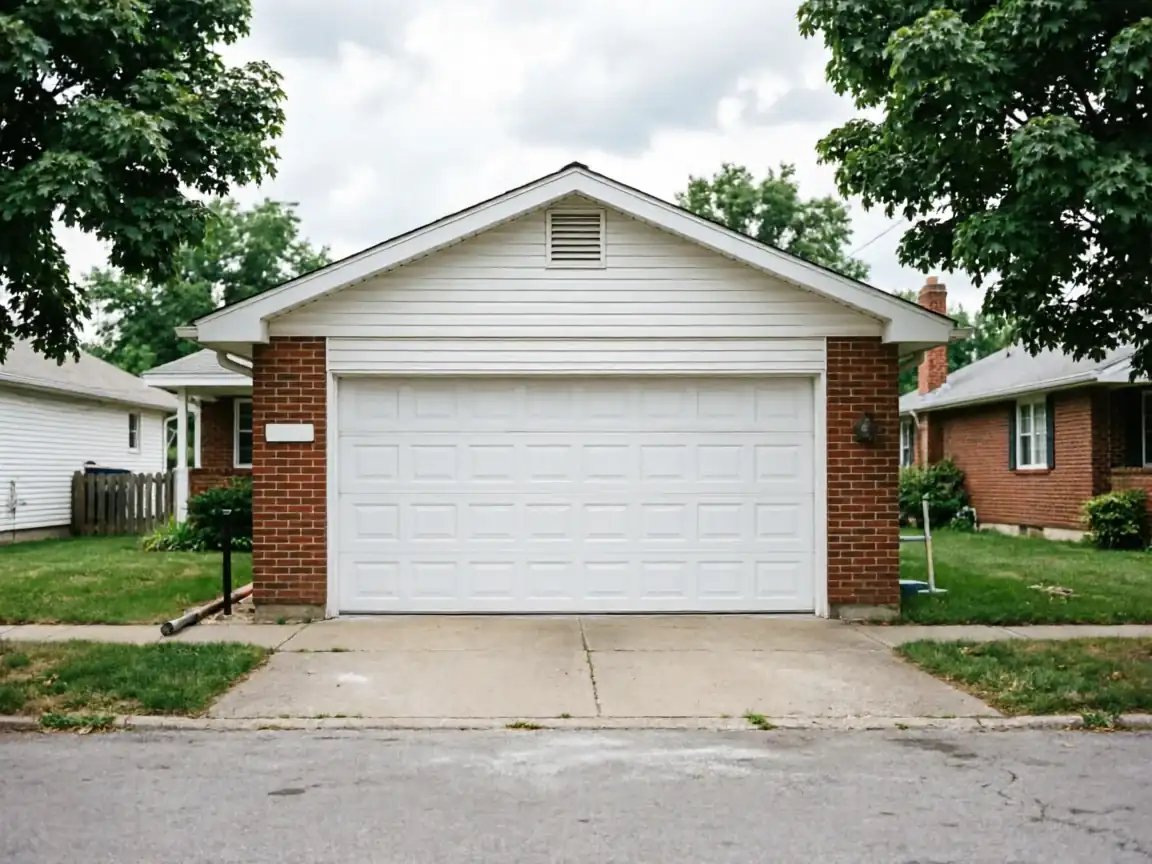
Minnetrista's housing stock runs newer than a lot of what we see closer to Hopkins - median build year sits around 1993, almost a decade past the wider service area's 1984 median. That means fewer of the old single-layer steel or wood doors and a lot more foam-core sectional doors from that same era. The foam is glued to the steel skin, and over thirty winters in a cold-climate zone, that glue line is the first thing to give. Moisture gets behind the skin at a seam, freezes, expands the gap, and the panel starts to bow or delaminate from the inside out - you'll see it as a slight ripple in the surface before it ever cracks.
At 2,912 households and a median income of $156,346, well above the $116,500 median across the wider area, we see more owners here choosing to replace a full run of panels rather than patch one and wait for the next one to go. Neither approach is wrong - it depends on how many sections are already showing the same wear.
What You Pay
We don't have a flat number to post here, and we're not going to make one up
What drives cost is whether we're matching one panel to an existing door or replacing a full set, what the panel profile is, and whether the manufacturer still produces it. A single matched panel on a common profile costs less than tracking down a discontinued one, and either costs less than a full door - but a full door sometimes makes more sense once you're replacing three or four sections on a door that's pushing thirty years old.
We'll give you the actual number once we've seen the door or the photo, not before
If you want the general breakdown of how we price panel work out of the Hopkins shop, that's covered on our main panel replacement page, linked below - this page is about what's specific to doors built in this town, not the pricing structure itself.