Stocked Parts
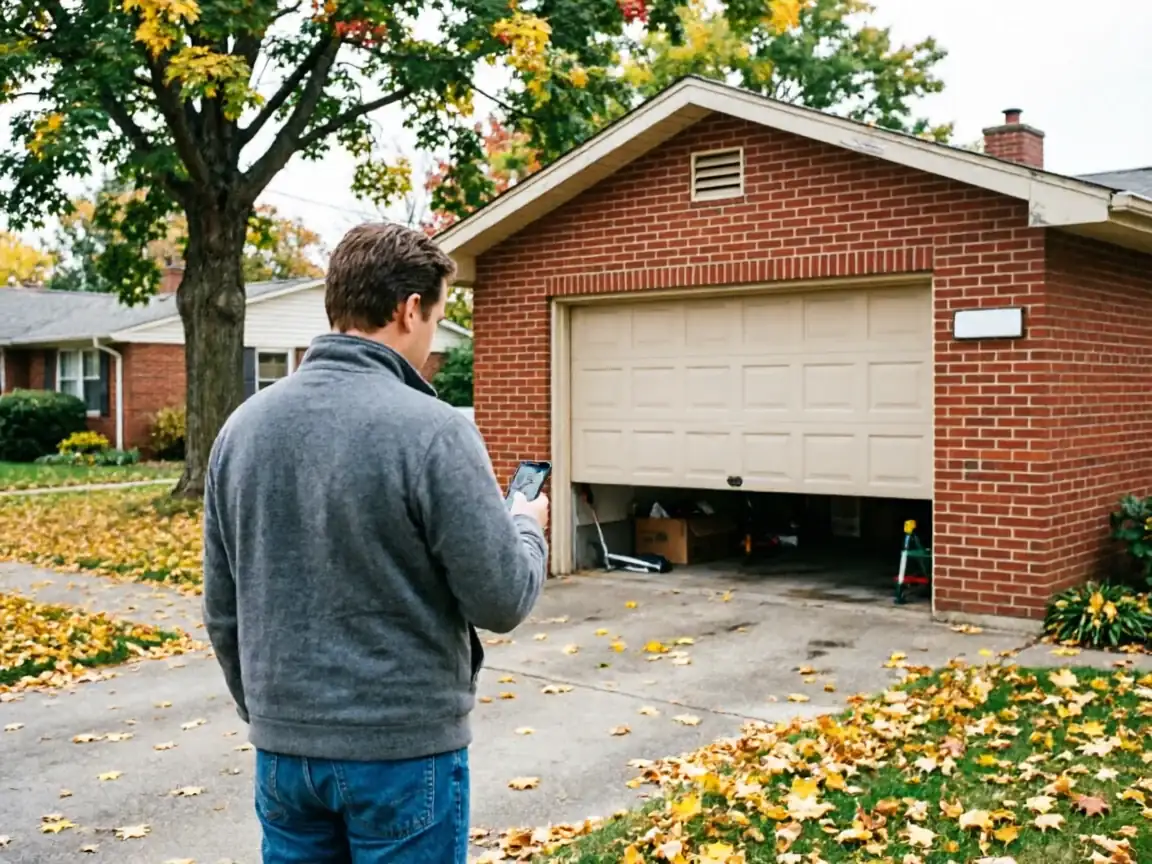
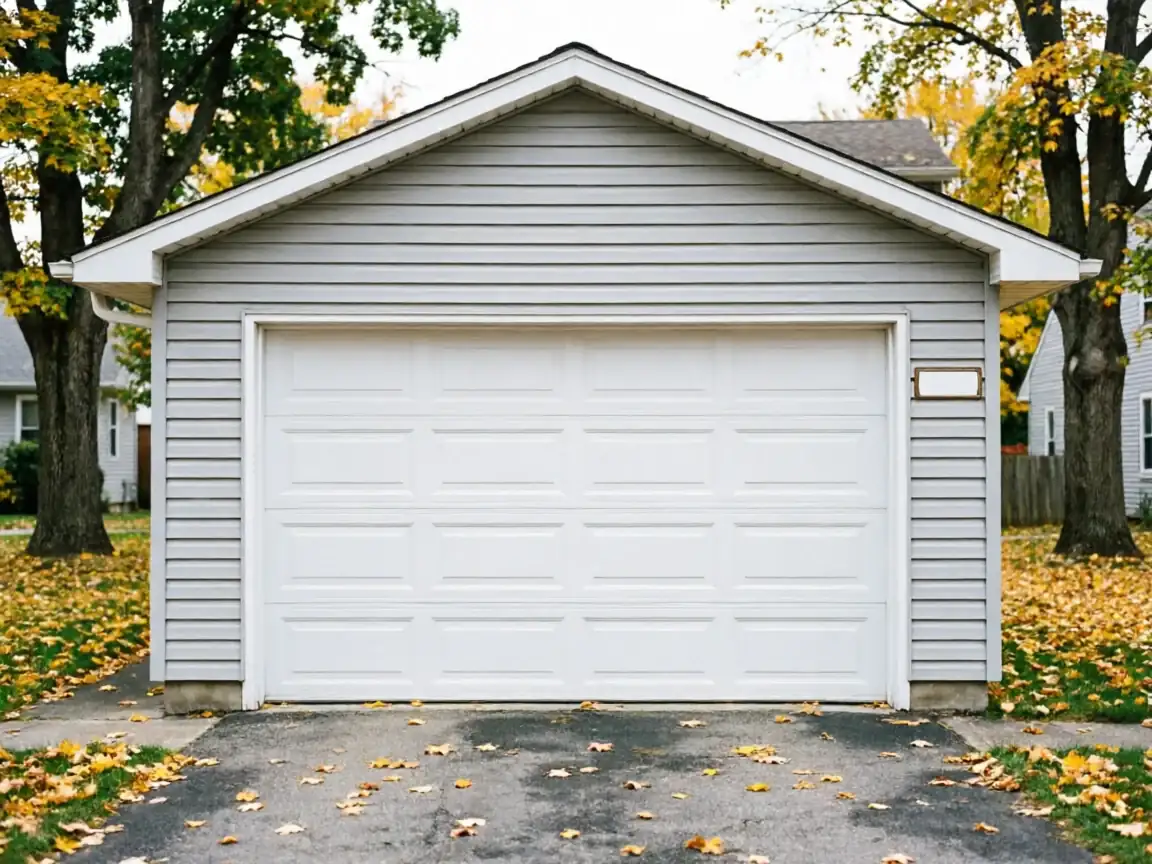
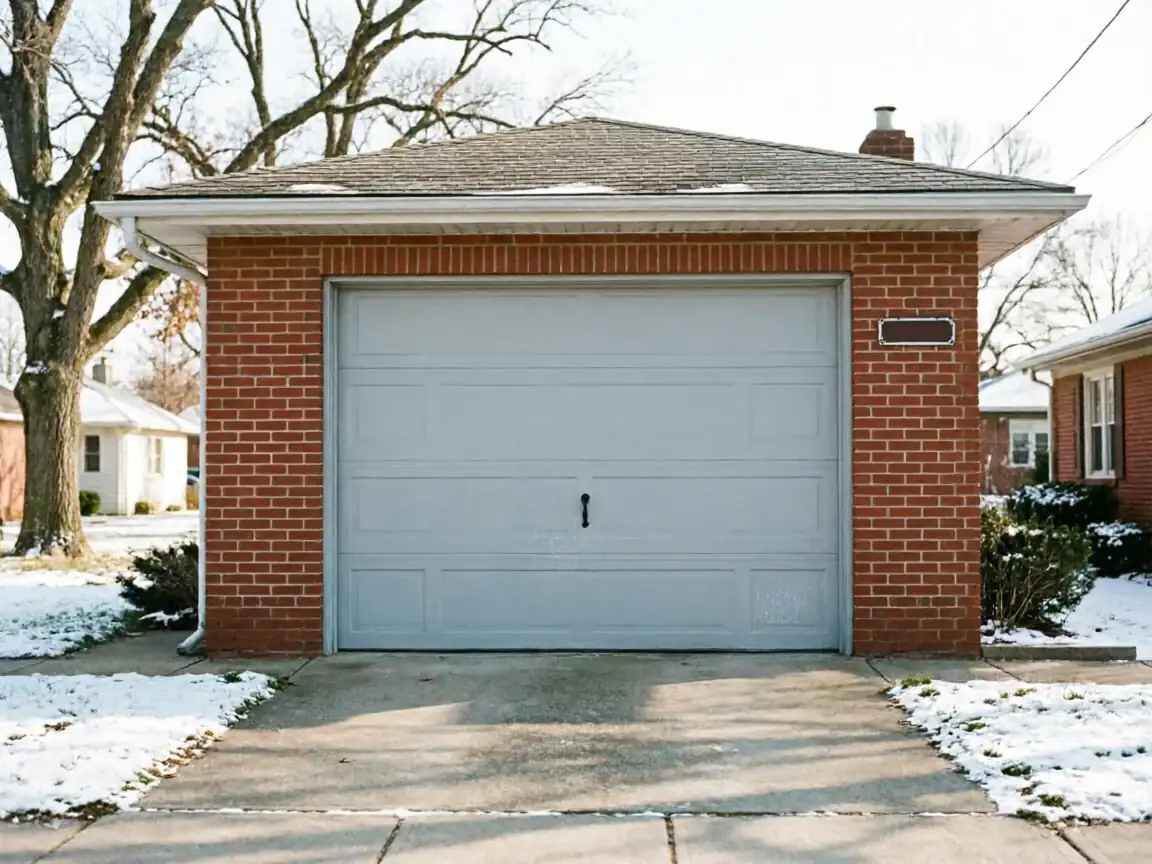
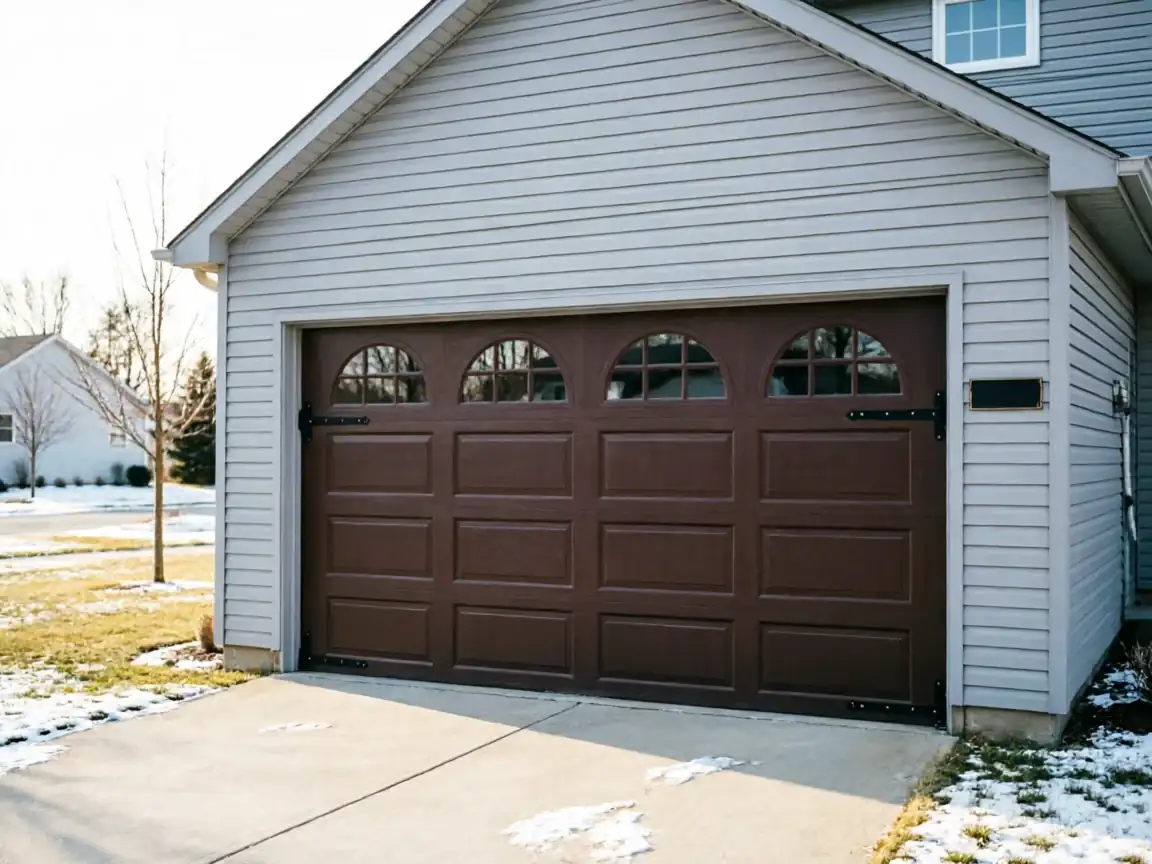
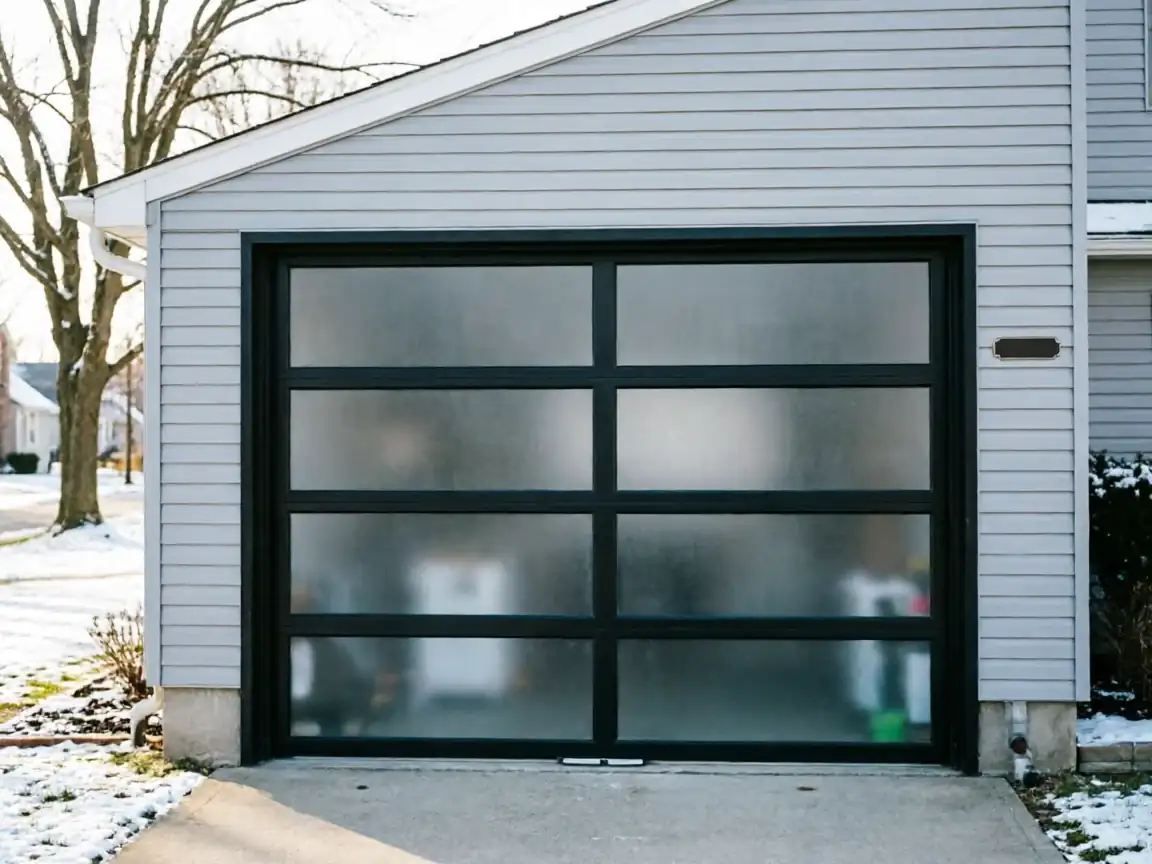
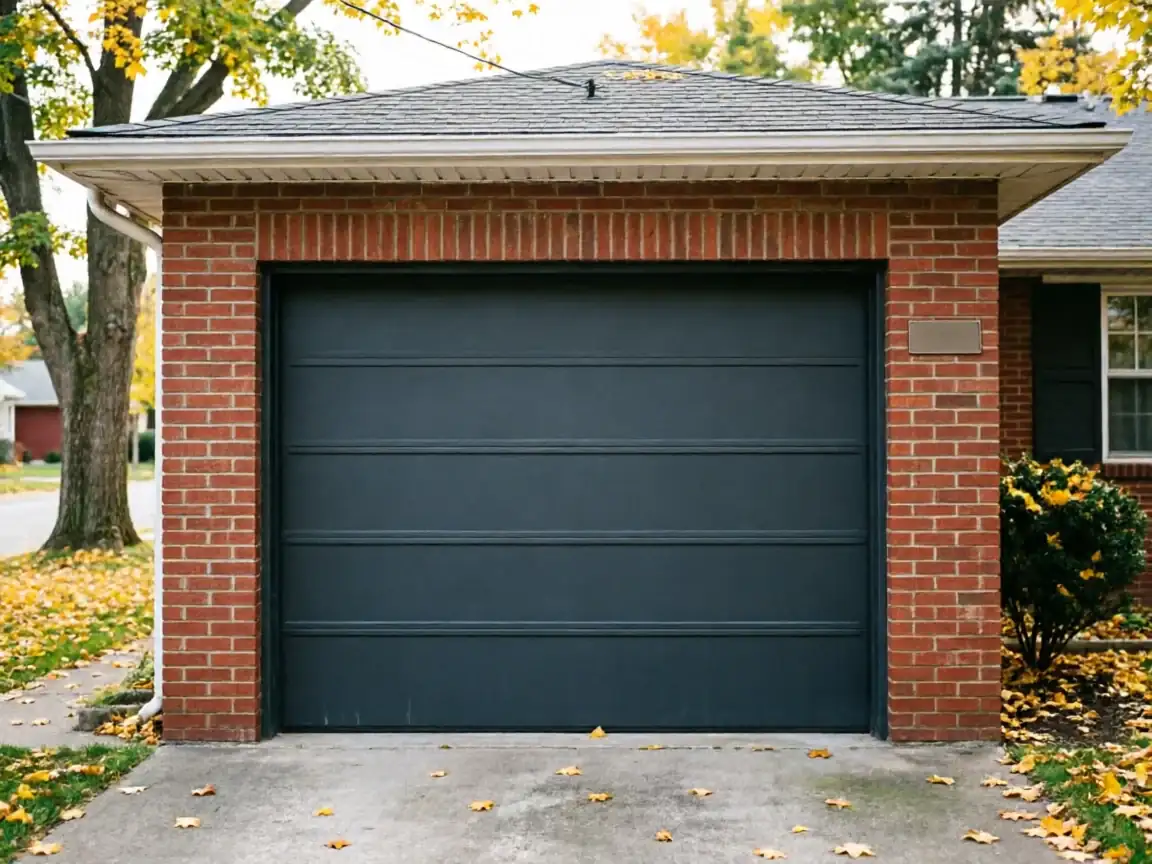
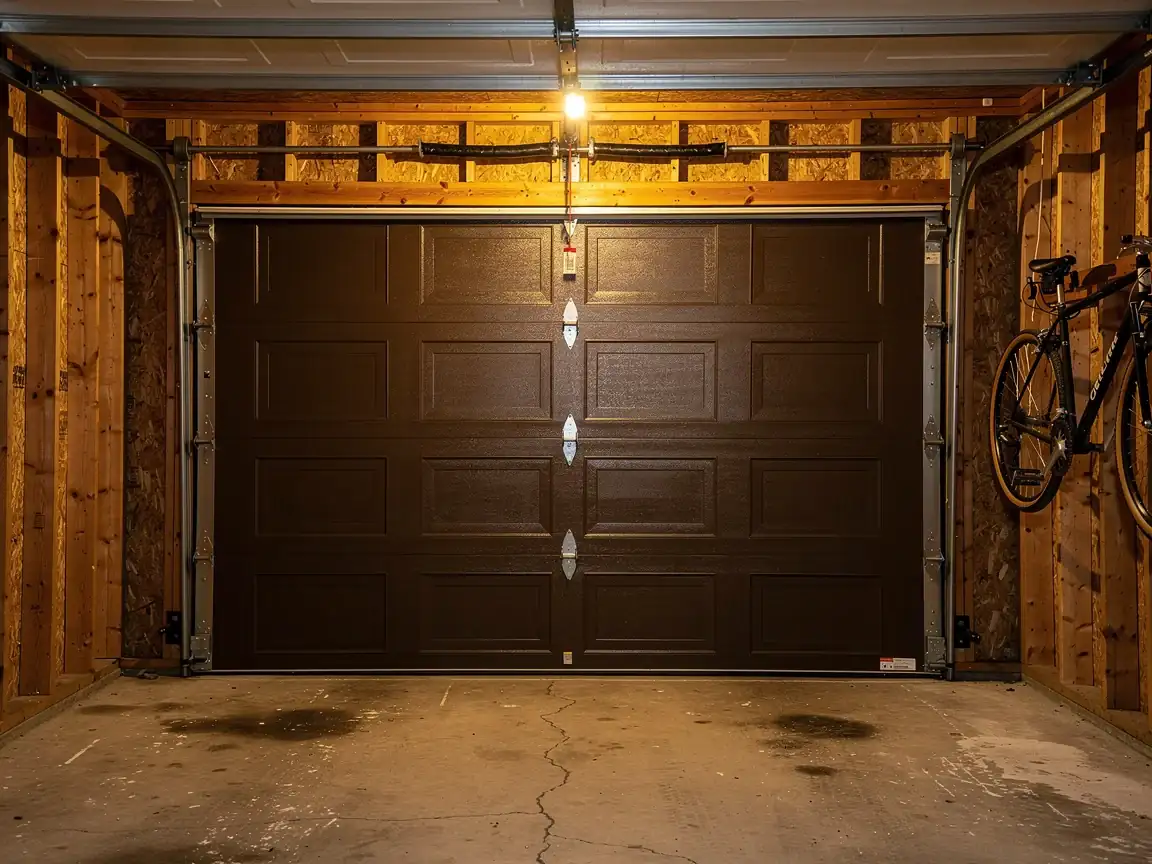
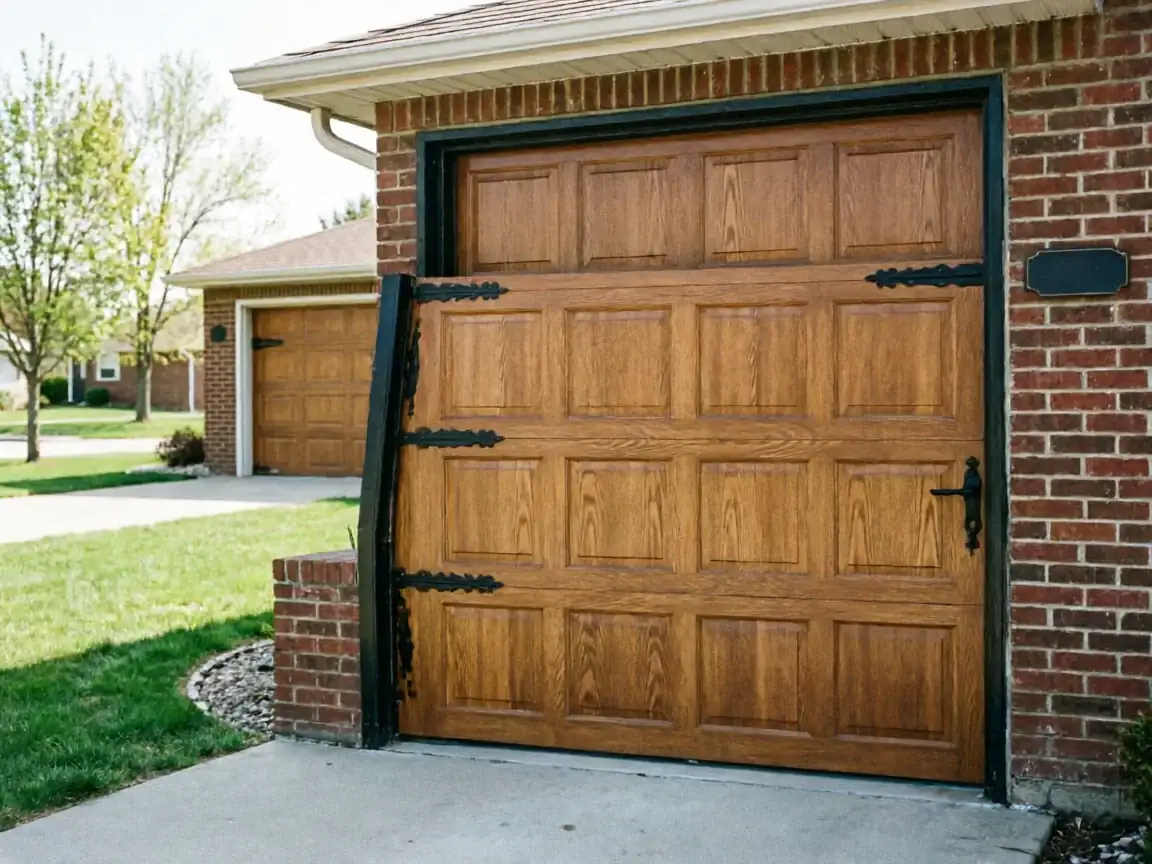
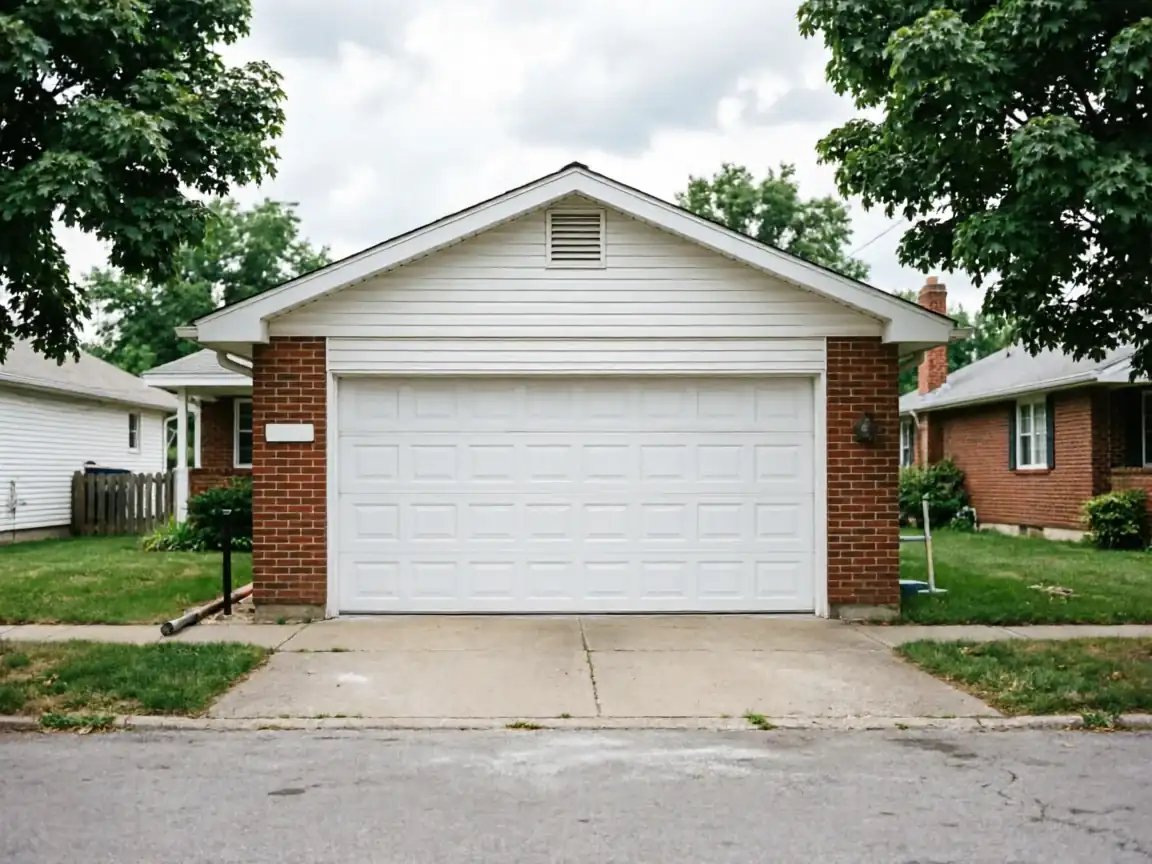
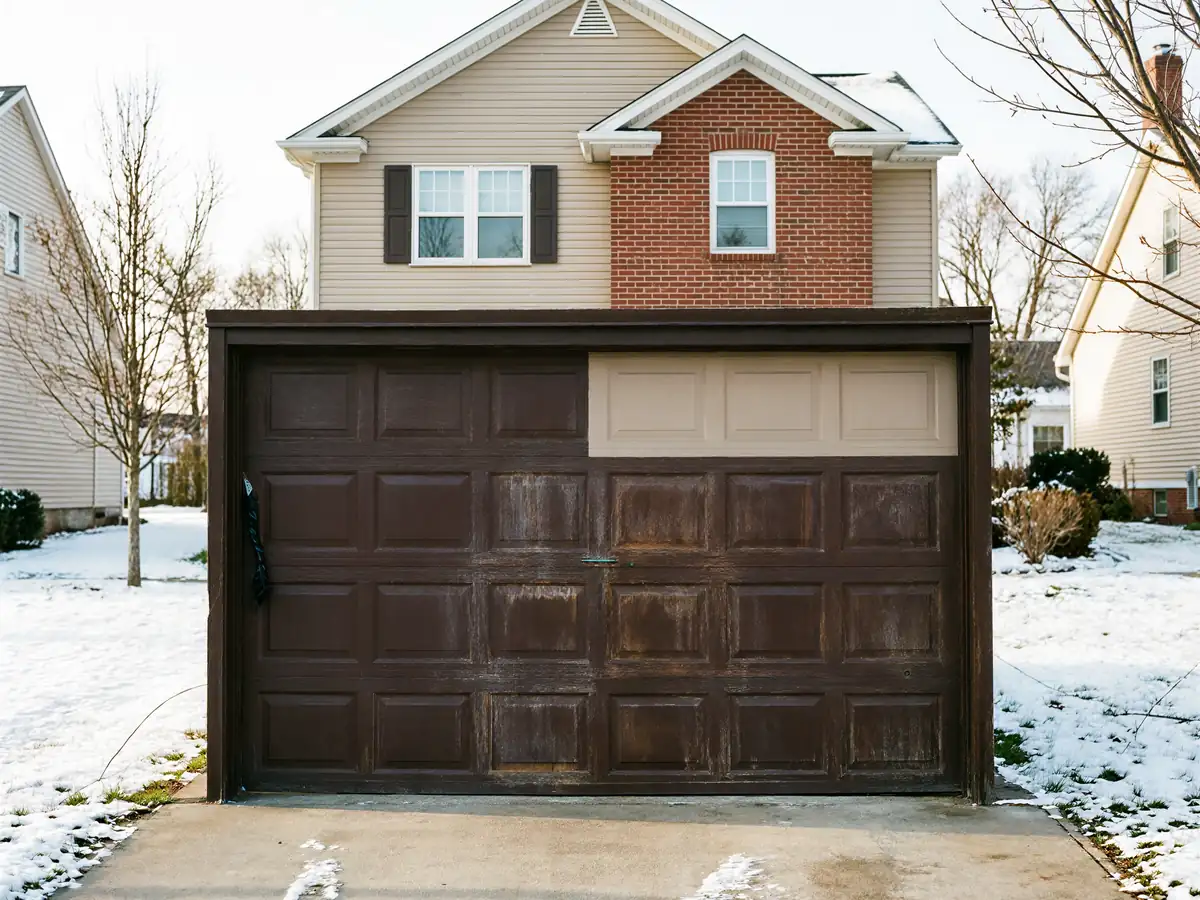
Rogers sits apart from a lot of what this company covers. The median house here was built in 2003, two decades newer than the 1984 median across the rest of the service area. That gap matters more than it sounds like it should. A door built in the mid-80s is often a one-piece slab on side-mount torsion hardware that nobody stocks new anymore. A door built in 2003 is almost always a steel sectional on standard torsion springs sized to code that was already modern when the house went up.
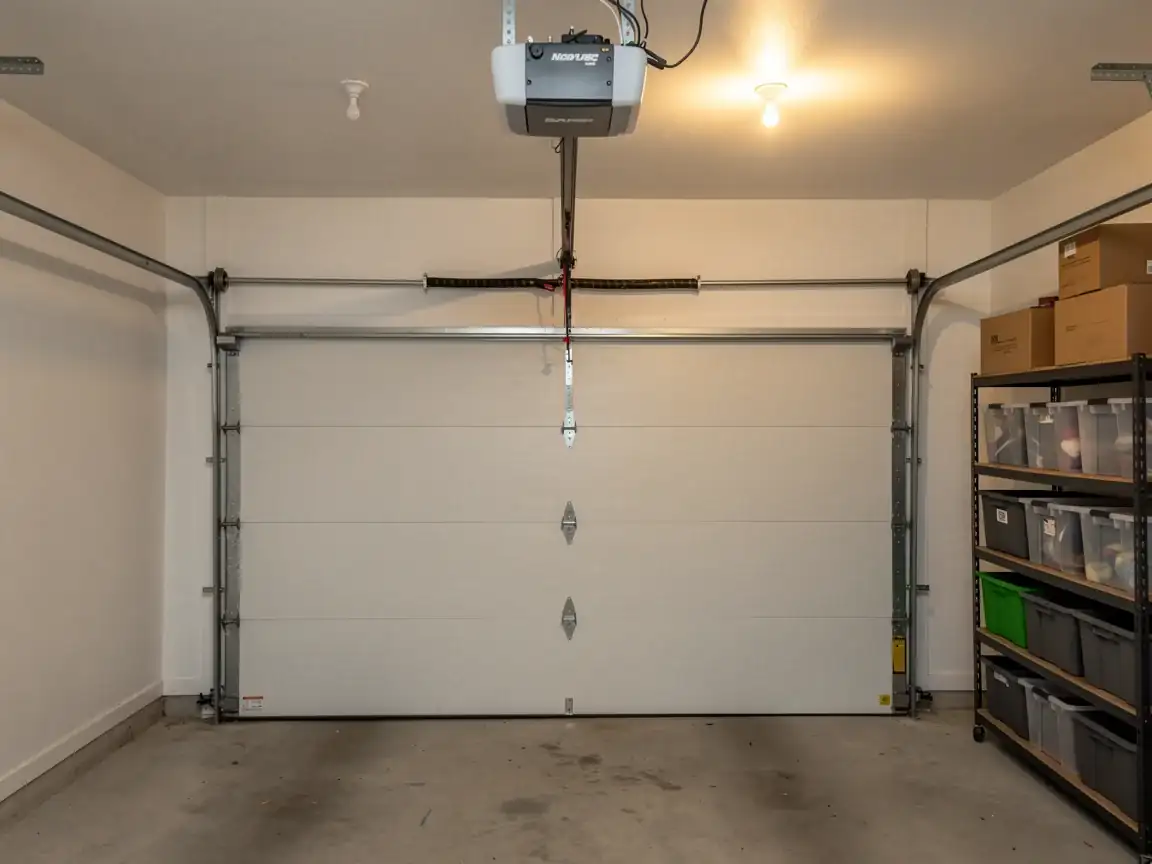
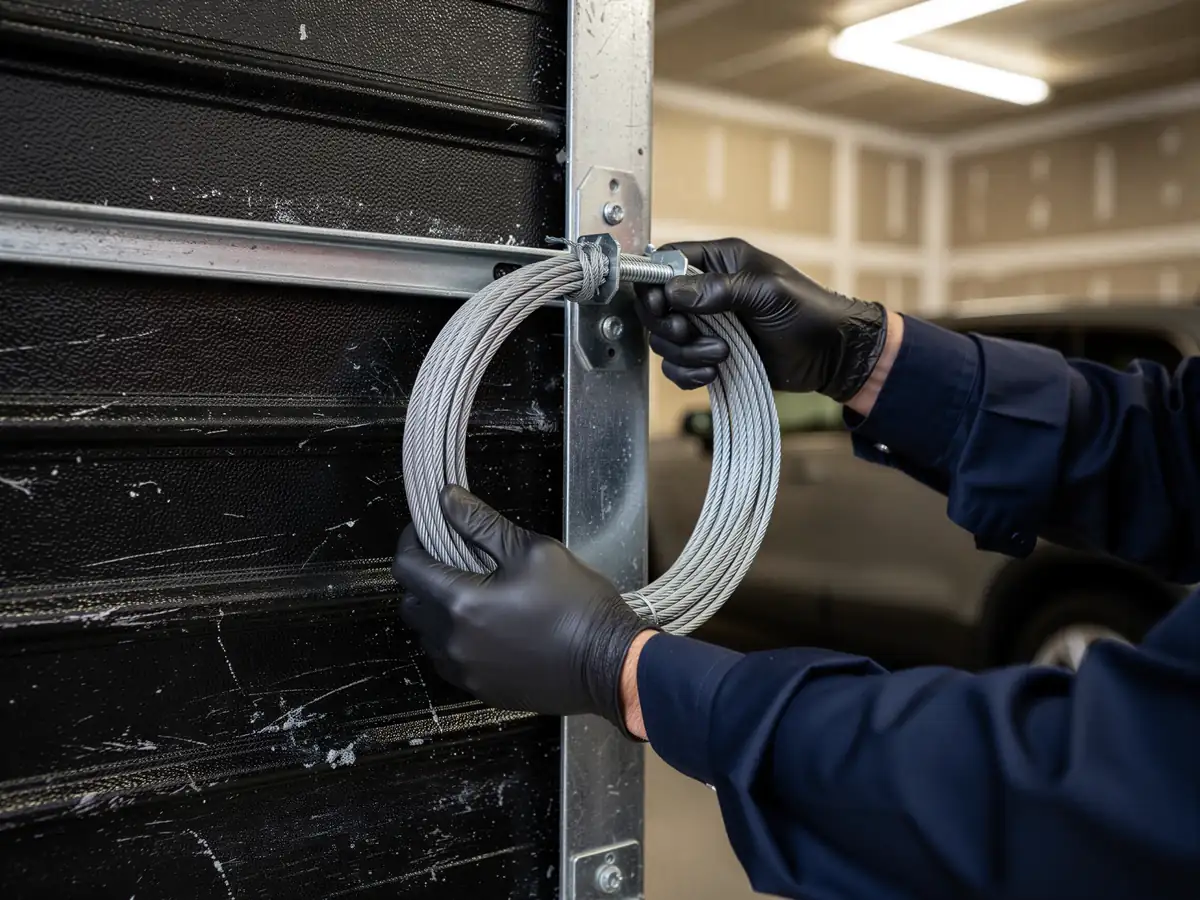
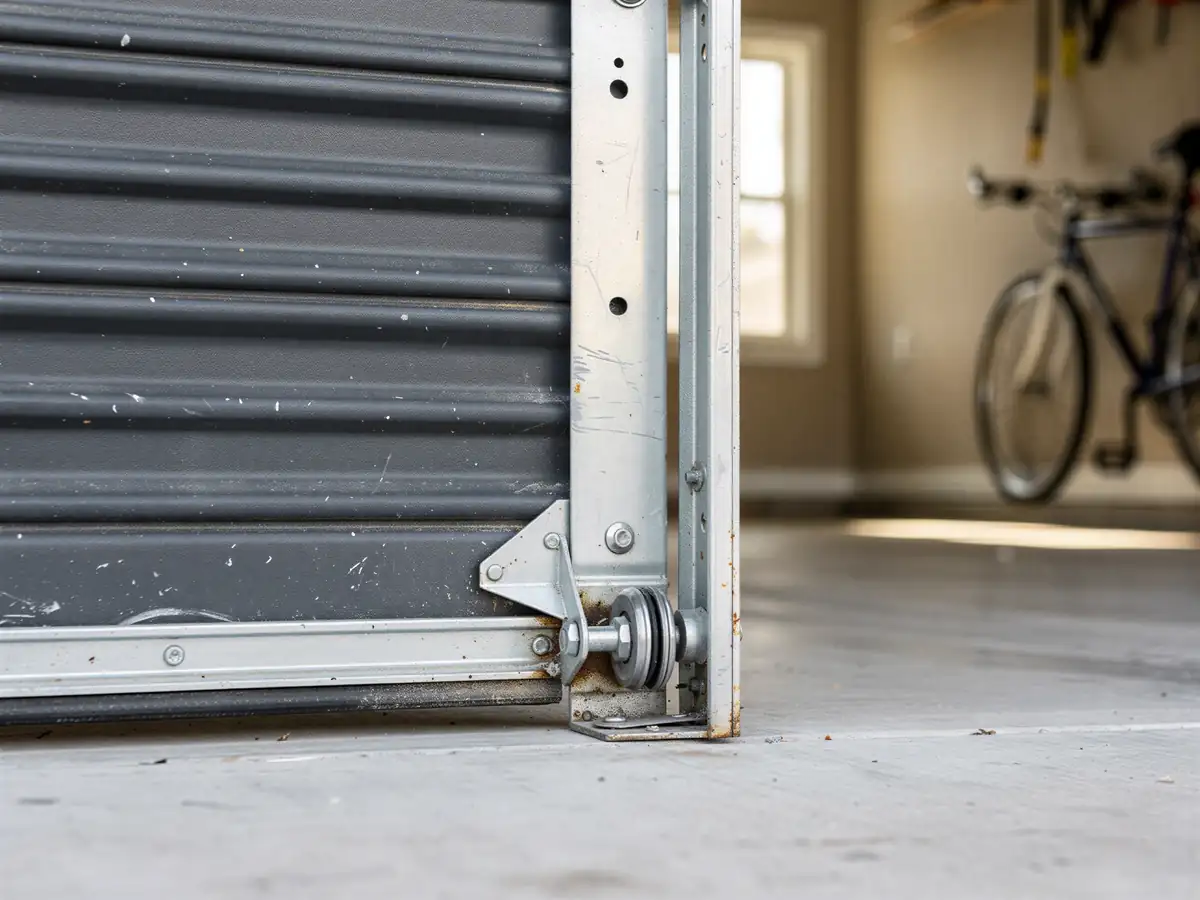
What that means on the truck: springs, cables, rollers, and hinges for this era of door are common sizes, not special orders. Openers from this build window are usually chain or belt drive units with circuit boards rather than the older electromechanical relay units you still find in 1960s and 70s garages elsewhere in the service area. A tech showing up to a Rogers job is more likely to have the right spring wound and the right roller in hand on the first visit, because the hardware here skews newer and more standardized. The honest limit: if a previous owner swapped in a cheap off-brand opener or a non-standard door width, that's still a special order, same as anywhere.
The DIY Question
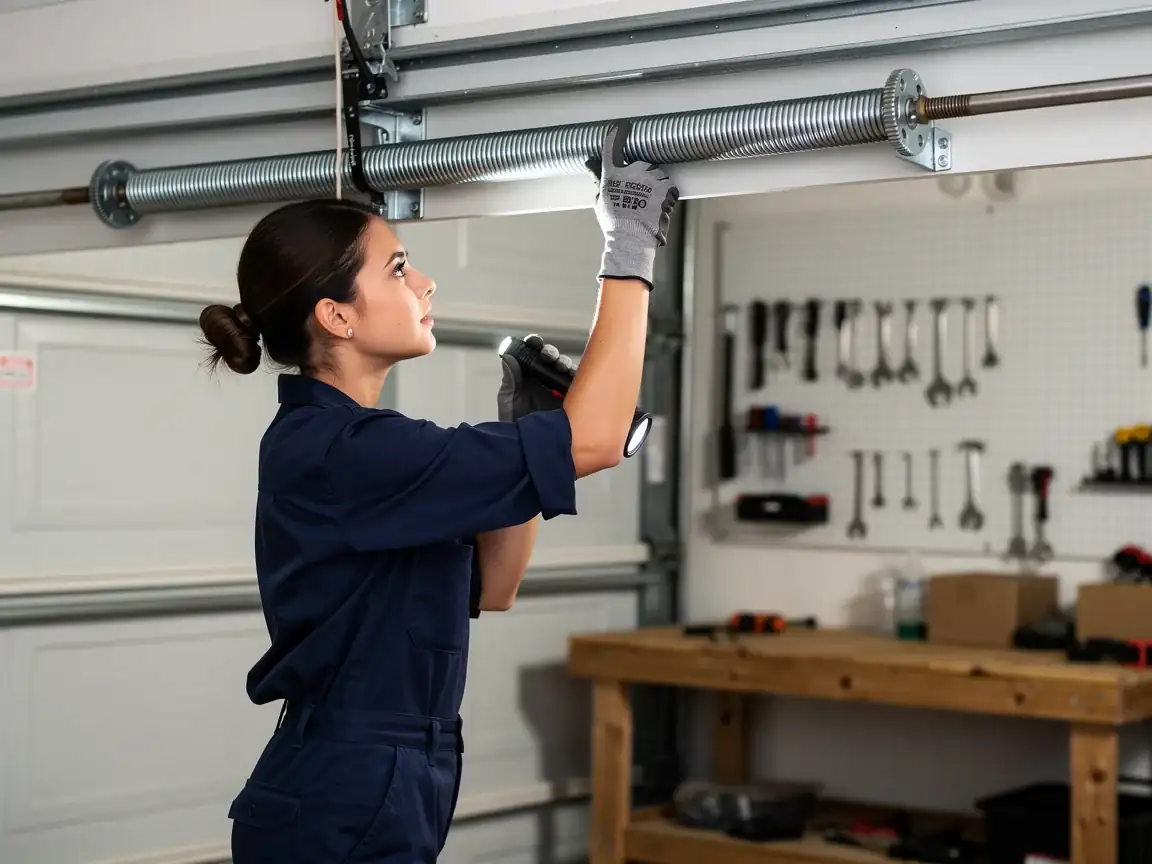
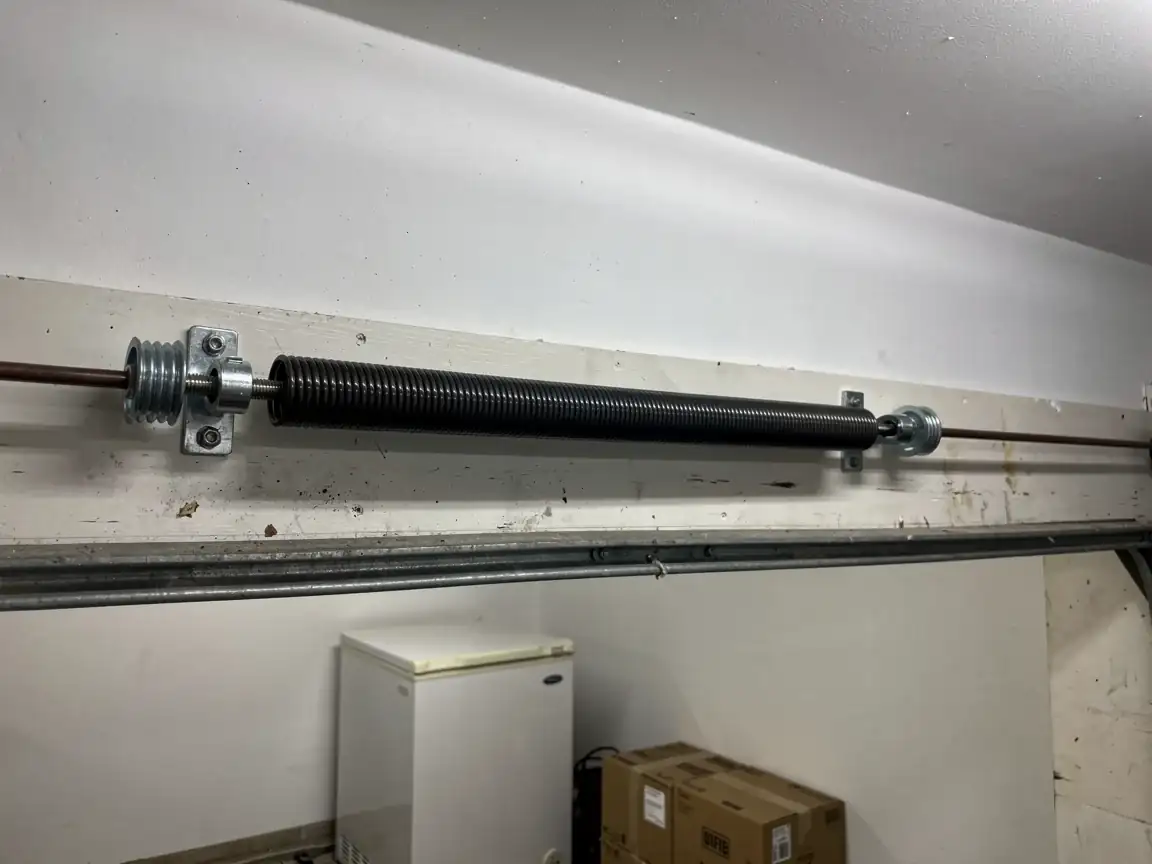
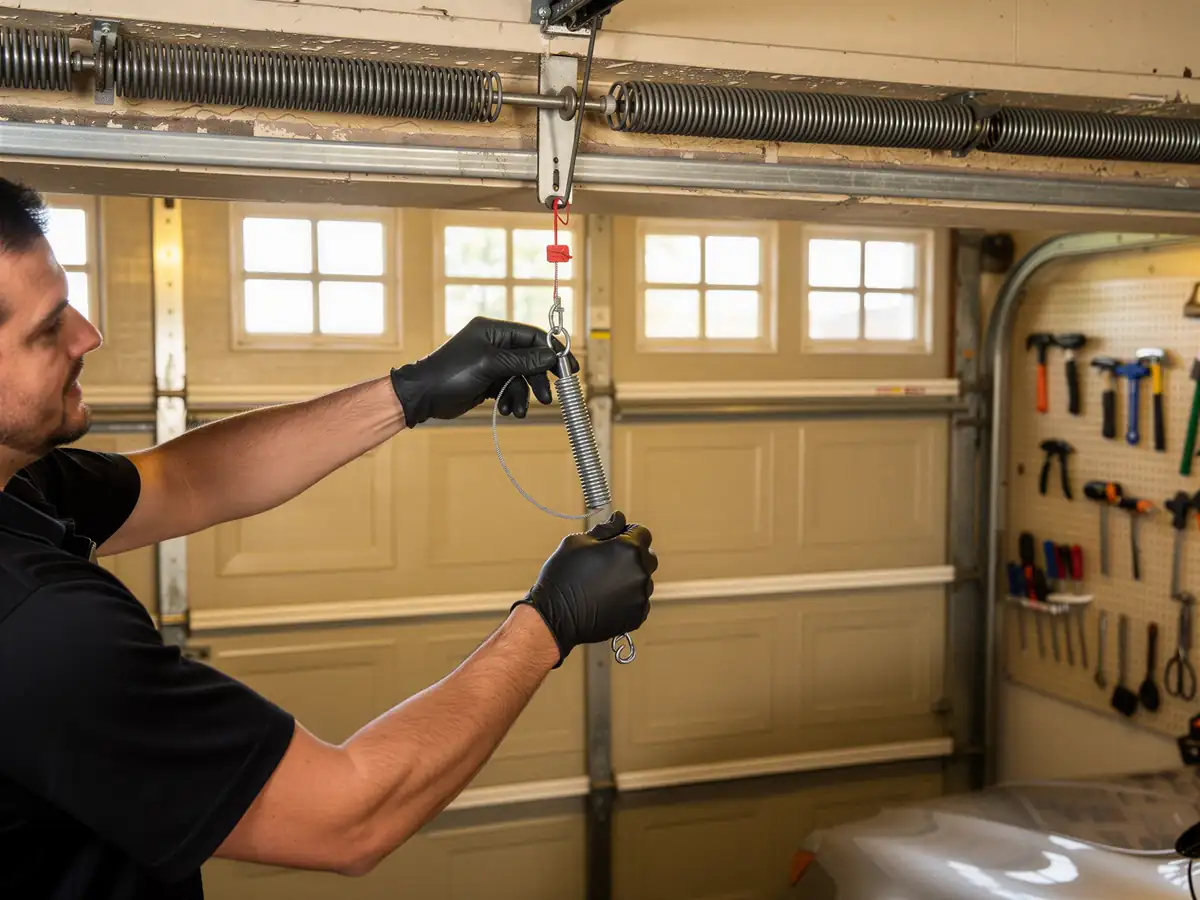
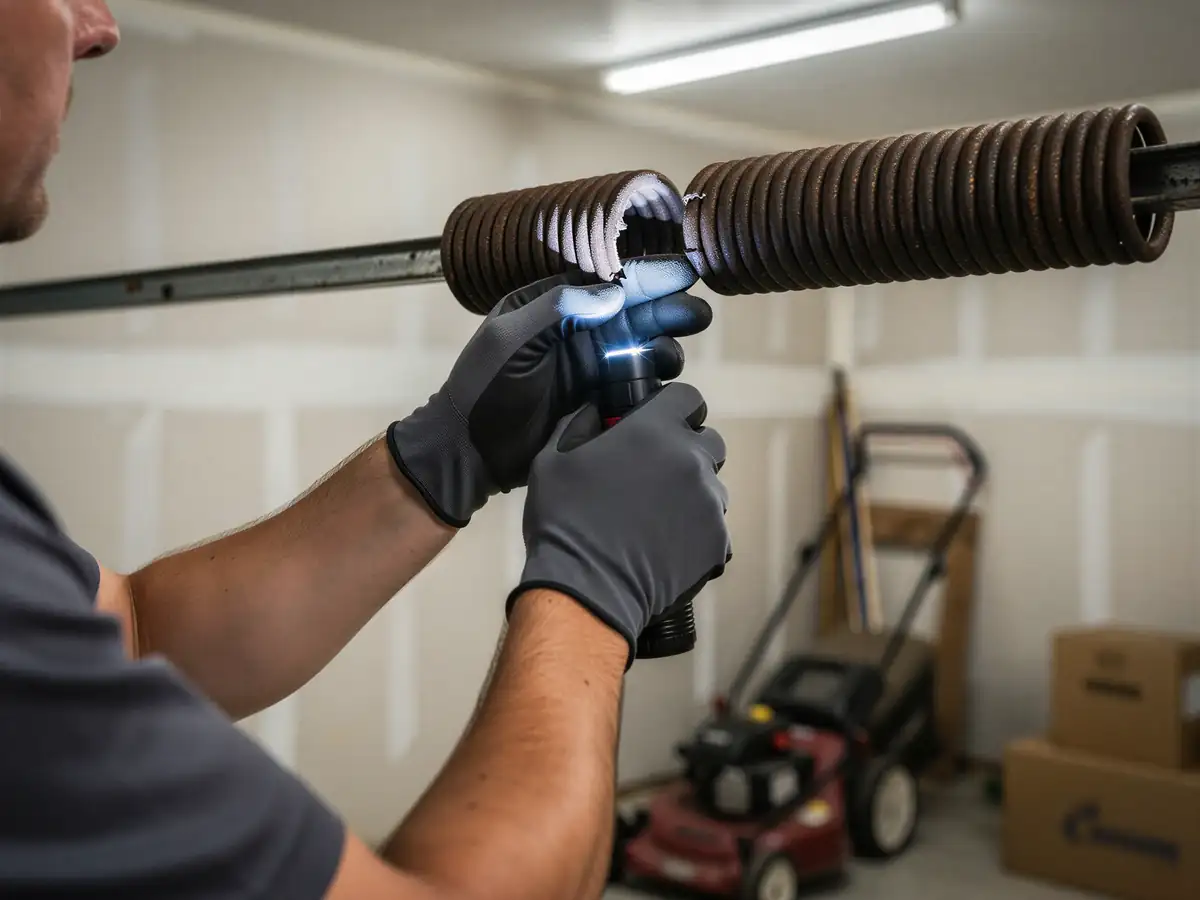
A torsion spring under tension can break a hand or worse
And that risk doesn't care what year the house was built. Newer doors don't make this safer to do yourself - if anything, the springs on a heavier insulated steel door built after 2000 are wound tighter than the lighter doors common on older homes.
What a Rogers homeowner can reasonably check
The track for visible bends, the weatherstripping for gaps, whether the opener's safety sensors are aligned and blinking steady instead of flashing. Lubricating rollers and hinges with the right product is fine. Replacing a spring, a cable, or re-tensioning anything under load is not a weekend project, regardless of the door's age. If the opener logic board is throwing error codes, that's also not a DIY fix - those boards aren't interchangeable across brands and guessing wrong can fry a new board.
What You Pay
There's no flat number that applies to every Rogers call, and it wouldn't be honest to invent one. What drives the cost on a job in this part of the service area is usually the door type rather than the trip - these are newer steel sectional doors, which means parts are standard sizes rather than custom-order items, and that keeps a repair from turning into a multi-week wait on a part nobody carries.
Household income here runs well above the rest of the service area - $159,638 against a $116,500 median across the 93,593 households this company serves - which sometimes shows up as homeowners opting to replace rather than patch an aging opener. That's a choice, not a push; a working spring and cable set on a ten-year-old door usually doesn't need a new door around it.
How Long You Are Without the Door
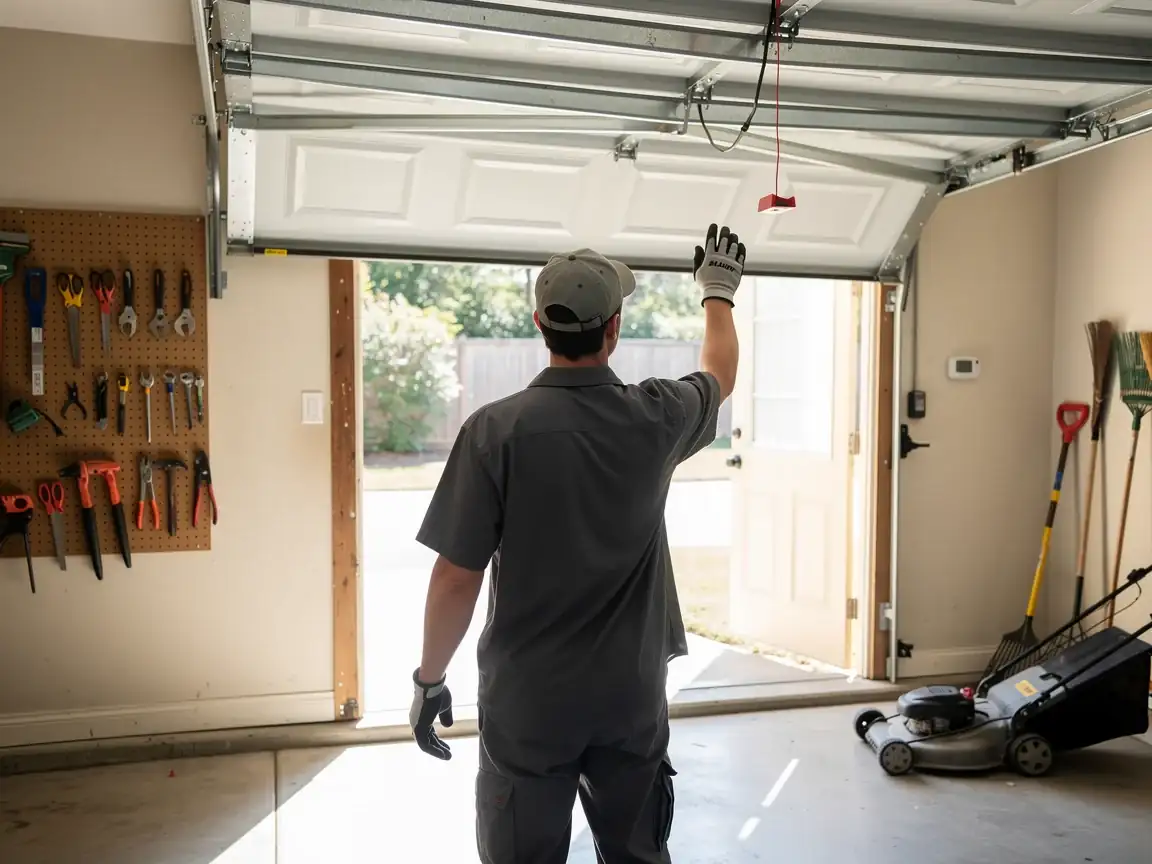
Rogers is about 20 miles out from Hopkins, where the crew runs from. That distance affects scheduling, not whether the job gets done right. What actually shortens the time your car sits in the driveway is parts availability, and that's where the newer housing stock here works in your favor - standard torsion springs, standard roller sizes, and openers from a build era where parts are still in normal circulation.
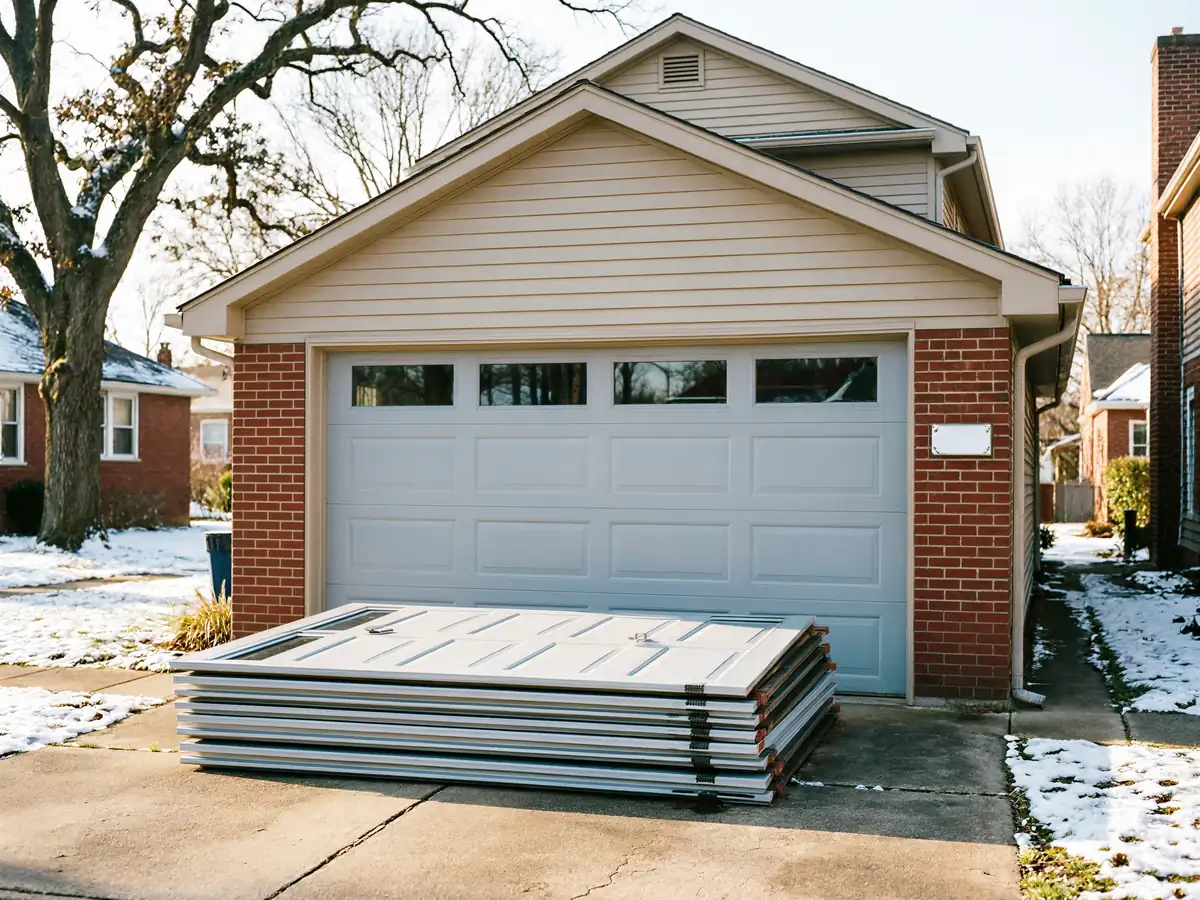
The slower jobs are the ones needing a part that has to be ordered in, which happens more with obsolete opener boards or a non-standard door width than with anything tied to this suburb specifically. A straightforward spring or cable repair on a 2000s-era steel door is typically a same-visit job once the tech is on site with the right spring size.
What the Repair Takes
Most calls in Rogers break down into a handful of jobs
A broken torsion spring on a double door, a frayed or snapped cable, a bent track from a car bumping it, or an opener that's stopped responding to the wall button or remote. Because the housing stock here is newer, the openers are more likely to be belt or chain drive units with a circuit board, which means diagnosing an opener fault is as much about reading an error code as it is about checking the chain tension.
A spring swap on a standard steel sectional door is usually under two hours once the tech has the right spring on the truck
Track and roller work takes longer if the door's gotten out of square from repeated bumps. The one thing that slows any of this down, in Rogers or anywhere else, is a non-standard door width or a logic board that has to be special-ordered - that's the honest exception to the otherwise straightforward profile of this area's doors.