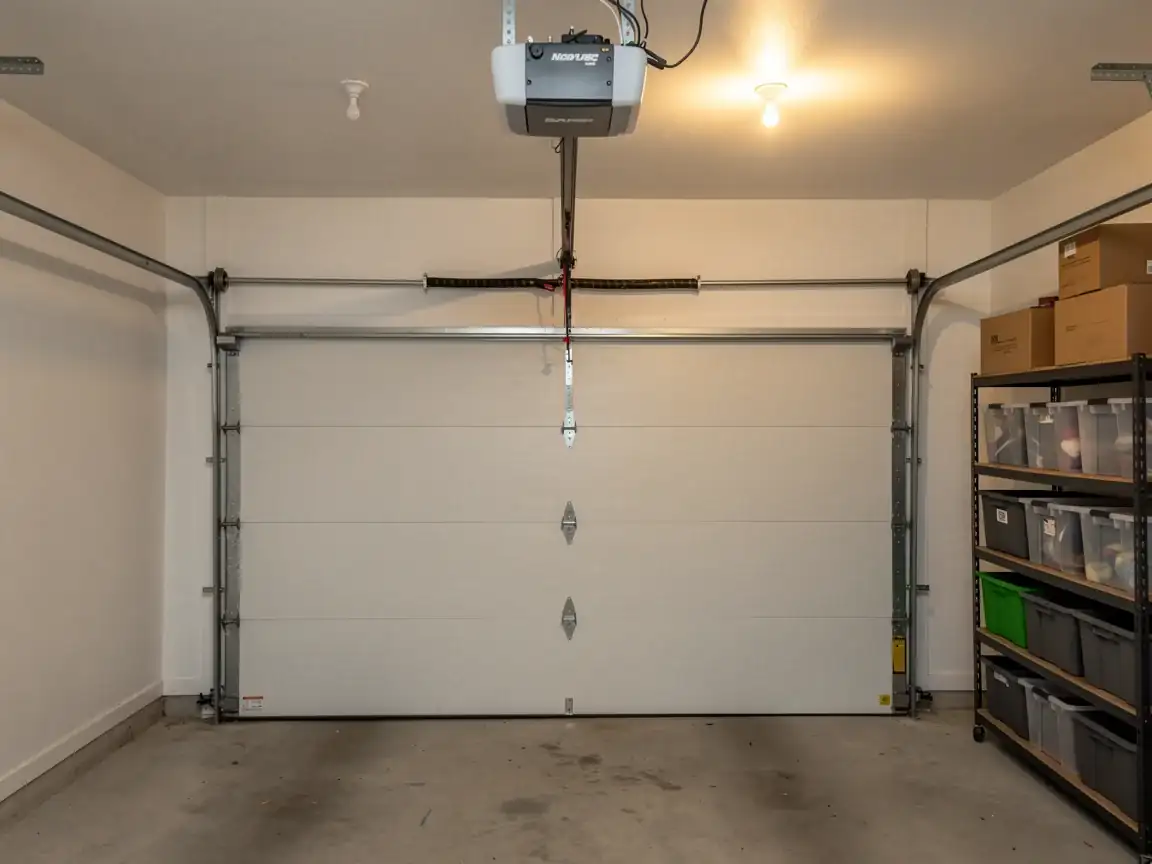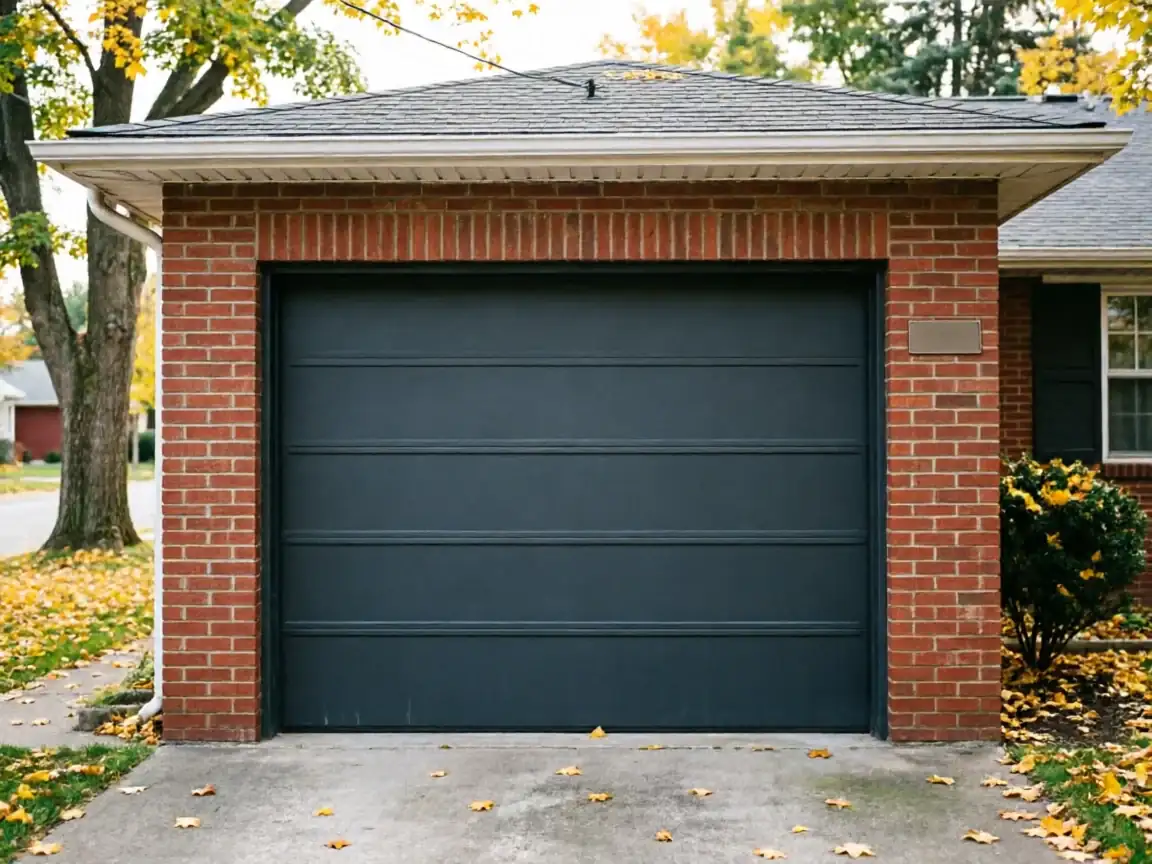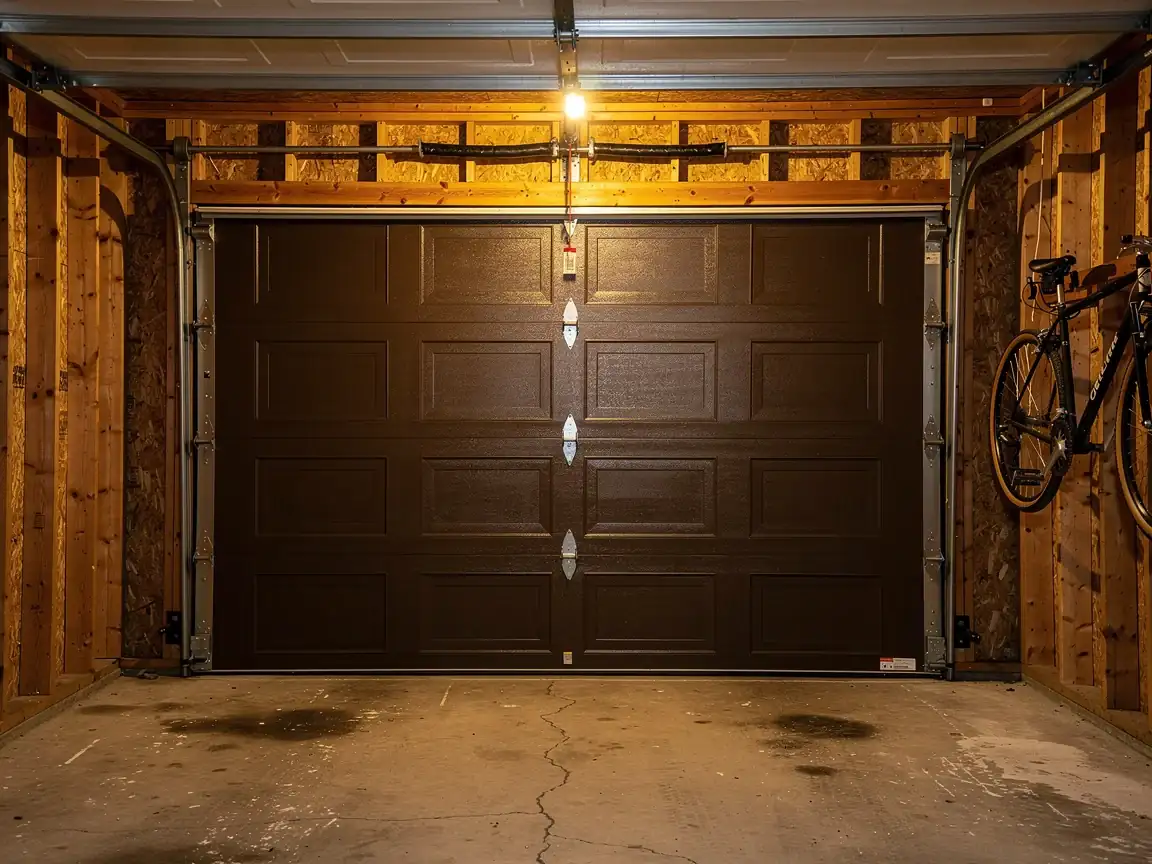
Stocked Parts
Rogers is a small piece of the territory we cover out of Hopkins - about 4,586 households, compared with 93,593 across the full service area. That matters for parts, because a smaller town means fewer identical doors on the street and less chance we've already got your exact panel sitting in the truck.
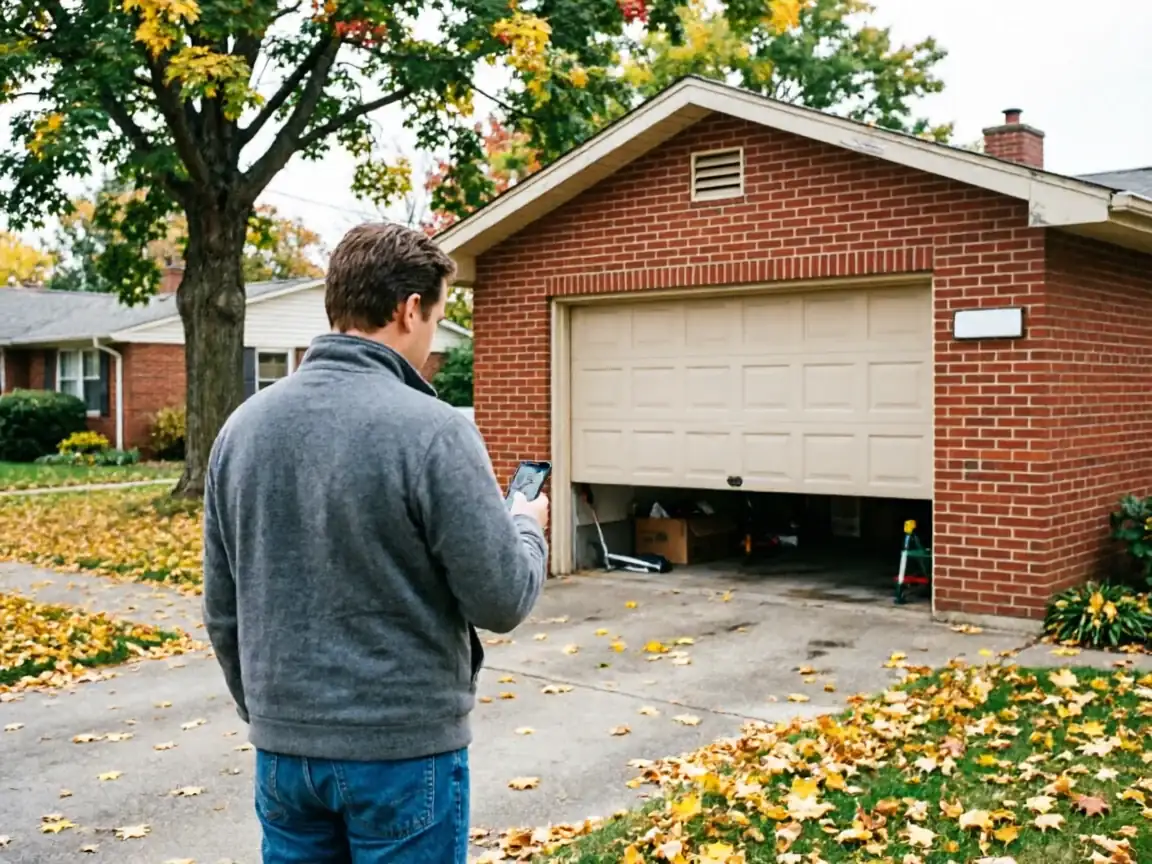
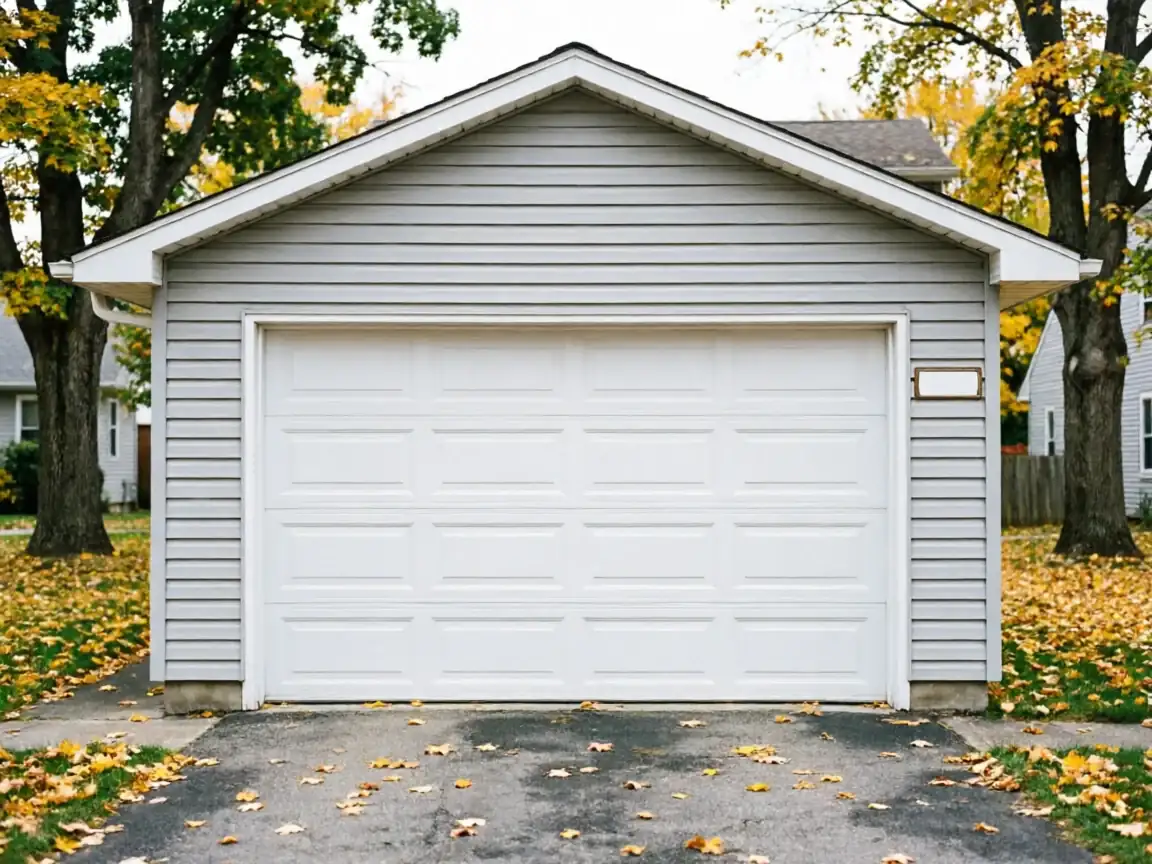
Most Rogers houses went up well after the service area's 1984 median build year - the city's own median is 2003. That later construction window means a lot of factory-finished steel sectional doors with baked-on color coats, not the painted wood or bare steel common on older stock elsewhere. We carry common panel widths and the usual embossed steel profiles, but matching a specific factory color on a 2003-and-newer door usually means ordering from the manufacturer by model and color code rather than grabbing a generic blank off the shelf.
That's the honest limitation: if your door's panel finish isn't a common stock color, the replacement panel is a special order, and we can't shortcut that lead time no matter how close the job is. We'll tell you up front if that's the situation before we start anything.
The DIY Question
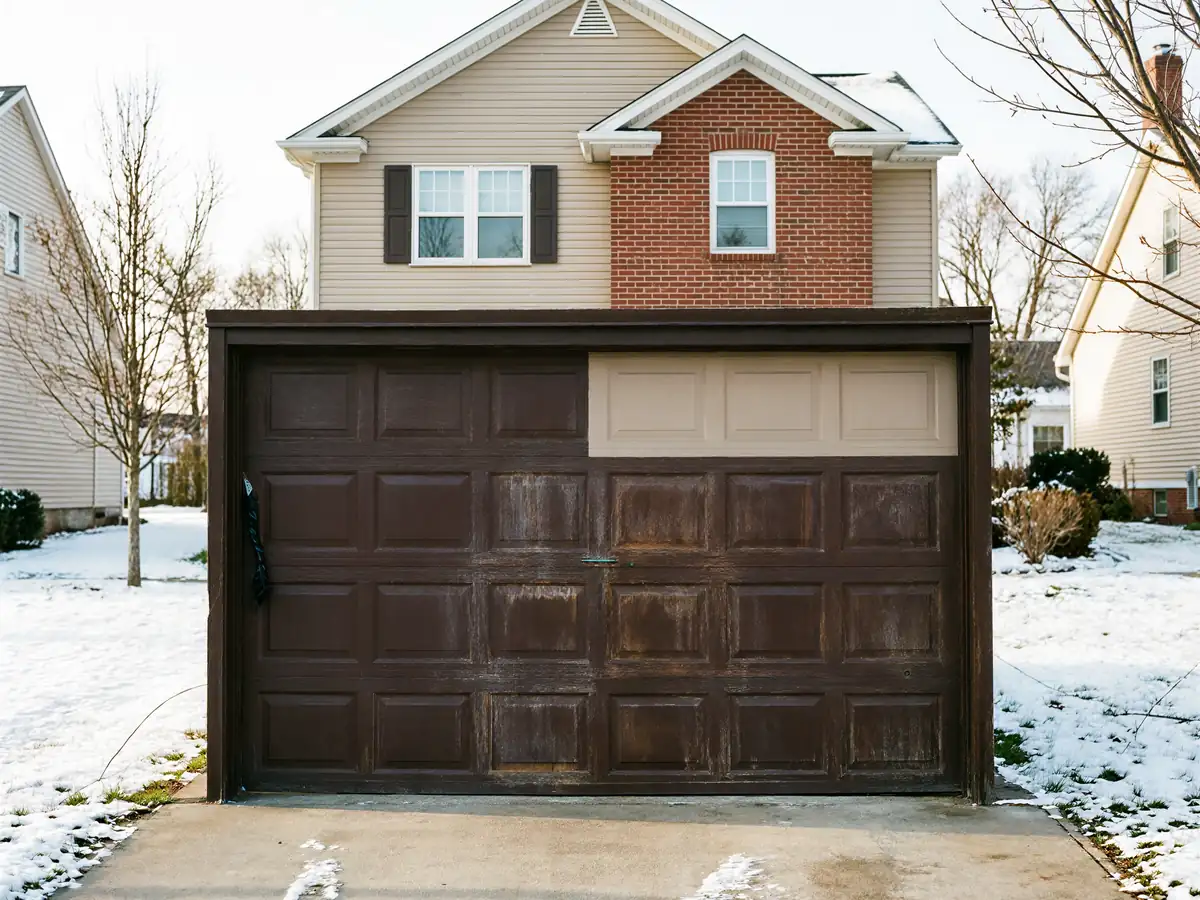
A dented or cracked panel on a newer sectional door is usually a bolt-off
Bolt-on job if the door has no structural strut running through that section - plenty of Rogers doors built since 2000 are set up that way, with panels that carry trim load but not spring load. That makes a single-panel swap more approachable than people expect.
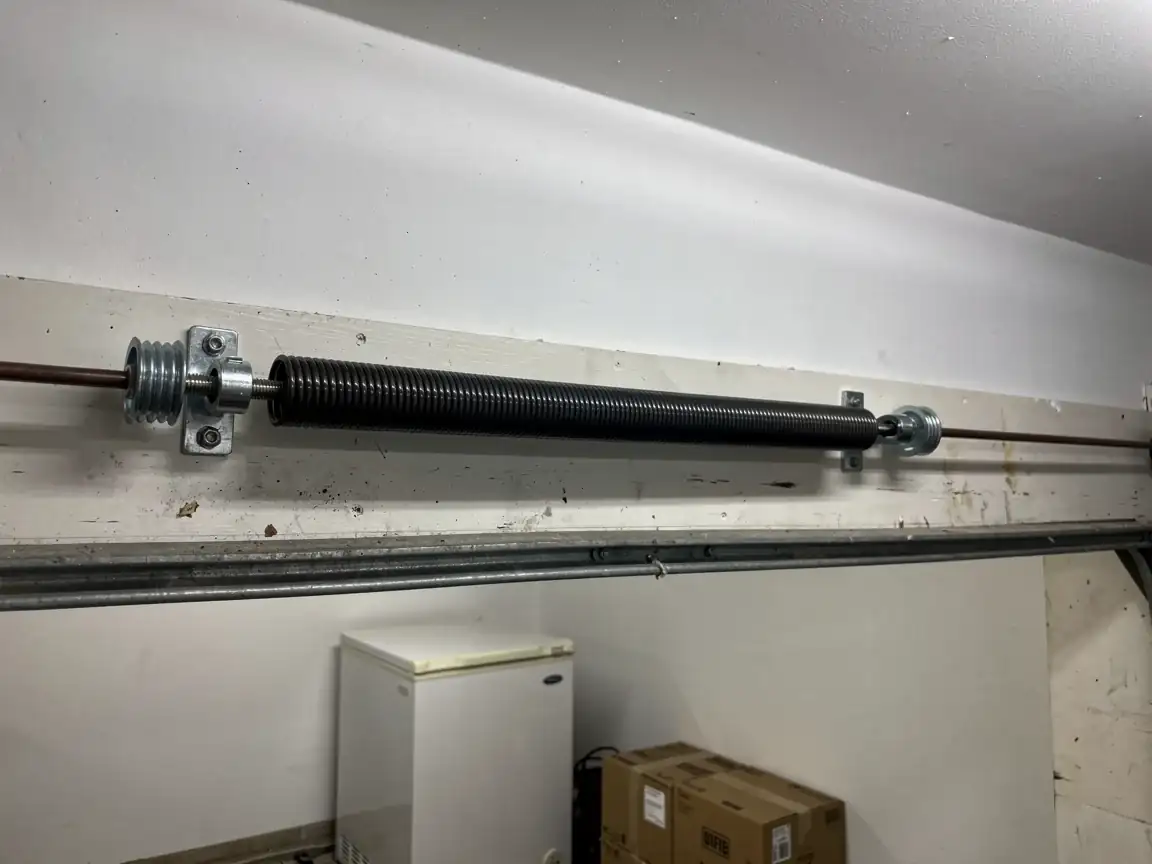
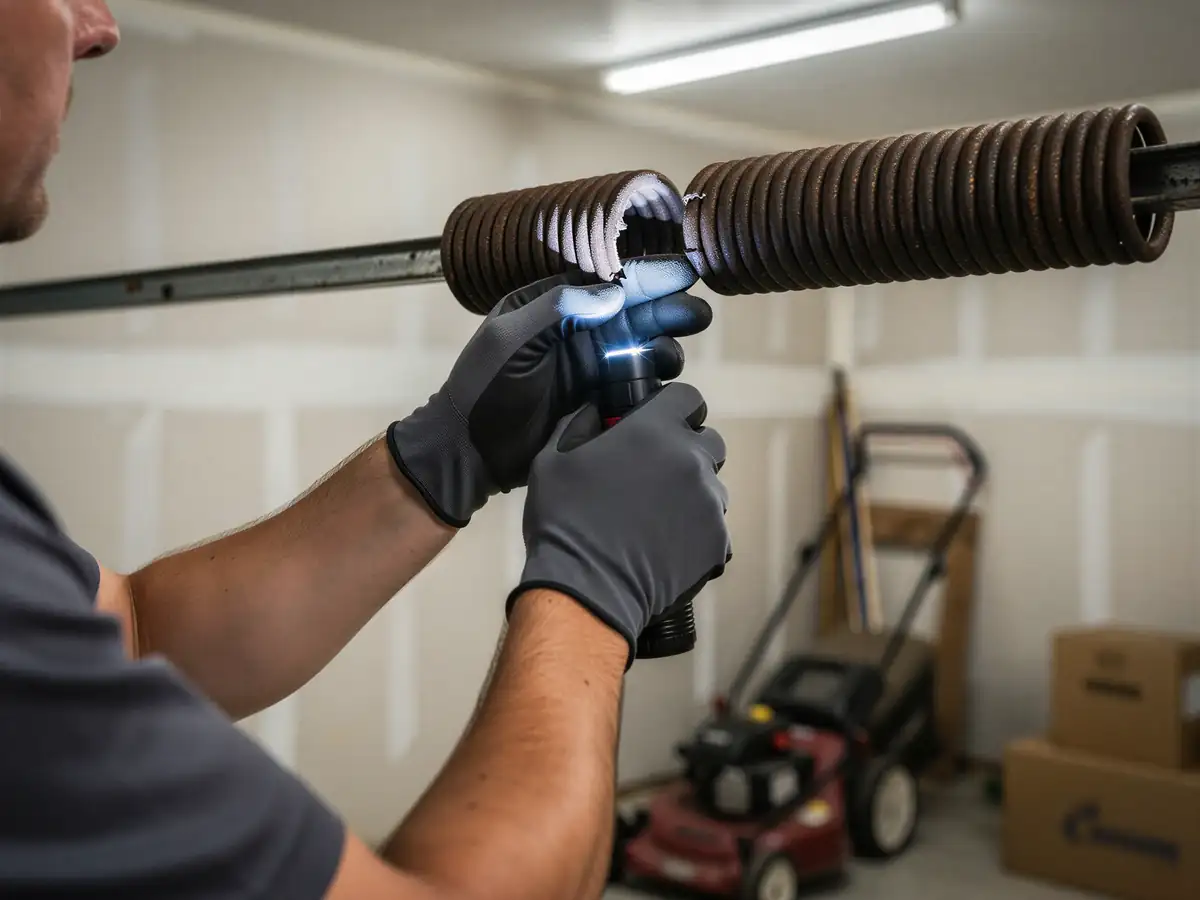
Where it goes wrong is the torsion spring
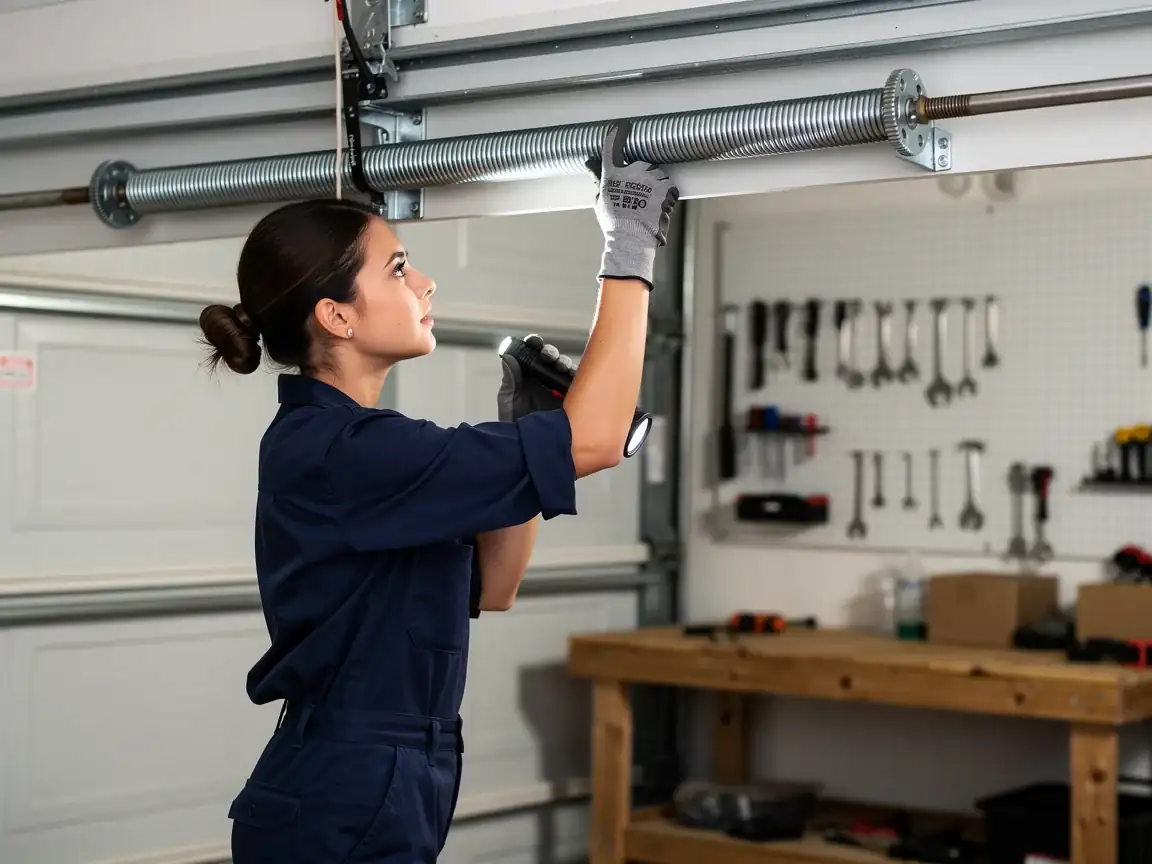
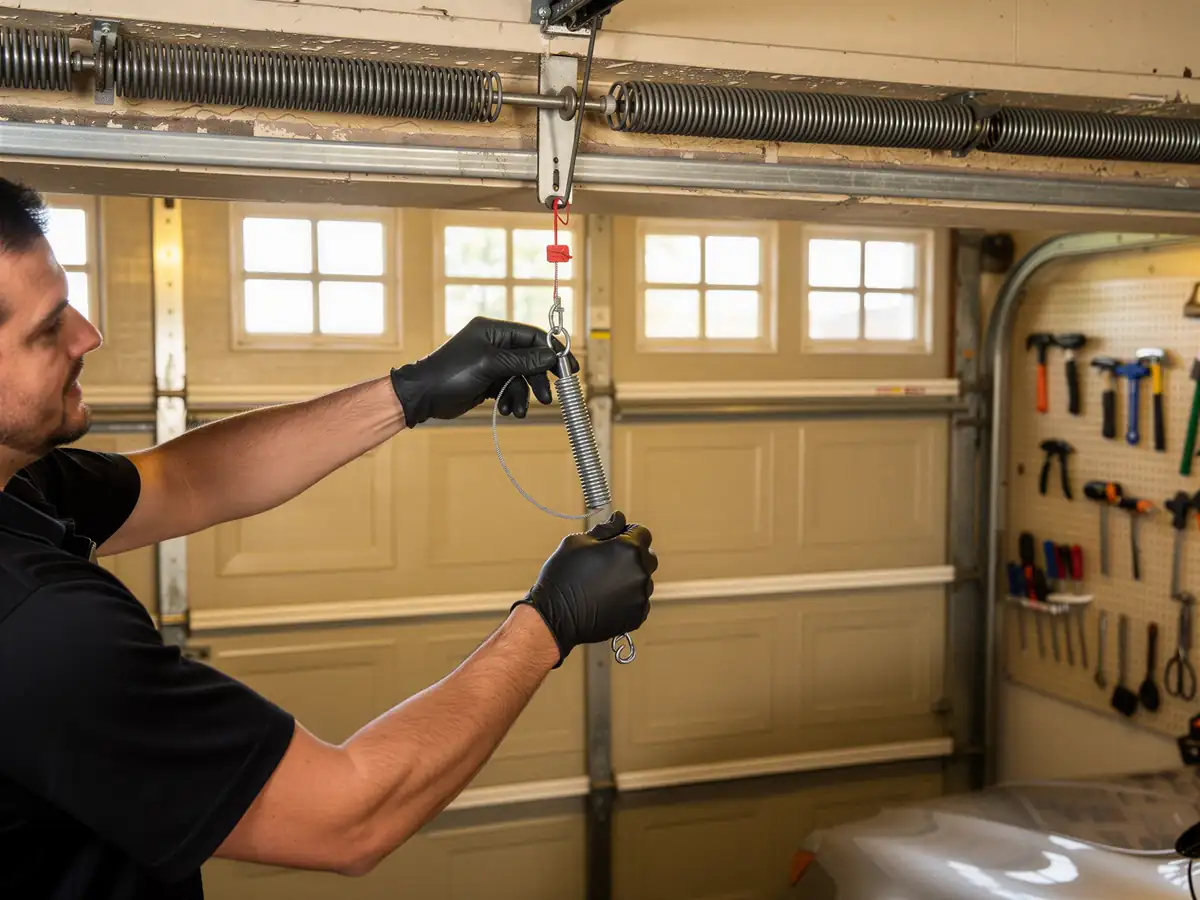
If your door needs the spring released or adjusted to get slack in the cables for panel removal, that's not a weekend project - the spring is under enough tension to break bones, and it doesn't care how carefully you read a video. We also see people order the wrong panel width because a 2000s-era door can run slightly different section heights depending on the manufacturer, and a panel that's an inch off won't seat.
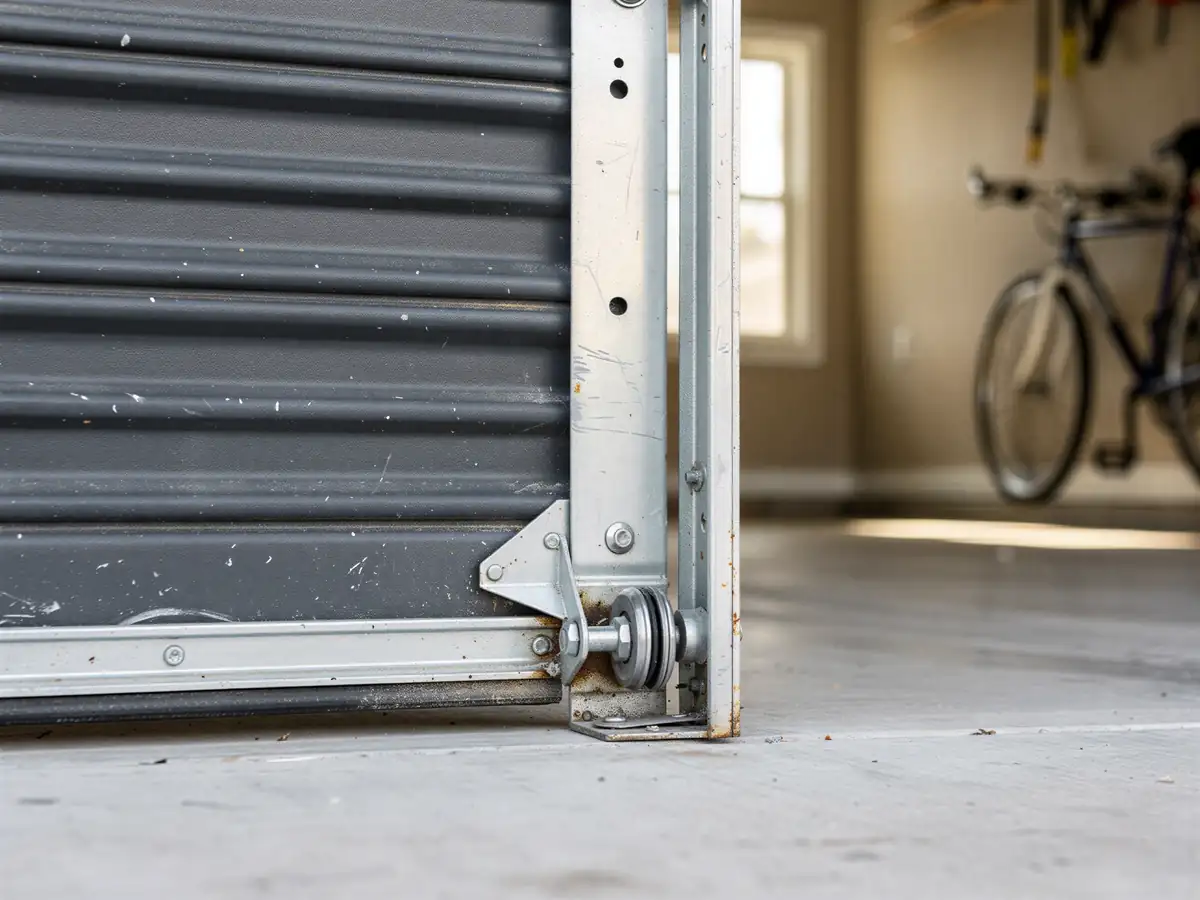
If it's a bottom panel with visible denting from a car bumper or a dropped bike
And the door is still tracking straight, a confident DIYer can often handle the swap alone. Anything involving the spring side, the opener arm, or a door that's binding in the track is worth a call.
What You Pay
Rogers households report a median income of $159,638, well above the $116,500 median across the rest of the area we serve from Hopkins. In practice that shows up in what people choose to do with a damaged panel: more Rogers homeowners opt for a full matching insulated replacement rather than a mismatched patch panel that's close enough.
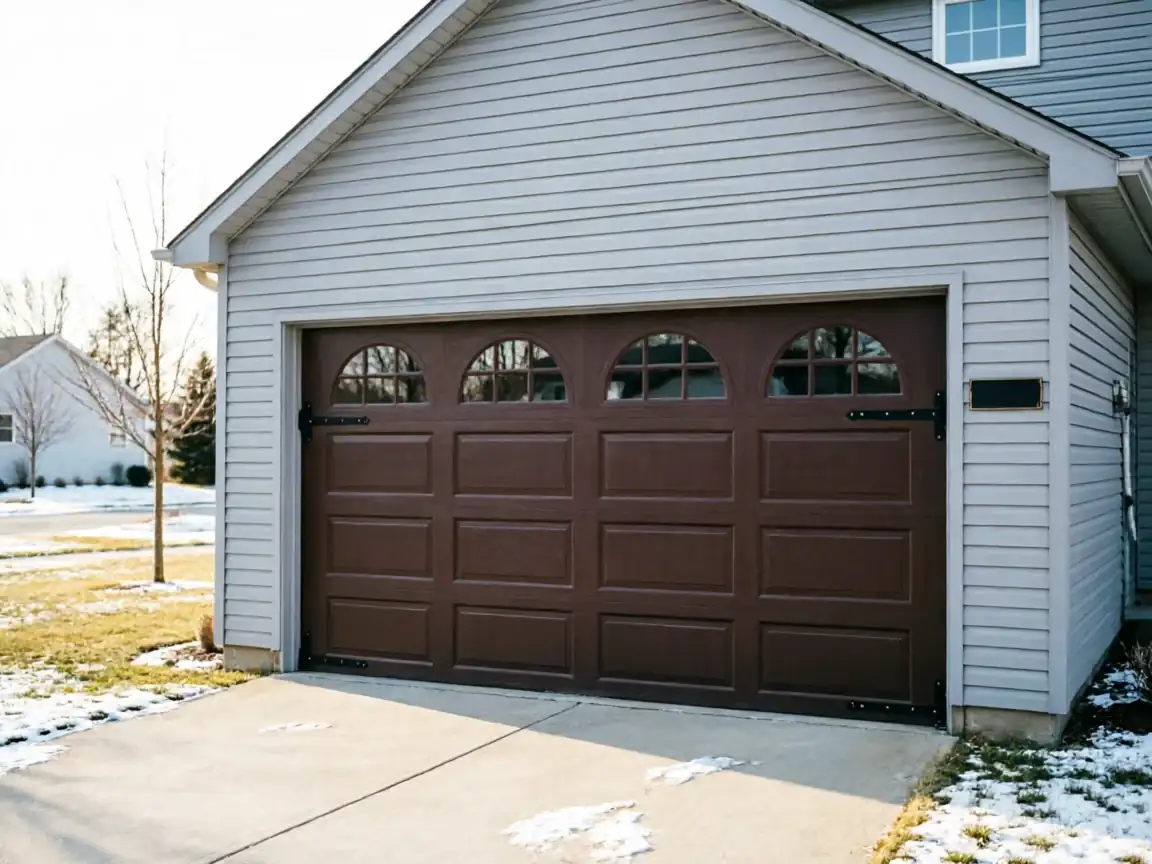
Cost on any panel job comes down to three things - whether the panel is a stock steel blank or a special-order color match, whether it's insulated or single-layer, and whether the section carries any hardware like a window insert or decorative overlay that has to transfer over. A plain steel section runs less than a window panel with cladding.
We don't have a flat number to quote here without seeing the door, and we're not going to invent one. What we can tell you is that special-order color-matched panels, which are more common on Rogers' newer housing stock, cost more than a stocked blank - that's the material, not the labor.
How Long You Are Without the Door
Hopkins is 20 miles from Rogers, so every job here starts with a drive. We don't promise a response window for this town and won't pretend otherwise - the distance is real and it's part of scheduling a visit.
Once we're on site, a stocked panel swap is usually finished in the same visit. A special-order color match is a different story: the door is driveable and lockable in the meantime, but it's not fully repaired until the part arrives, and we can't speed up a manufacturer order. If the damaged section is on the bottom and the door still seals and locks, most people keep using the door normally while they wait on the part.
If the panel damage has knocked the door out of alignment - binding in the track, gapping at a corner - that's not a wait-and-see situation. A door that's racked in the track can jump the rollers or put strain on the opener, and that's worth addressing before the replacement panel shows up, not after.
What The Repair Takes
The job starts with identifying the panel section, model, and finish
On a Rogers door built in the 2000s or later, that usually means reading a manufacturer sticker on the inside of the door rather than guessing from the outside color, since finishes have faded differently depending on sun exposure.
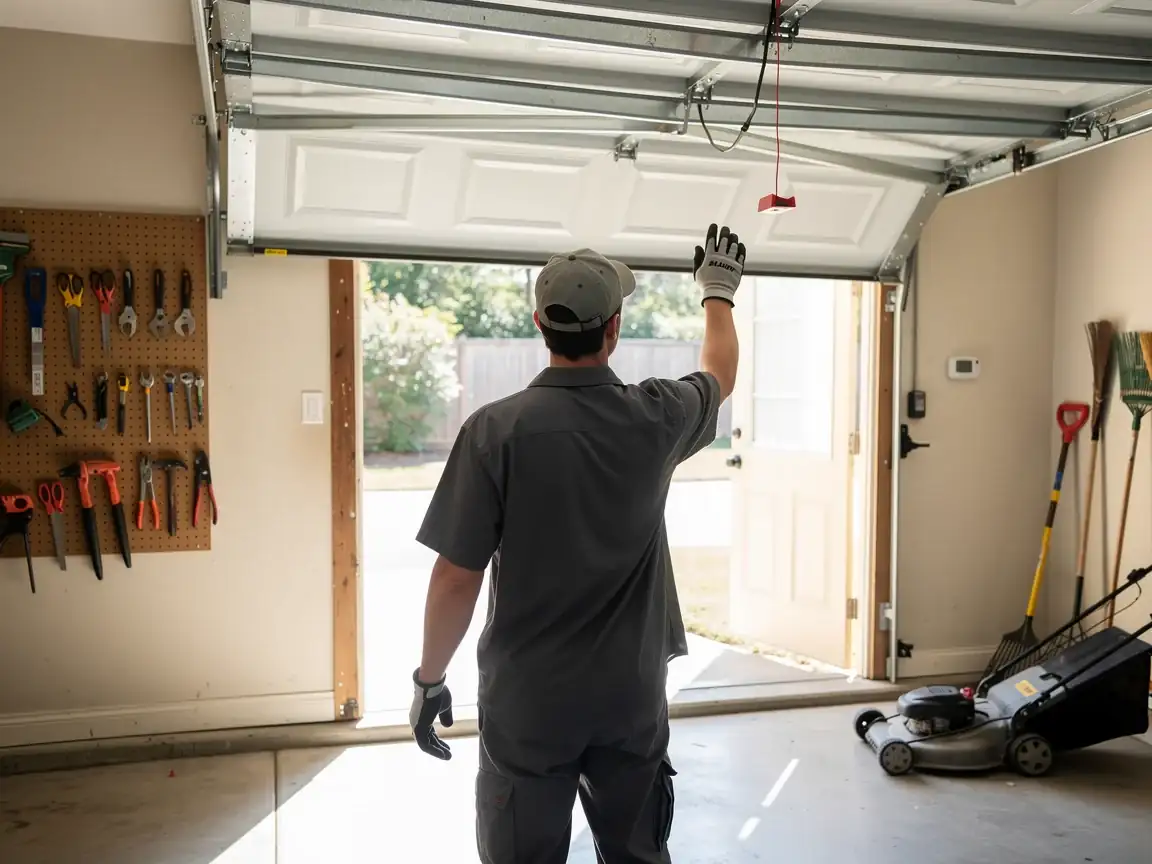
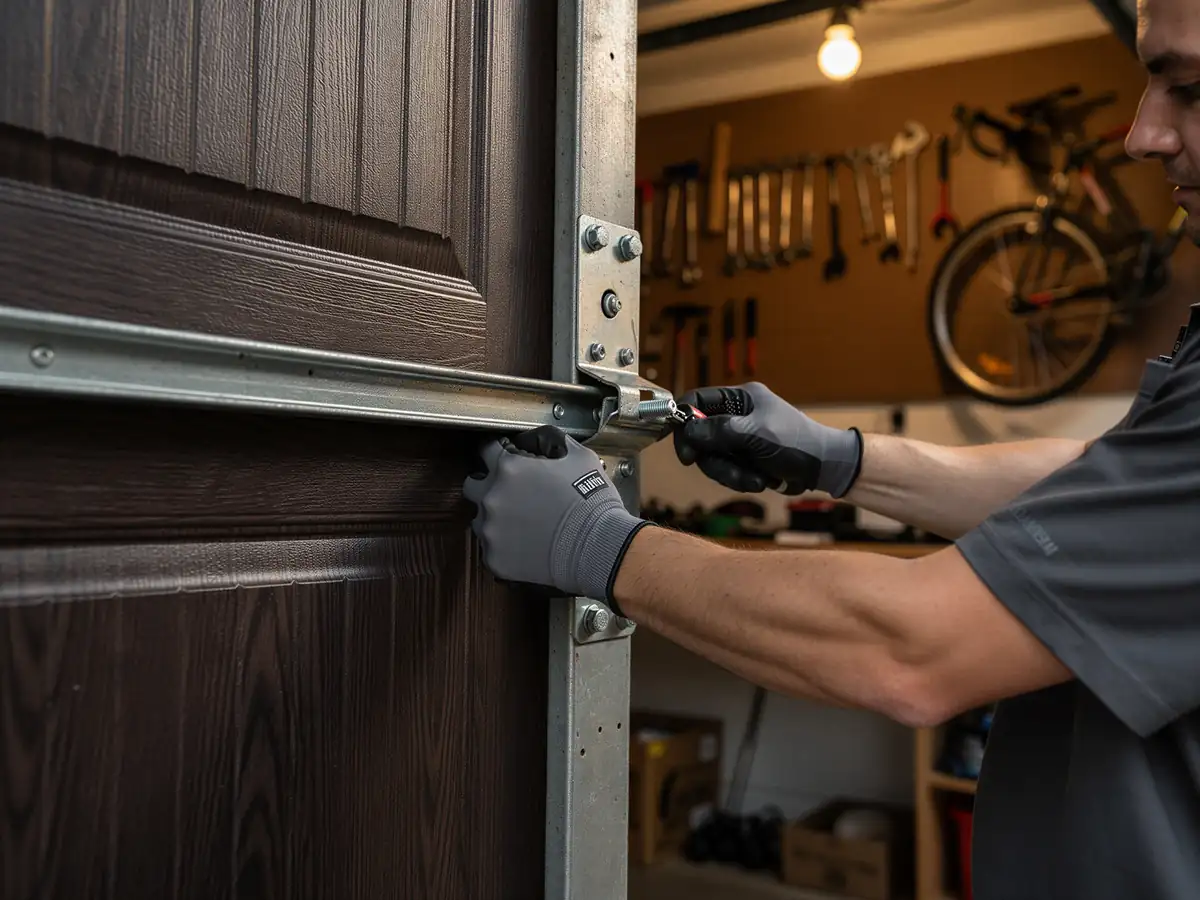
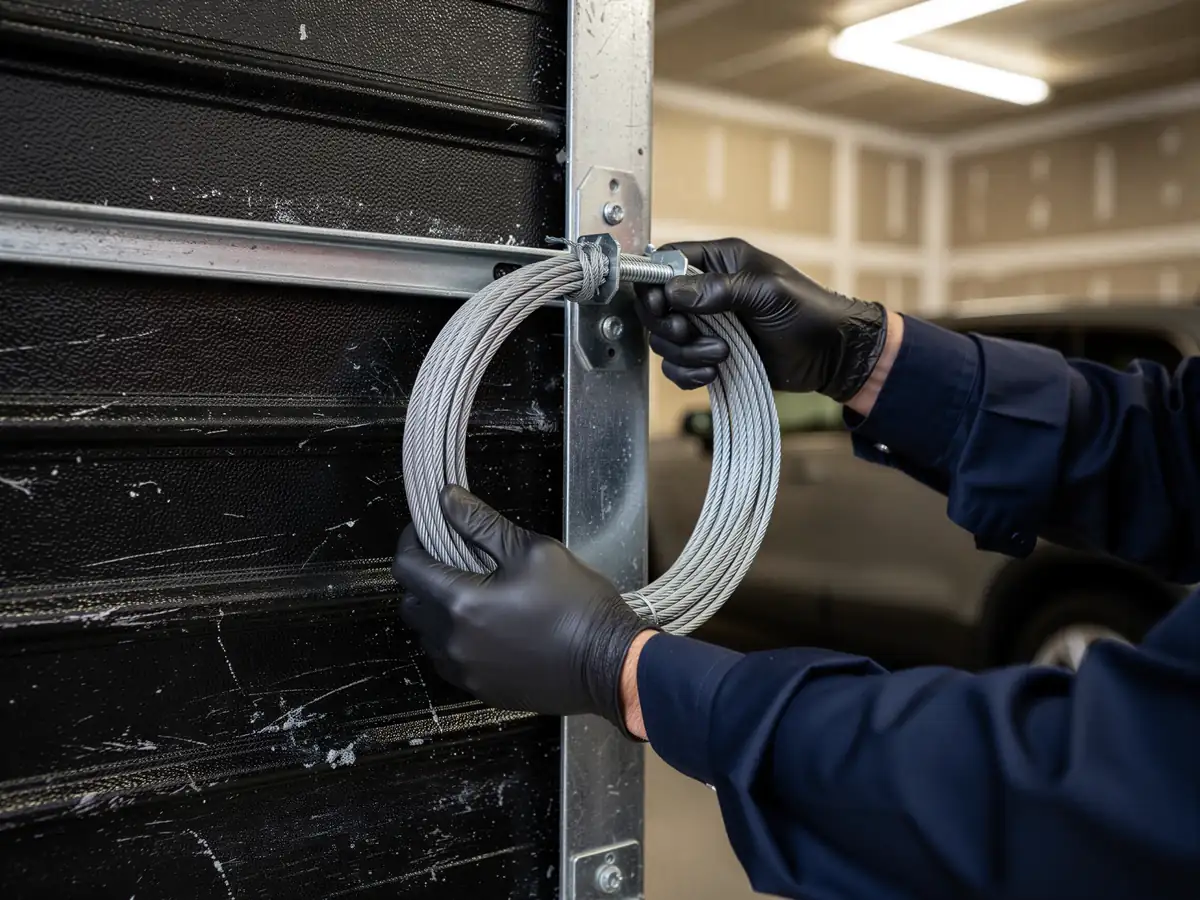
From there: the door gets secured, cables and any struts on adjoining sections get supported so there's no load pulling against the damaged panel
And the hinges get removed from the section above and below. The damaged panel comes out, the new one goes in, hinges and rollers get reset, and the track gets checked for square before the door runs again.
Our service area sits in a cold climate band
And that affects one more step - if the panel is insulated, we check the weatherstripping and the seam gaskets between sections while we're in there, since a mismatched or old gasket next to a brand-new insulated panel is where the cold air gets in. A panel swap without that check is only half the job in a climate like this.