Getting It Booked In
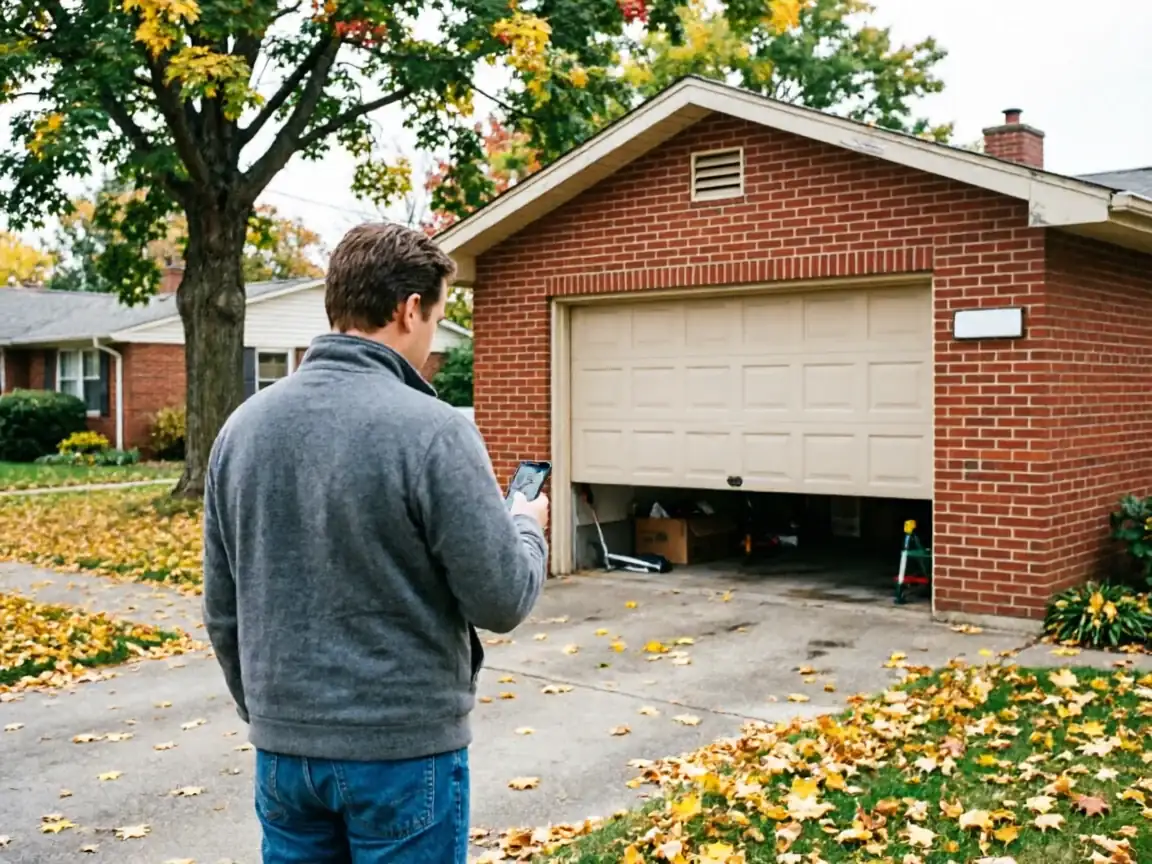
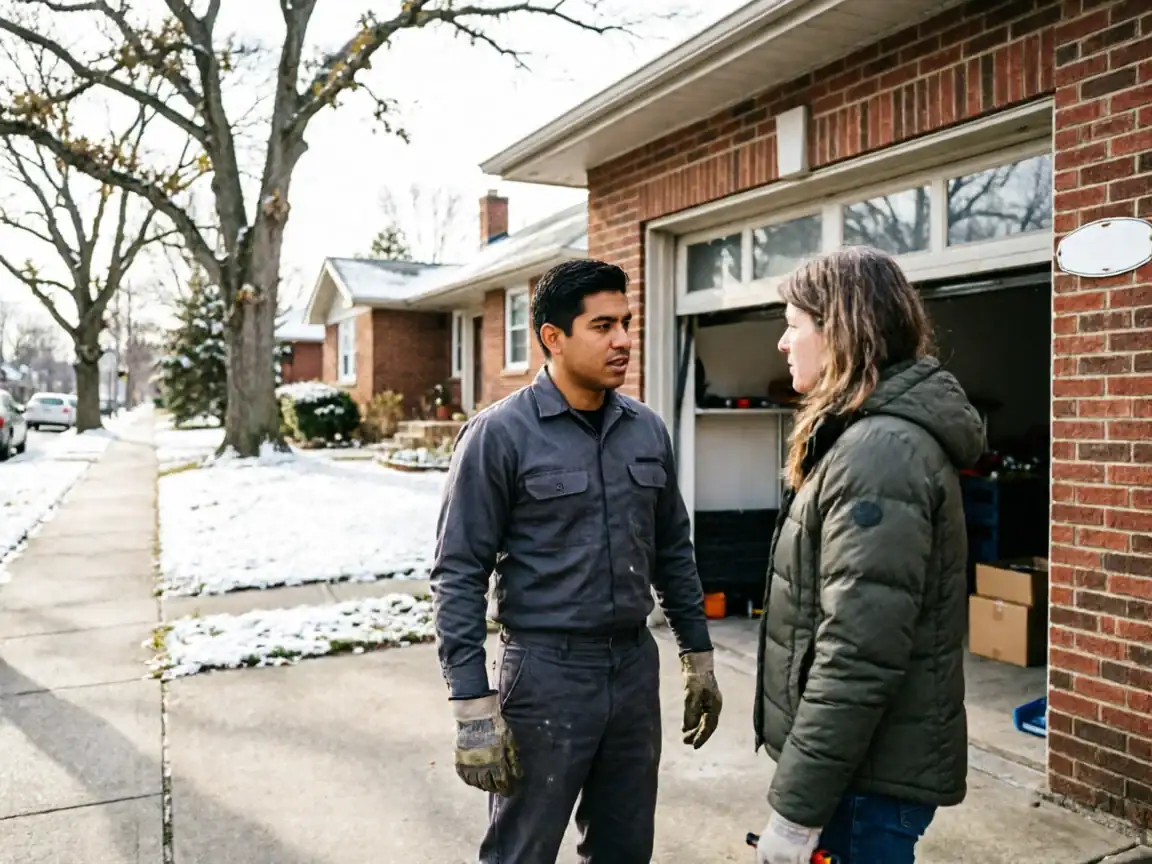
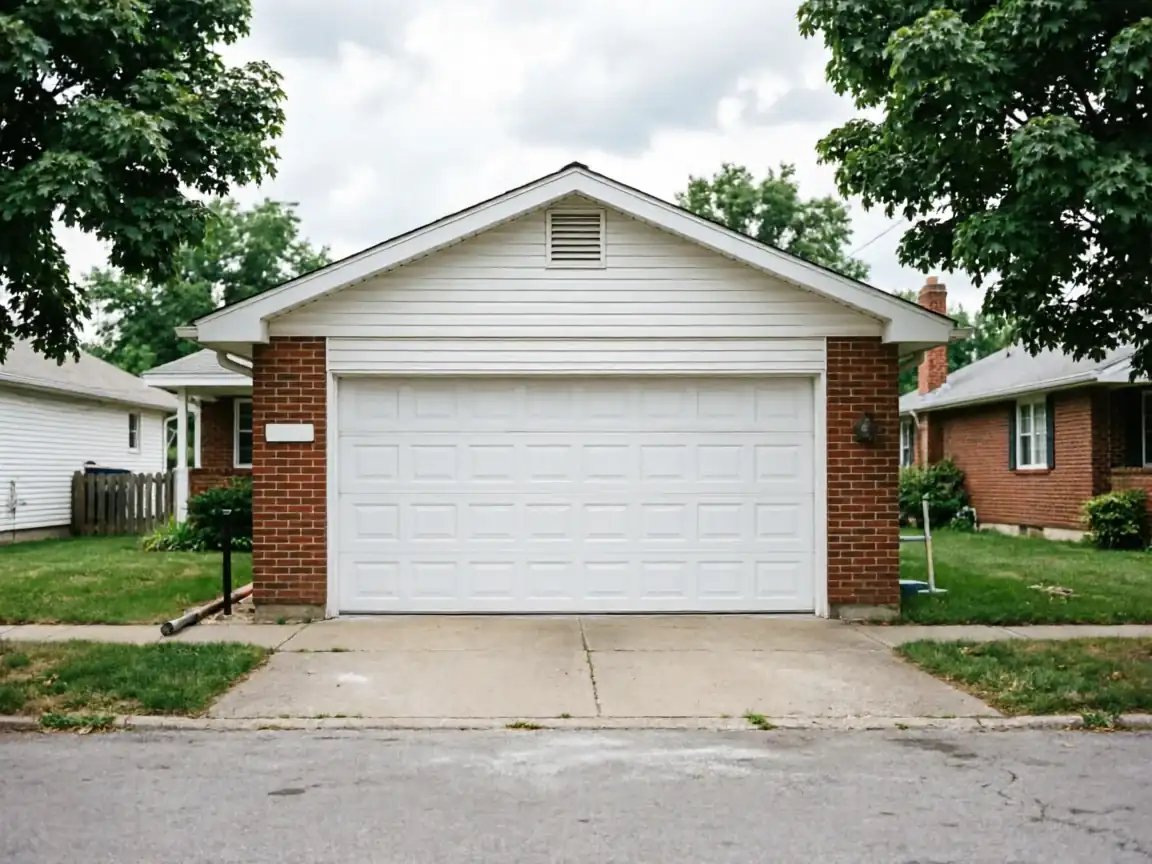
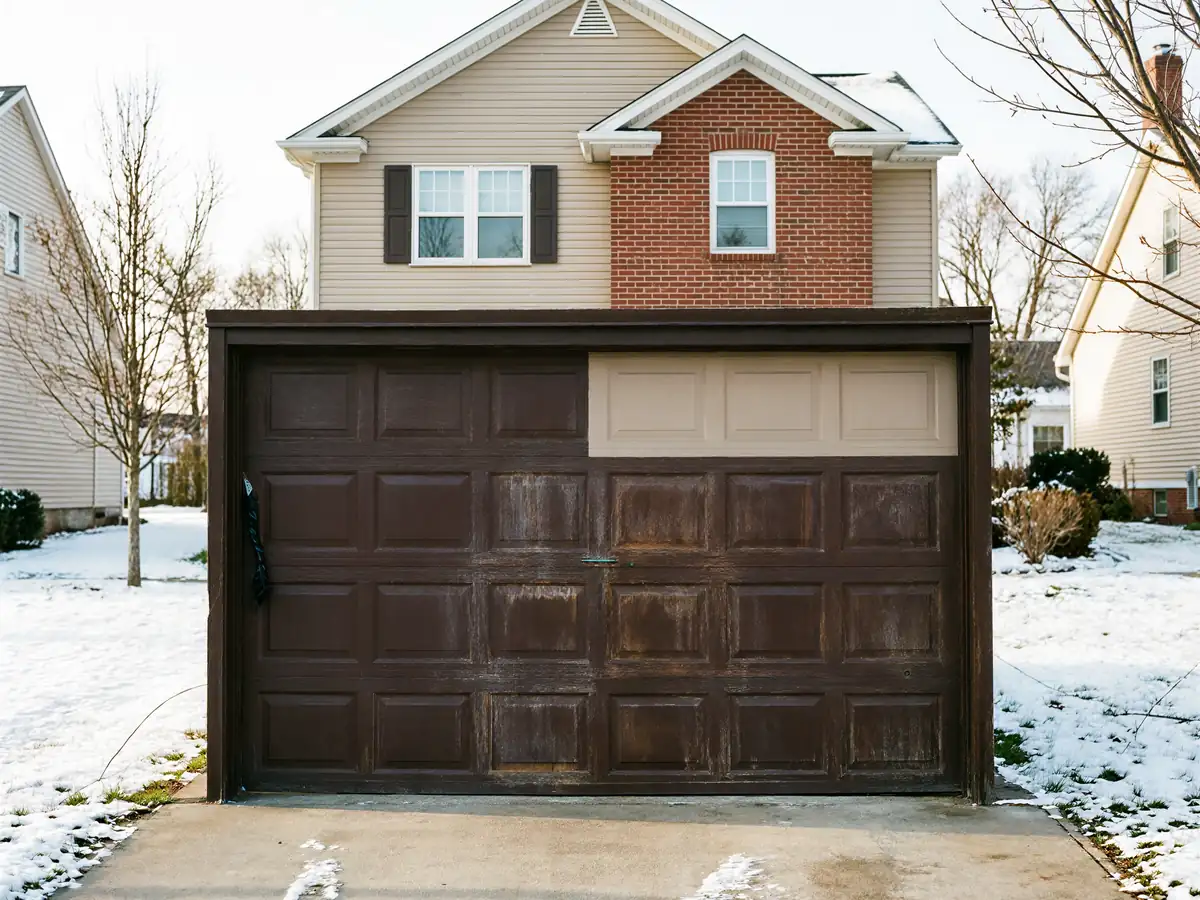
Victoria sits about 13 miles from our shop in Hopkins, and that drive shapes how a call here actually works. It's not a next-block job - when you call, we're routing a truck out past several closer towns to get to you, so the first thing we need from you is good information: what the door is doing, whether it's a spring, an opener, or something hanging off track, and whether a vehicle is trapped inside. That lets us load the right parts before we leave rather than guessing and driving back. We don't run a branch in Victoria, so every visit starts with that drive, and we're upfront about it instead of pretending we're around the corner. If your situation is a door stuck open overnight in a Minnesota winter, say so when you call - that changes the order jobs get worked, not just the ticket number.
Having your opener brand and the rough age of the house on hand helps too. A lot of homes out this way were finished in the 2000s, and that generation of door hardware is different enough from the 1970s and 80s stock that knowing which one you've got saves a wasted trip for the wrong bracket or logic board.
What the Repair Takes
Victoria's housing stock skews newer than most of the towns we cover
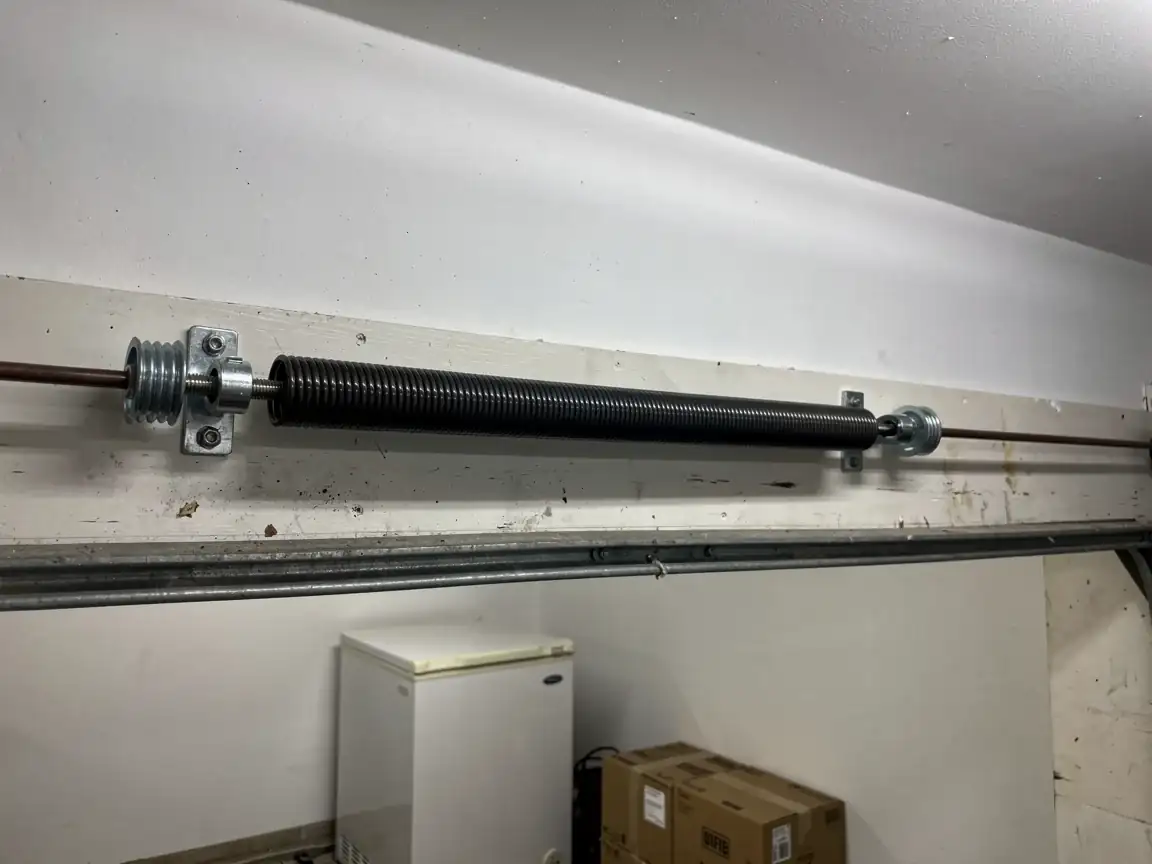
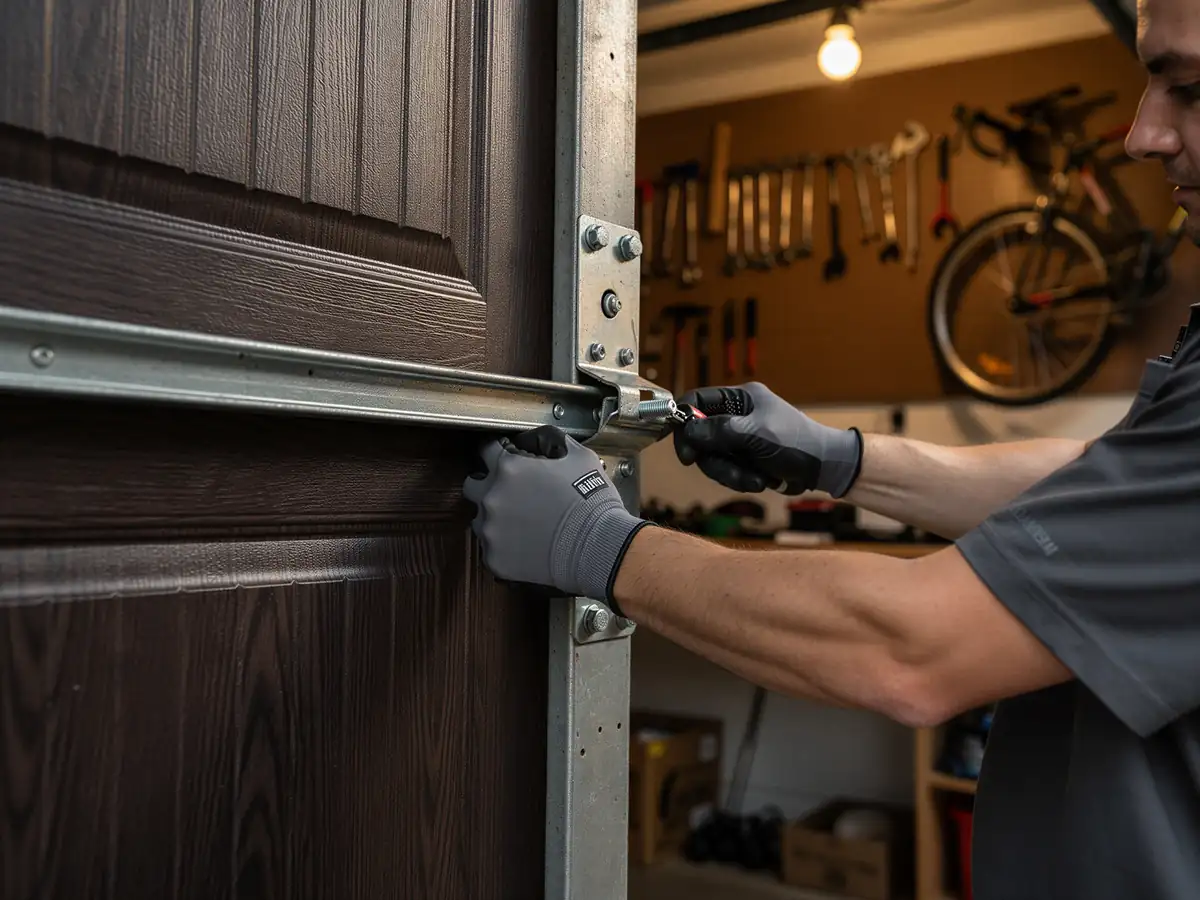
The area's median year built is 2005, well past the service area's overall median of 1984. That means most doors out here came in with factory torsion springs rated for taller, heavier insulated panels, and openers with early rolling-code boards and safety sensors already built in, not retrofitted. The failures we see are less about worn-out 1980s drums and more about circuit boards, worn nylon idler pulleys on newer track systems, and springs that were undersized for the door from the day they were installed.
Parts for 2000s-era openers are generally easier to source than for the older stock elsewhere in the service area
Which is one of the few breaks in an emergency call - we're less likely to be waiting on a backordered part. We don't carry every logic board on the truck, though. If your opener needs a specific board that isn't common stock, that's a second trip, and we'll tell you that on-site rather than stringing out the first visit.
The Symptom
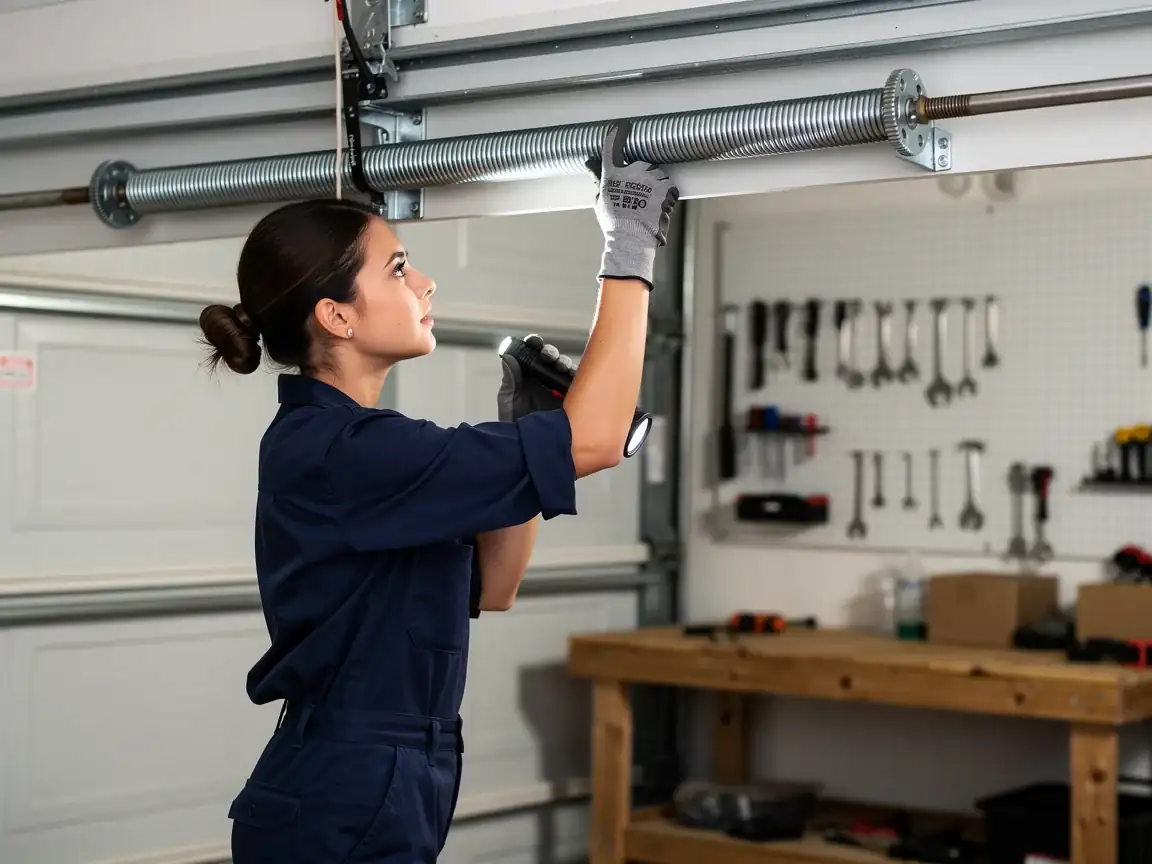
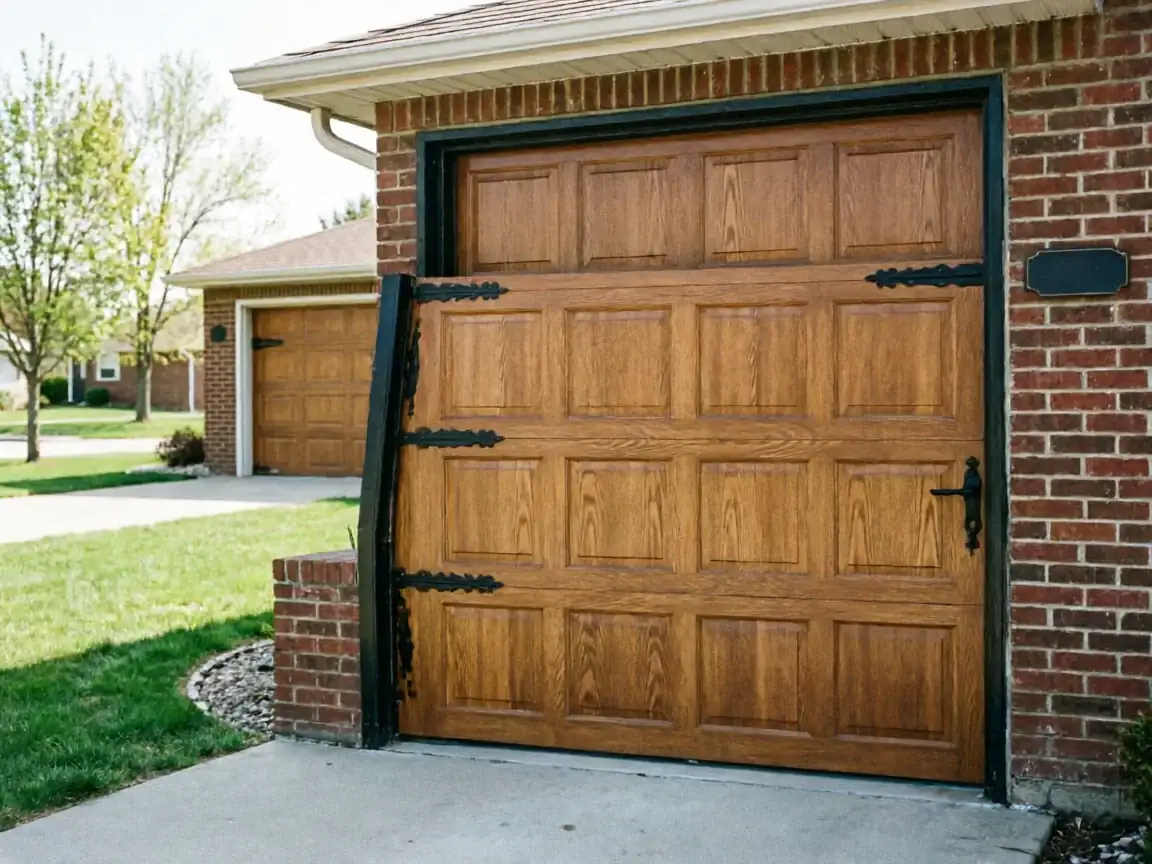
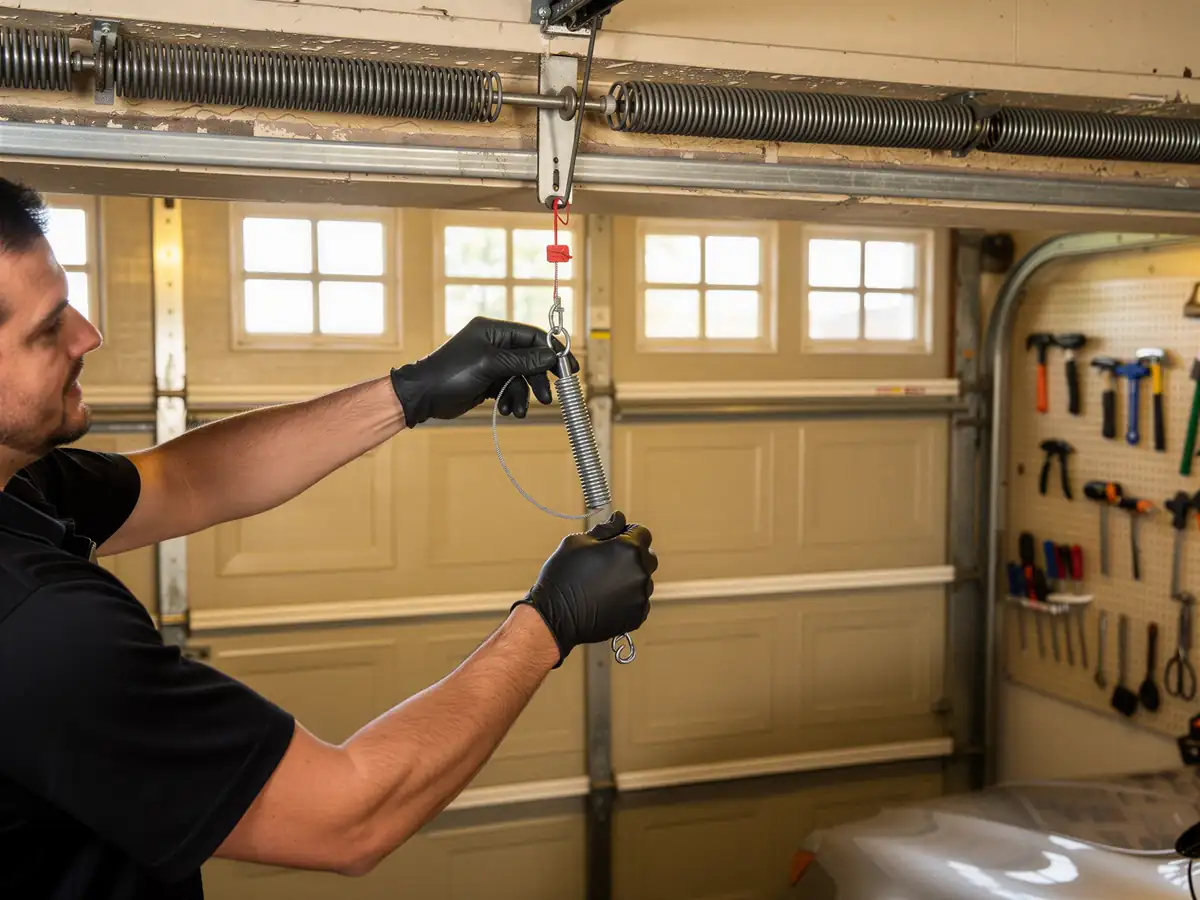
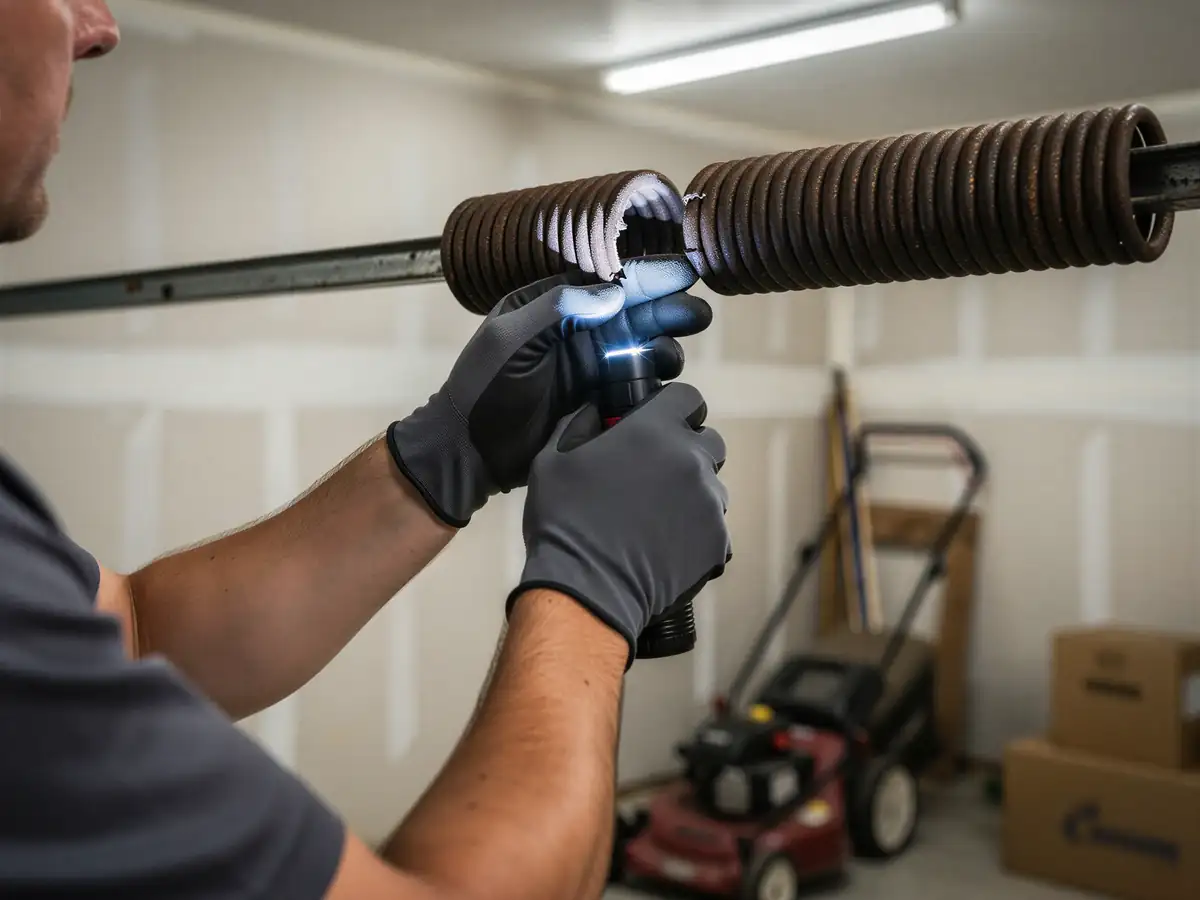
The door that won't move at all, the one that reverses halfway down, the one making a bang and now sagging on one side - these show up differently depending on the house. In Victoria, with newer-build garages, the complaint we hear most is an opener that runs but the door barely lifts, or lifts and then drops - often a spring that's lost tension rather than snapped outright, since factory springs on 2000s doors are often undersized for the insulated panel weight they're asked to carry over fifteen-plus years.
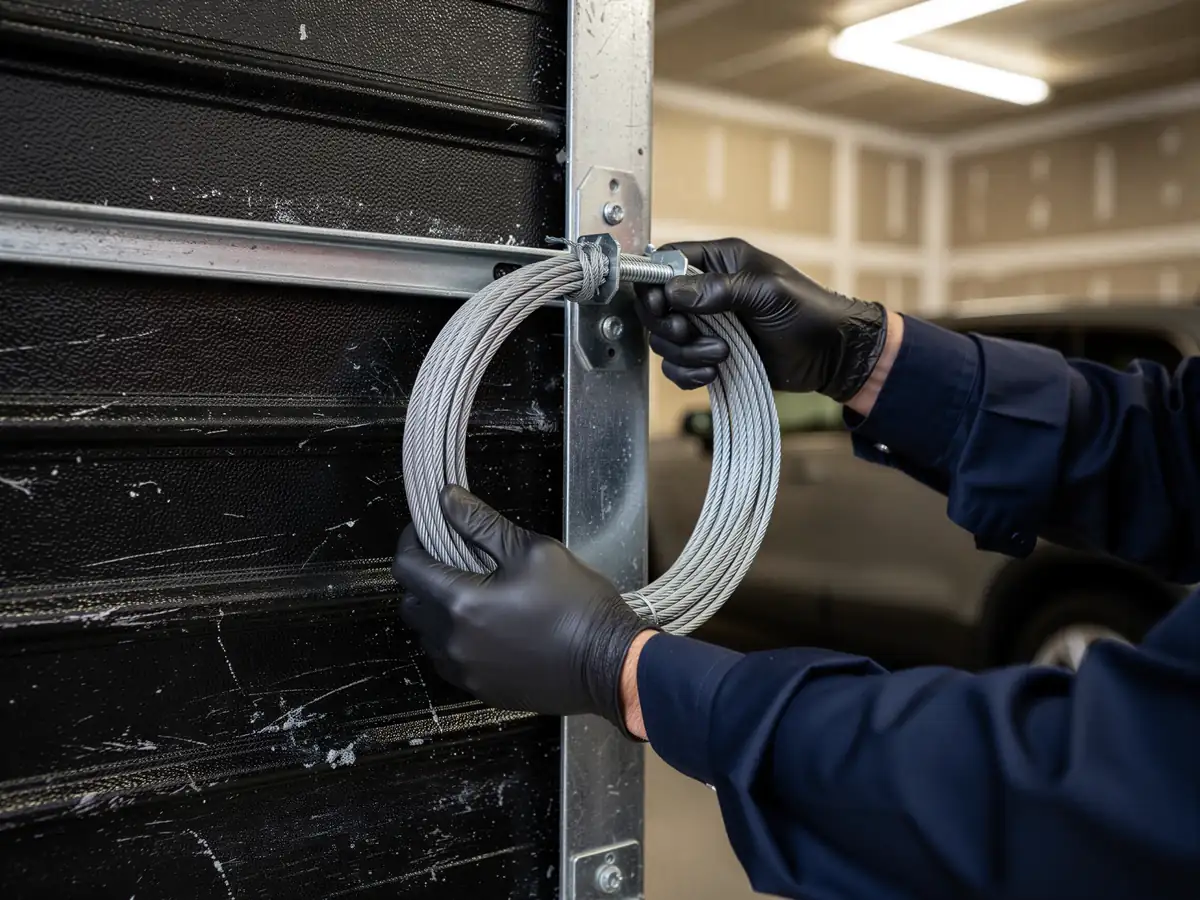
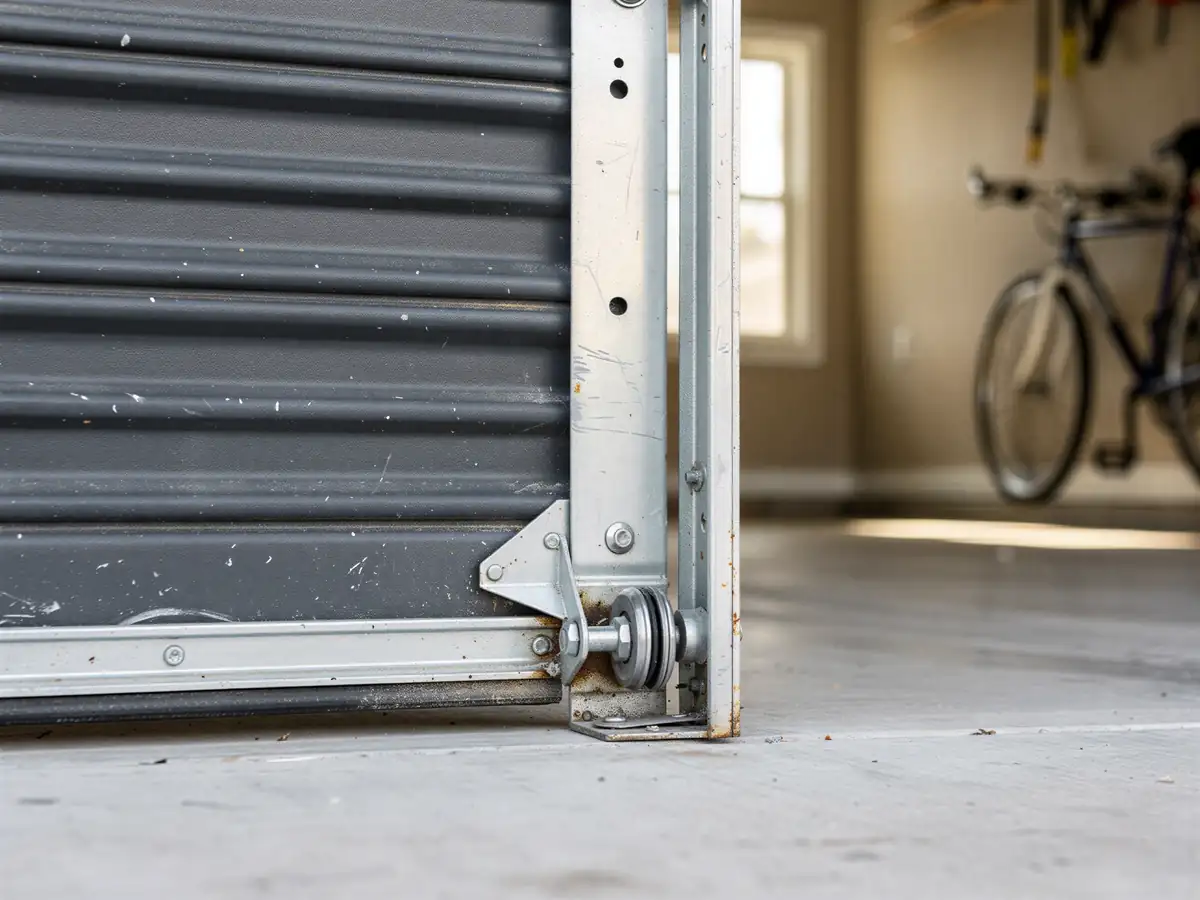
A bent track or a cable off the drum reads differently: the door will lean, catch, or stop dead partway, sometimes with the opener still trying to pull it. If you hear grinding or see the door cocked to one side, stop running the opener - forcing a motor against a bent track or a loose cable usually turns a spring job into a spring-and-track job.
How Long You Are Without the Door
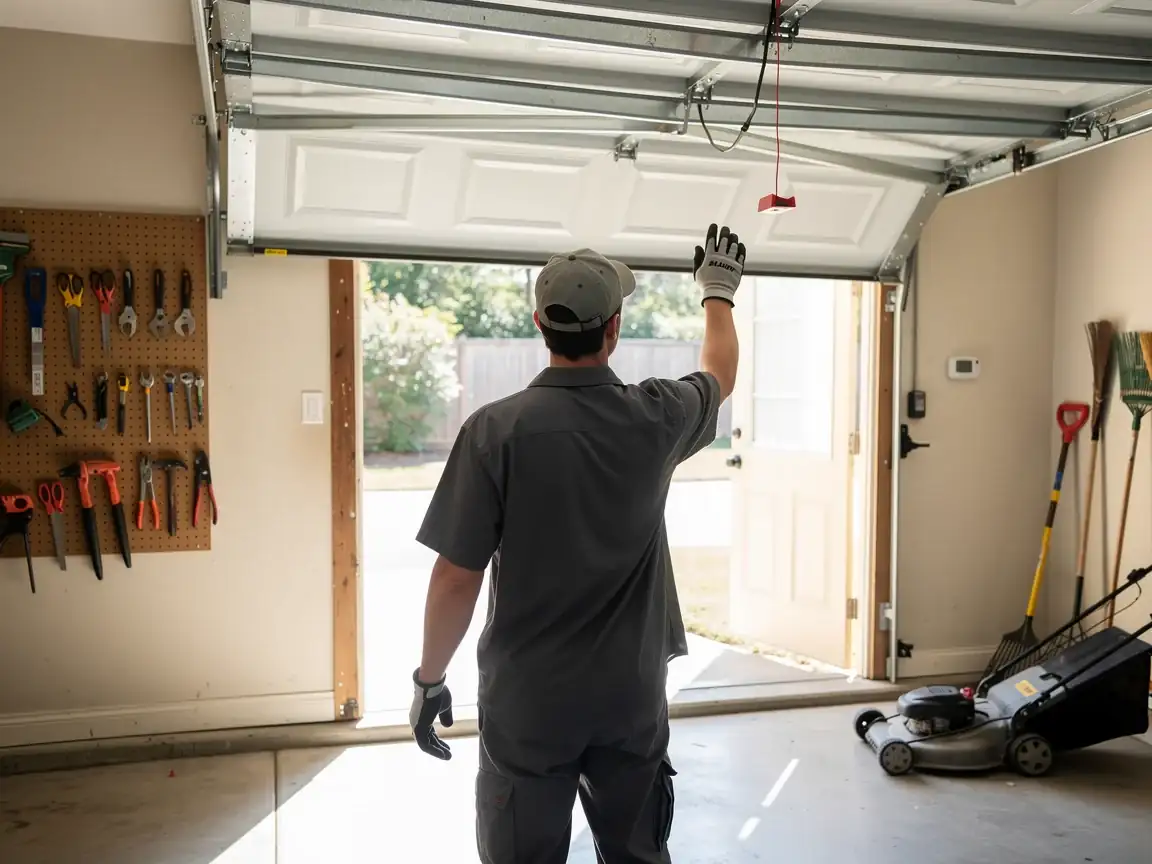
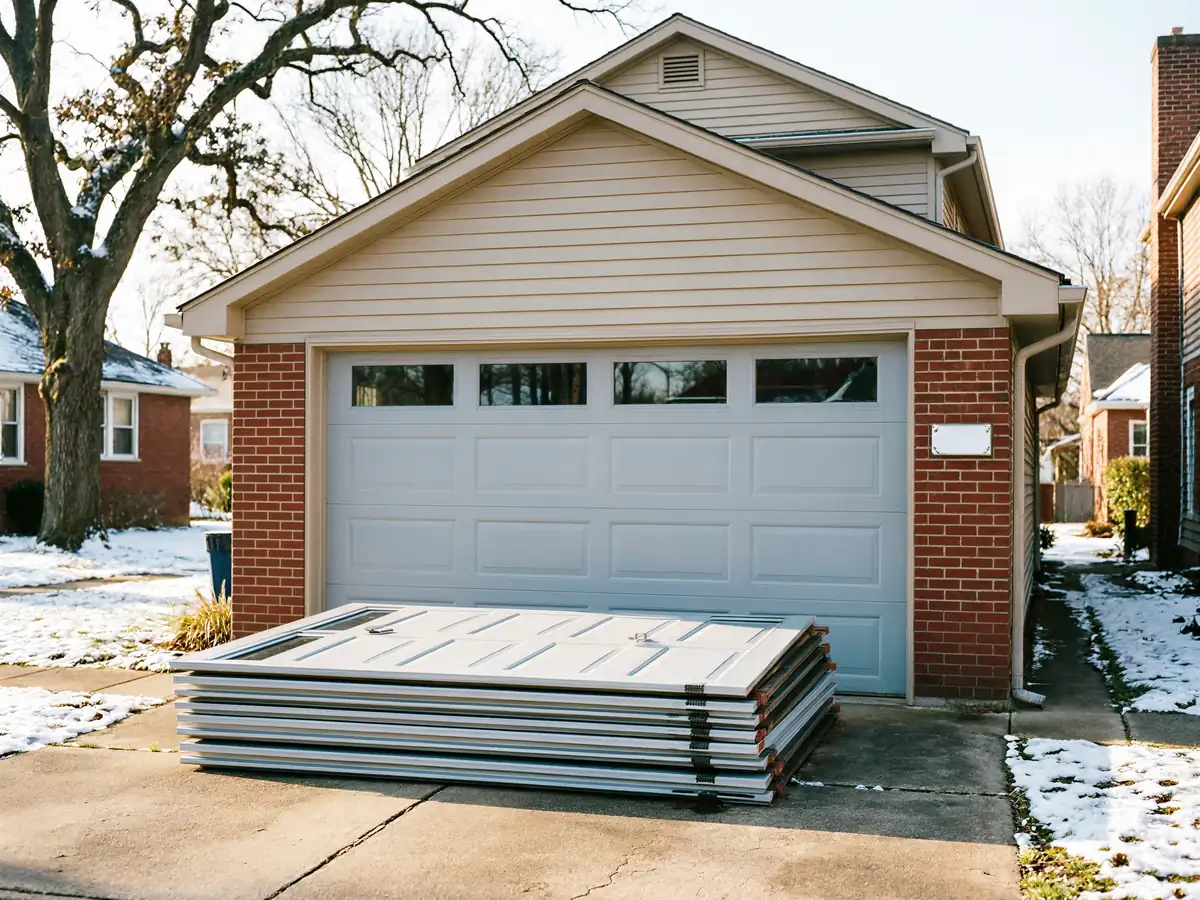
We're not going to promise a window we don't have - this page is about the 13-mile drive out and what it means, not a guaranteed arrival time. What we can tell you is that the diagnosis itself is usually quick: a spring, a cable, a sensor, a board, we generally know what's wrong within a few minutes of looking at the door and the opener. The stock parts we carry cover most 2000s-era hardware common in Victoria, so a straightforward spring or cable repair is typically a single visit. A board-specific failure, or a door that needs a part we don't carry, means a return trip once we've got it in hand. Either way, we'll tell you on-site which kind of job it is rather than leave you guessing.