Getting It Booked In
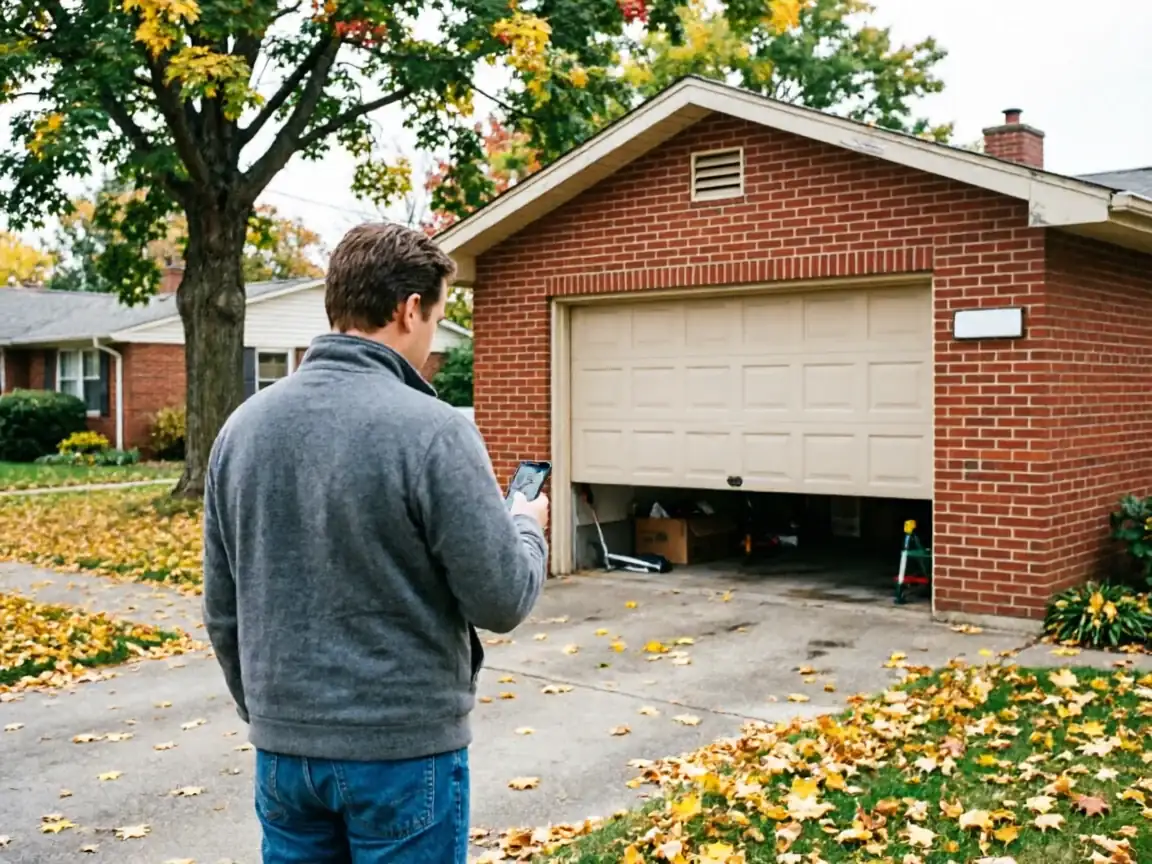
Victoria sits about 13 miles from our shop in Hopkins, which puts it on the outer edge of the territory we cover. We don't keep a crew stationed in Victoria, so when you call, you're booking a truck that's driving out from Hopkins rather than one already parked a few streets over. That's worth knowing up front - we're not going to pretend otherwise, and we'd rather you know the setup than be surprised by it.
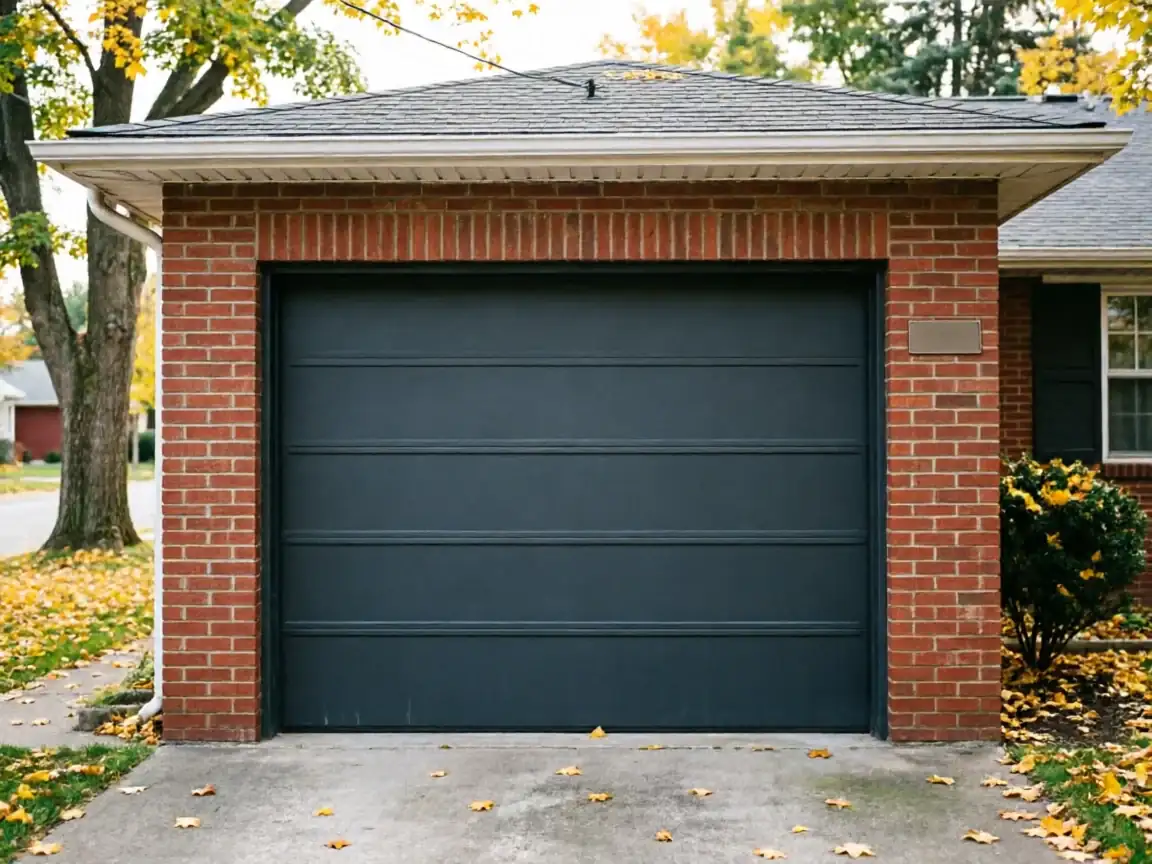
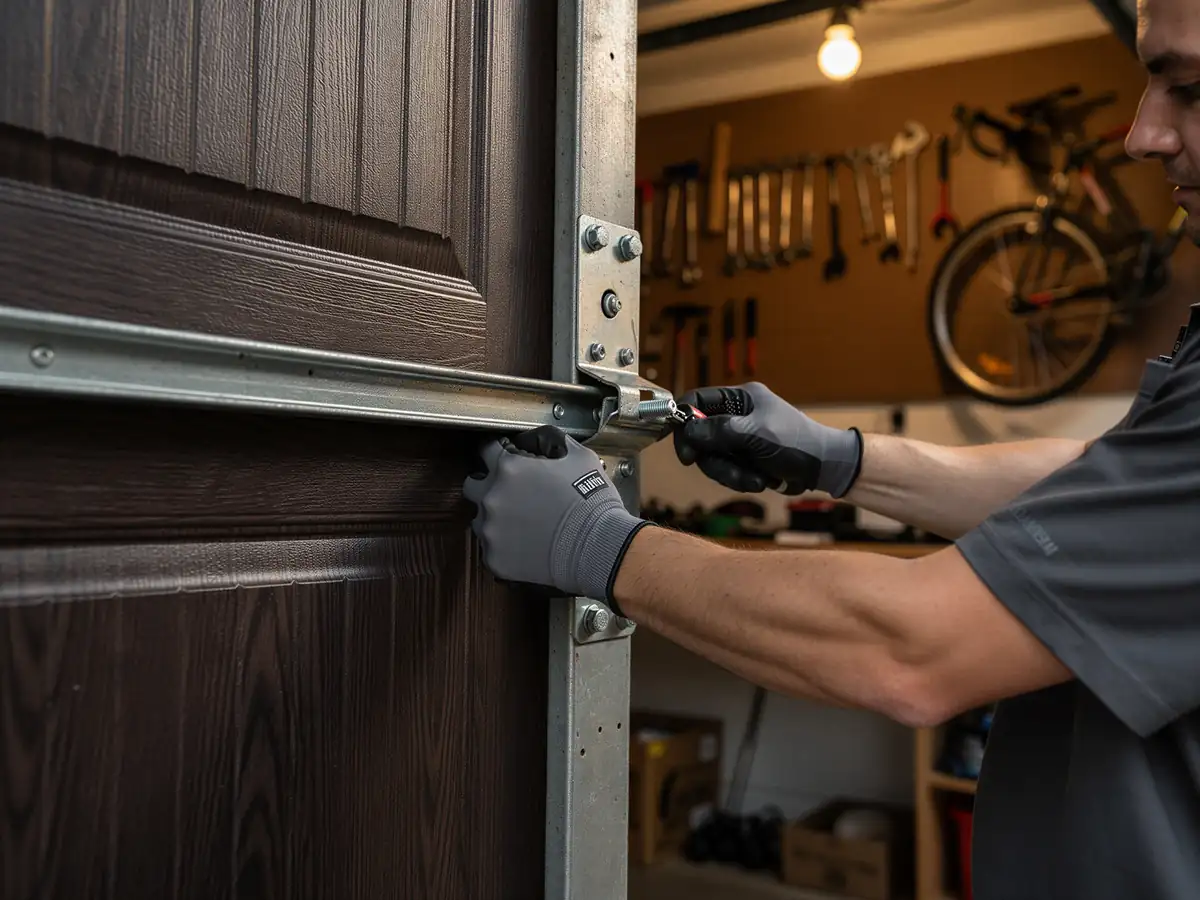
Across the wider service area, the typical house went up in 1984. Victoria's housing is newer than that, with a median build year closer to 2005. That difference matters when we're scheduling, because newer construction usually means standard torsion hardware rather than the mix of styles we see on older stock elsewhere, so a tech can often confirm spring size and door weight from your garage door opening and door brand before the truck even leaves Hopkins. Have your door's model number or a photo of the spring assembly ready when you call - it cuts guesswork out of the visit and keeps the job from turning into a parts chase once we're already there.
If your opener is also acting up alongside a spring that's clearly broken or sagging, mention both on the phone so the appointment gets scoped right the first time.
What the Repair Takes
A house built around 2005
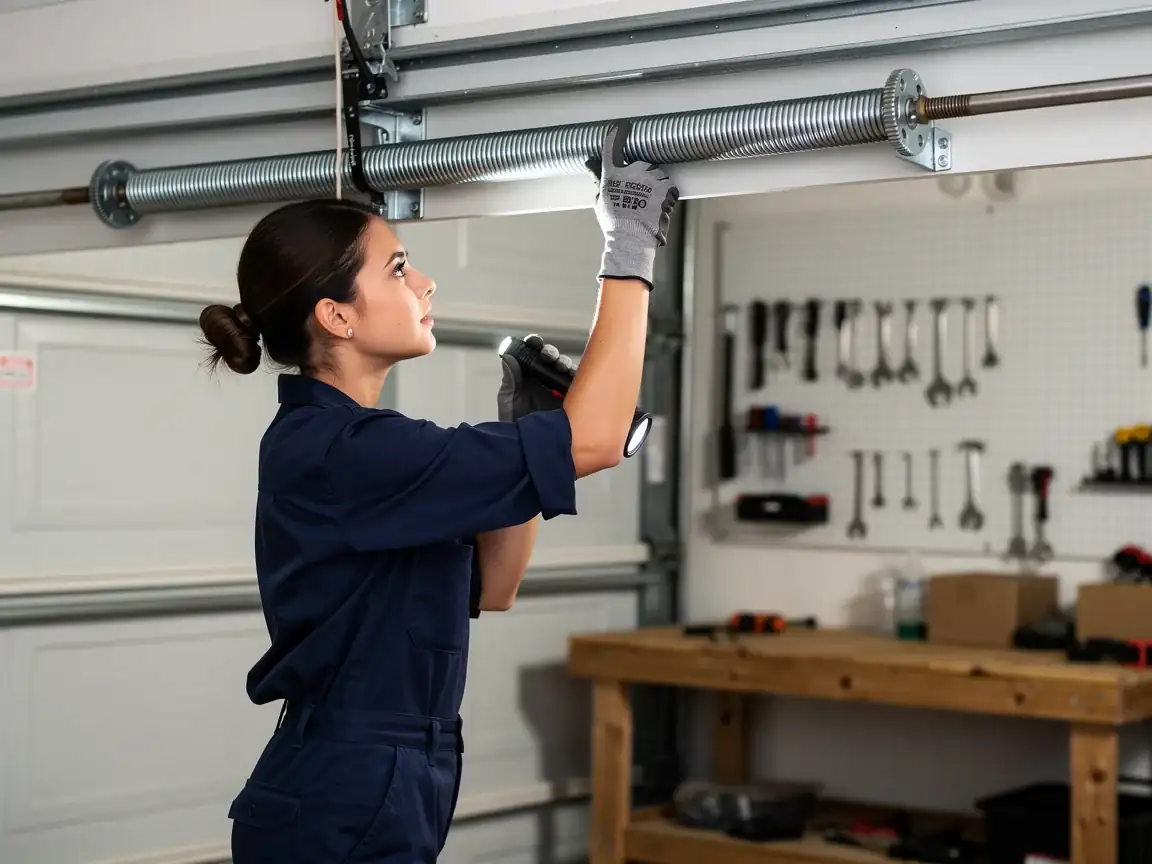
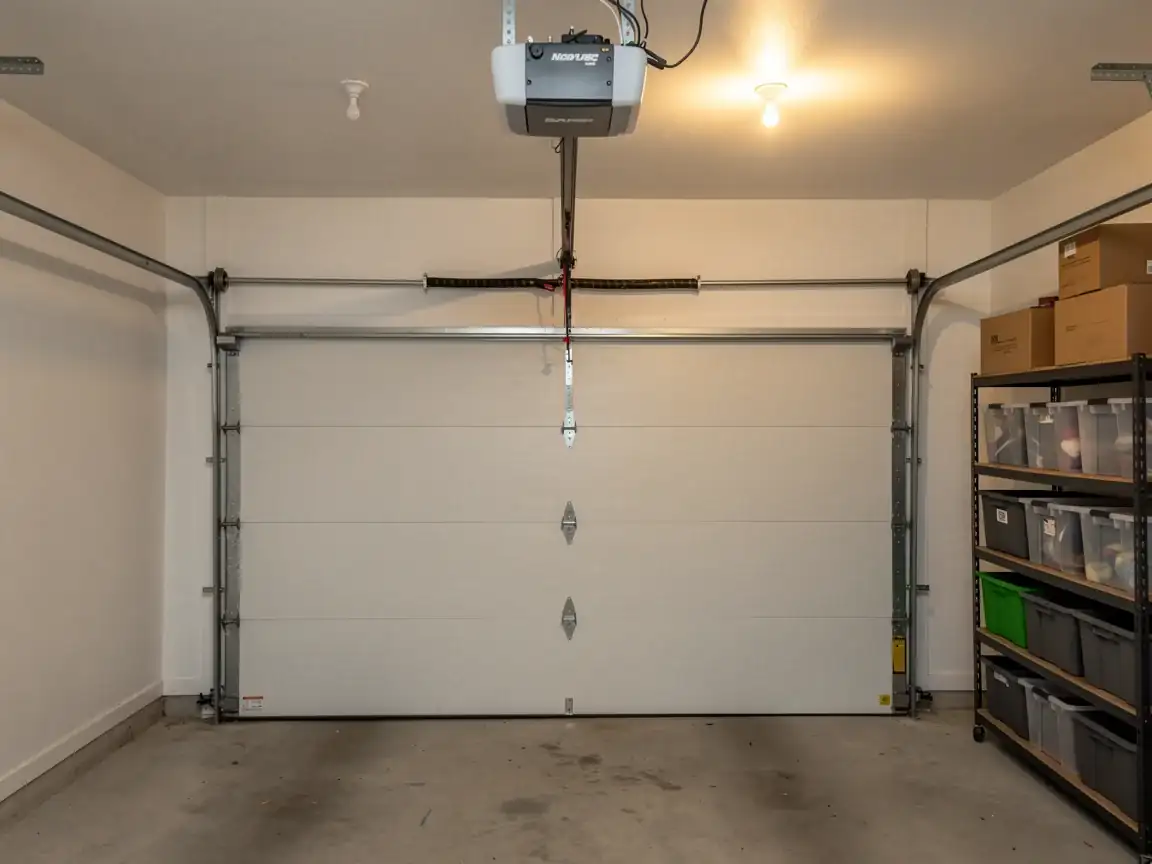
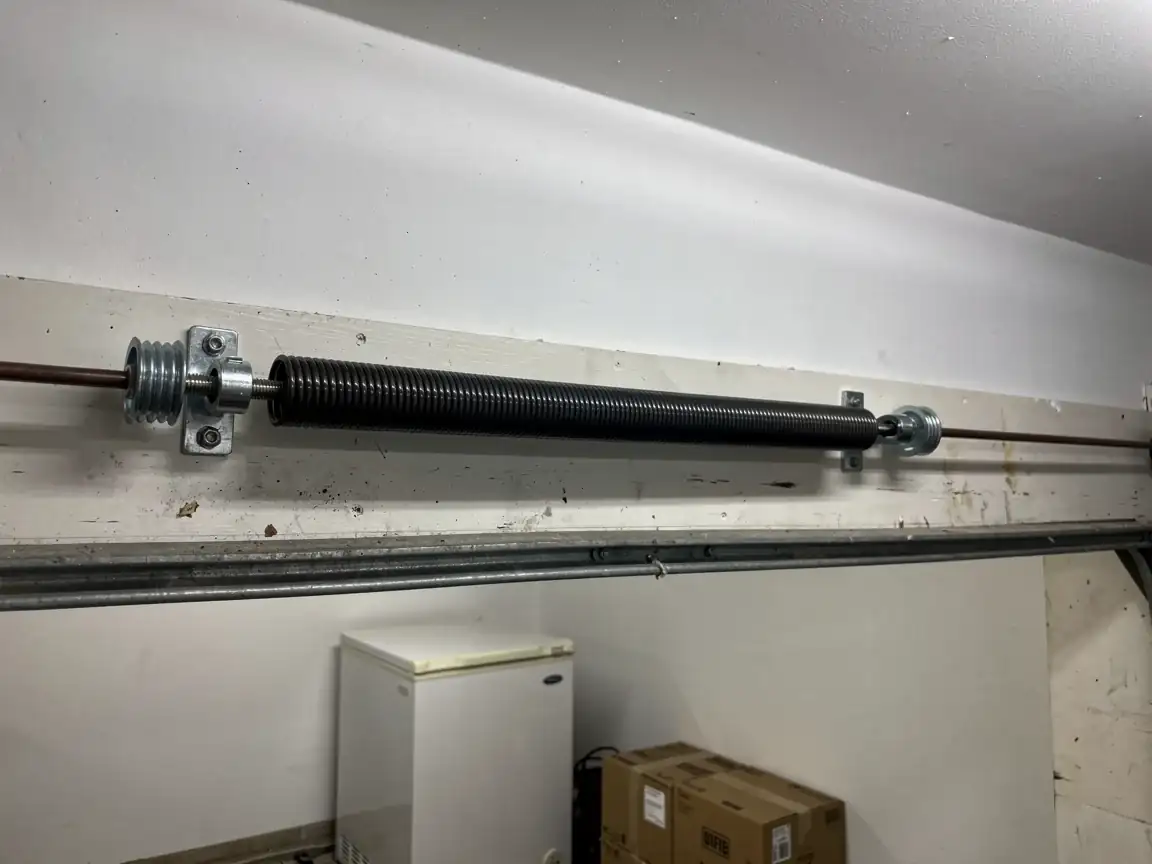
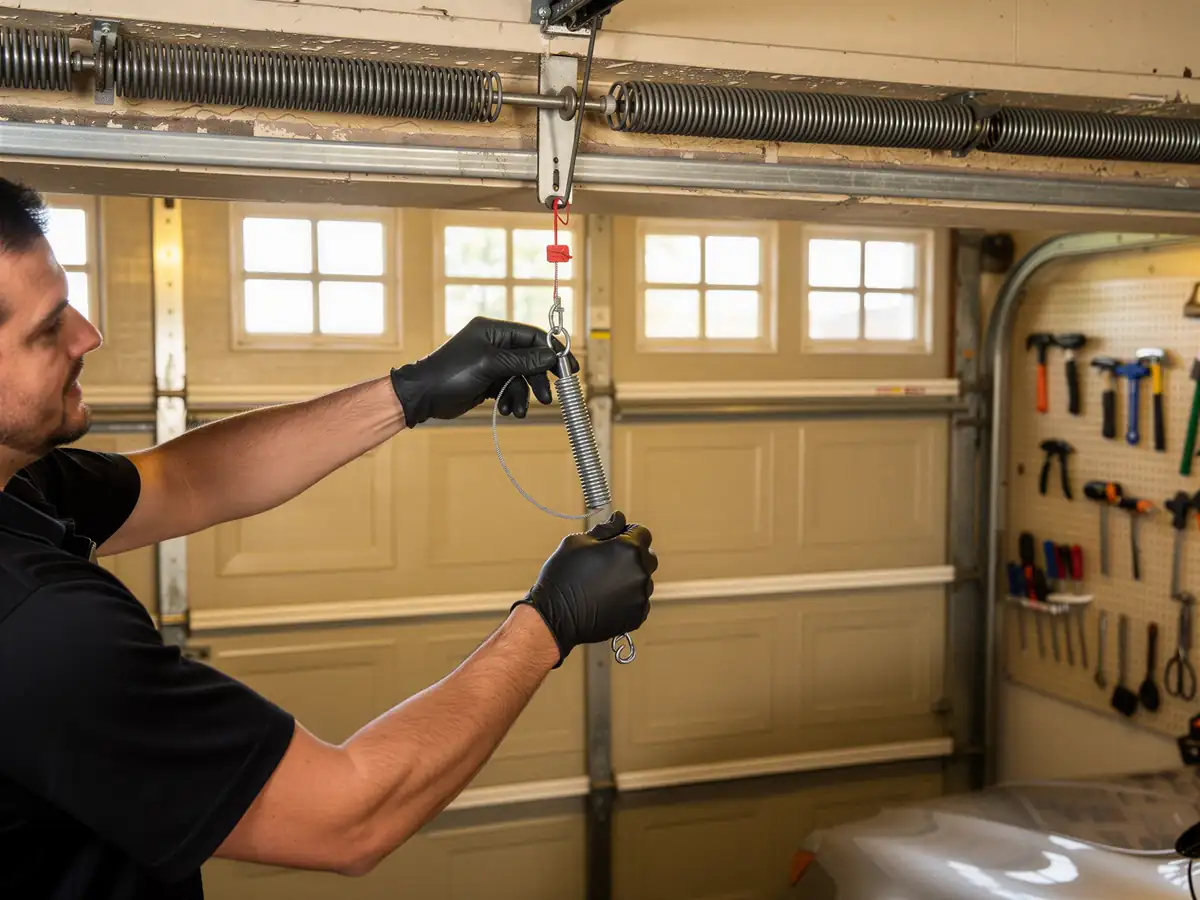
Which is close to Victoria's median, almost always has a factory torsion spring system mounted on a header above the door rather than the side-mounted extension springs you find on much older construction in parts of this service area. Torsion setups are more predictable to size and replace, which is one advantage of the newer stock here. The tradeoff is that builders in that era leaned toward larger insulated doors, especially on two-car openings, and those take a spring rated for more cycles and more weight than a lightweight single-car door from decades earlier.
We size the spring to your door's actual weight and the track's wind pattern, not just to what was there before
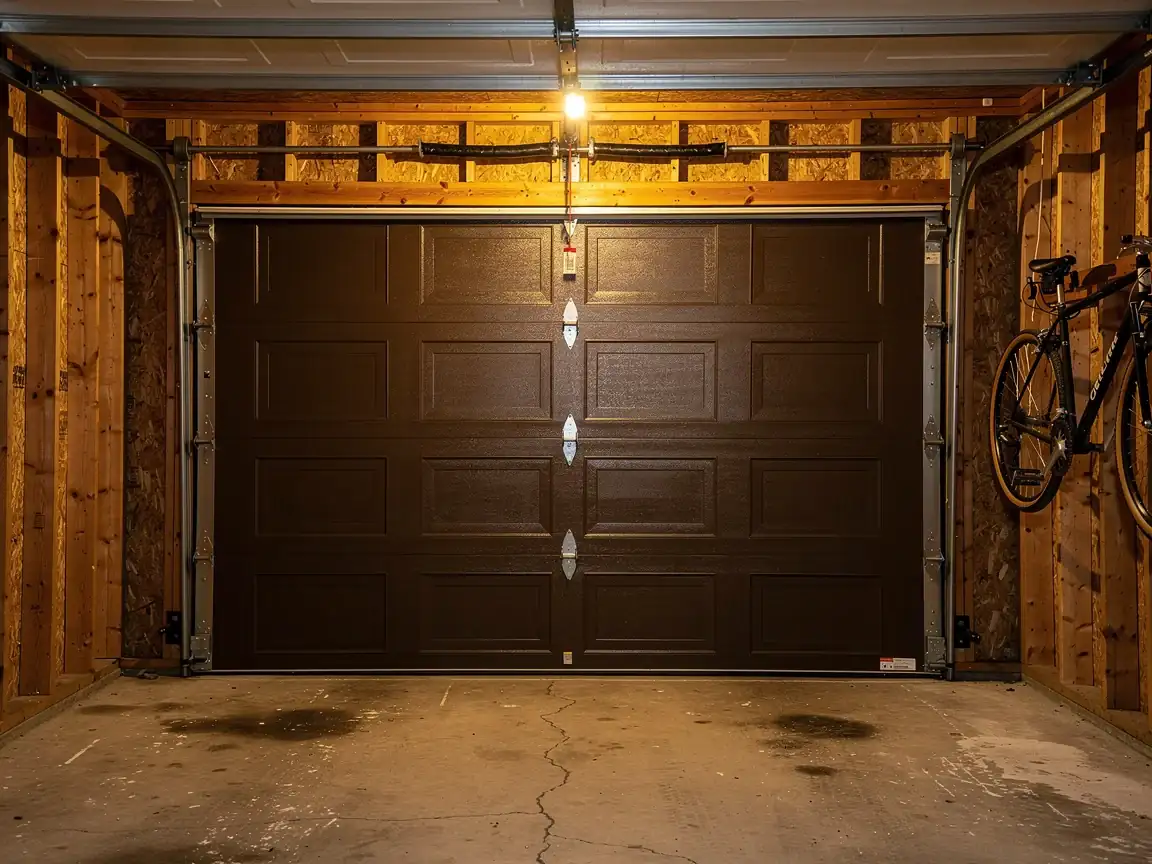
Because a mismatched replacement either strains the opener or wears out early. Double doors on homes from this period often run dual springs rather than one oversized spring, and we check both even if only one has failed, since the second is usually close behind on cycle count.
One limitation worth stating plainly
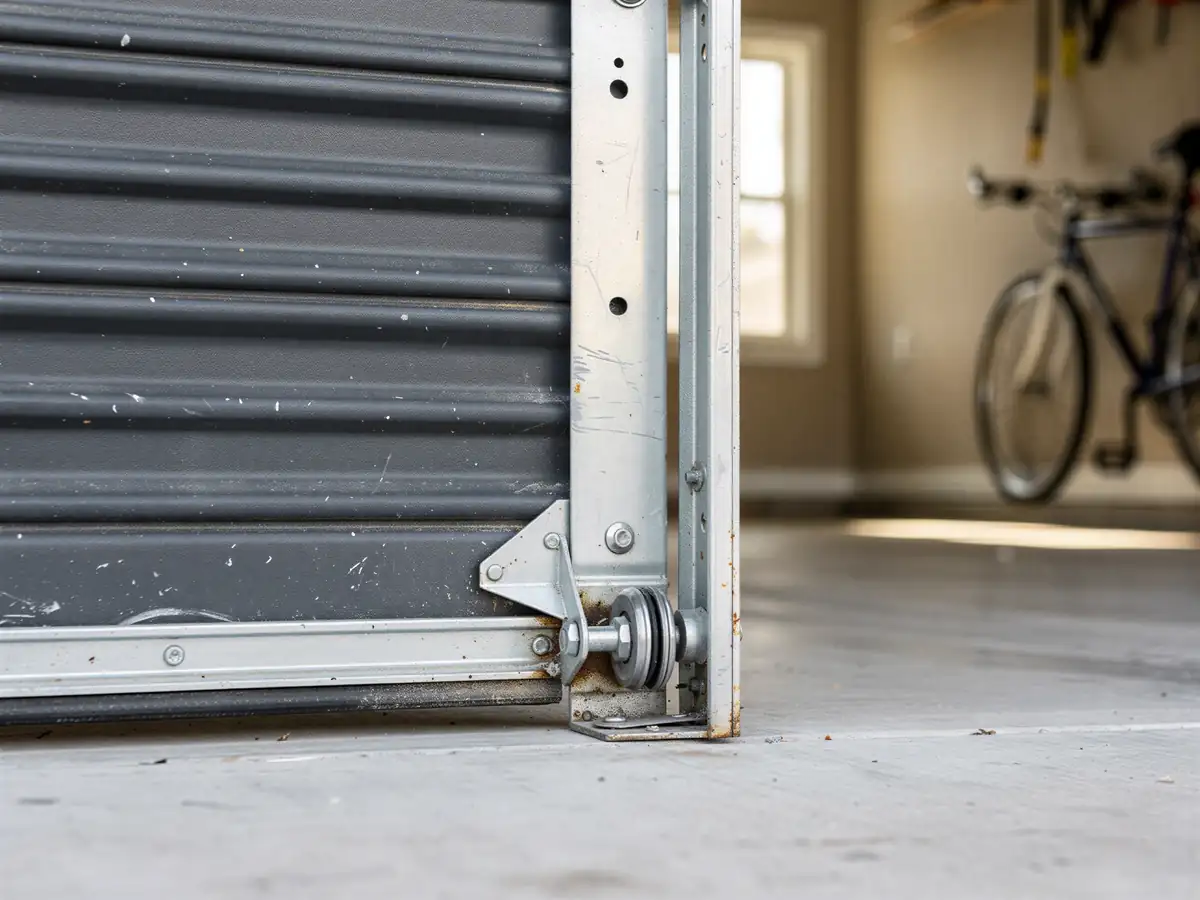
If the drums, bearing plate, or track are also worn or bent, swapping the spring alone won't fix a door that still binds or drifts off-track. We'll tell you if that's the case rather than hand you a door that still has a problem.
The Symptom
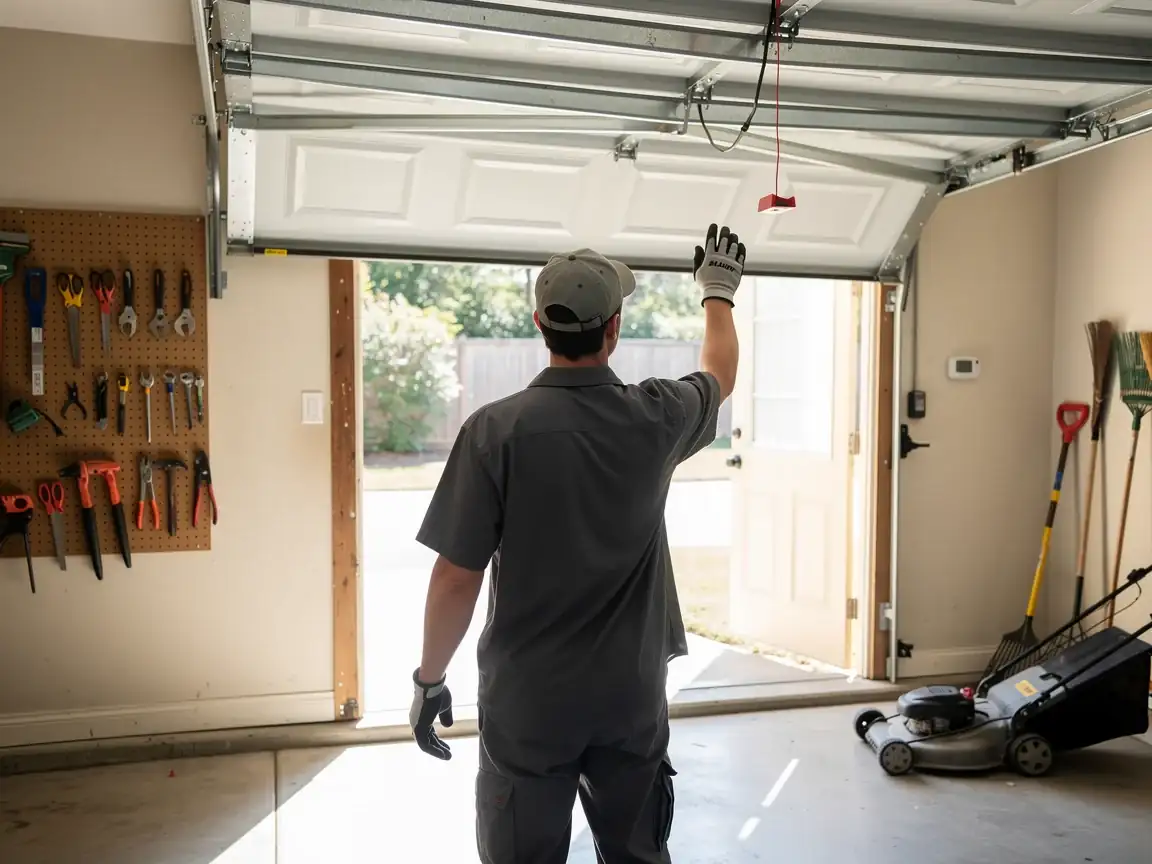
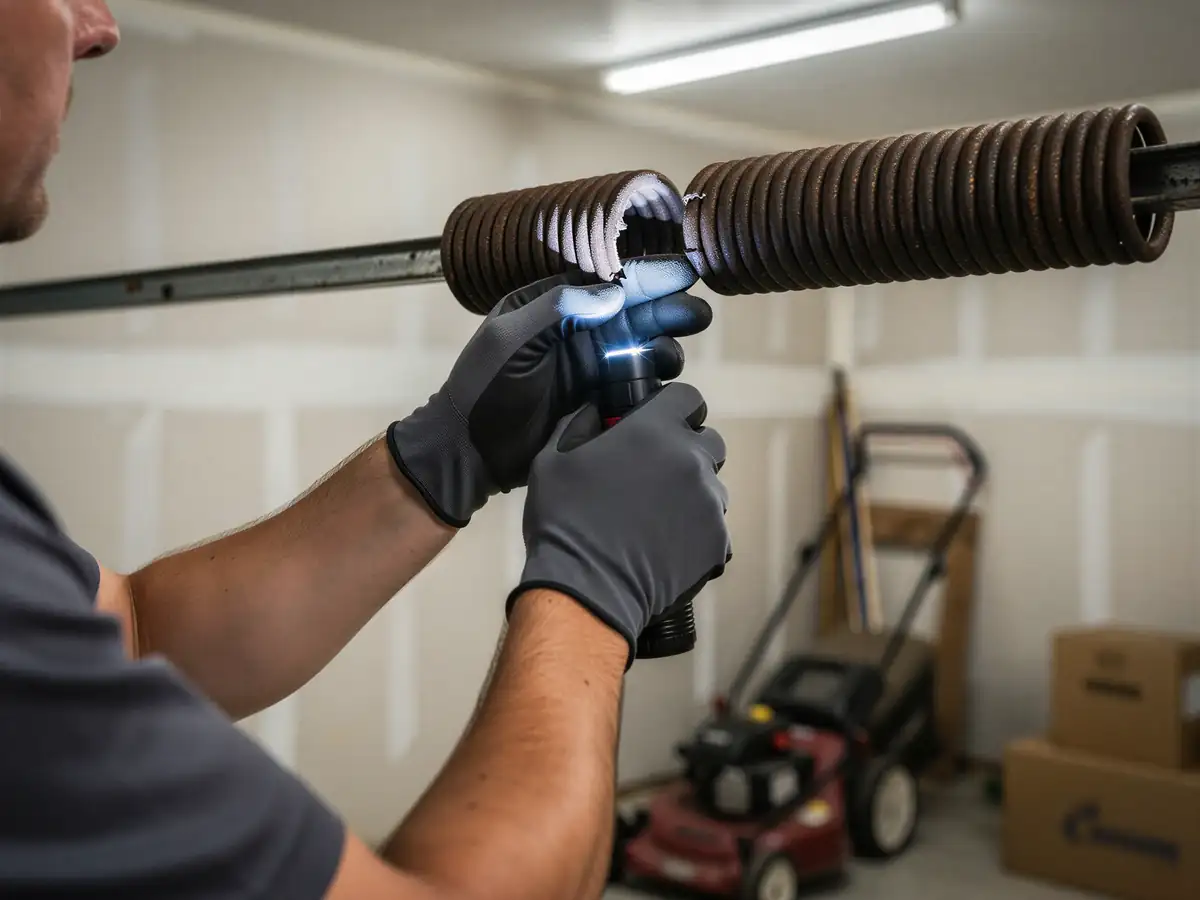
The giveaway on a torsion spring is usually sudden - the door gets heavy overnight, or it won't lift past a few inches without help, or you hear a bang from the garage and the spring is visibly split in two at the top. On a system sized for a larger insulated door, that sudden failure is more noticeable than on an older, lighter door, because the opener is straining against far more unassisted weight. If your opener motor sounds like it's working much harder than usual, or the door reverses or stalls partway up, treat it as a spring symptom before you treat it as an opener problem - a dying opener often gets blamed for what's actually a dead spring doing none of the lifting work it used to.
A door that drifts to one side as it opens, rather than lifting evenly, points to one spring in a dual-spring setup failing while the other is still holding - common on the wider doors typical of this housing stock. Don't keep opening it by hand or by opener once you notice either sign; running a door on a broken spring puts the full load on cables and the opener's gearing, which turns a spring job into a more expensive repair.
How Long You Are Without the Door
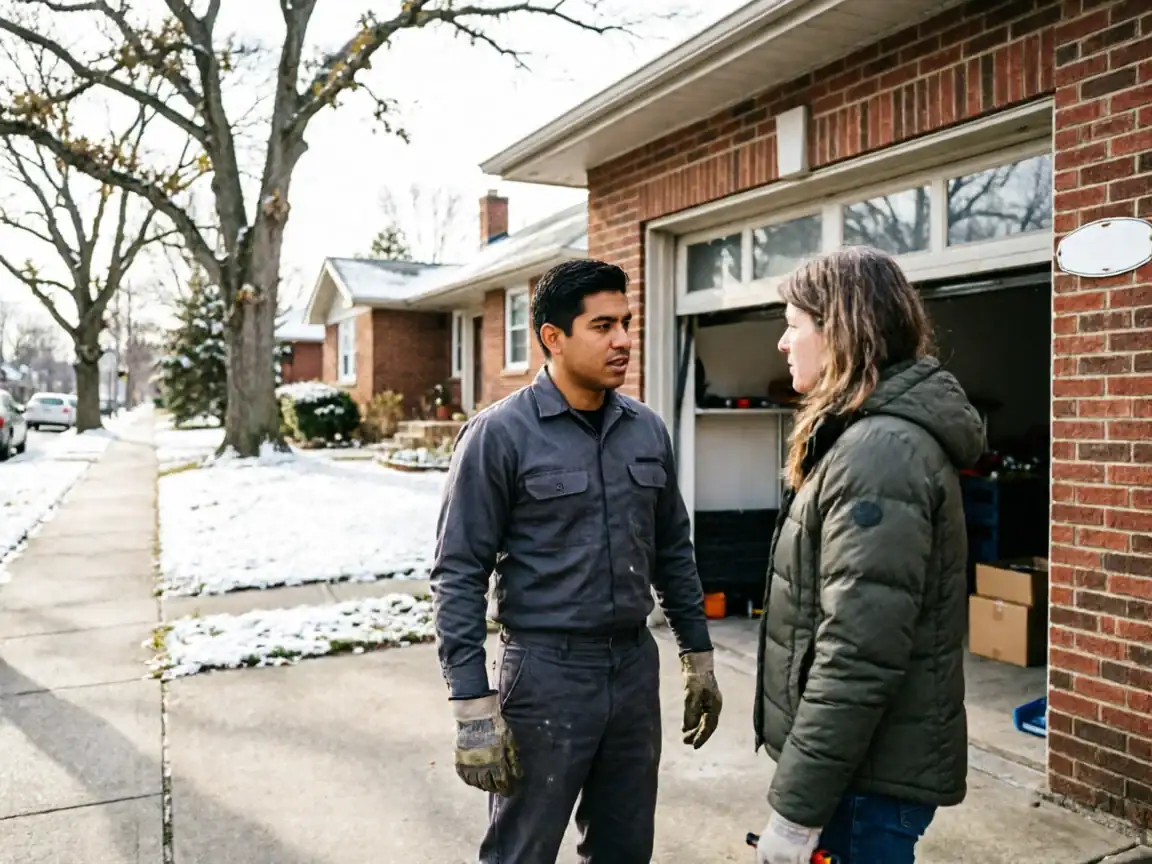
Once a tech is on-site, swapping a torsion spring on a standard double door is usually a same-visit repair - it's a job we size and complete in one appointment, not one that gets scheduled in stages. What can extend the timeline is the 13-mile drive from Hopkins factoring into when we can get a truck there, especially if the call comes in late in the day. We'd rather give you an honest arrival window than a response-time promise we can't keep from this distance.
If the spring that failed is a less common size - which does happen on some higher-end doors from the newer builds in this area - and it isn't on the truck, that's a parts delay, not a repair delay. We stock the sizes we see most often, but we won't claim every spring for every door is sitting on the shelf. In that case we'll tell you straight that it's a return trip rather than stretch out one visit pretending otherwise.