Getting It Booked In
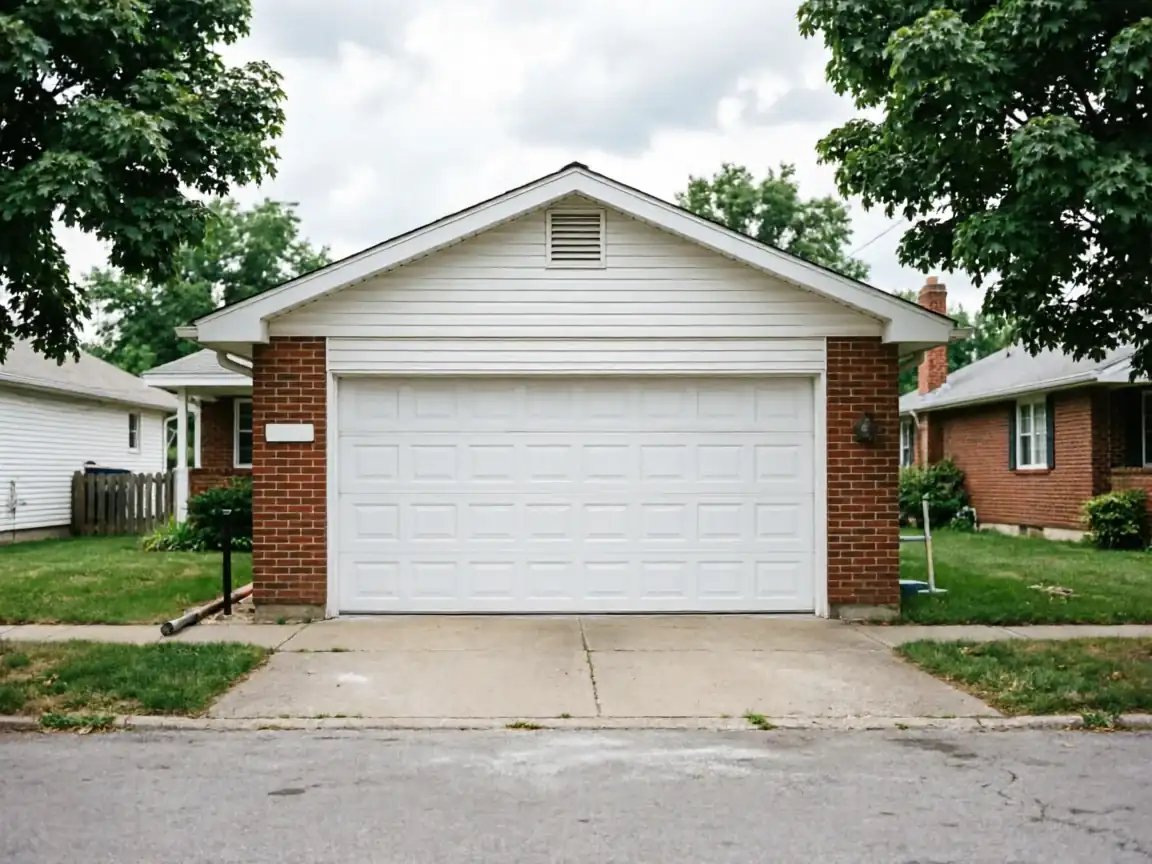
Victoria sits about 13 miles out from our shop in Hopkins, which is the longest run we make into any of the towns on our list. That distance doesn't change how we price the job, but it does mean we ask a few more questions up front - door brand, opener model, whether the spring is one or two - so the truck rolls out with the right parts instead of a guess.
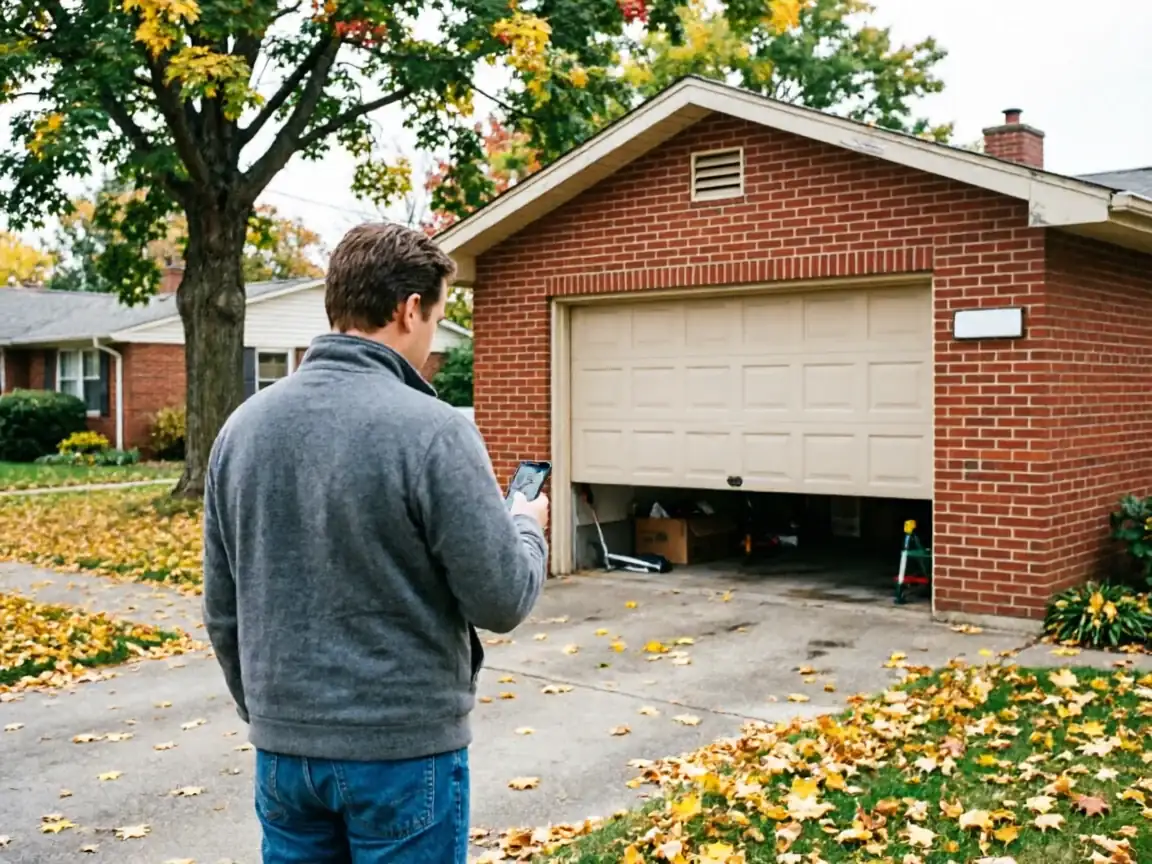
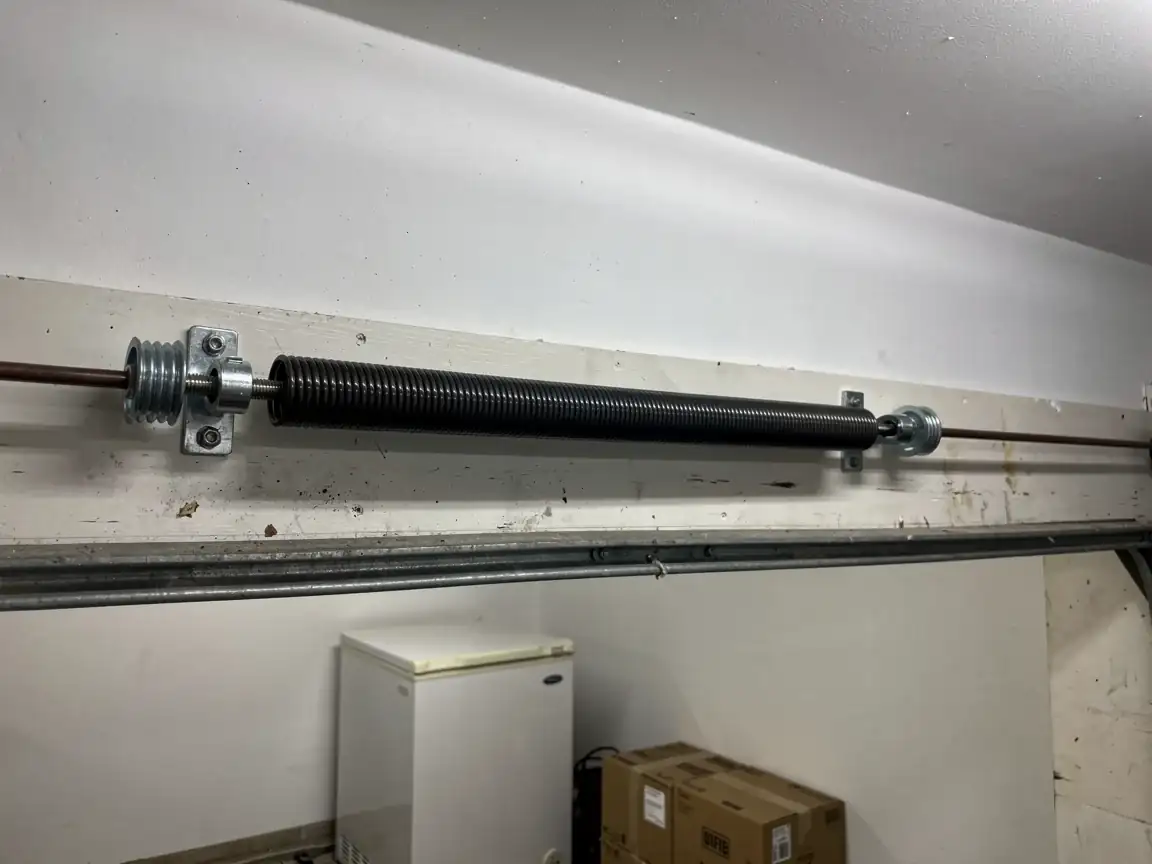
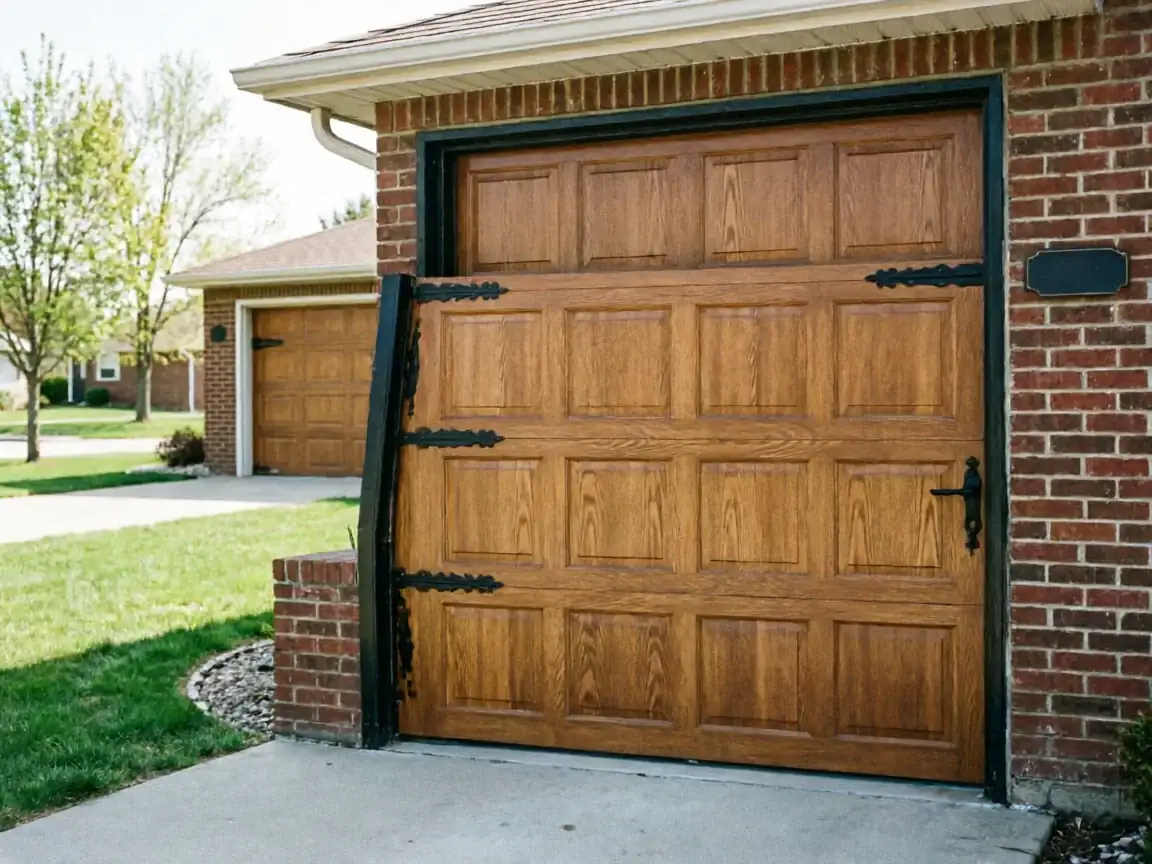
Most of what we see in Victoria isn't the worn-out, decades-old hardware we pull out of older suburbs. A lot of these houses were built close to 2005, which puts the garage door and opener well inside the era of integrated keypads, rolling-code remotes, and steel doors with factory-sealed bottom panels. Booking the call means telling us what's on the door now, because parts sourcing for a 20-year-old opener board is a different conversation than parts for a 1960s torsion drum.
We don't keep a branch or a drop box in Victoria - every job comes from Hopkins, so give us the symptom clearly on the call and we'll bring what the door actually needs.
What the Repair Takes
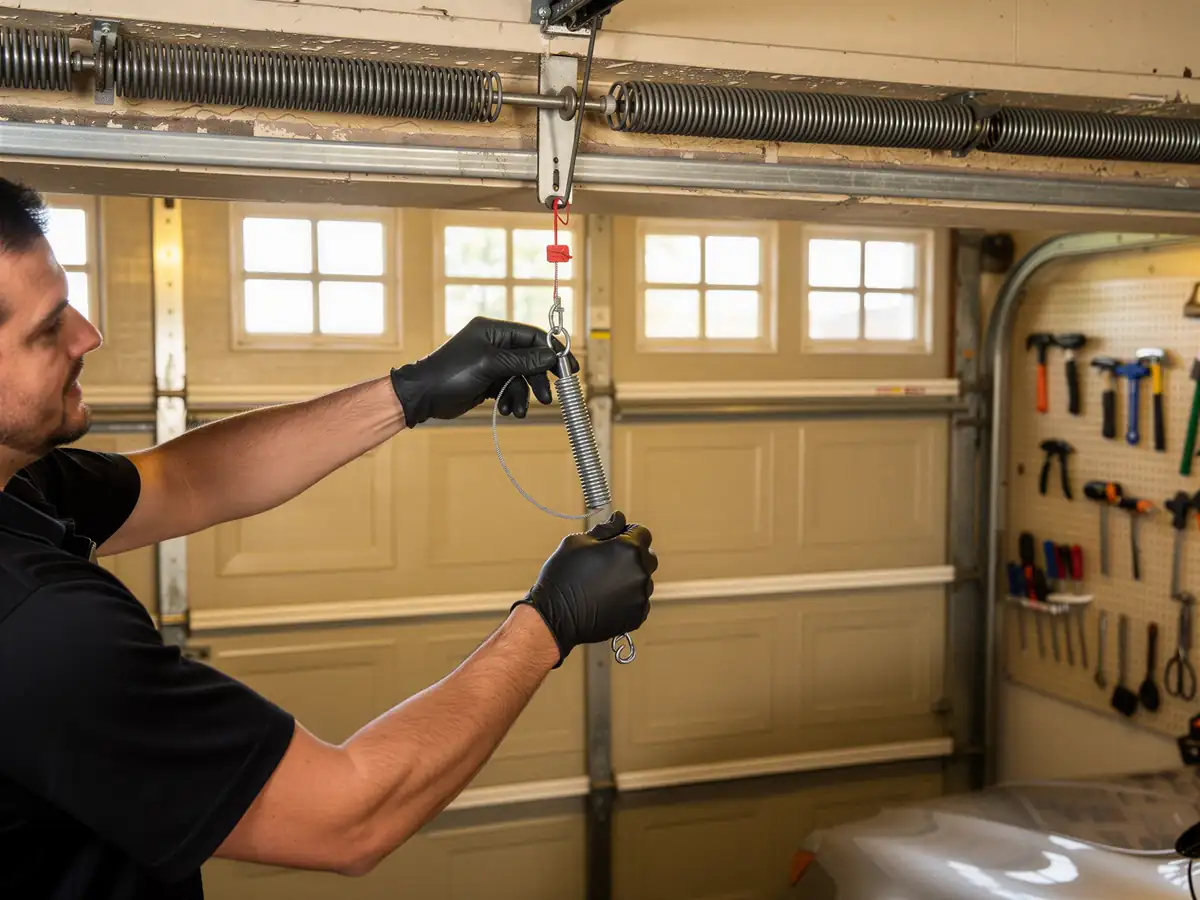
On a door from this era, the failure is rarely the spring snapping outright
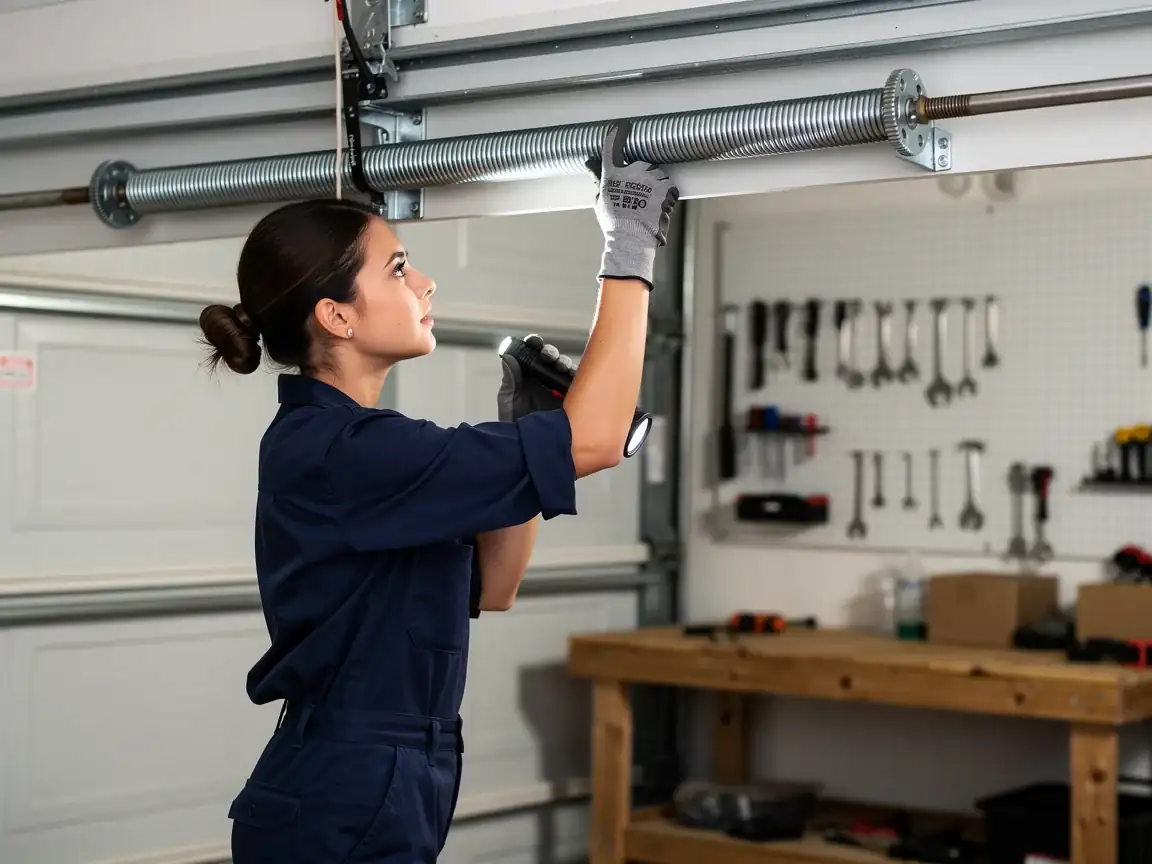
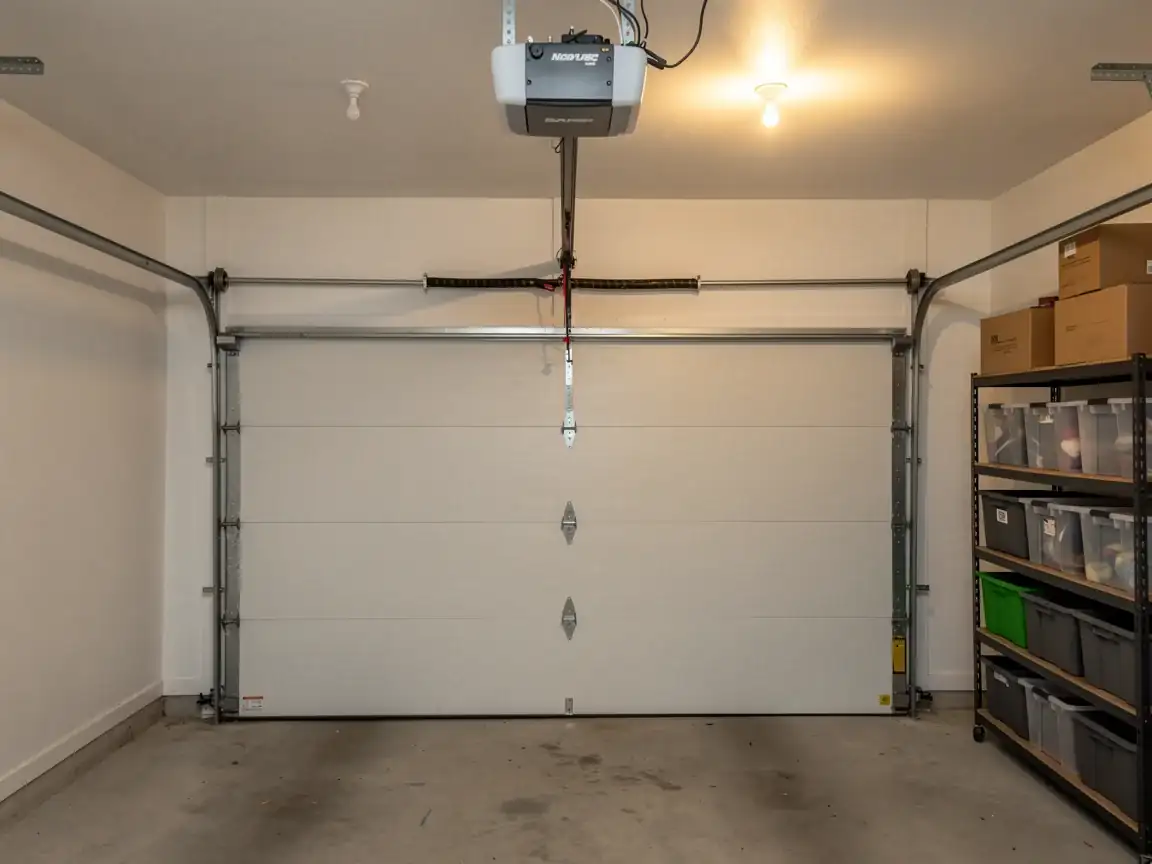
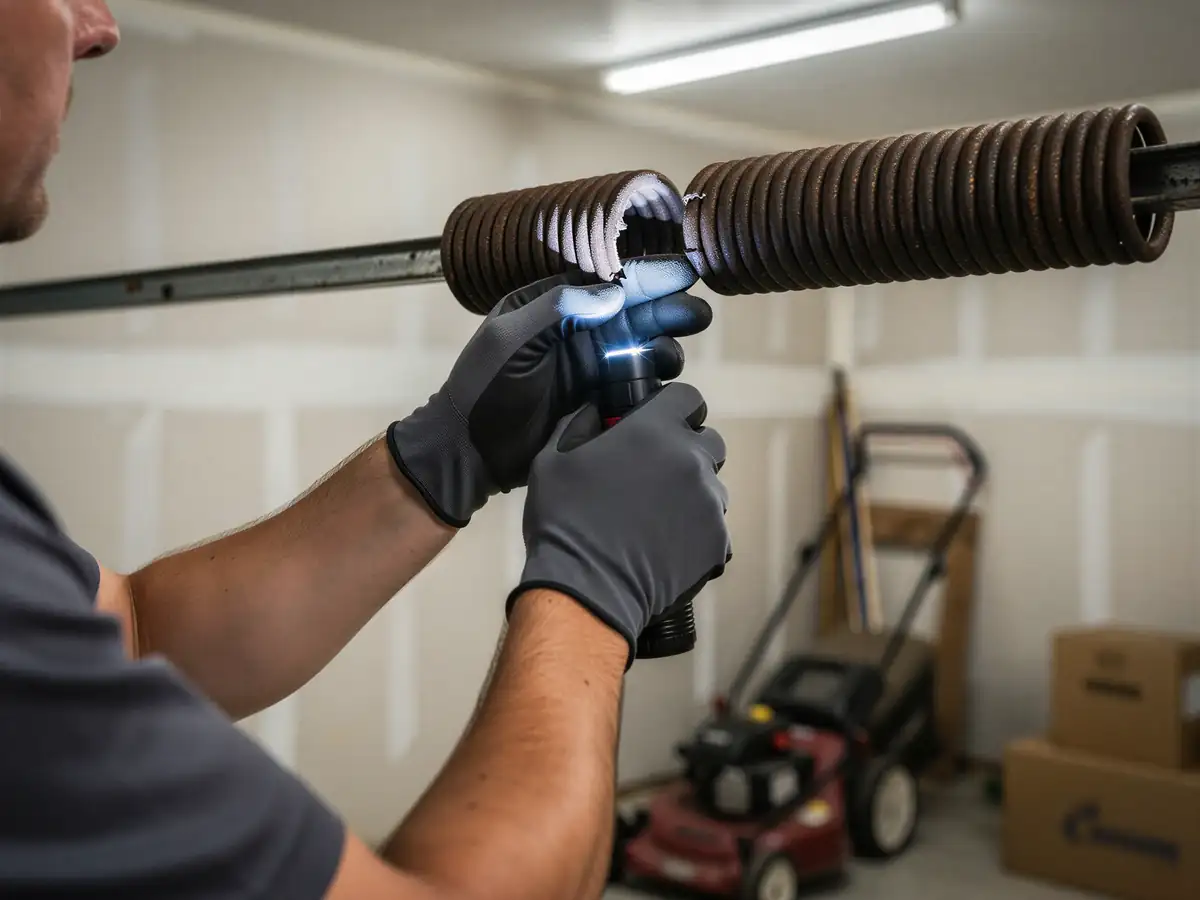
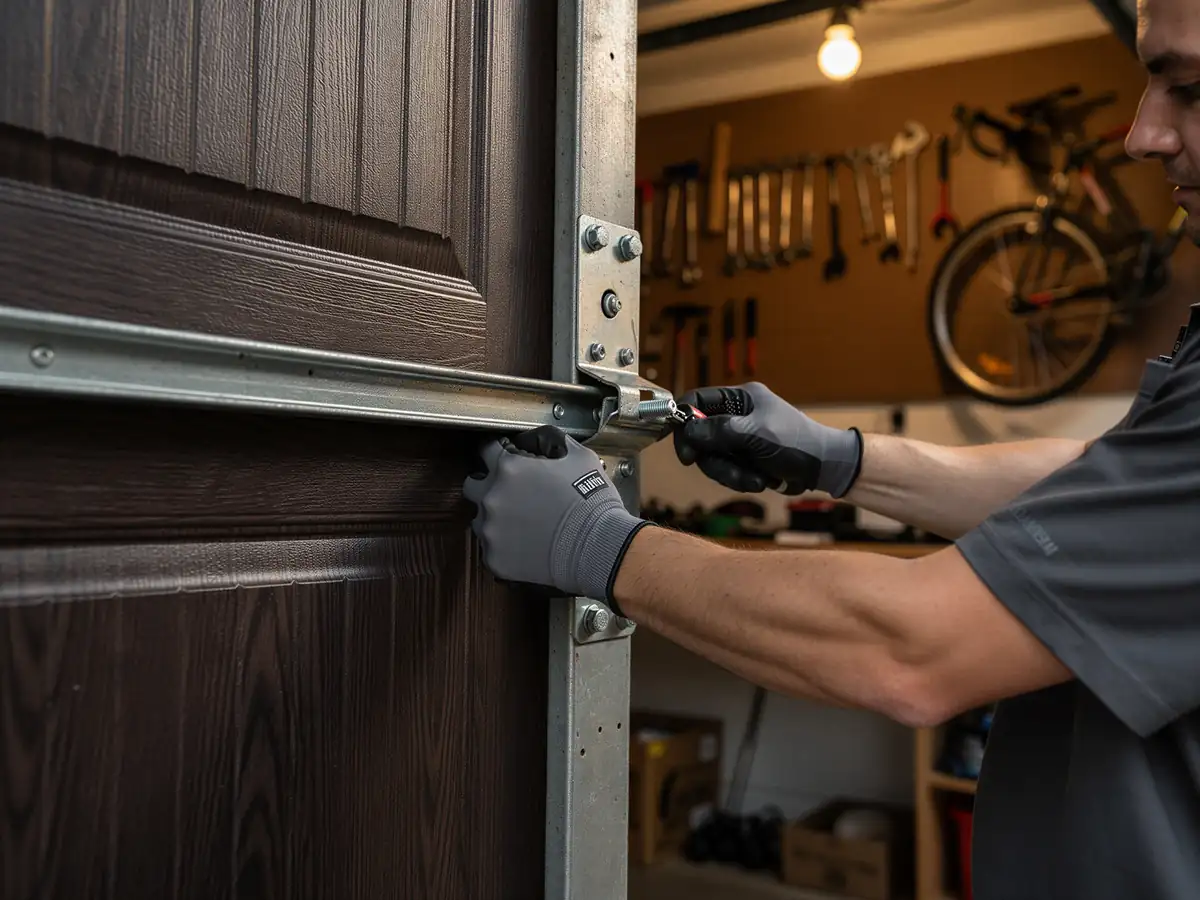
Torsion springs rated for these newer doors tend to hold up, and we're not pulling 15-year-old springs apart here the way we do in older stock. What we find more often is the opener logic board, a worn drive gear on a belt or chain unit, or a safety sensor that's drifted out of alignment after a bump from a car or a snowblower.
The cold matters here as much as it does anywhere else in the service area
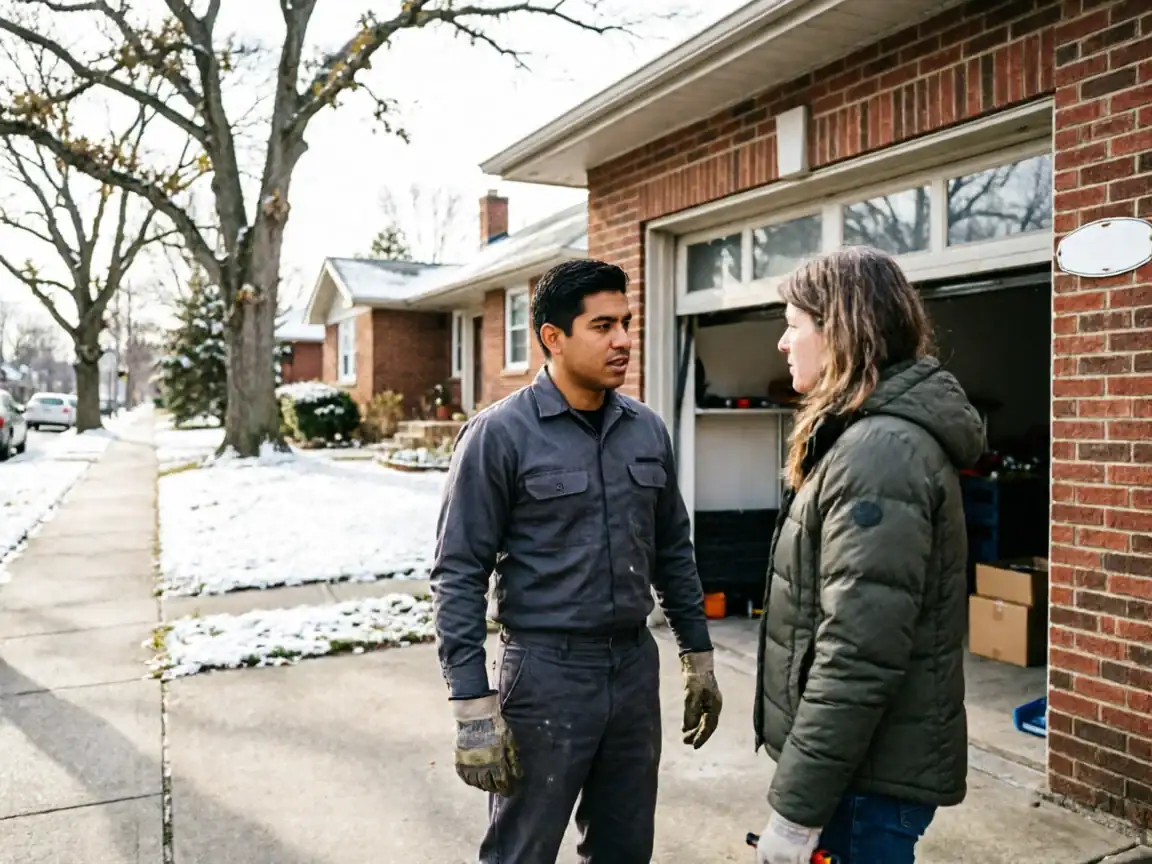
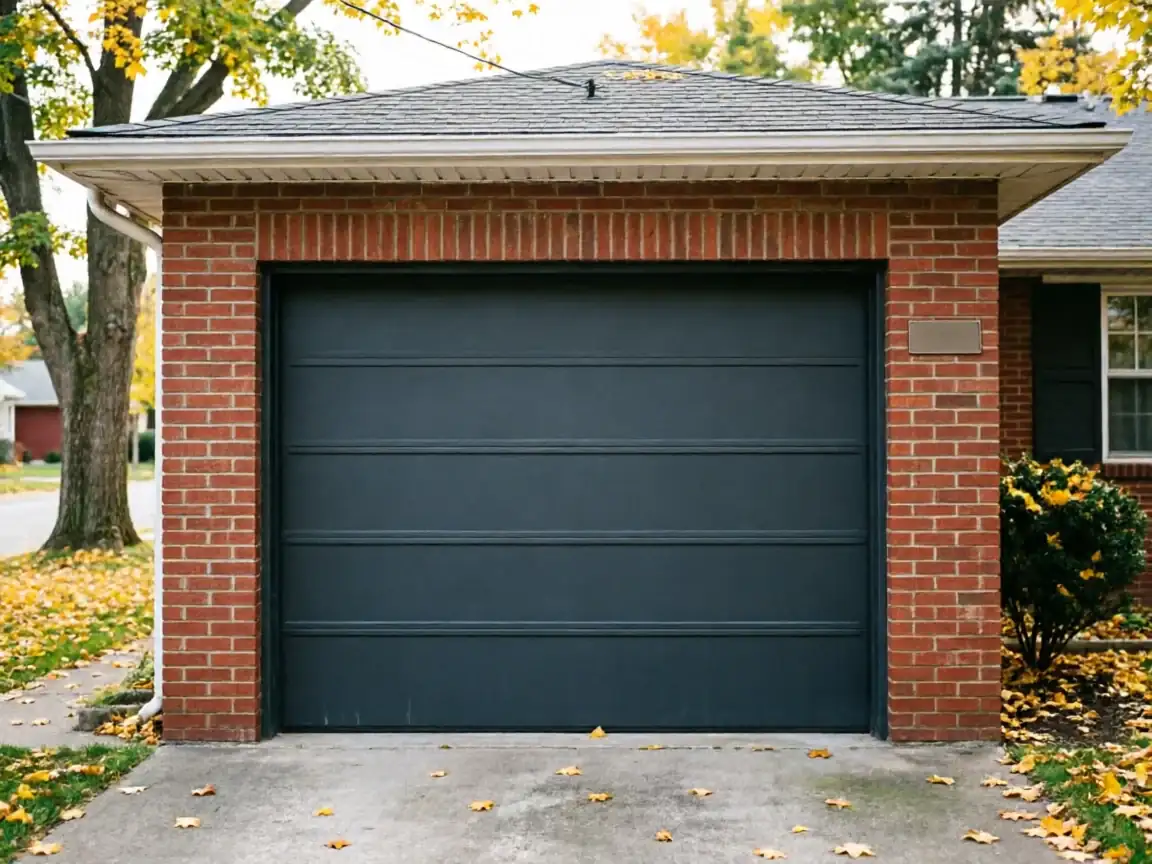
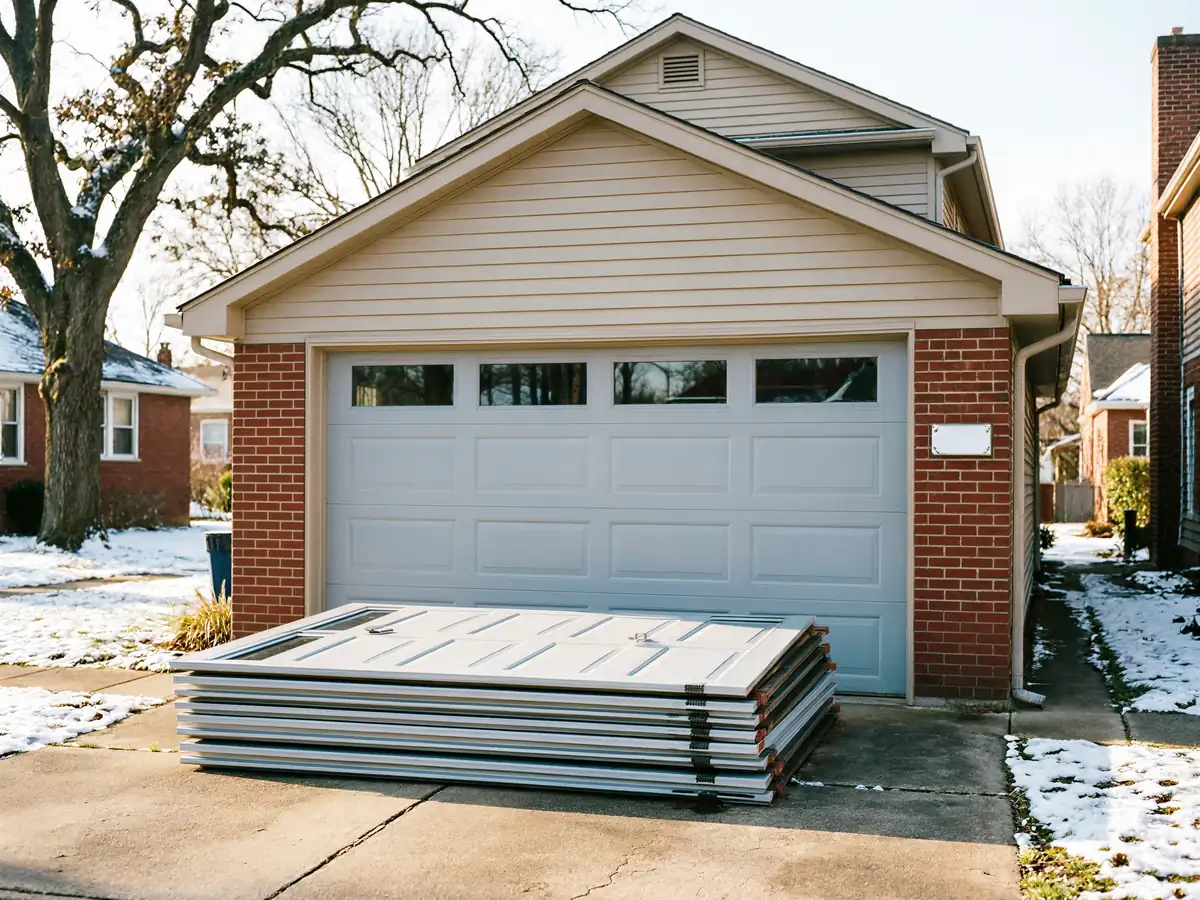
This is a cold-climate region, and insulated steel doors from the 2000s still rely on rubber bottom seals and weatherstripping that stiffen and crack after enough winters. That's usually a seal swap, not a door replacement, and it's a short job.
Honest limit: if the opener board itself is dead and the manufacturer has moved to a different control system
We may not be able to source an exact replacement board. In that case we'll tell you straight whether a new opener unit is the cheaper, faster fix instead of chasing discontinued parts.
The Symptom
The complaint we hear most from Victoria is the door that reverses itself halfway up, or won't close at all and just blinks the wall button. On a 20-year-old opener, that's almost always the photo-eye sensors near the bottom of the track - small plastic eyes that get knocked out of alignment by a parked bike, a shifted storage bin, or just years of garage door vibration loosening the bracket.
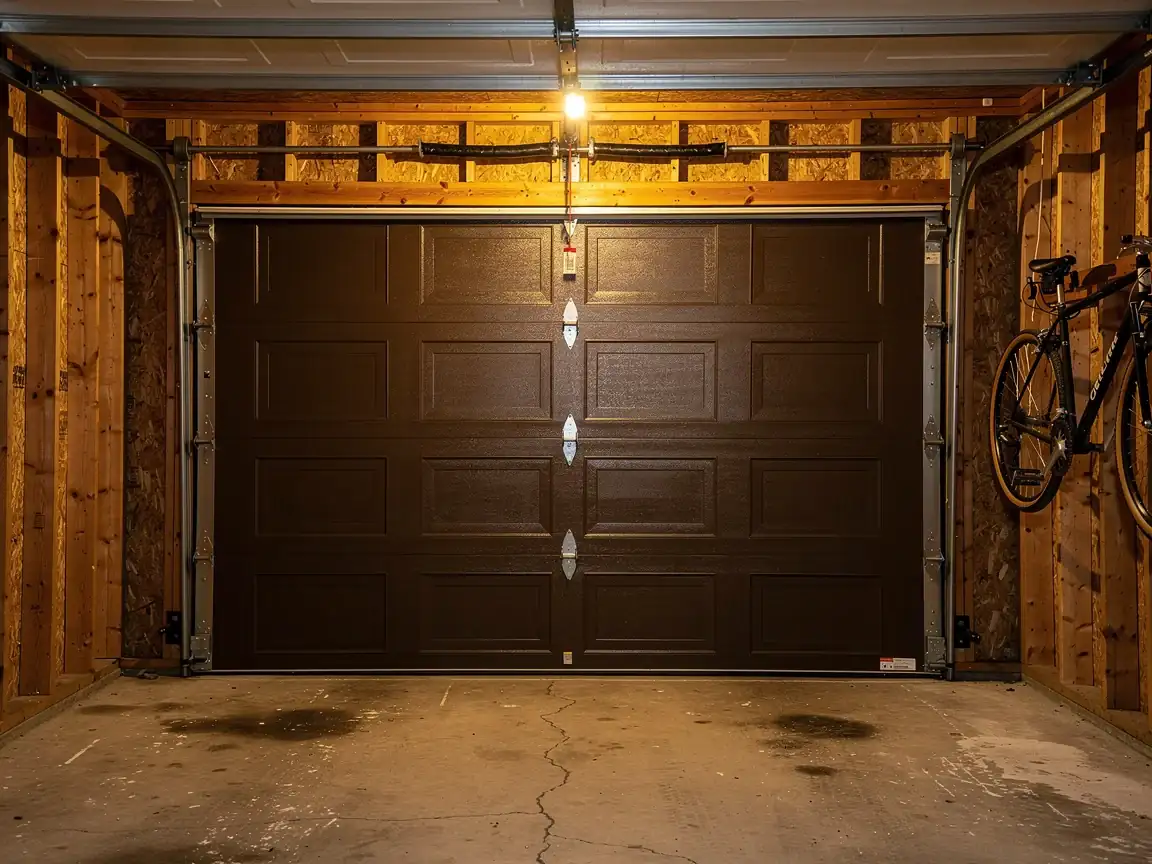
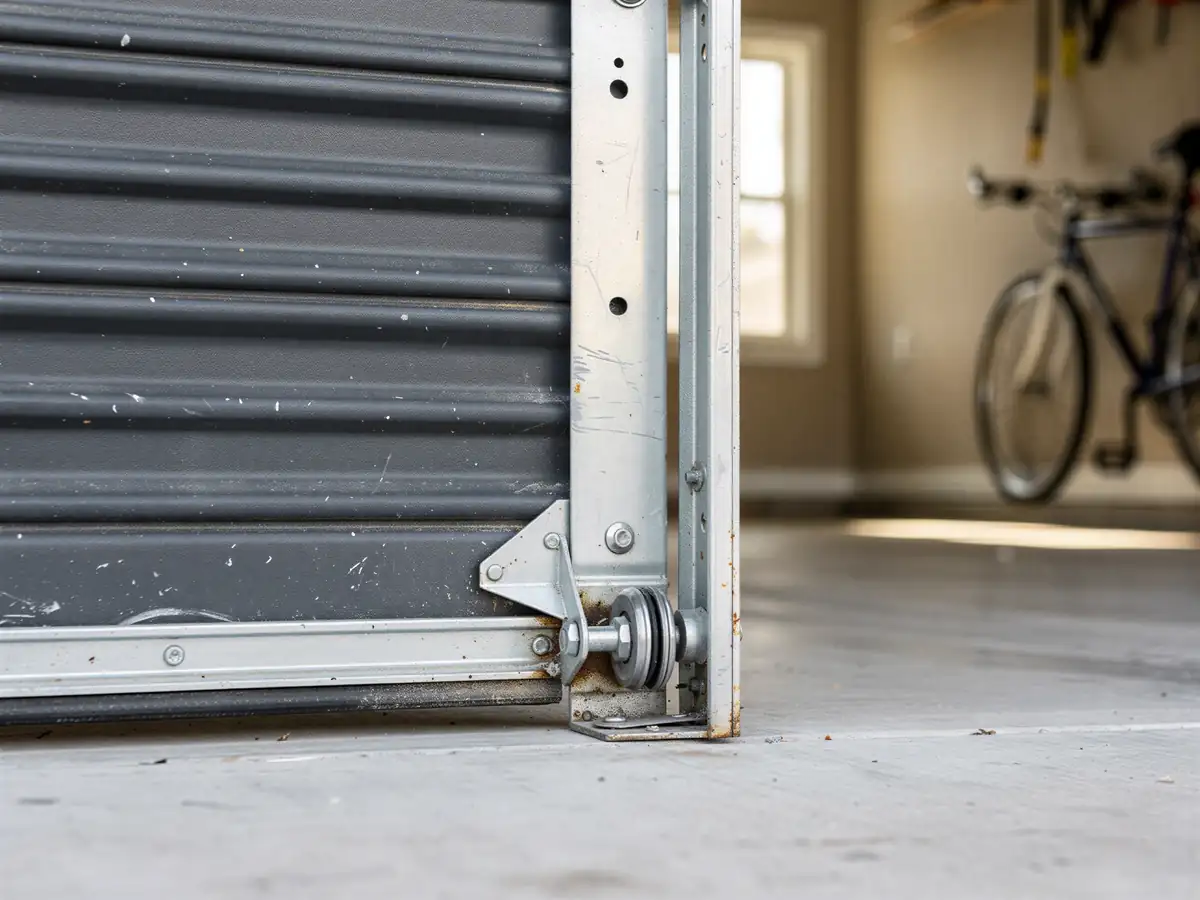
The second most common call is a door that's noisy but still moves - grinding or popping on the way up. On houses from this build era, that's usually a nylon roller wearing out or a track bolt that's worked loose, not a structural problem with the door itself. We check both before assuming it's the opener.
How Long You Are Without the Door
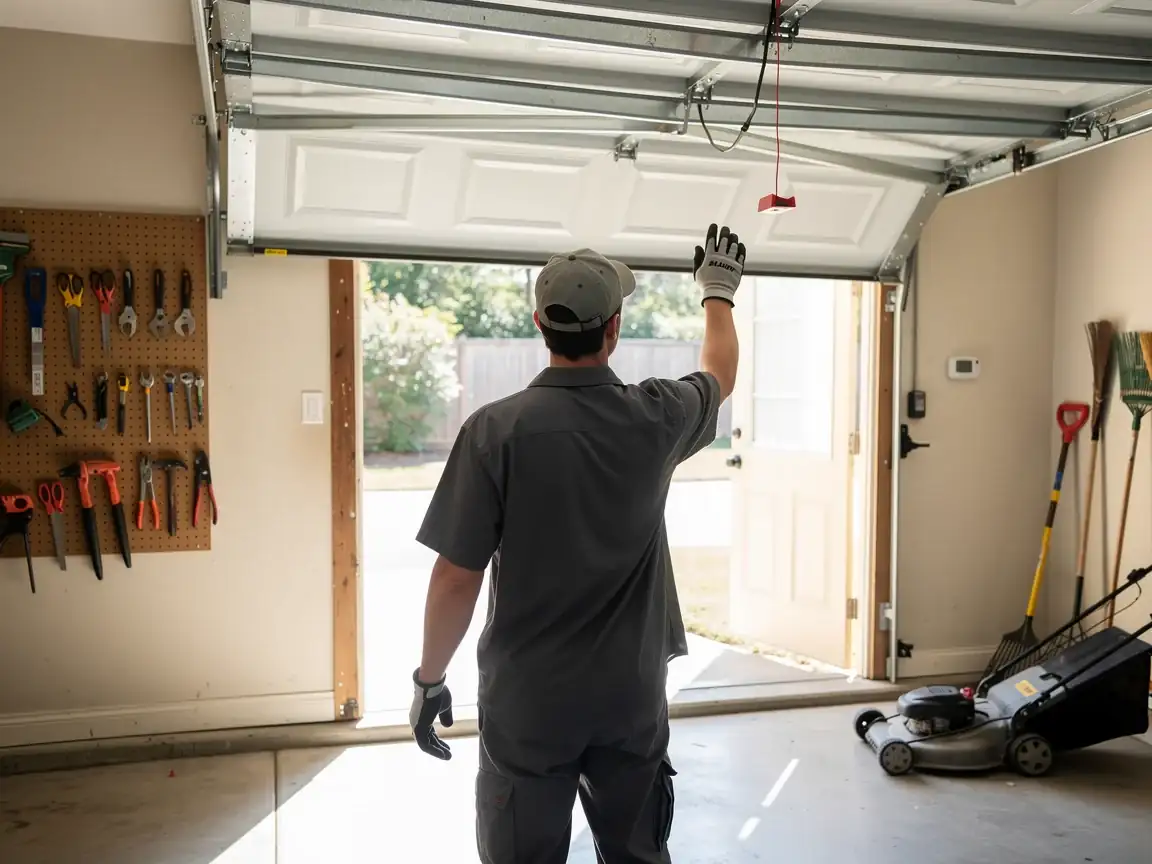
A sensor realignment or a roller swap is a same-visit fix - the door goes back into normal use before we leave. A dead logic board is the one that stretches things out, because we may need to order the part rather than carry it on the truck, and that can mean a day or more with the door running on manual release until it arrives.
Given the average household income across our service area sits well above the regional norm, we see more owners in towns like Victoria opt to replace an aging opener outright rather than wait on a backordered board - it's a choice, not something we push, but it's worth knowing the option exists before you commit to a repair that might take a week to finish properly.