Getting It Booked In
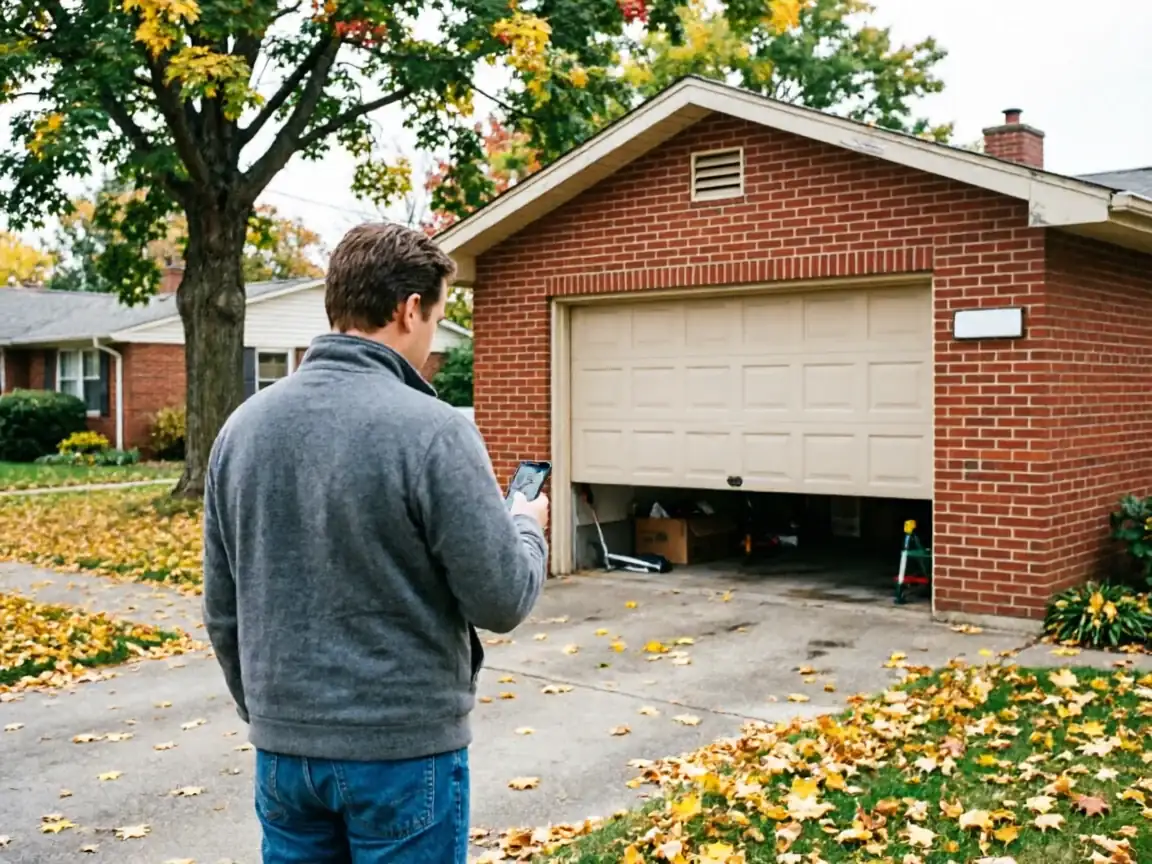
Victoria sits about 13 miles out from our shop in Hopkins, which puts it on the far edge of where we run calls. We don't keep a branch or a drop point in town, so every job starts with a truck coming from Hopkins, not a local tech who happens to be around the corner. That's worth knowing up front because it means we plan the route rather than show up on a whim.
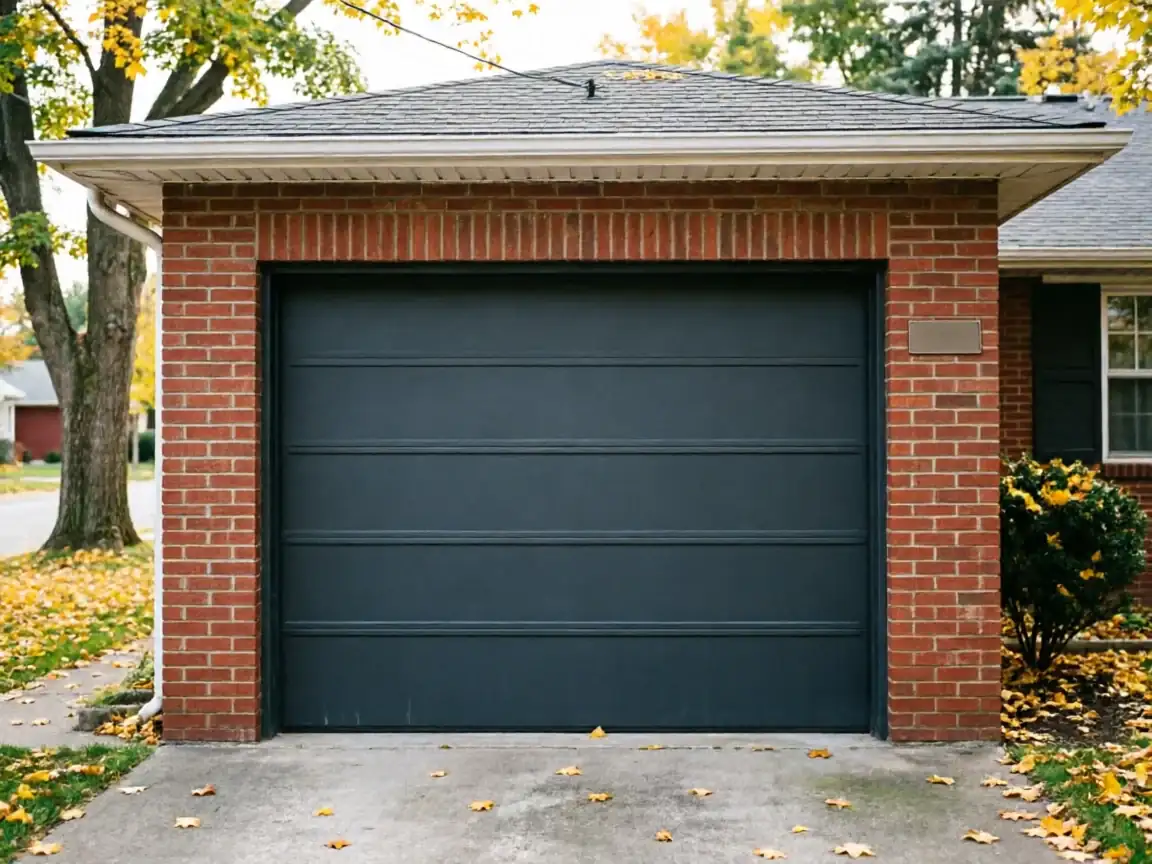
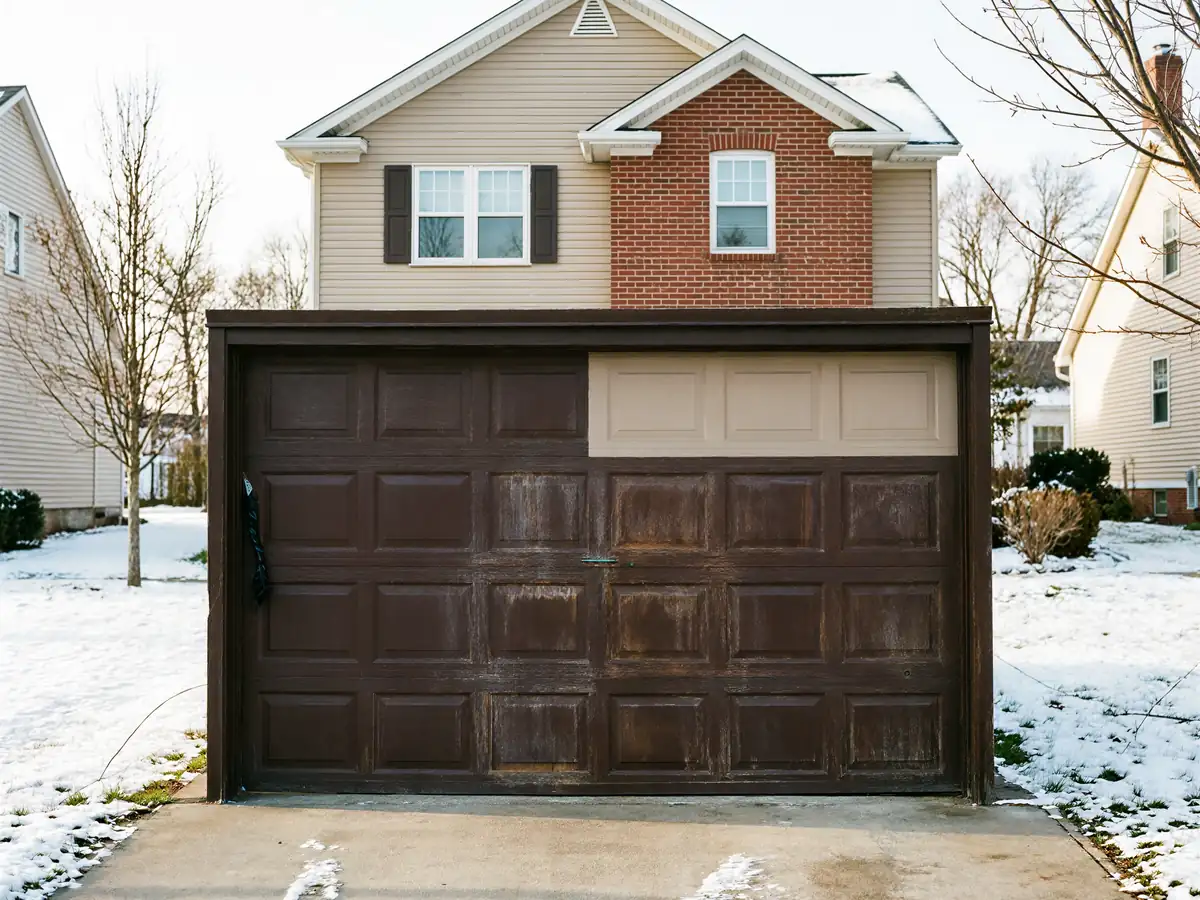
What we do have going for us on the booking side is that Victoria's housing is unusually consistent. Across the wider service area, homes span a build range from 1957 to 2005, but Victoria sits right at that late end - the median year built here is 2005, among the newest in the territory. That narrows things down fast on the phone. We're not guessing between six different eras of hardware; we're mostly asking about one generation of door and opener, which means fewer questions before a tech ever leaves Hopkins.
The one limitation worth saying plainly: because we're routing from Hopkins, we can't promise a same-day slot on short notice. If the door is stuck open and the opening faces the street, that's a different conversation than a spring that's making noise but still holds.
What the Repair Takes
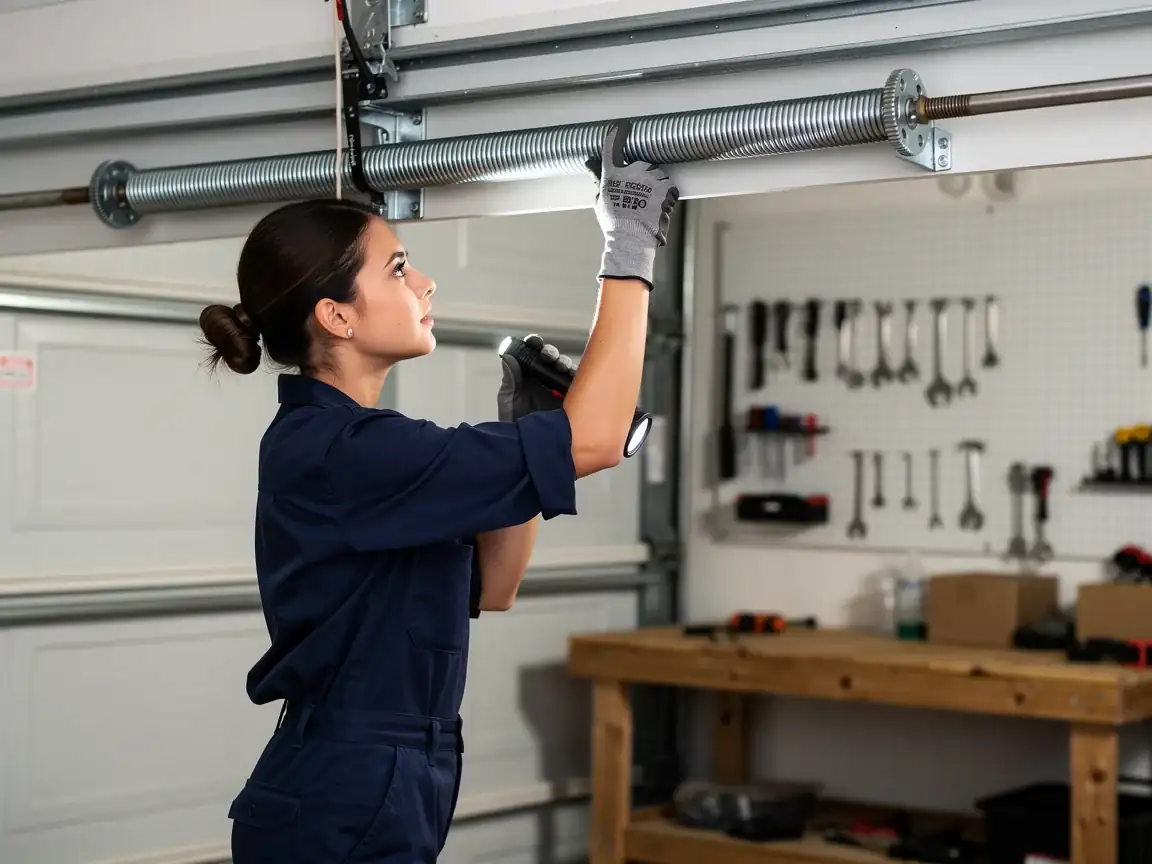
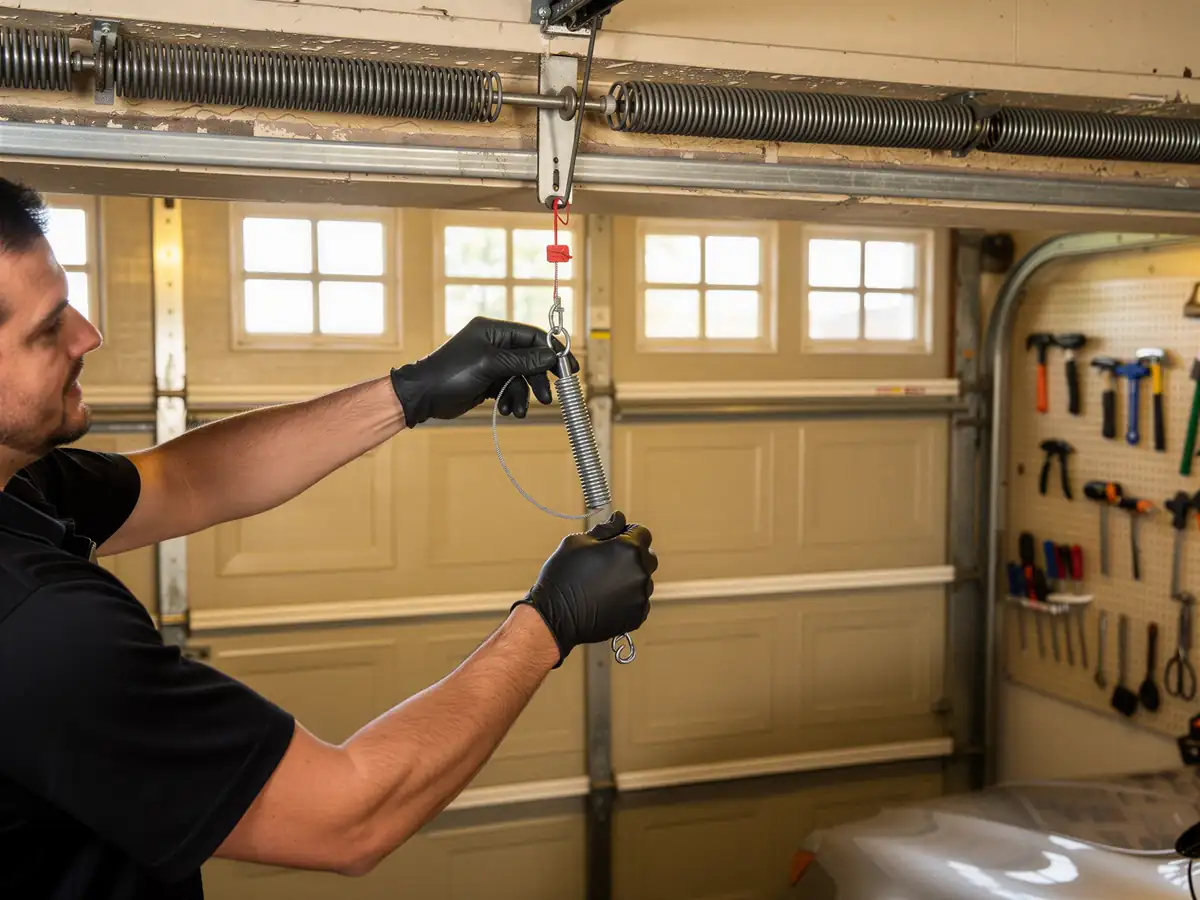
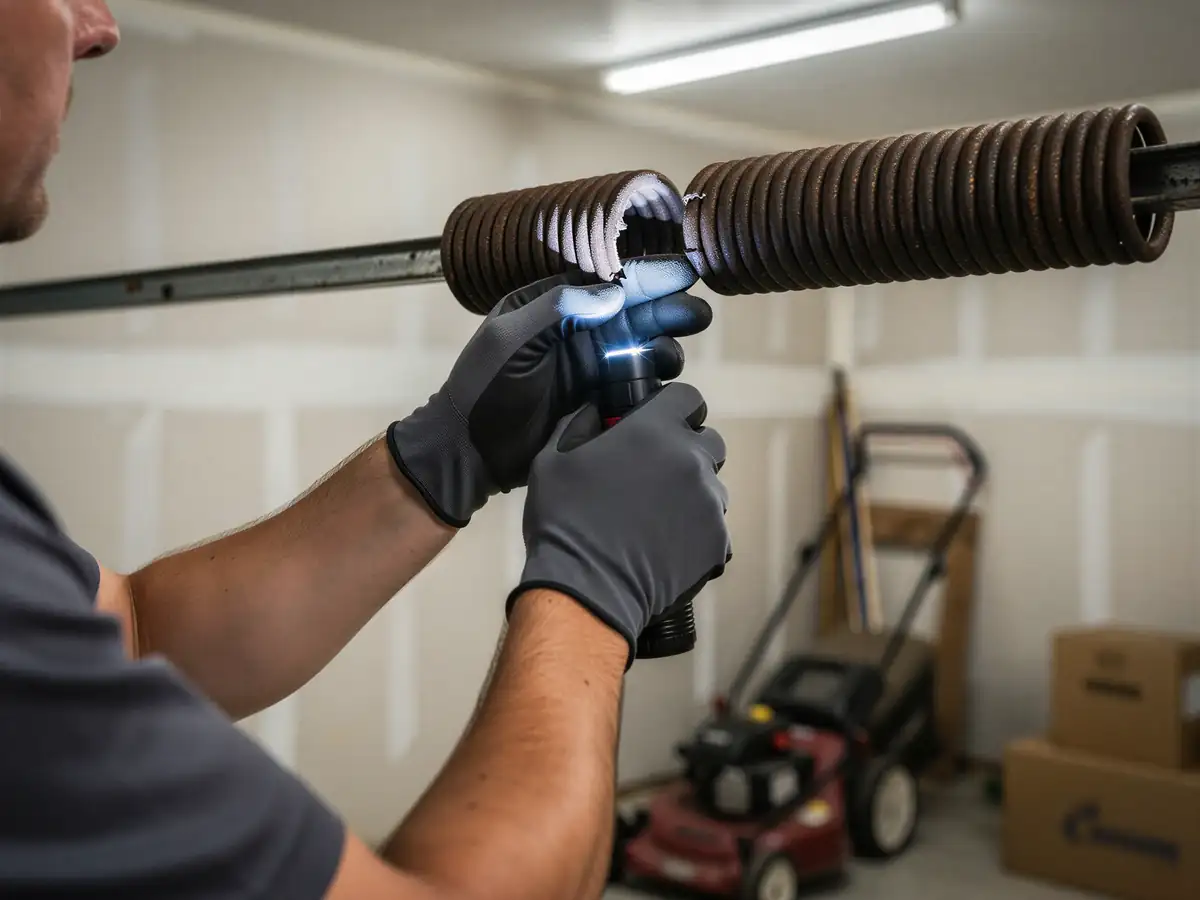
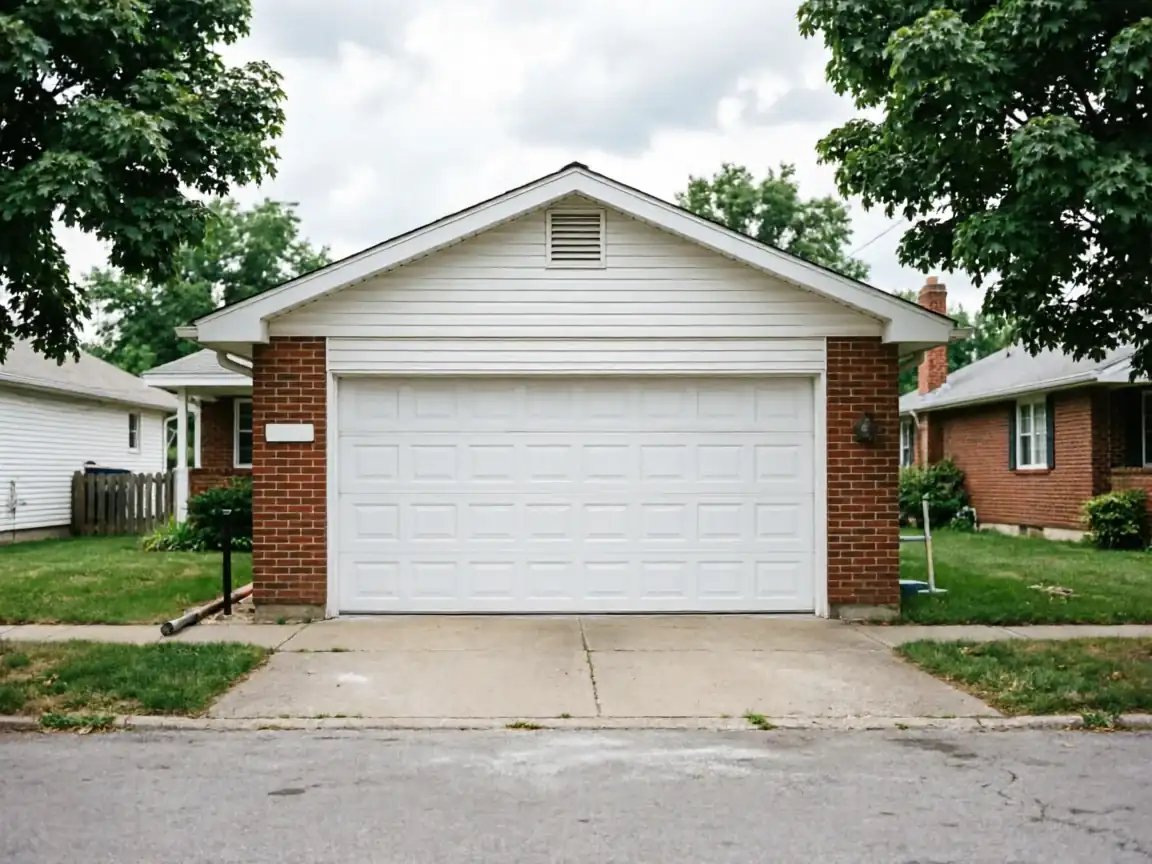
A door from a 2005 build is old enough now that the original springs have done two decades of cycles
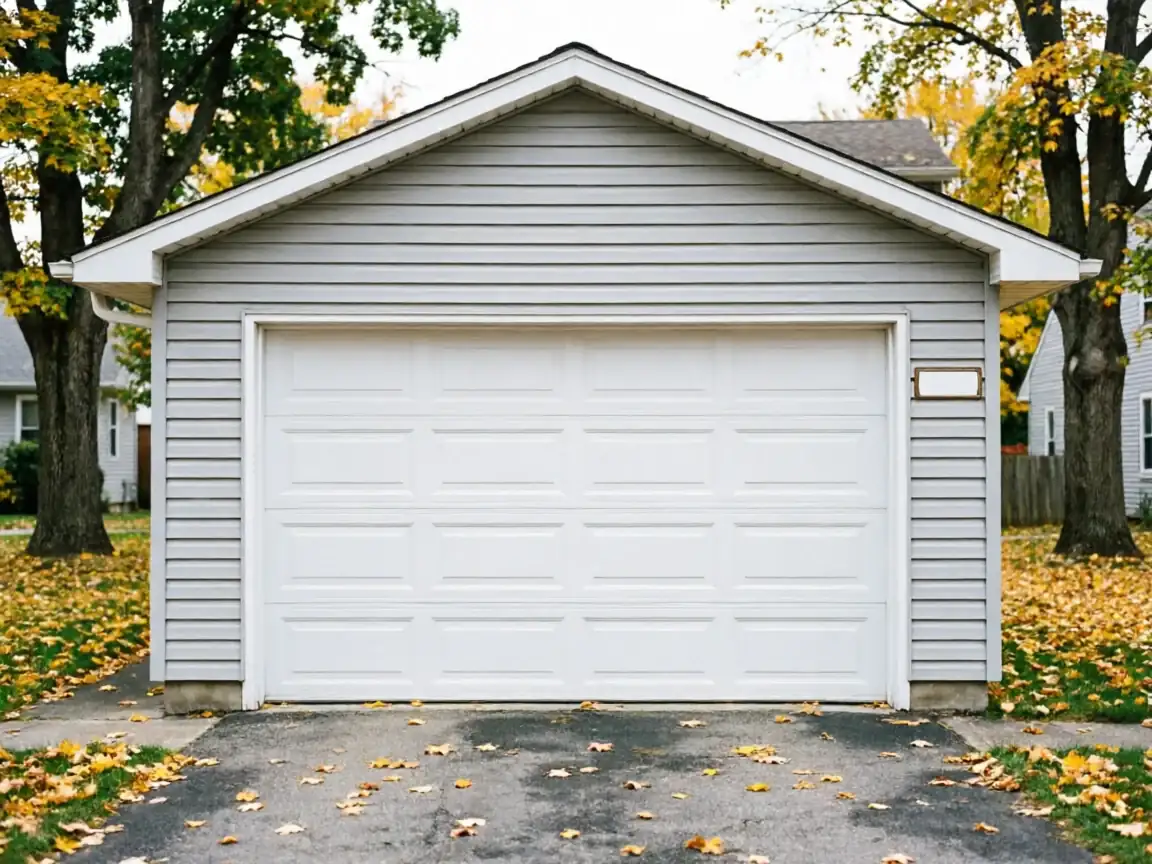
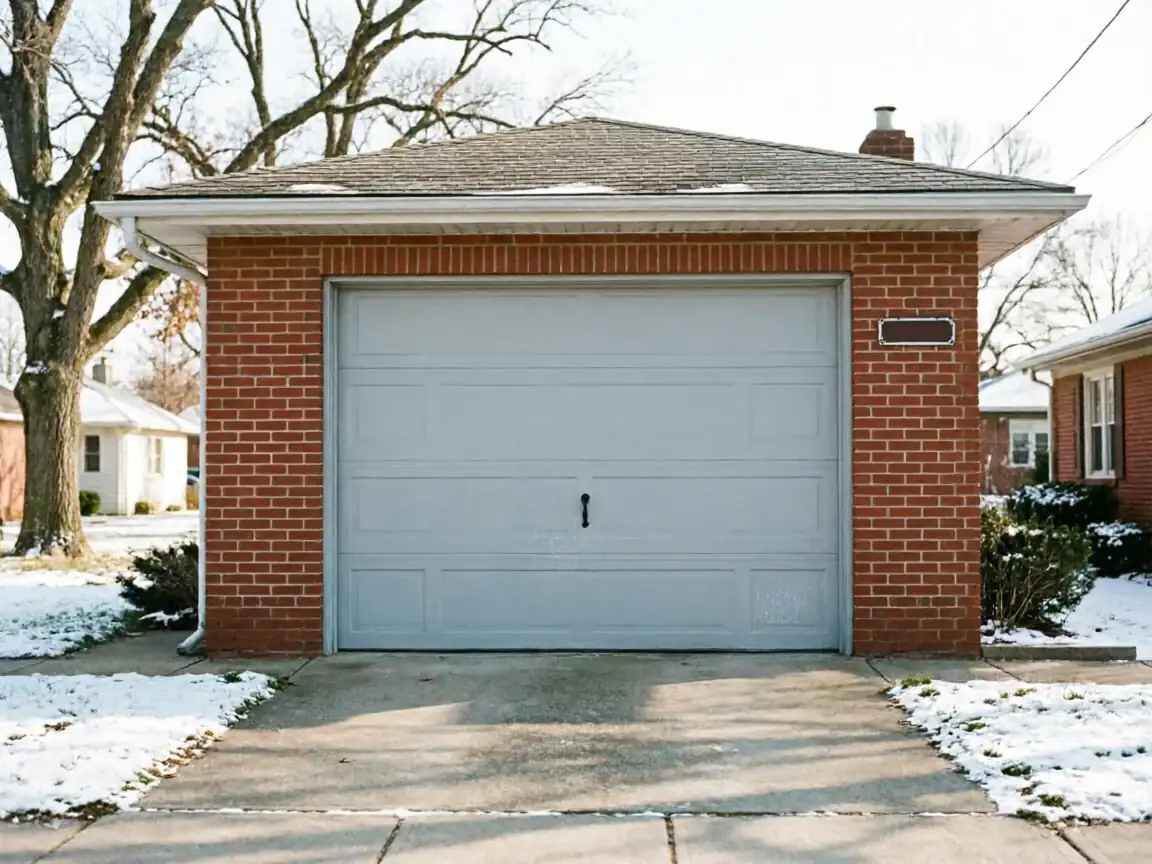
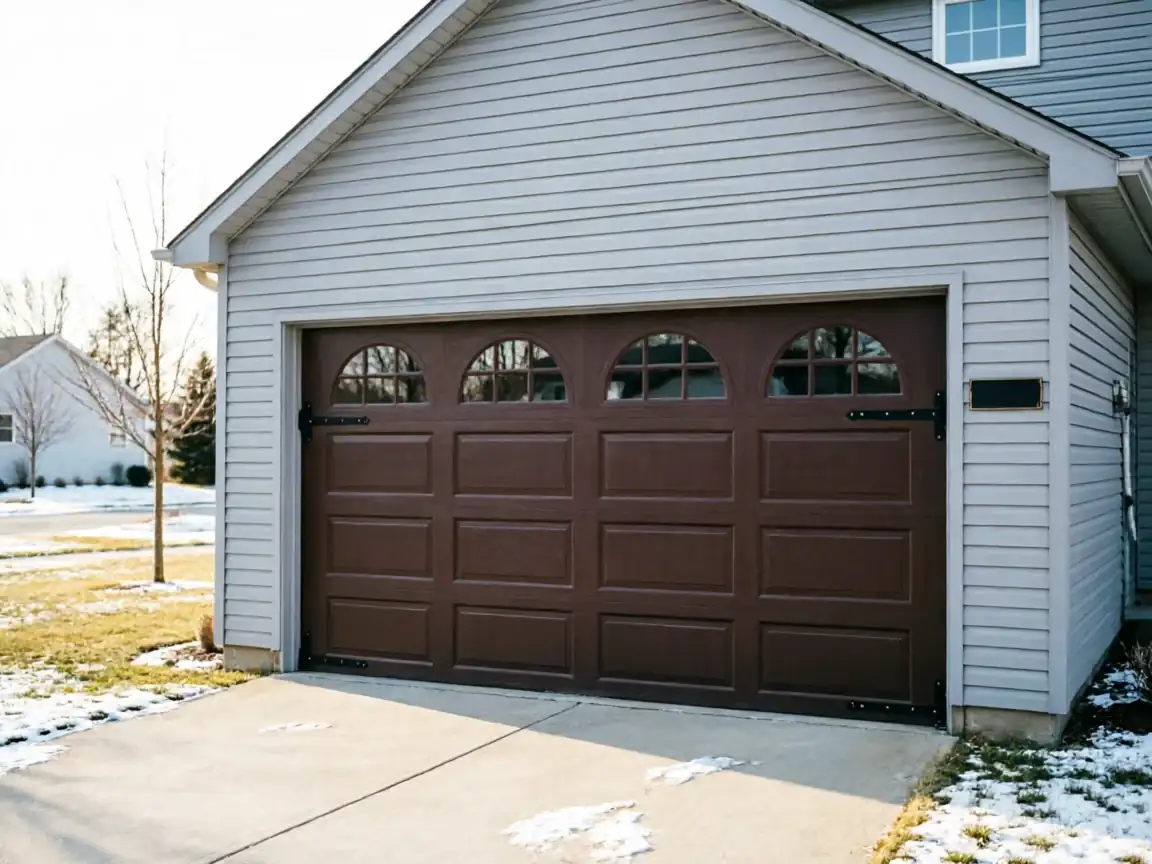
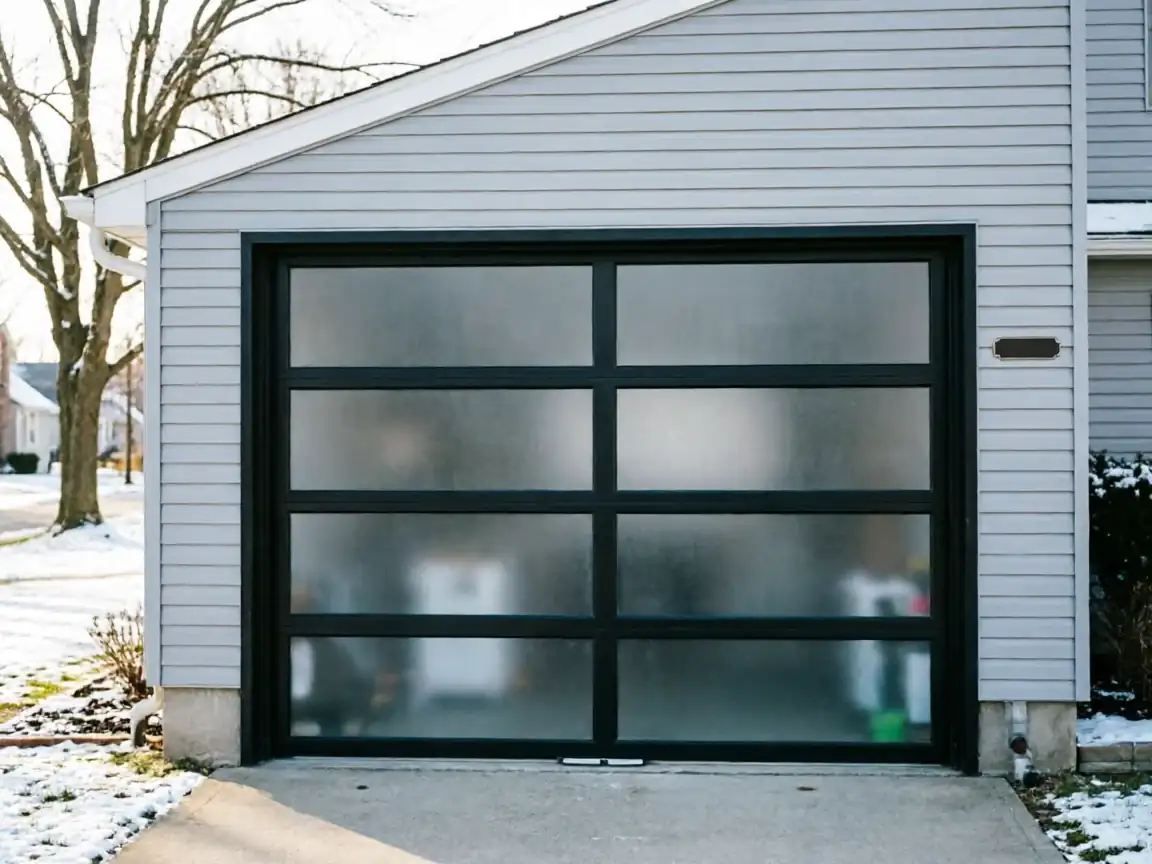
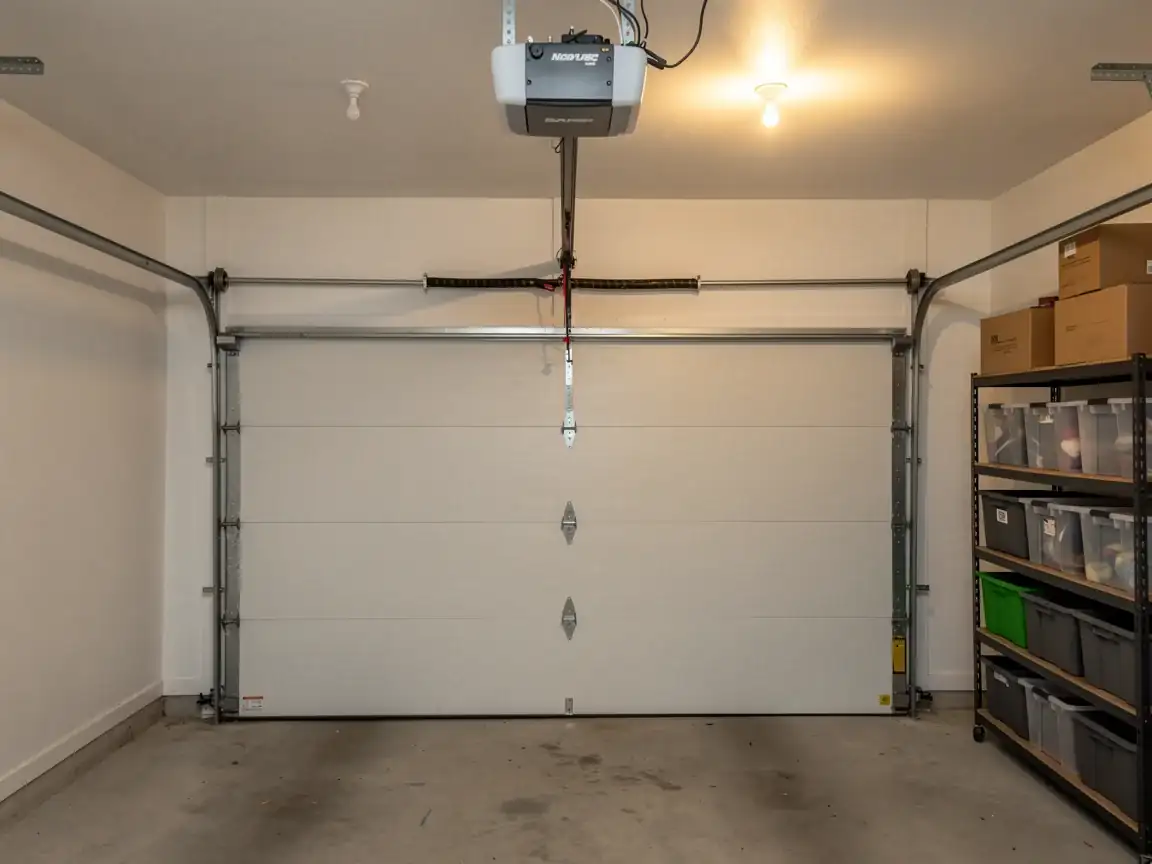
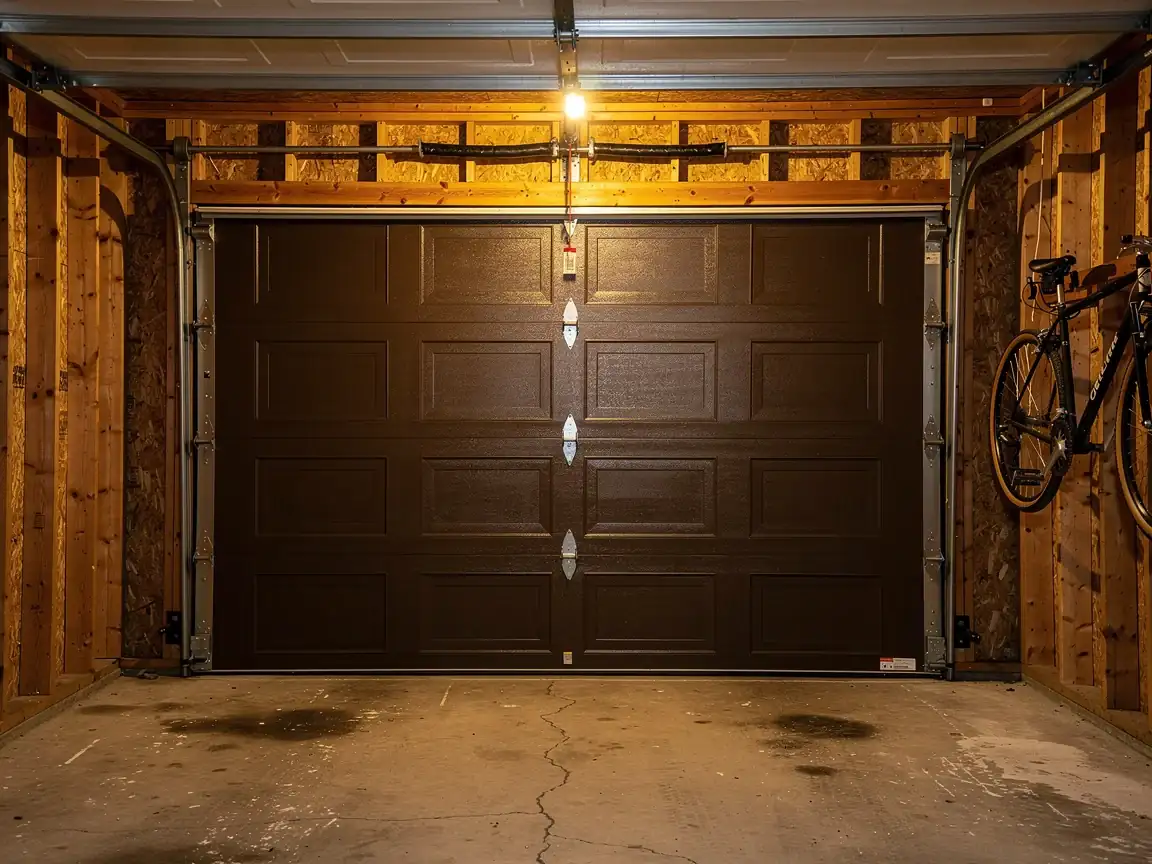
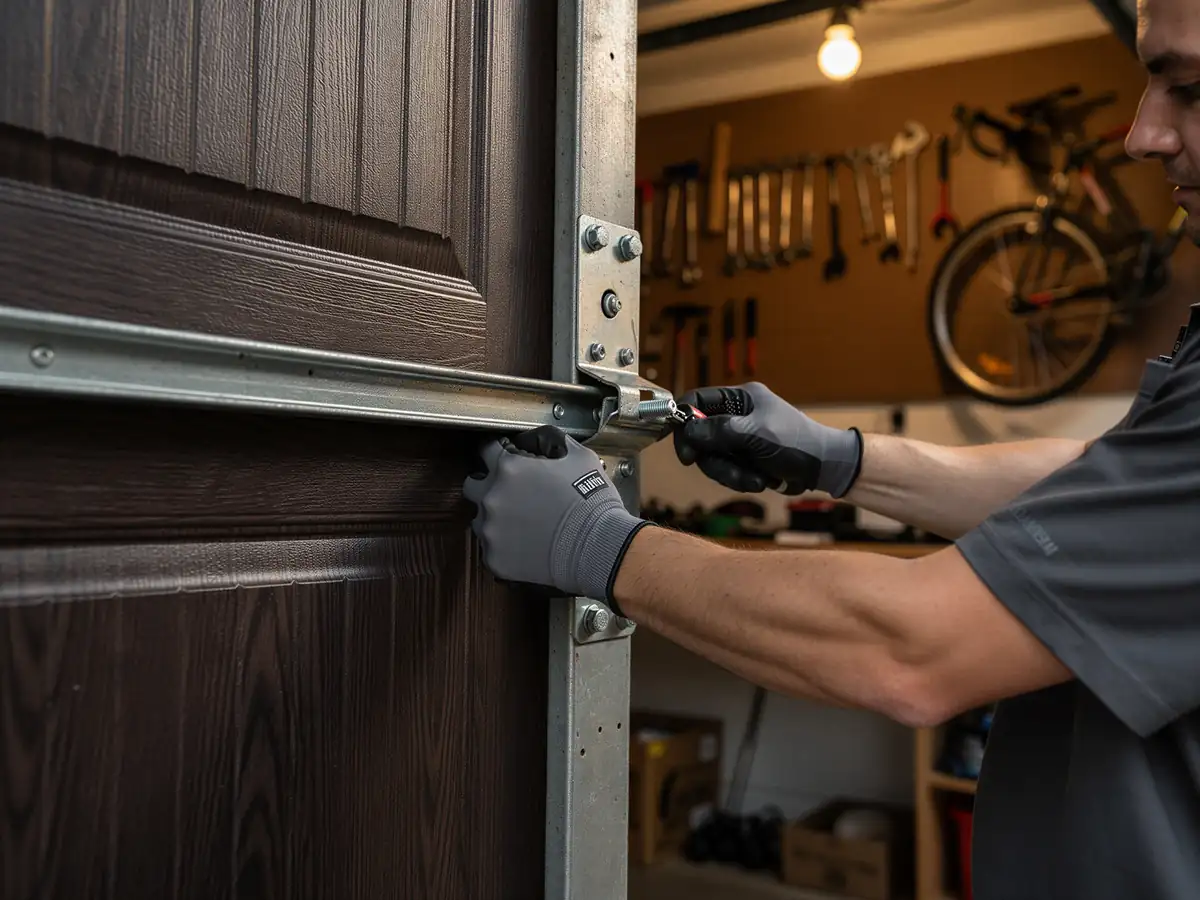
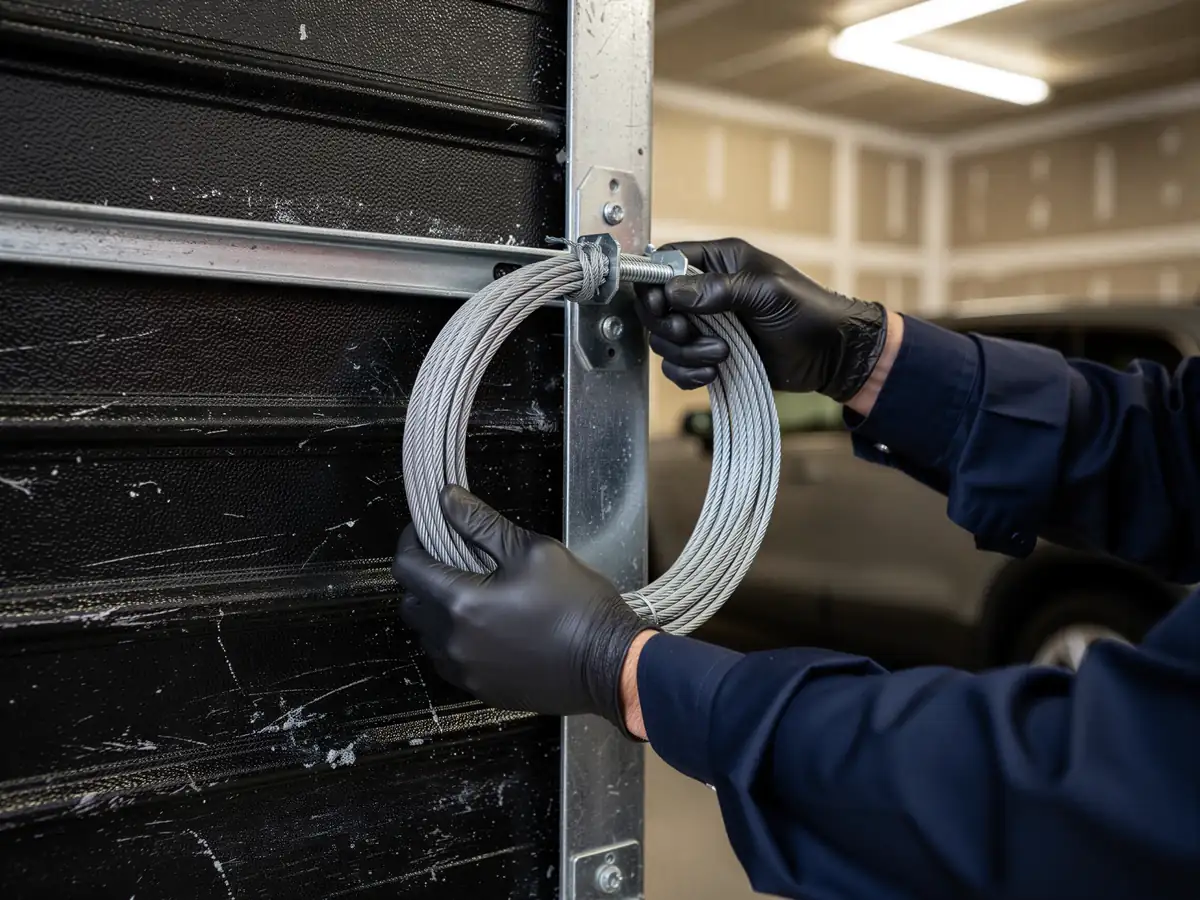
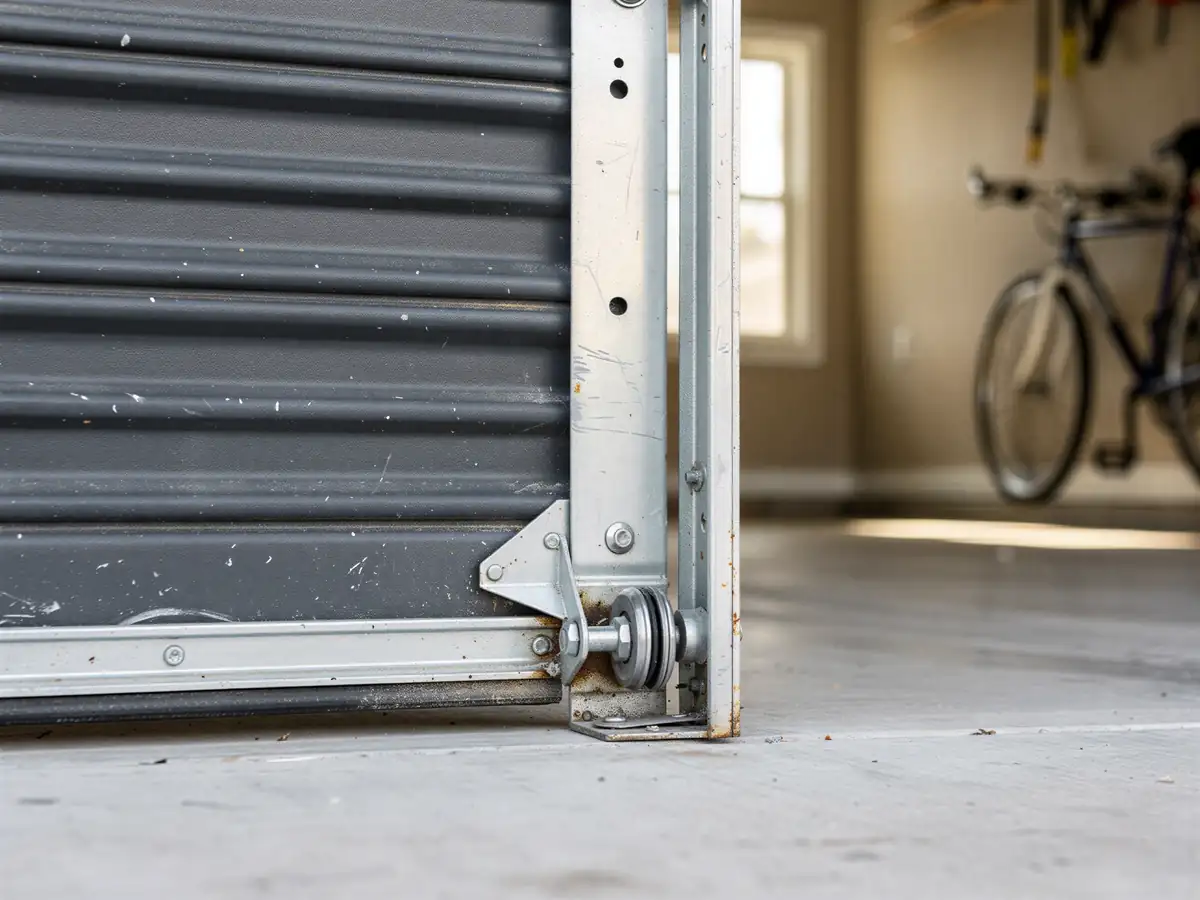
But the panel and track underneath are usually still sound - aluminum or steel sectional doors from that era were built to last longer than the springs or the opener logic board sitting on top of them. So the repair is rarely a full door swap. It's almost always a component: spring, cable, or the opener's circuit board giving up before the motor does.
Victoria's climate load is the same cold-moderate band as the rest of the territory
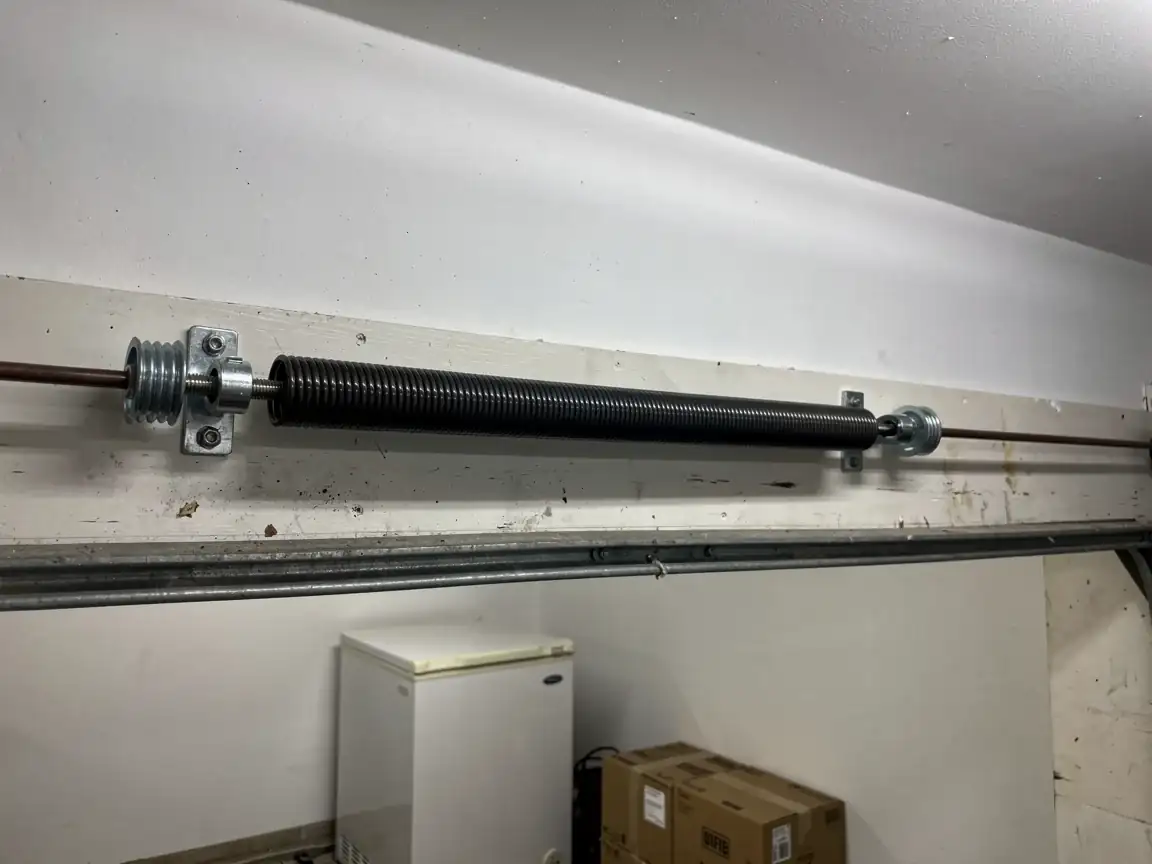
Which matters for torsion spring wear - repeated freeze-thaw cycling is harder on wound steel than steady weather would be, regardless of how new the house is. A door that's 20 years old here has seen roughly twenty winters of that cycling on its original springs, even if nothing else about the house has aged.
- 20 years
Parts availability is the one place a newer build actually helps
Early-2000s opener models and standard torsion spring sizes are still common enough that we're not waiting on a special order the way we sometimes do for older, discontinued hardware. That keeps the job to a single visit in most cases, not a return trip two weeks later.
The Symptom
In a neighborhood built out mostly in one stretch of years, the failure pattern tends to repeat house to house, and Victoria is no exception. The call we hear most from this build era is a door that opens fine but closes unevenly, or reverses partway down - that's usually a spring that's lost tension on one side, not a track or sensor problem, even though the symptom looks electrical.
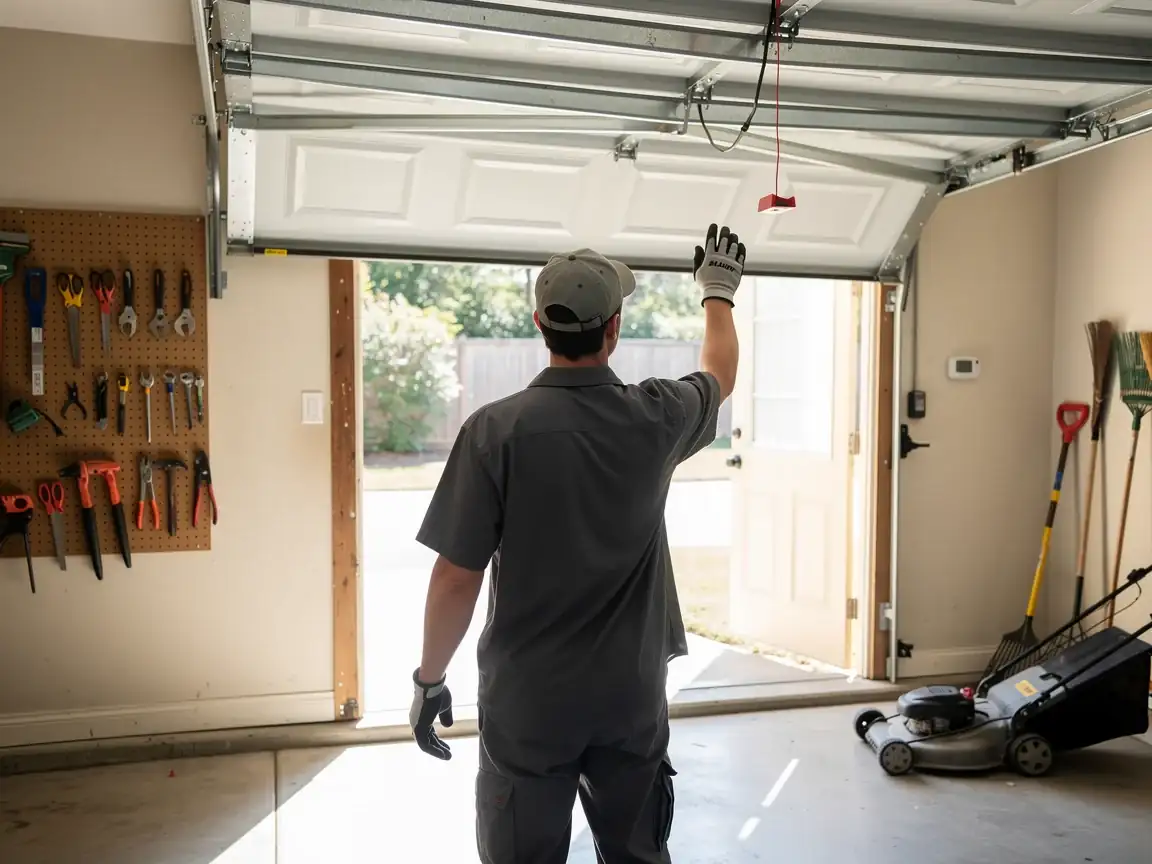
The second pattern is an opener that runs louder than it used to and takes longer to lift the door than it did a year ago. That's the motor compensating for spring wear, not a motor failure on its own. Replacing the opener without touching the spring just delays the real fix.
We don't see much structural rot or track rust in this town's stock the way we might in a neighborhood built before 1970 - newer framing and better-sealed openings keep moisture out of the track hardware. So when a Victoria call comes in, we're listening for spring and opener symptoms first, not assuming water damage, because the age of the housing here points away from that.
How Long You Are Without the Door
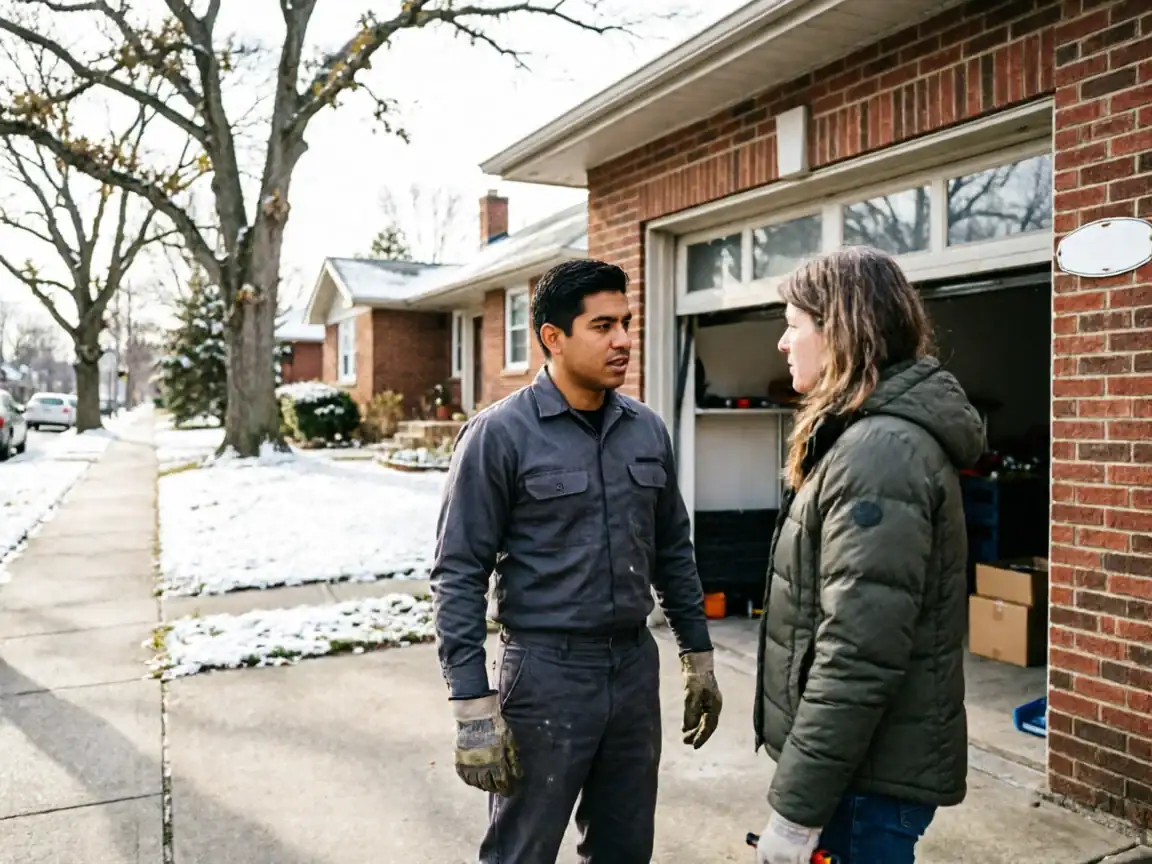
Most of what we see in Victoria is a single-component repair - spring, cable, or opener board - and those get the door back in motion the same visit, once a tech is on site. We don't quote a response window for getting a truck out from Hopkins, since that depends on where in the day the call comes in and what's already on the schedule.
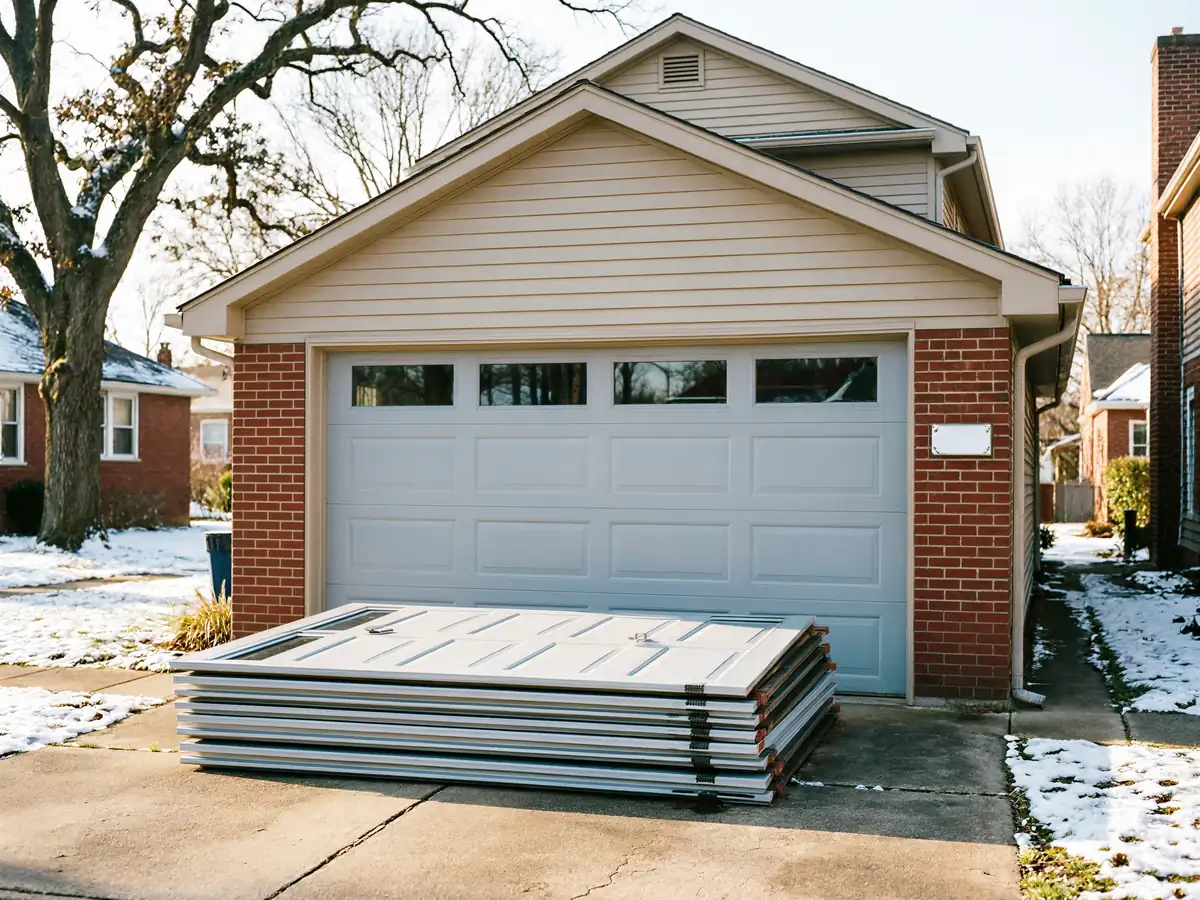
What we can say is that a full opener or panel replacement, if it comes to that, means ordering a part first, and that's a second trip rather than one long one. For a house built around 2005, we rarely see panel damage severe enough to need that - it's almost always a hardware repair, not a door replacement, which keeps the household closer to a one-visit fix than a multi-day wait.