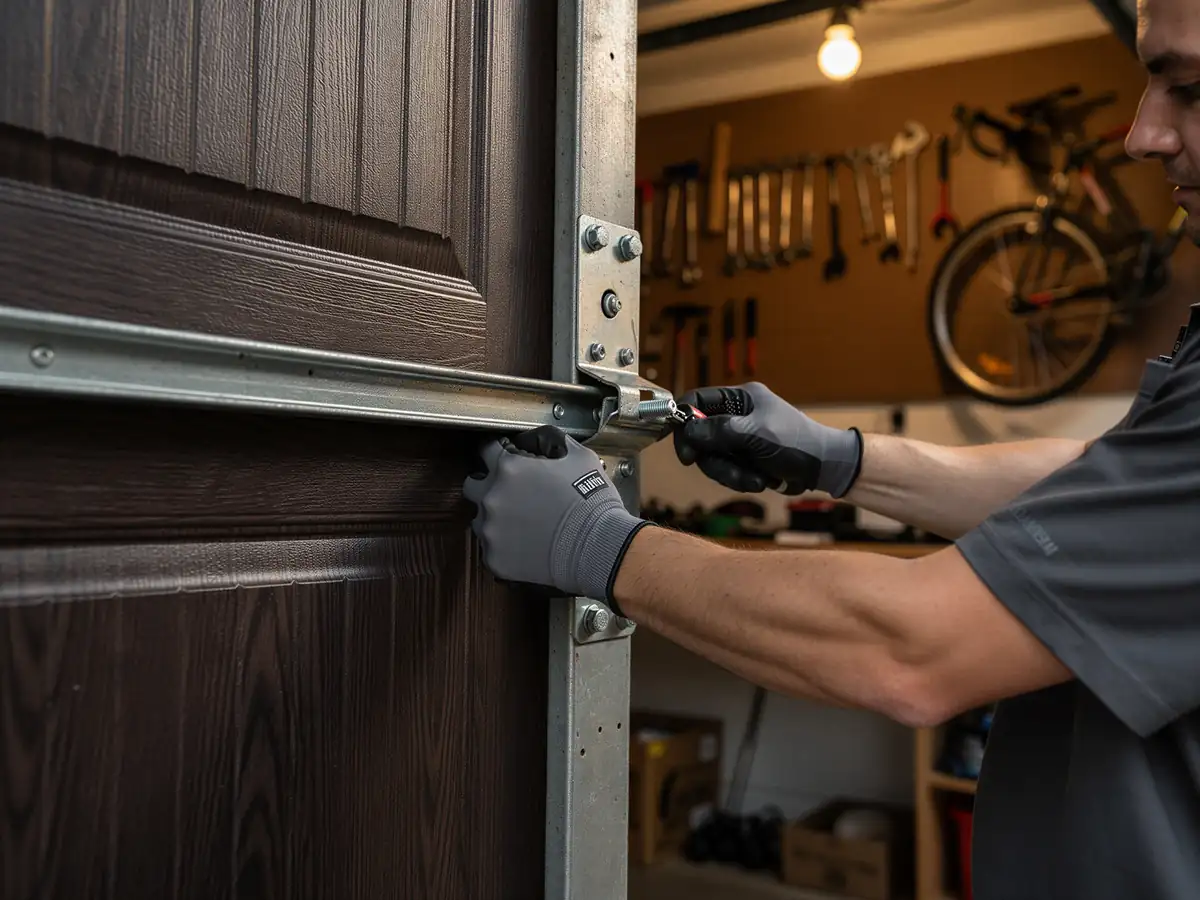
Getting It Booked In
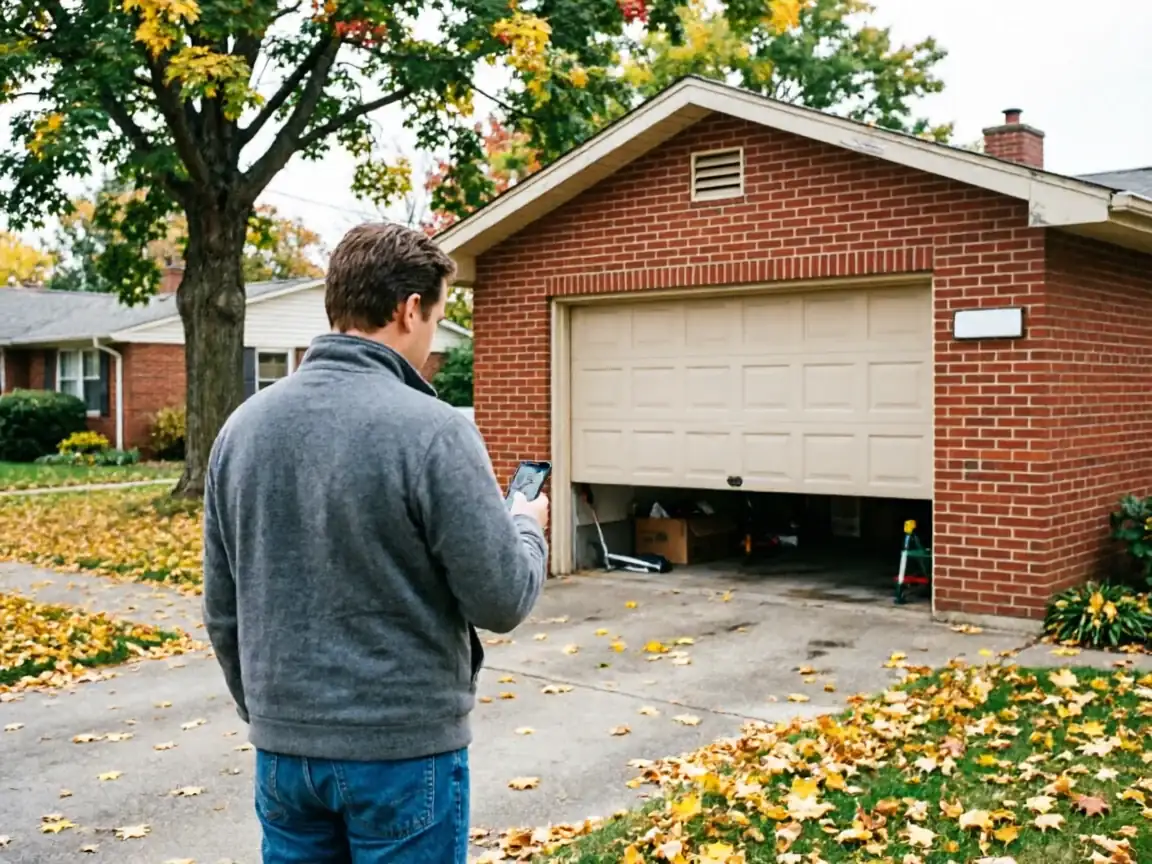
Dayton sits about 18 miles out from our shop in Hopkins, which is the far edge of where we work. That doesn't change what we fix, but it does change how we plan the day. We don't keep a truck sitting in Dayton waiting for a call, so if you're out here, tell us up front when you book - it helps us group your job with others headed the same direction instead of sending a truck back and forth across the metro for one door.
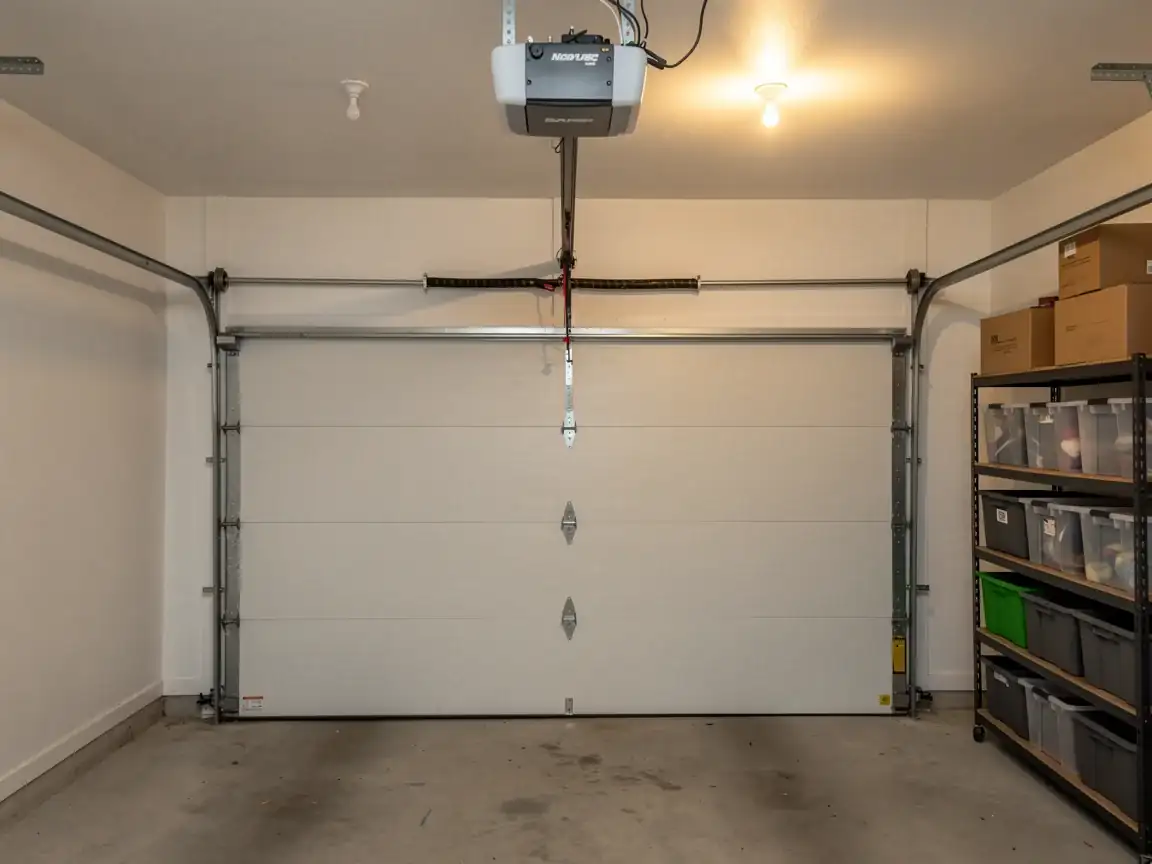
Most of what we see in Dayton is a door built sometime after 2000, since the median house here dates to around 2003. That's newer than a lot of the towns we cover, and it means the hardware is more standardized - factory torsion springs, steel tracks sized to code, openers with circuit boards rather than simple relay switches. Booking a repair here is usually straightforward because we're not guessing at what decade of hardware we'll find behind the door.
See our Dayton page for more on what we cover out this way, or check the Hopkins hub page for the full list of towns we service.
The Complications
A door built in 2003 is not the same animal as one built in 1975
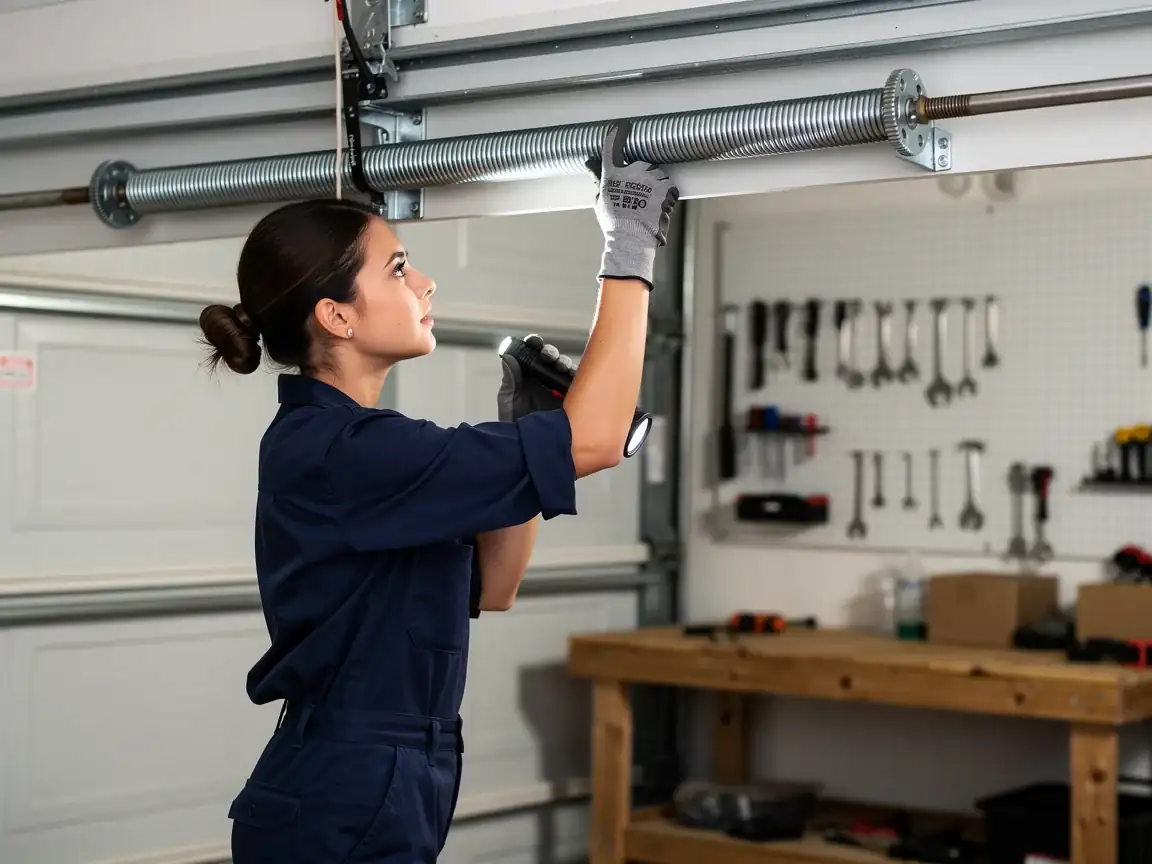
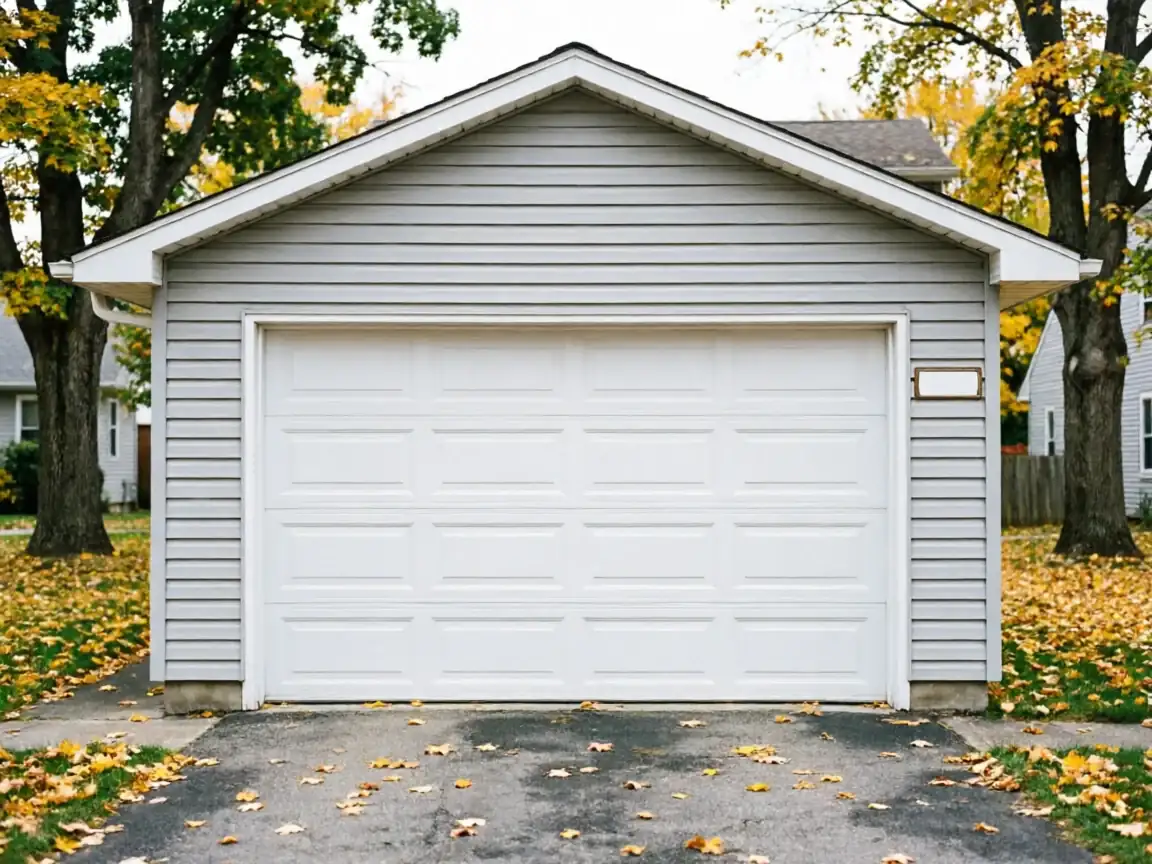
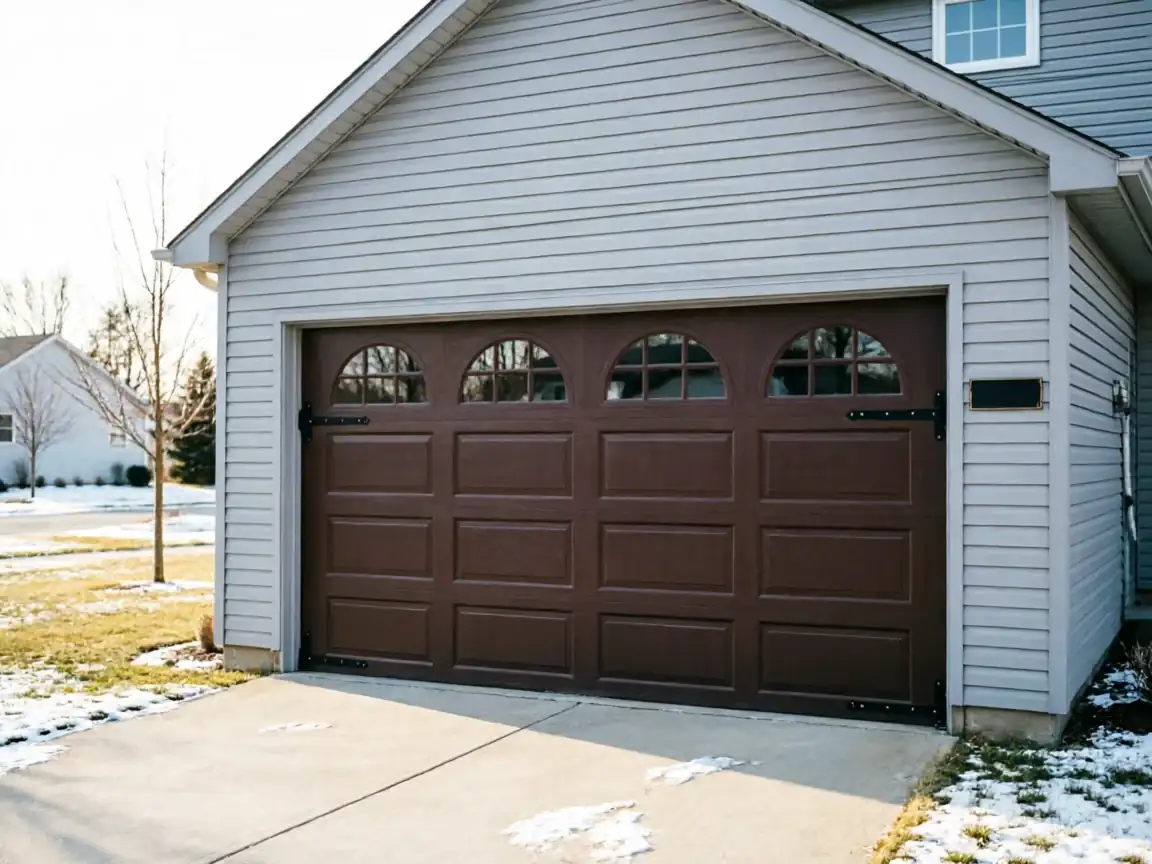
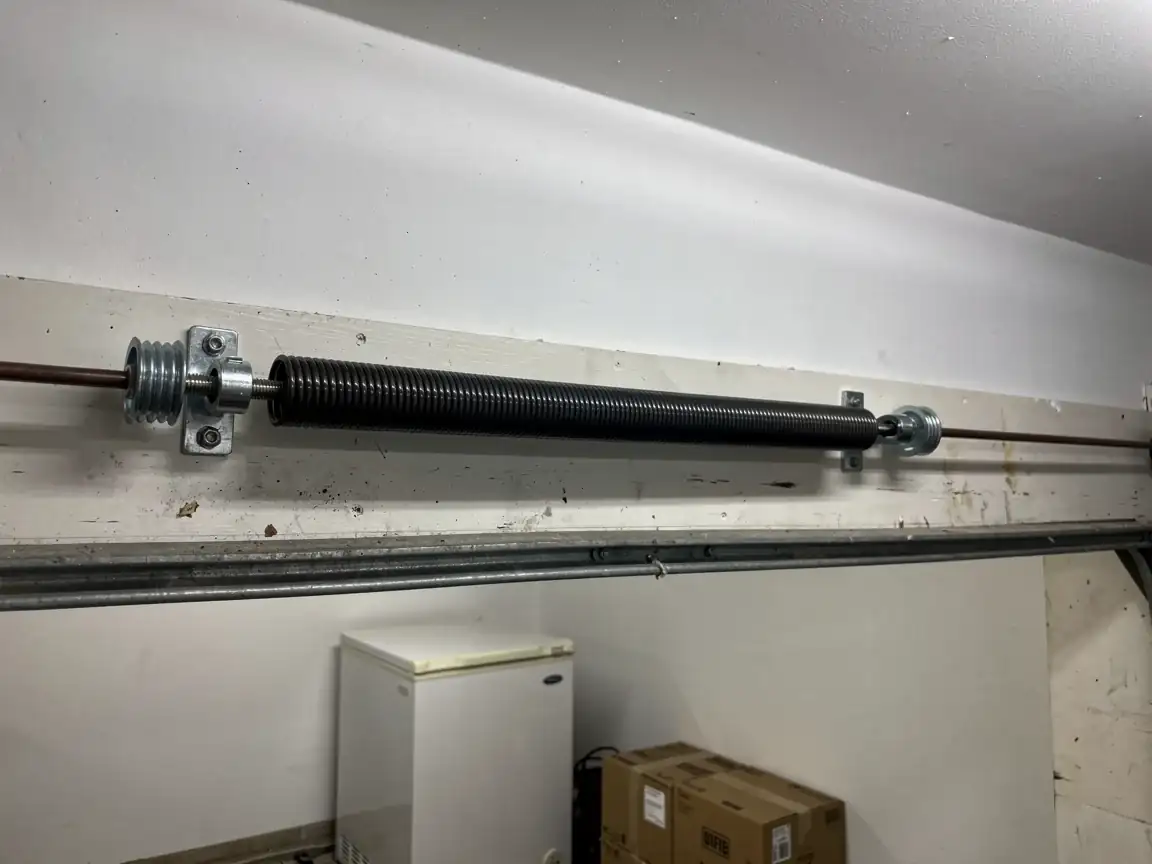
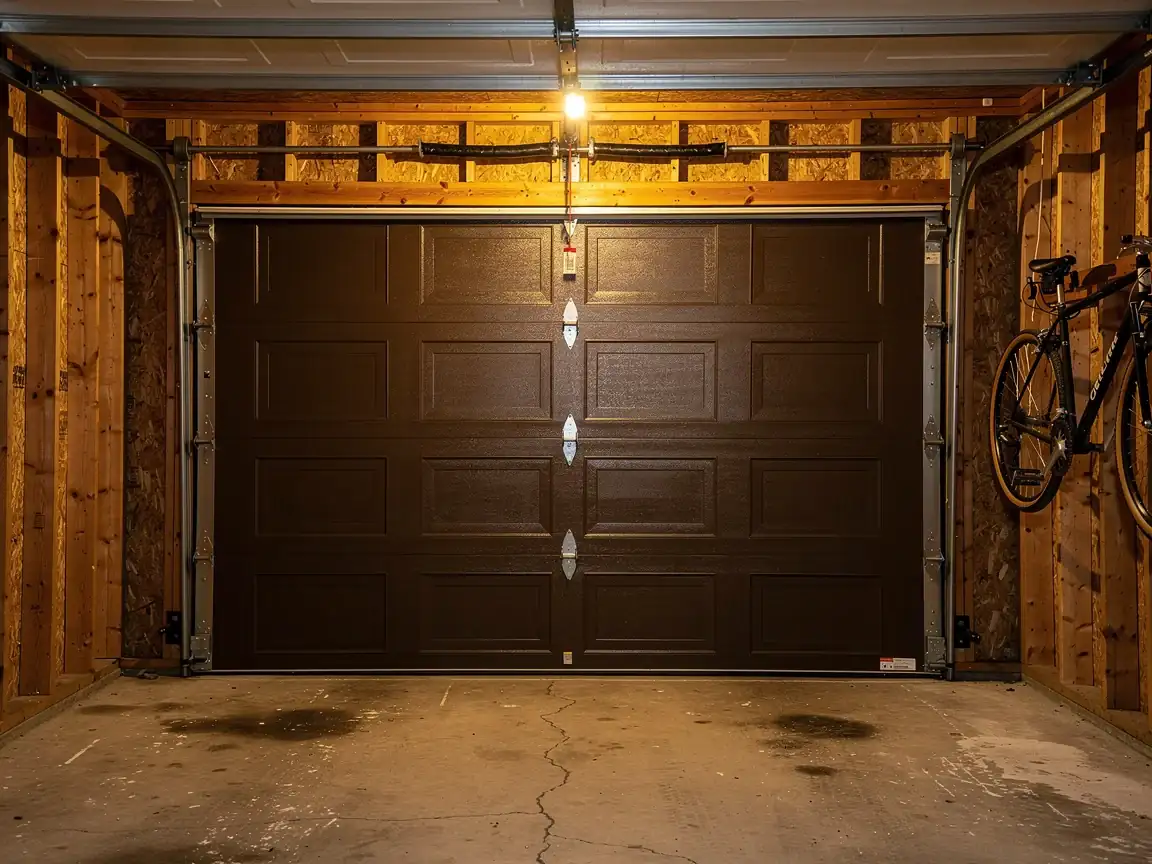
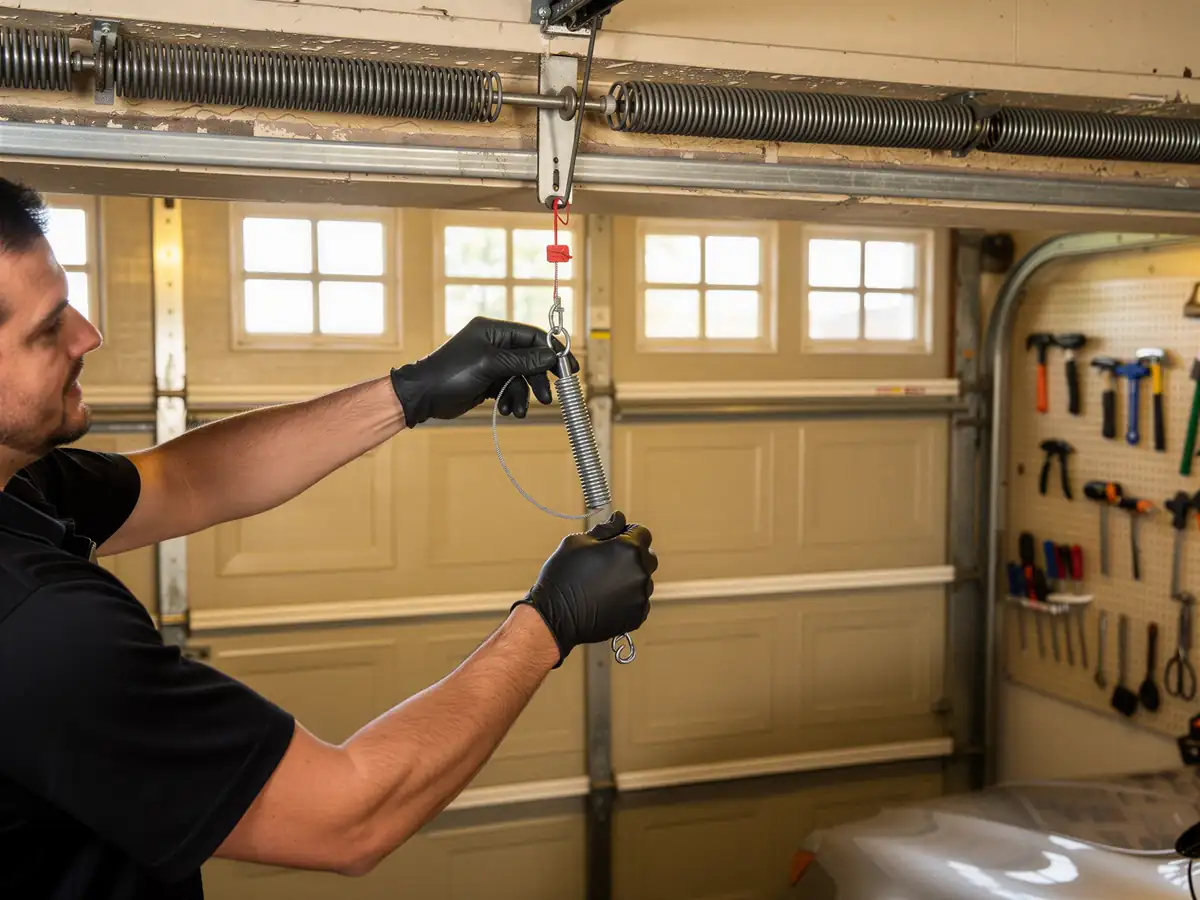
Dayton houses mostly carry 16-by-7 insulated steel sectional doors sized for a two-car garage, hung on torsion springs rated for a heavier panel than the thin single-skin doors of older construction. The springs are factory-matched to the door weight, which is good news when they're original and bad news if a previous owner swapped in a mismatched replacement spring somewhere along the way - we see that more than you'd think.
The real complication in Dayton isn't age, it's that newer doors hide their wear better
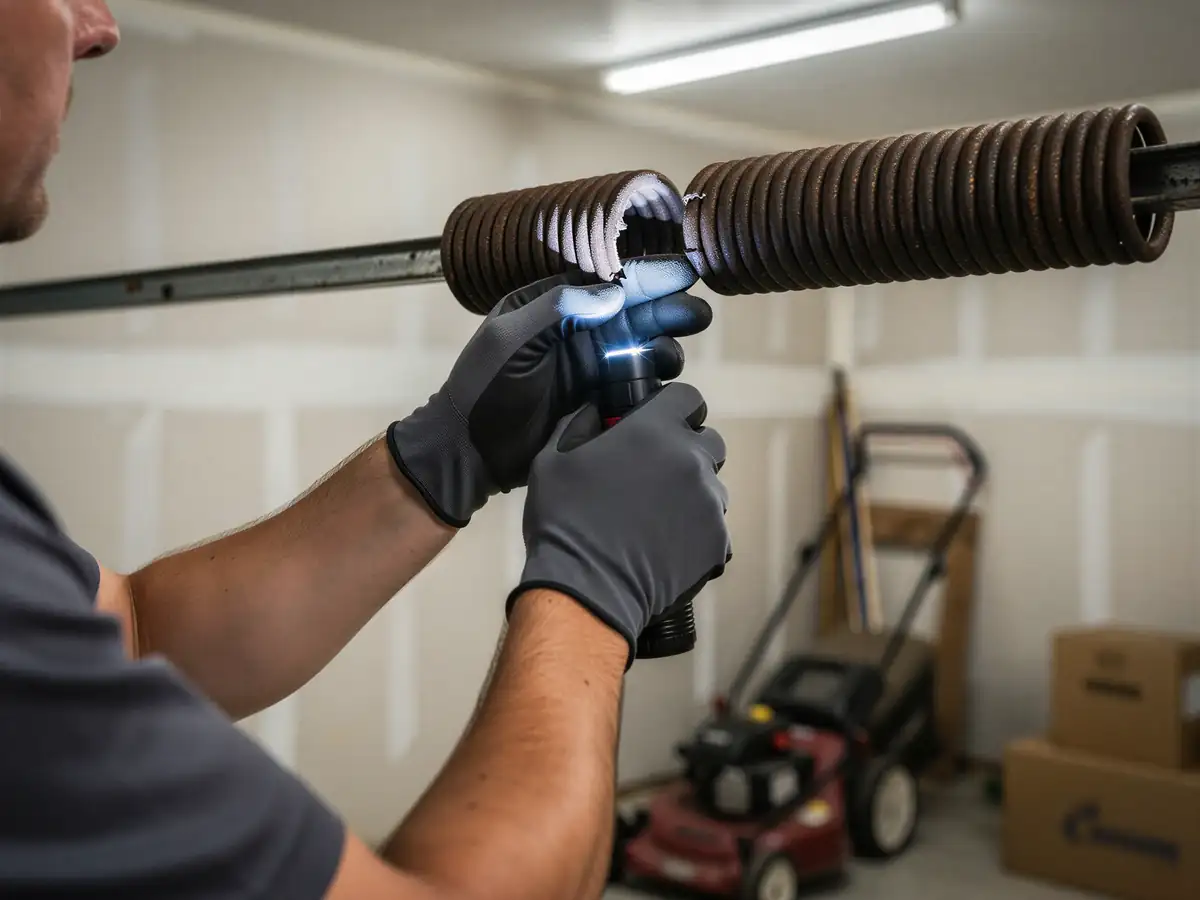
A panel can look fine while the torsion spring underneath has already lost a quarter of its lift, and owners don't notice until the opener starts straining or the door won't lift past waist height. We check spring tension on every call out here rather than assuming a 2003-era door is automatically in good shape just because it's not an antique.
One honest limitation
If a previous repair used an off-brand spring that doesn't match the door's rated cycle life, we may need to special-order the correct replacement rather than swap it on the spot. That adds a day, sometimes two.
Stocked Parts
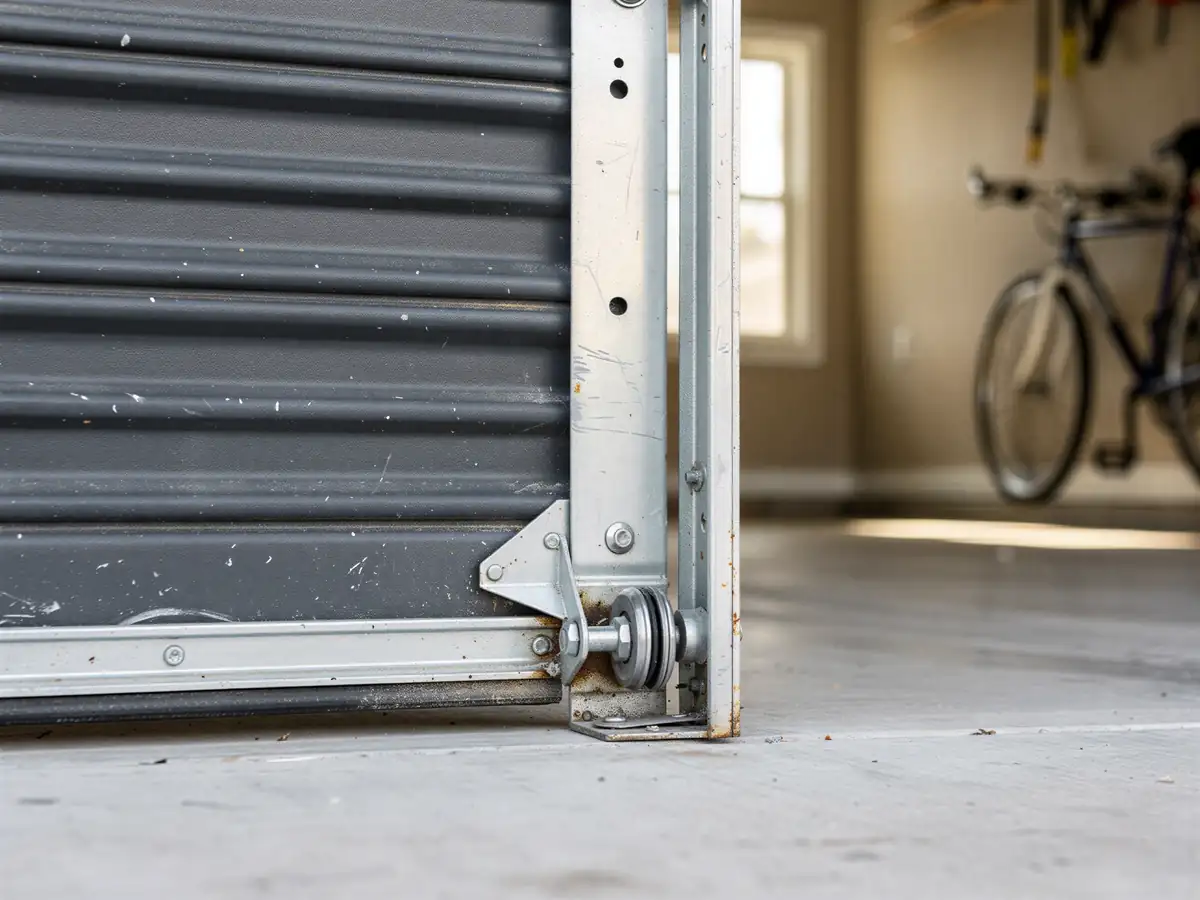
Because Dayton's housing stock clusters tightly around the early 2000s, the parts we need out here are more predictable than in older sections of the service area. Standard torsion springs sized for insulated steel doors, factory-matched end bearings, and galvanized track sections sized to current code cover most jobs. We carry these on the truck.
What we don't always carry is the exact opener logic board for every brand installed in 2003 - that era saw a lot of mid-market openers that have since been discontinued, and a board failure sometimes means ordering the part rather than replacing it same-visit. It's a smaller share of calls than spring work, but it happens.
Household income in Dayton runs well above the broader service area's $116,500 median, and it shows in the doors themselves - more of them were built with insulated steel panels and heavier-duty openers from the start, rather than retrofitted later. That means fewer jobs out here involve stripping out a thin uninsulated panel and starting over, and more involve straightforward spring, cable, or roller work on a door that was built right the first time.
How Long You Are Without the Door
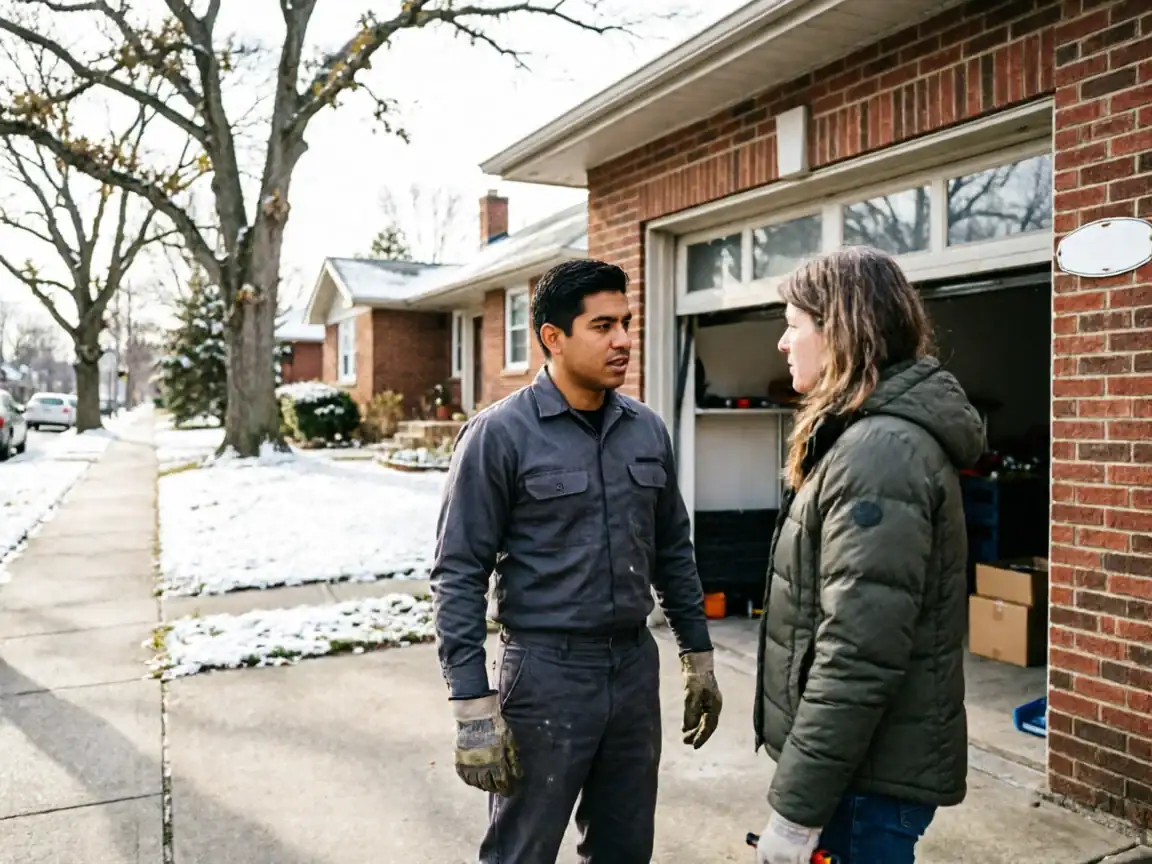
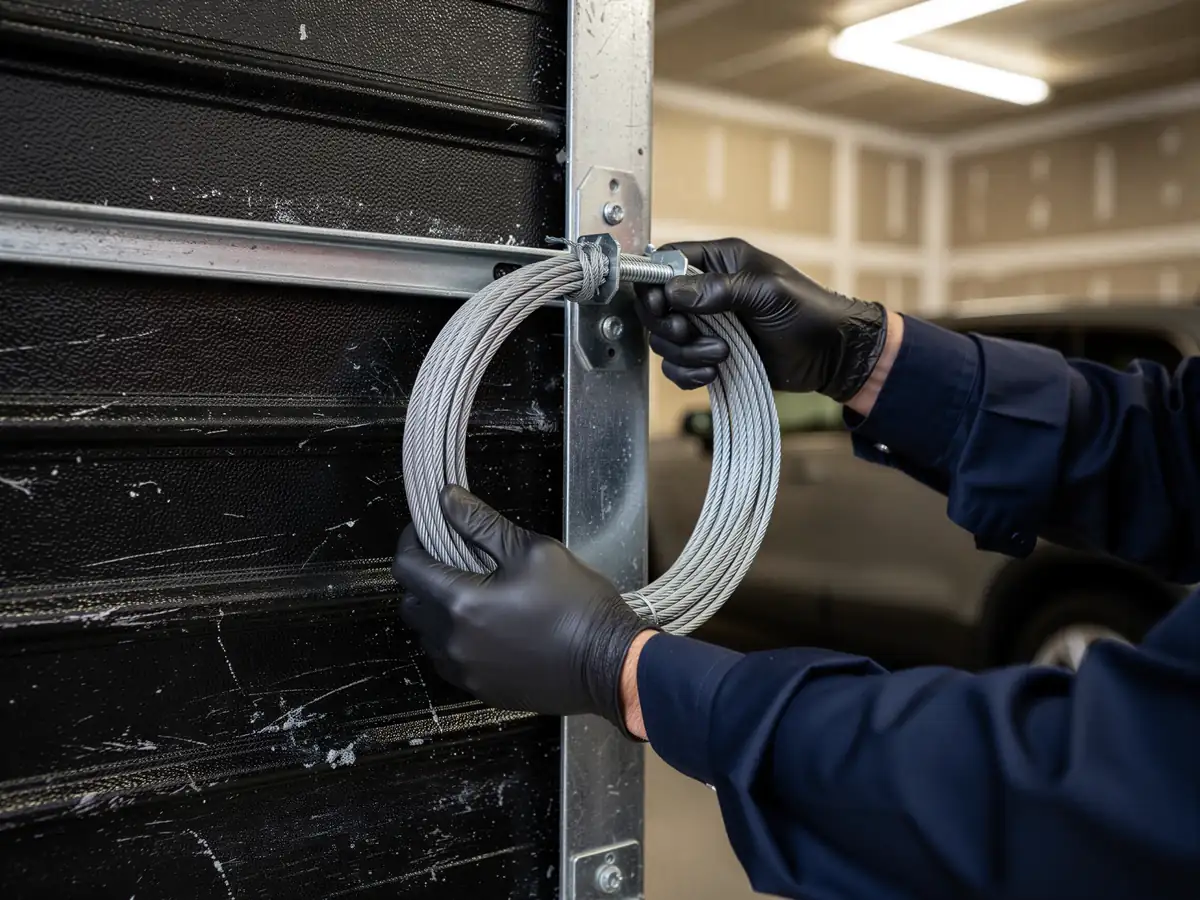
Most spring and cable repairs on a 2003-era Dayton door are a same-visit job once we're on site - the hardware is standard enough that we're not waiting on an odd part to show up. What stretches the timeline is the distance itself: because Dayton is 18 miles from Hopkins, the gap between your call and a truck arriving is usually longer than it would be for a closer suburb, especially if your job isn't booked alongside others headed the same way.
If the job does need an ordered part - an opener board, a non-standard spring from a prior mismatched repair - expect the door to be out of commission for longer than a same-day fix. We'll tell you straight when that's the case rather than promising a timeline we can't hit from 18 miles out.
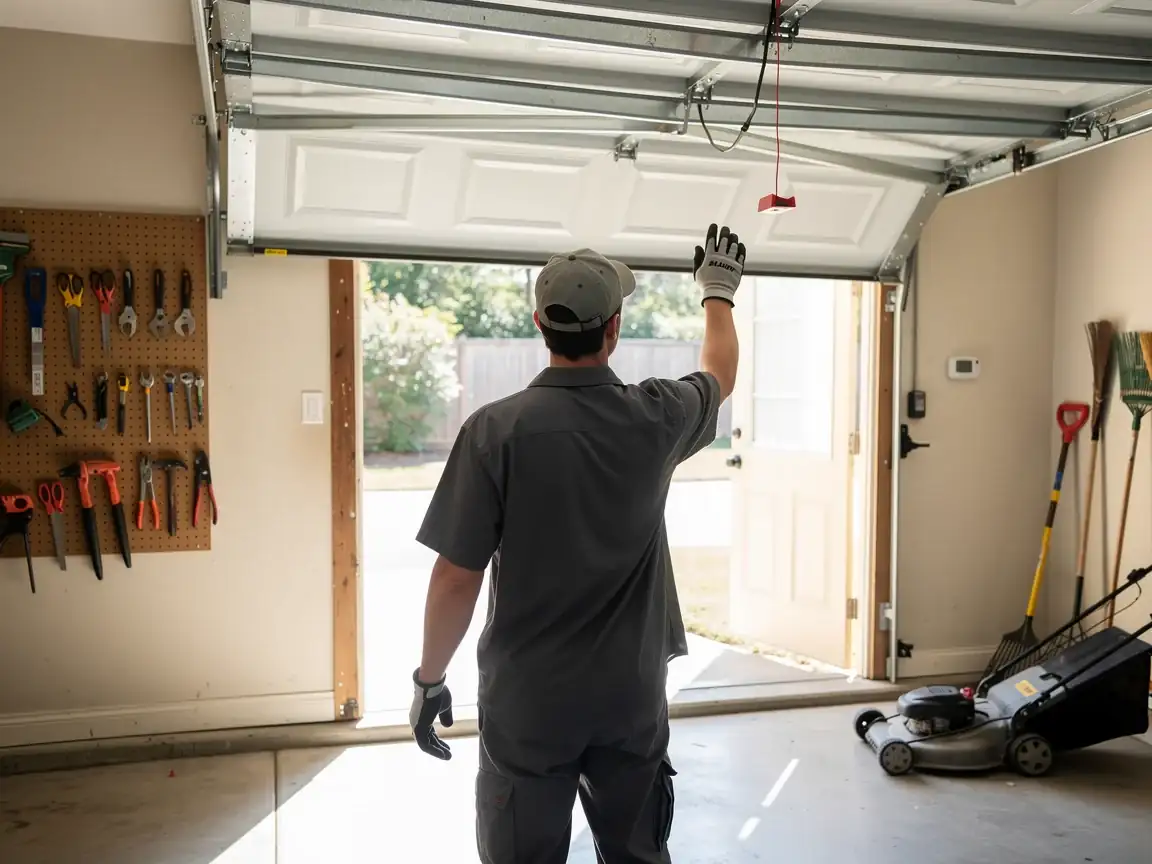
In the meantime, a broken spring or cable means the door should stay down and off the opener - don't try to force it with the automatic opener while a spring is out, since that's how a cable snaps or a panel gets bent.
What You Pay
We don't have a published price list for this page, and we're not going to invent one
What a Dayton repair costs depends on what's actually broken - a torsion spring swap on a standard insulated steel door is a different job than an opener board replacement that has to be special-ordered.
What we can say is that Dayton's newer housing stock tends to keep repair costs more predictable than older towns in the service area
Since the doors and hardware are more standardized across the 2000s-built homes here. There's less guesswork in sourcing a matching part, which is part of what keeps a job from turning into a multi-visit ordeal.
With roughly 3,034 households in Dayton and a median income above the service area average
We see more owners here opting to replace a tired opener outright rather than keep patching an aging one - that's a conversation we'll have with you on site, not a decision we make for you over the phone.
- 3,034 households