Getting It Booked In
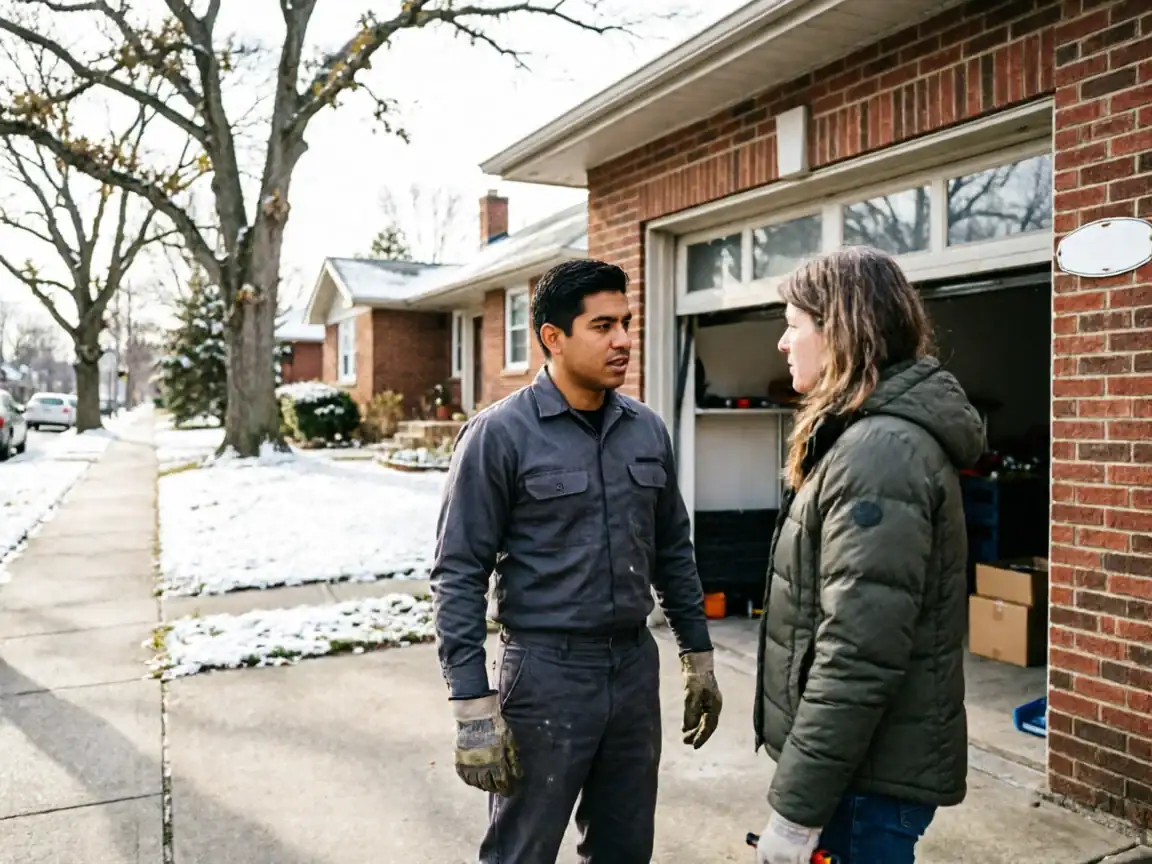
Dayton sits about 18 miles out from our Hopkins shop, which is the longest run we make to any town we cover. We don't have a branch here, so a panel job gets scheduled around the truck's route for that day rather than dispatched on the spot. That's not a knock on the work - it just means when you call, we're lining up the trip, not pretending we're already around the corner.
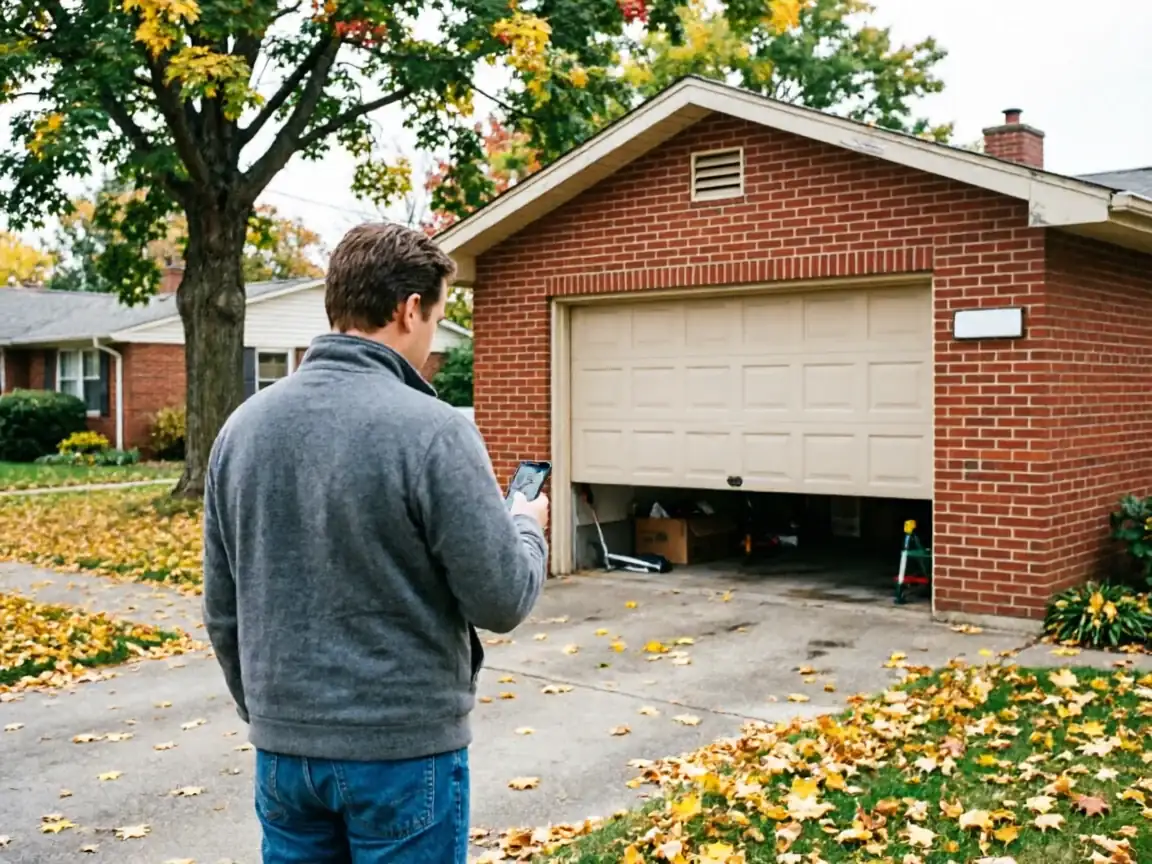
Because the drive is longer than most of our other stops, we try to measure and confirm the panel spec over the phone or with photos before we load the truck, so the trip out covers the actual fix instead of a second visit to figure out what's wrong. If you can get us the door's brand plate or a clear photo of the damaged section ahead of time, it saves a wasted trip both ways.
The Complications
Most houses in Dayton were built around 2003
Which puts the housing stock here noticeably newer than the 1957-2005 spread across the rest of the service area. That matters for panel work because doors from this era are almost always factory steel sectional units with insulated polyurethane cores, not the older solid steel or wood panels you'd find on a house from the 1960s or 70s.
The complication with a newer insulated door isn't rust or warped wood - it's matching
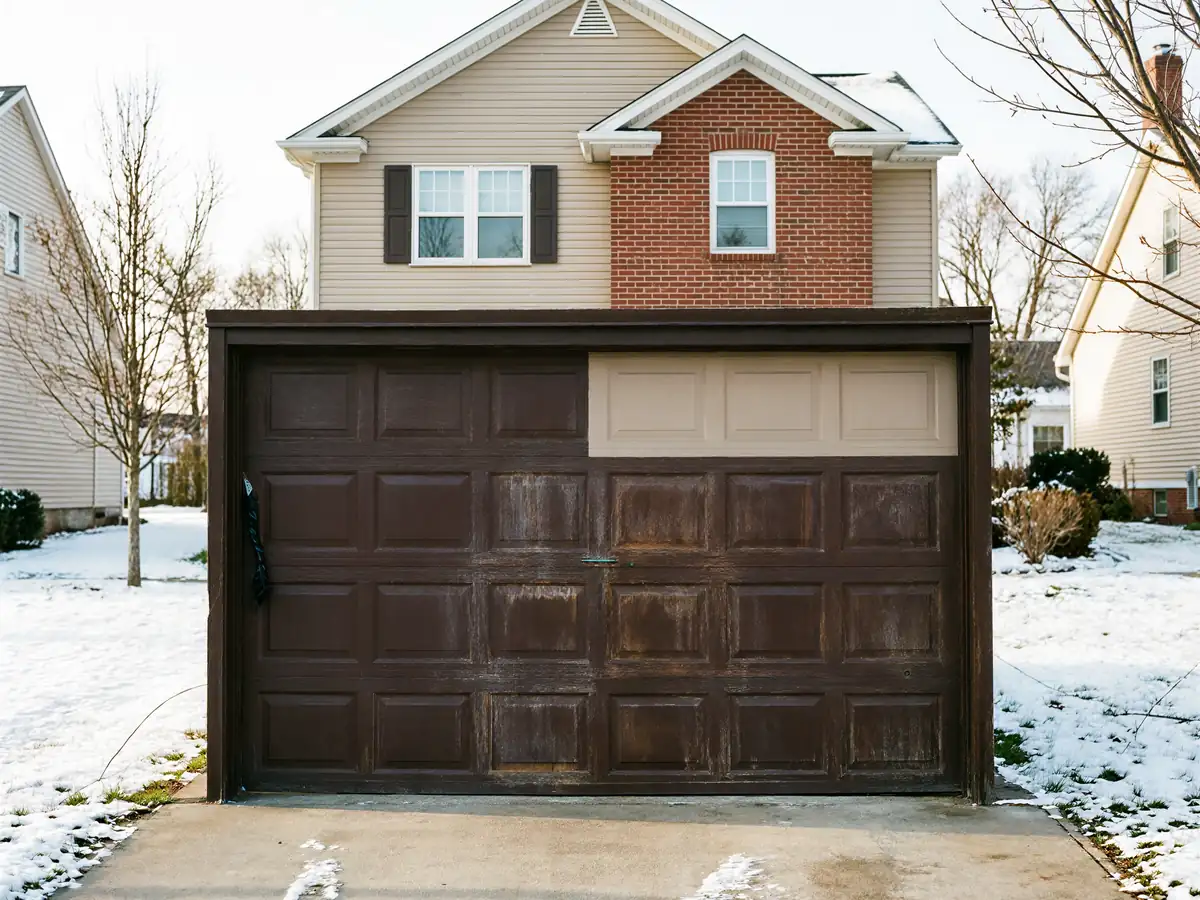
A dented or cracked section on a 2003-era door has a specific panel profile and often a specific factory color that a generic steel sheet won't match. Pop one new panel next to twenty-year-old factory-baked paint and the mismatch in sheen and color is obvious from the driveway. In a cold-moderate climate like this one, the foam core on these doors also means a cracked panel skin can let moisture into the insulation, which is a different repair than a dent on a solid panel.
Stocked Parts
We carry common panel sizes and sections that fit the sectional doors typical of builds from the 1980s through the 2000s, since that spans most of what we see across the service area. For a Dayton door, that usually lines up fine on dimensions - these are mainstream residential widths and heights, not an odd custom size.
Color and texture match is the part we can't always carry on the truck. If your door's finish is a less common factory color or the panel has aged and faded unevenly next to a new one, that section may need to be special-ordered rather than pulled off a shelf. We'll tell you straight if that's the case rather than installing a panel that'll look wrong in direct sun.
How Long You Are Without the Door
If the panel is a stock size and finish, we can often turn the job around on one visit once parts are on hand. If it needs a special-order match for color or an insulated core style specific to your door's age, that adds lead time before we're even back out to the 18-mile drive from Hopkins. We won't guess at a turnaround here - it depends entirely on whether the part's sitting on a shelf or has to be ordered in.