Getting It Booked In
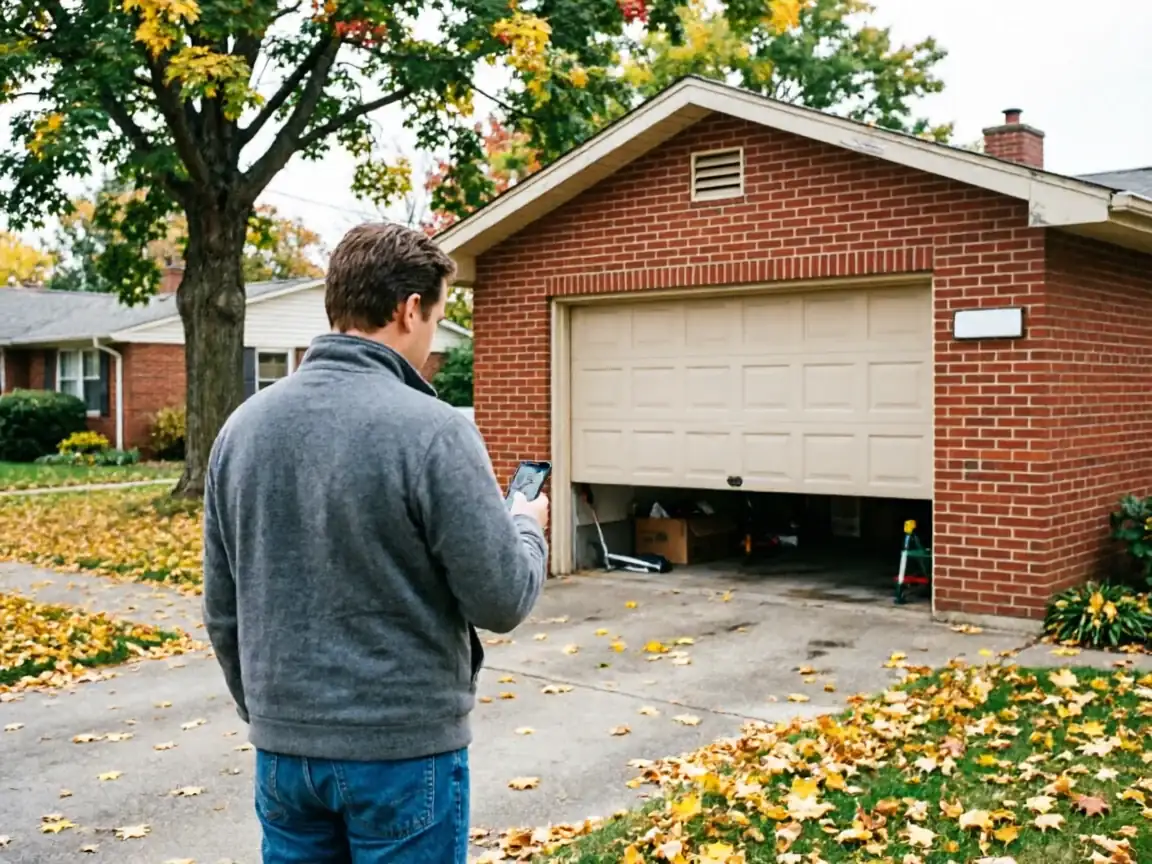
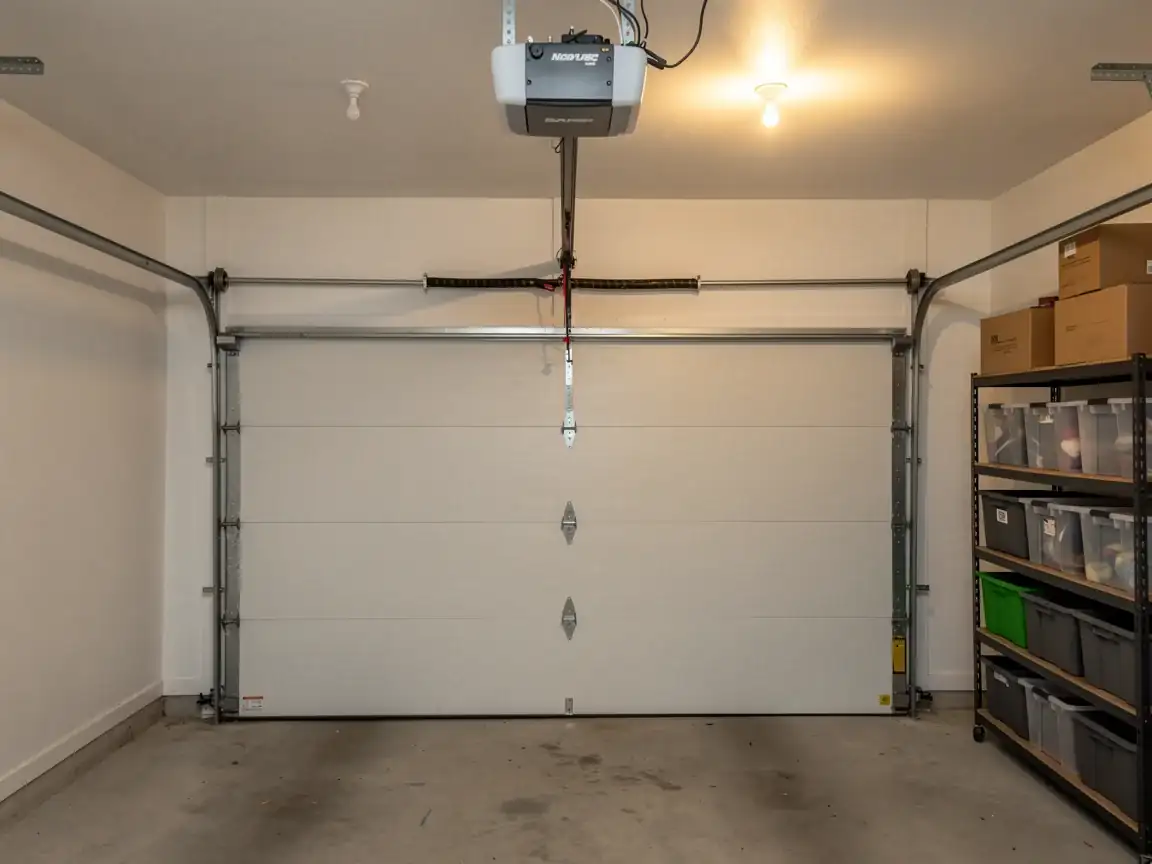
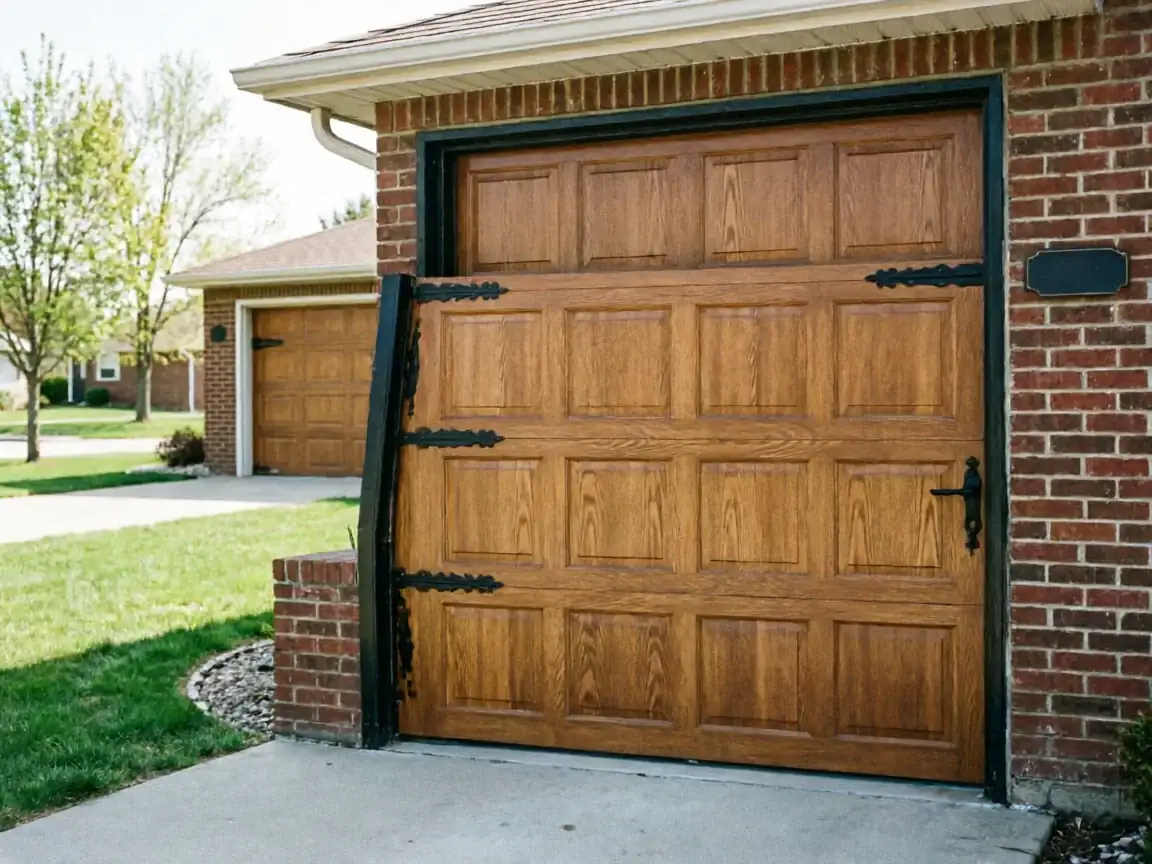
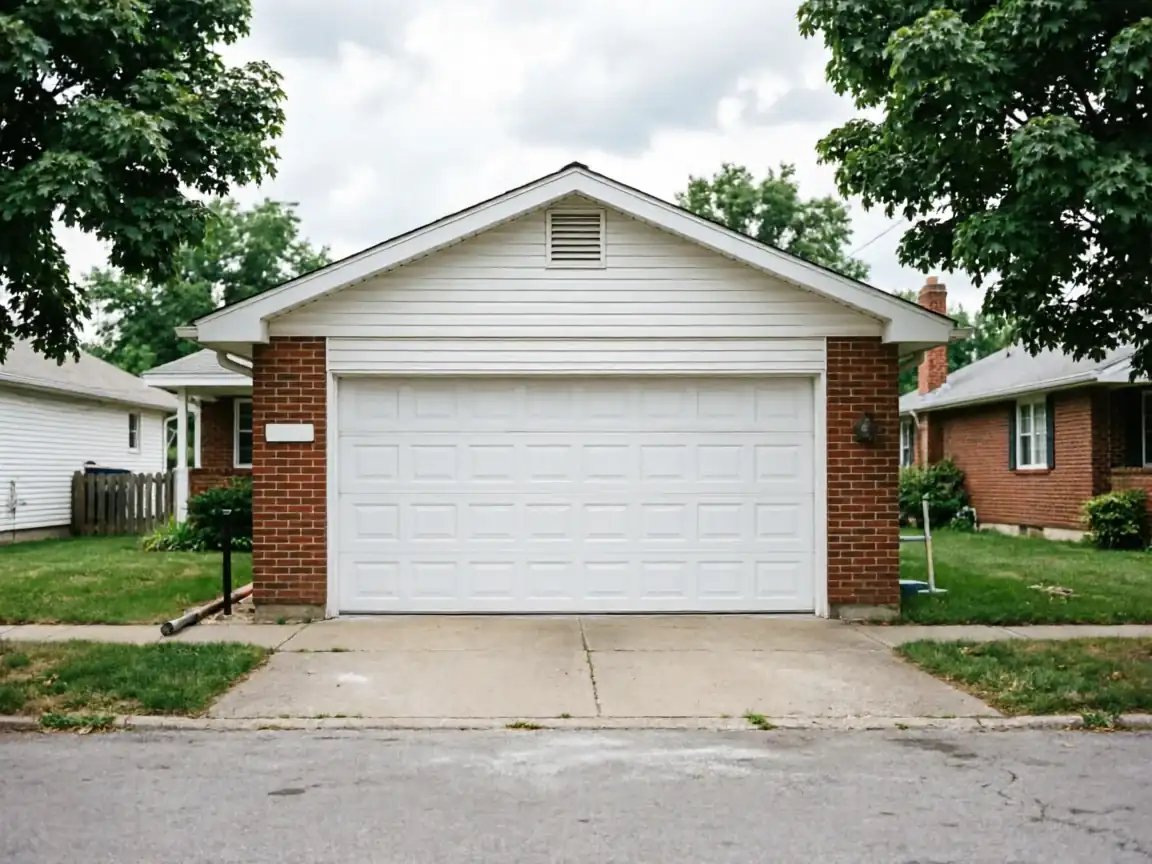
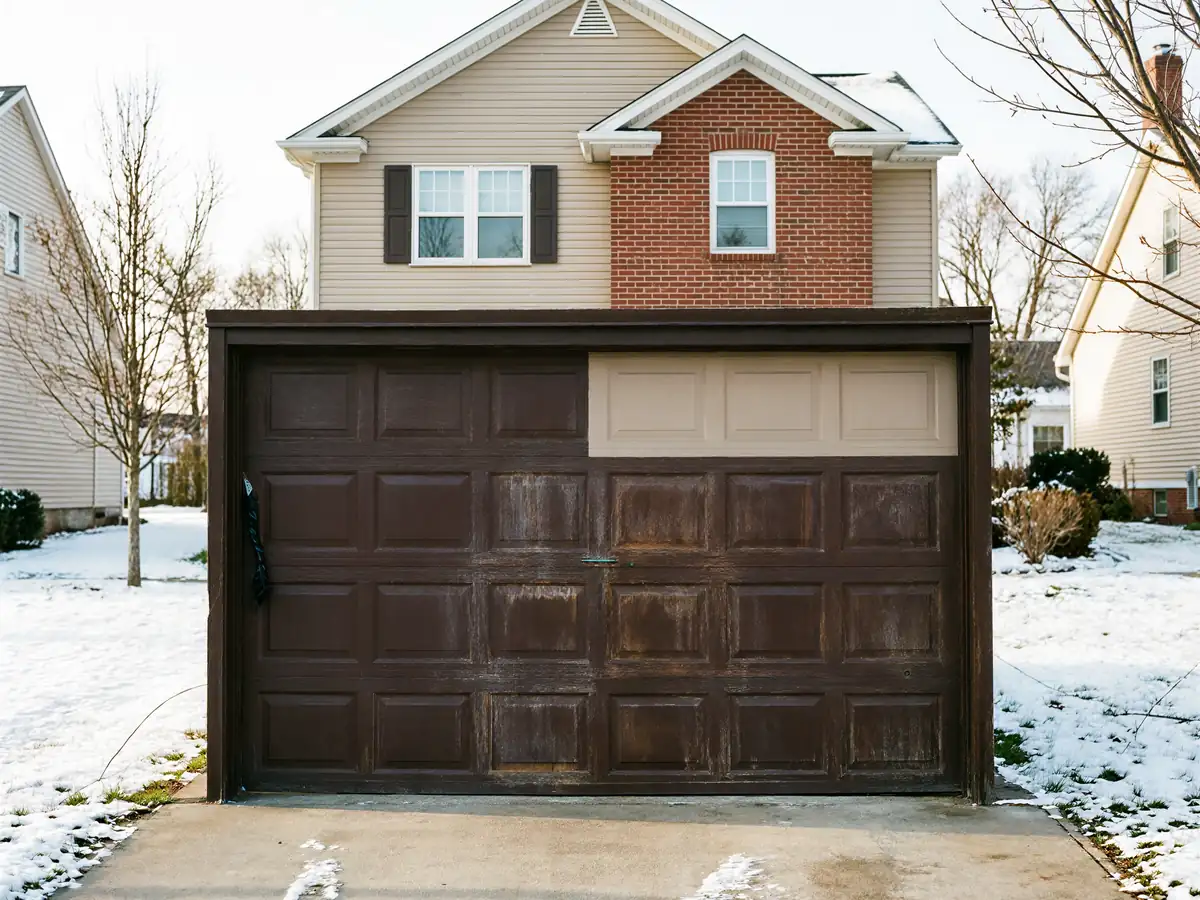
Dayton sits about 18 miles out from our Hopkins shop, which is farther than most of the towns we run calls into. We don't keep a crew stationed in Dayton, so when you call about a door that's jumped the track, we're scheduling a truck to make that drive, not dispatching from around the corner. Tell us on the phone whether the door is hanging at an angle, whether it's a single or double panel, and whether anyone forced it back toward the opening after it jumped. That last detail matters more here than in the older parts of our area, because a lot of Dayton garages were built this century with wider spans and heavier sectional doors, and forcing a wide door back into its tracks bends the roller carriers in a way a narrow door from the 1960s never would. We'd rather hear "I left it alone" than "I tried to push it back."
Stocked Parts
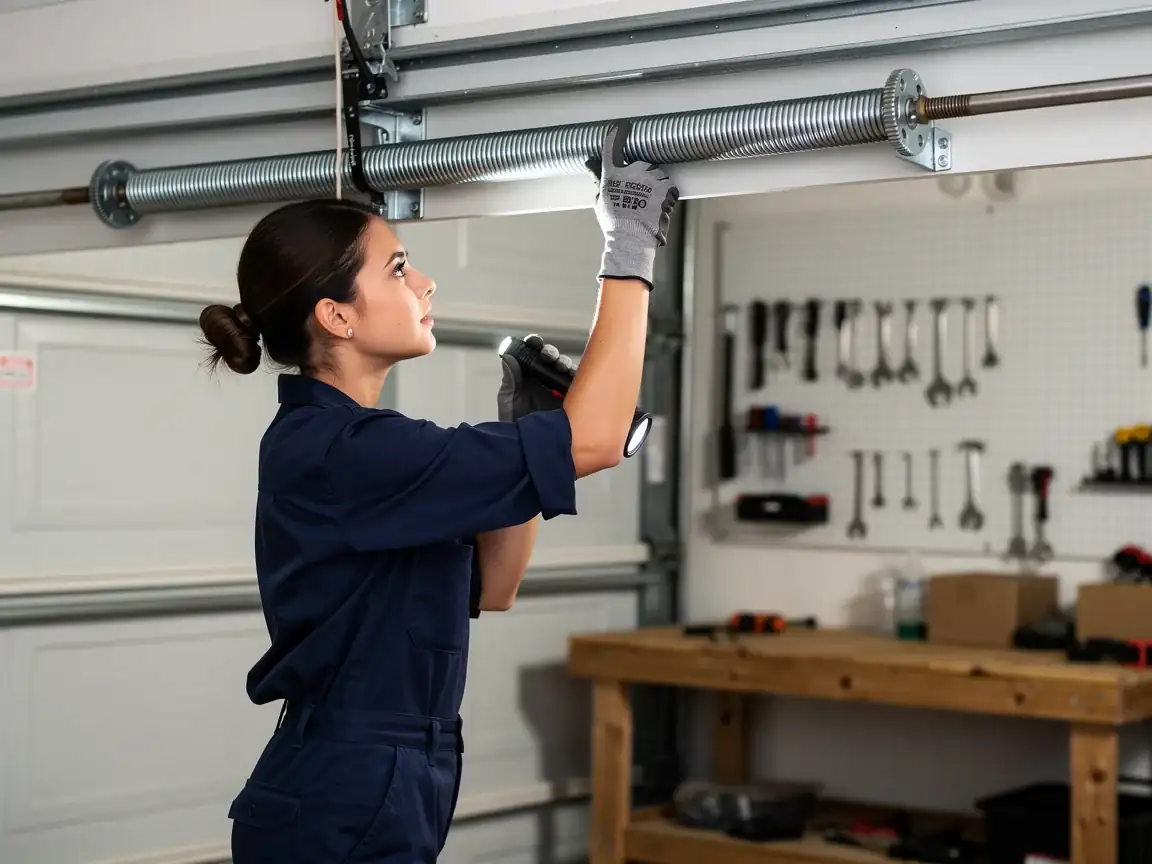
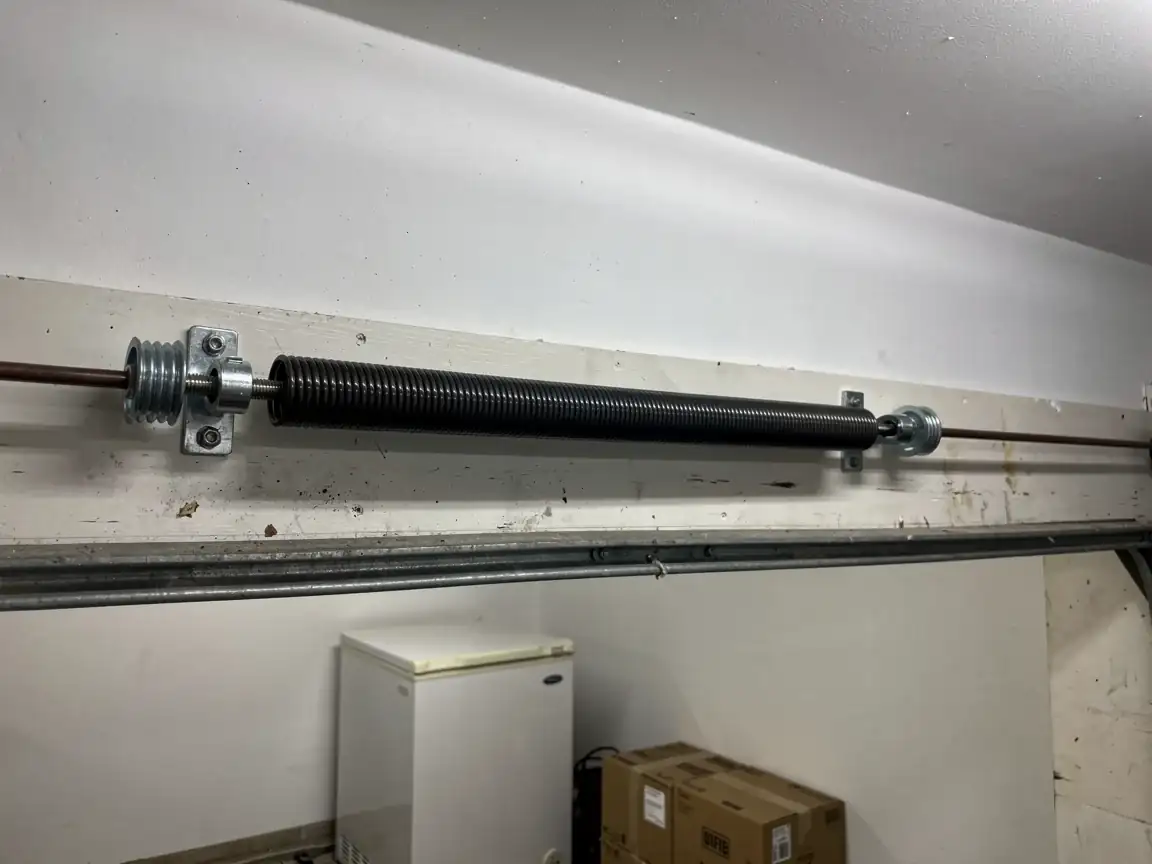
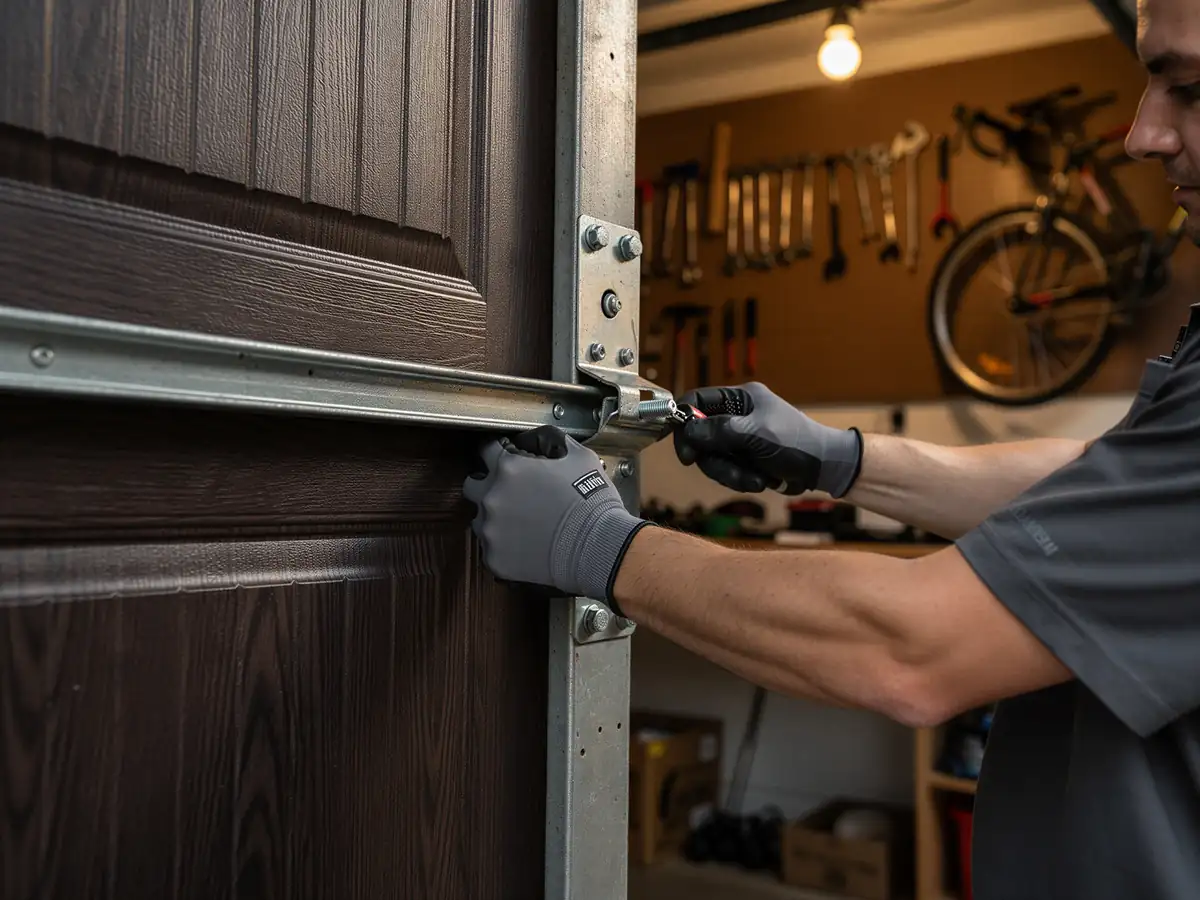
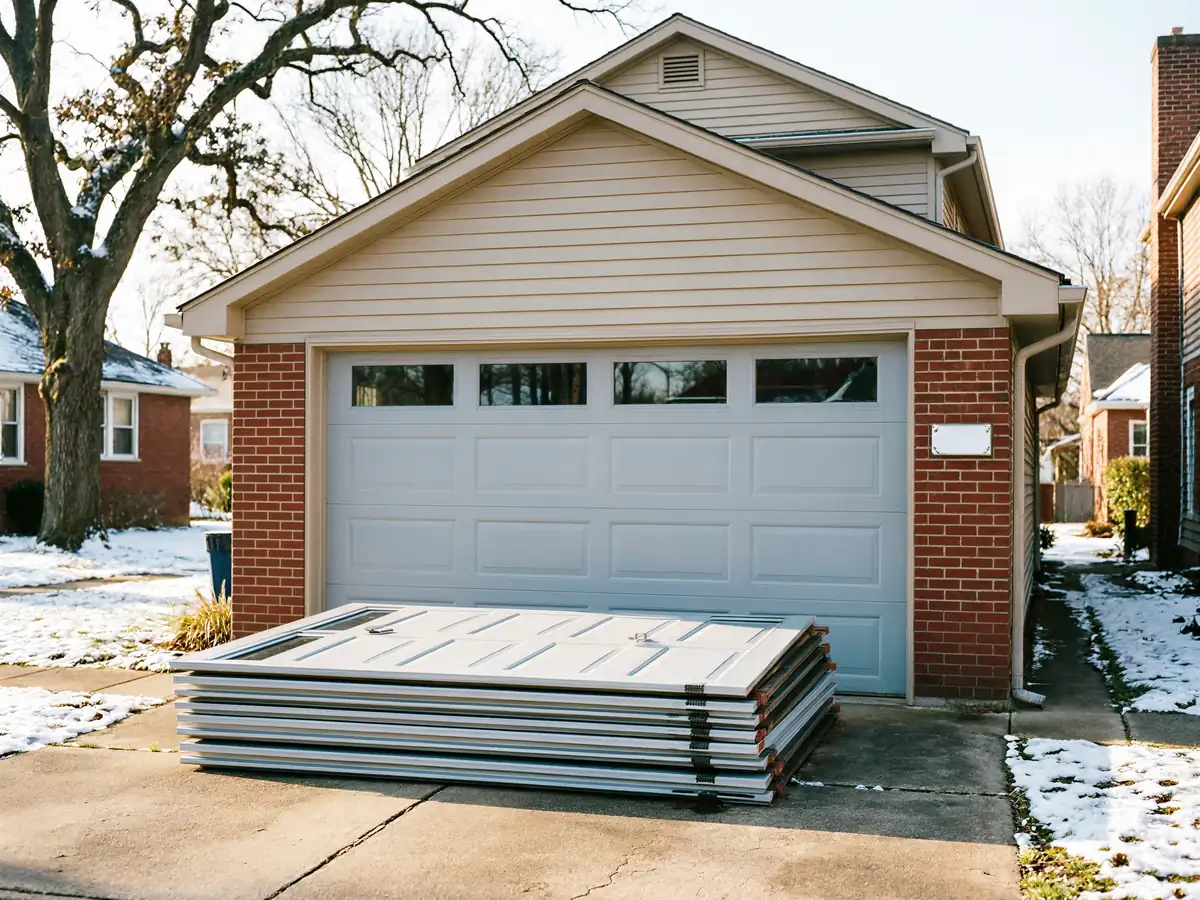
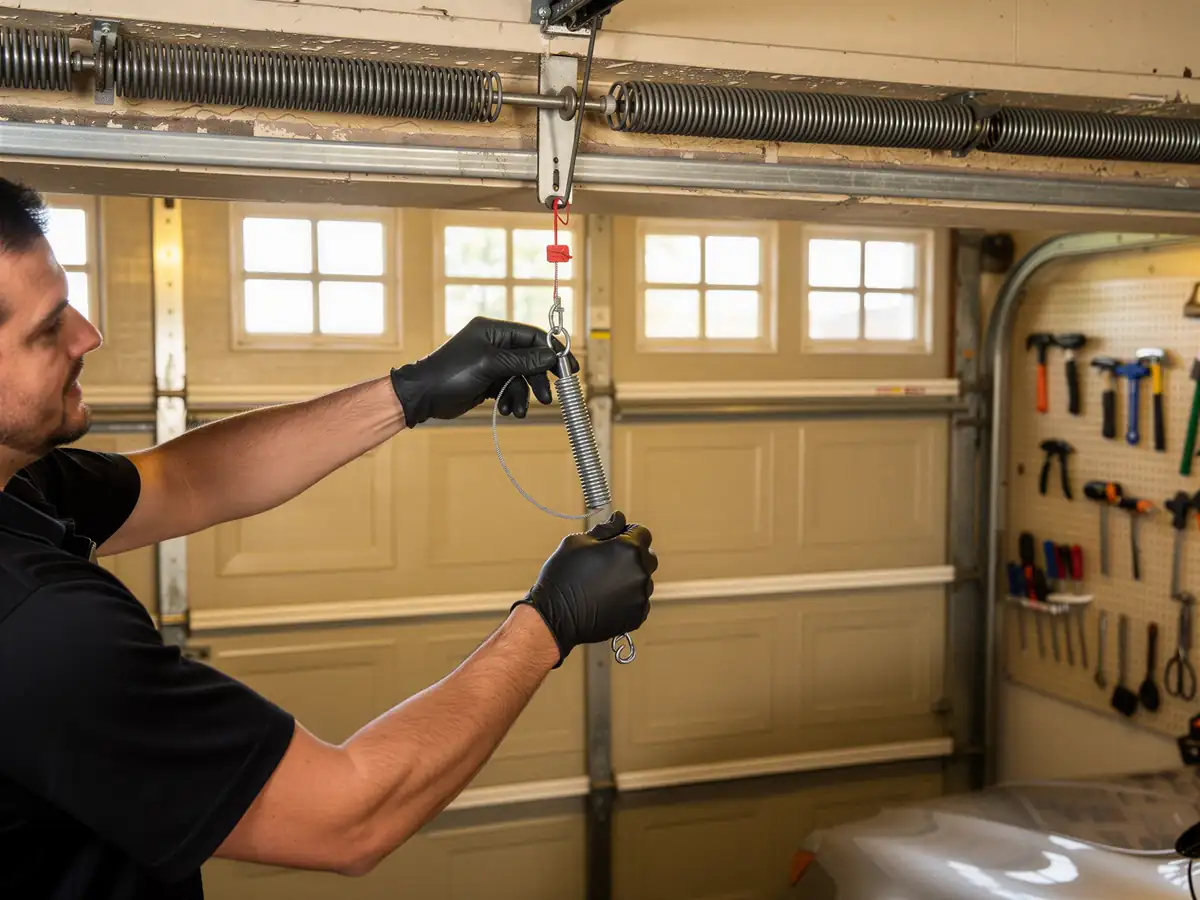
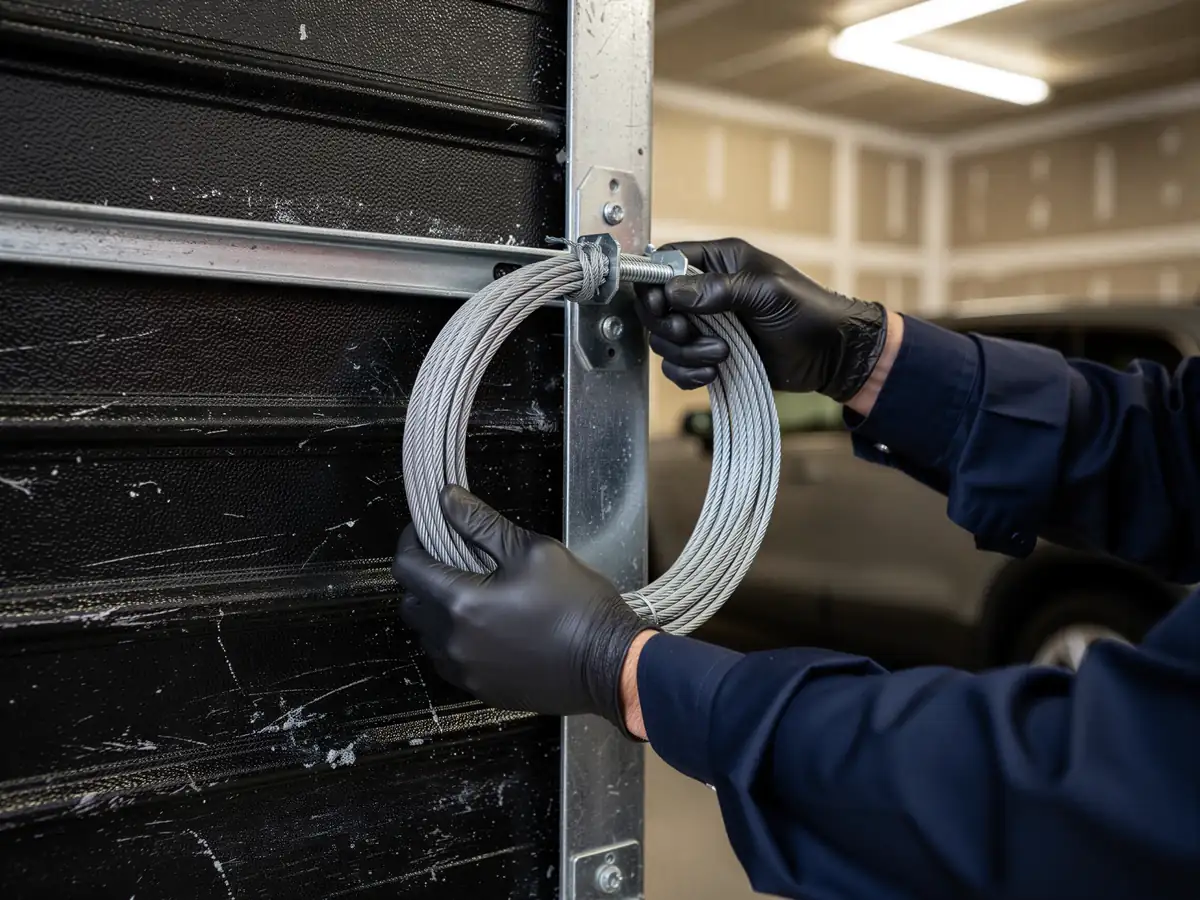
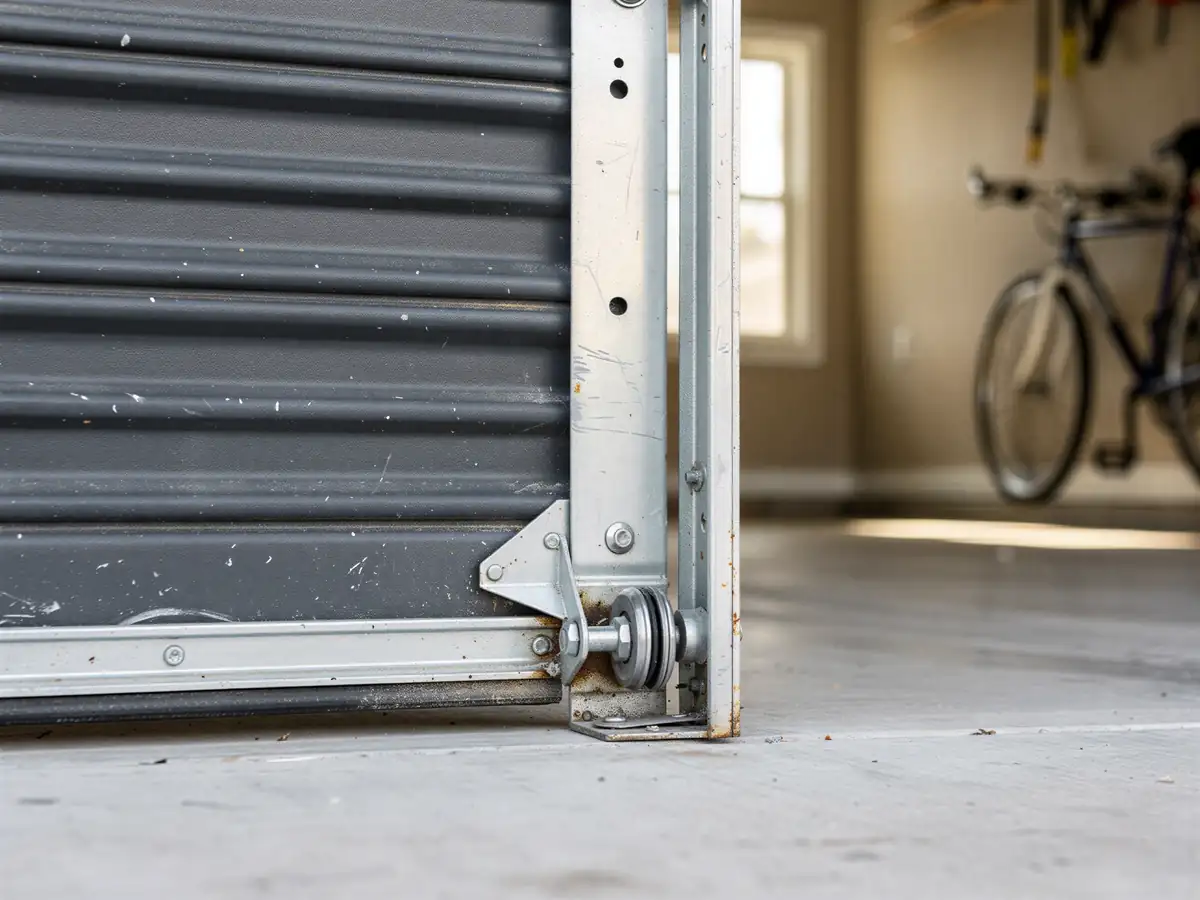
We carry common roller, cable, and bracket hardware on the truck because most off-track calls in homes built around 2003 use parts still in production - this isn't 1960s one-piece track hardware that nobody stocks anymore. If the track itself is bent rather than just the rollers or brackets, that's usually a straight swap on a door this age, not a custom-bend job. Where it gets slower is if the door is a less common width or an older insulated panel style that a newer Dayton build sometimes still has from a first owner's upgrade - in that case we may need to order the exact bracket rather than pull one off the truck.
How Long You Are Without the Door
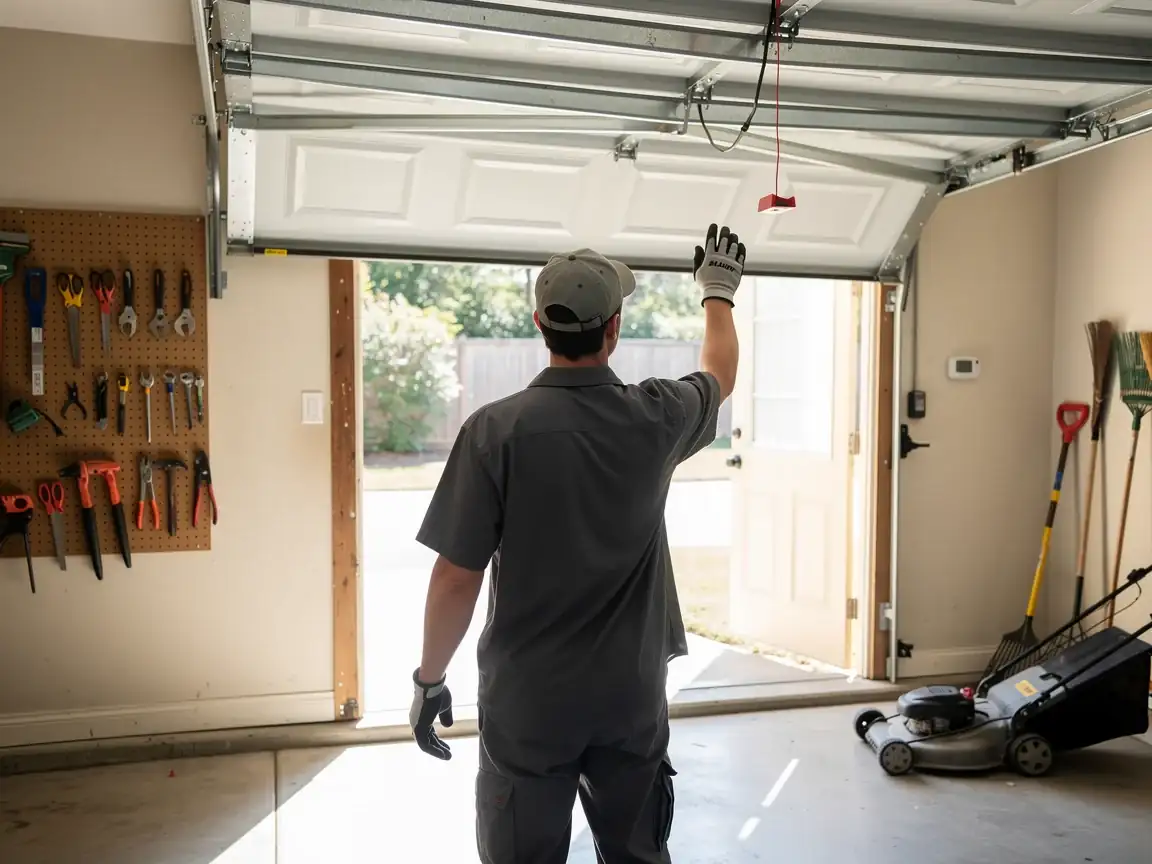
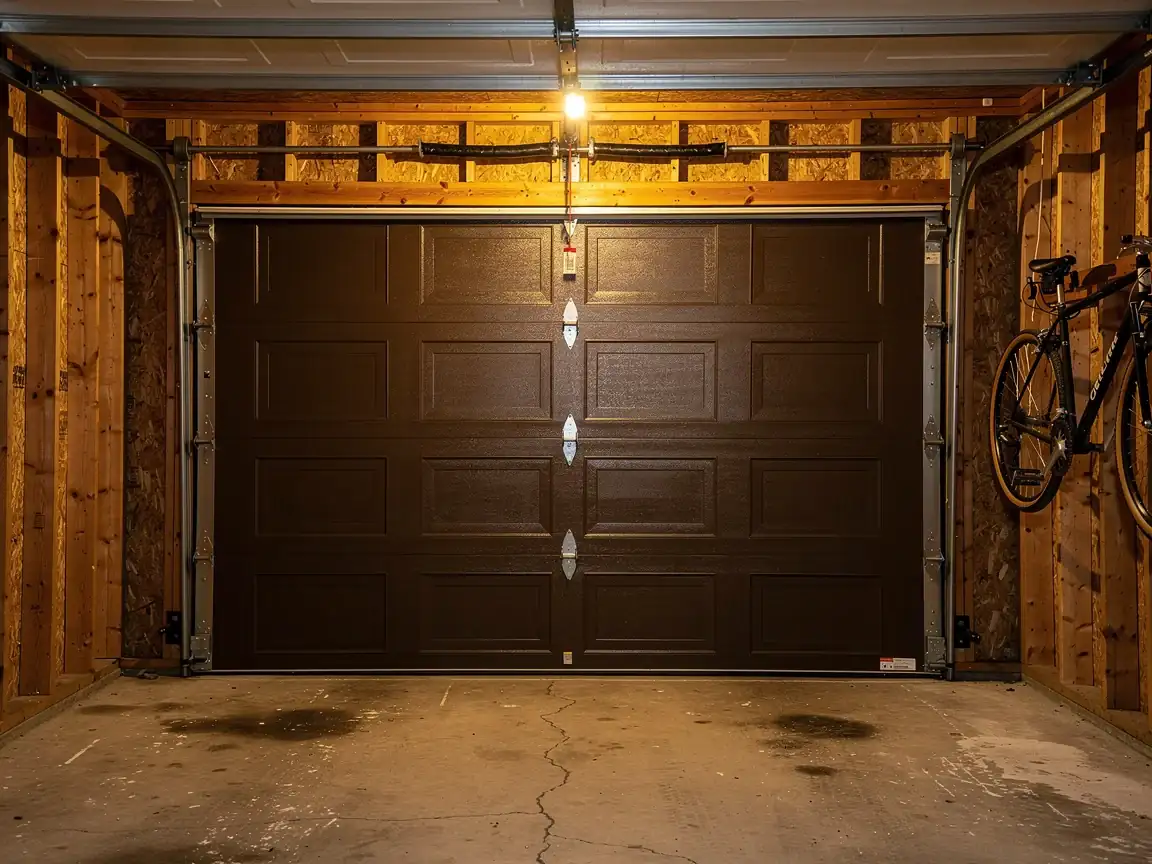
A straightforward off-track fix - rollers back in the channel, bracket re-seated, cable re-threaded - is usually a same-visit repair once the truck is on-site. What stretches it out for Dayton calls specifically is the 18-mile run from Hopkins: if we need to go back for a part that isn't on the truck, that's a second trip, not a quick turnaround down the street. We'll tell you on-site whether we're finishing that day or coming back, and we won't guess just to make you feel better about it.