Getting It Booked In
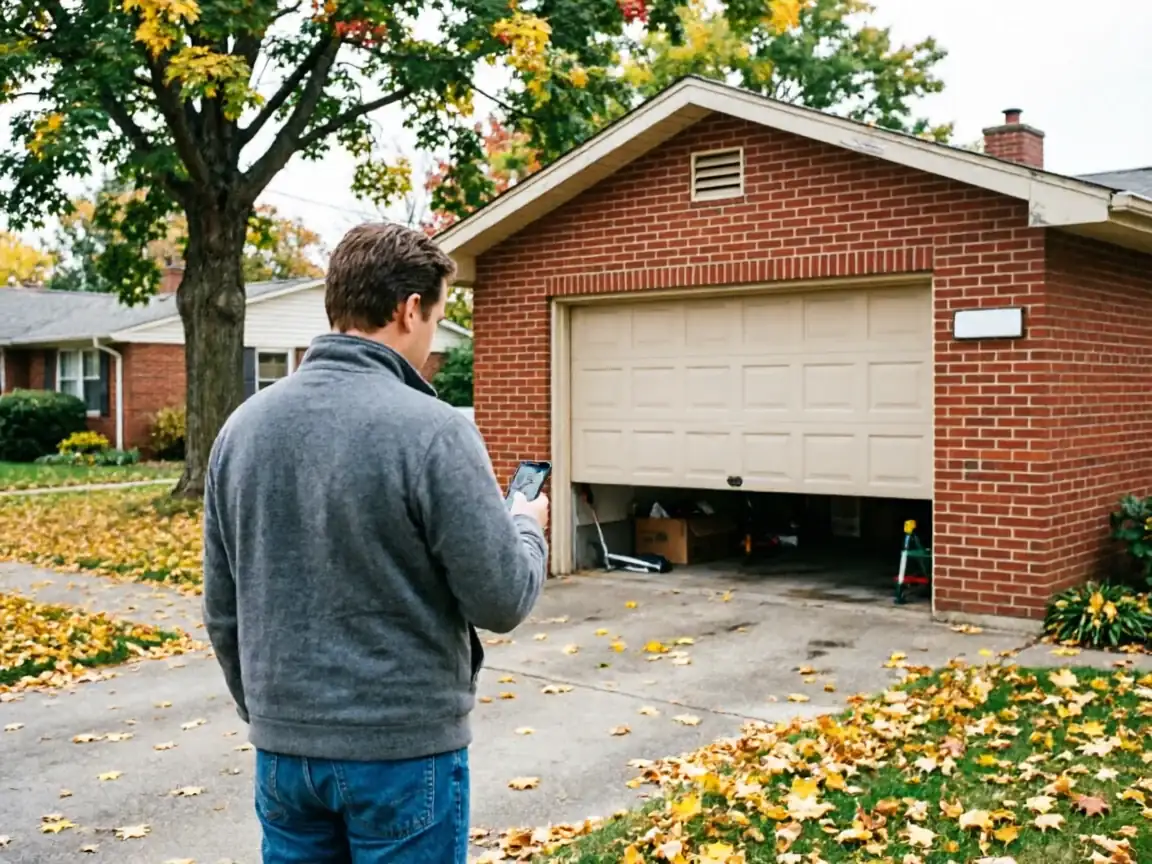
Dayton sits about 18 miles from our shop in Hopkins, which is the longest run we make on a regular basis. That distance doesn't change the install itself, but it does change how we schedule it. We don't send a truck out for a quick look and come back a second day to install - we measure the opening, confirm the door size and track configuration, and order what's needed before the crew makes the drive. A wasted trip on an 18-mile haul costs everyone real time, so we'd rather get the details locked down on the first call than guess and fix it on site.
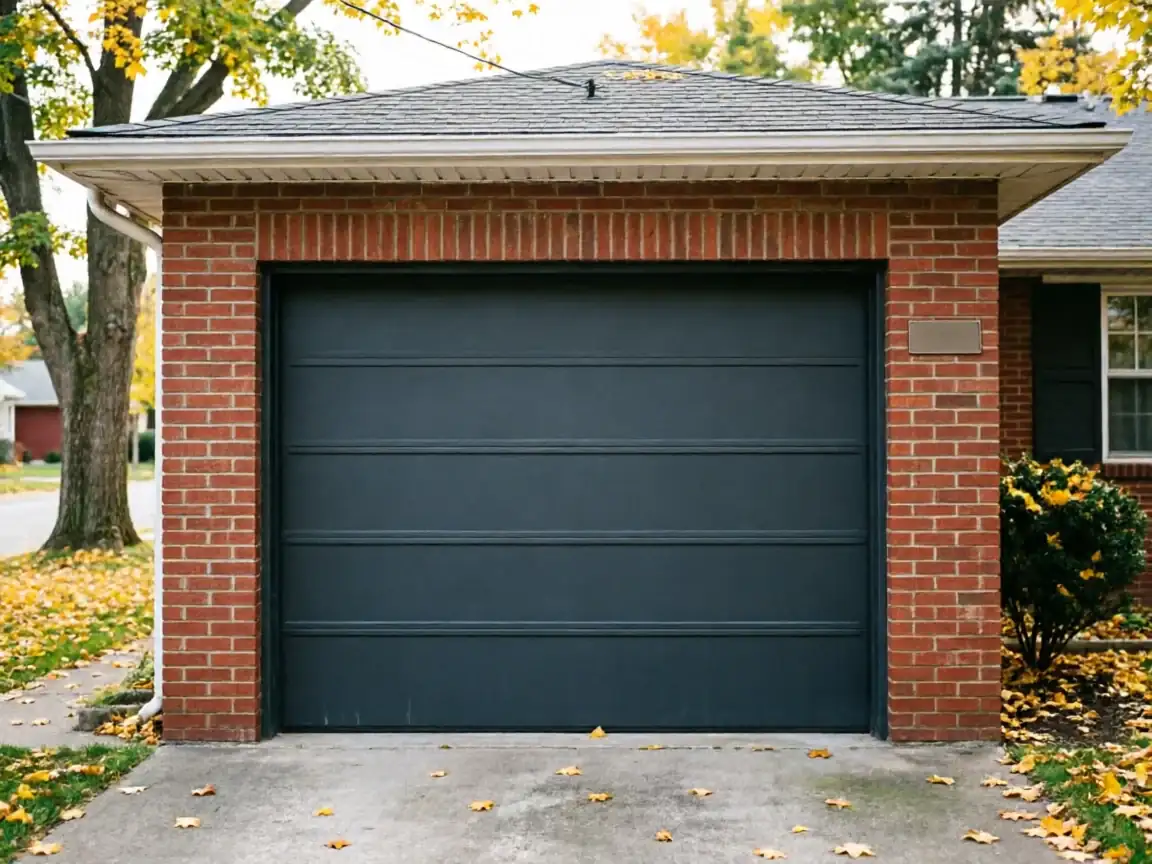
Most of the homes we quote in Dayton were built somewhere around 2003, give or take a few years either side, which puts the openings and framing on a fairly consistent modern standard. That makes measuring and quoting over the phone or from photos more reliable than it would be in a neighborhood with a mixed bag of build years. We still confirm in person before the door ships, but the surprises are fewer.
The Complications
A house built in 2003 doesn't have the same problems as one built in the 1960s
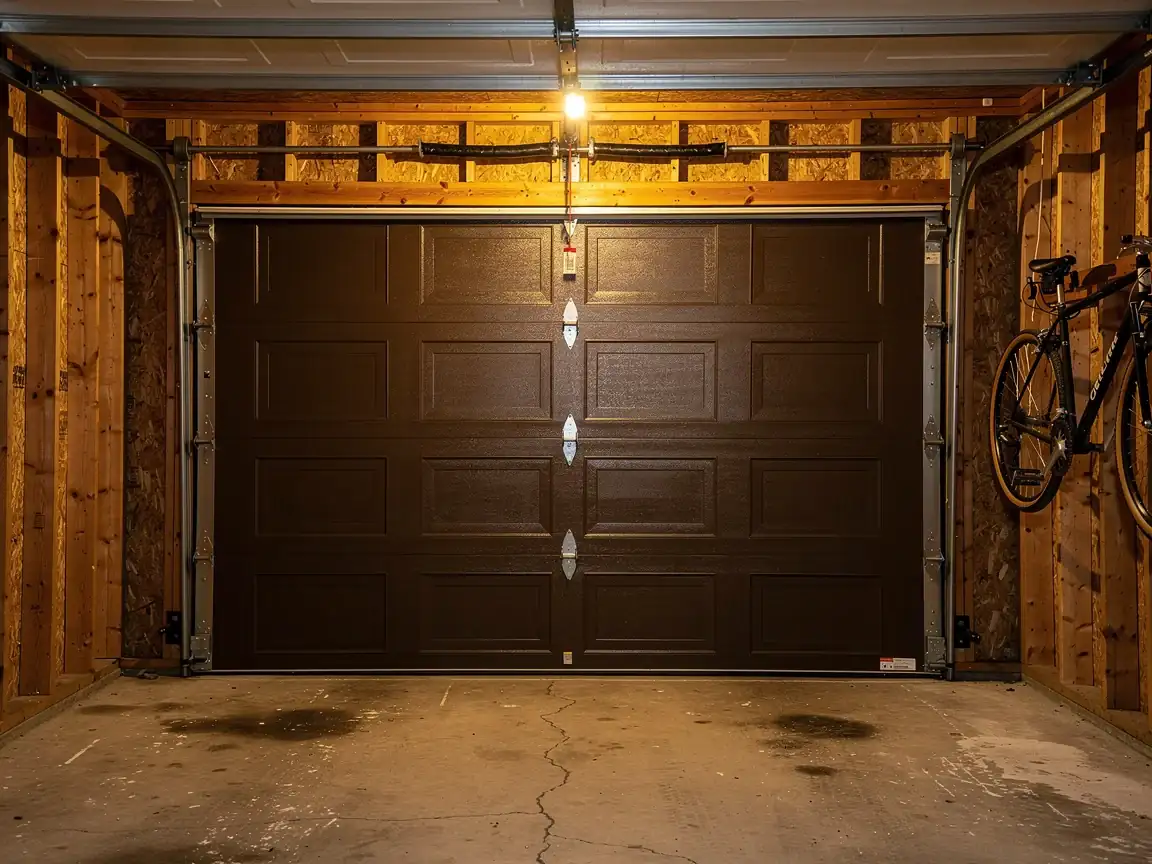
And that's mostly good news for an install. Framing is square, headroom is usually what the door manufacturer expects, and the electrical for an opener is already roughed in correctly most of the time. You're not fighting a sagging jamb or an opening that was never quite plumb to begin with.
Where it gets more involved is insulation and code on newer construction
Homes from this era were often built to tighter energy standards than older housing stock, so a swap-in door sometimes needs to match an R-value or weatherstripping spec that wasn't a consideration on an older garage. We check what's there before quoting rather than assuming a standard door will satisfy what the house was built to. It's a smaller list of complications than older housing throws at us, but it's not zero.
Stocked Parts
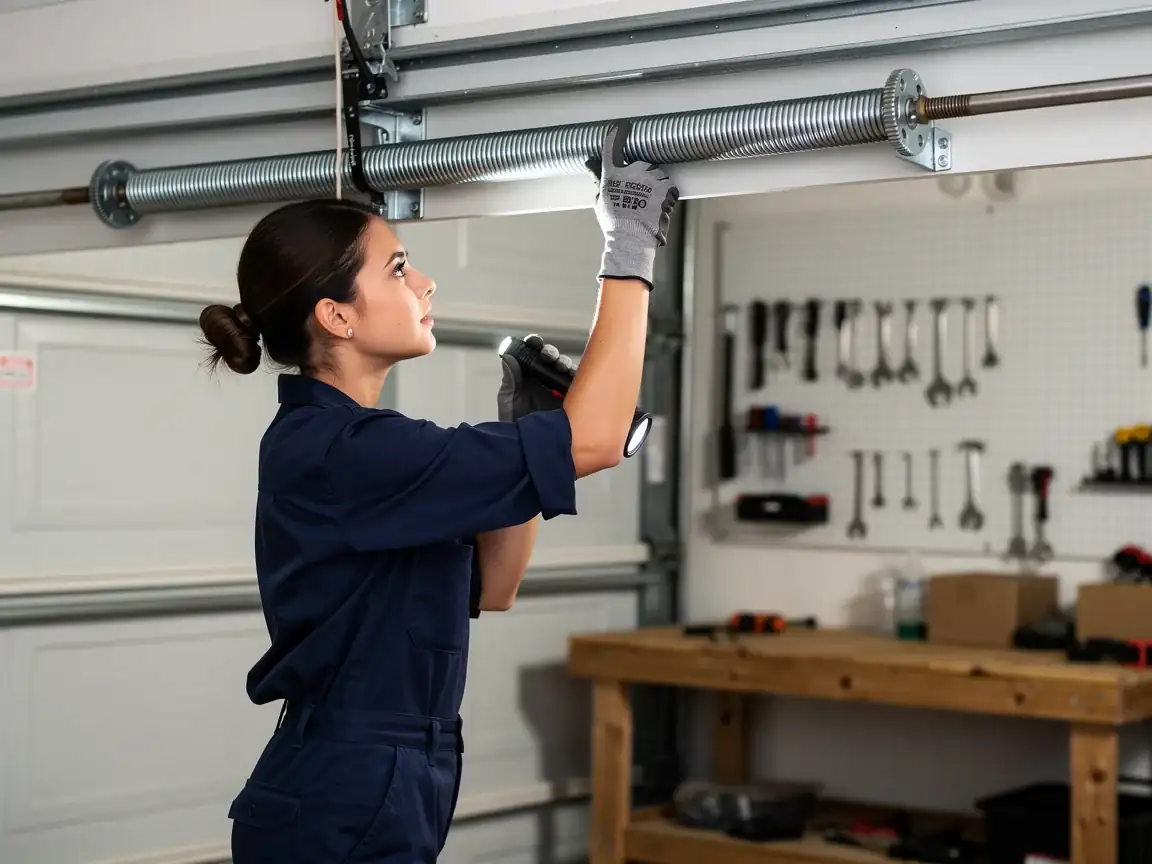
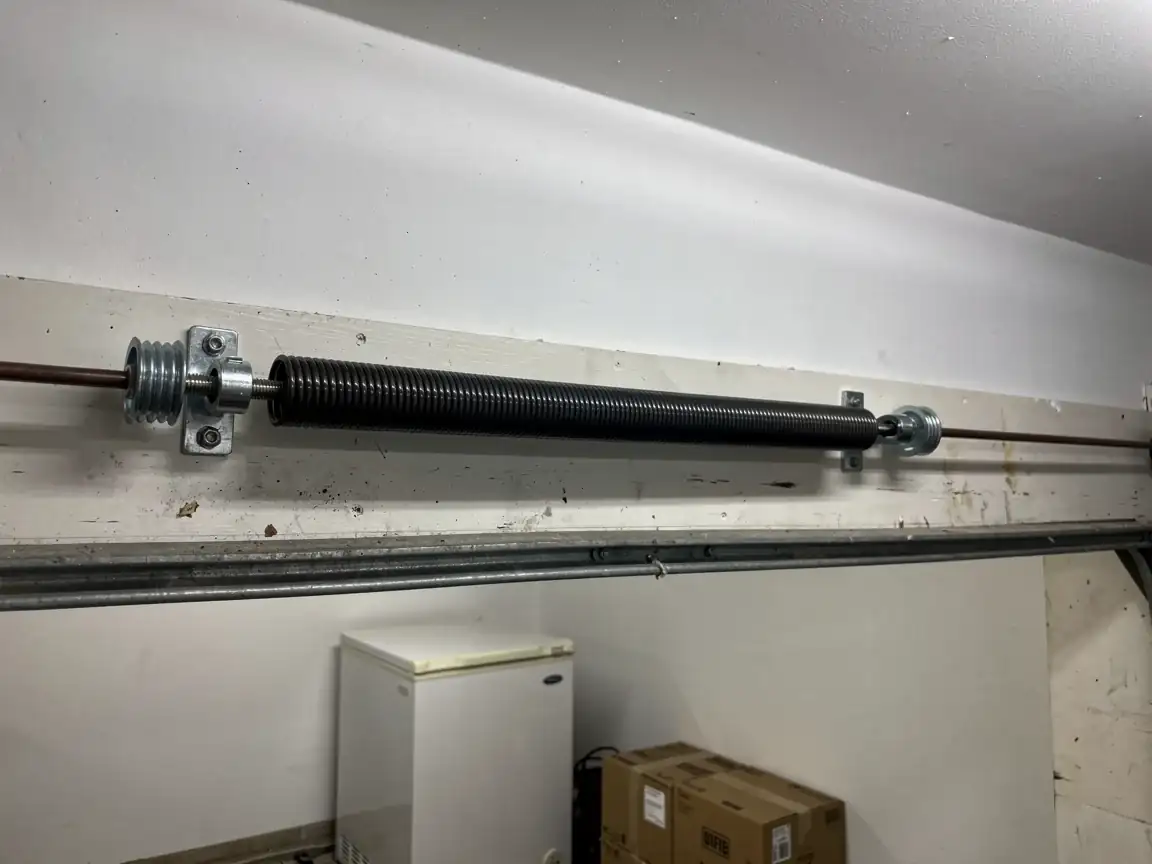
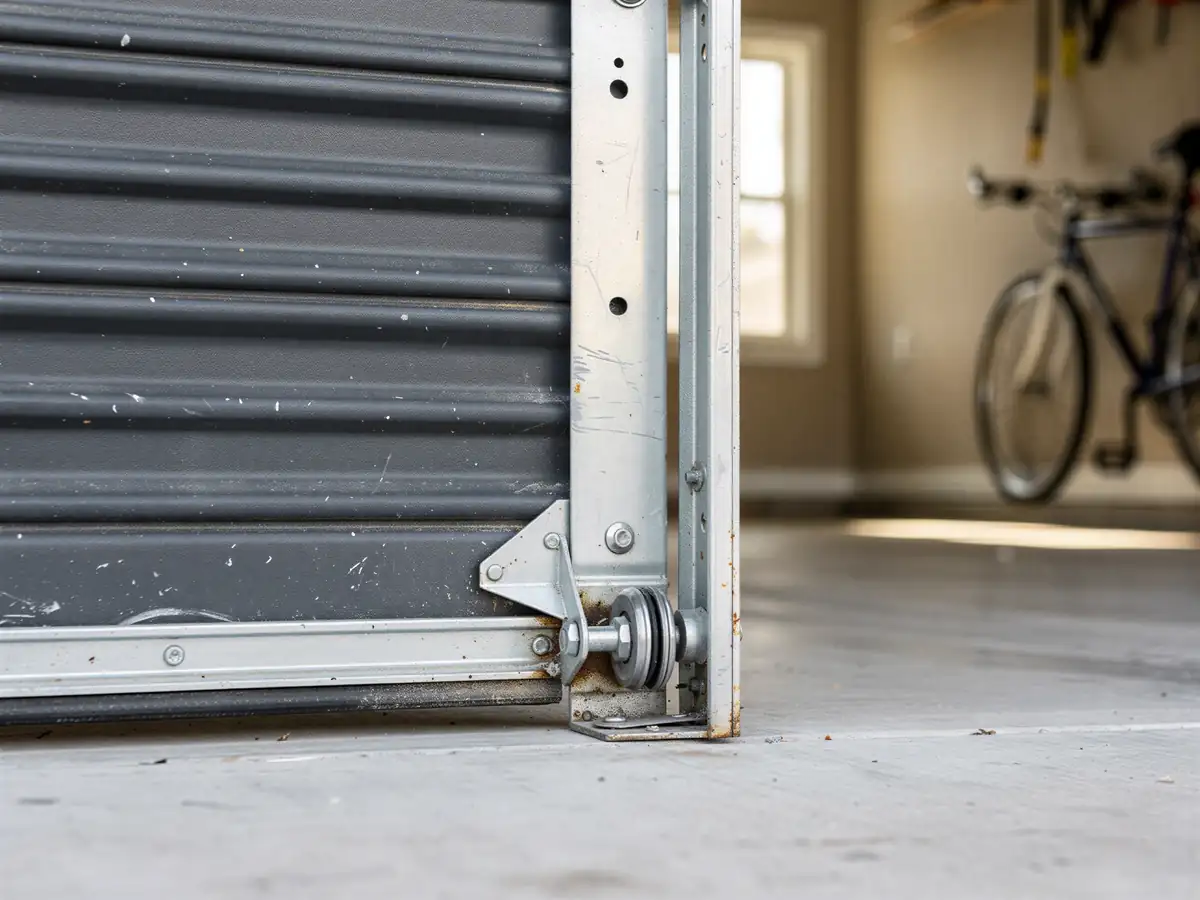
Because Dayton's housing is mostly newer construction, the track hardware, spring sizing, and opener mounting are usually standard current-production parts - the kind we keep stocked rather than special-order. That matters more here than in older parts of our service area, where original hardware sometimes needs a part nobody carries anymore.
One honest limitation: a fully custom door - nonstandard width, a specific insulated panel style, or a particular window pattern - still goes on a manufacturer order regardless of how new the house is. Stock covers the common sizes and standard options. It doesn't cover everything.
How Long You Are Without the Door
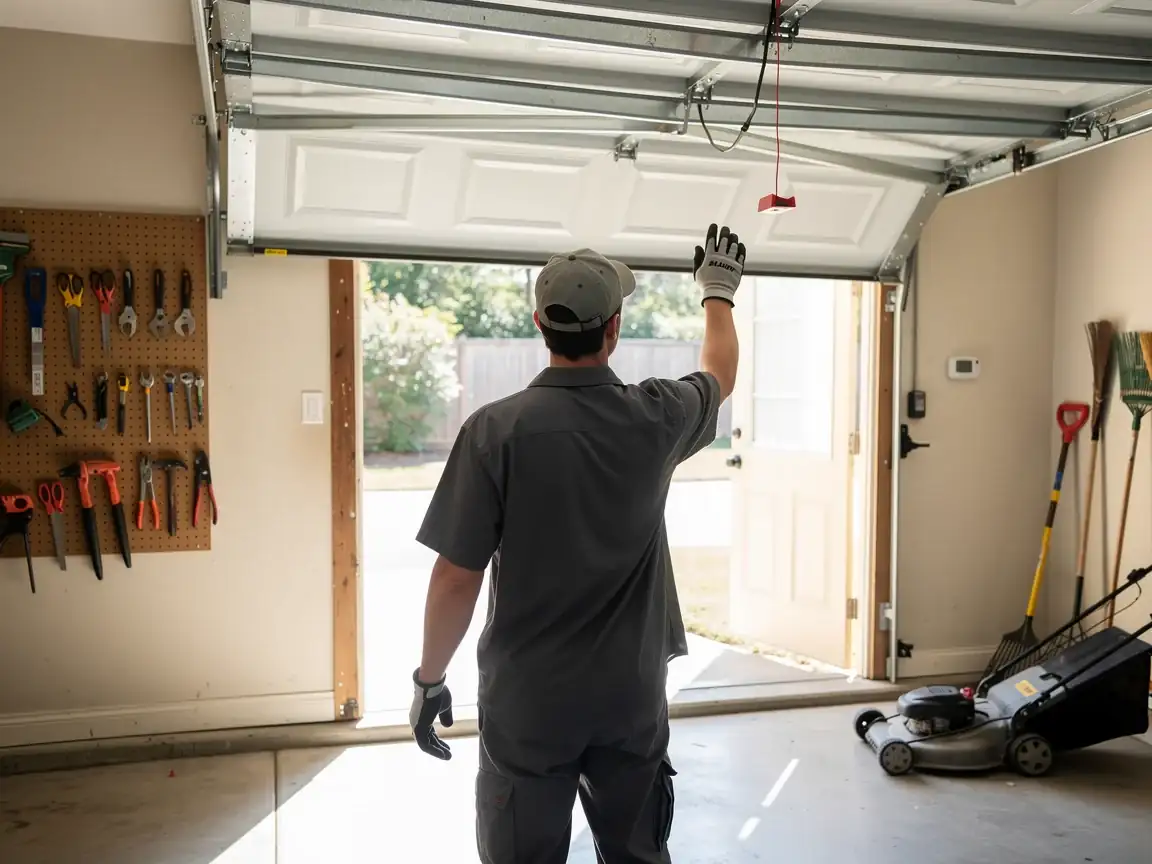
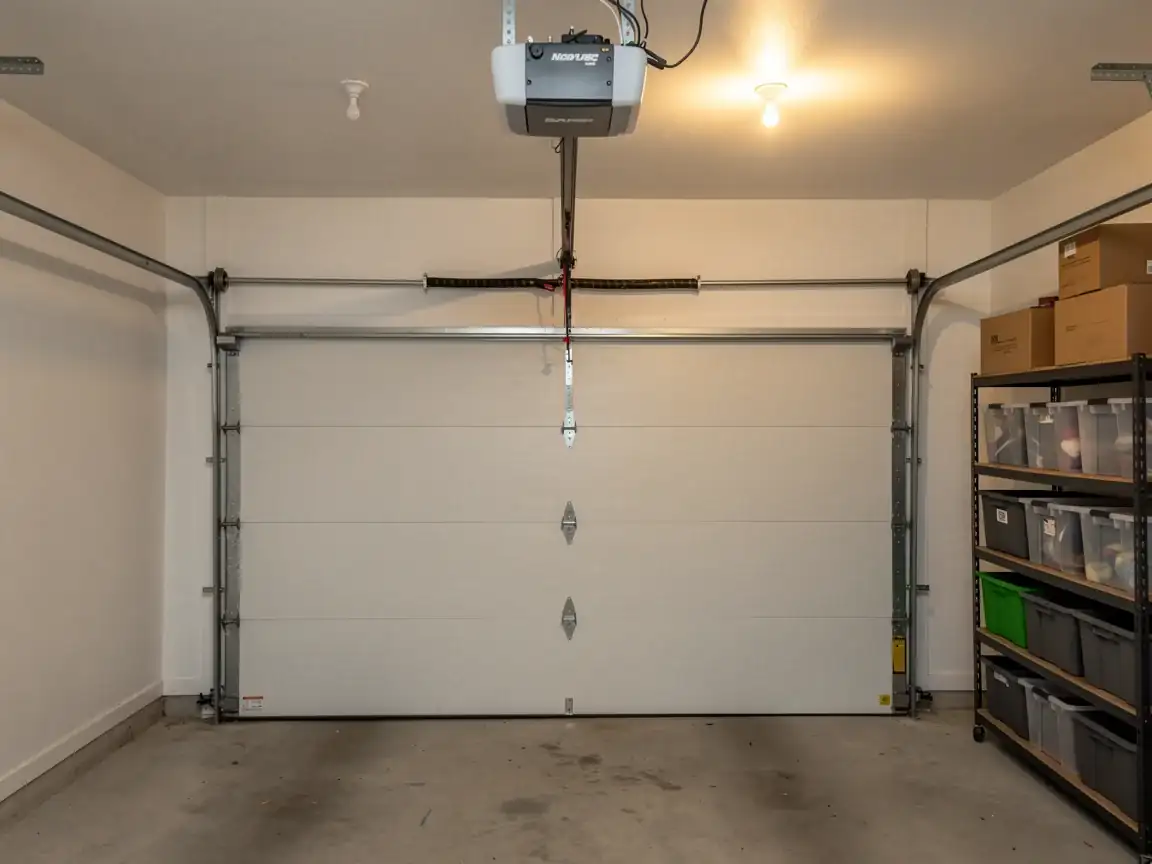
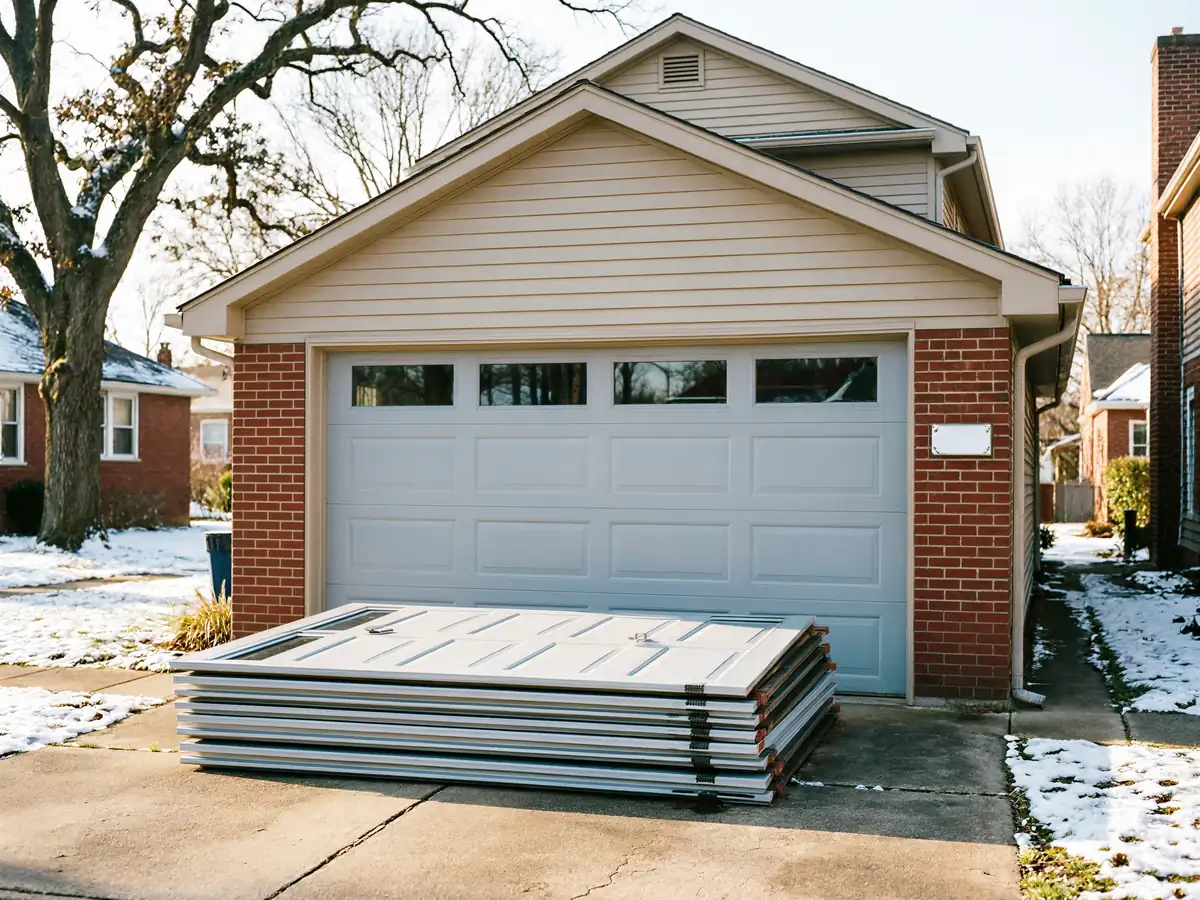
Because the opening and framing on a 2003-era house are usually straightforward, a standard install at this age of home tends to go cleanly in one visit once the door itself is on site. The variable isn't the install day - it's whatever lead time the specific door and track package needs before it ships, which we'll tell you when you quote it rather than guess at here.
If you're dealing with a door that's actively broken down right now rather than planning a replacement, that's a different job and a different page - see our Dayton garage door repair page for that.
What You Pay
Dayton's median household income runs higher than most of the areas we serve
And that shows up in what gets requested - more quotes for insulated steel doors, windowed panels, and quieter belt-drive openers than bare-bones builder-grade doors. We don't have a published price list here because the door, track, insulation package, and opener all move the number independently, and a fair quote needs to see your actual opening first.
What we can say: because most Dayton garages are newer and standard-sized
You're less likely to pay for the custom framing fixes or odd-size door surcharges that come up on older housing stock elsewhere in our service area. That keeps the job closer to a straightforward install than a rebuild.