The Complications
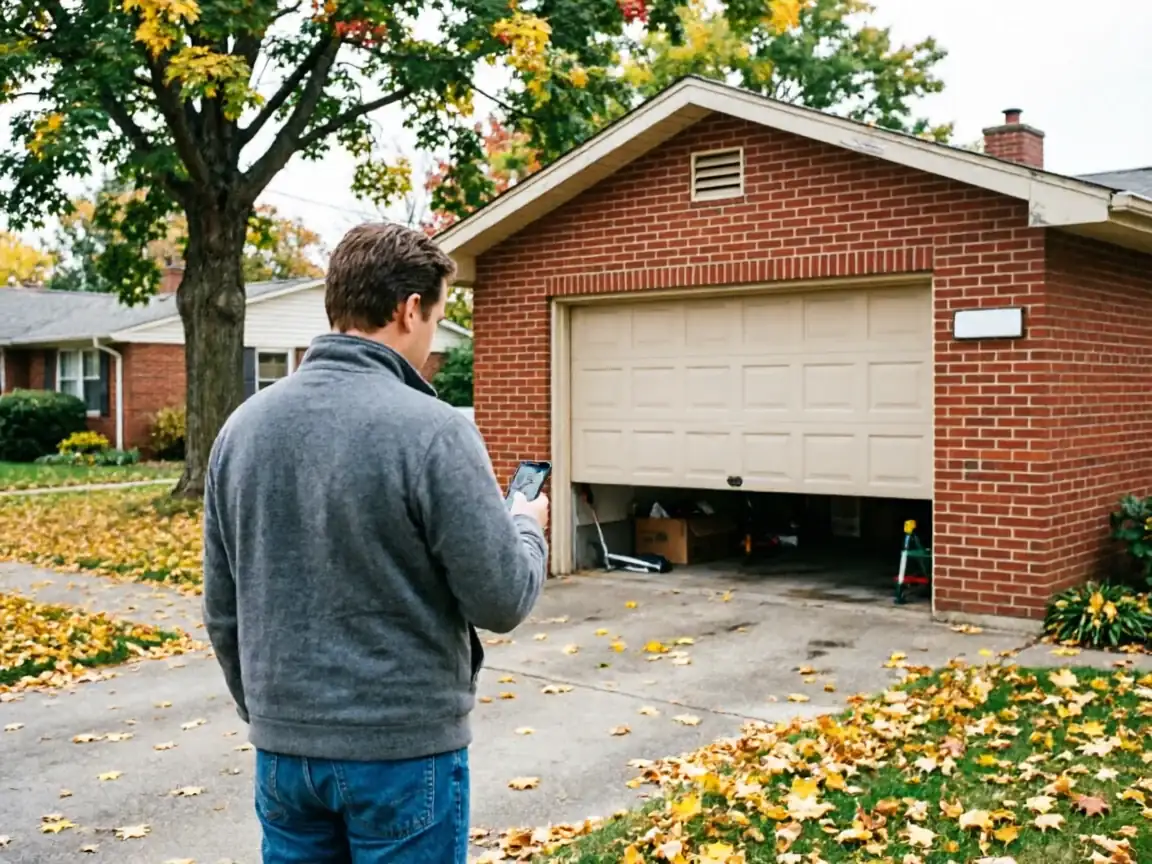
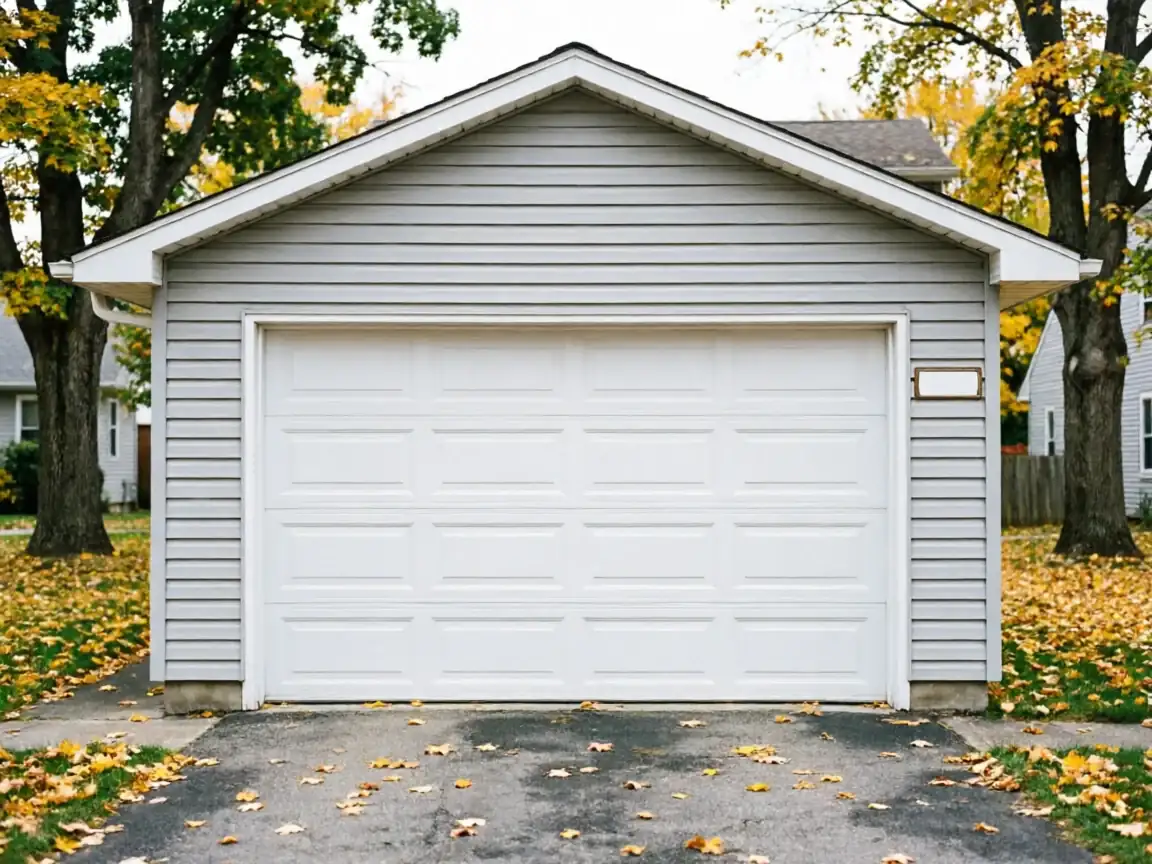
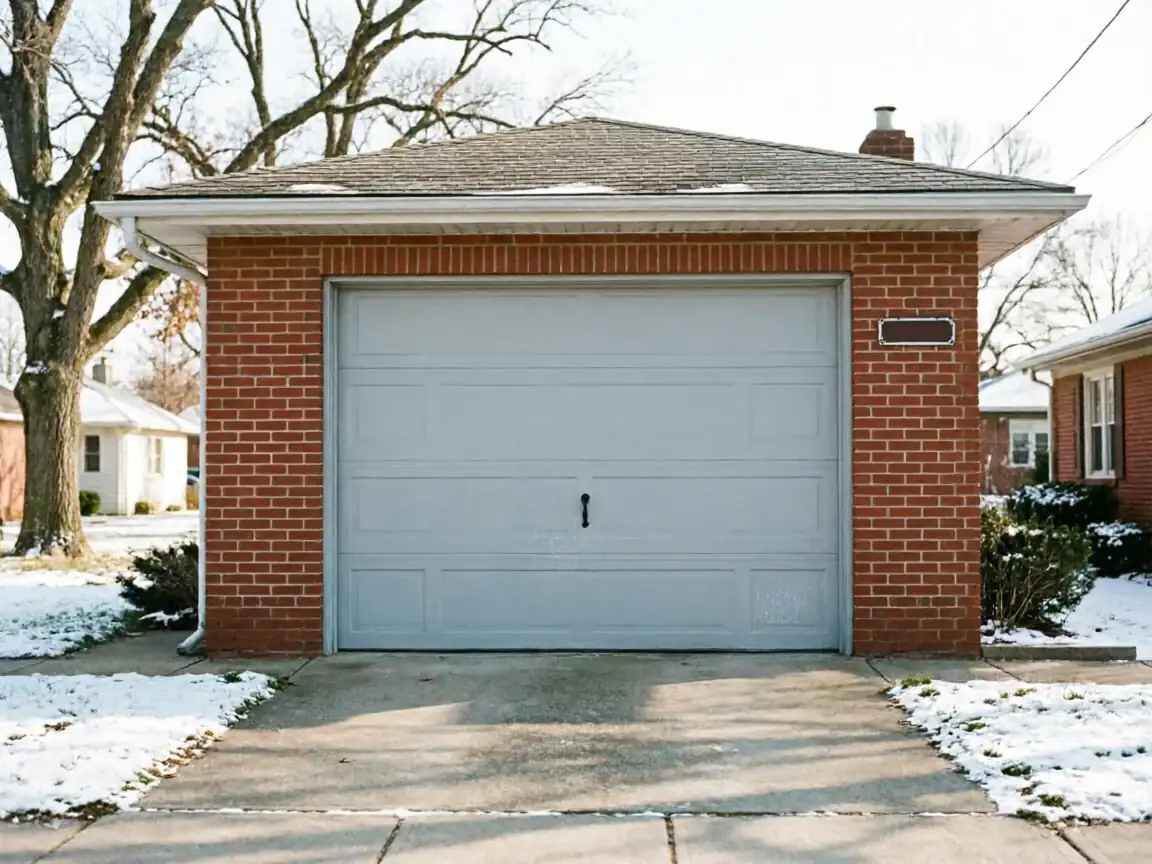
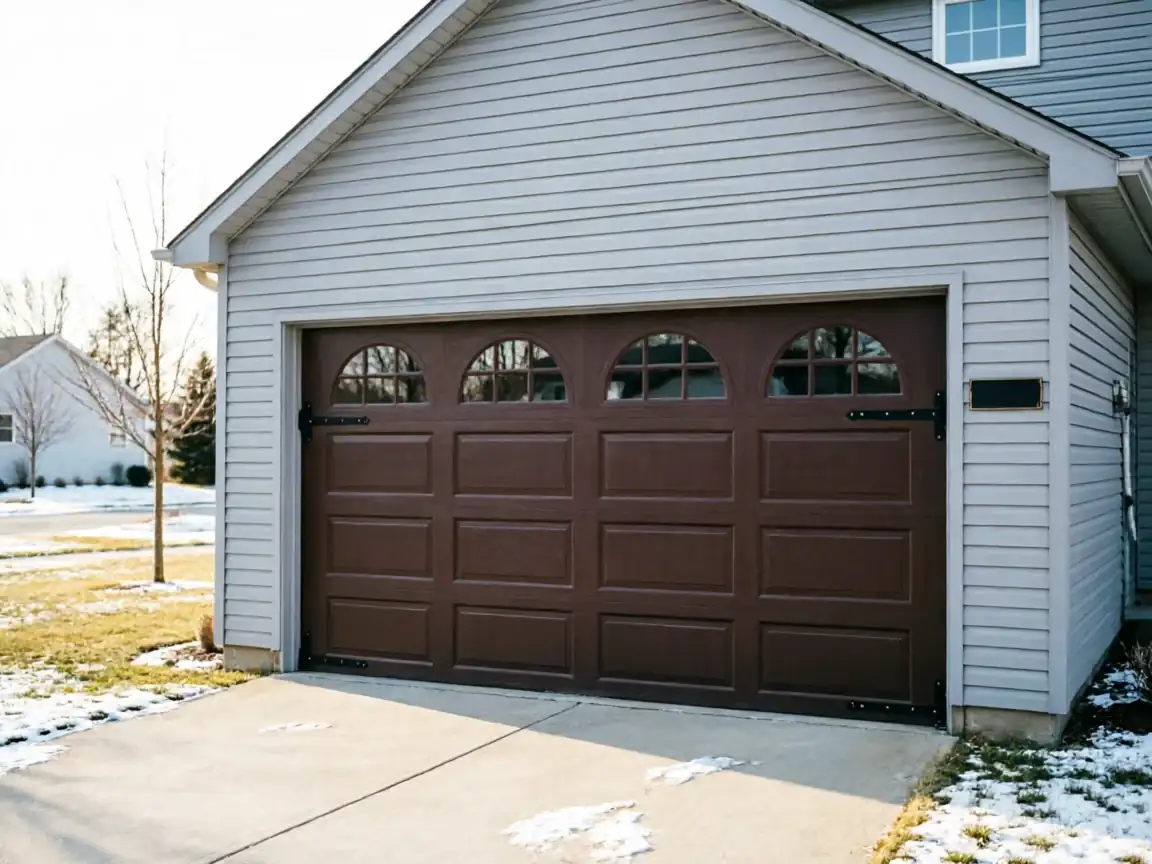
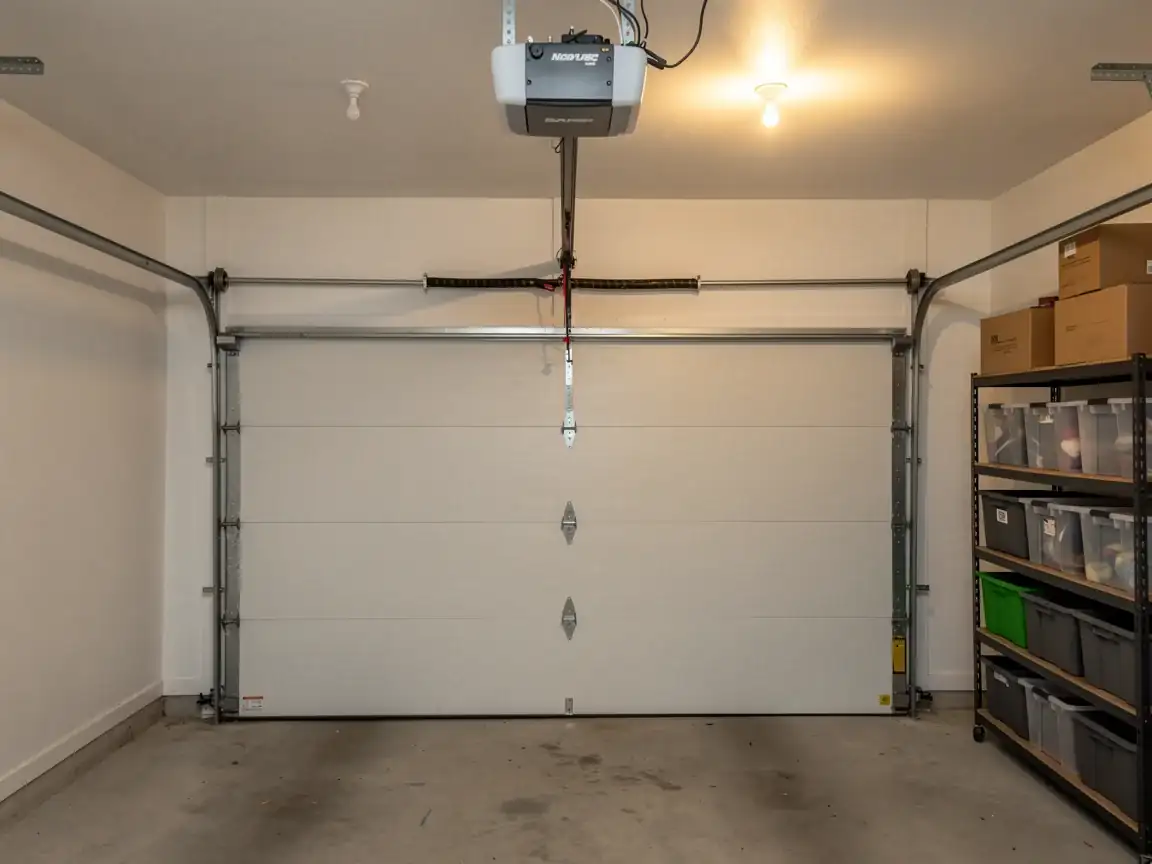
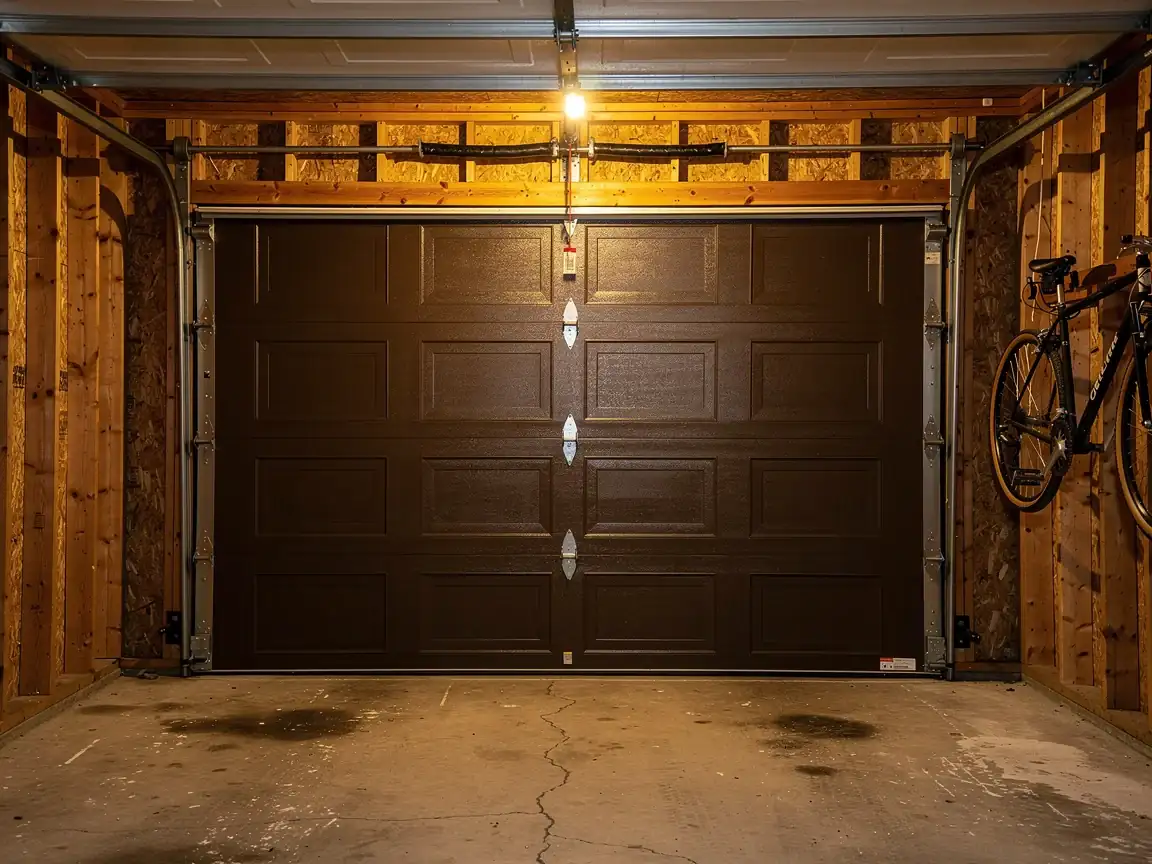
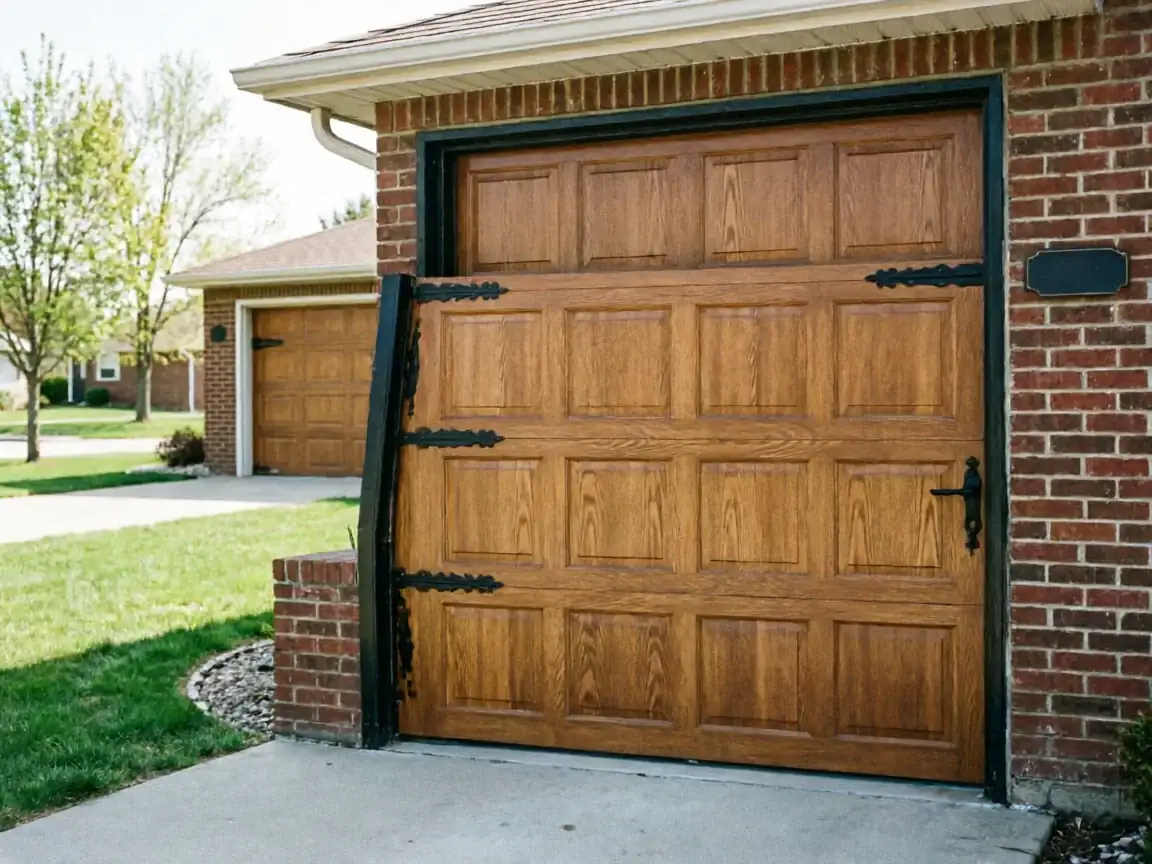
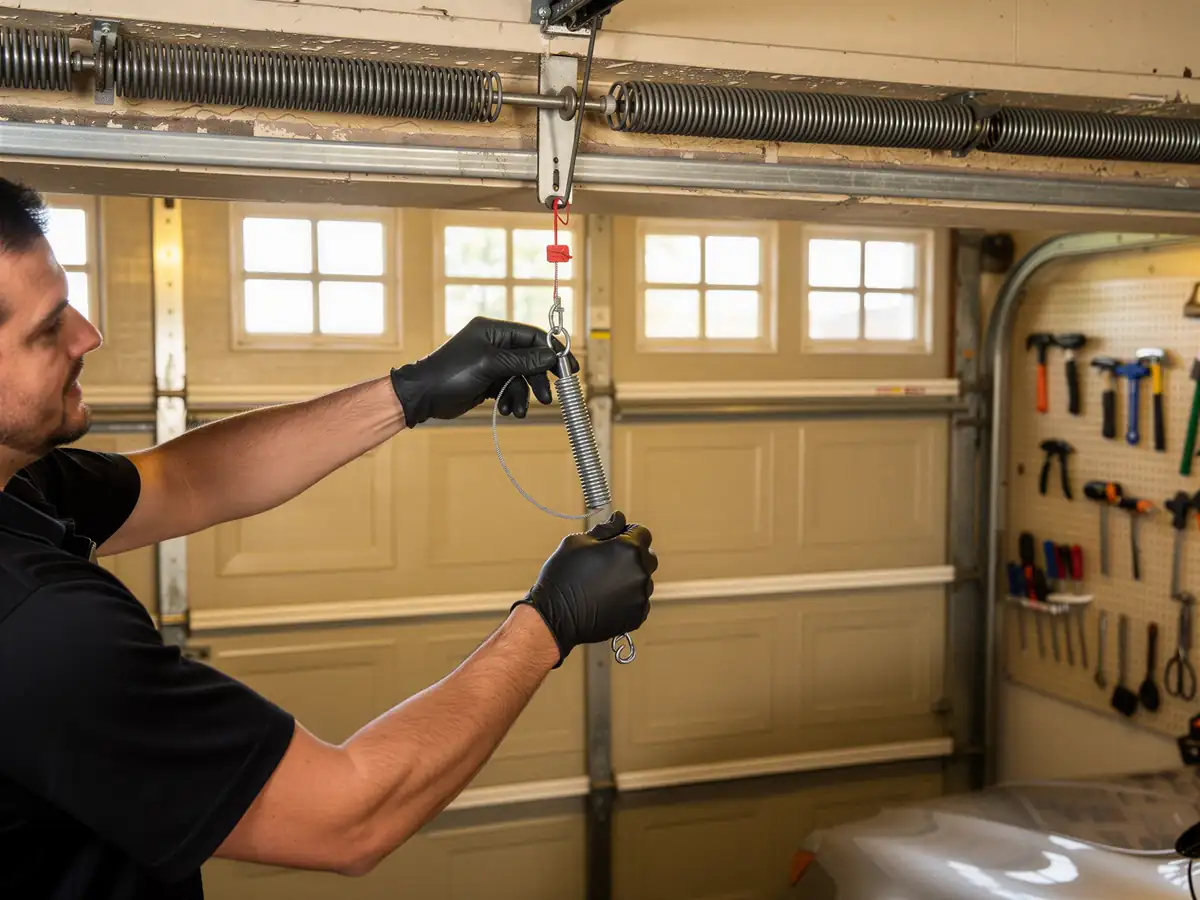
Most houses in Mendota Heights went up around 1983, which puts the garage door hardware squarely in a specific window. Builders in that era were still hanging a lot of doors on extension springs rather than torsion bars, running them on light-gauge track with steel hinges that have had four decades of Minnesota winters to work on them. The openers from that stretch are often chain-drive units with mechanical limit switches, not the newer screw-drive or belt setups - and at 40-plus years old, a lot of them are simply at the end of their service life rather than broken by any one event. Cold is the other factor. This area sits in a cold climate band, and steel contracts hard in a deep freeze. An extension spring that's been stretching and relaxing since the Reagan administration doesn't need much of a cold snap to let go. We see the same pattern across the 1980s-90s housing stock that makes up a lot of the suburbs we cover from Hopkins, but Mendota Heights households sit on the newer end of that window, closer to 1983 than some of the areas we work that lean toward the 1957 end of the range.
The DIY Question
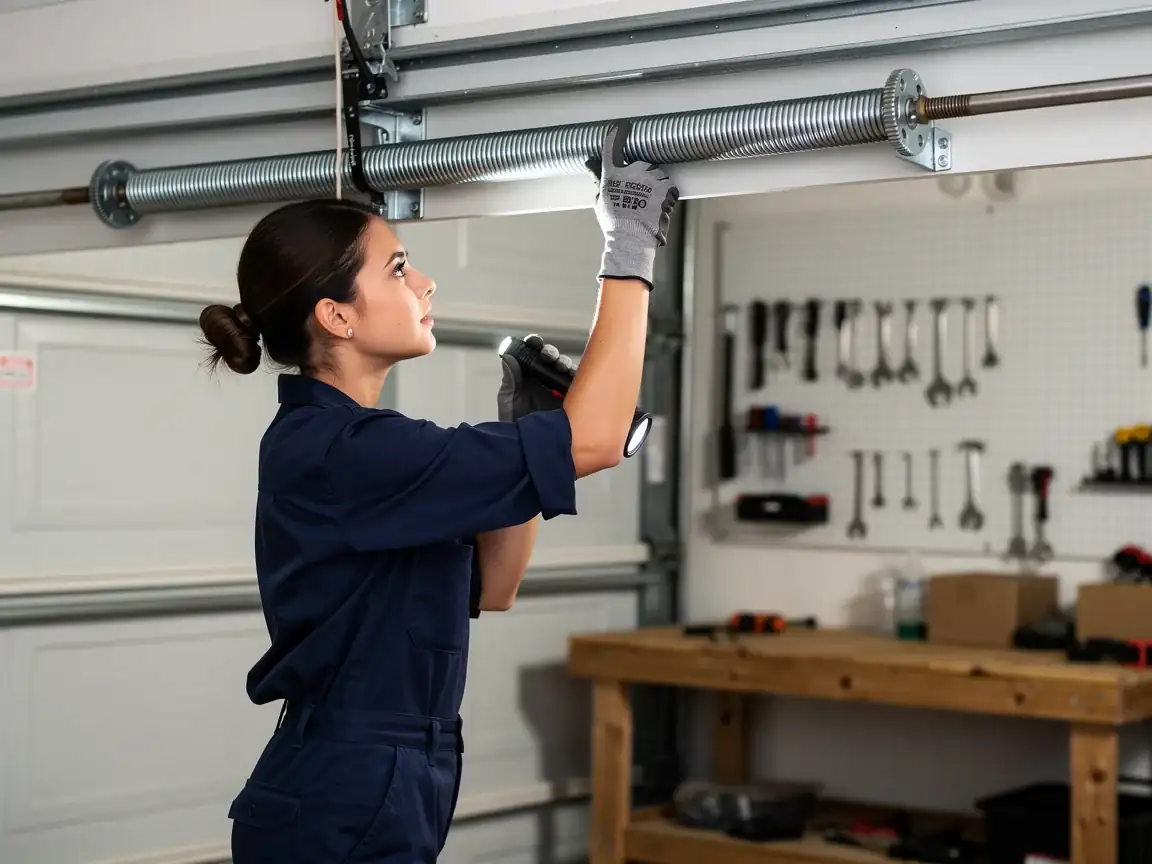
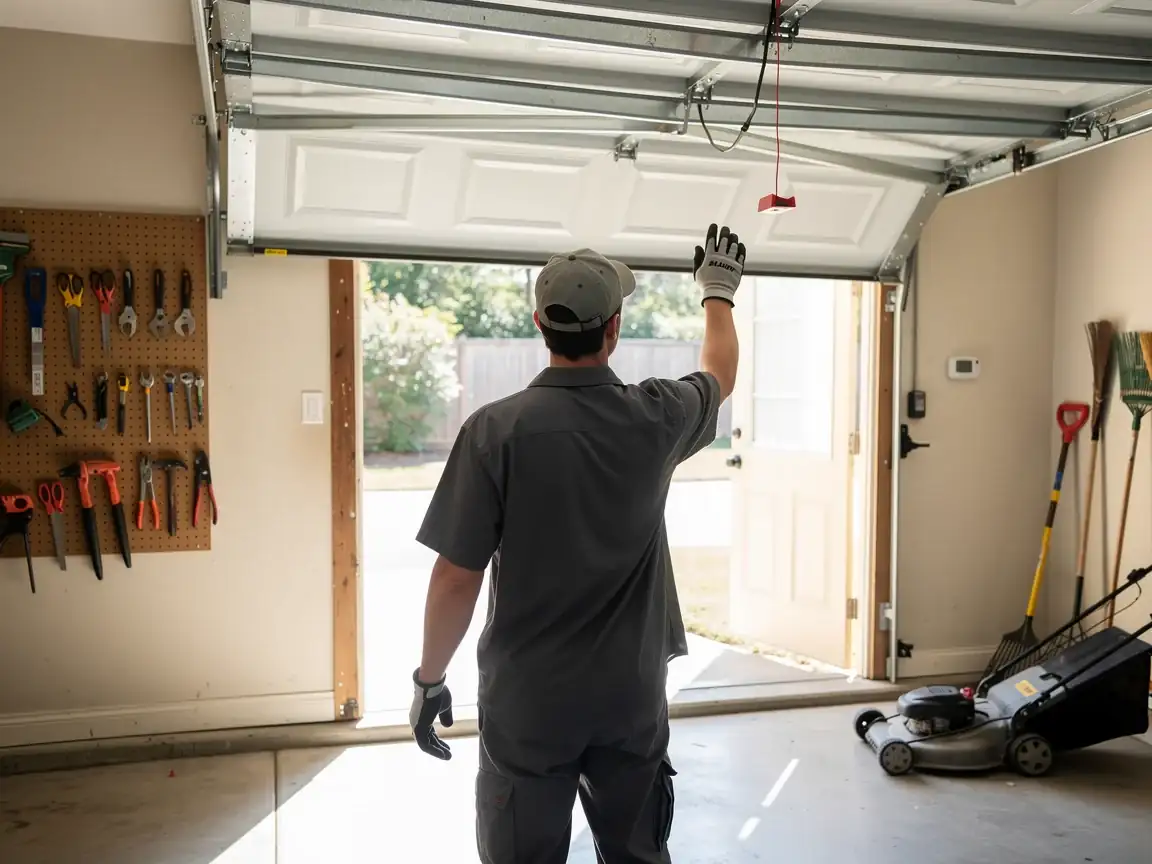
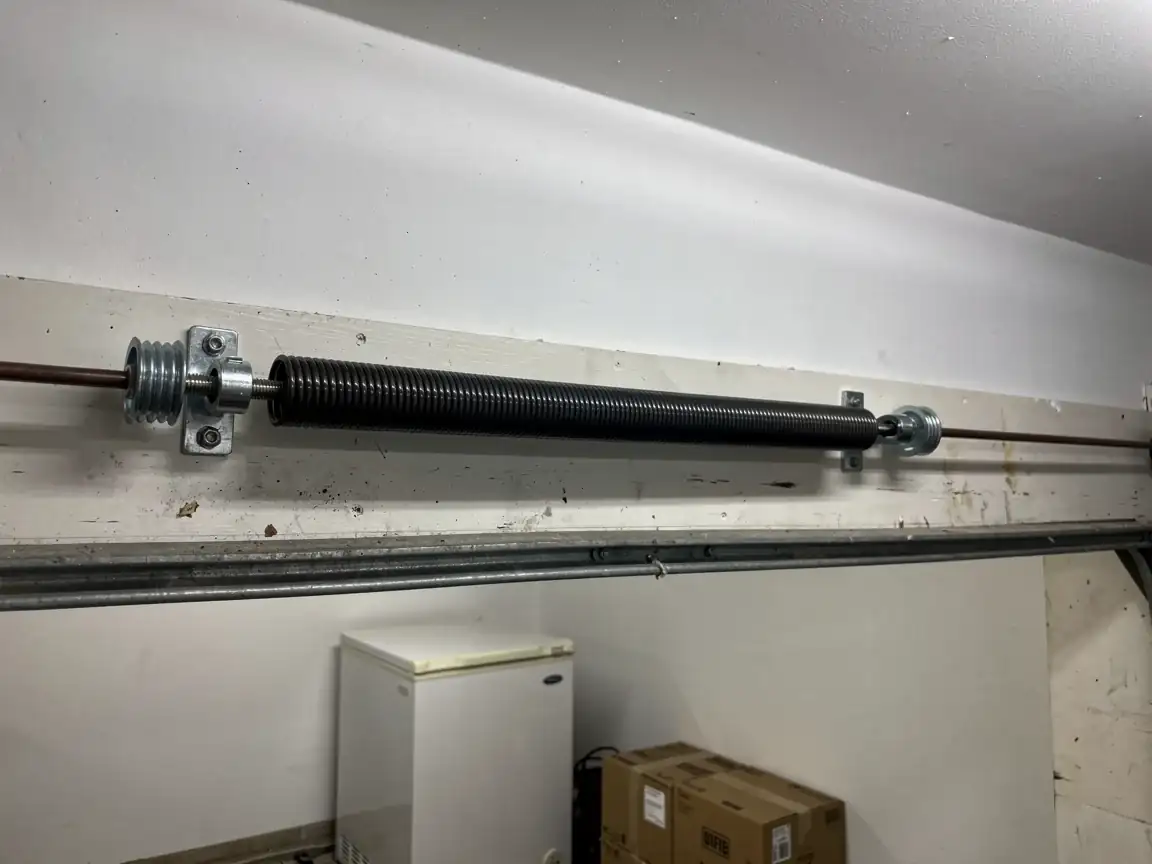
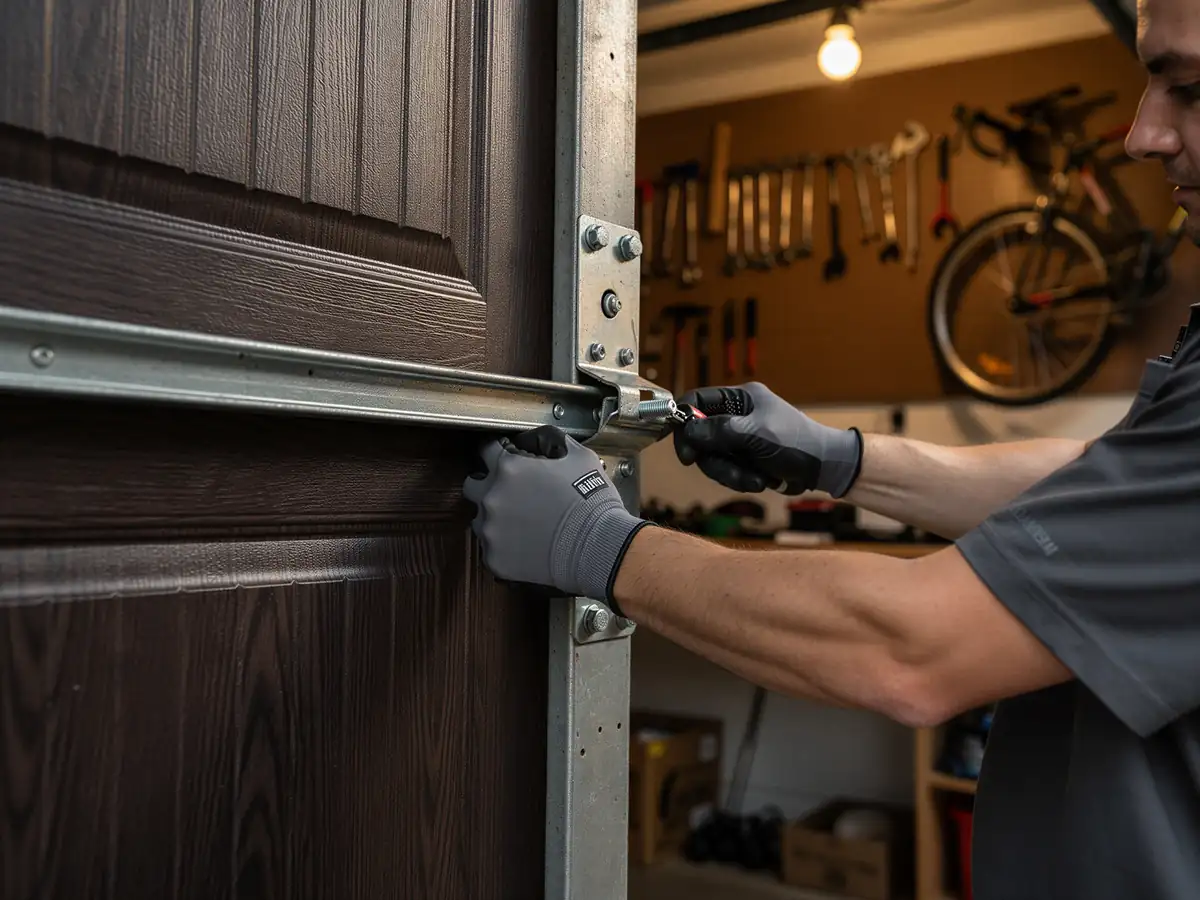
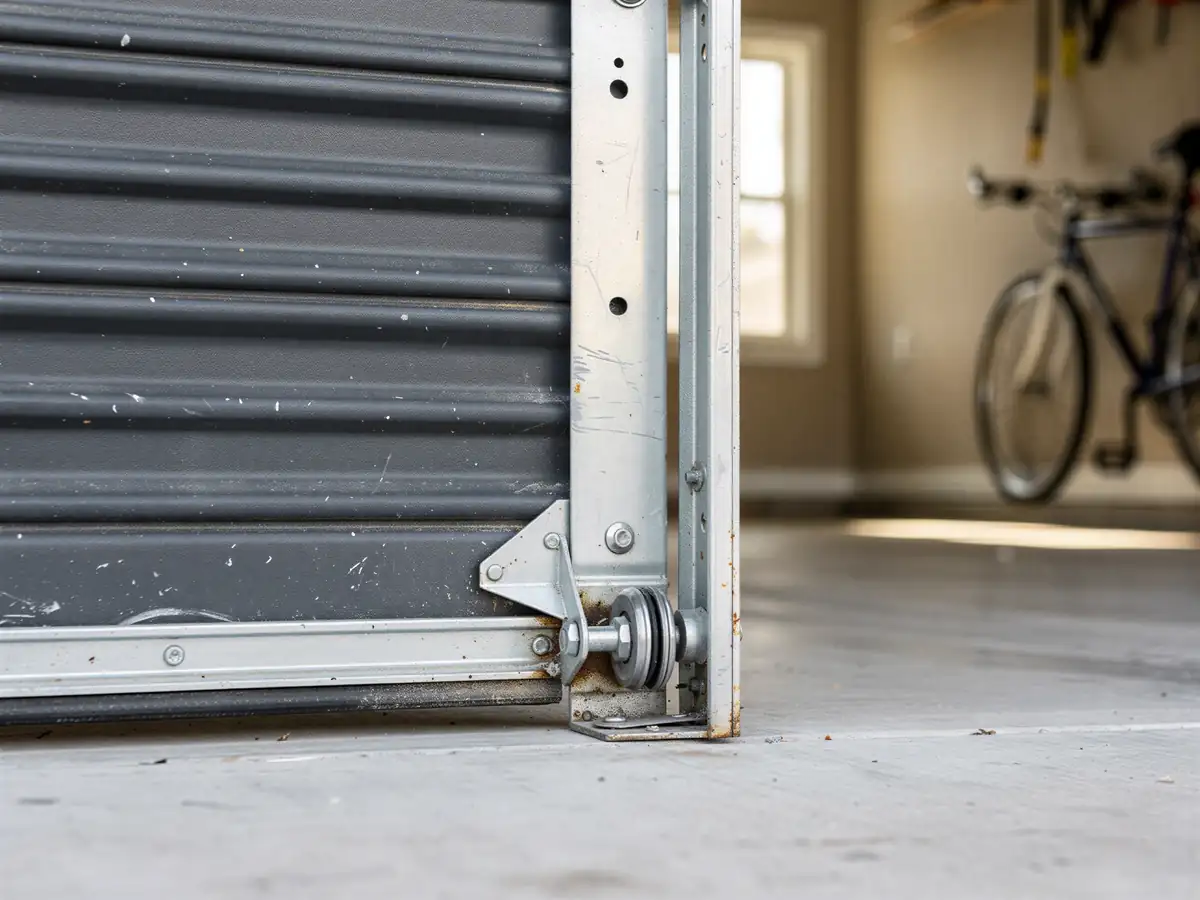
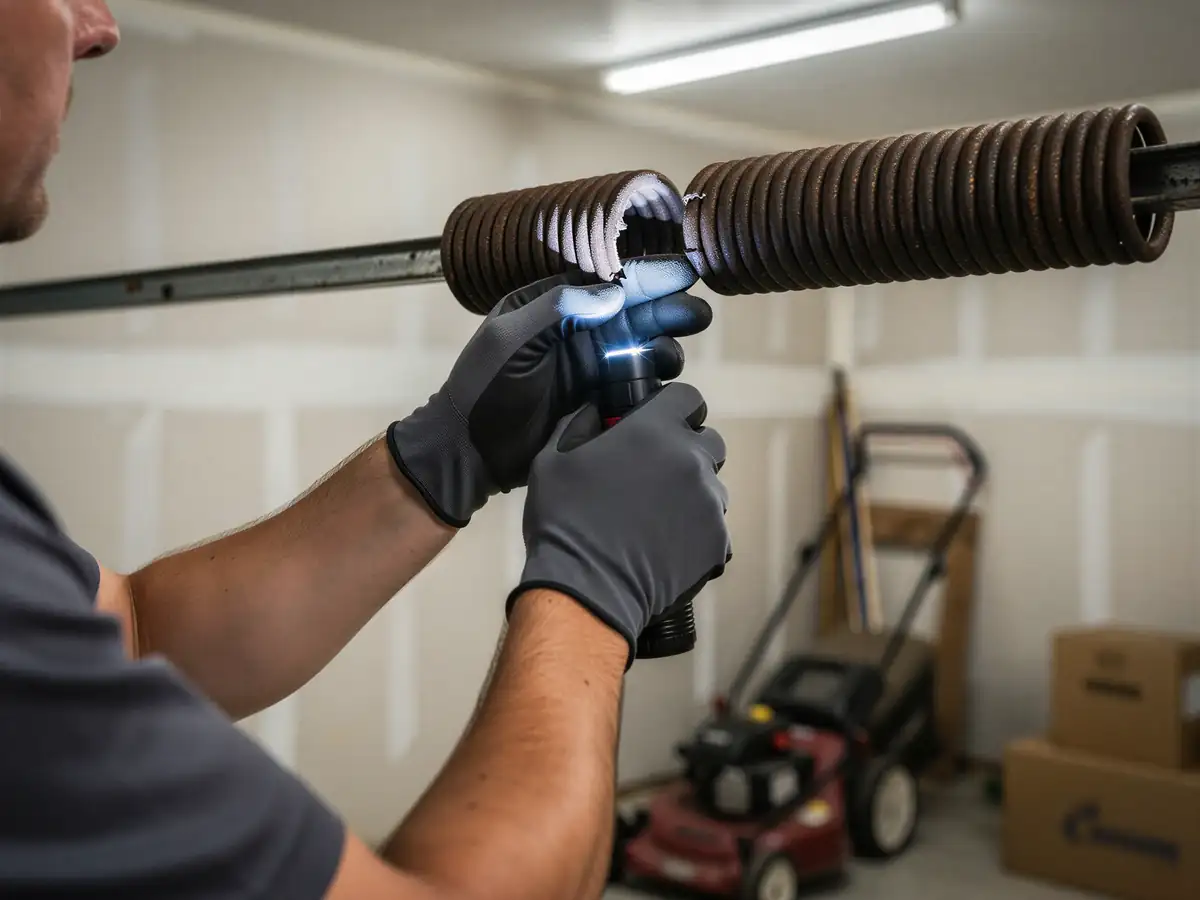
An extension spring under tension is not a safe thing to unhook yourself, and on a door built in 1983 you're also dealing with hardware that's been flexing for decades - a hinge or end bearing plate that looks fine can let go the moment you put a wrench on it. If the door won't open and you can see a spring hanging open with a gap in the coil, that's a broken spring, not a track problem, and it's not a tighten-this-bolt fix. We'd rather get a call before you're under the door with a ladder and a pry bar. If it's just an opener that stopped responding to the remote, check the wall switch first - half the