The Complications
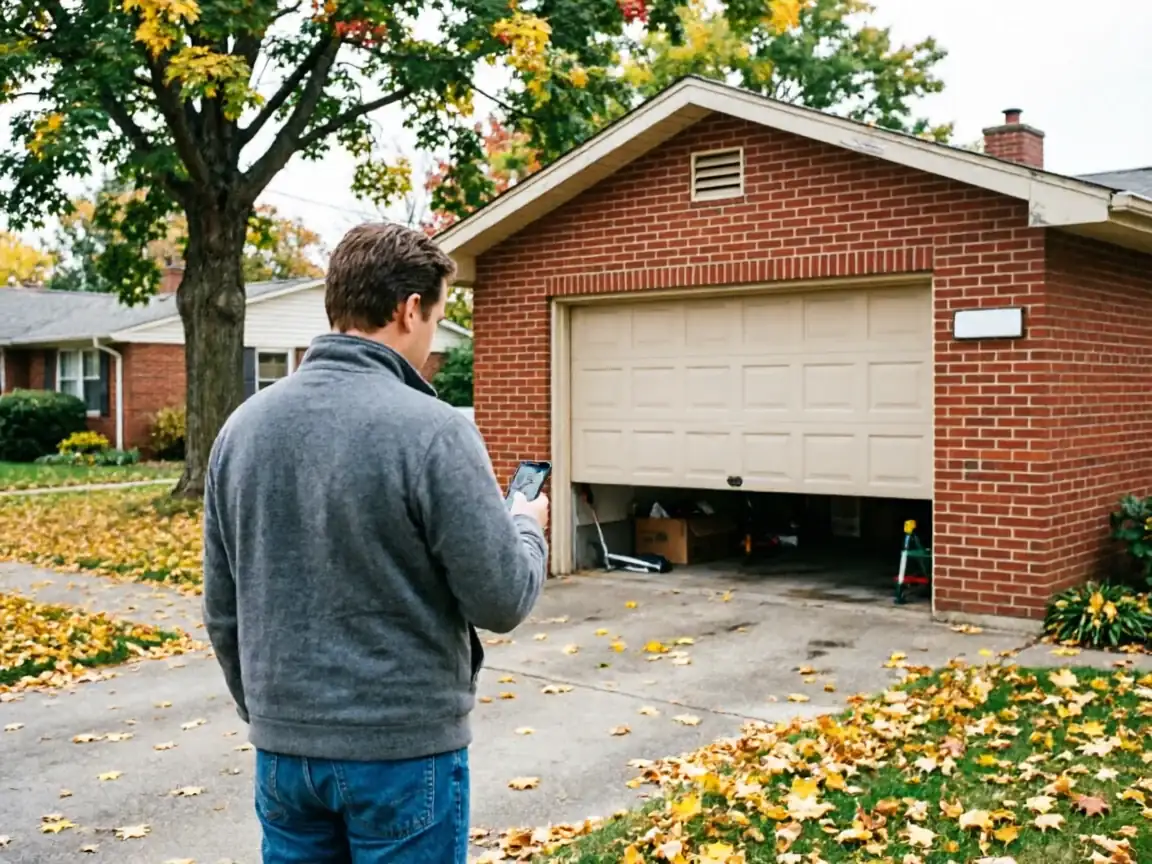
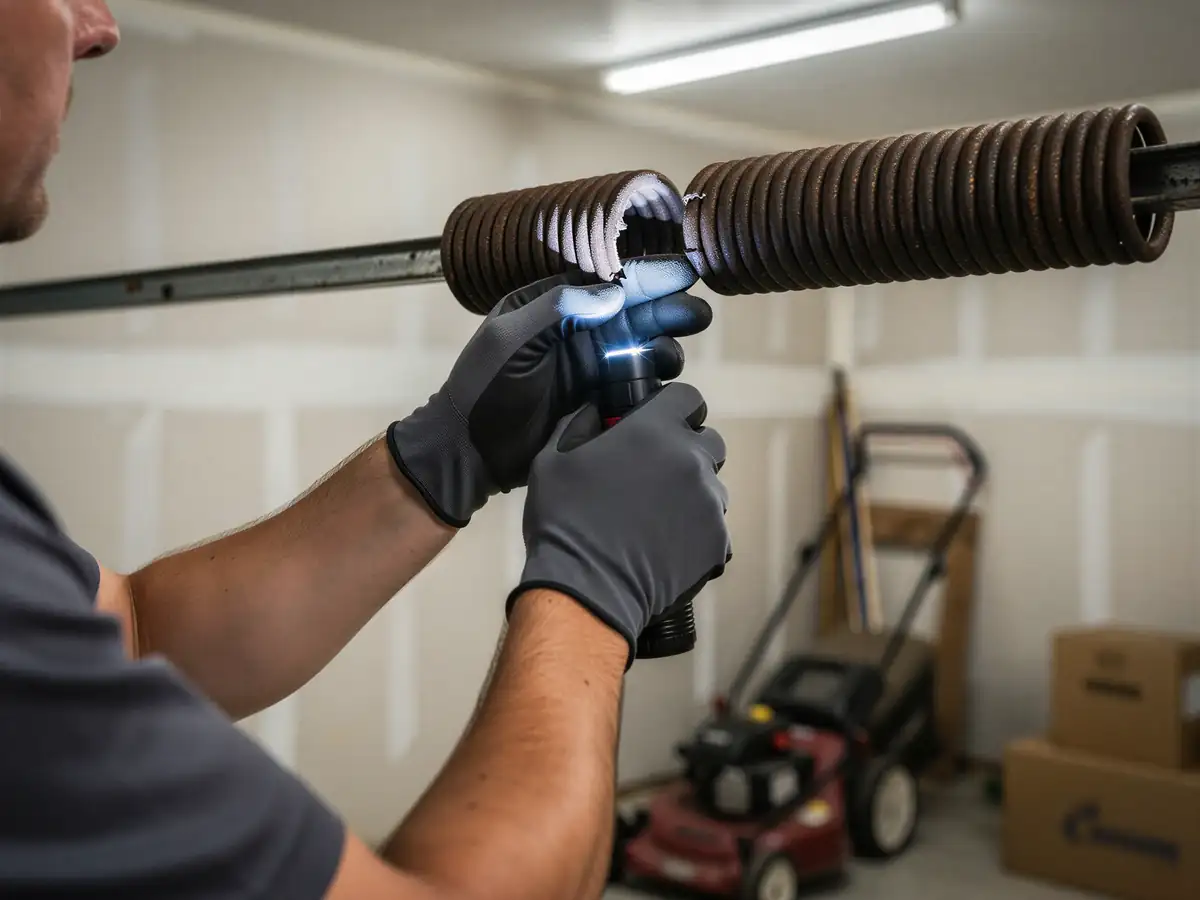
Mendota Heights sits at a median household income of $132,935, well above the $116,500 median across the areas we cover out of Hopkins. That number matters here because it changes the math on a broken spring. In a lot of our service area, a cracked torsion spring on an aging door is the moment an owner decides to replace the whole unit. In Mendota Heights, with houses built around 1983 on average, the doors are usually still worth keeping - the opener, the track, and the panel are often in decent shape even when the spring has given out. The complication isn't the house, it's the spring itself: a torsion spring that's cycled for close to forty years doesn't fail cleanly. It can go on a cold morning when the steel is stiff, or snap mid-cycle and drop the door unevenly on one side. We're coming from Hopkins, about 14 miles out, so when we look at a job here we're already assuming a door from that mid-80s build era, not something older or newer, and that assumption shapes what parts we bring.
The DIY Question
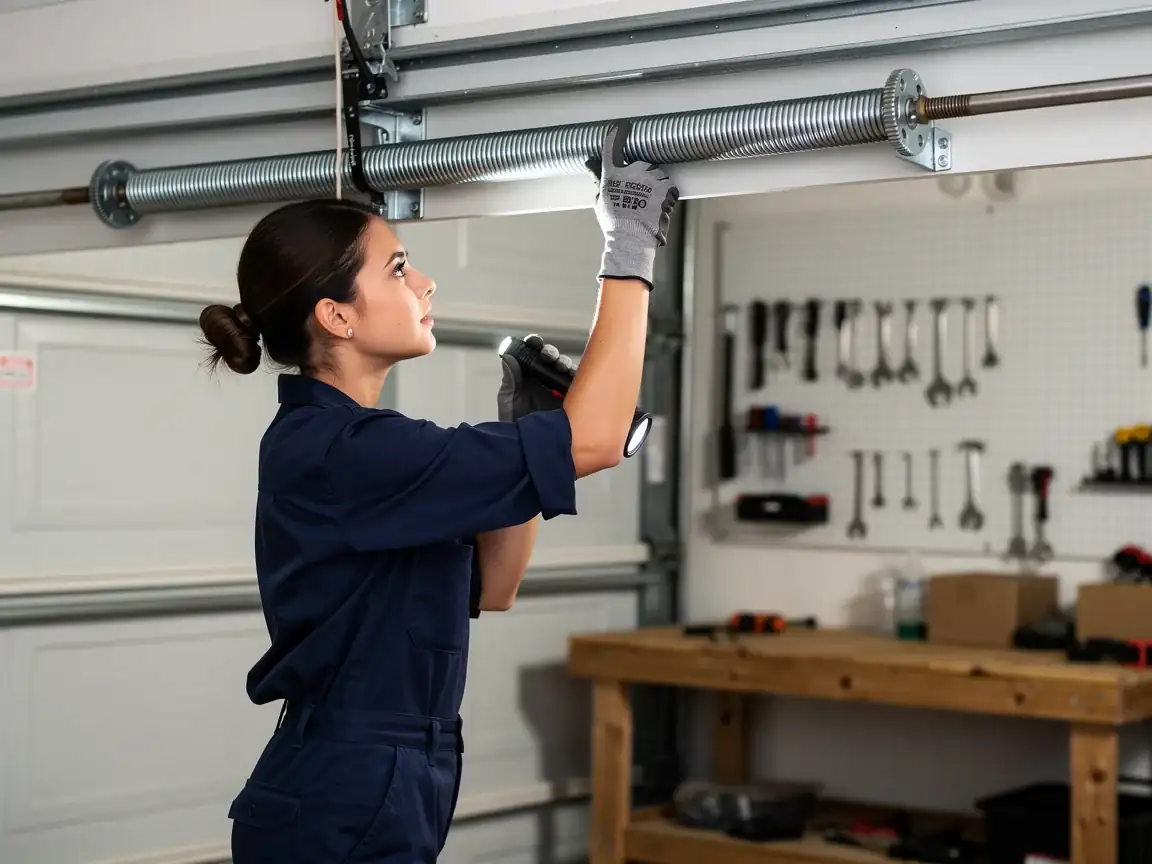
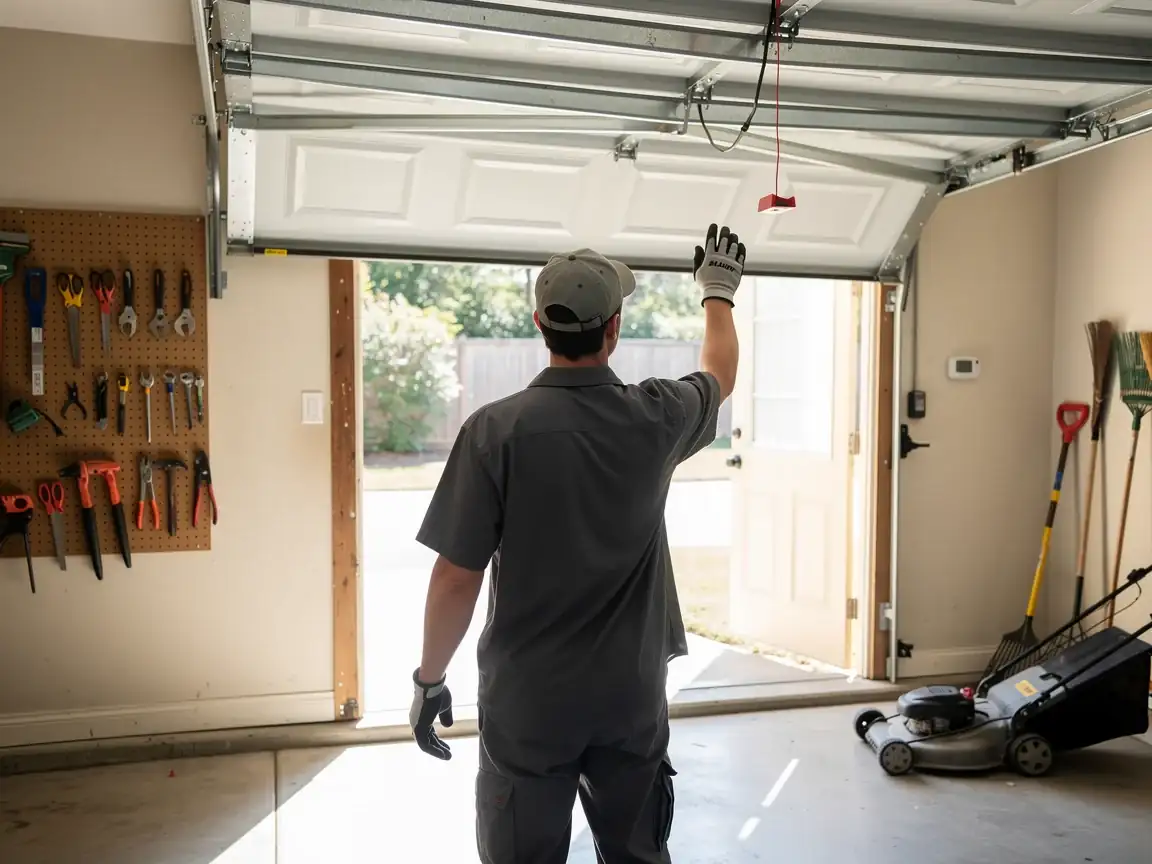
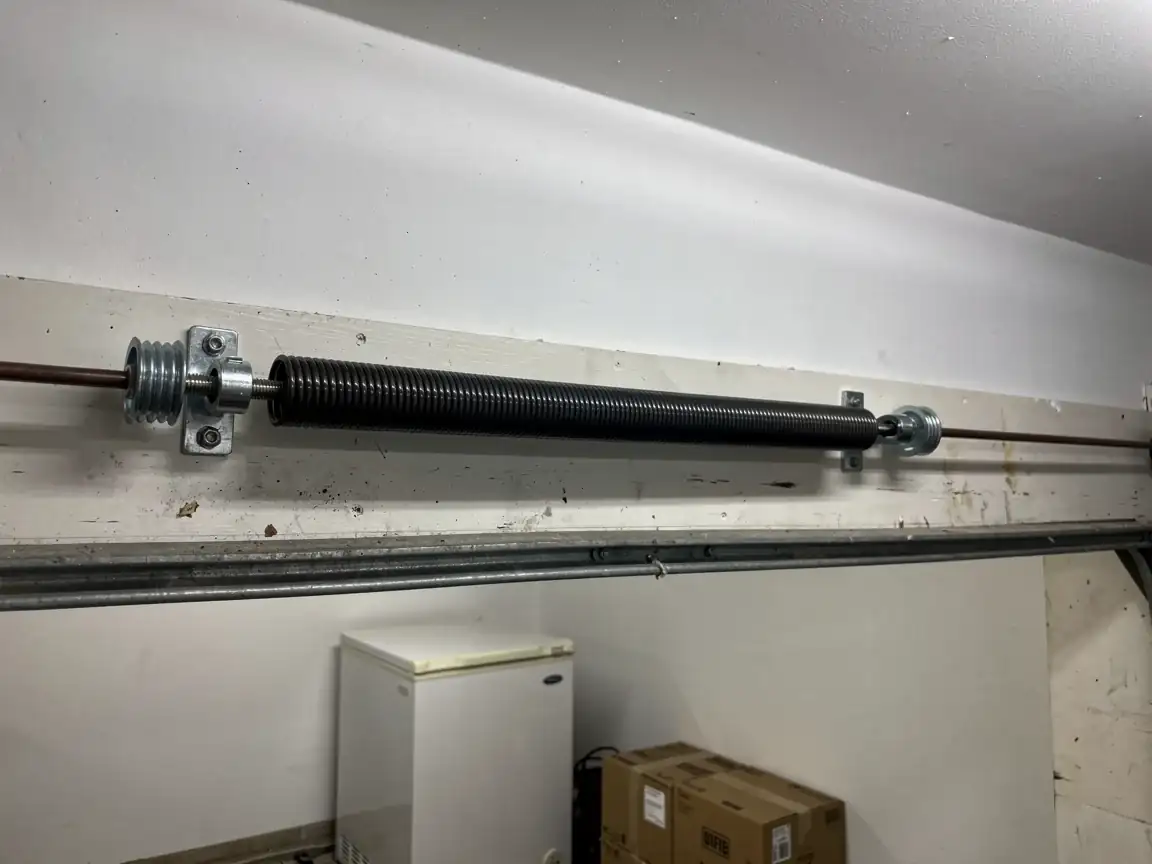
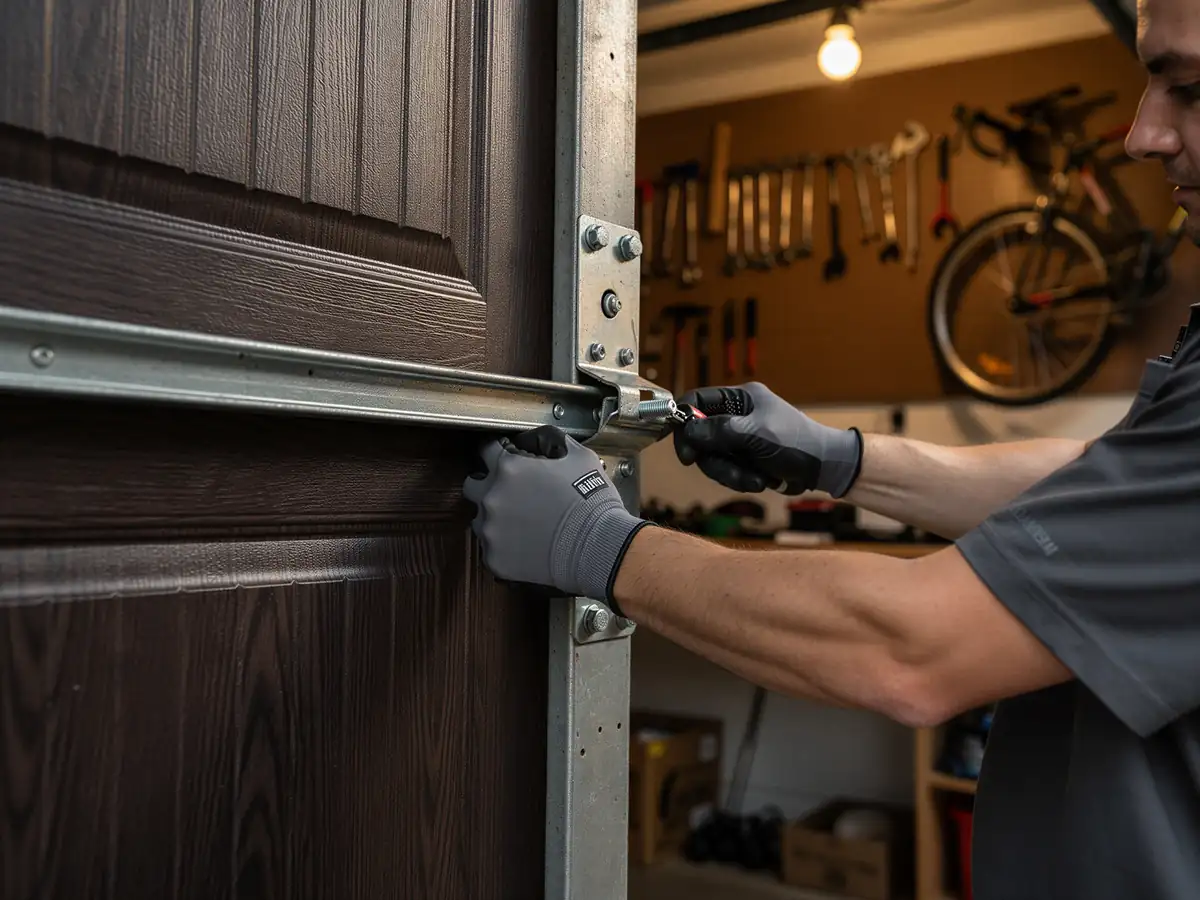
A torsion spring is wound under enough tension to hurt you badly if the winding bars slip, and extension springs aren't much gentler if a cable lets go. That's true everywhere, not just here, so it's not really a Mendota Heights-specific warning - it's just the honest one. What is specific: with a median income of $132,935 and houses mostly in good repair, the doors we see here tend to have the original hardware still in use, not a patched-together mix of parts from three different repairs. That's actually the case where DIY goes wrong fastest, because the spring looks original and intact until the moment it isn't. If you're set on doing it yourself, at minimum match the wire size and wind direction to what's already on the shaft - don't guess from a hardware store chart.
Why This Fails Locally
The winters here put real cycles of cold on a garage door spring, and the climate band across our service area is cold-moderate - temperature swings that make steel stiffer and more brittle right when the door gets used the most. A spring that's near the end of its life often picks the coldest morning to let go, because the metal has the least give. For a 1983-built house, that spring has likely been through three to four decades of that cycle, and the failure point is almost always fatigue, not a defect. This isn't a Mendota Heights-only problem, but it lands here on a predictable timeline because the housing age is predictable: most of the stock in this corner of our area went up within a narrow window, so a lot of these springs are aging out around the same time.
What You Pay
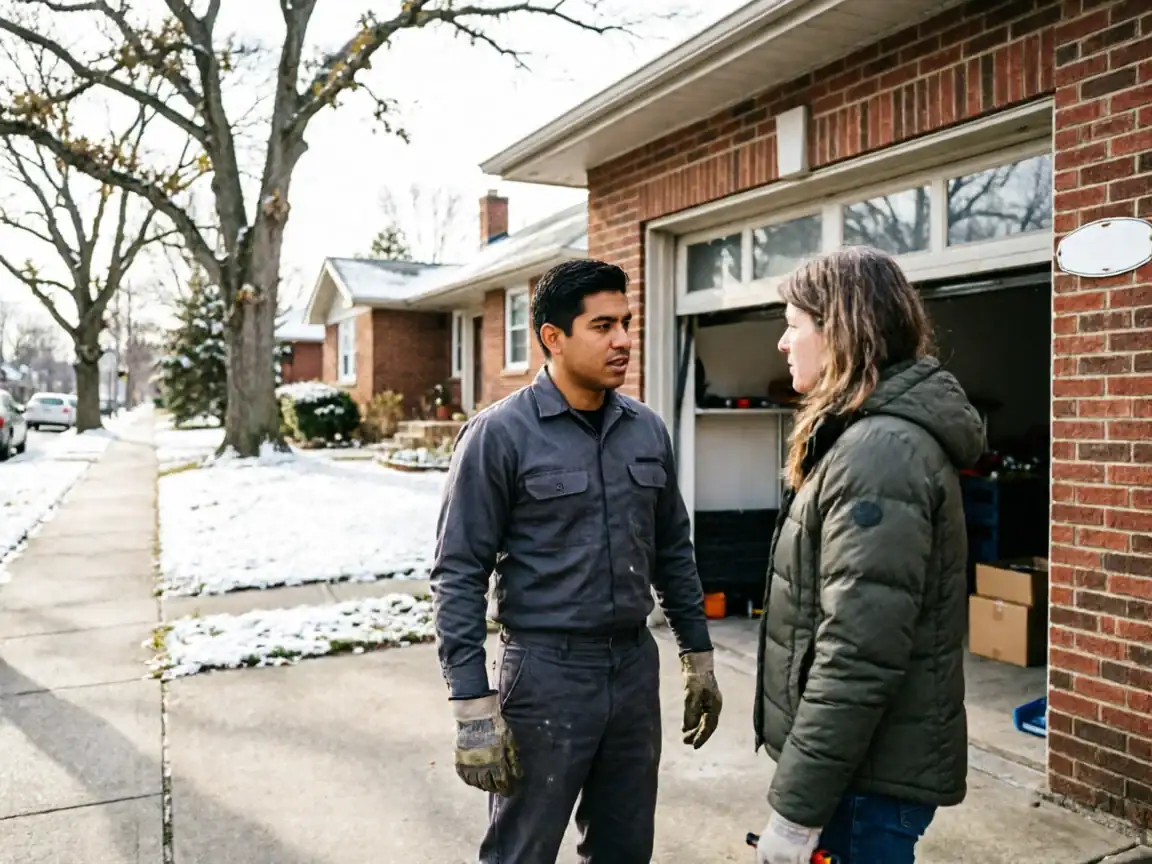
We don't have a posted price list for this page, and quoting a number without seeing the door would be a guess, which we won't do. What we can tell you is how the decision usually breaks down at this area's income level: with a median household income of $132,935, most owners here choose repair over replacement when the door itself is sound, since a spring swap costs a fraction of a new door and opener. Replacement starts making more sense if the door's track or panels are already failing alongside the spring, not before.