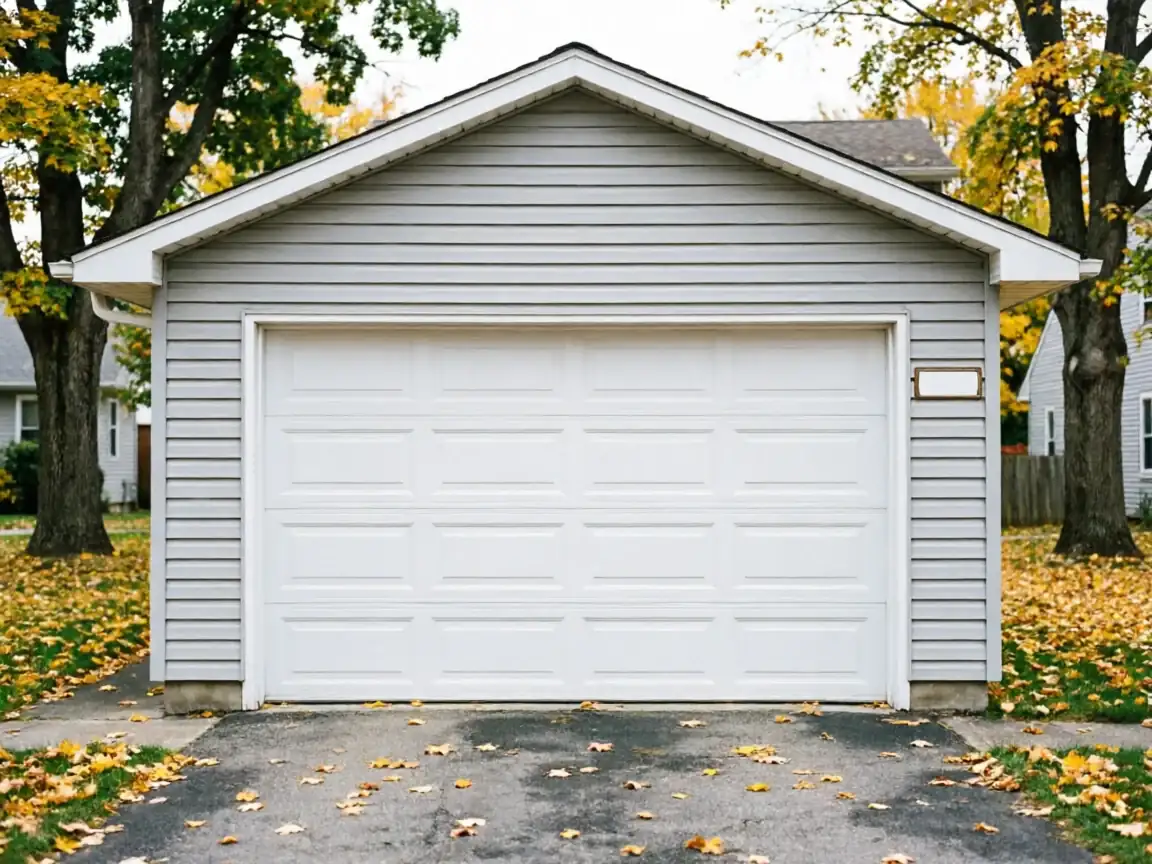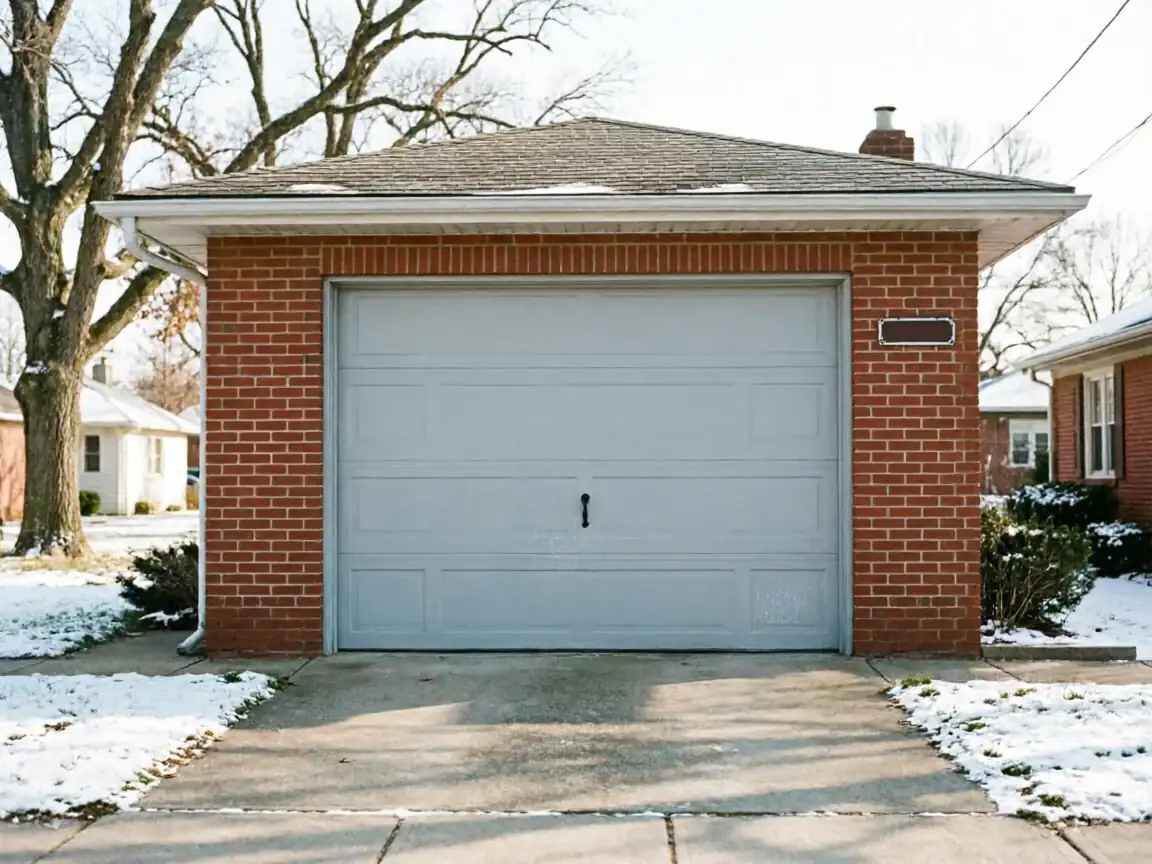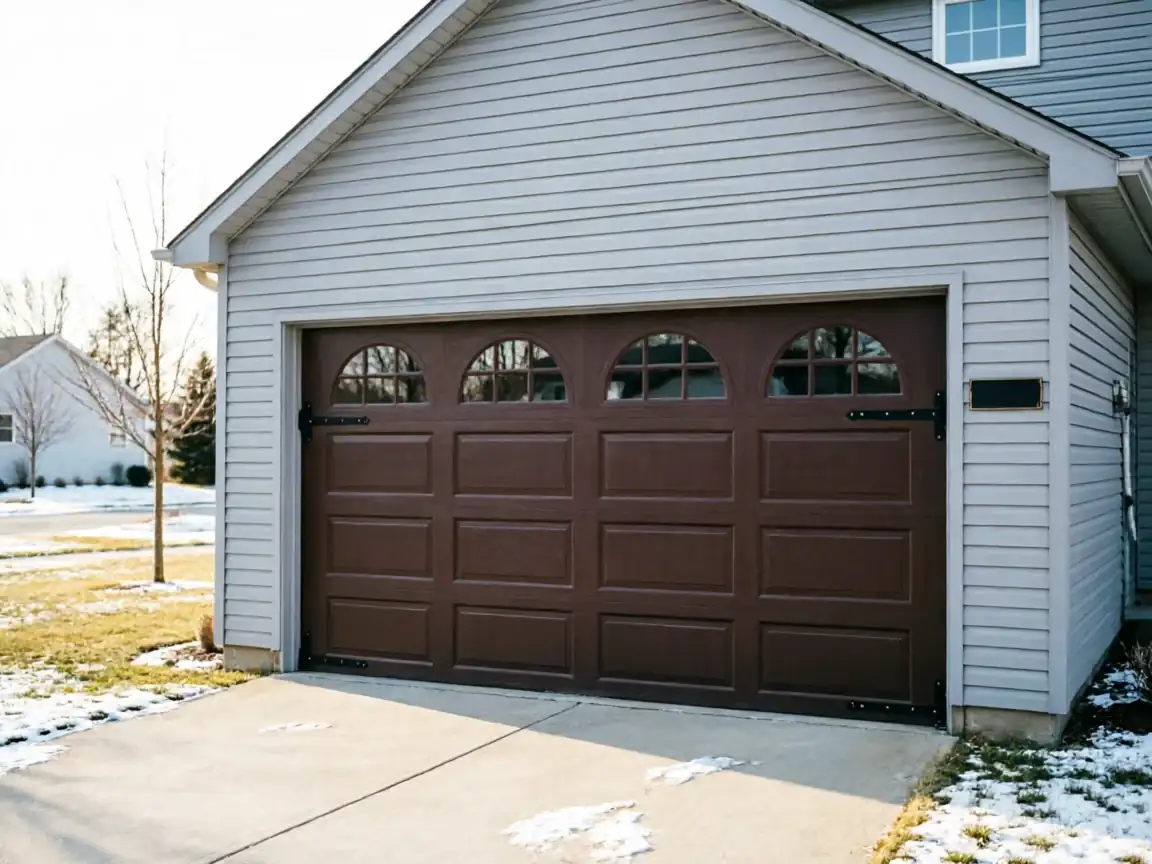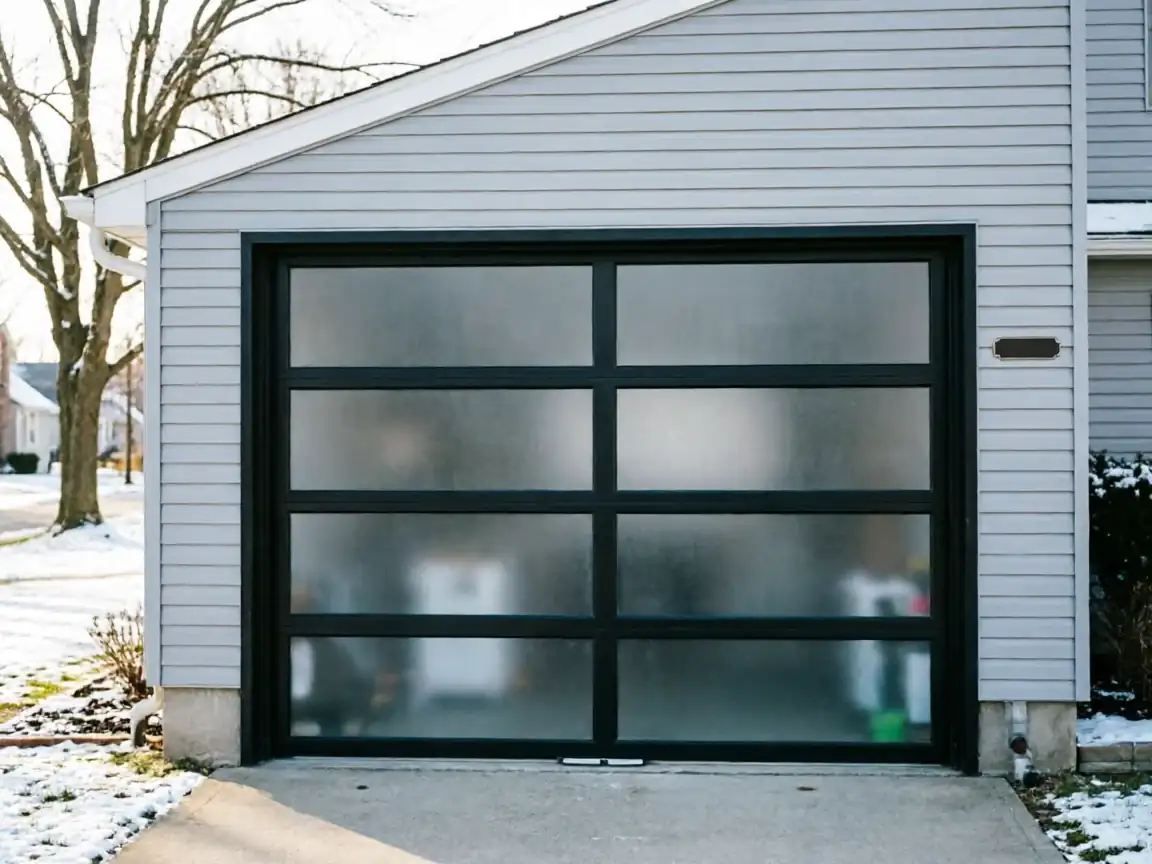
The Complications
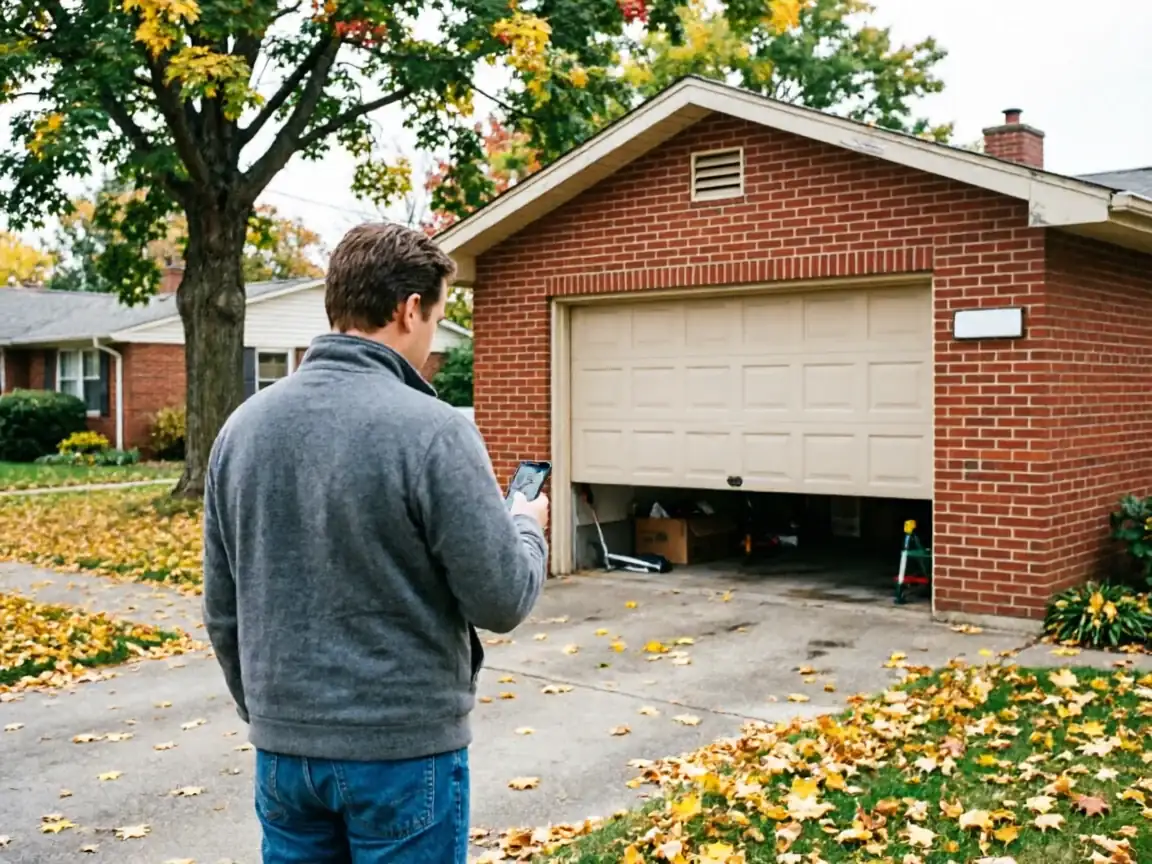
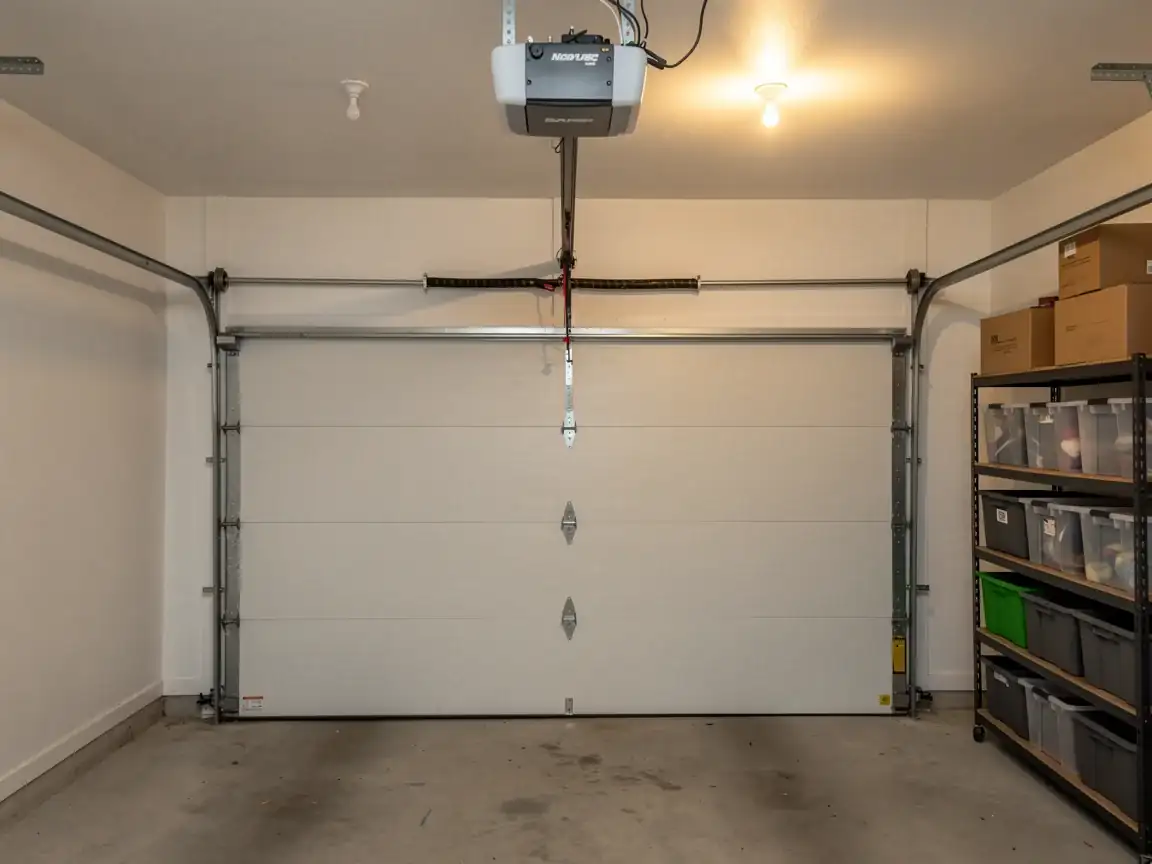
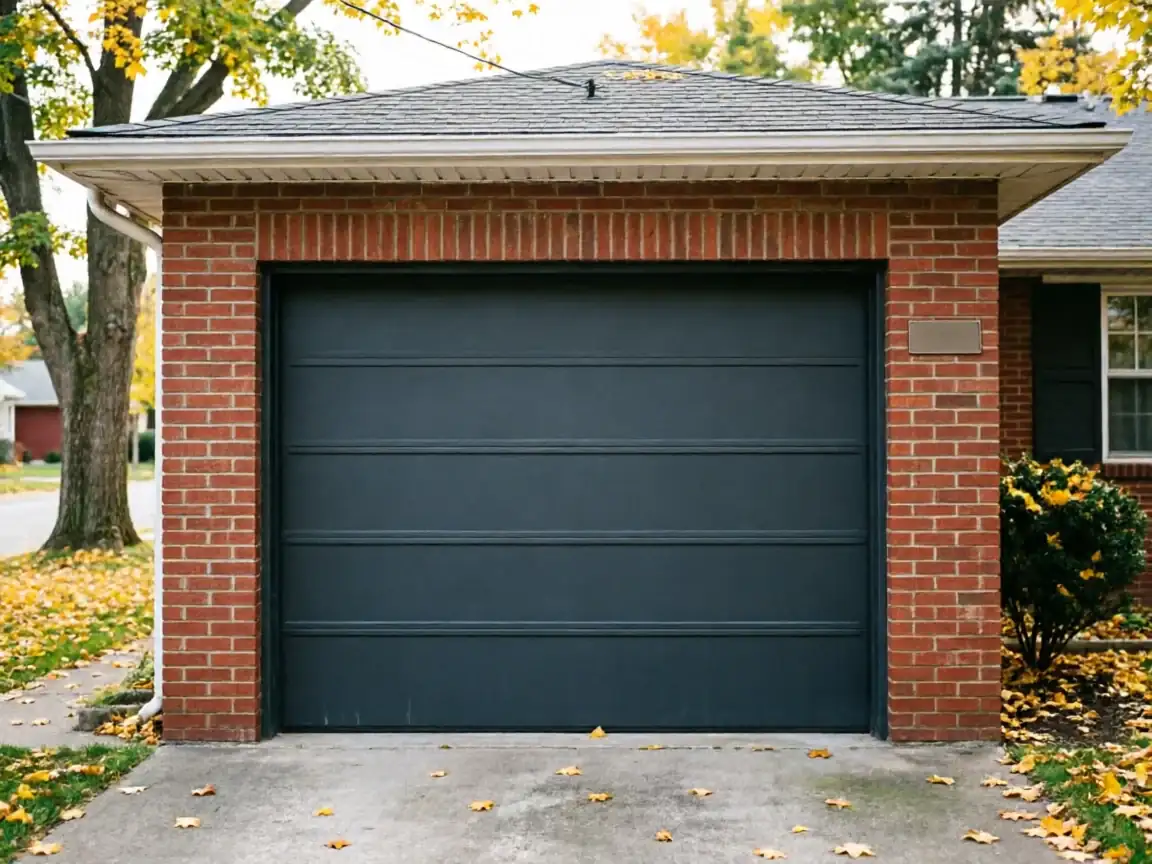
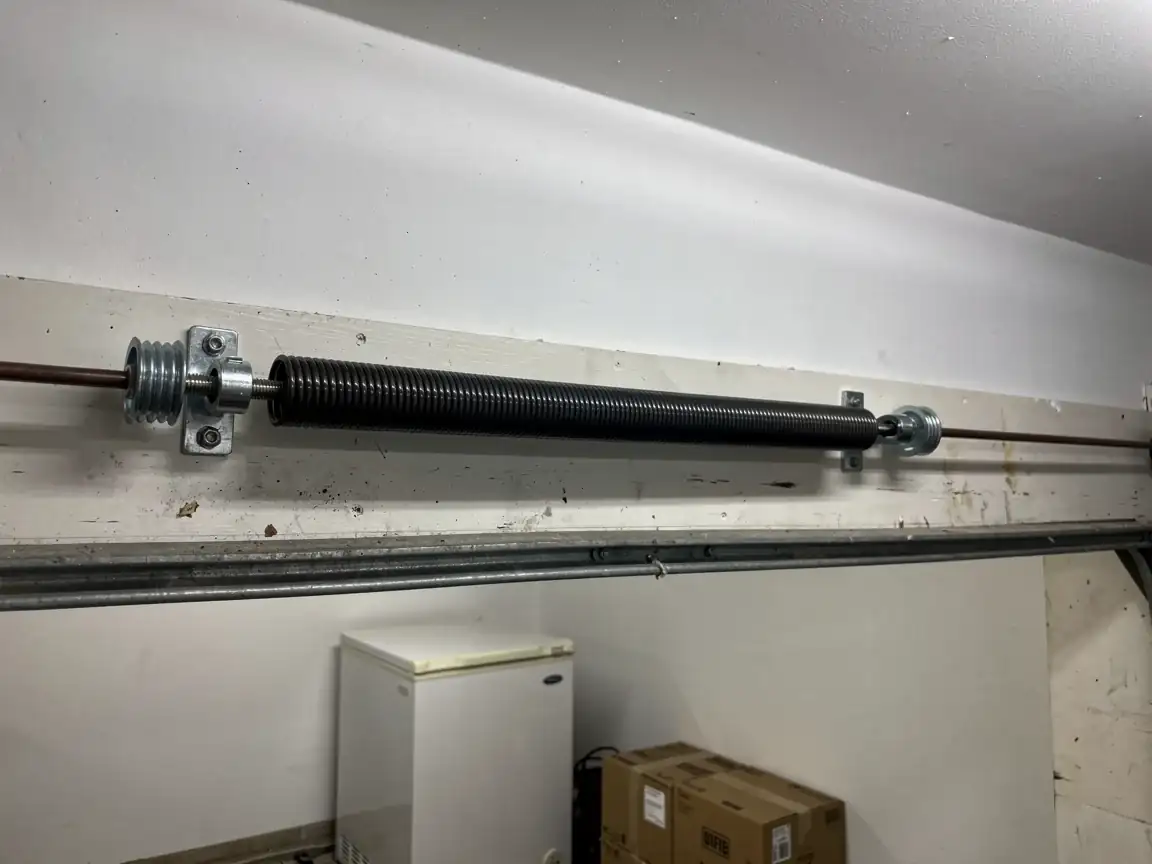
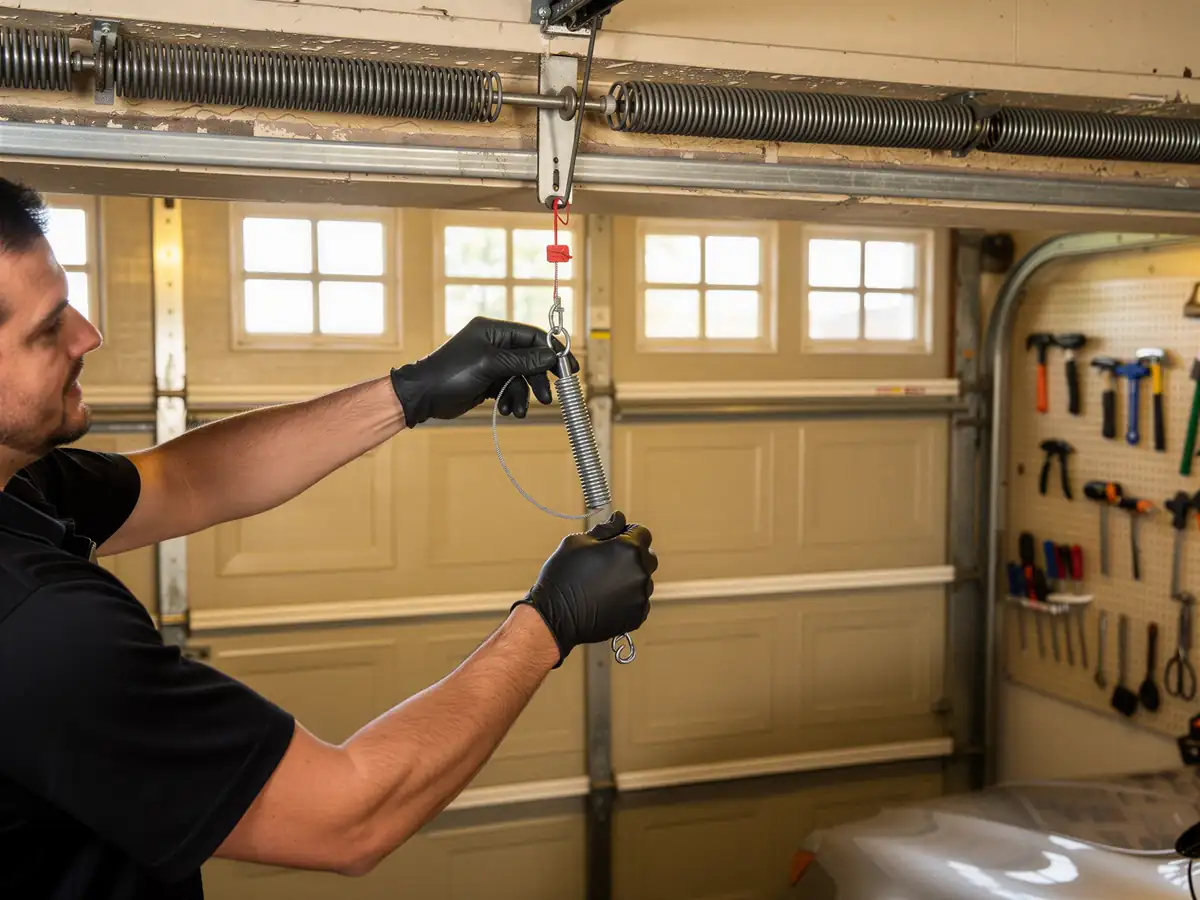
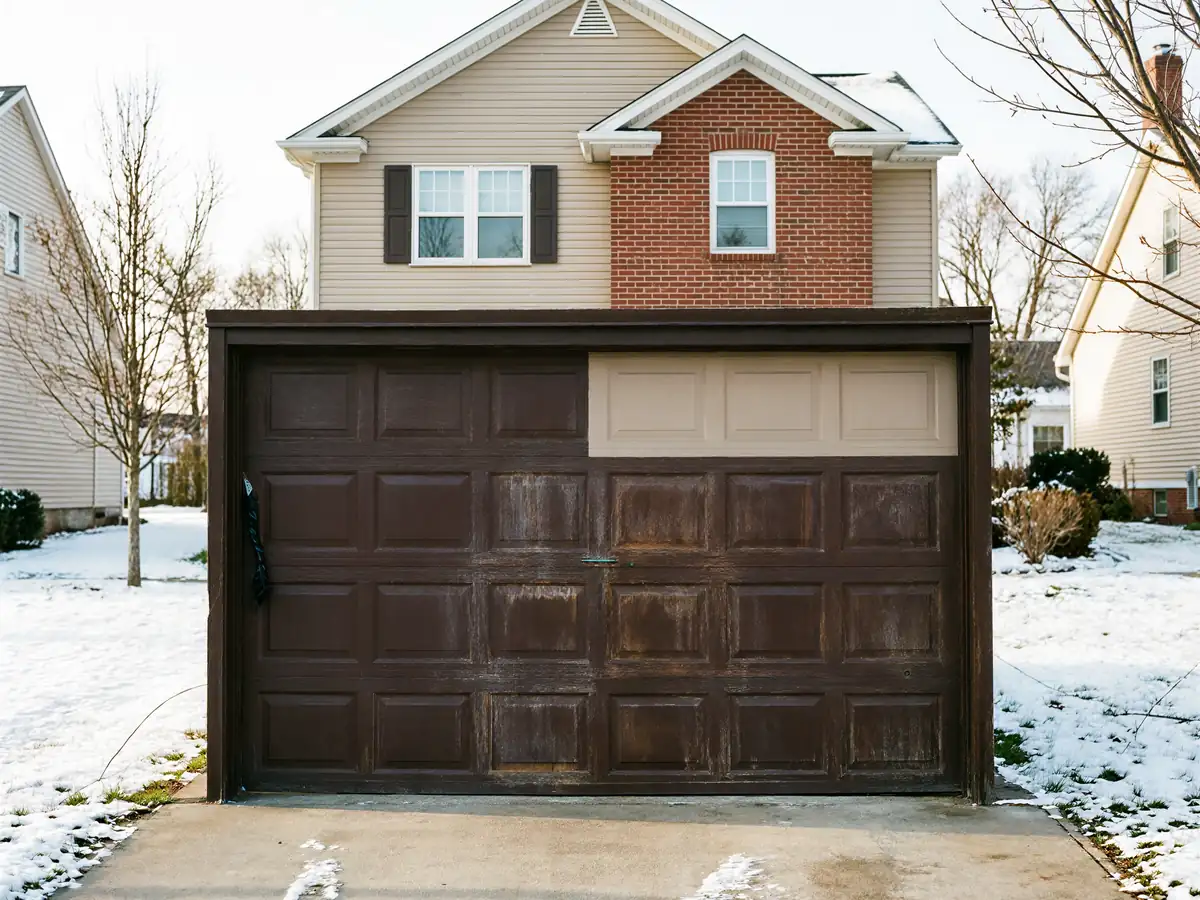
If your house in Mendota Heights went up around 1983, there's a decent chance the garage door hardware under that door has never been swapped out. Torsion springs, the drum, the cable, even the original opener - a lot of these systems just keep running until something snaps, because nobody thinks about a garage door until it stops working. That puts a huge share of this town's housing stock, built in the same stretch as the broader 1957-2005 window seen across the service area, on borrowed time with original parts.
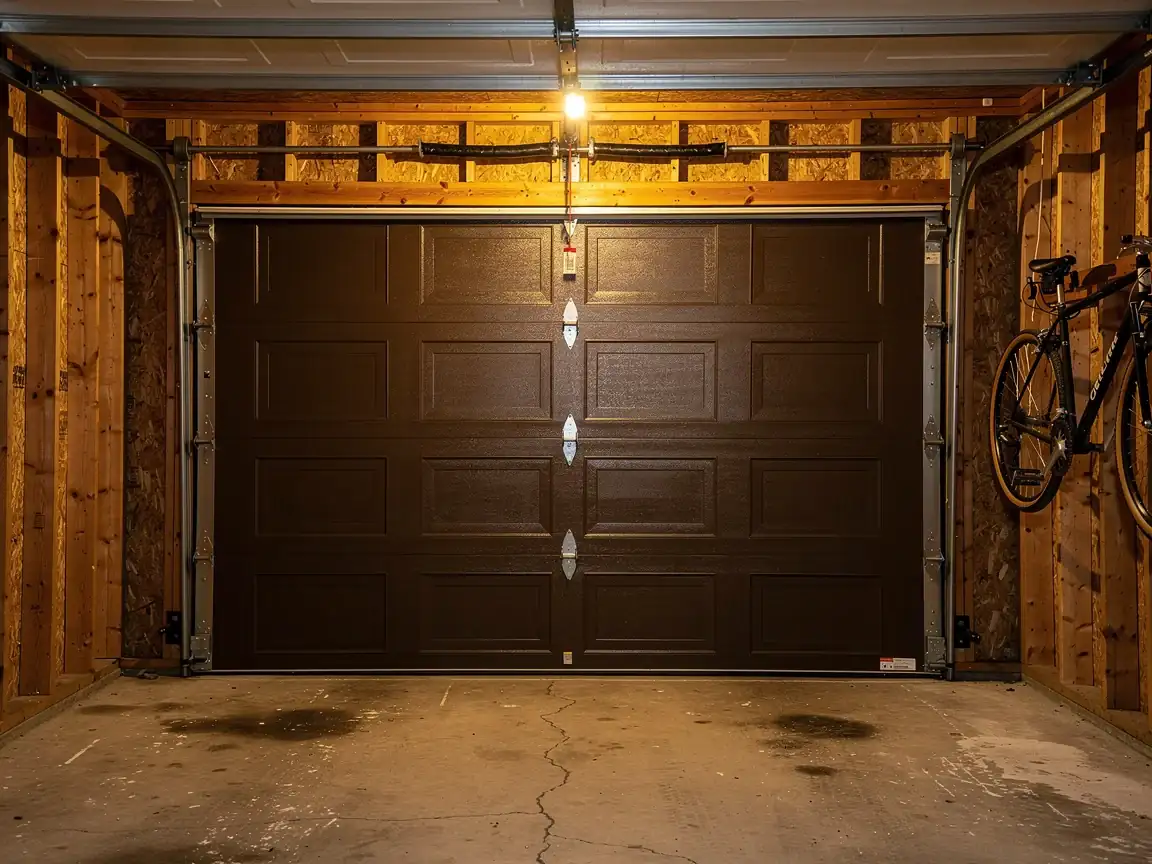
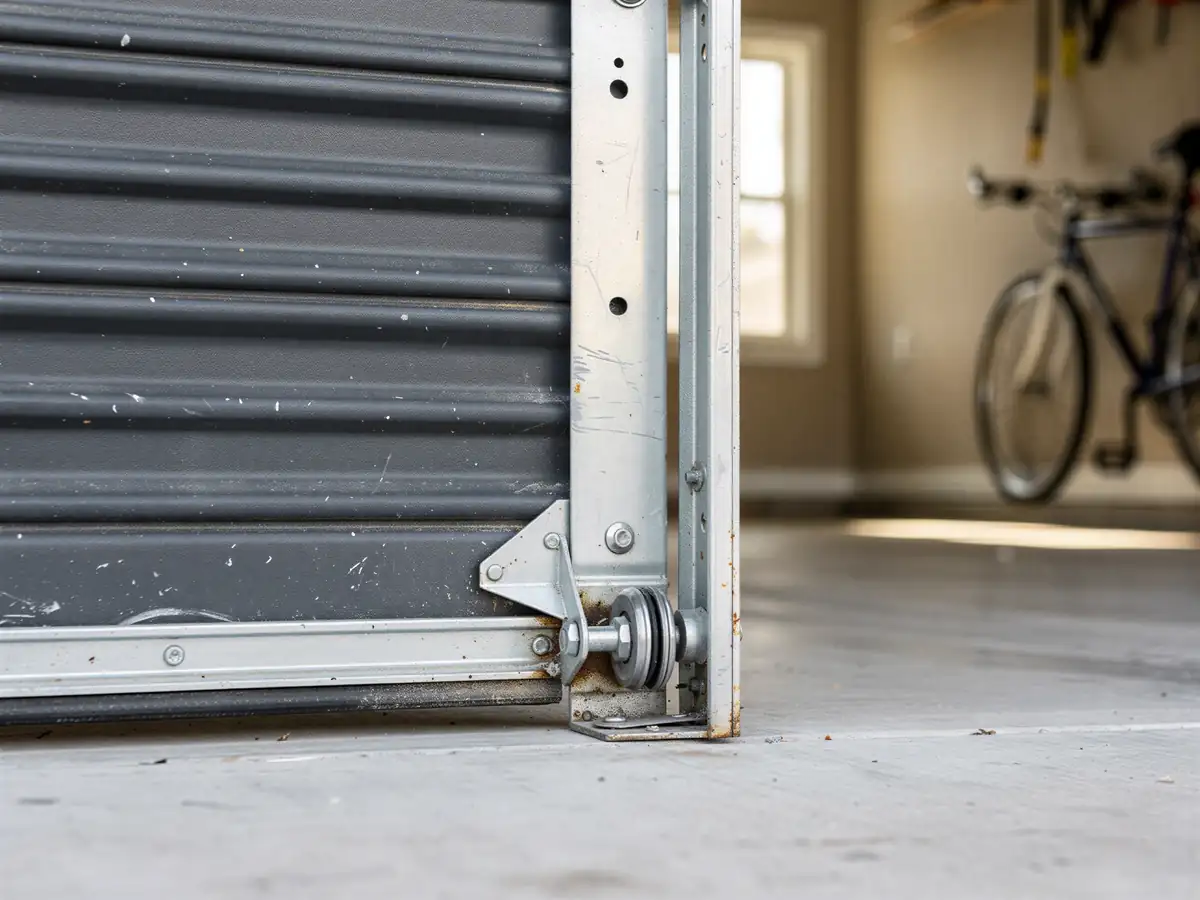
The complication isn't just age. It's that a door install here means matching new hardware to an opening that was framed to 1980s standards, which don't always match what's sold off the shelf today. Track height, header clearance, and spring sizing all get checked against the actual opening, not guessed from the build year alone. Skip that step and you get a door that binds, or an opener straining against a spring that's wound wrong for the weight of the panel. We measure first, then order, because an 1983-era opening isn't a universal fit for a 2024 door kit.
Stocked Parts
The truck comes from Hopkins, about 14 miles out
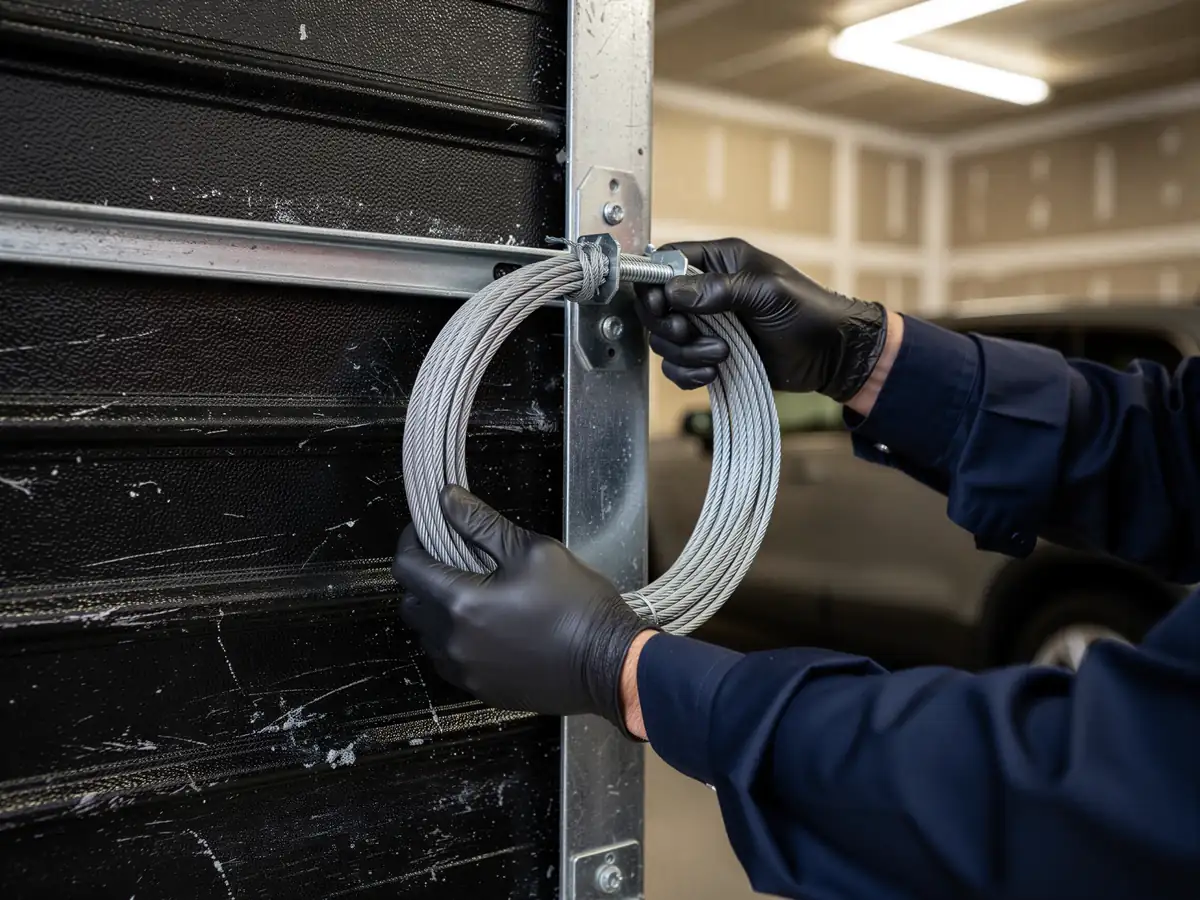
So what's stocked on it matters more here than it would for a job down the street from the shop. Common torsion springs, standard roller and cable sizes, and the hardware that fits most 1980s and 90s openings covering this area's housing stock - that's what rides along as a matter of course.
- 14 miles
What doesn't always ride along is a specific panel style or an odd-width track system from a builder who's long out of business
If your opening needs something outside the common sizes, that part gets ordered, and the job gets scheduled around when it lands. We'd rather tell you that up front than show up and discover it on-site. For repair work on an existing door rather than a full replacement, see our page on garage door repair in Mendota Heights.
The DIY Question
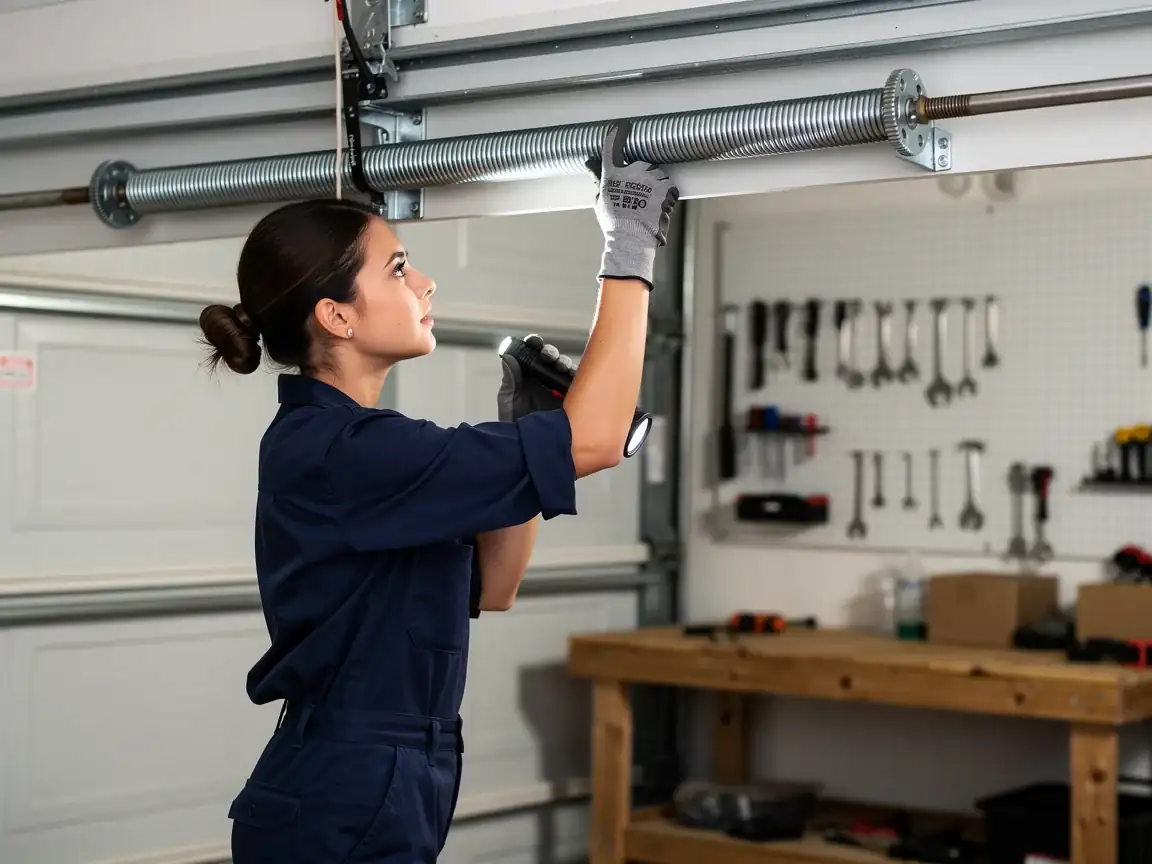
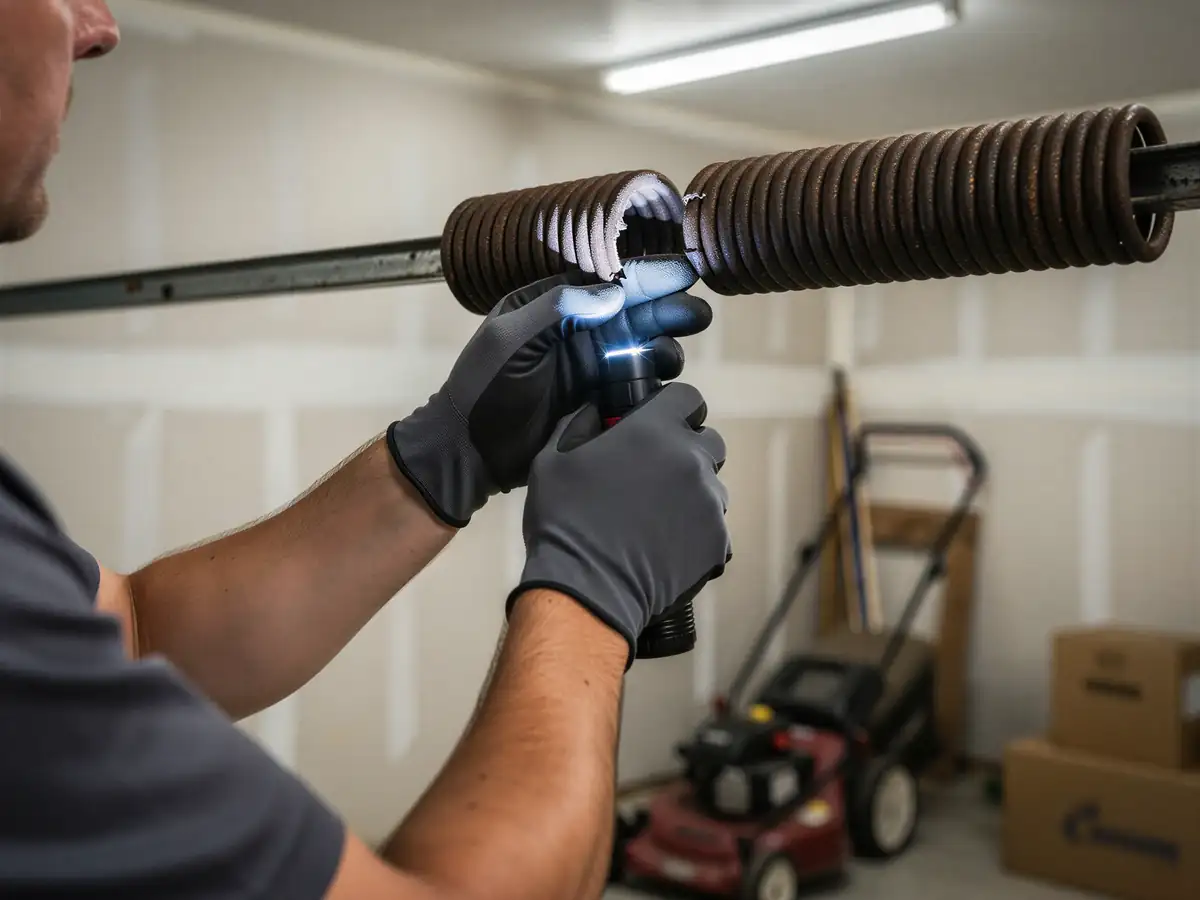
A new garage door install is not a bolt-it-yourself weekend project, and the reason has nothing to do with skill level. A torsion spring under tension can put someone in the hospital if it lets go while you're working on it, and most of the injuries we hear about happen during exactly this kind of job. That's the honest limitation: we won't walk a homeowner through doing this themselves, and no responsible installer should.
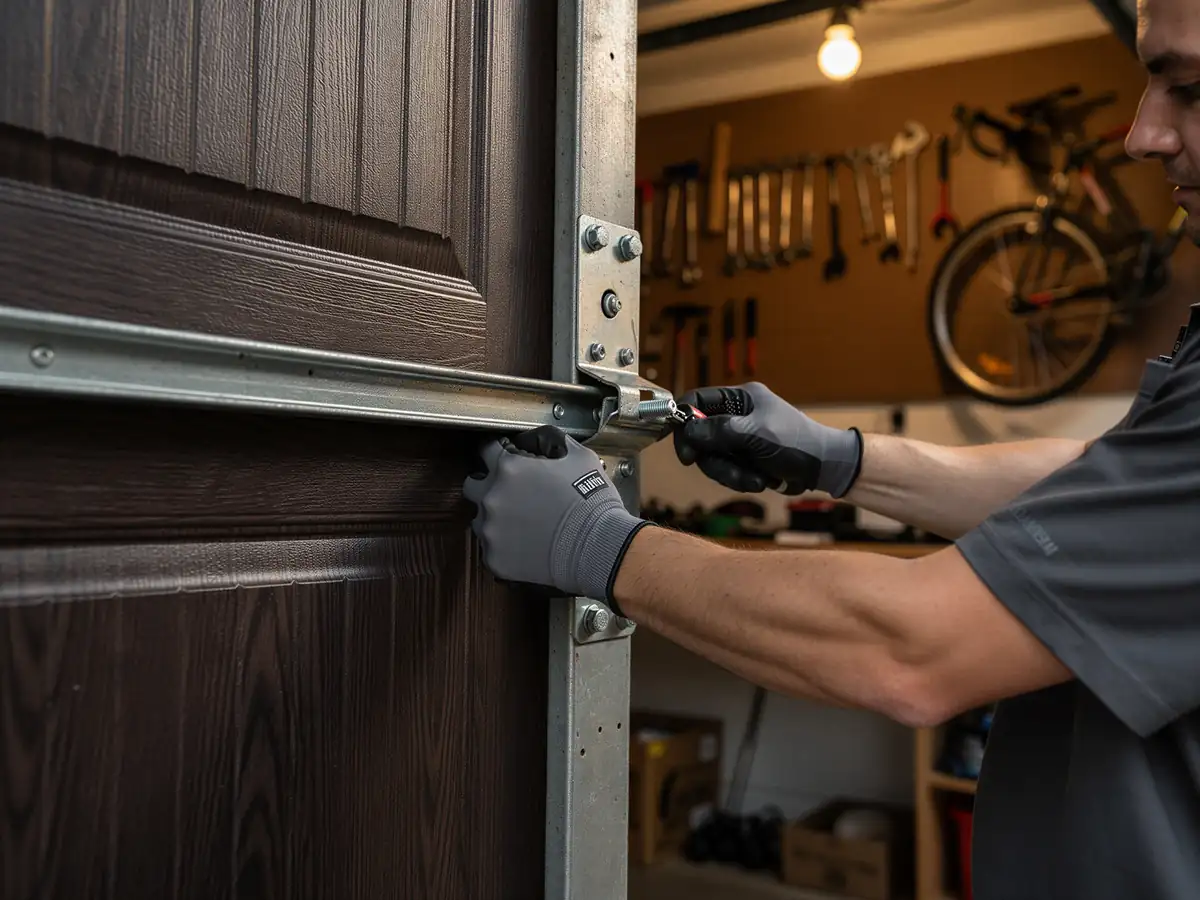
Where DIY does make sense is the small stuff - lubricating hinges, tightening loose bolts on the track, swatting a photo-eye sensor that's drifted out of alignment. None of that touches the spring system or the opener's lift mechanism. If you're staring at a door that won't open and you're not sure whether it's the spring or the opener, that's a call, not a project. Installing a full new door means setting the track plumb, balancing the spring to the door's actual weight, and running the opener through a force test - steps that go wrong quietly and show up as a slammed-down door six months later.
Why This Fails Locally
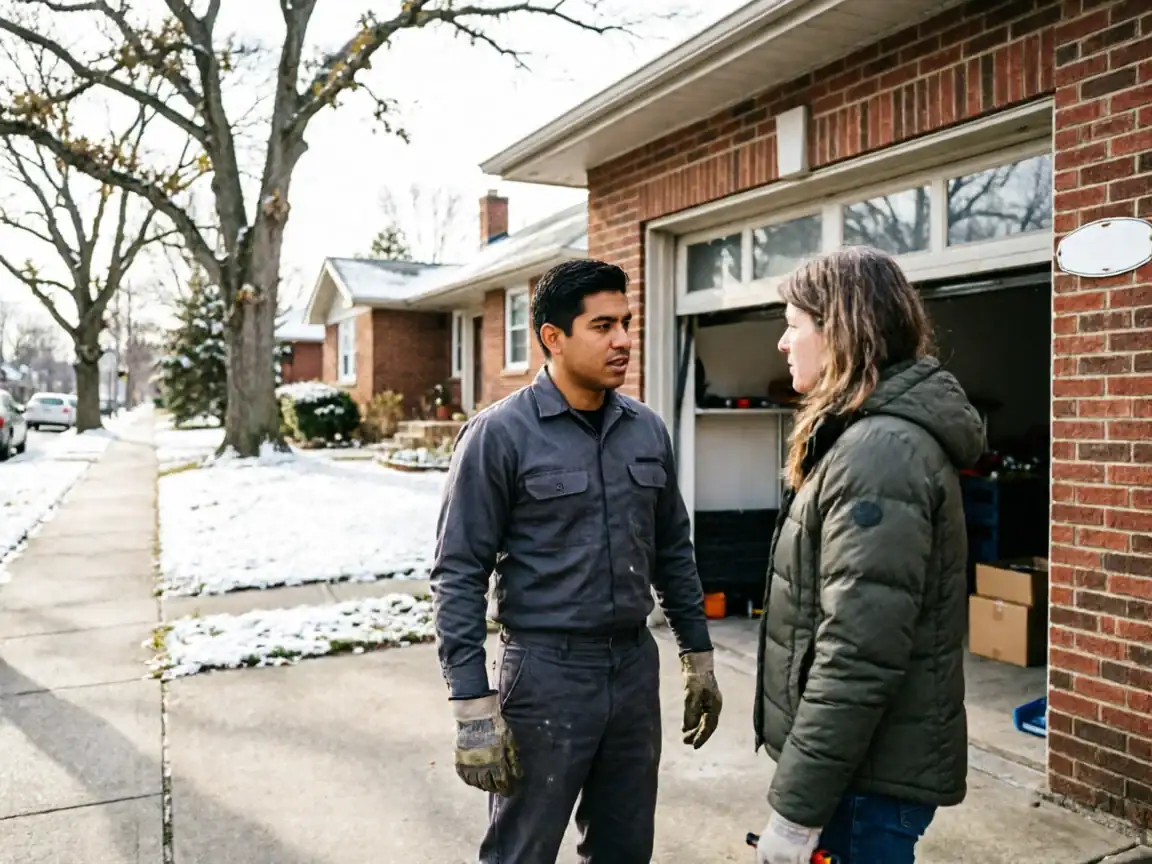
This area sits in a cold climate band, and that matters more for a garage door than most people expect. Steel contracts in the cold, weatherstripping hardens and cracks, and a spring that's slightly undersized for the door's weight works harder every winter morning when everything's stiff. A door that's limped along fine for years can fail in a cold snap simply because the tolerances that worked in October don't work in January.
With a median household income of $132,935 in Mendota Heights, well above the $116,500 median across the broader service area, more owners here are choosing insulated steel doors with heavier-duty openers up front rather than patching a 1983 door panel by panel. That's not a sales pitch, it's what the installs here tend to look like - fewer bare single-skin doors going back up, more double-wall insulated units sized for a Minnesota winter rather than a mild one.
How Long You Are Without the Door
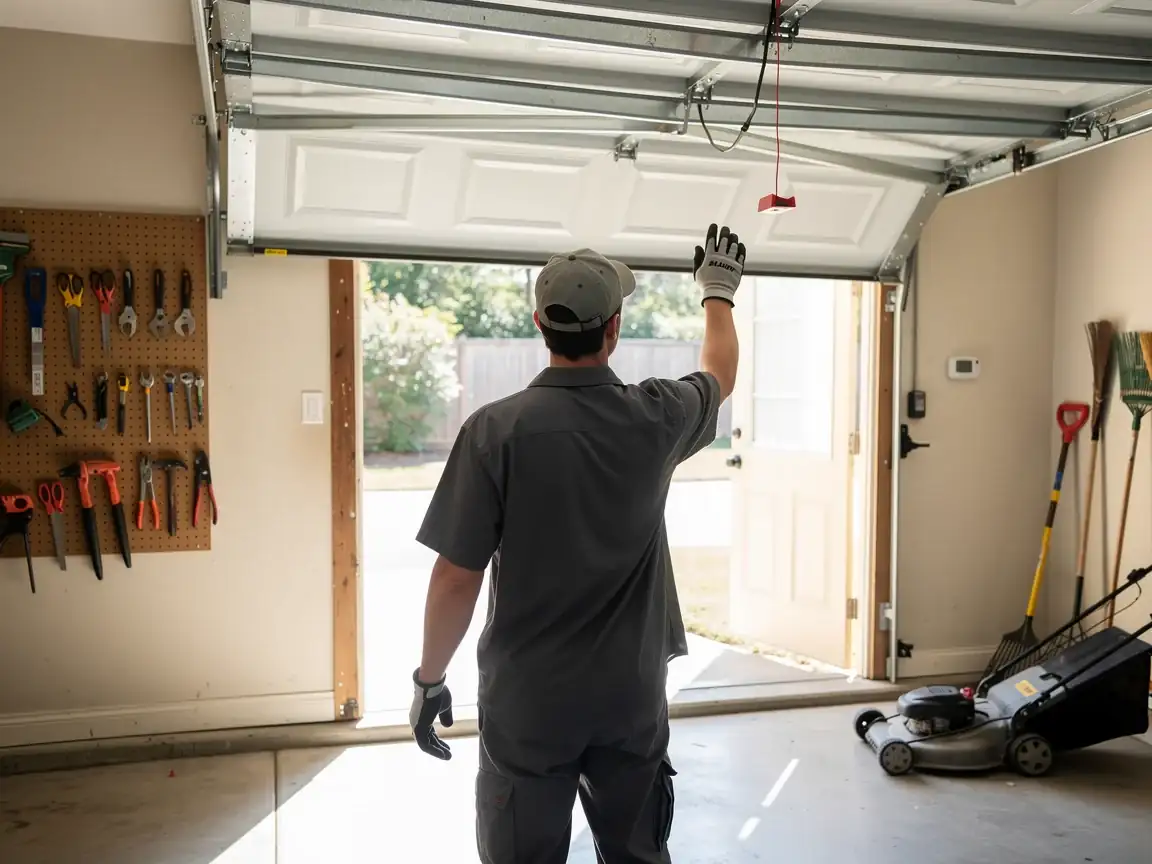
Once the hardware is on hand, a full door swap is typically a single visit
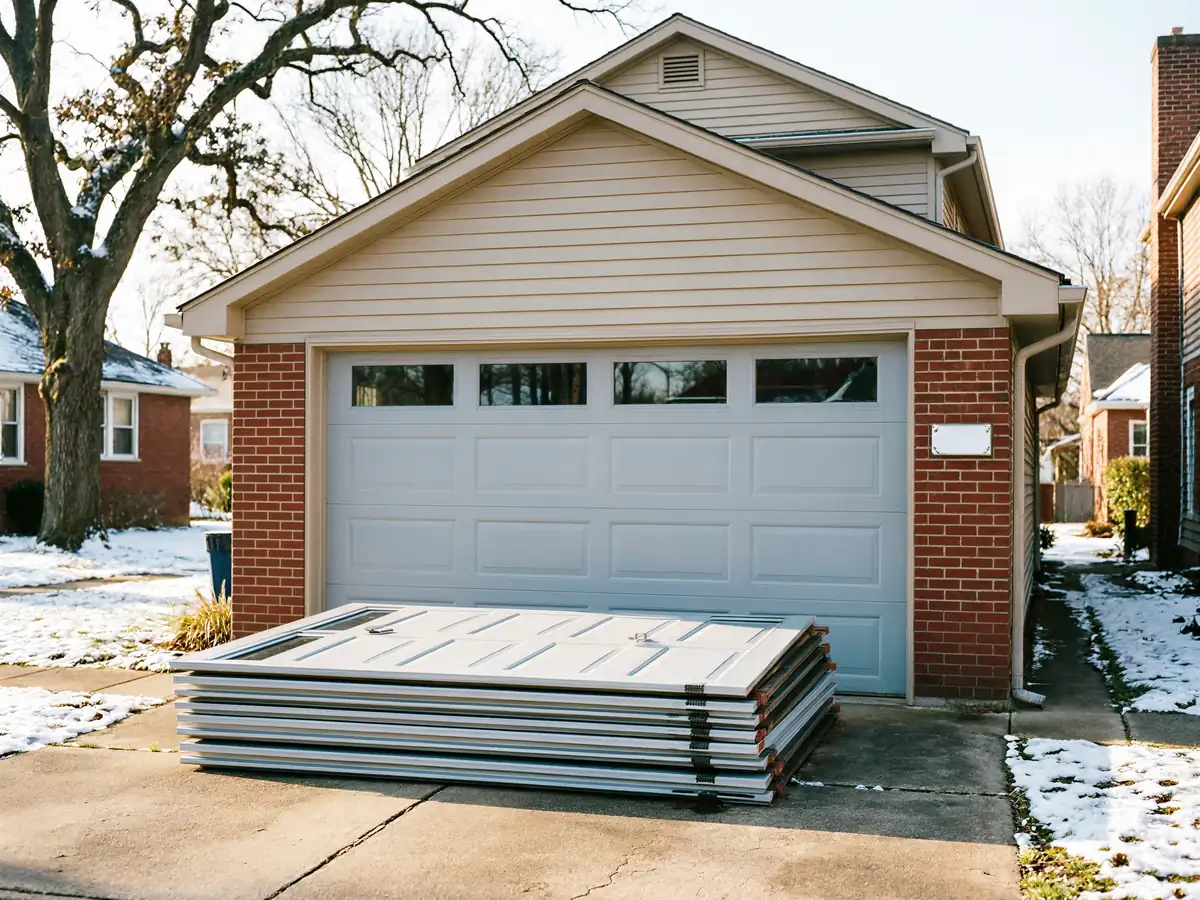
The old door comes down, the new track and spring go up, the opener gets set and force-tested, same day. What stretches the timeline isn't the install itself, it's waiting on a part that isn't standard stock, which happens more often with older or custom-sized openings common in this build era.
We won't promise a same-week turnaround on a non-stock part
Because that depends on the supplier, not on us. What we will do is tell you at the quote stage whether your door is a standard-stock job or a special-order one, so you're not left guessing whether it's going to be a Tuesday fix or a two-week wait. If the door is barely hanging on, we'll say so, and whether a stopgap repair makes sense while you wait is a fair question to ask on-site.
What You Pay
We don't post a flat number here because what you pay depends on the door - size, insulation, window inserts, whether the opener needs replacing too - and none of that is one-size-fits-all for a town built mostly in a single era. A single steel door with a basic opener costs less than a double-wide insulated unit with a belt-drive opener and battery backup, and both are common requests in this price range of neighborhood.
What we can say is that the quote is based on what's actually at your house, not a generic estimate pulled from a different door style. If the existing spring and track are salvageable and only the panel needs replacing, that's a smaller job than a full tear-out. We'll tell you which one you're looking at before any work starts. For the full rundown of installation options and what's covered, the Hopkins installation page has the service-wide details.