The Complications
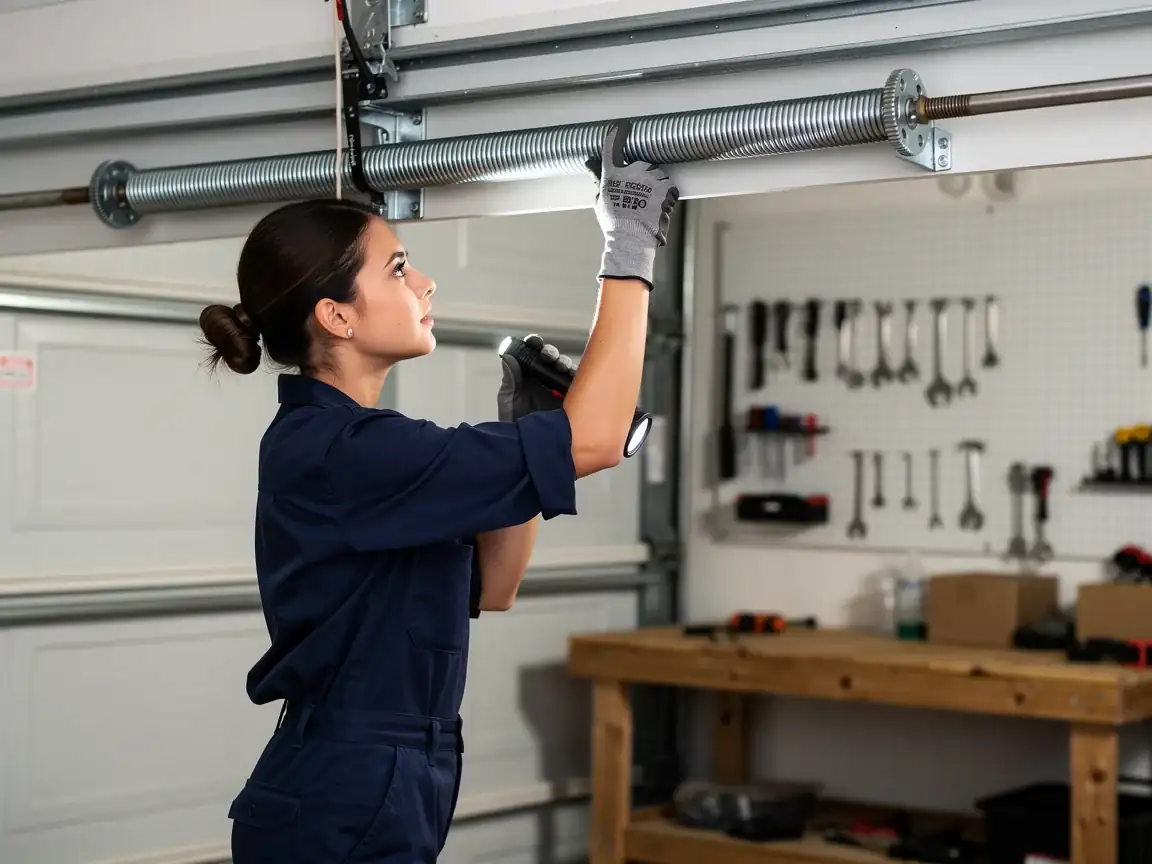
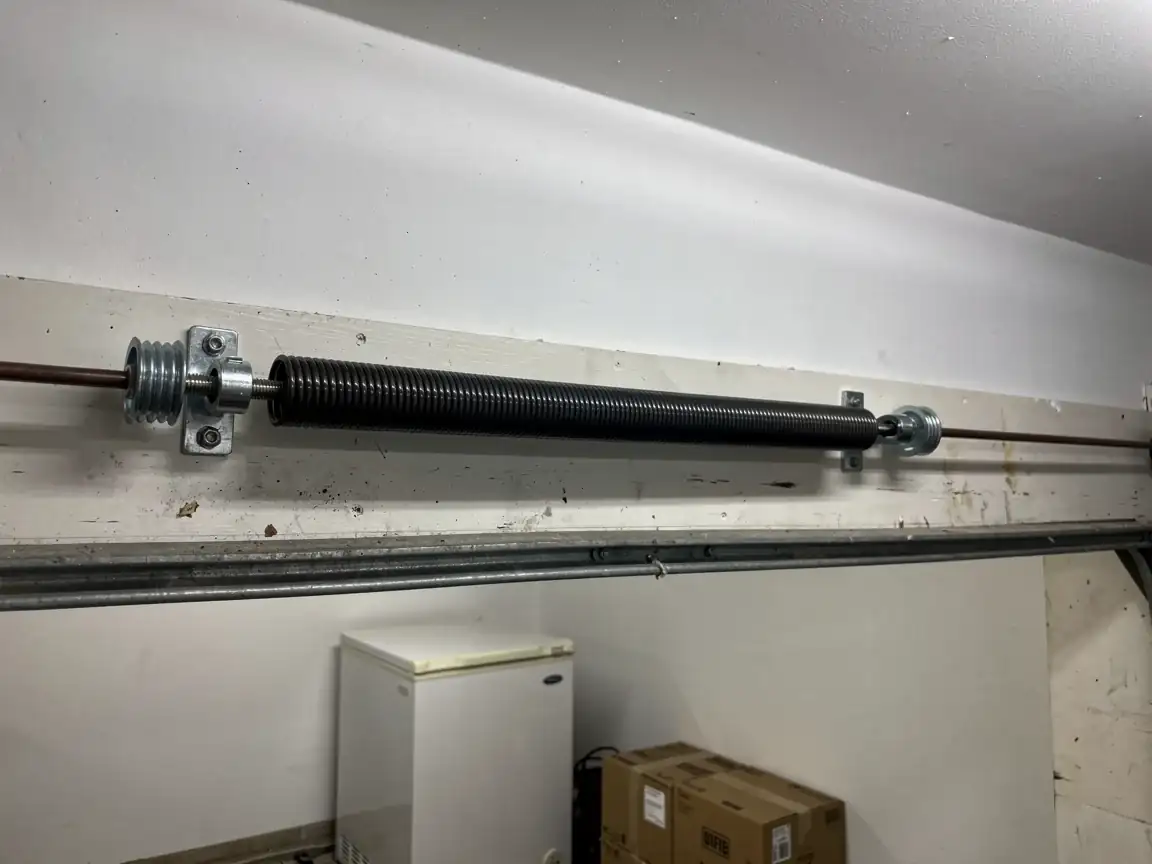
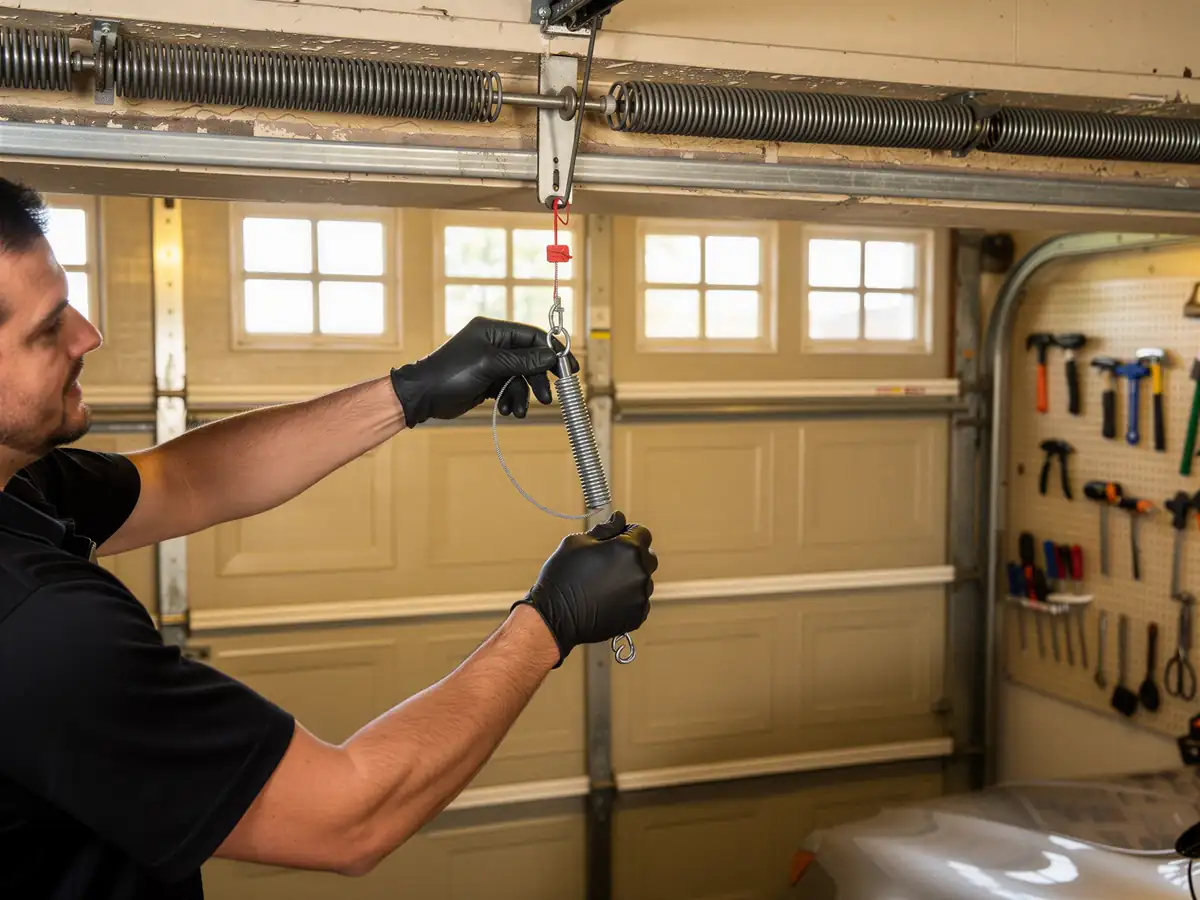
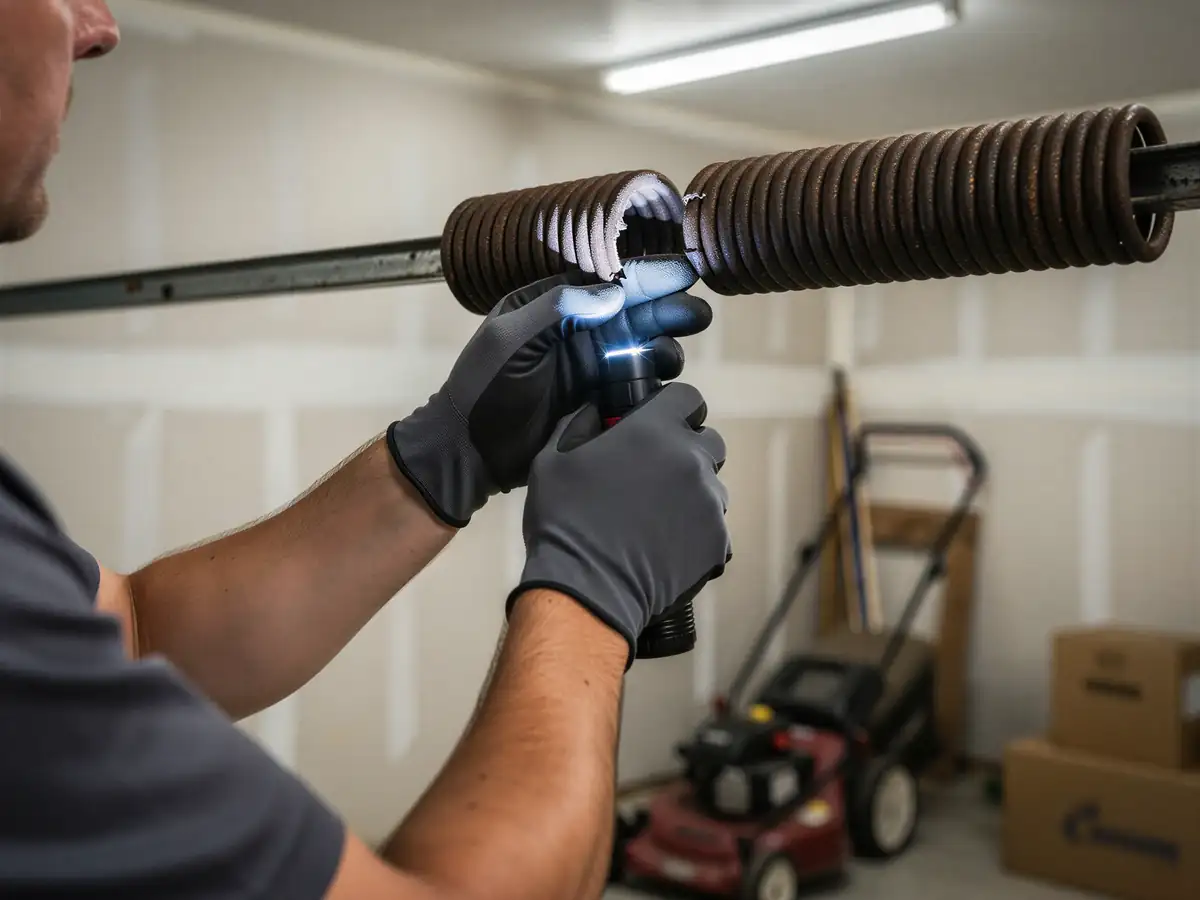
The call we get most from Mendota Heights is a door that won't open and a torsion spring sitting on the floor in two pieces. That's not bad luck. Mendota Heights' housing stock centers on 1983, a year that puts most garage doors and openers here right at the end of their working life. A spring rated for 10,000 cycles, installed when the house went up, has been through that count and then some by now.
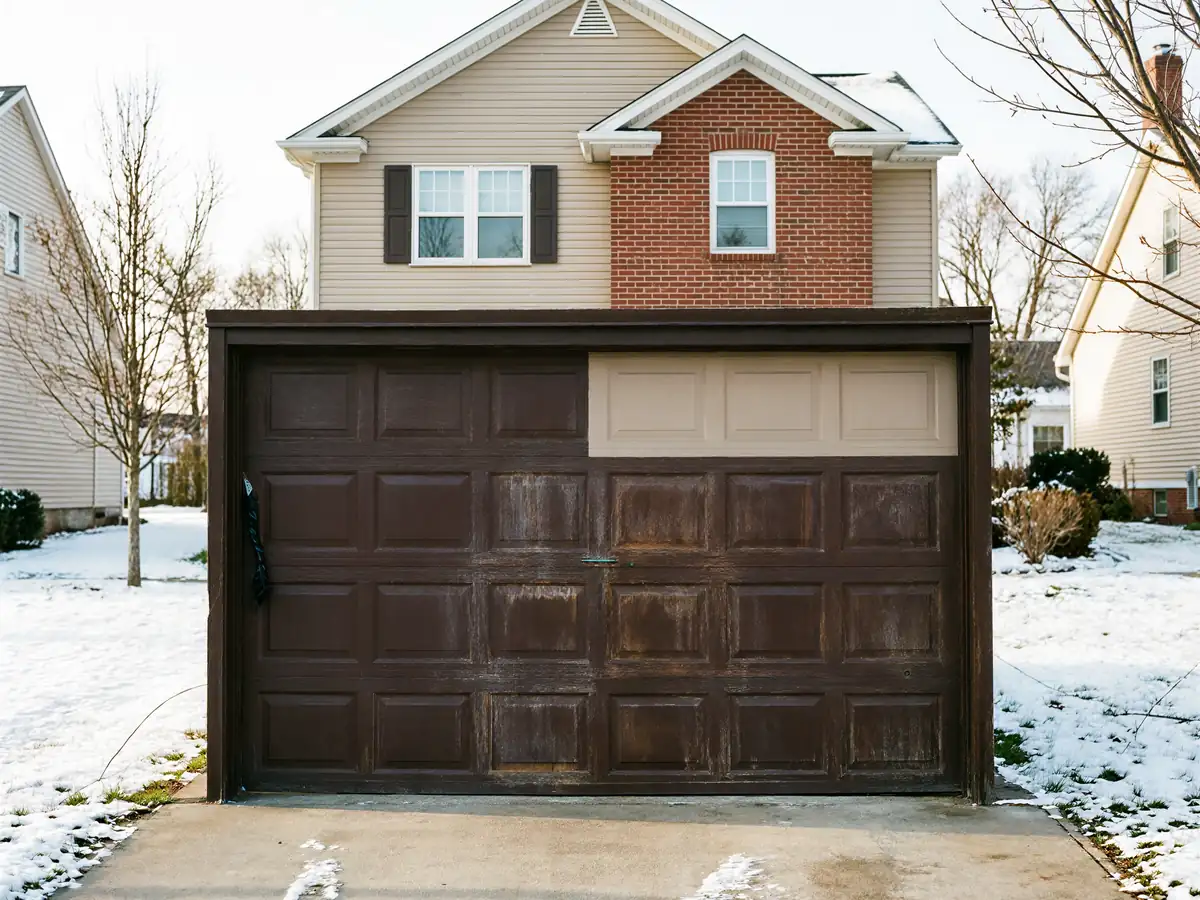
It isn't just springs. Openers from that build wave are chain-drive units with aging logic boards, and the steel panels on doors from the same run have had four decades of Minnesota freeze-thaw working on the seams. When one part on a door this old lets go, the rest of the hardware is usually close behind it - a worn roller stresses the track, a sagging panel throws off the opener's travel limits. We see doors here failing in clusters of two or three issues at once rather than one clean break.
Stocked Parts
Because the bulk of the service area's housing, Mendota Heights included
Falls into that 1980s-90s build window, our truck carries torsion springs, drums, and standard-width track sized for that era's doors, not the newer composite panel hardware. That's the stock that moves. If a house in Mendota Heights has had a modern insulated door put in more recently, we carry those parts too, but we load the truck based on what the neighborhood actually runs.
We're coming from Hopkins, 14 miles out
So the parts on the truck when we leave are mostly what we end up using. We don't stock every opener logic board ever made - some older or less common models need to be special-ordered, and that can add a few days to the job. We'll tell you up front if that's the case rather than quote a same-day fix we can't back up.
- 14 miles
The DIY Question
A torsion spring under load can put someone in the hospital, and that doesn't change based on which town the door is in. If your door is from the early 1980s build era like most of Mendota Heights, the spring has likely already outlived its rated cycle count, which means it's carrying more stored tension than a newer one would, not less. That's not a weekend project.
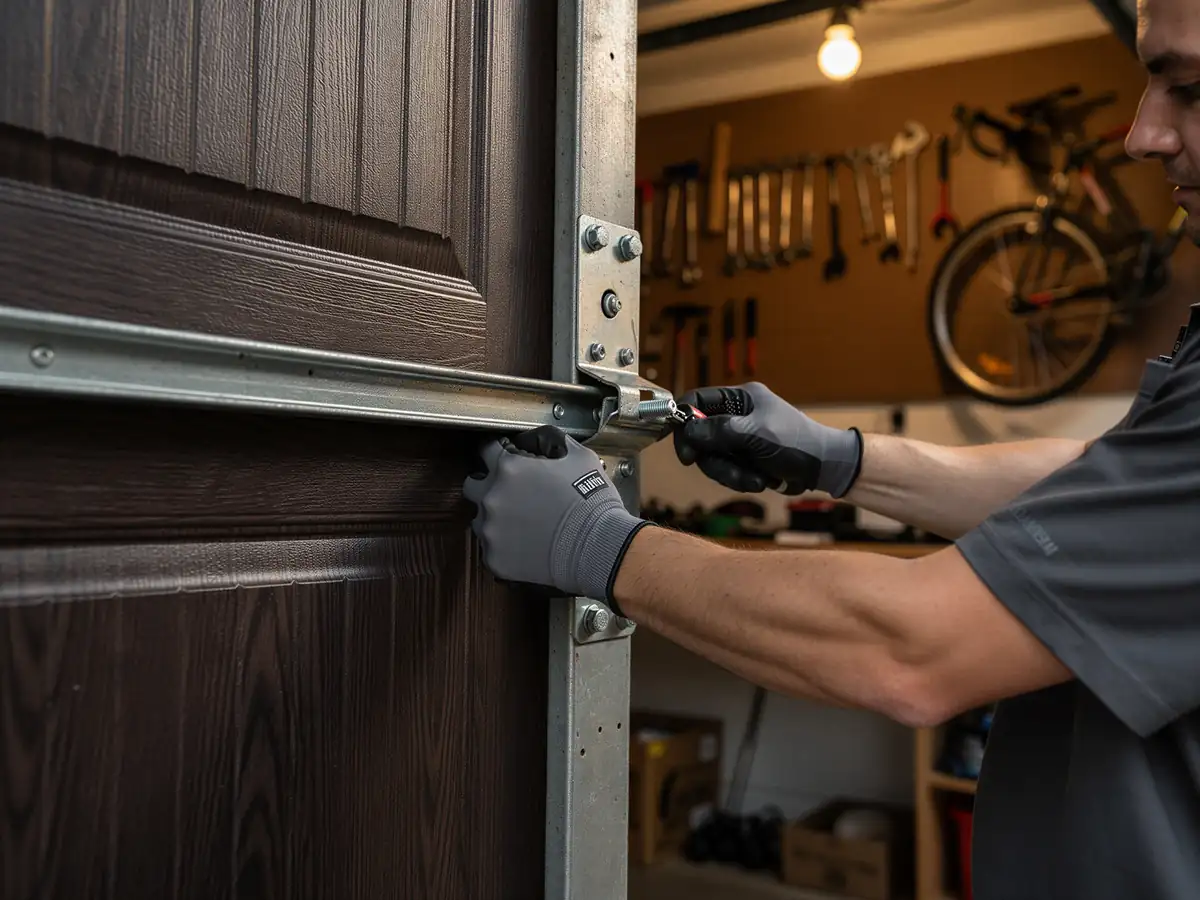
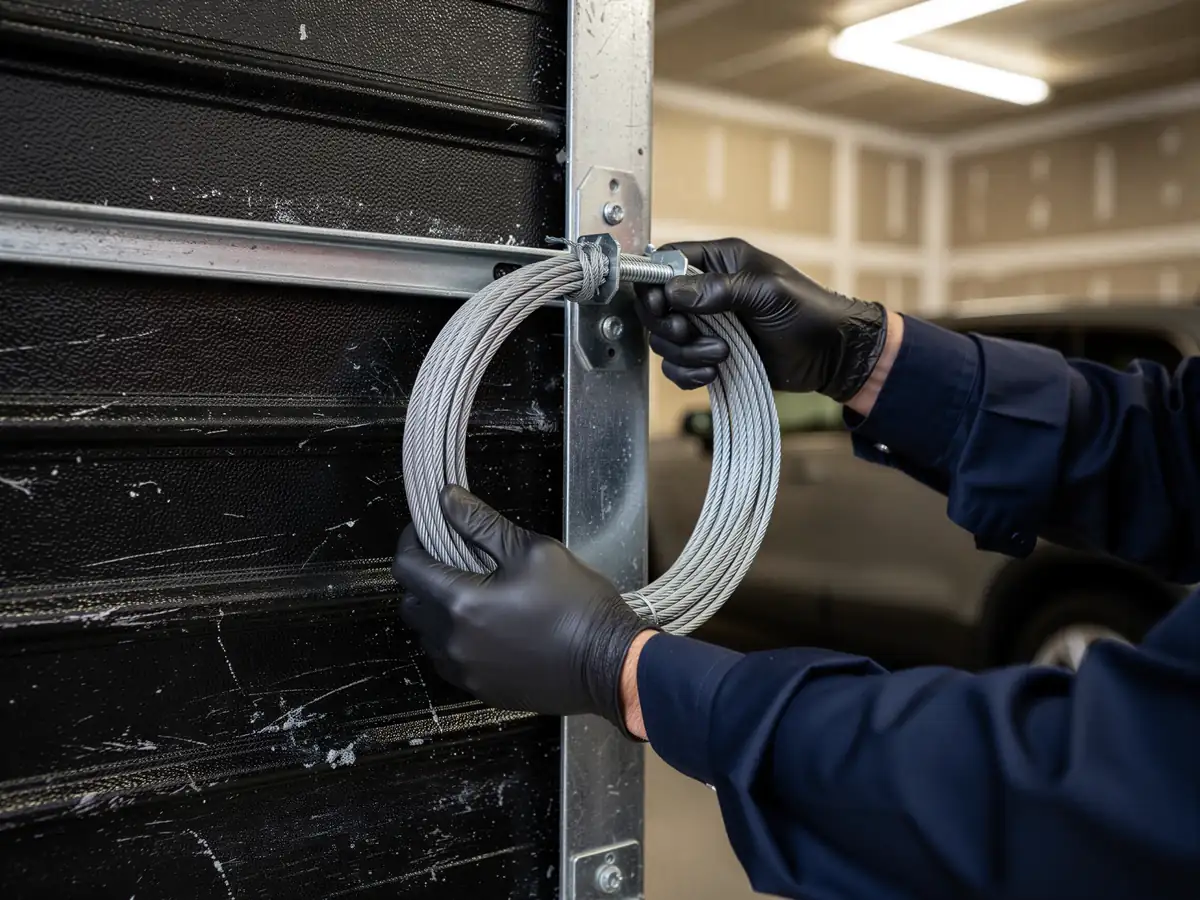
Where DIY makes sense: swapping a worn roller, tightening loose track brackets, lubricating hinges, replacing a remote battery. Where it doesn't: springs, cables, anything on the high-tension side of the door, or opener logic boards wired into the house circuit. If you're not sure which category your problem falls into, that uncertainty is itself the answer - call it in.
Why This Fails Locally
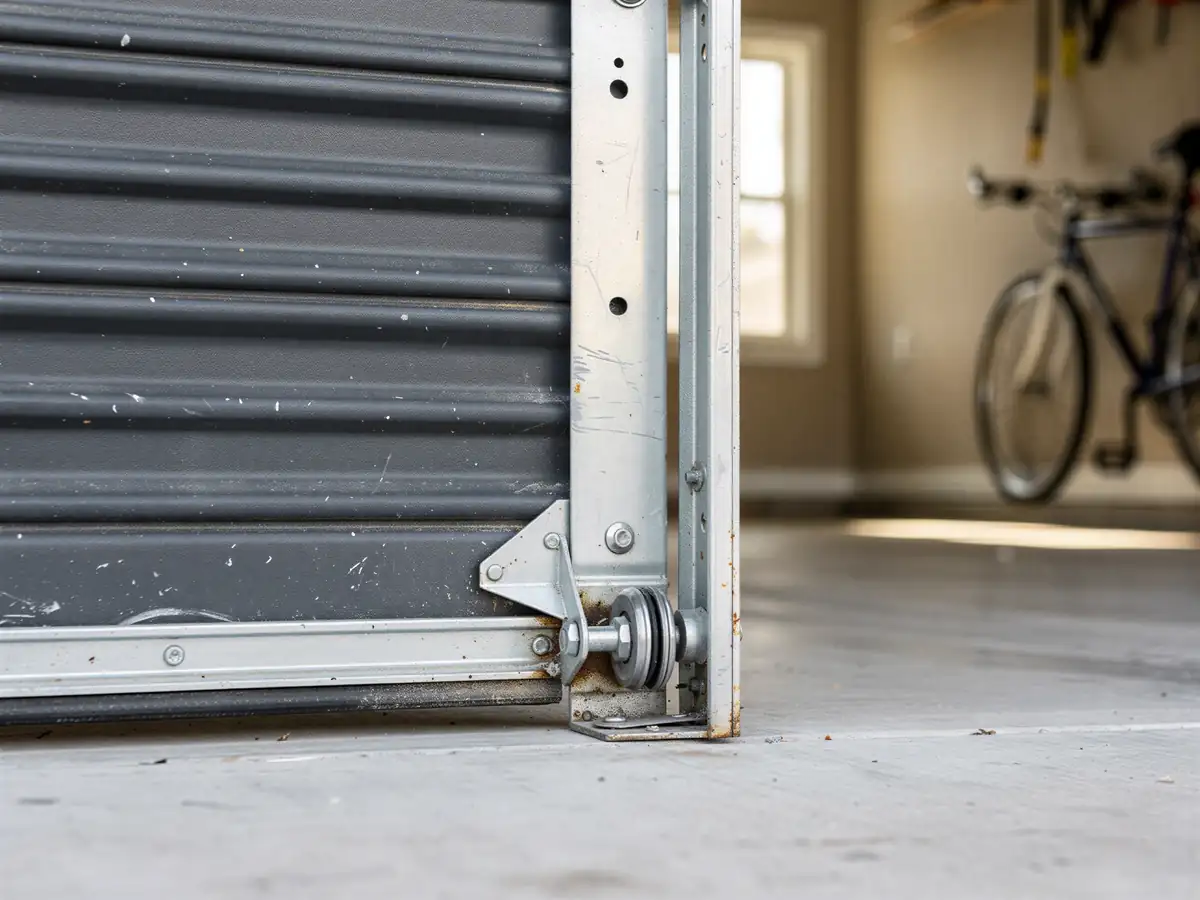
Cold-climate swings do more damage to older hardware than new. Steel track that's flexed through forty winters of contraction and expansion develops play at the brackets that a newer install doesn't have yet. Combine that with springs and cables original to a 1983 build and you get failures that show up in clusters during the first hard cold snap of the season, not spread evenly through the year.
Mendota Heights accounts for roughly 4,740 of the service area's households, a small slice next to the 93,593 total we cover. The median household income here, $132,935, runs well above the $116,500 median across the rest of the service area, yet the doors failing are the same 1980s hardware regardless of what the house is worth. Income doesn't change when a torsion spring reaches its cycle limit. We mention that because homeowners sometimes assume a well-kept house means newer garage door parts - often it just means the house was maintained, not that the door was replaced.
How Long You Are Without the Door
We run out of Hopkins, and at 14 miles from our shop, Mendota Heights is one of the farther stops on our route
Which shapes how fast we can get a tech there compared to towns closer in. We don't promise a same-day window here the way we might for a job a few minutes from the shop - we'll give you a realistic arrival estimate when you call, based on the day's route.
- 14 miles
Once a tech is on site, most spring and roller jobs on a door from this era close out in one visit
Parts on hand. The exception is anything needing a special-order opener board or a panel that isn't a stock size - those jobs mean a second trip once the part arrives. We'd rather tell you that now than have you waiting on a truck that isn't coming today.
What You Pay
We don't post flat prices here because the two most common Mendota Heights jobs - spring replacement and roller/track work on a 1980s-era door - vary with spring size, door weight, and whether the opener needs attention too. What we can tell you is that a door built to this era's standard specs costs less to service than a newer insulated or custom-width door, simply because the parts are more standard and we're more likely to have them on the truck already.
If a job turns into a full door replacement - which happens when a panel has rusted through or the track is bent beyond straightening - that's a different conversation with a different number, and we'll walk you through it before any work starts. We'd rather lose five minutes explaining cost than surprise you with a bill.