The DIY Question
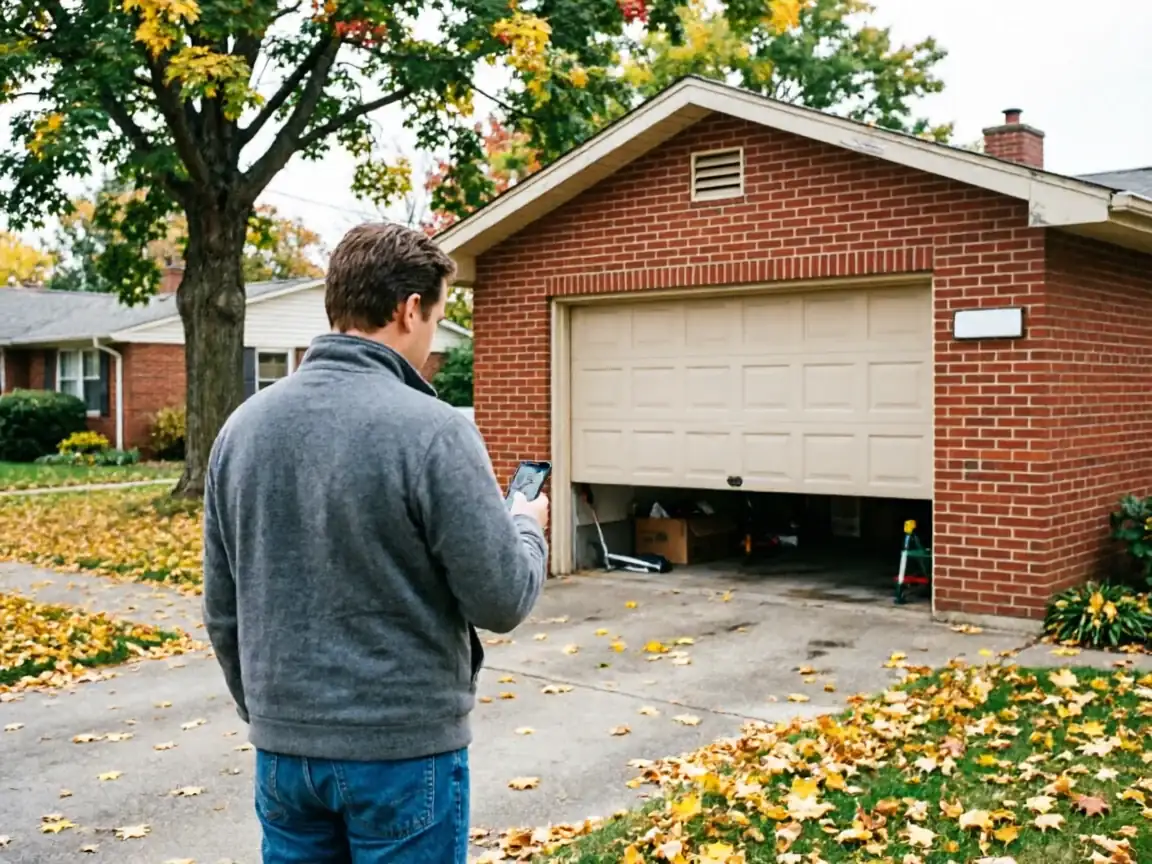
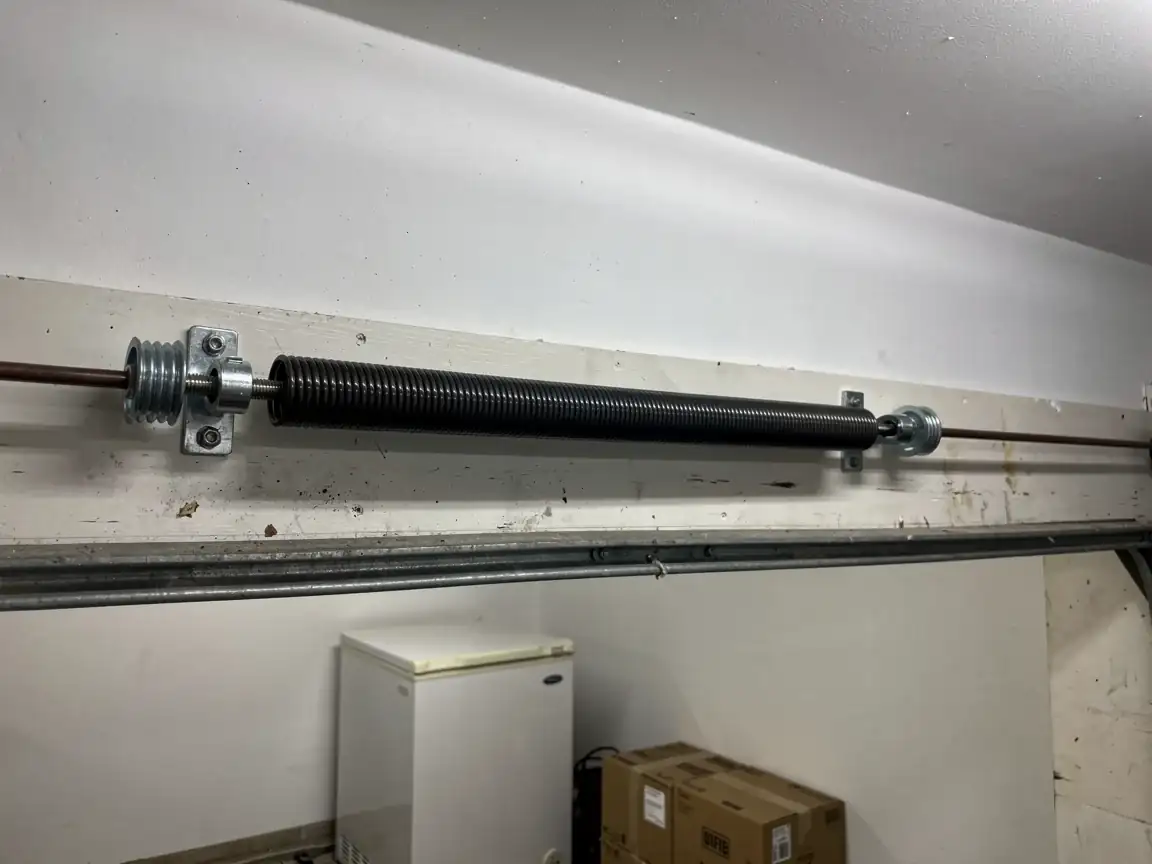
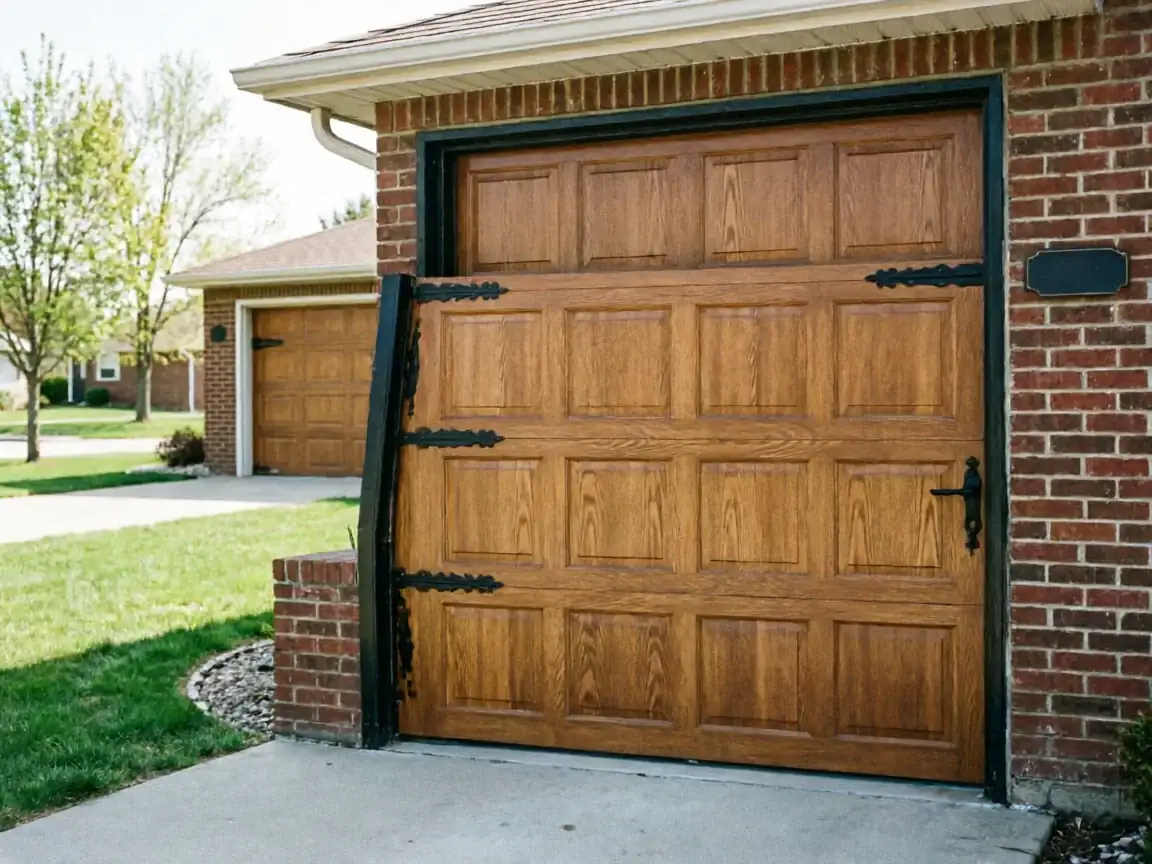
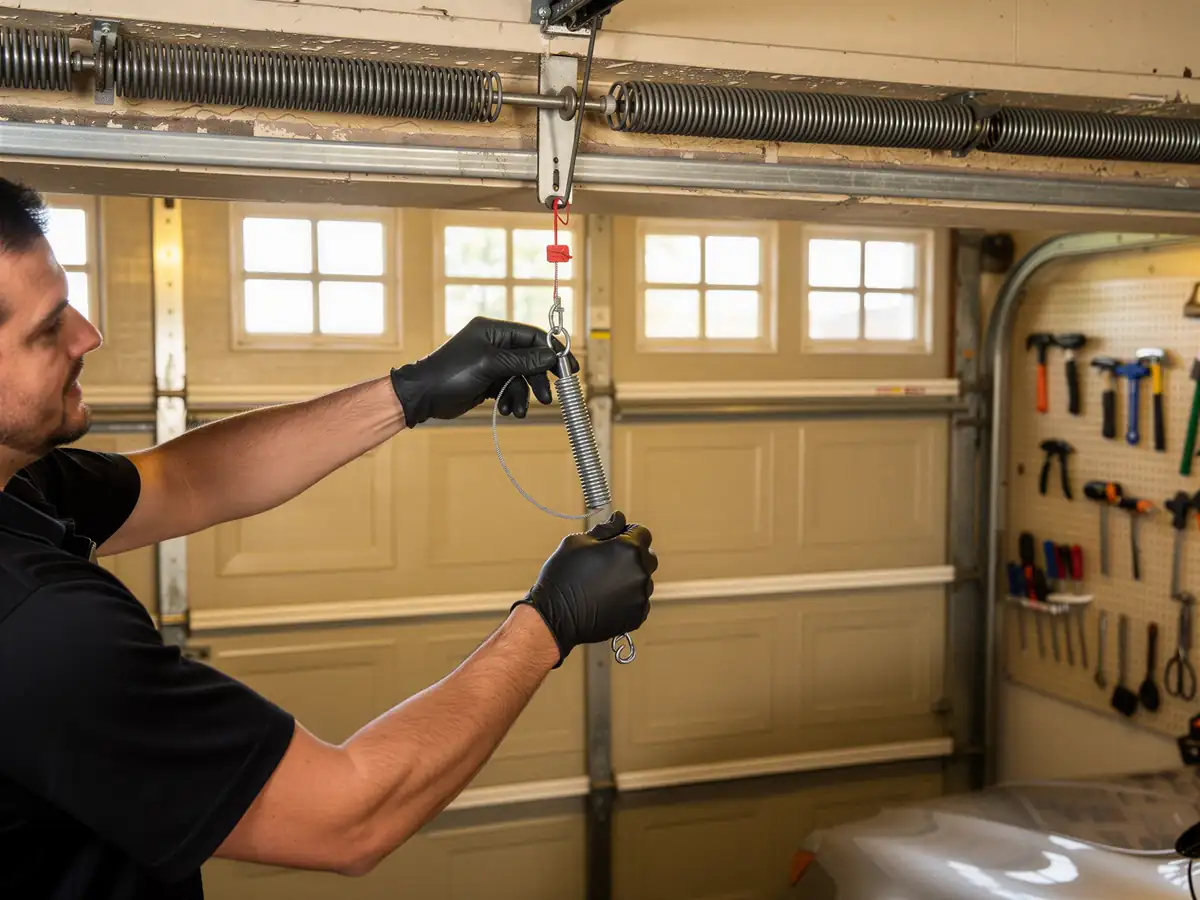
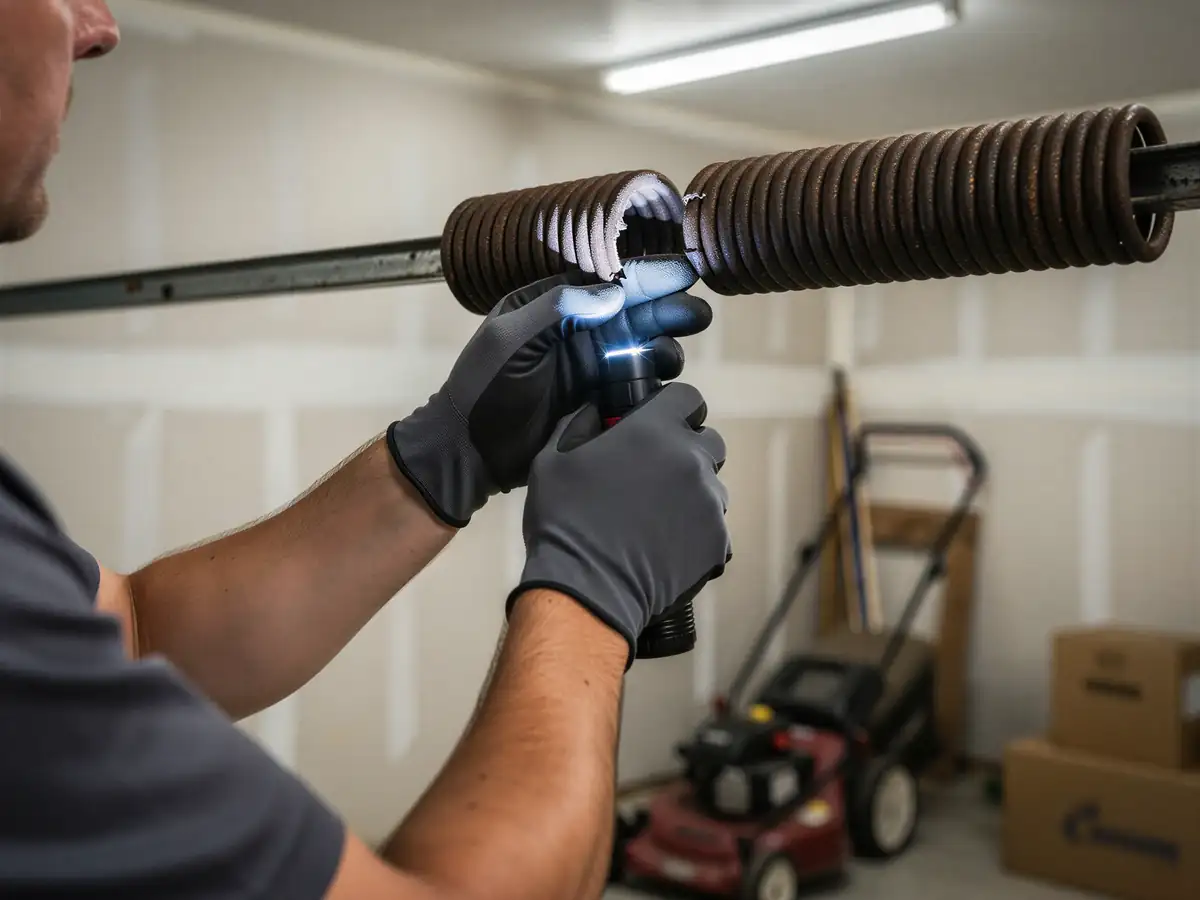
Orono's median household income sits at $181,875, well above the service area's broader median of $116,500. That number matters more than people think when a spring snaps on a Friday night. At that income level, the math almost always favors a proper repair over a cheap patch - a $250-$400 torsion spring job is not a hardship, and it buys you another 10-15 years on a door that's otherwise sound. Where the DIY question gets dangerous is torsion spring tension. A broken spring on a double door stores enough force to break a finger or worse, and the winding bars and cones aren't something to improvise with a ladder and a YouTube video. We're not going to pretend every call is an emergency that needs a same-night fix - a door that's merely noisy, or slow to close, can usually wait for a scheduled slot. But a door stuck open, a snapped cable, or a spring that's let go on a double-wide panel is a different category: it's a security gap and a safety risk, not a convenience issue. For houses in this income bracket, the honest answer is almost always: call it in, don't wedge a 2x4 under the track and hope.
What the Repair Takes
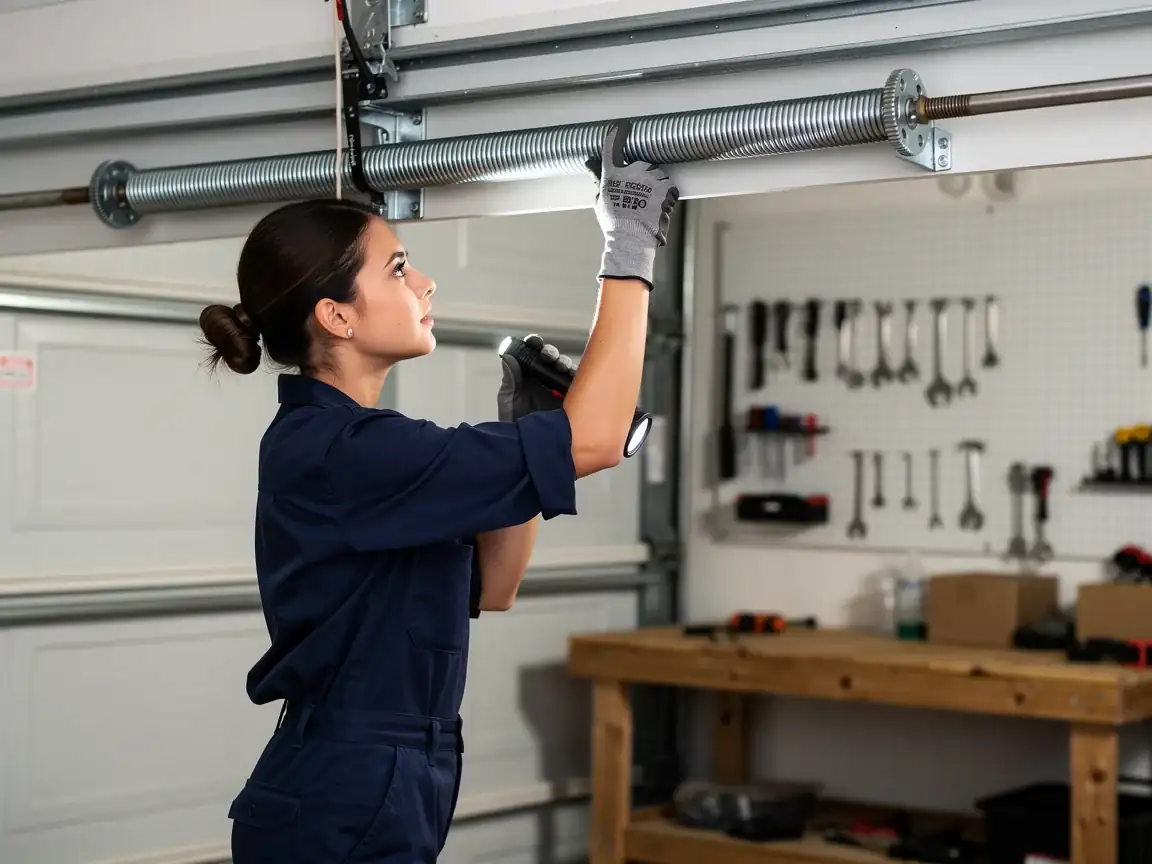
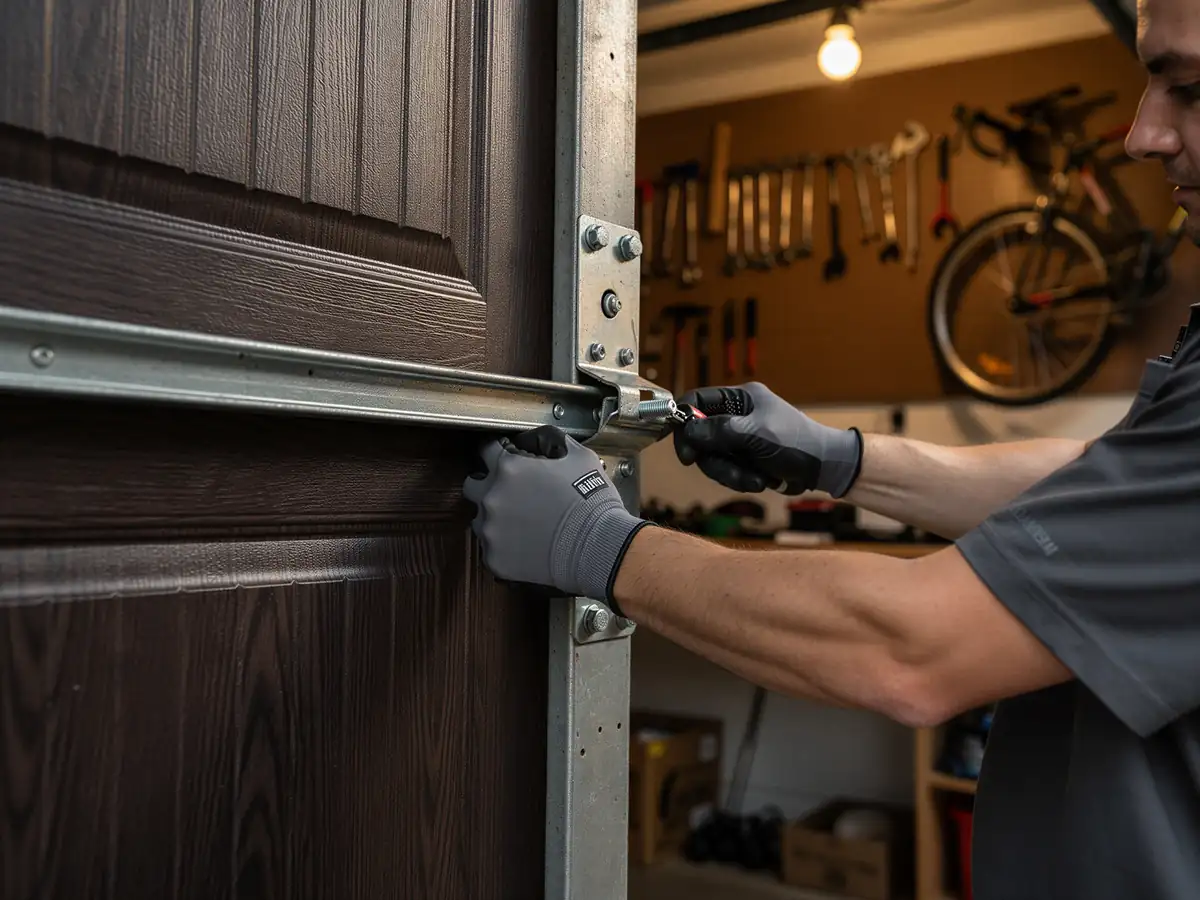
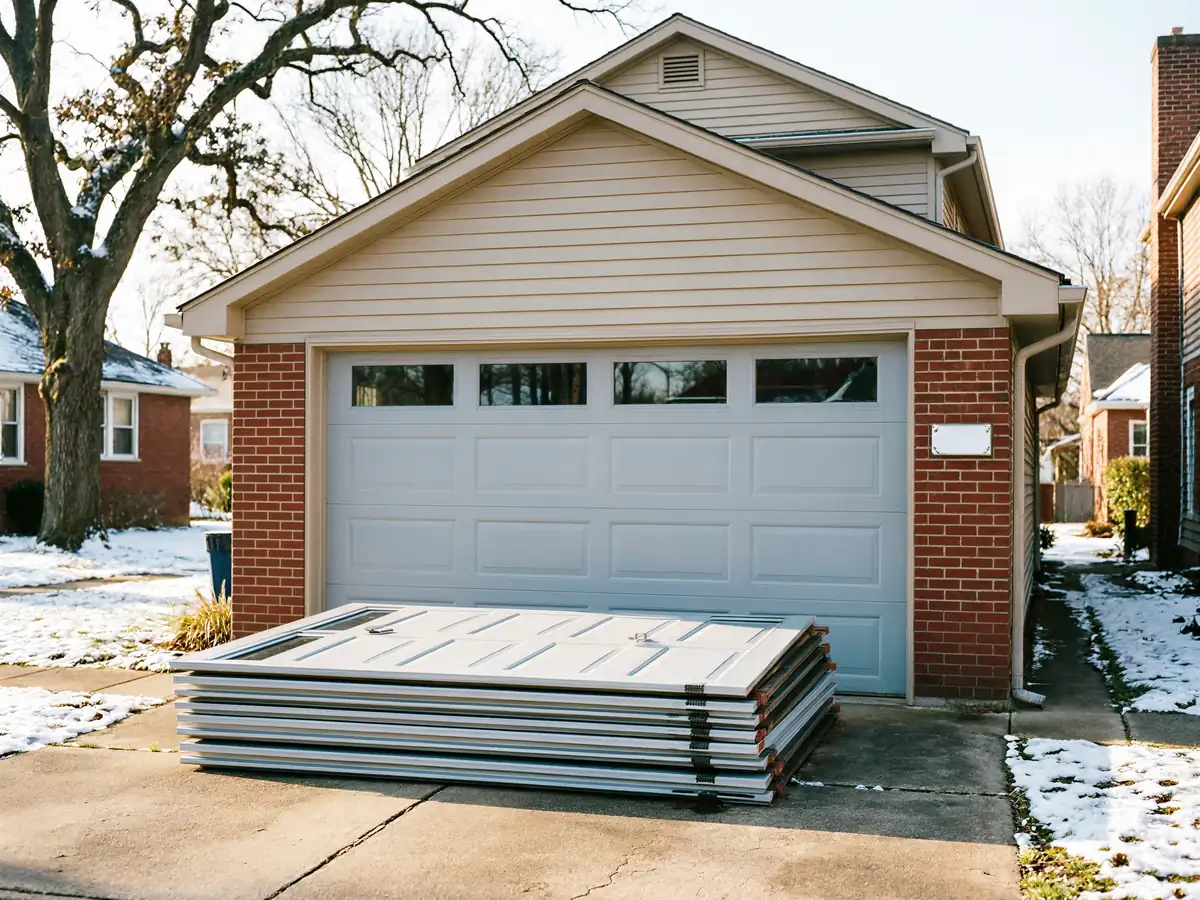
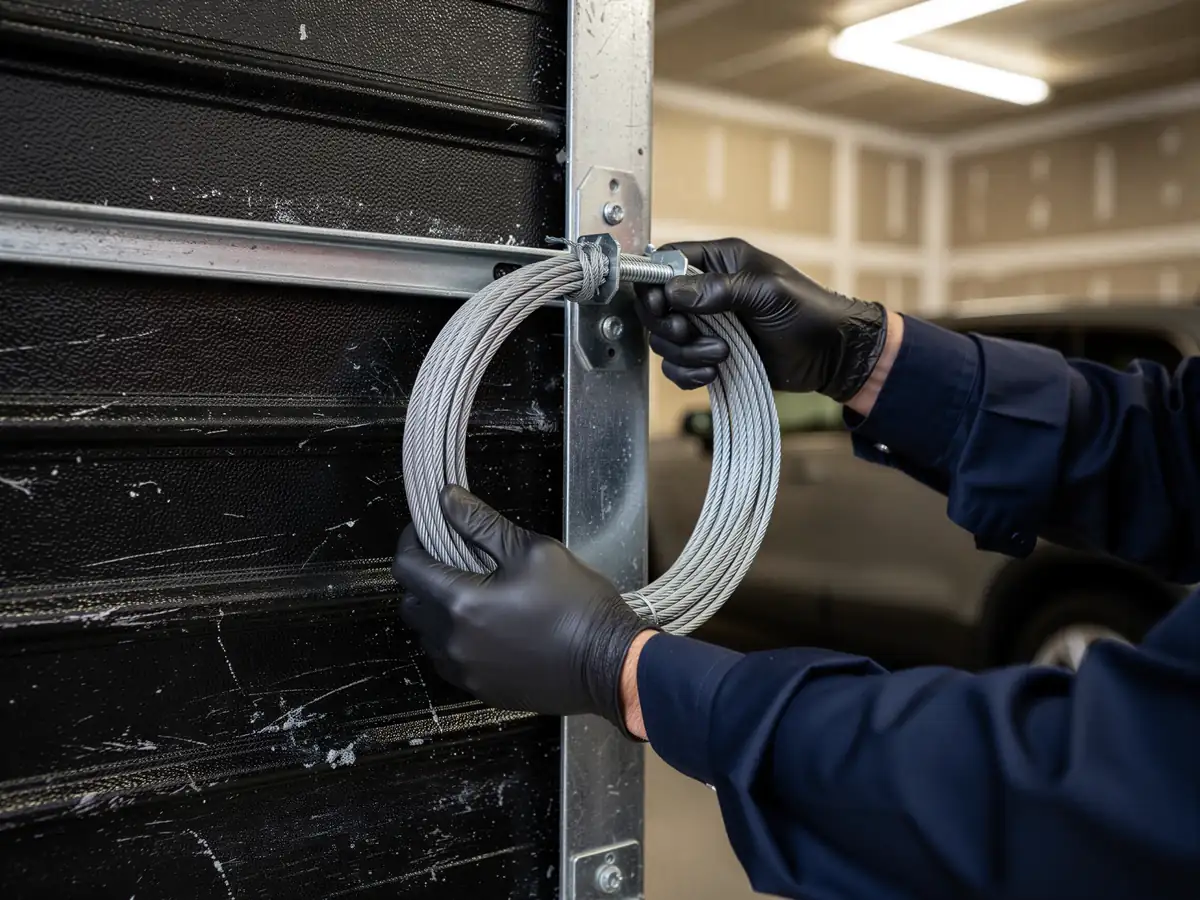
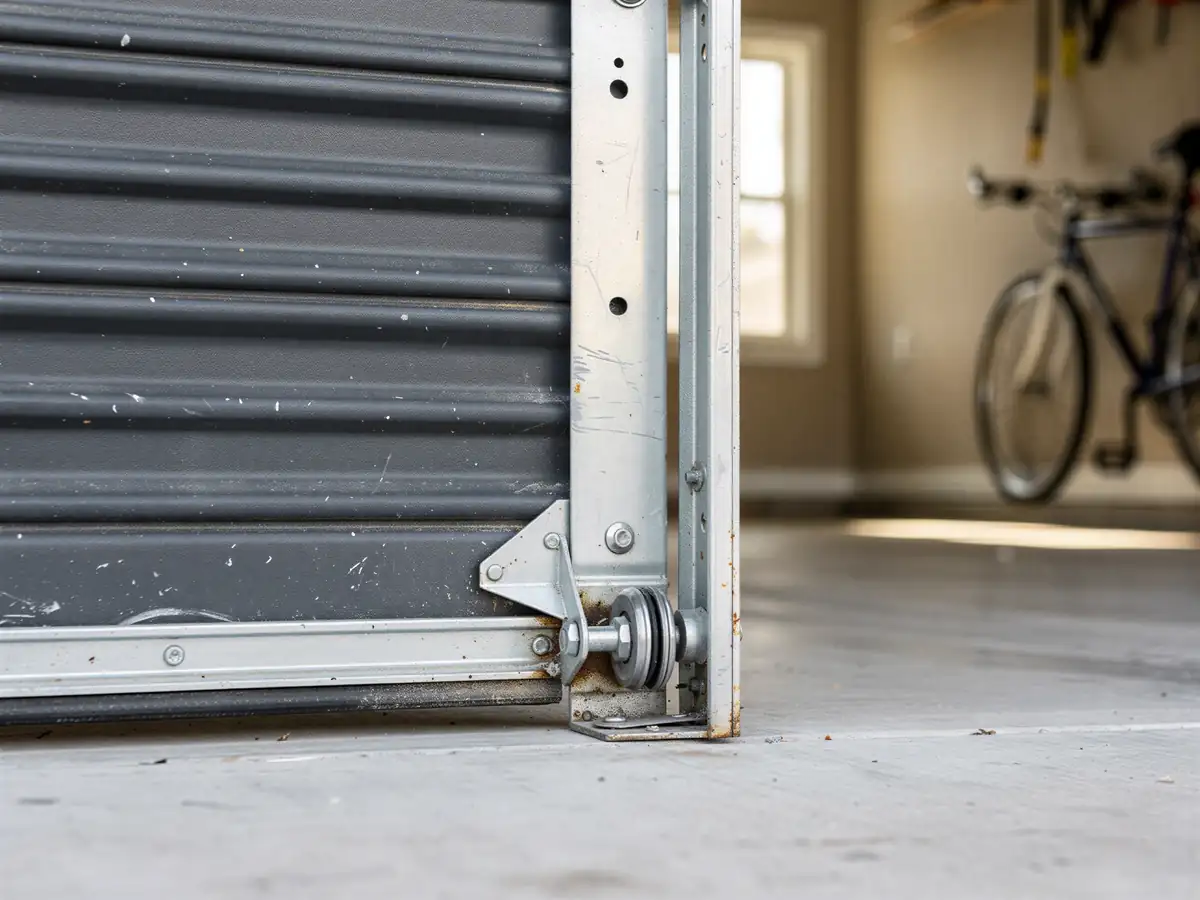
Most emergency calls break down into a handful of jobs: a broken torsion spring, a snapped cable, a bent track from a car bump, or an opener that's stopped responding. On a standard double door with a torsion spring job, the work is removing the old spring under controlled tension, fitting the replacement sized to the door's weight, and rebalancing so the door holds position at any height without the opener straining. A cable replacement runs alongside a spring job more often than not, since a frayed cable is usually what signals a spring on its way out. Bent track gets straightened or swapped depending on how far it's pulled from true - a track bent more than slightly is a replacement, not a hammer-and-pliers fix, because a door running on a bowed track will walk off its rollers again. Opener failures split between simple fixes (a worn drive gear, a dead logic board) and situations where the opener is old enough that replacement is the better call. None of this is a ten-minute job done right - a proper spring and cable job with rebalancing takes real time on site, not a rushed swap.
How Long You Are Without the Door
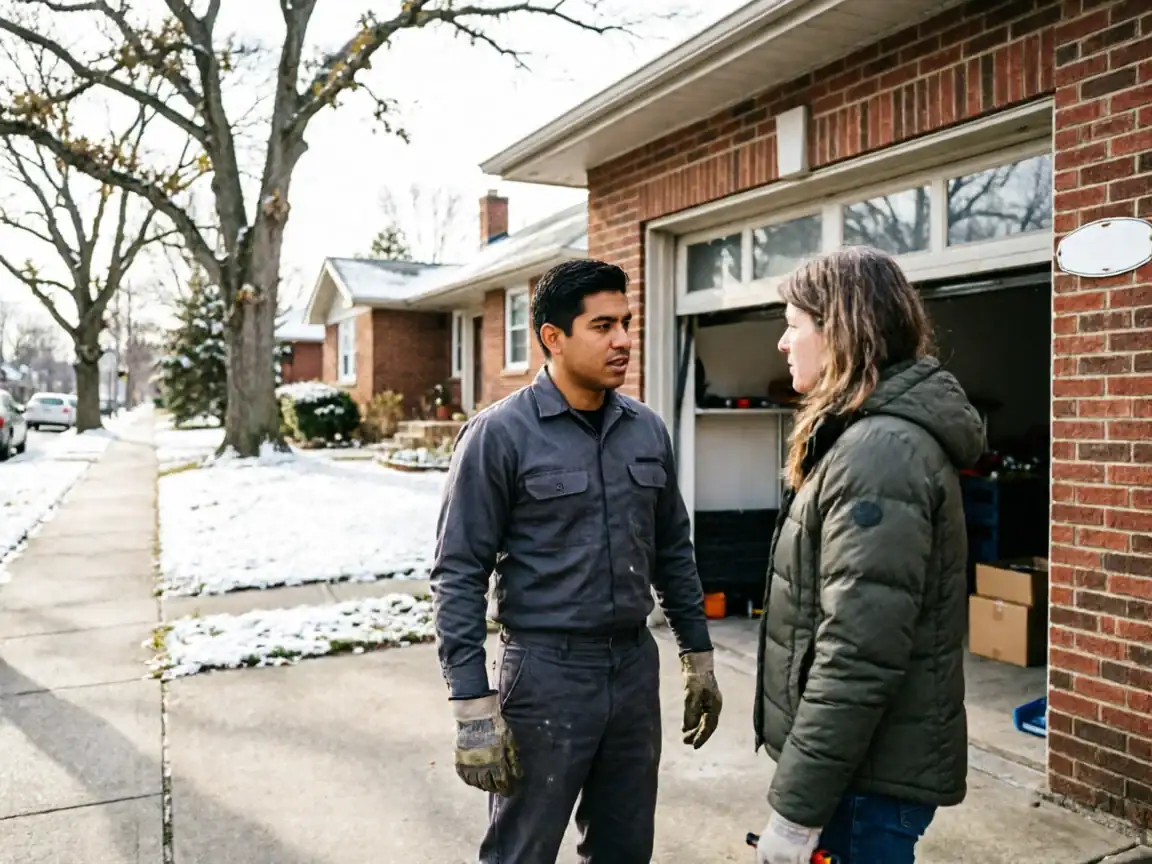
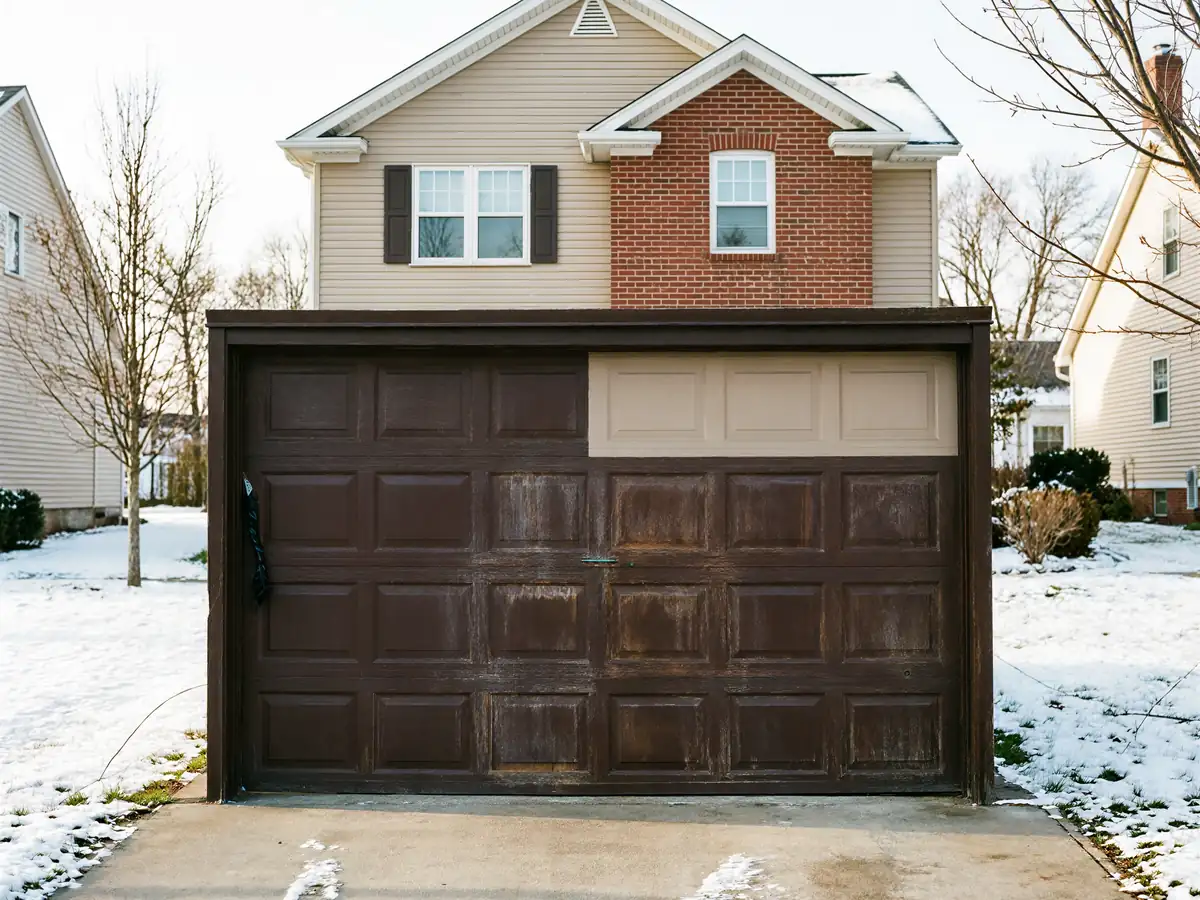
Hopkins Garage Door Pros covers Orono from nine miles out, a longer run than the six miles to Wayzata or Deephaven. That distance is worth being upfront about: a call from Orono adds travel time to whatever is already on the schedule that day, and we're not going to promise a number we can't back. What we can say is that once the truck is on site, most spring, cable, and track jobs on a standard door are finished in one visit - the delay, if there is one, is in getting there, not in the repair itself. For a stuck-open door at night, that gap matters for security; propping something against the opening or parking a second vehicle to block it is a reasonable stopgap while you wait. For a door that won't close because of a broken spring but is otherwise sitting flush, the exposure is lower and it's less urgent to improvise a fix.
The Symptom
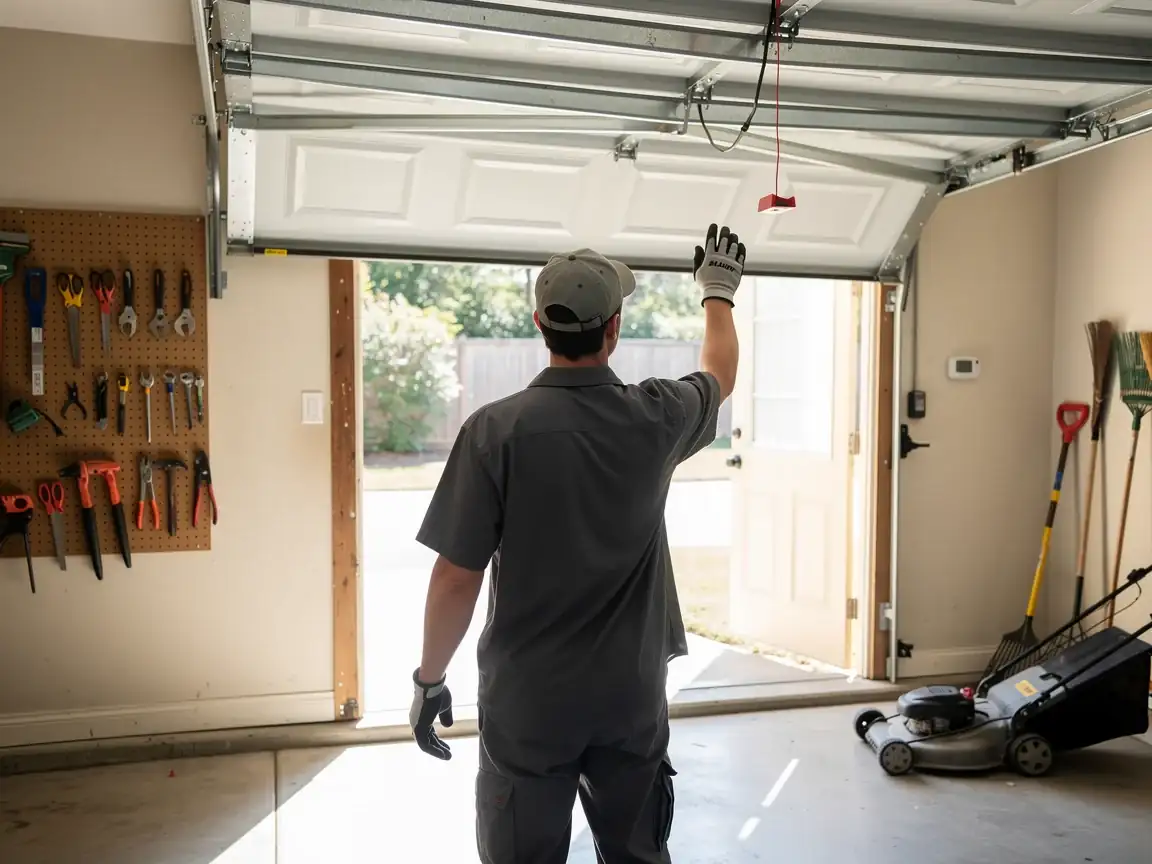
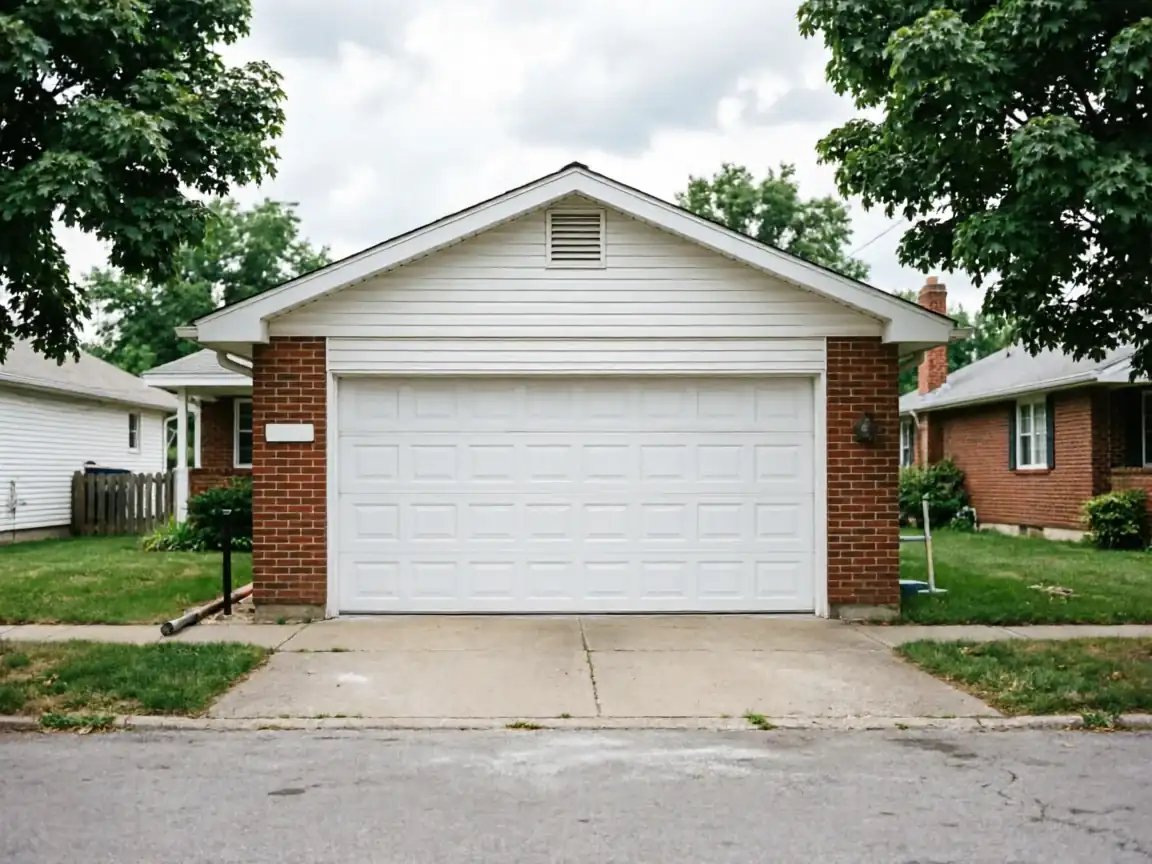
The most common emergency symptom on 1980s-built doors like the ones common in Orono is a torsion spring that lets go with a loud bang, usually in cold weather when the steel is stiffer and more likely to fatigue at the coil ends. The service area sits in a cold-moderate climate band, and springs on doors from the early-to-mid 1980s are well past their rated cycle count by now even on a door that otherwise looks fine. A second common symptom is a cable that frays and slips off the bottom bracket drum, often right after a spring has already gone, since the imbalance puts extra load on the remaining cable. A door that reverses on its own partway up, or that an opener strains audibly to lift, is usually telling you the spring is already weak before it fully breaks - worth a call before it fails at an inconvenient hour rather than after.