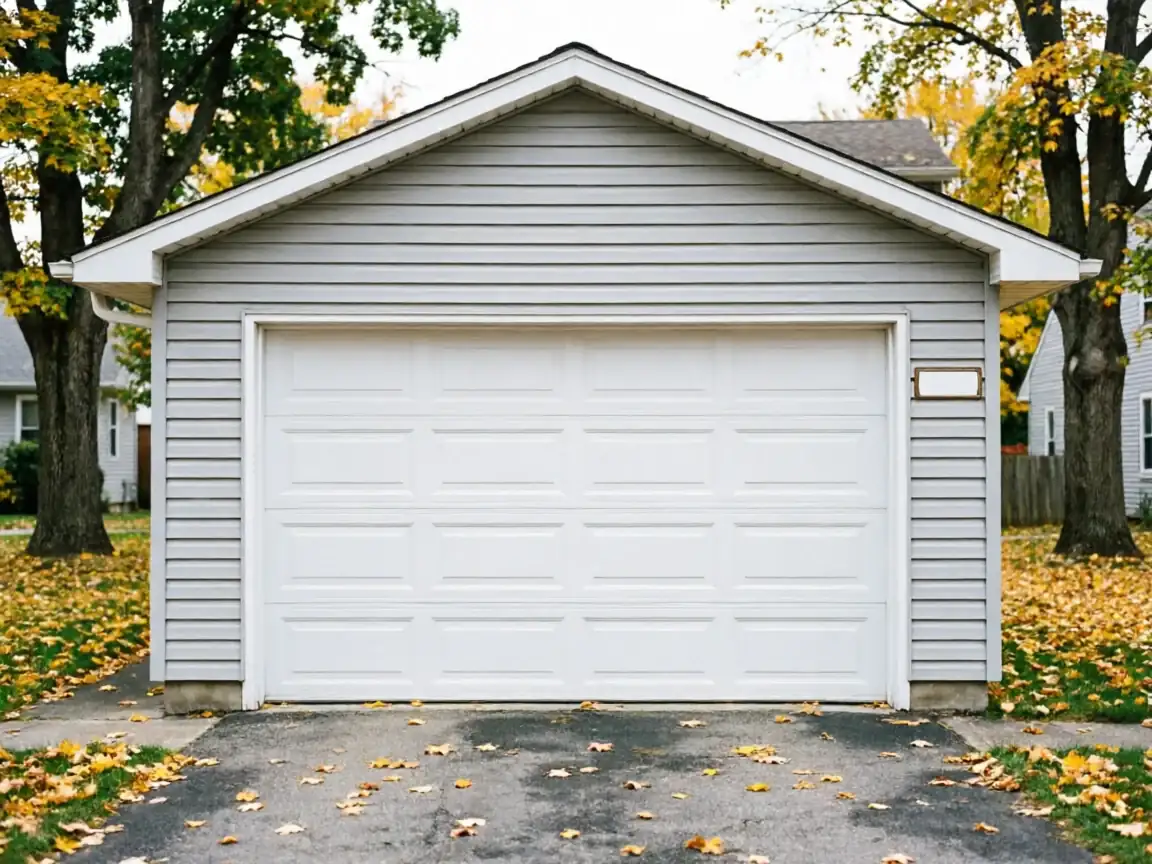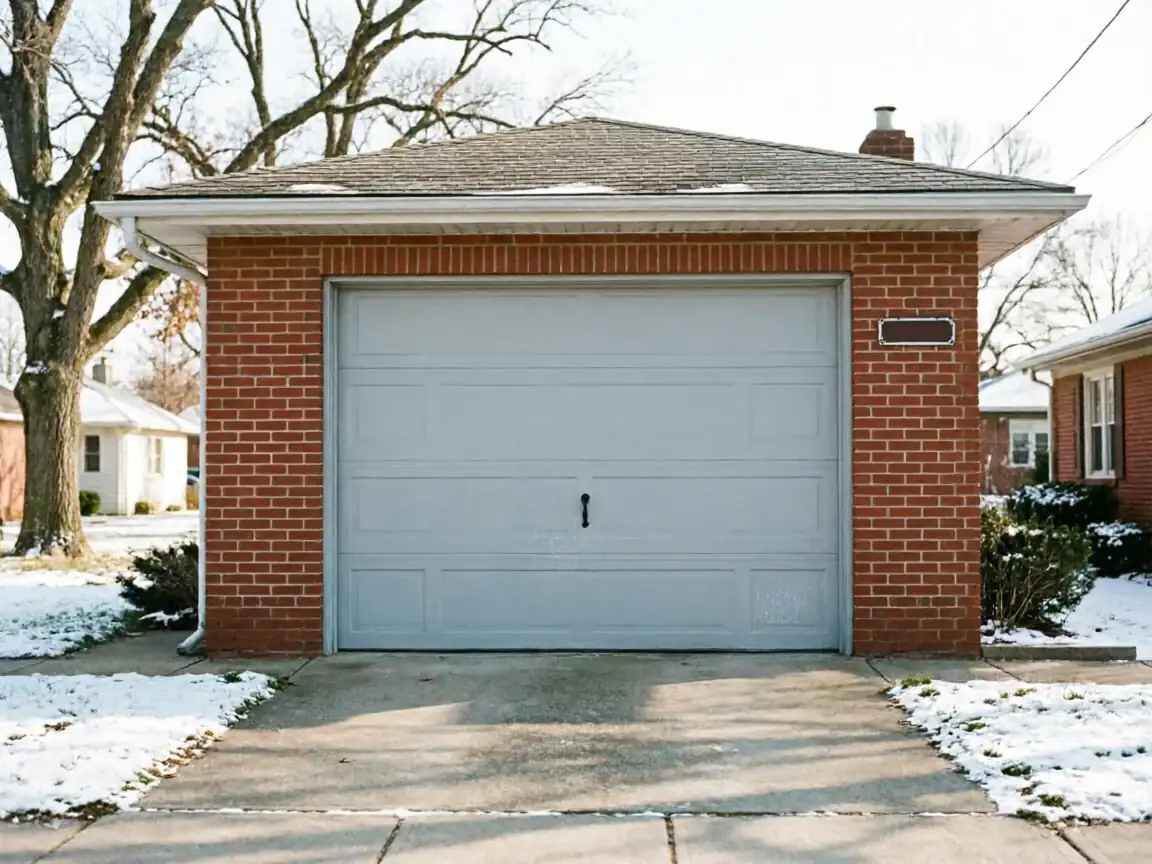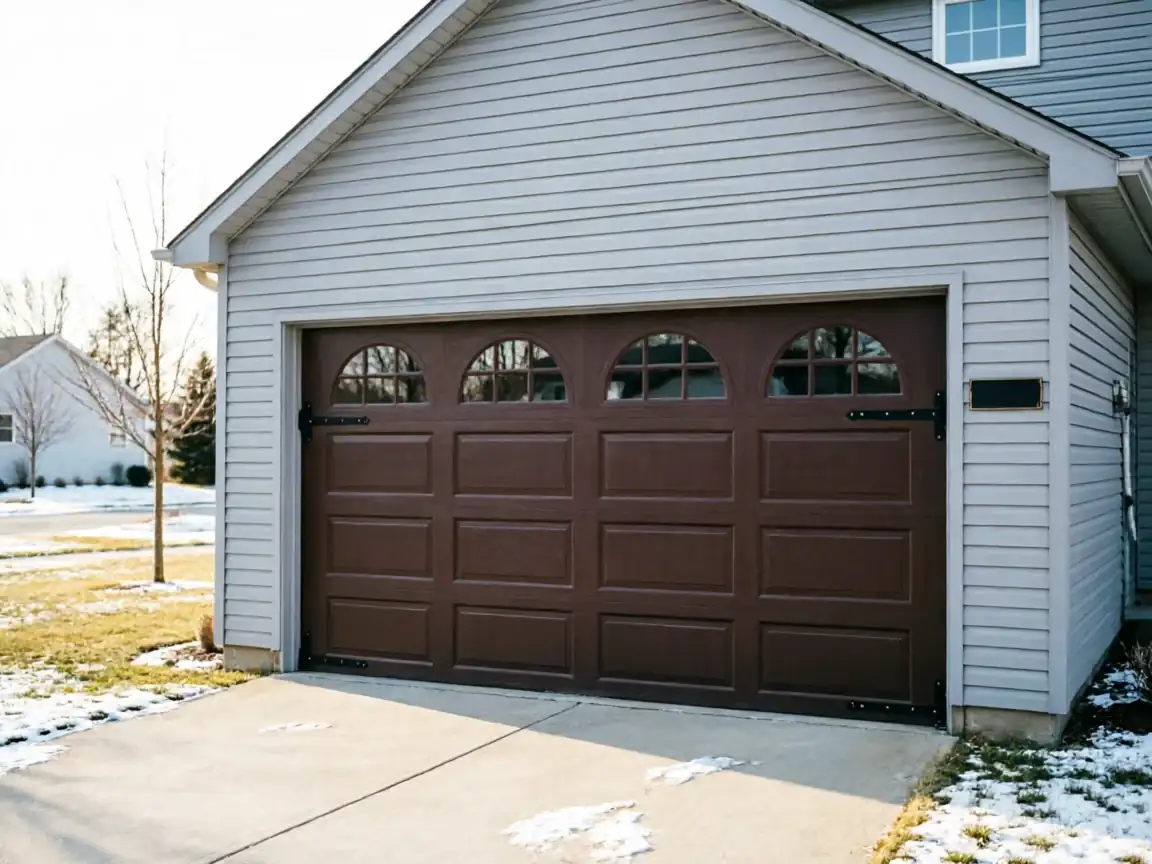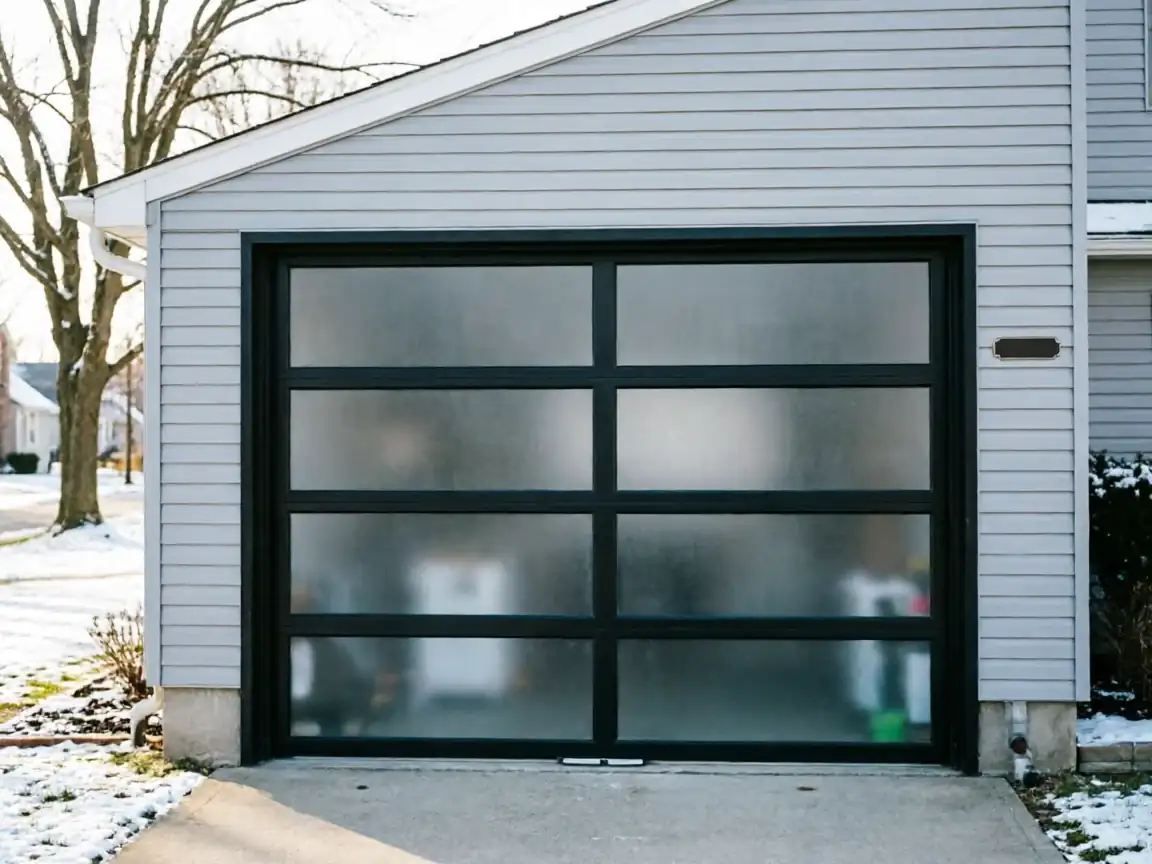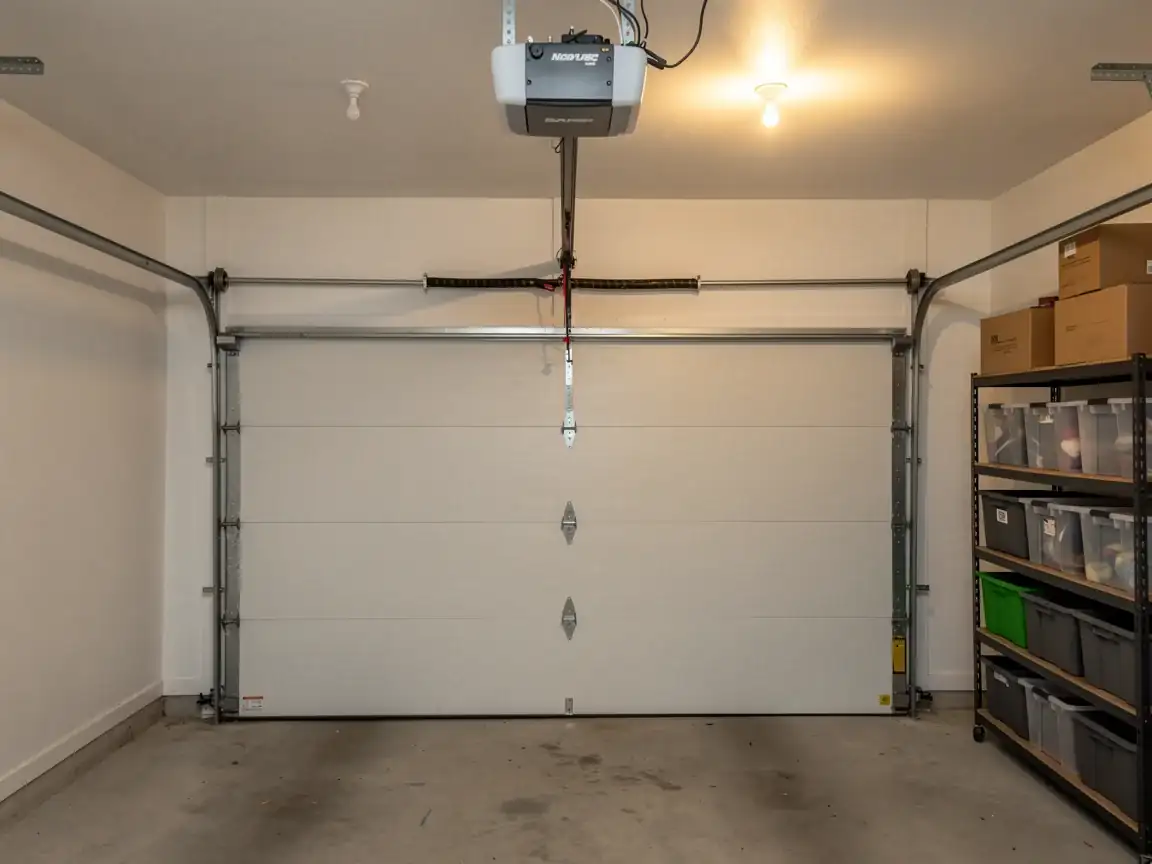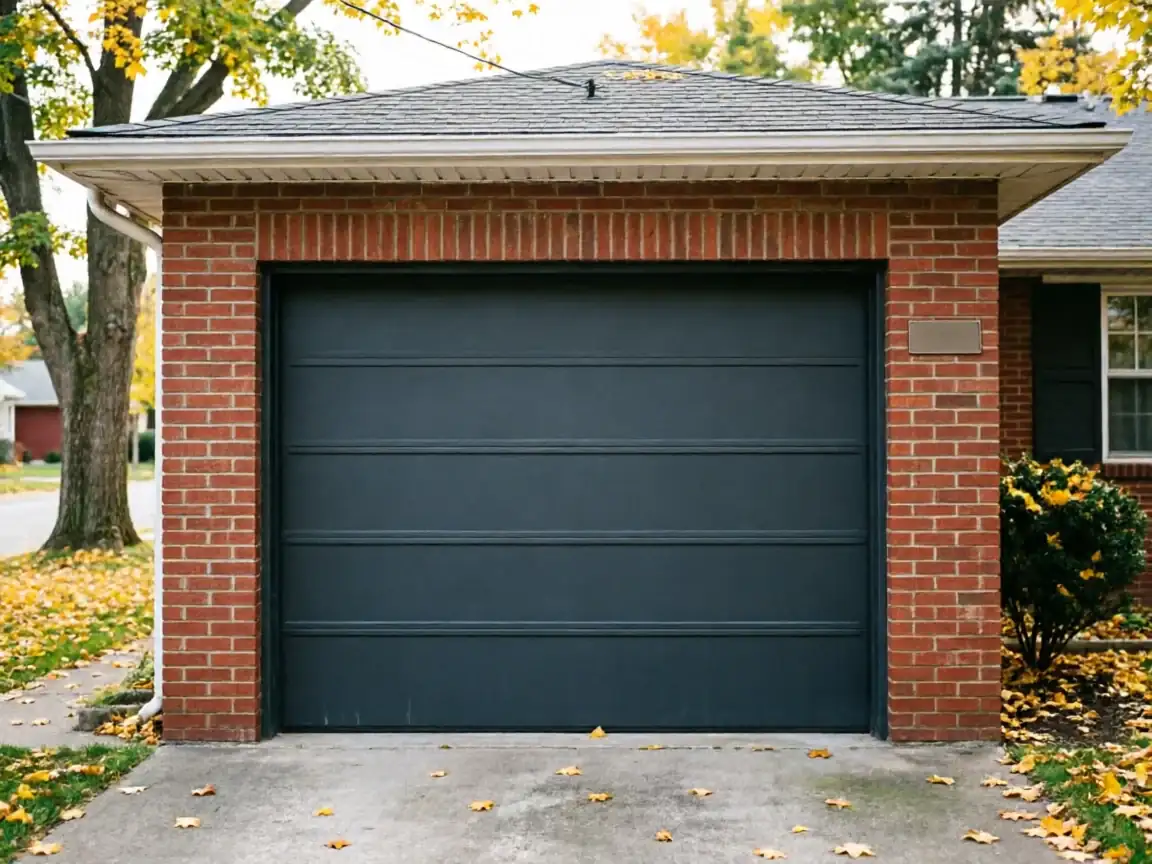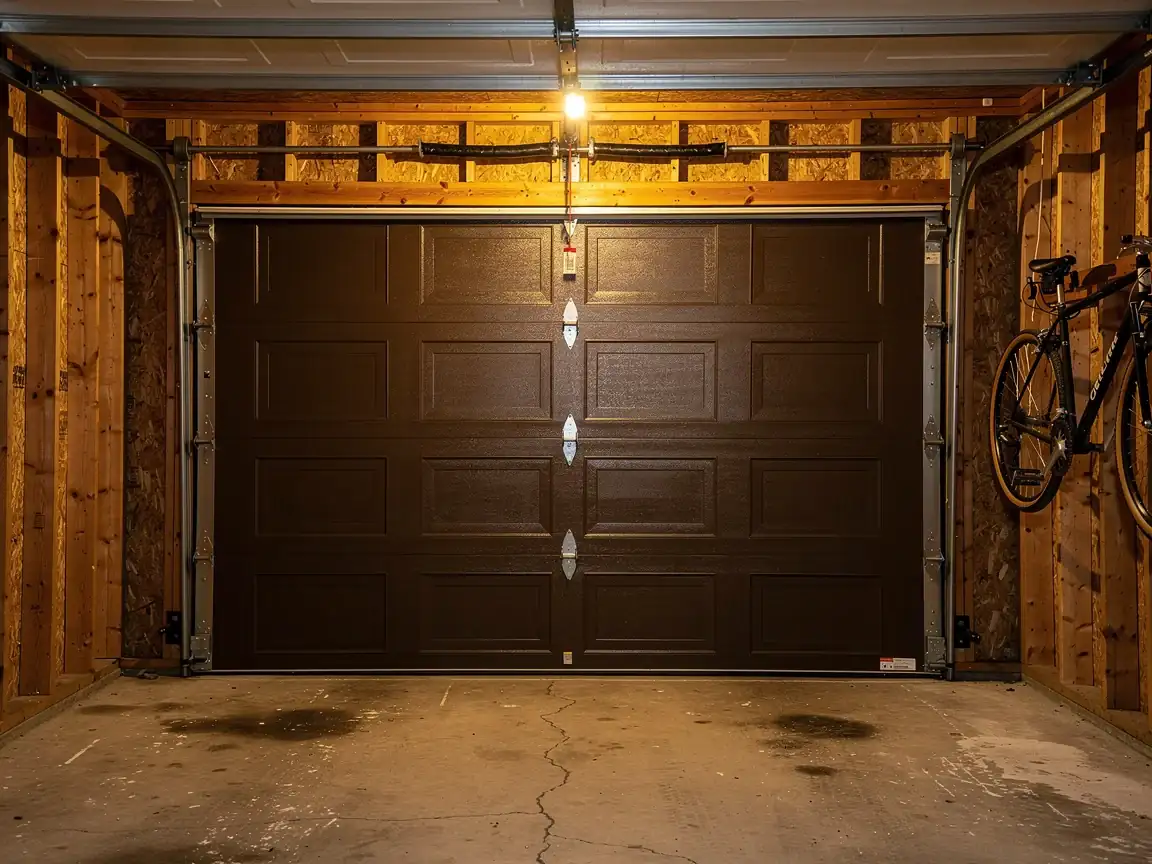
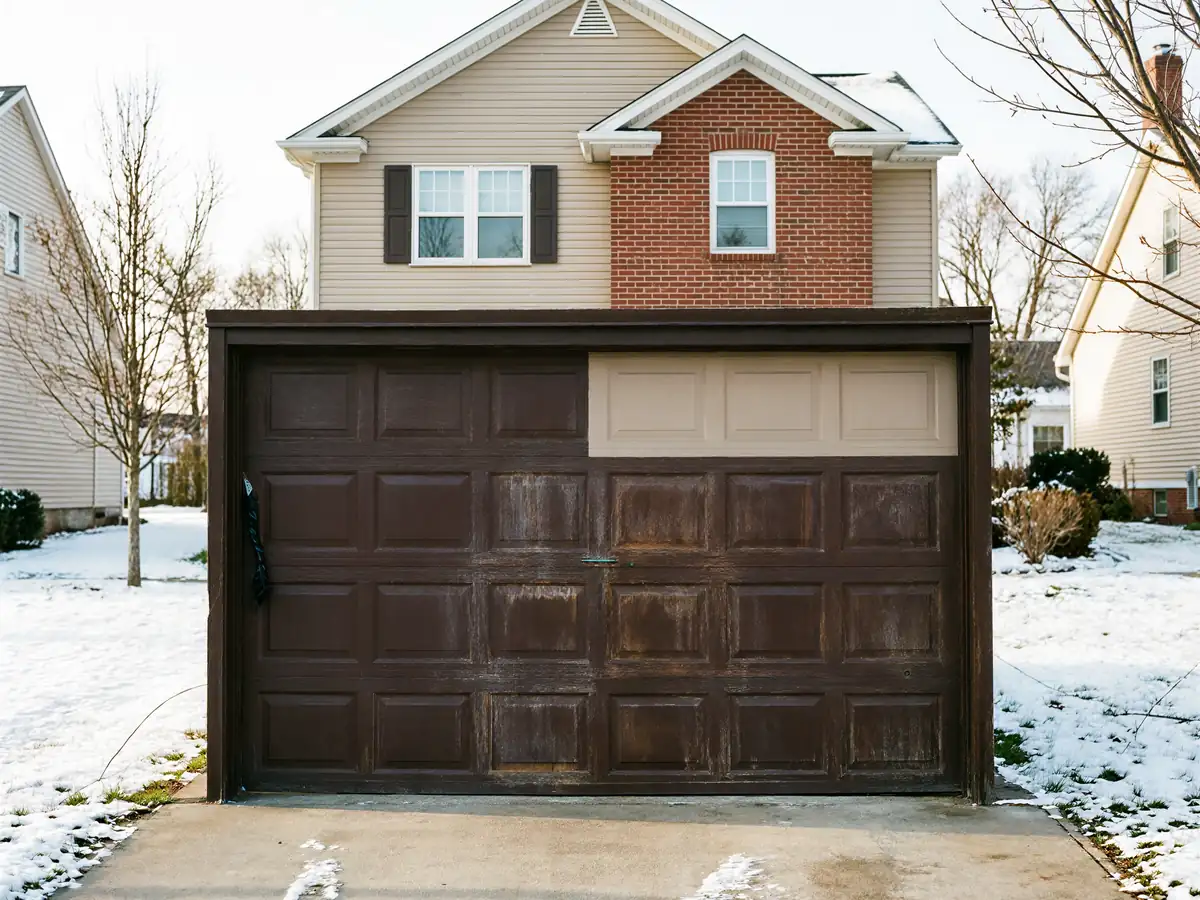
The Symptom
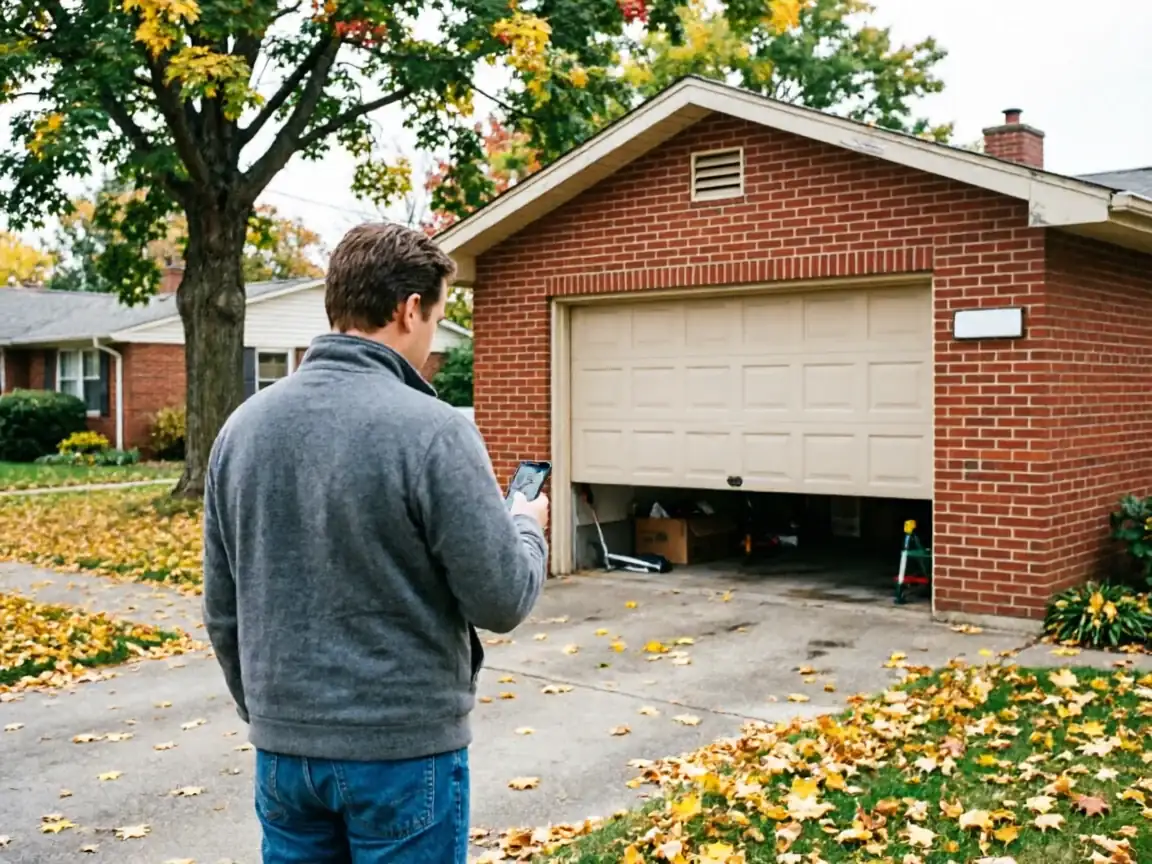
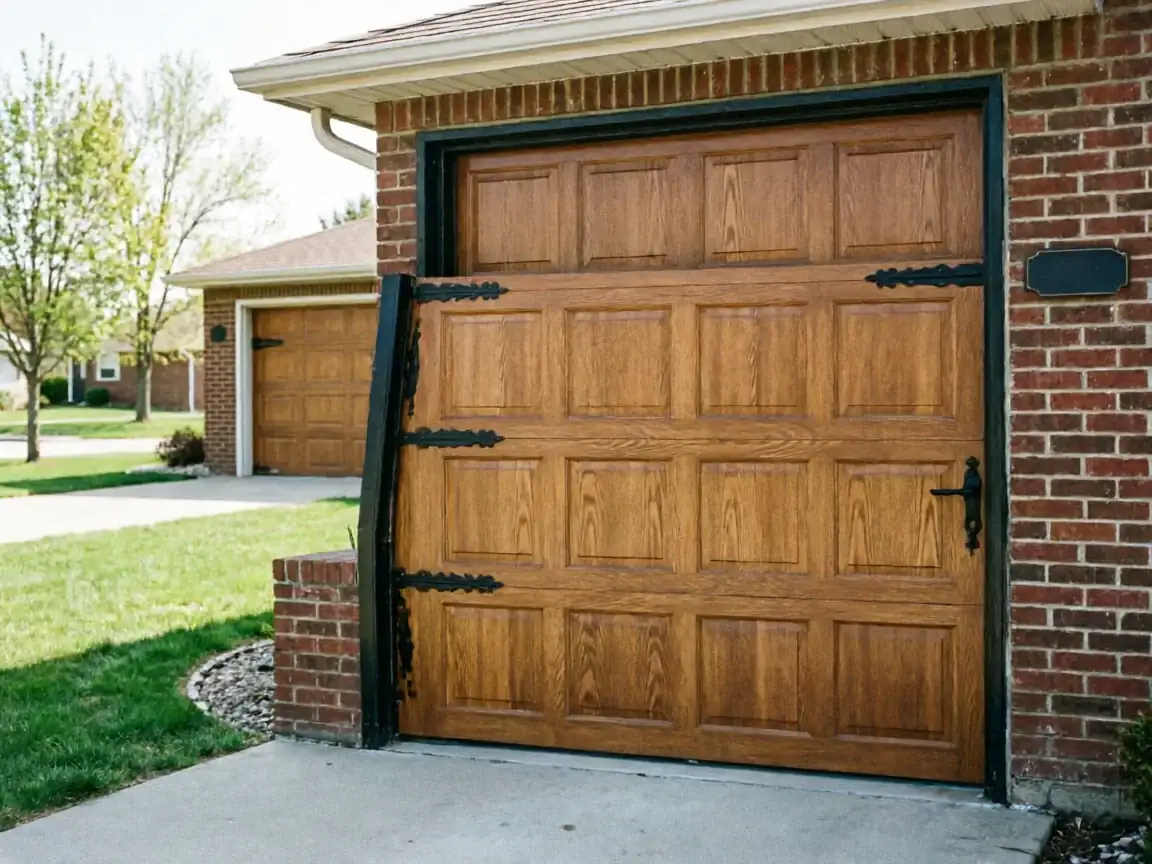
The call usually starts the same way: a dent from a mower, a trailer hitch, or a winter scrape with the plow, and now one panel on an otherwise fine door looks wrong or won't sit flush in the track. Sometimes it's not an impact at all - the bottom panel has started to rust through at the seam, or the foam core has delaminated from the steel skin and the panel has gone soft in the middle.
Orono's housing stock centers on a median build year of 1982, which puts a large share of garage doors here into a specific era of construction: steel sandwich panels with foam-in-place insulation, usually in narrower widths than what's sold today. That generation of door held up well structurally, but the panel profiles from that period are largely discontinued, which changes the repair from "swap the part" to "find or fabricate a match."
The DIY Question
A single scratched or lightly dented panel on a newer door is sometimes a reasonable DIY swap if you can source the exact panel
On an early-1980s door, that's rarely true. The panel has to match width, rib pattern, and sometimes color texture against panels that have faded or chalked for forty years in the weather, and getting that wrong means one section of the door looks visibly newer than the rest for the life of the door.
There's also the structural side
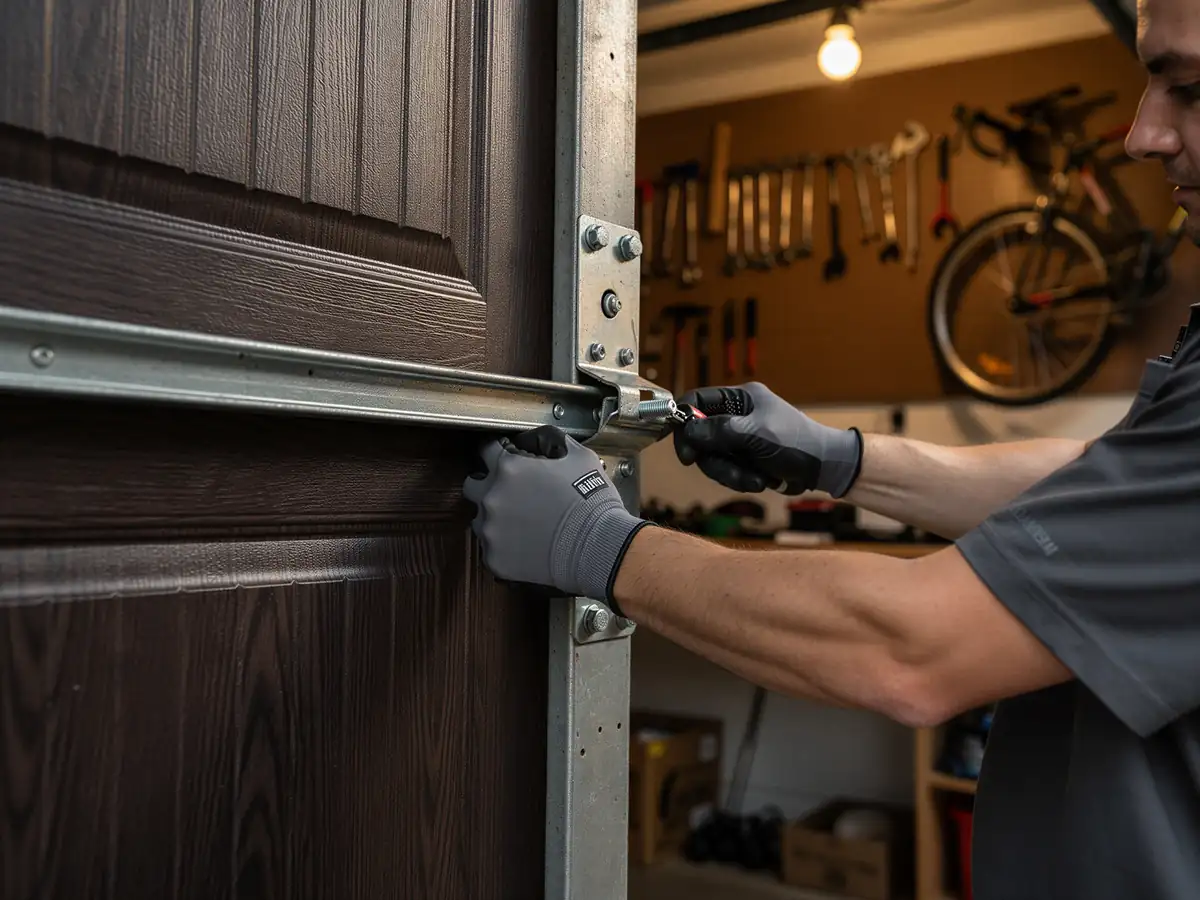
Panels on insulated doors from this era are often held to adjacent sections with hardware that's seized or stripped, and removing one panel without disturbing the track alignment on both sides takes more care than most one-off jobs are worth. If the door is a double-wide with a center post, a bent panel can also mean a slightly twisted post, which isn't something to diagnose from a ladder. We'll tell you straight if a panel is a bolt-in swap or if it needs a trained eye before you touch it.
Stocked Parts
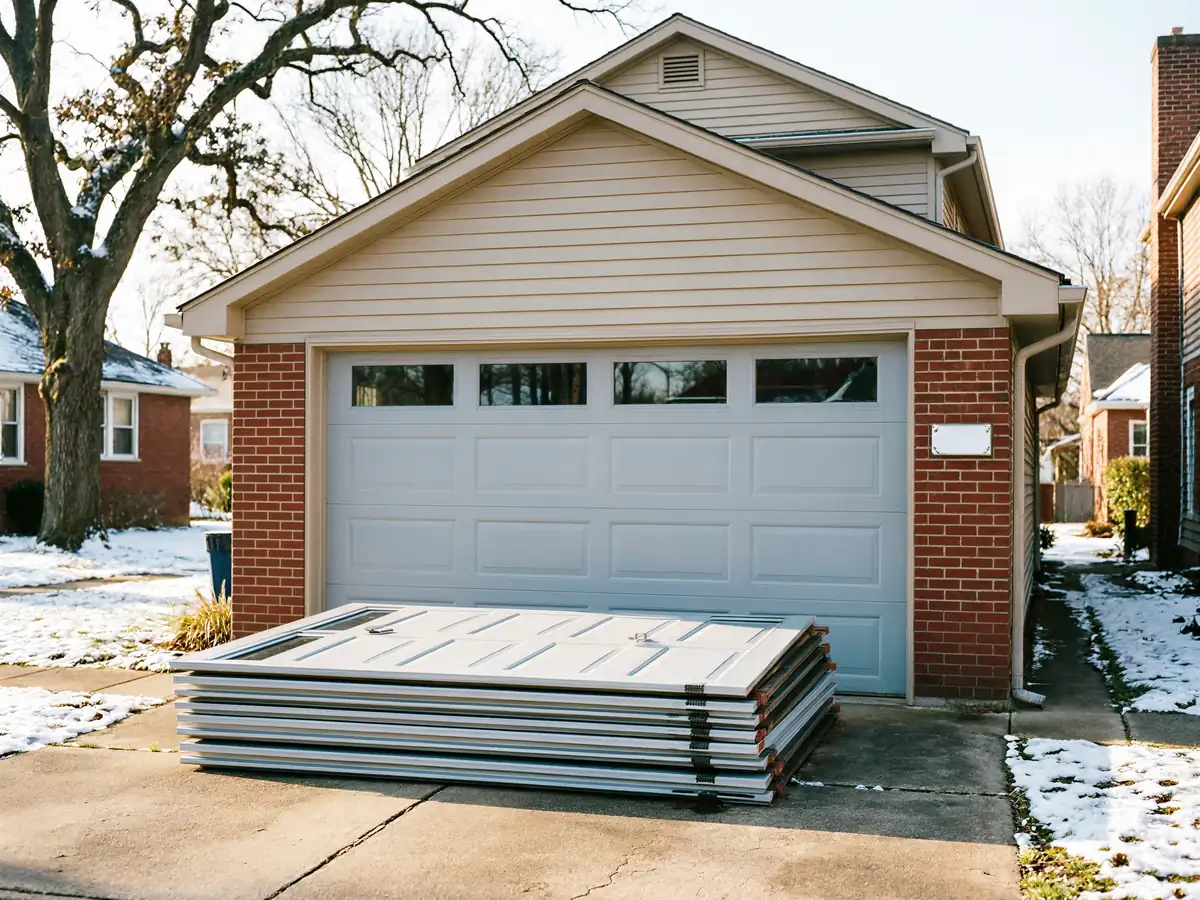
We carry common panel sizes and hardware on the truck out of Hopkins, but panels matching Orono's older housing stock aren't something any company keeps sitting on a shelf in bulk - there are too many discontinued profiles from the 1980s and 90s still in service. When a match isn't on hand, we order it rather than install something close enough that leaves a visible seam in color or rib spacing.
This is the honest limitation worth stating up front: a special-order panel can mean a wait, and we won't pretend otherwise just to get a job booked faster. What we can usually do same-visit is confirm the exact panel specs, check the rest of the door's hardware while we're there, and tell you whether the better move is one matched panel or a full door replacement if the rest of the section run is also showing its age.
What the Repair Takes
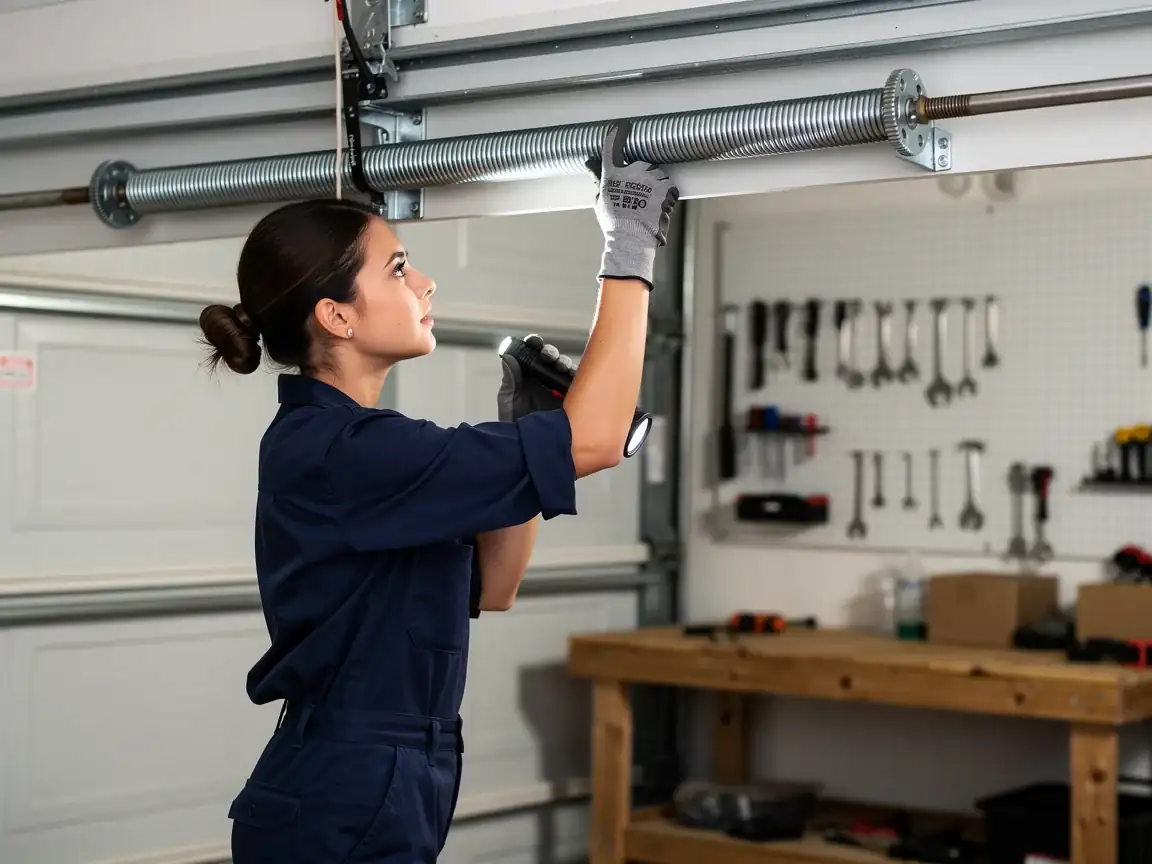
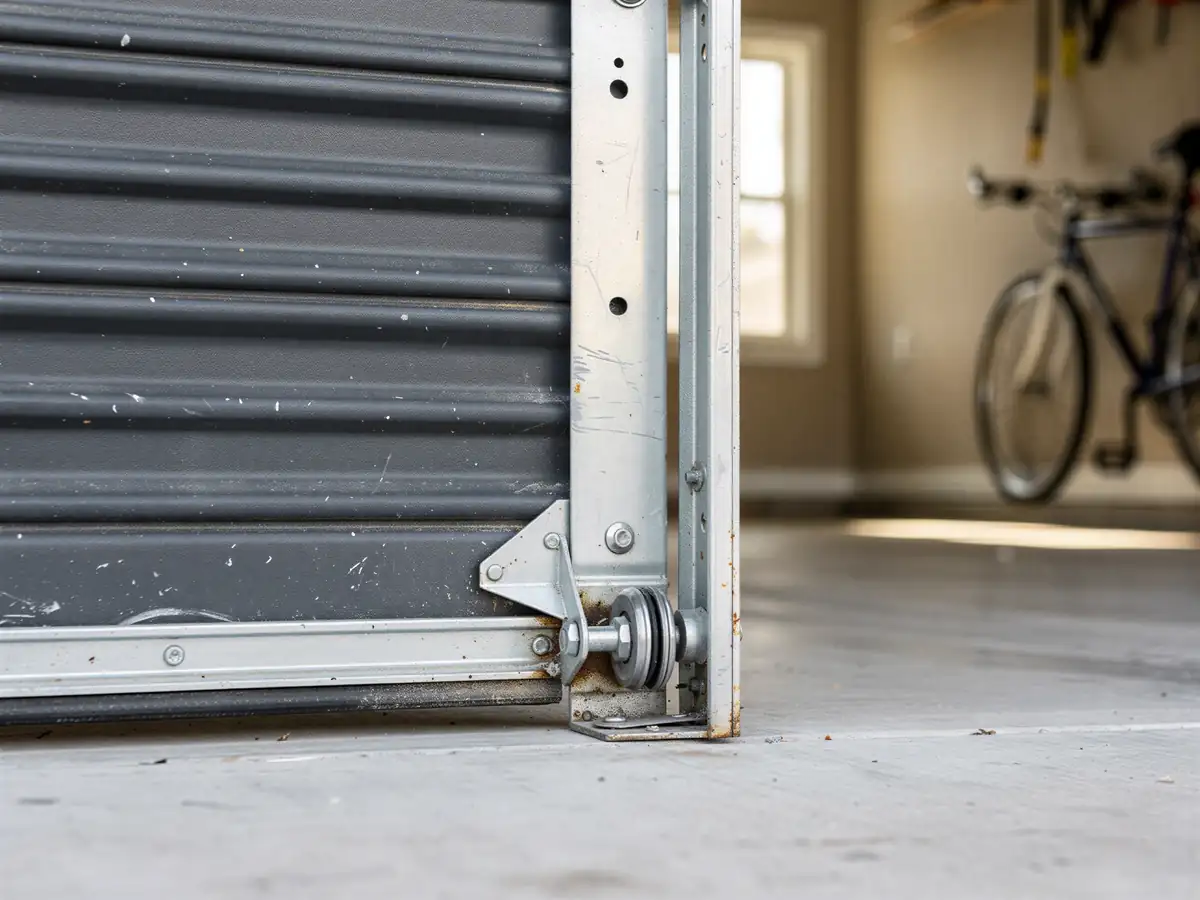
Panel replacement starts with pulling the old section's fasteners without letting the rest of the door sag out of square, especially on insulated doors where the panel itself carries some of the rigidity. On doors from Orono's 1982-median building era, we're also checking the track and hinges that panel has been riding on, since hardware from that vintage has often outlived its lubrication and sometimes its tolerances.
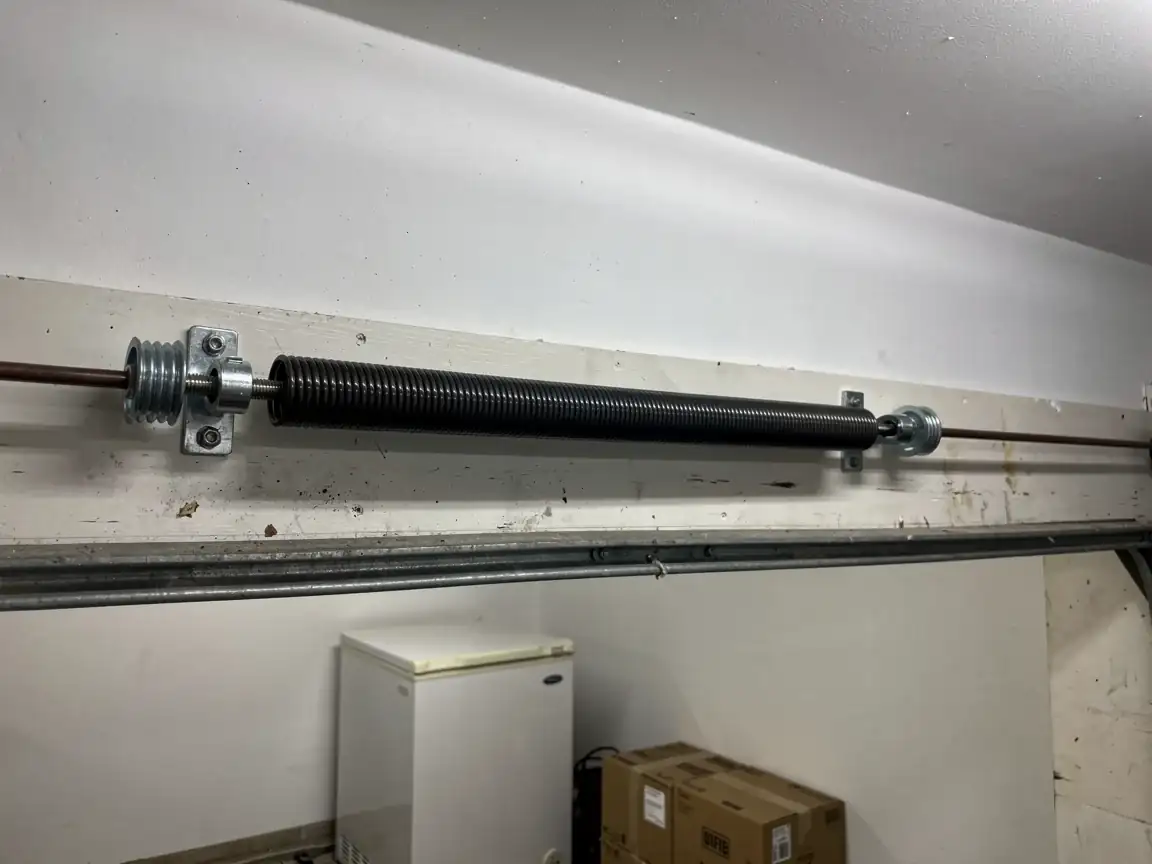
Once the new or matched panel is set, it has to be squared against the neighboring sections, re-hung on the existing hinges or new ones if the old ones are worn, and tested through a full open-close cycle before we call it done. On a double door, we also check that the panel swap hasn't thrown off the balance on the springs, since a few added or lost pounds of panel weight can be enough to make the opener strain.
How Long You Are Without the Door
If the panel is a stocked match, the physical swap itself is usually a single visit
If it's a special order for an older profile, the door stays functional in the meantime in almost every case - we're replacing one section, not pulling the whole door off its track, so you're not without a working garage door while you wait on the part.
The cold climate band this area sits in is worth factoring in if the damaged panel has a crack or a gap that's letting outside air into the garage
An insulated panel that's lost its seal loses more of its R-value here over a Minnesota winter than it would in a milder climate, so a cosmetic dent that's also let in a leak is worth scheduling sooner rather than waiting out a backordered part.
Getting It Booked In
We travel to Orono from Hopkins, about 9 miles out, so the first step is usually a quick look at the panel - a photo helps, and so does knowing the rough age of the door - so we can tell you ahead of the visit whether it's a stocked part or a special order. From there we schedule the measurement and, if needed, the follow-up install once the panel is in.
With Orono's household income running well above the wider service area's median, we see more requests here to match an existing panel line rather than replace the whole door, even when the per-panel cost runs higher than a full new door would. That's a reasonable call on a door that's otherwise sound, and we'll always give you both numbers before you decide. See our general page on <a href="/orono-garage-door-repair/">Orono garage door repair</a> for other issues on the same door, or the <a href="/garage-door-panel-replacement-hopkins-mn">Hopkins panel replacement page</a> for how this service works across the wider area.