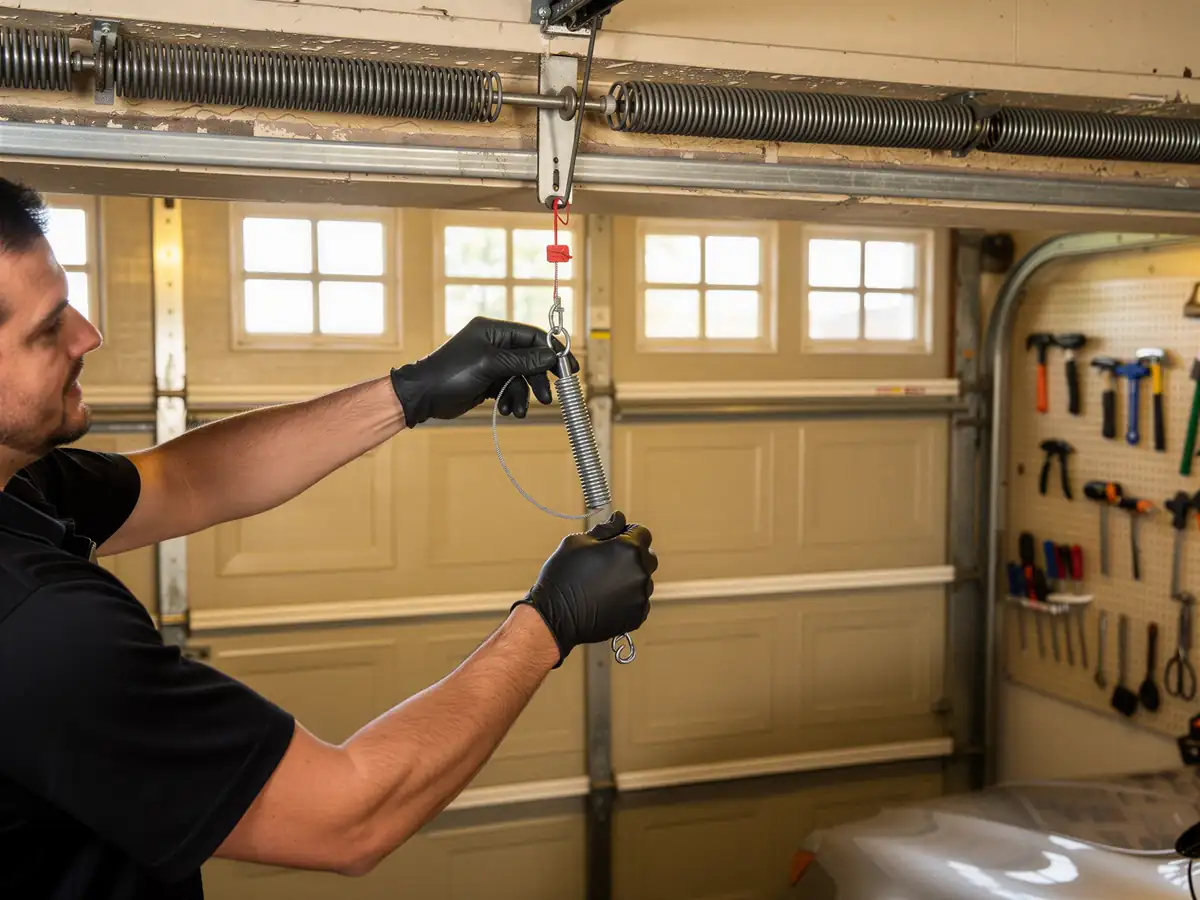
The DIY Question
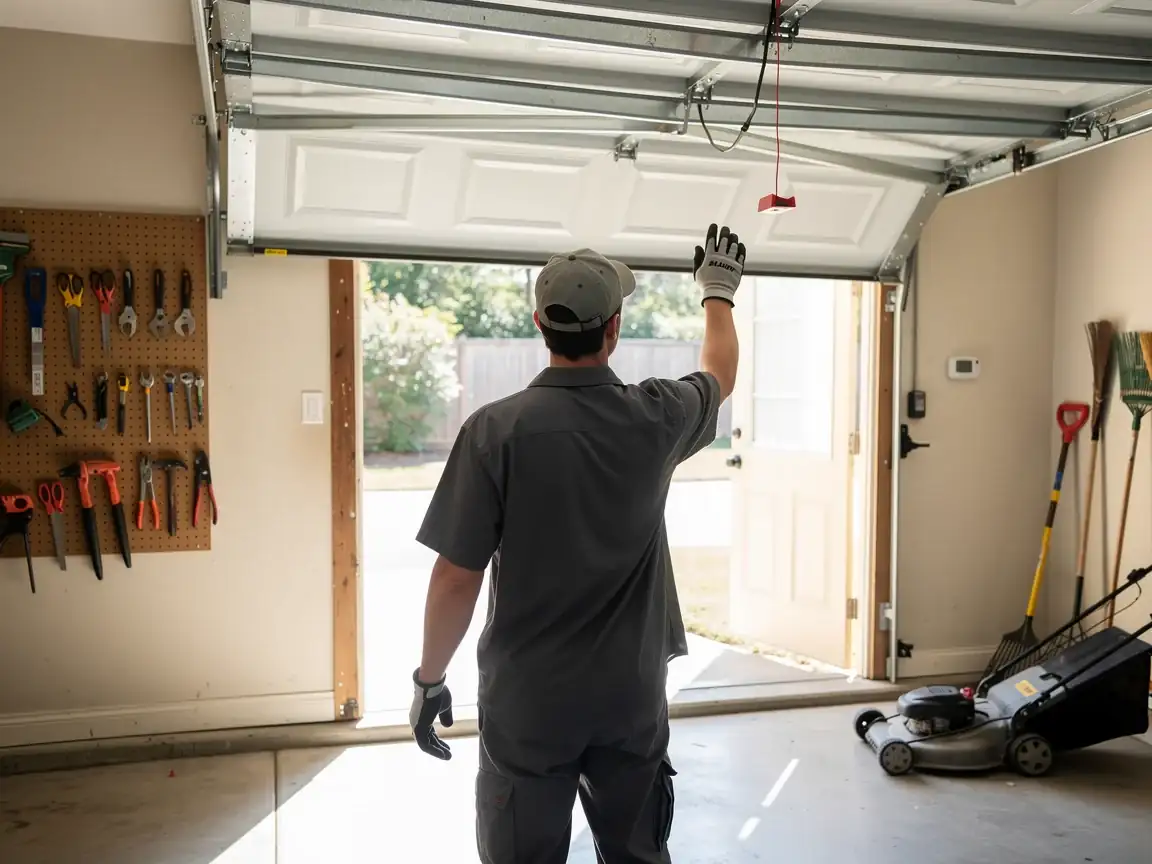
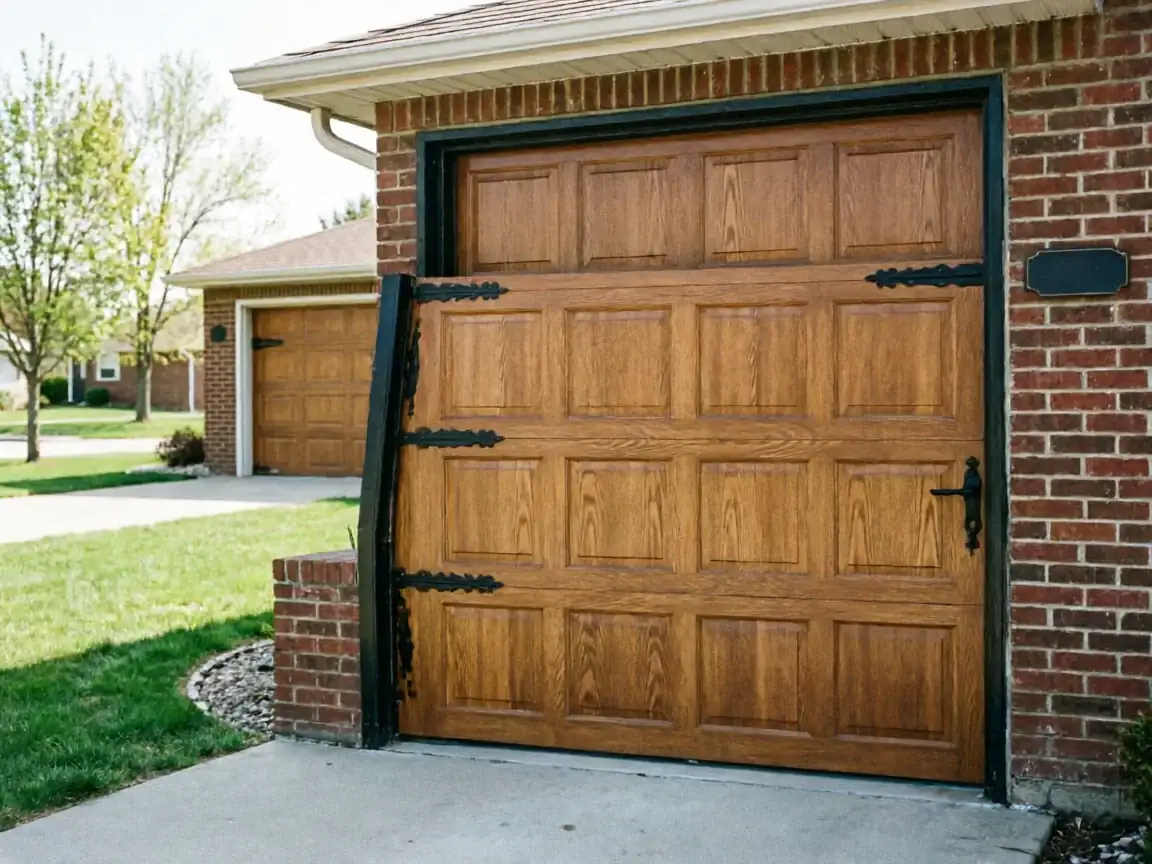
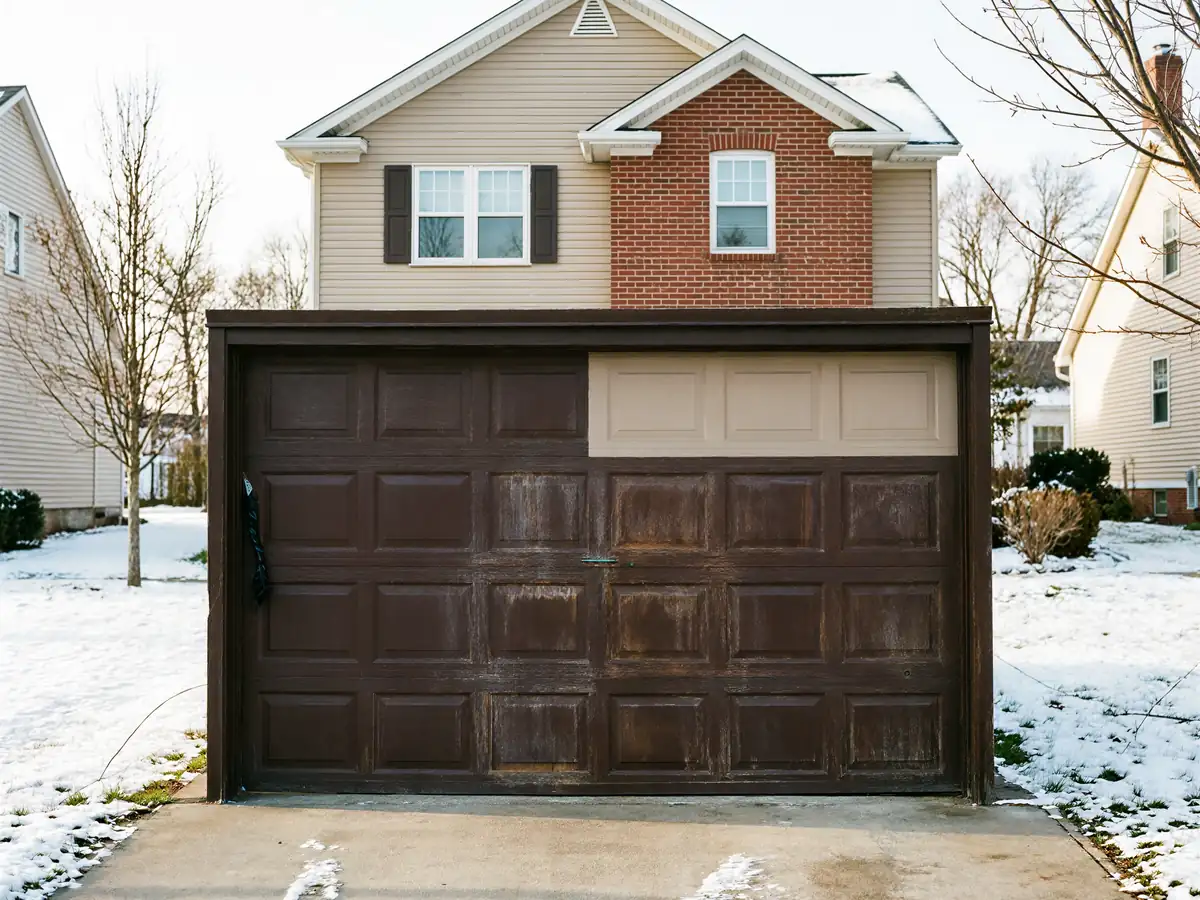
A torsion spring holds a lot of stored energy, and on a door built around 1982 - which is the median build year for homes in Orono - that spring has usually never been replaced. Forty-plus years of winding and unwinding under tension doesn't leave much margin for error if the hardware is original. We don't recommend homeowners pull the spring themselves, not because the job is impossible, but because wound torsion springs on older doors often have mismatched cable drums, aged end bearings, or non-standard shaft sizes that aren't obvious until you're mid-job. Hiring it out costs more up front than a $20 part from a box store, but it means the door goes back together square. If you've got the tools, the winding bars, and you understand spring wind direction, that's your call to make. Most people in Orono don't do this twice.
What the Repair Takes
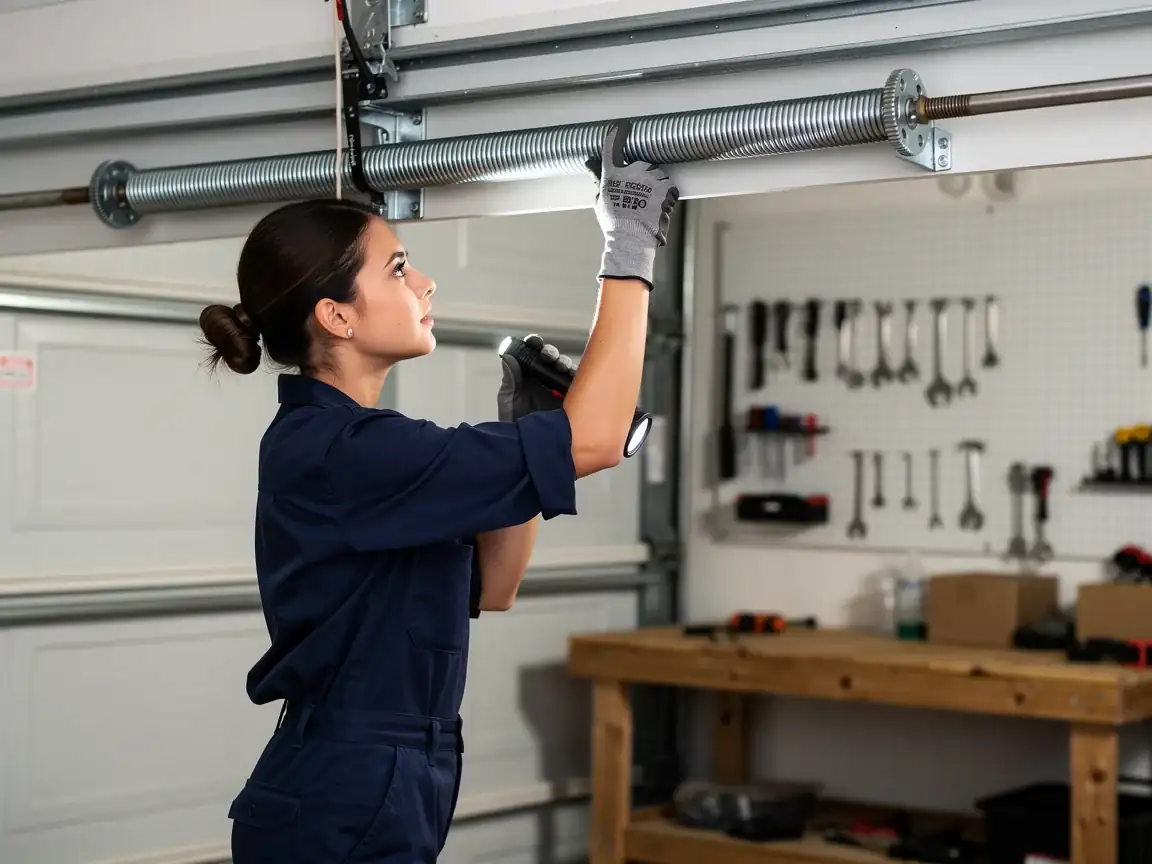
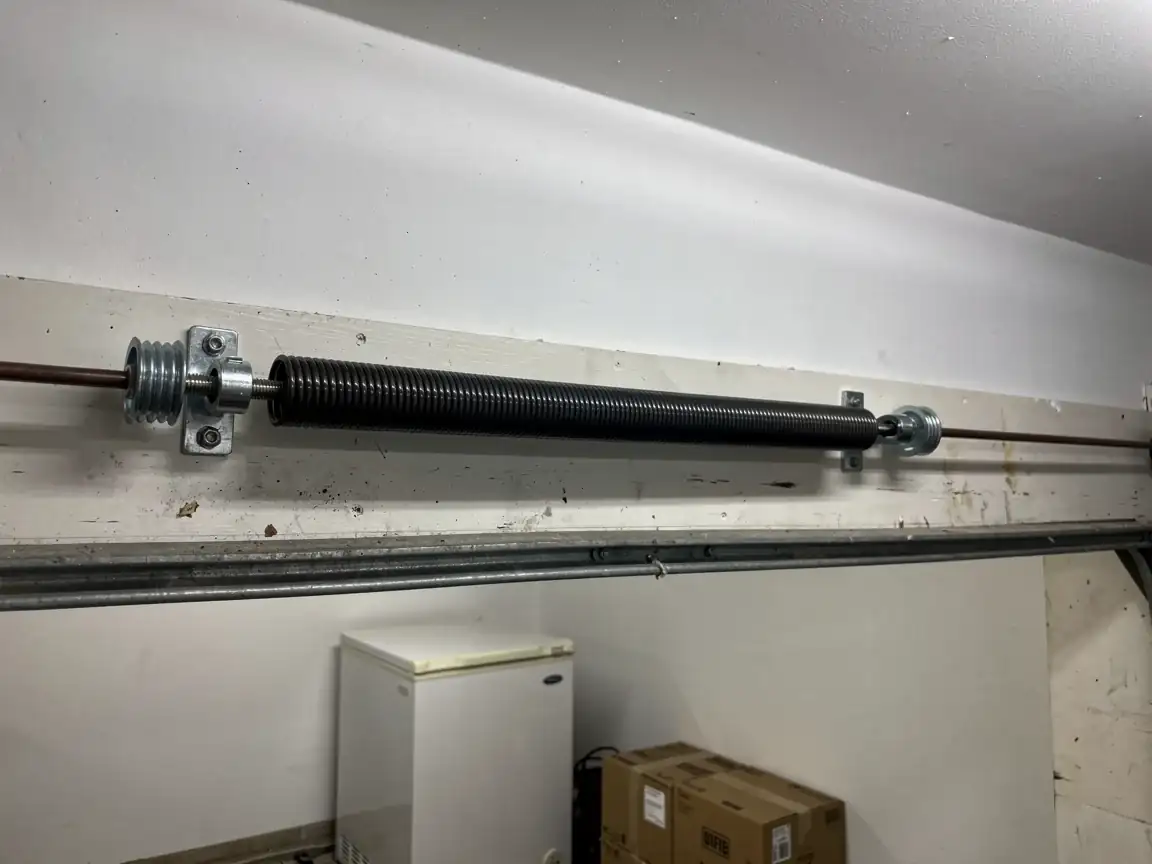
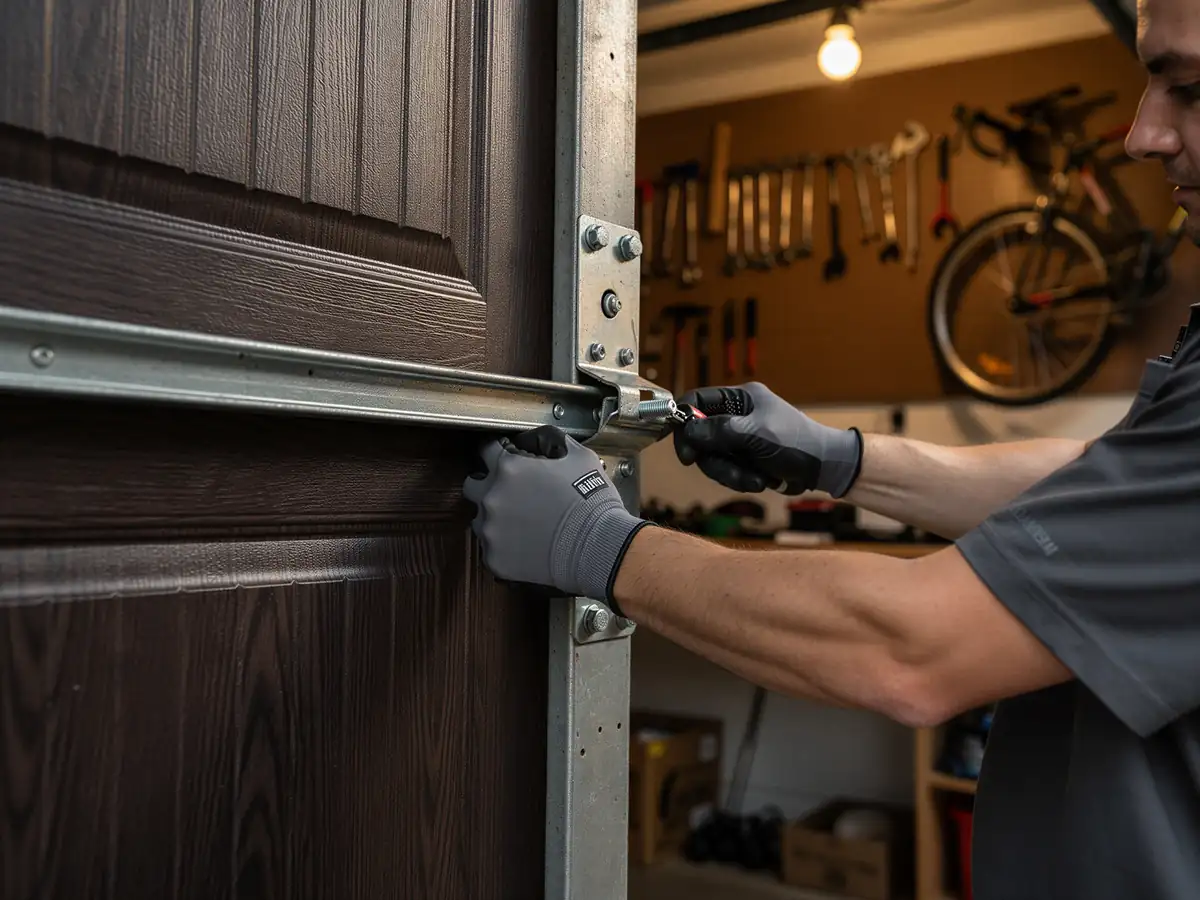
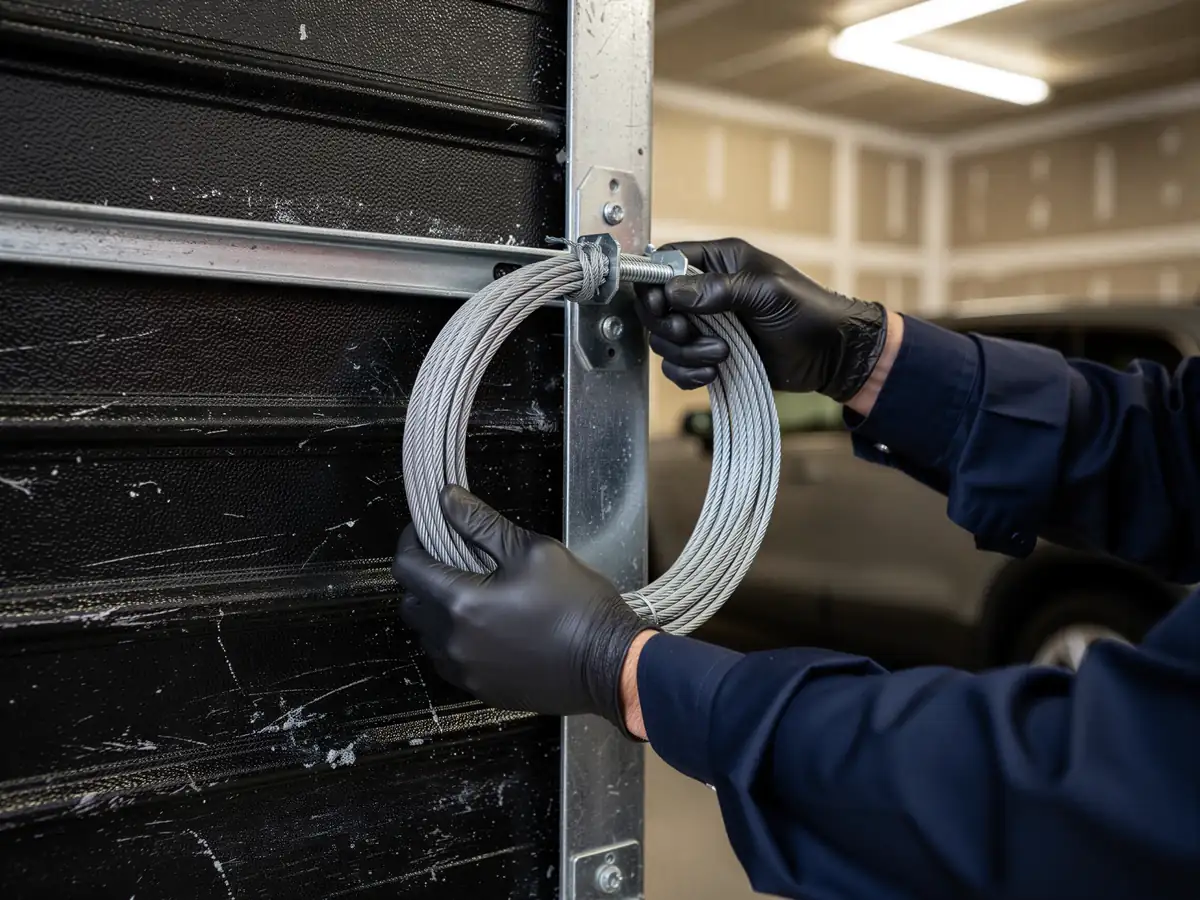
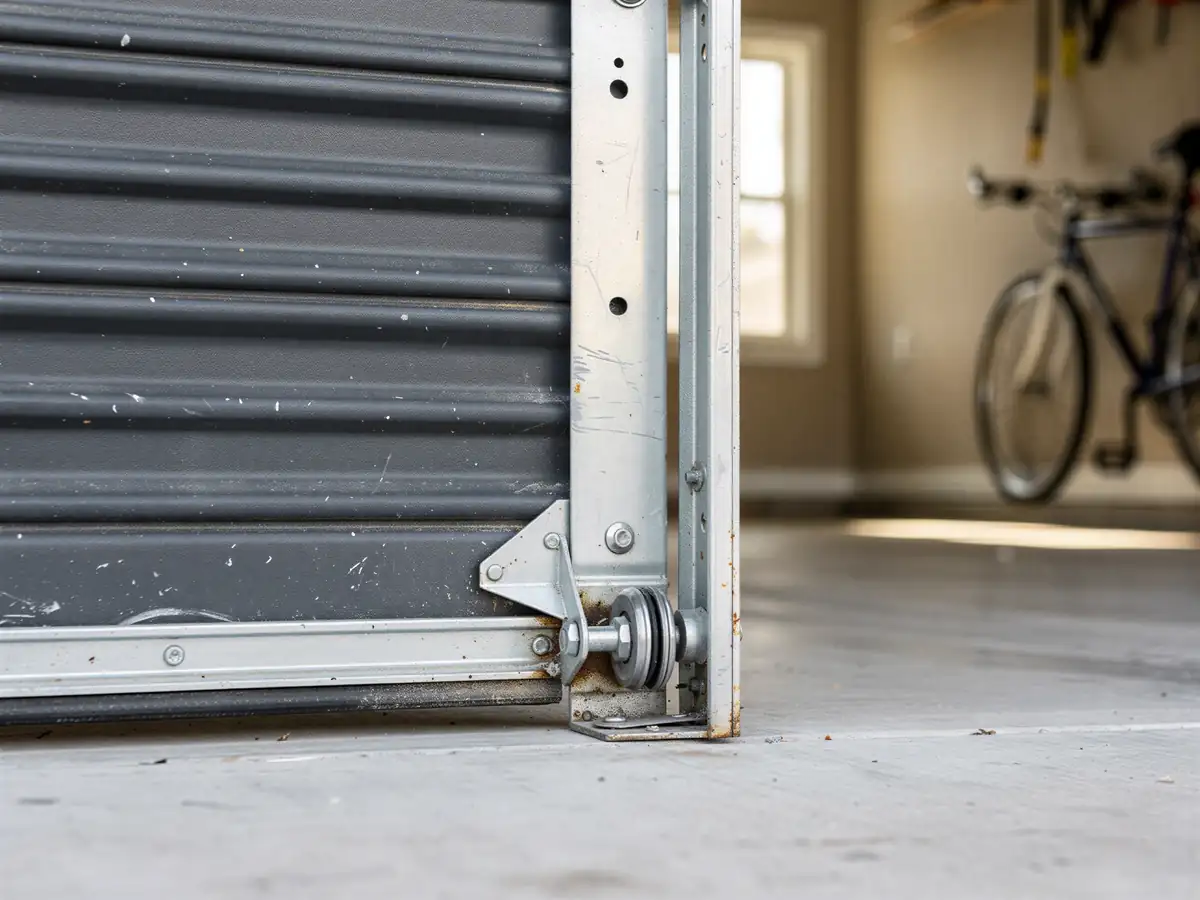
Swapping a broken torsion spring means releasing the tension safely, removing the old spring from the shaft, fitting the replacement sized to the door's weight and height, and re-winding to the correct number of turns. On a door this age, we also check the cable drums, the center bearing plate, and the track alignment, because when one part from 1982 fails, the parts next to it aren't far behind. Minnesota's cold winters add stress to steel coils, so springs here tend to fatigue and snap at lower cycle counts than in milder climates - that's a cost of the climate band, not a flaw in the part. We replace in pairs on double-spring setups even if only one has broken, because the second one is usually close behind it.
How Long You Are Without the Door
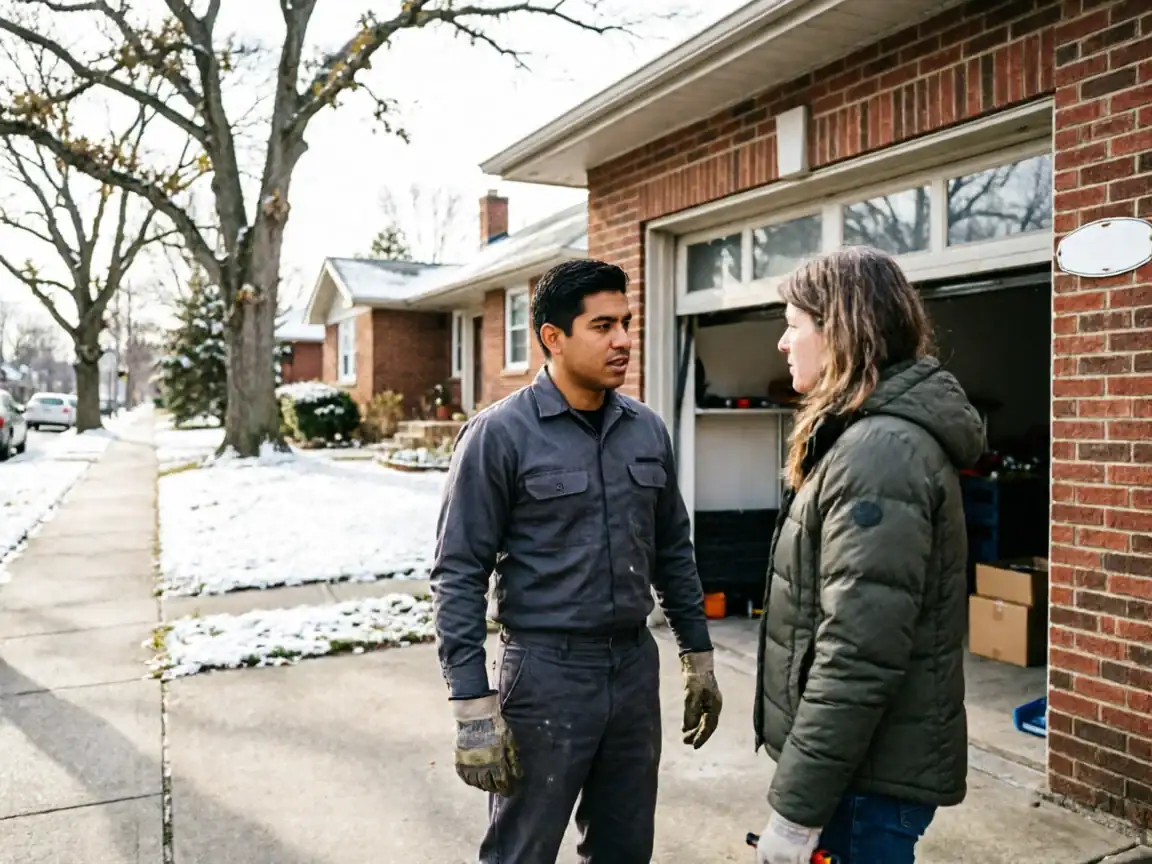
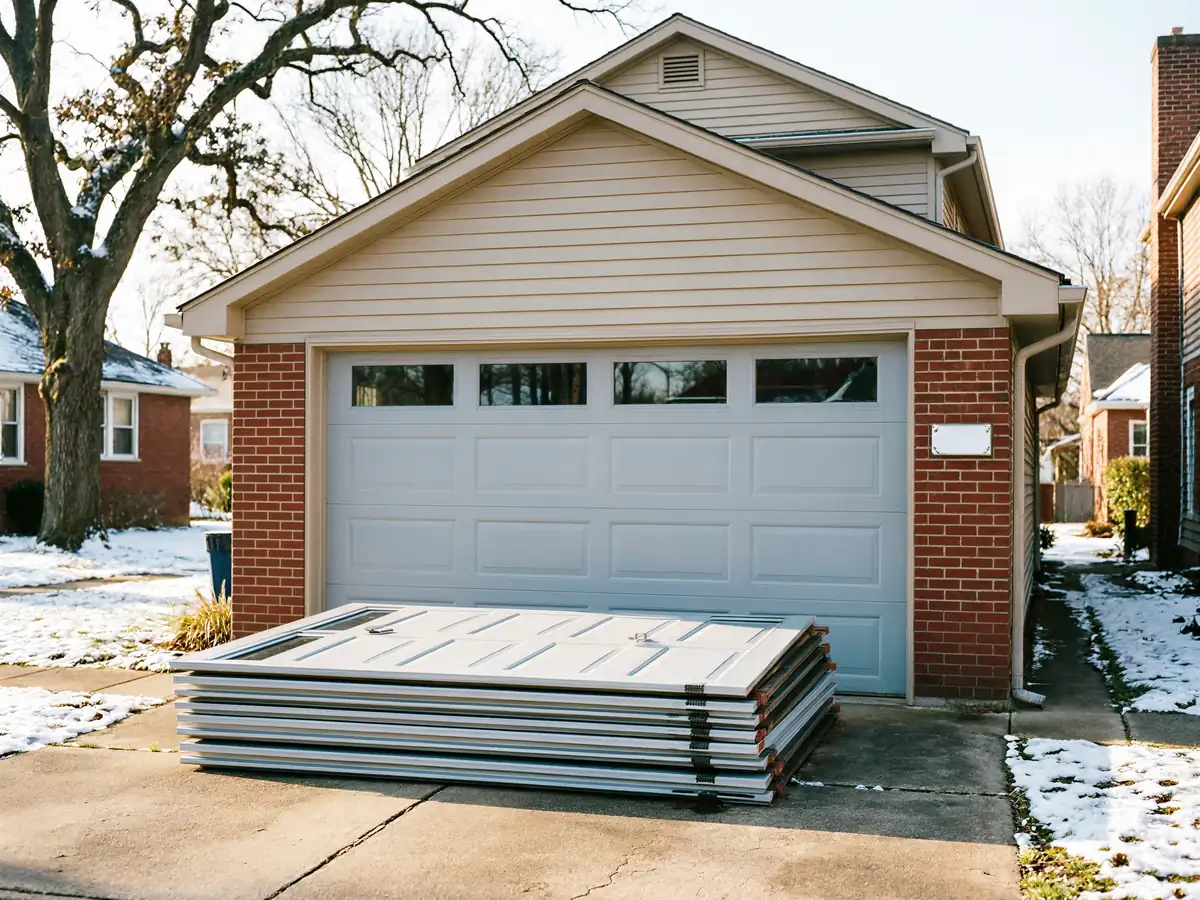
A straightforward spring swap, once the technician is on site with the right part, usually takes under two hours. We don't quote a drive time for Orono beyond saying it's a 9-mile run from our Hopkins base, and how soon we can get there depends on the day's schedule, not a fixed promise. If the part has to be ordered because the door is a nonstandard width, the door stays out of service until that part arrives - we'll tell you that up front rather than guess at a date.
The Symptom
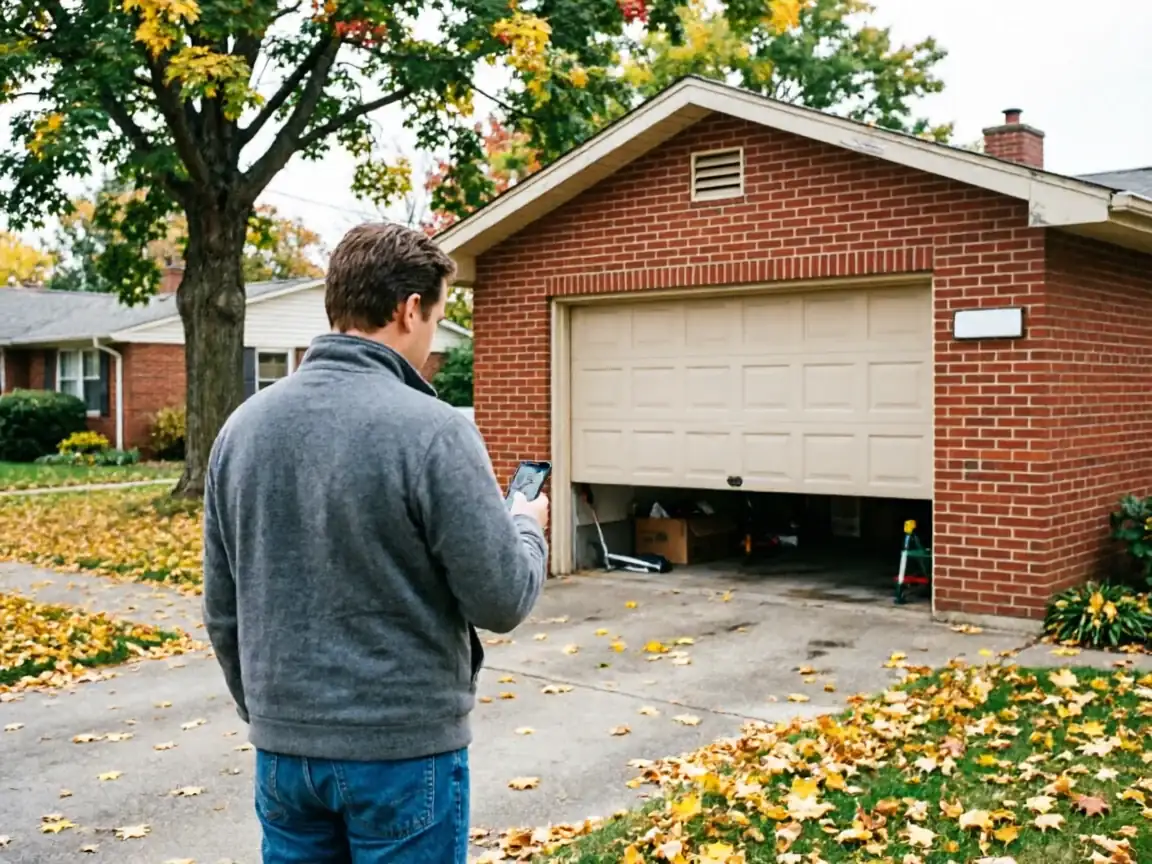
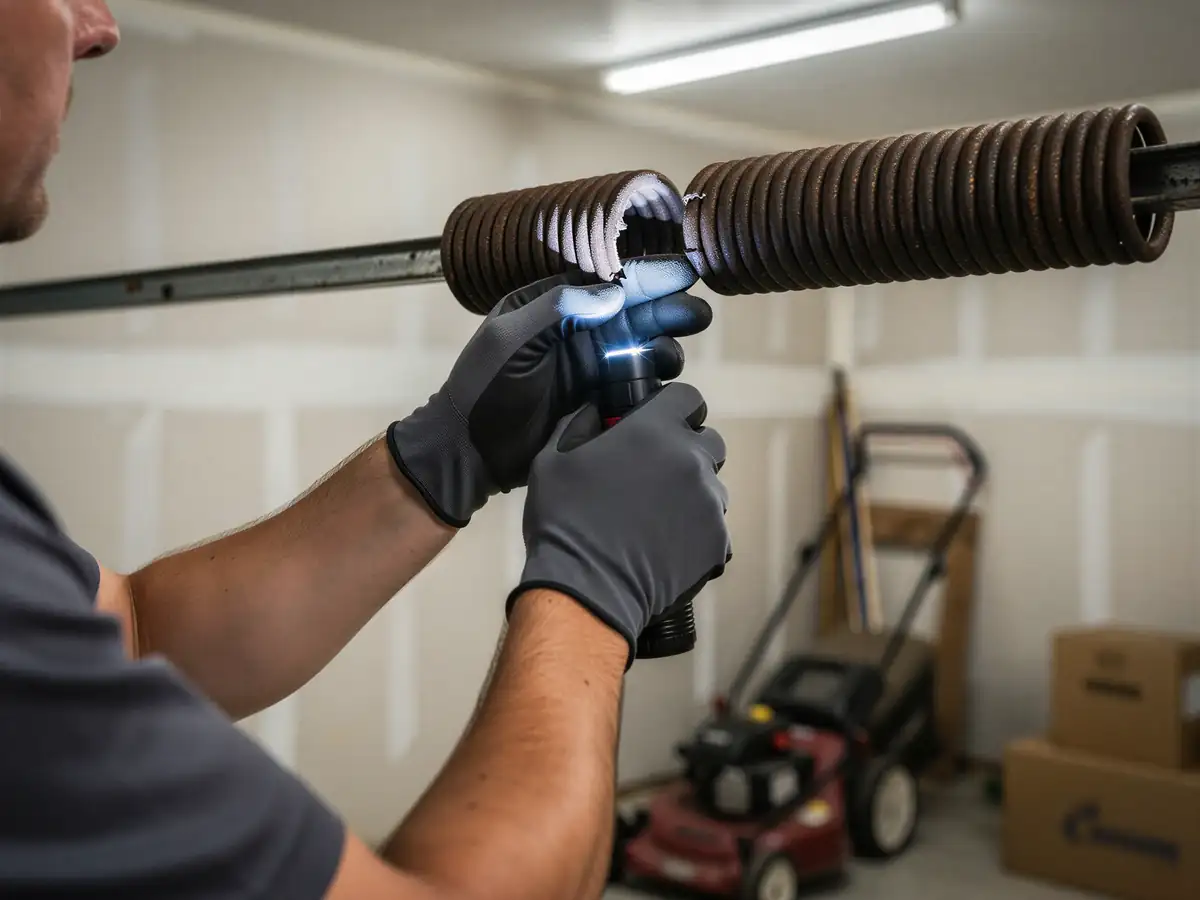
The classic sign is a loud bang from the garage, usually when no one's near the door, followed by a door that won't open with the opener or barely lifts by hand. That bang is the torsion spring letting go under tension. Some owners describe a slower symptom instead: the door starts closing unevenly, dropping faster on one side, which usually means one spring on a double-spring setup has already weakened and is about to go. Either way, don't force the opener against a broken spring - it strains the motor gears and can bend the top panel. Leave the door down, call it in, and we'll sort out which parts the job needs before we come out.