The DIY Question
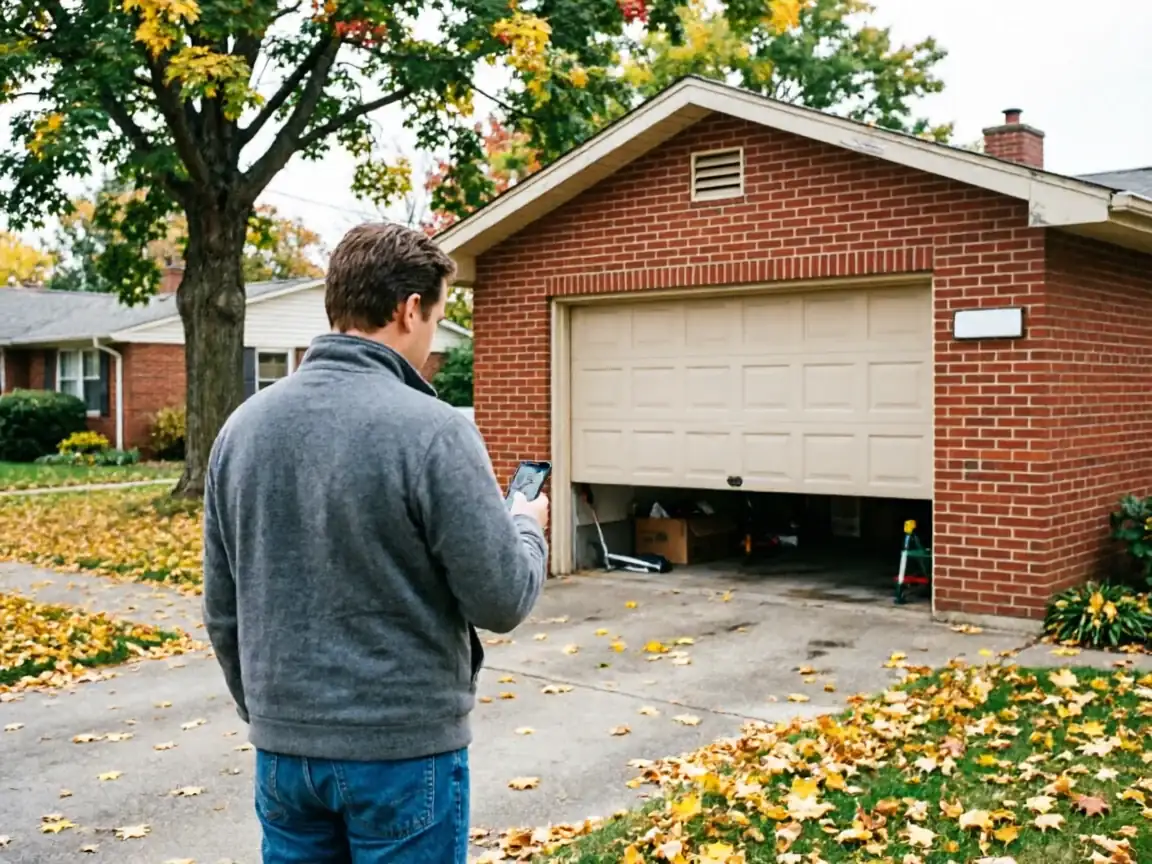
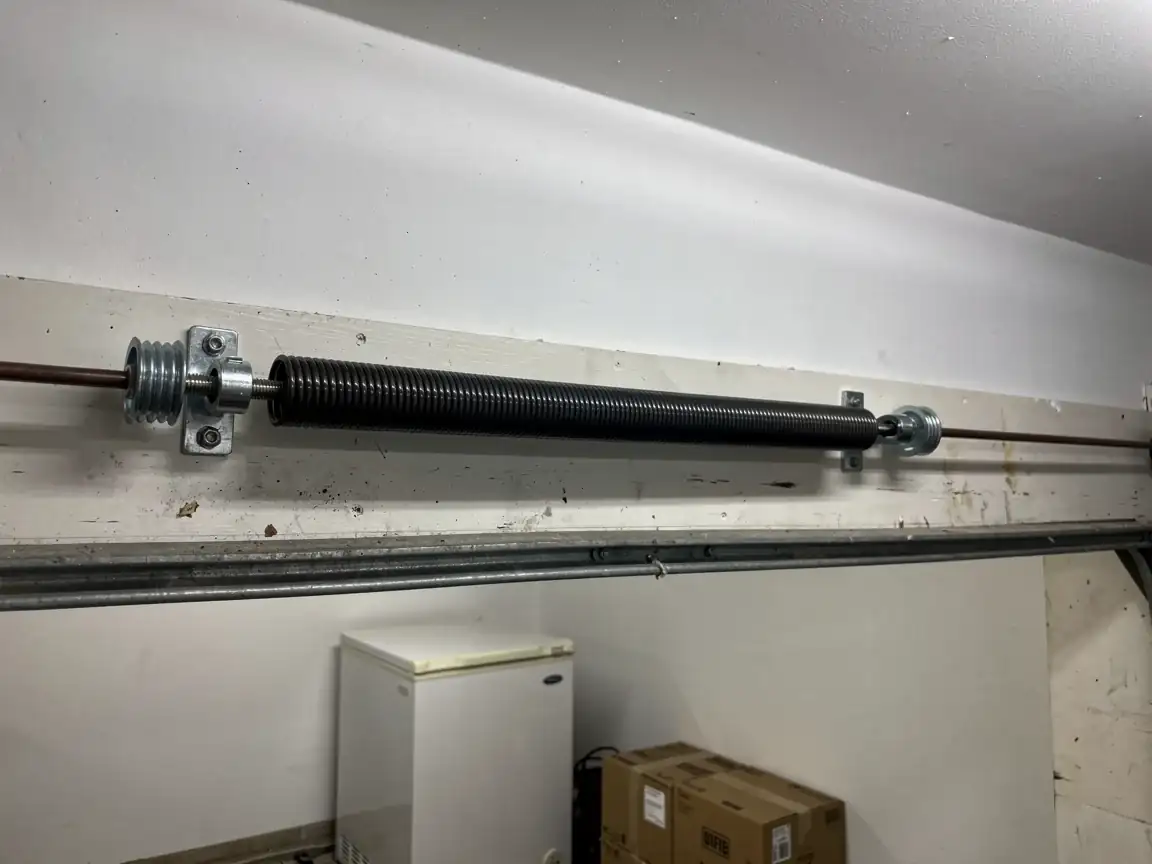
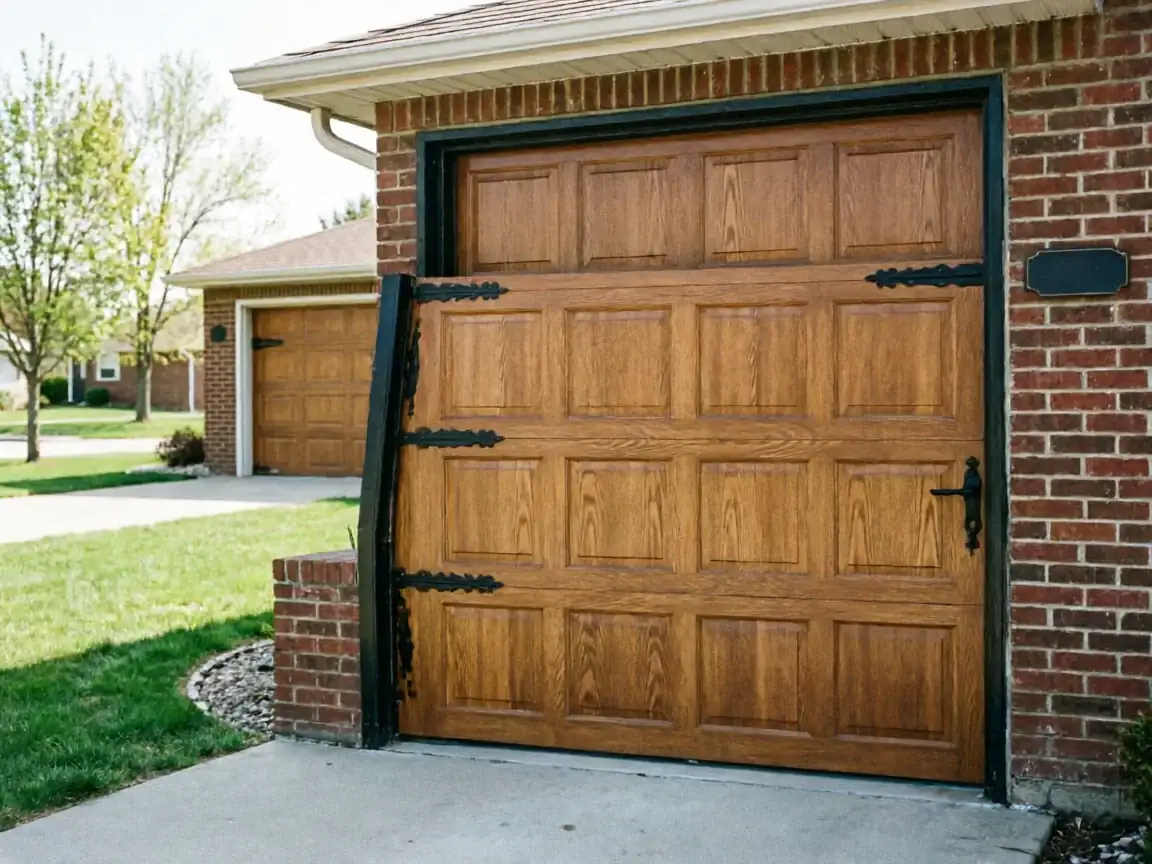
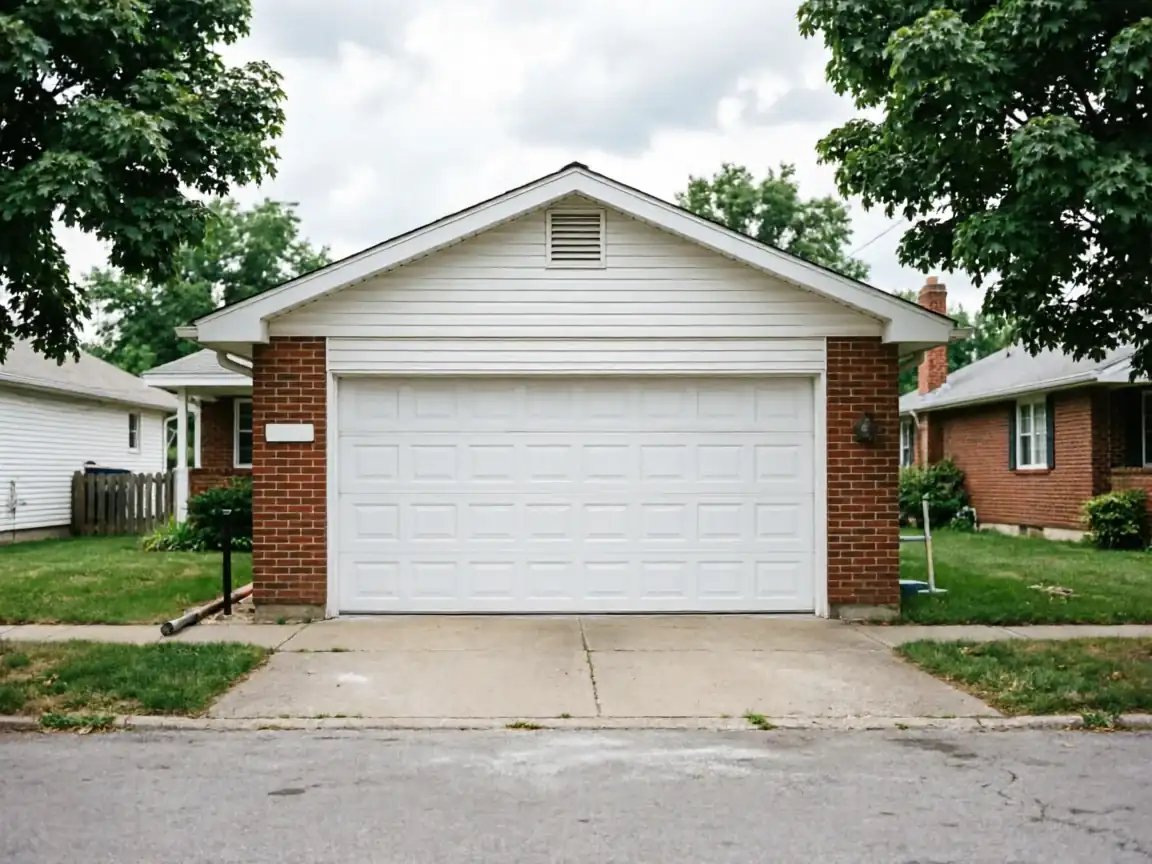
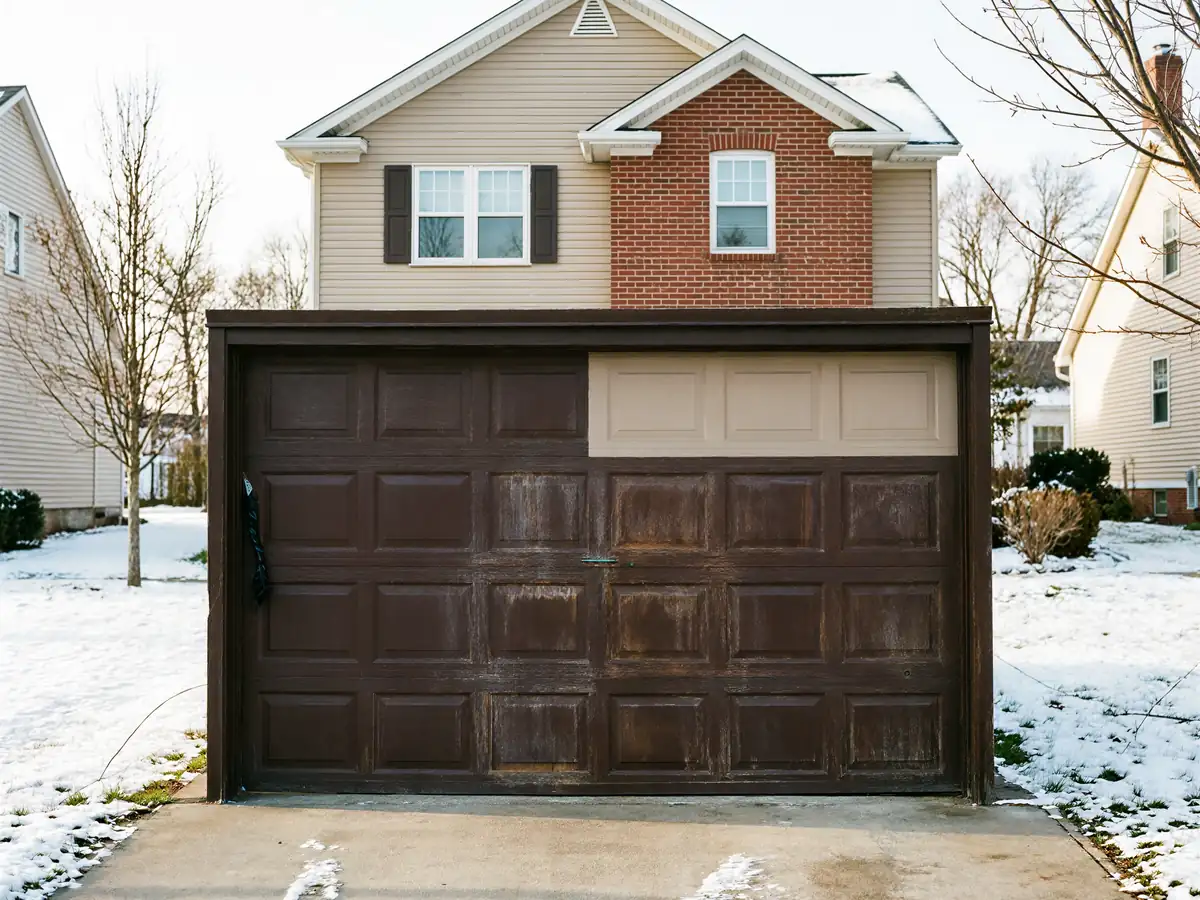
Orono's housing stock centers on 1982, a couple years ahead of the 1984 median across the rest of the service area. That gap sounds small, but it puts a chunk of Orono doors on the earlier end of the 1980s-90s builder packages that showed up across all 37 named communities we cover. Earlier builds often mean galvanized track with lighter gauge steel and roller brackets fastened with shorter screws than what came later in the run. When a door jumps that track, the temptation is to grab a ladder and muscle it back into the channel yourself. Don't. A door off its track is being held by one cable and a bent or loose bracket, and the springs are still under full tension whether the door is sitting crooked or not. Pushing a panel back into alignment without releasing that tension is how people lose fingers or get hit by 150-plus pounds of door coming down wrong. If the door is a few inches off at the bottom and still mostly square, that's sometimes a hardware fix. If it's canted hard to one side, the track itself is probably bent, and that's not a job to eyeball from a stepladder.
What the Repair Takes
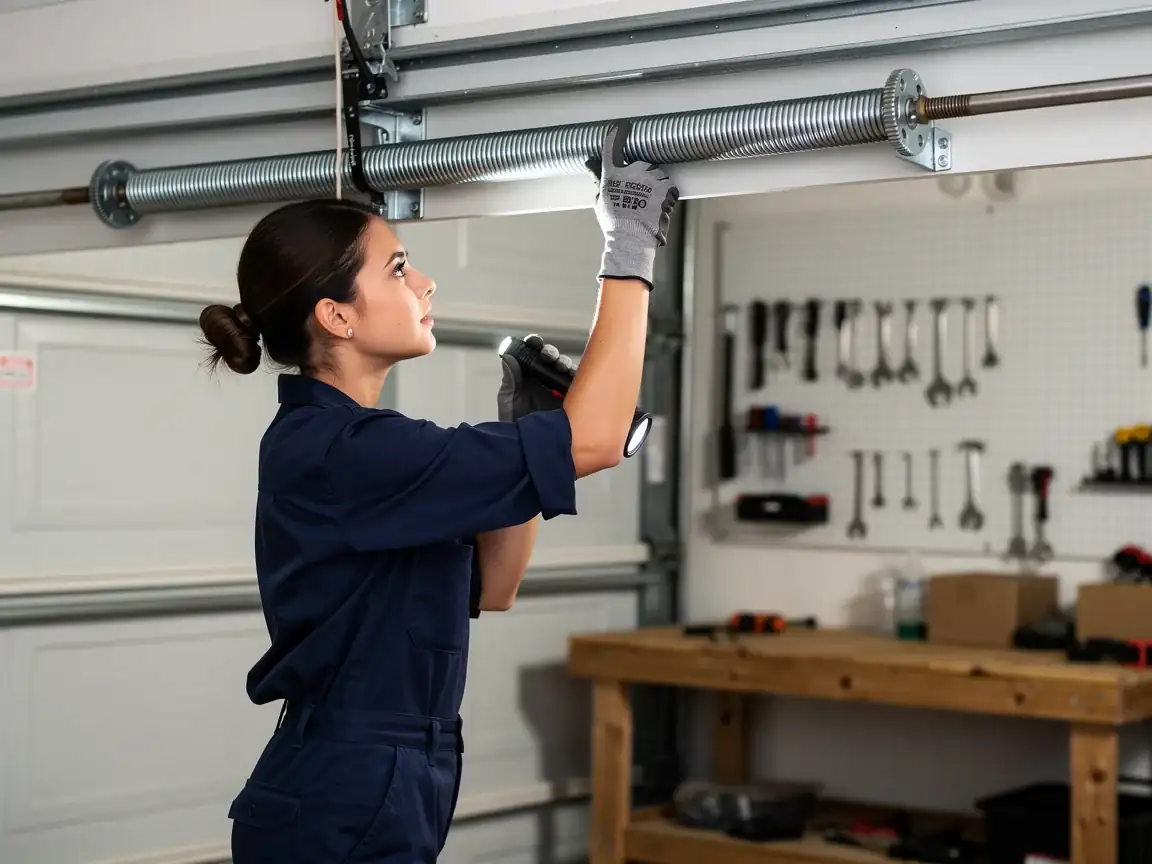
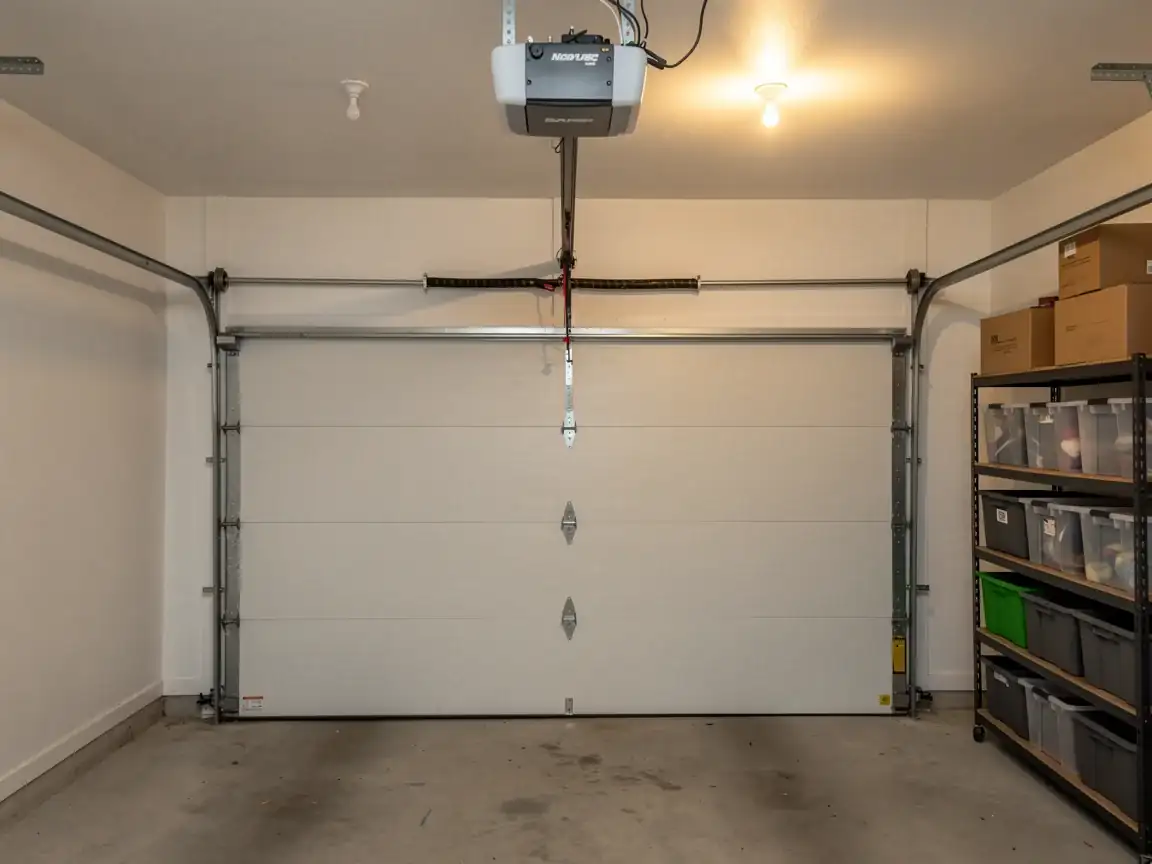
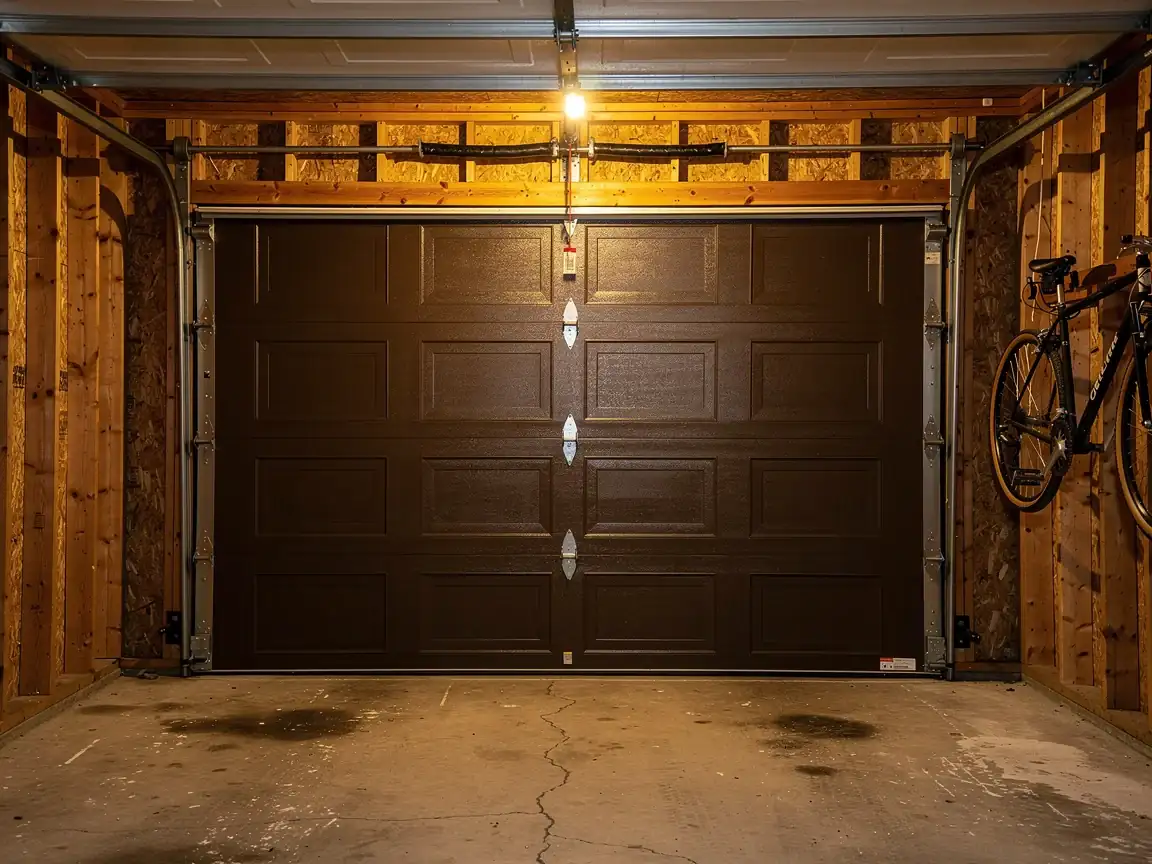
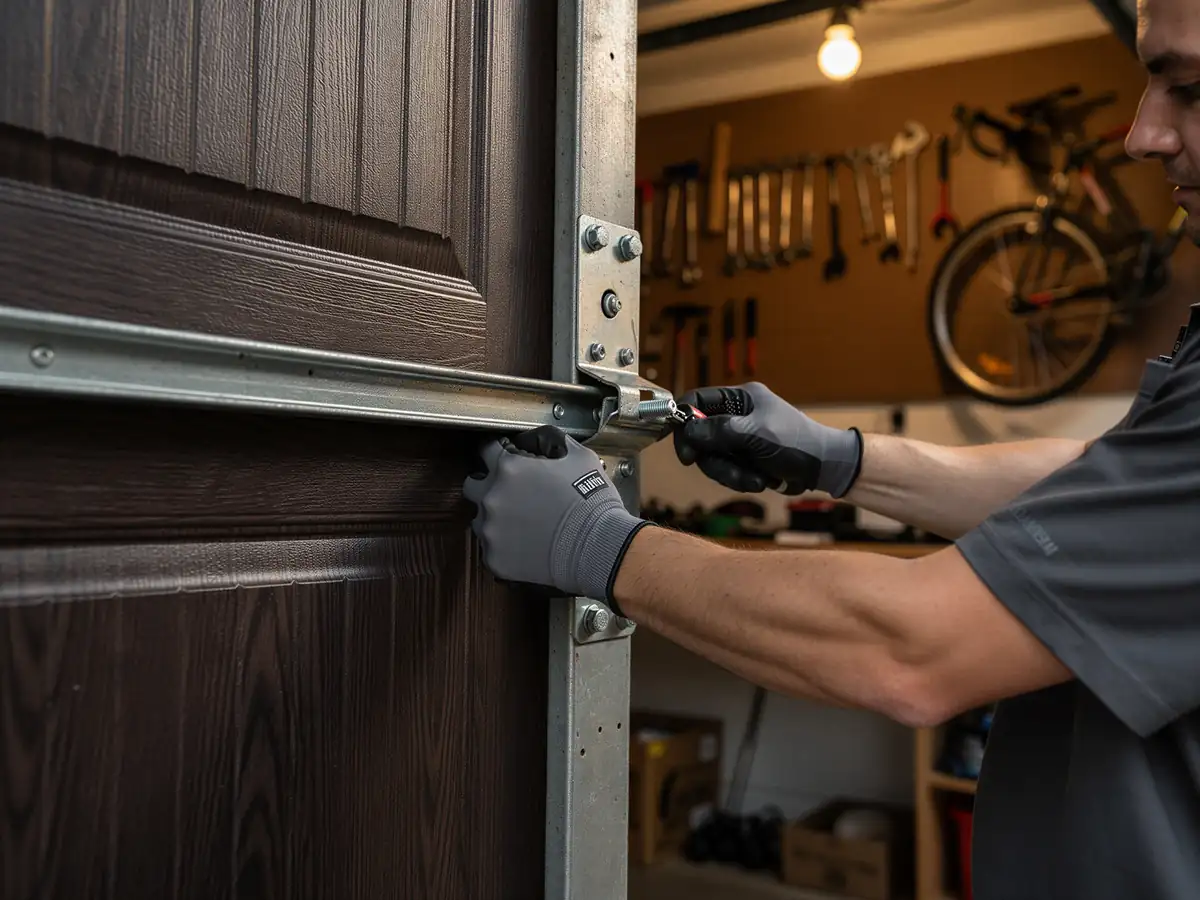
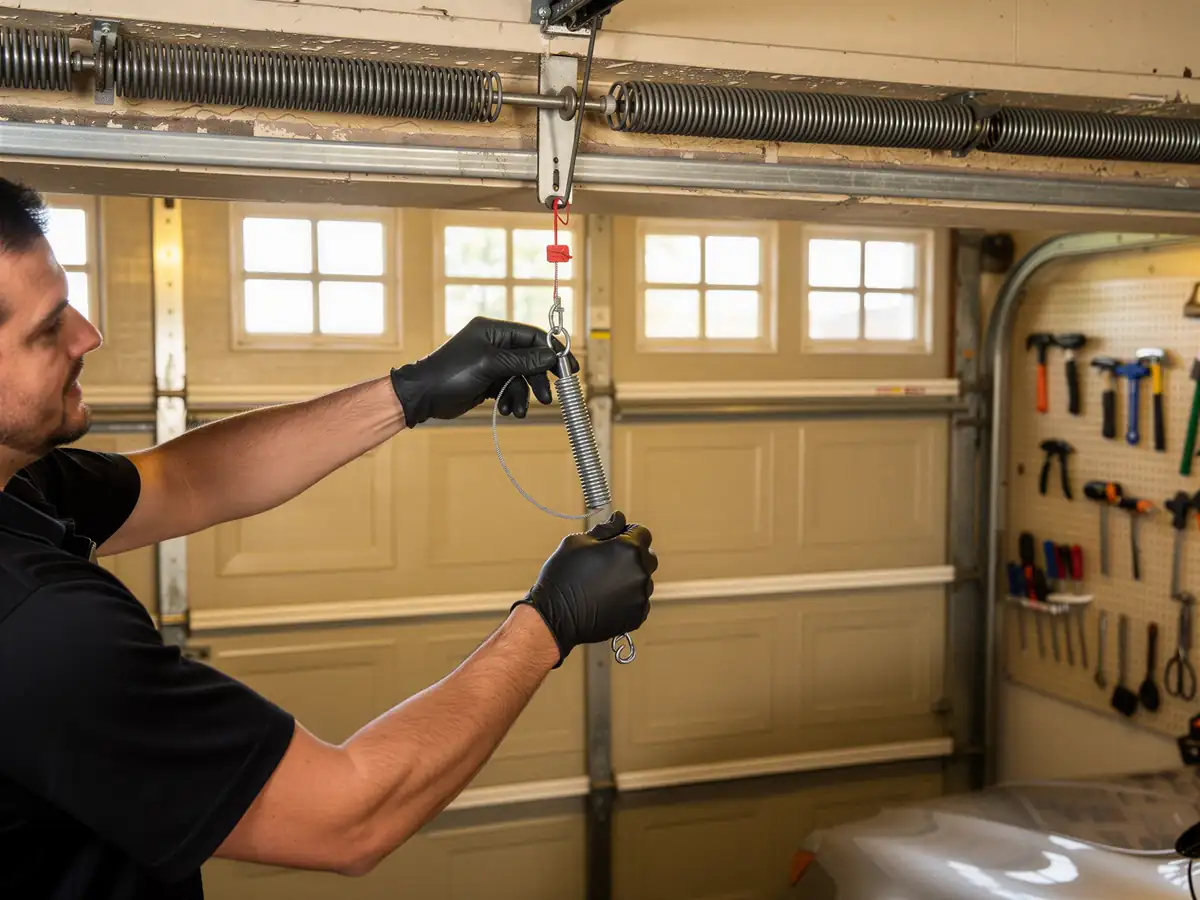
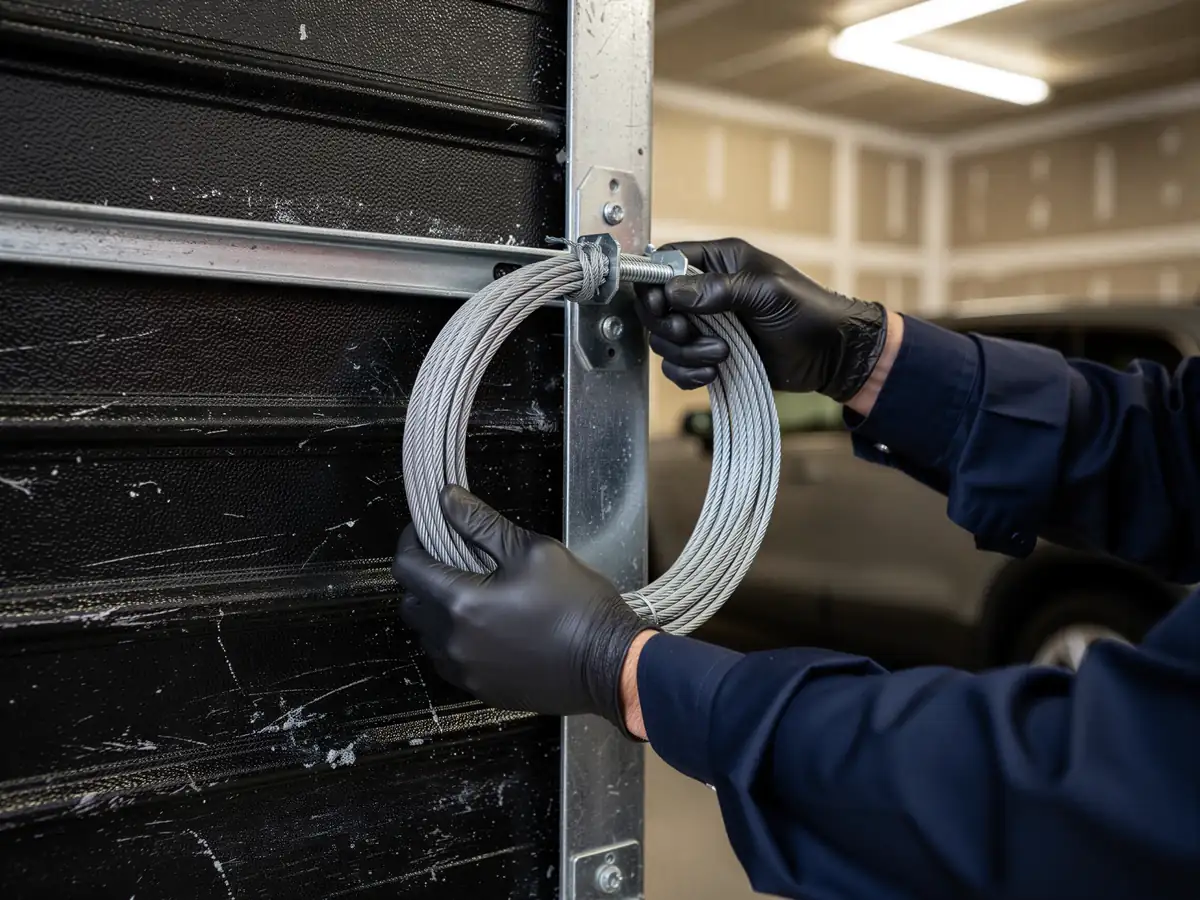
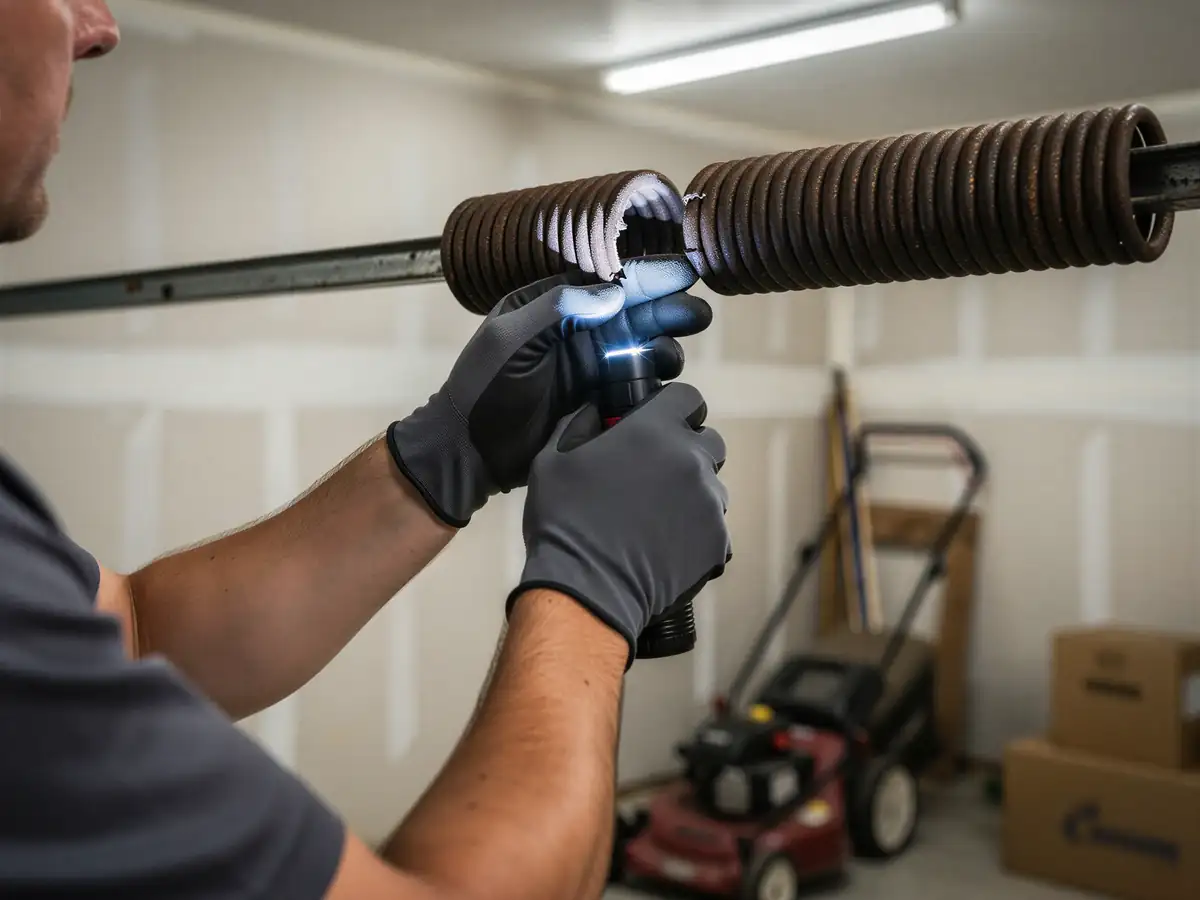
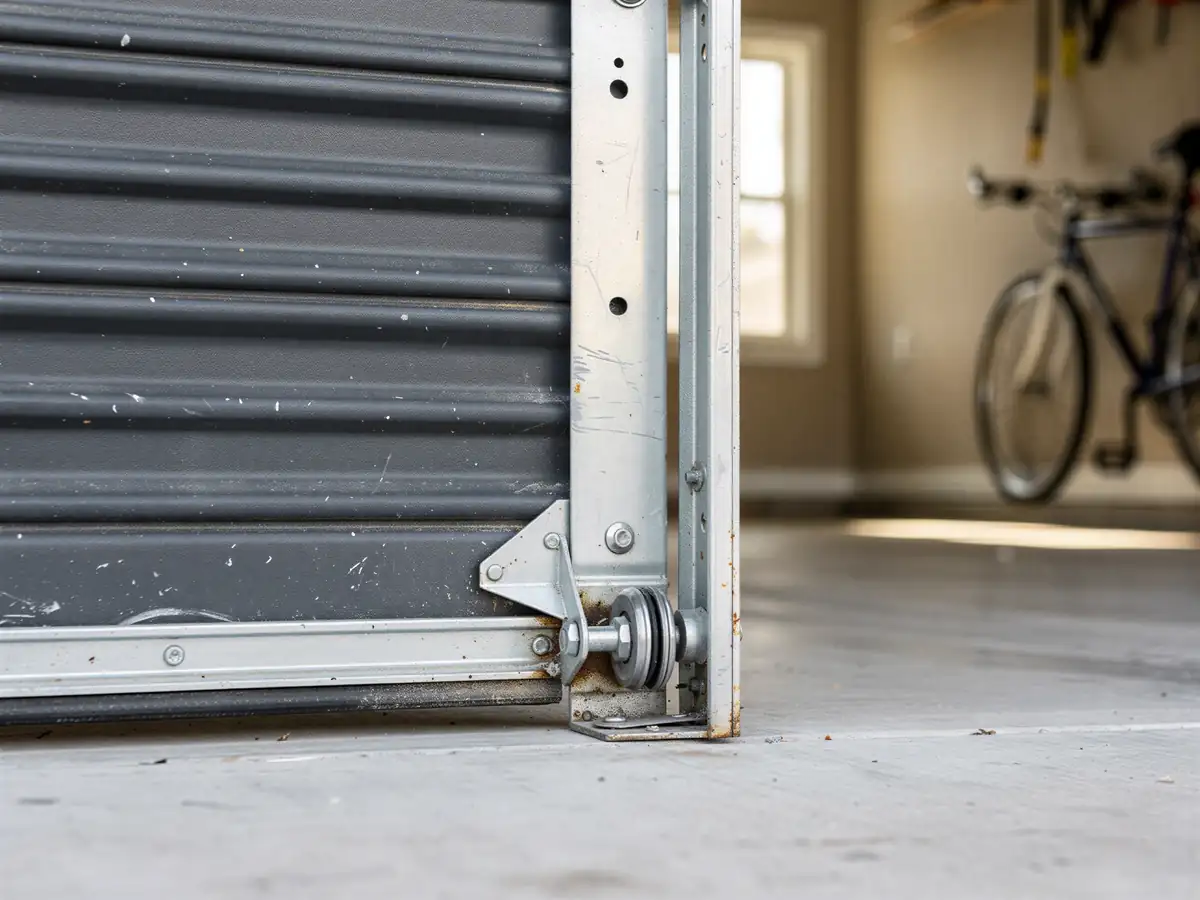
The sequence is the same regardless of brand: secure the door, release spring tension safely, inspect the track for bends or spread rail, check the rollers and brackets for wear, then reseat and realign. On a straightforward off-track call where the bracket's loose or a roller's worn through, that's bracket and roller replacement and a re-level of the track, usually done in one visit. Where the track itself is bent, we straighten it if the bend is minor, or replace the damaged section if it's kinked badly enough that straightening won't hold alignment. Given the income levels here, averaging $181,875 against this service area's broader $116,500, we see more homes that have already put in heavier insulated doors at some point after the original 1982 build. Heavier doors put more strain on aging track and brackets, so a full inspection of both sides of the opening matters more here than it would on a lighter original door.
How Long You Are Without the Door
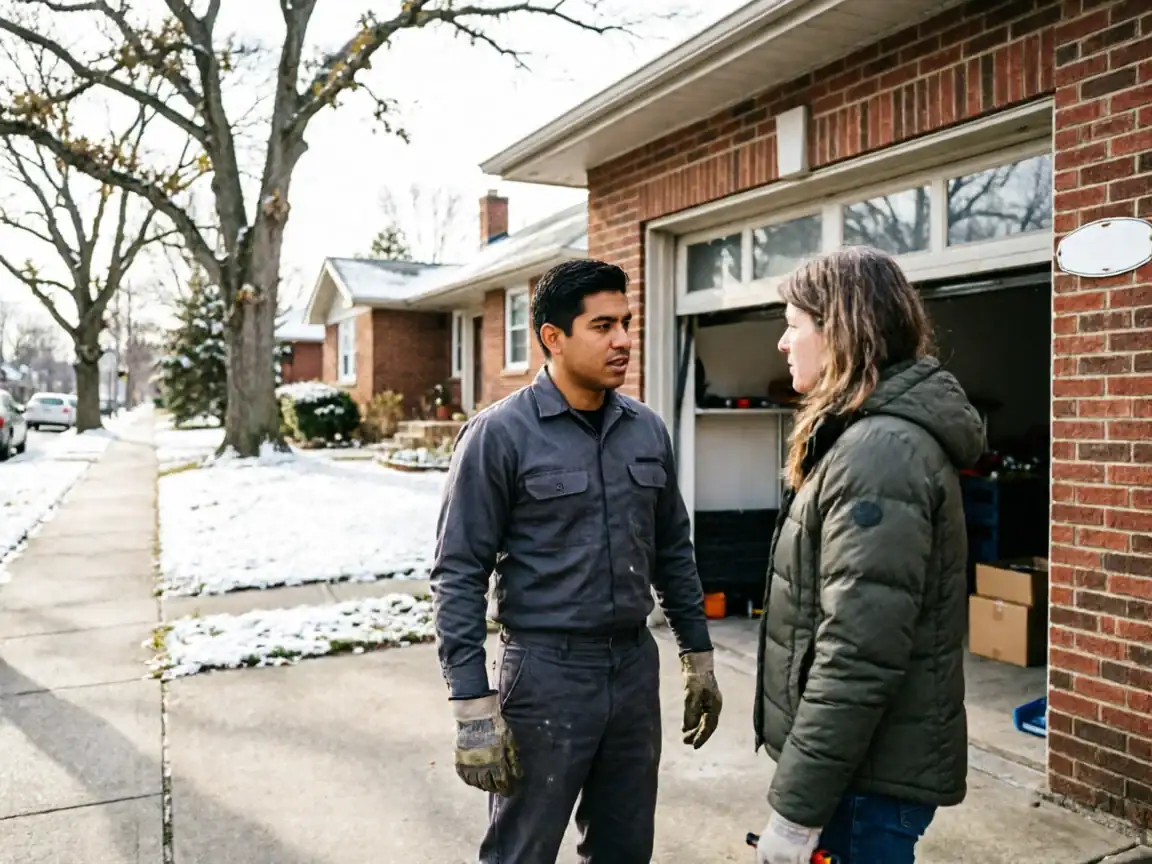
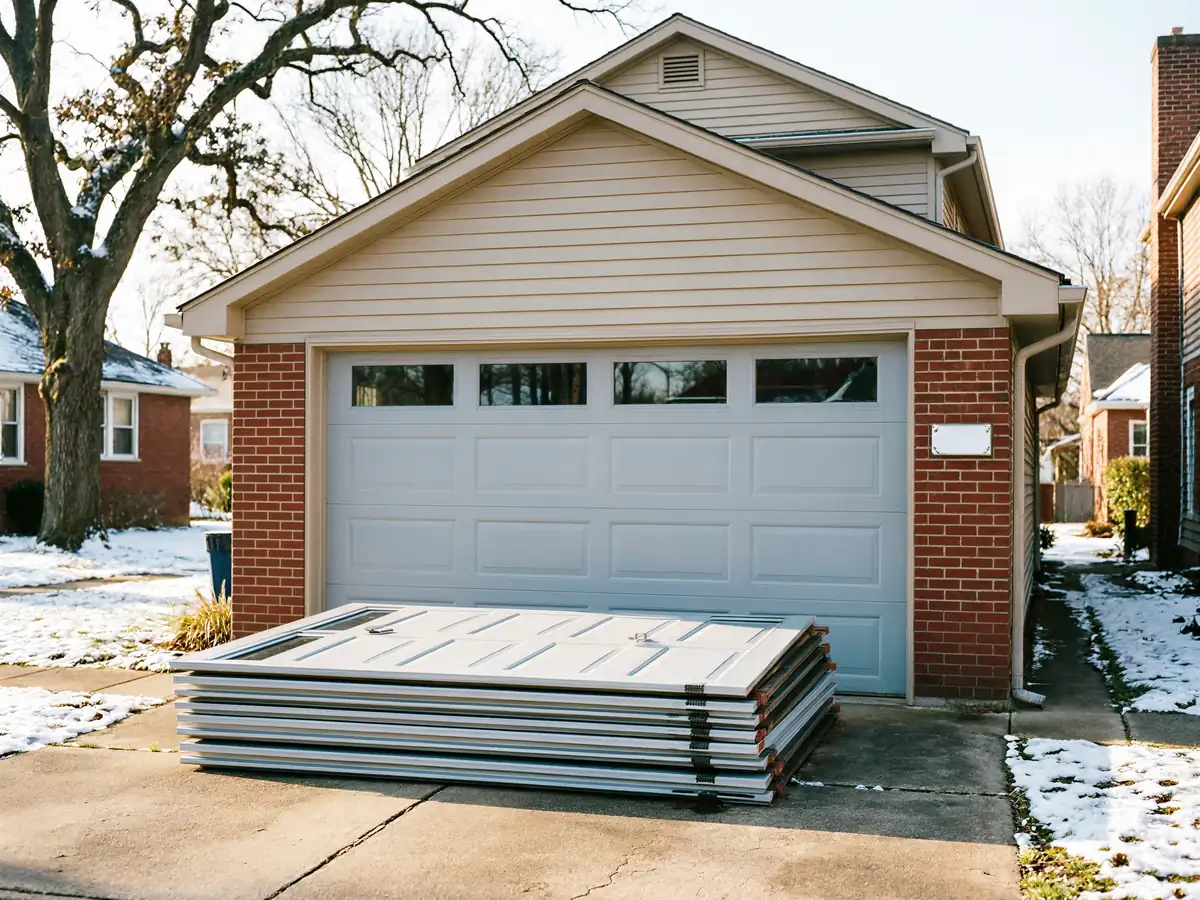
A standard off-track repair where the hardware is in stock typically means the door is back on track and operational the same visit. If the track needs a replacement section rather than just straightening, or if the door turns out to be an older extension-spring design needing a part we don't carry on the truck, you're looking at a wait while we source it. We travel to Orono from our Hopkins shop, about nine miles out, so we're not promising a same-day window here the way a branch down the street might. We'll tell you honestly on arrival which category your repair falls into rather than guess over the phone.
The Symptom
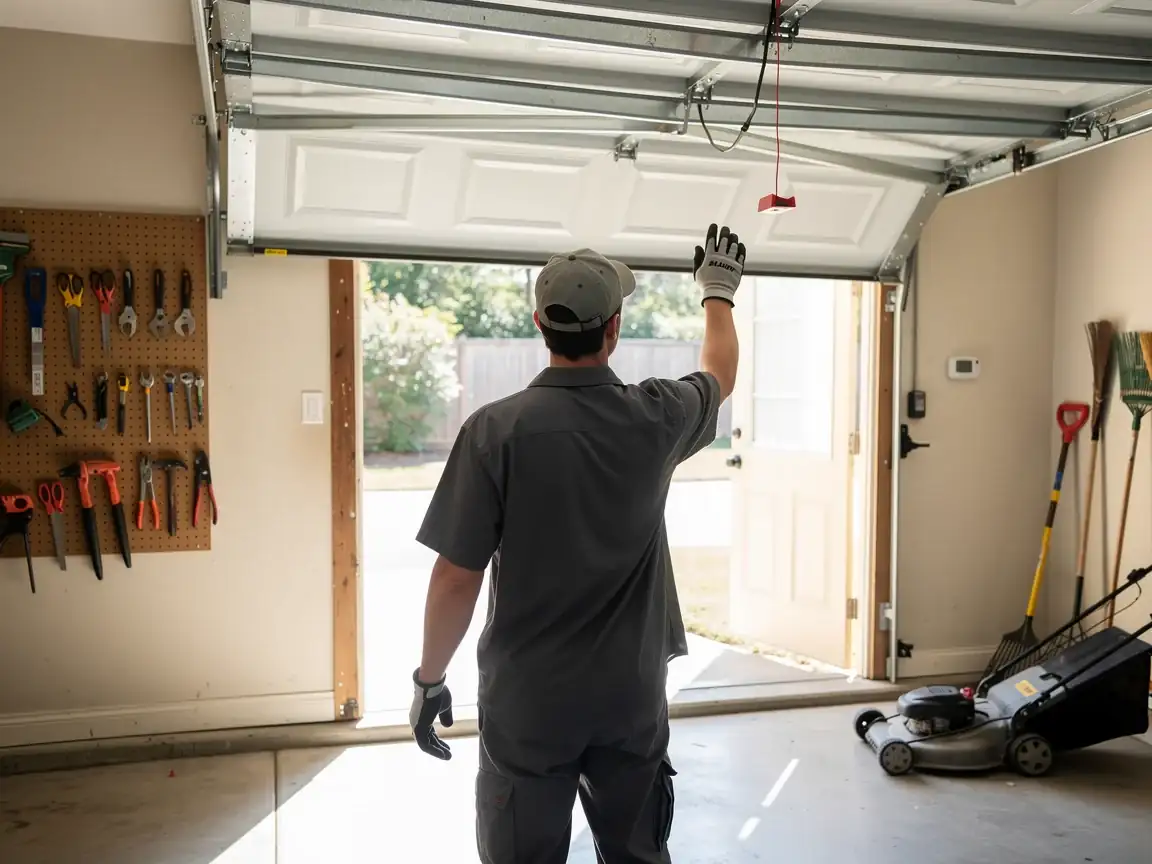
The most common version of this call is a door that looks fine standing still but makes a grinding or popping sound partway through its travel, right before one corner drops out of the track. On the 1980s and 90s steel track common to this area, that's almost always a roller that's worn down to the stub or a bracket that's worked its screws loose over years of thermal cycling through Minnesota winters. A less common version is a door that's been struck, by a car bumper or something heavier, which bends the track outright rather than just loosening it. Both look similar from the driveway. Both need the spring tension released before anyone touches the panel.