The DIY Question
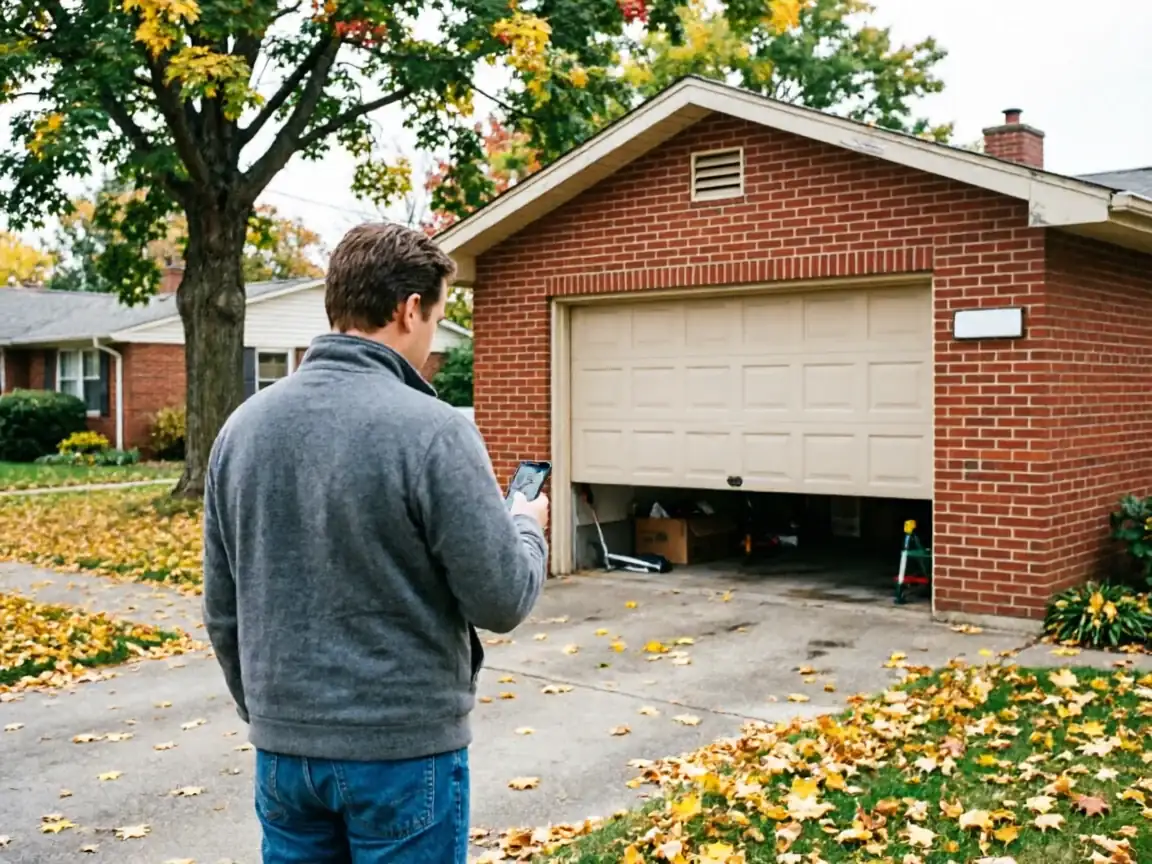
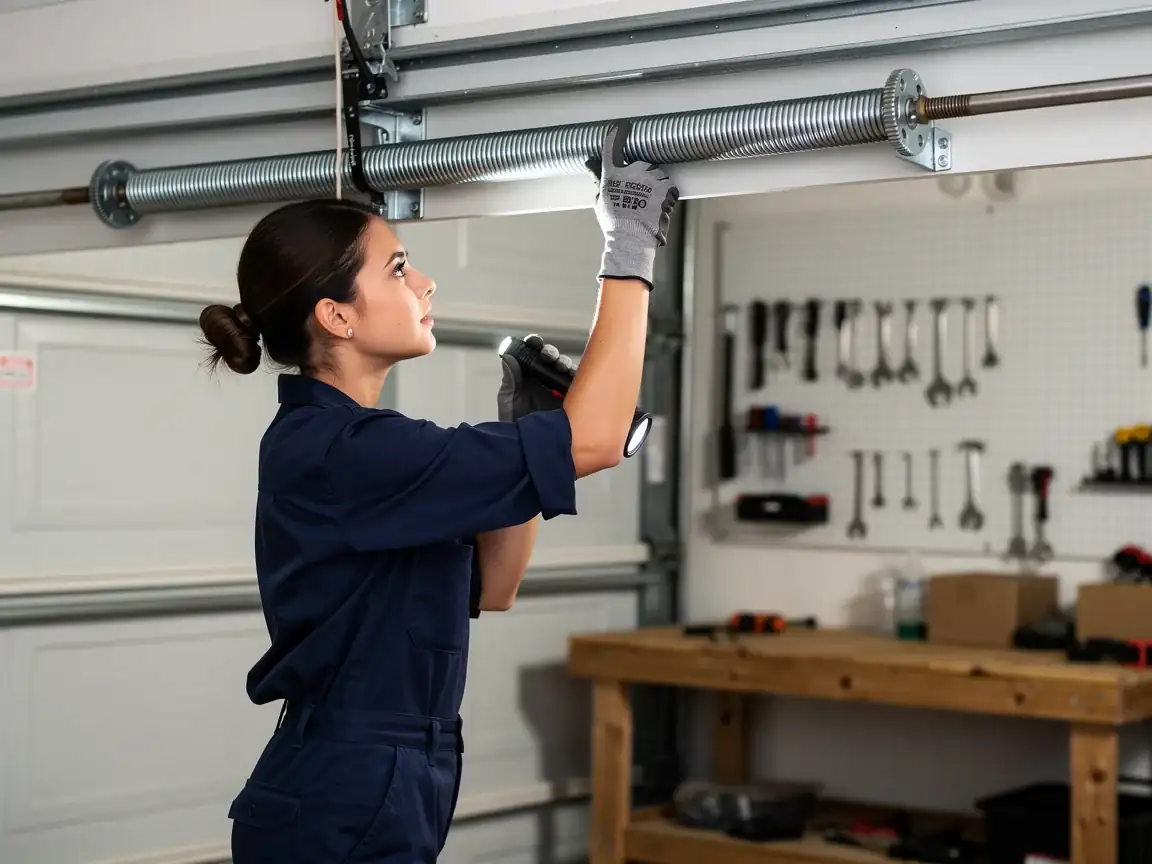
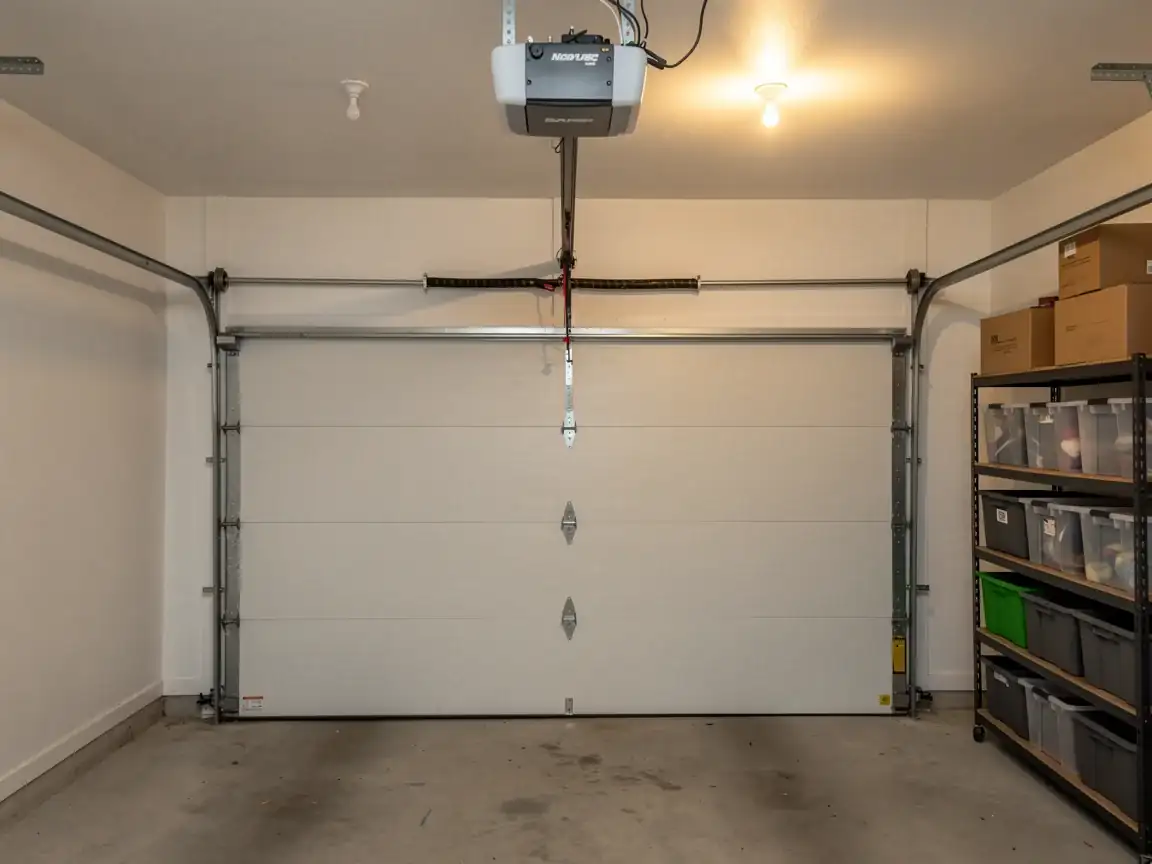
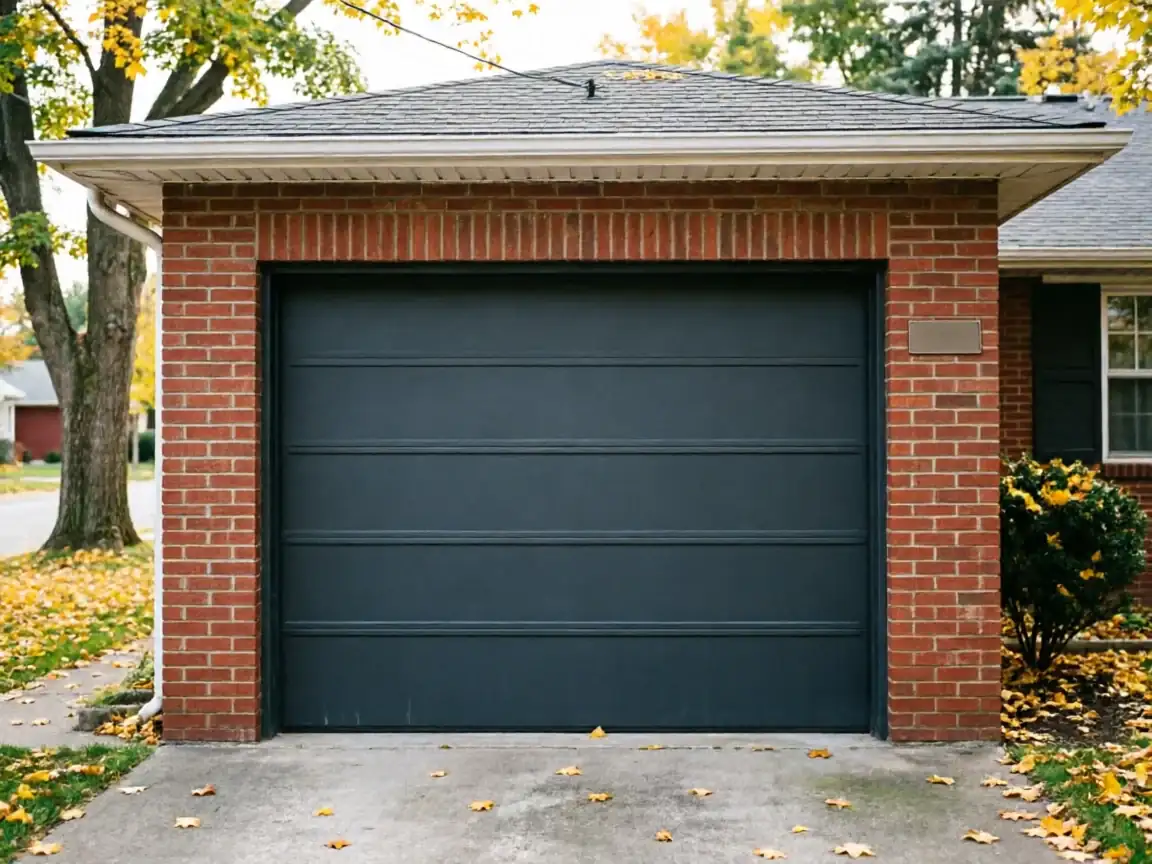
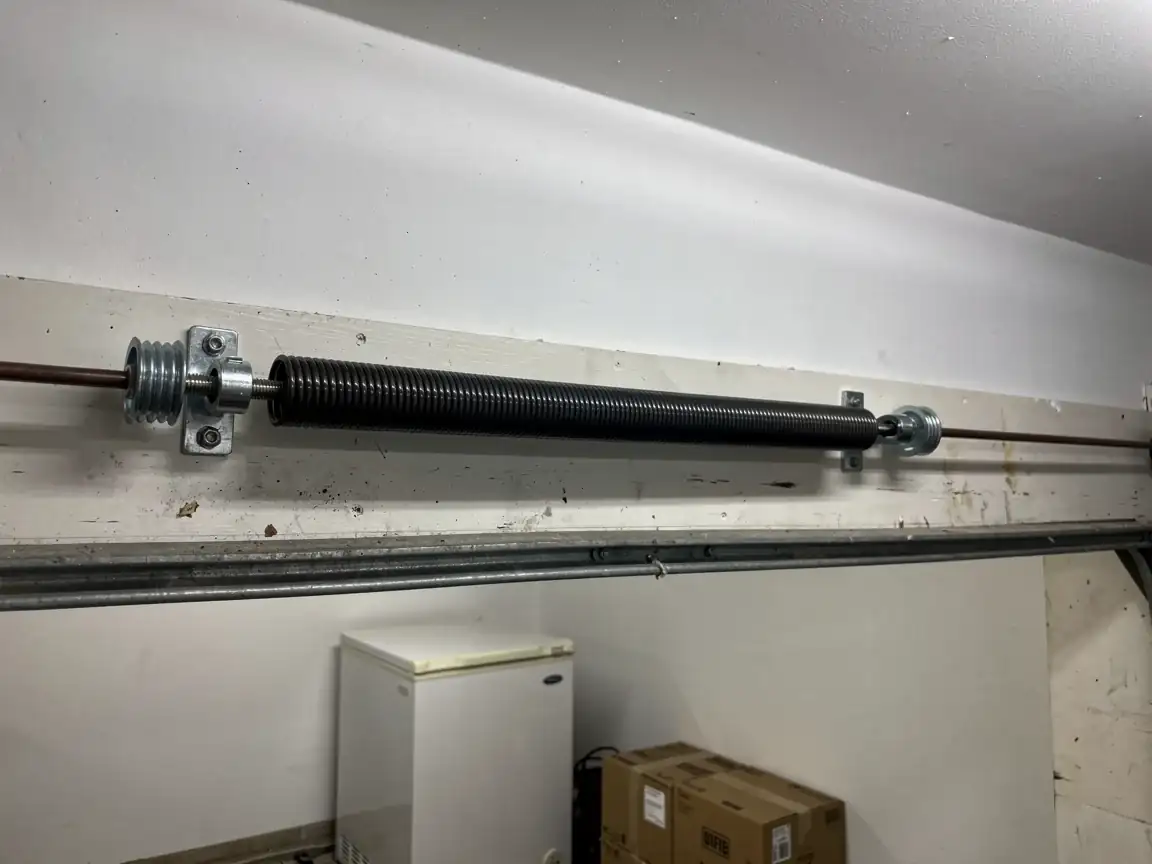
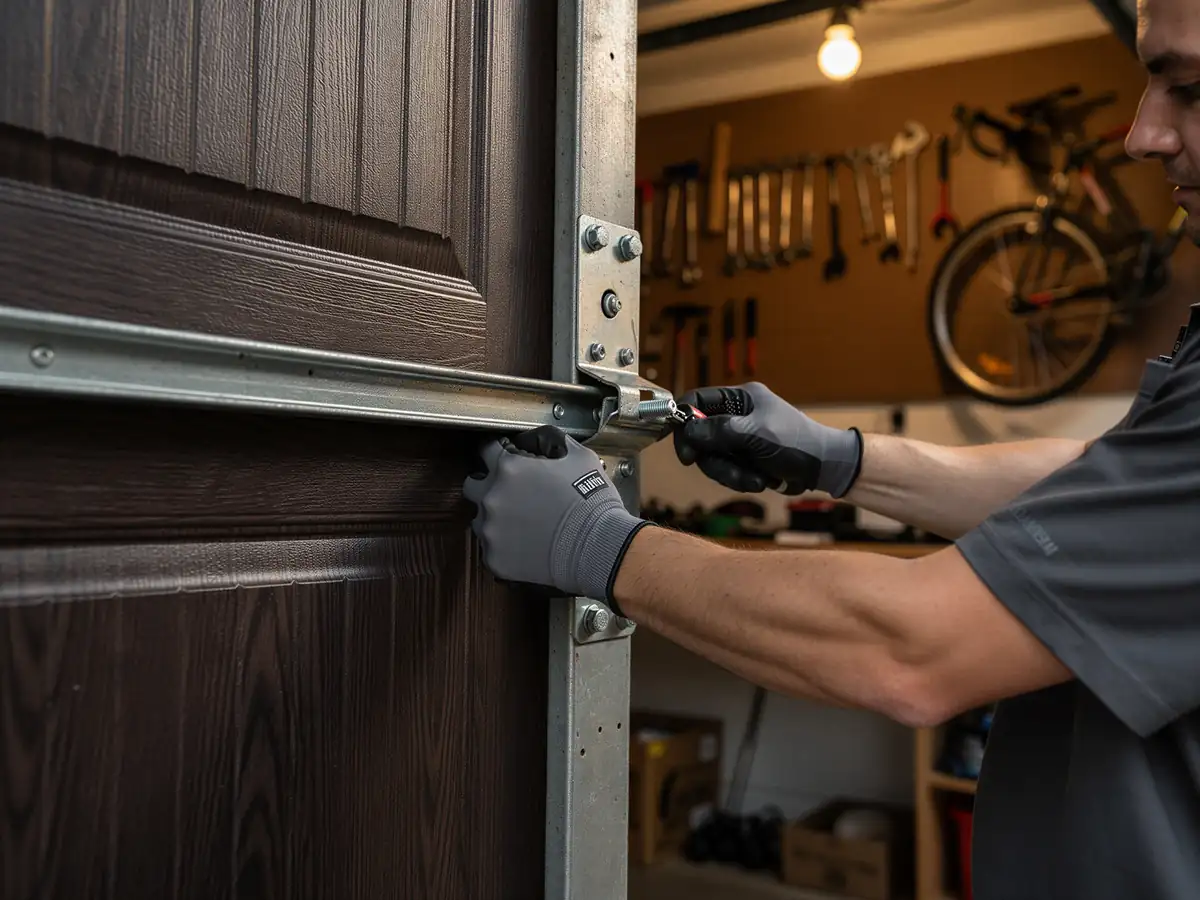
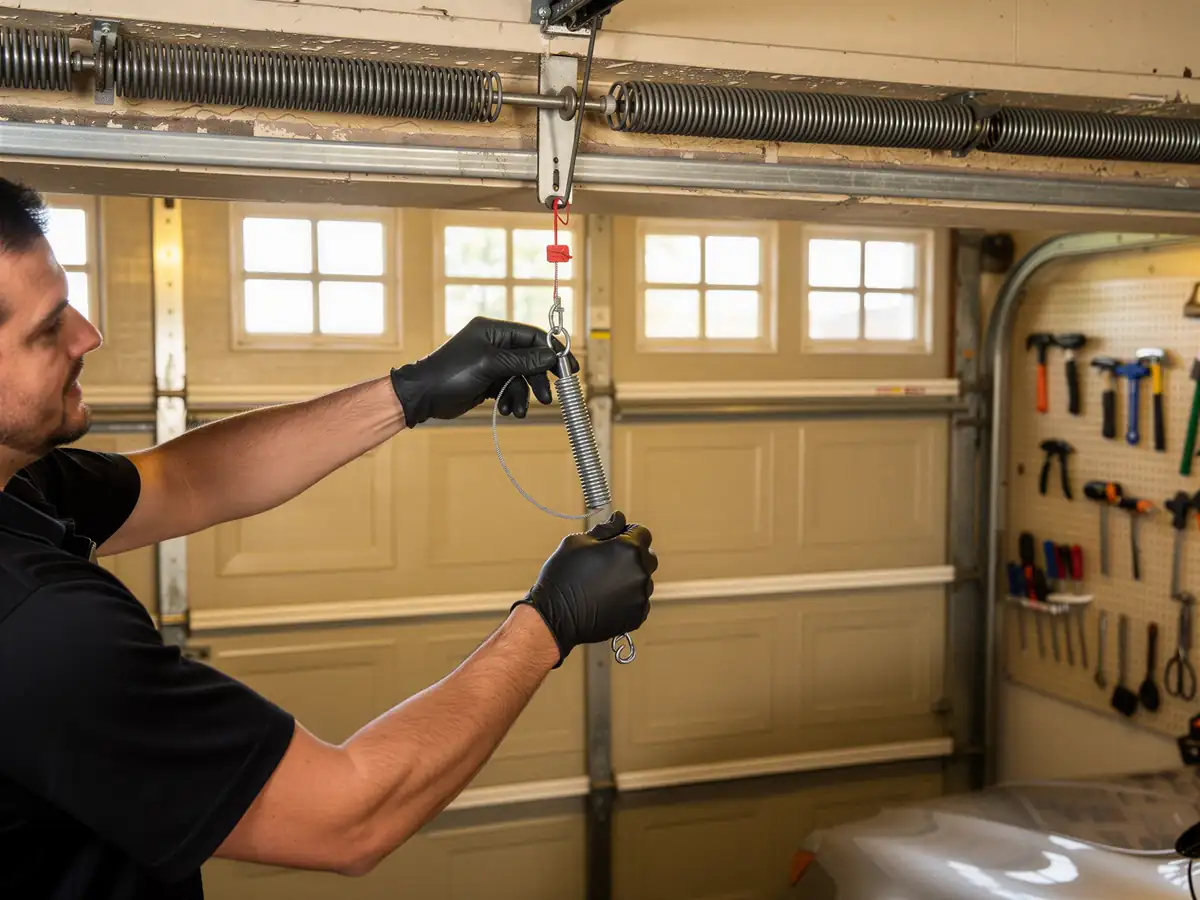
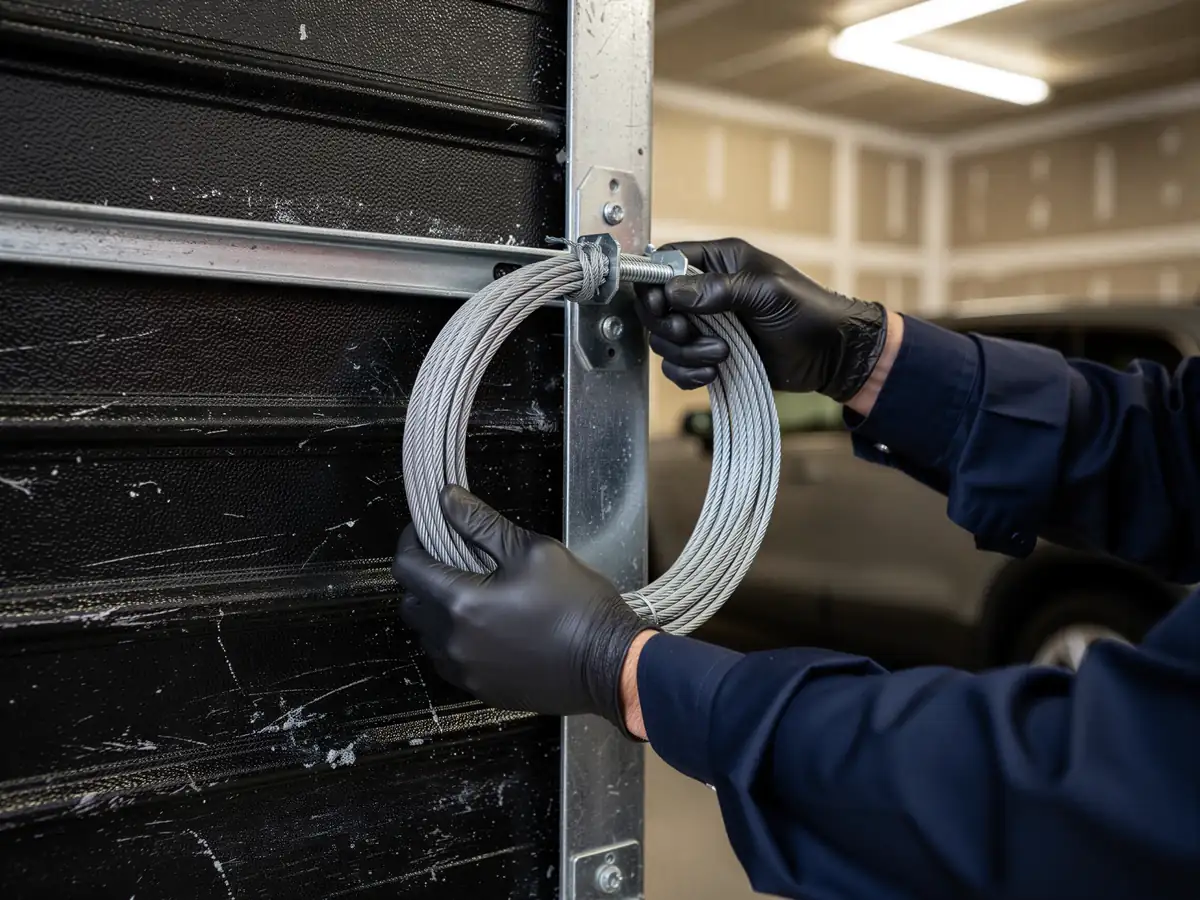
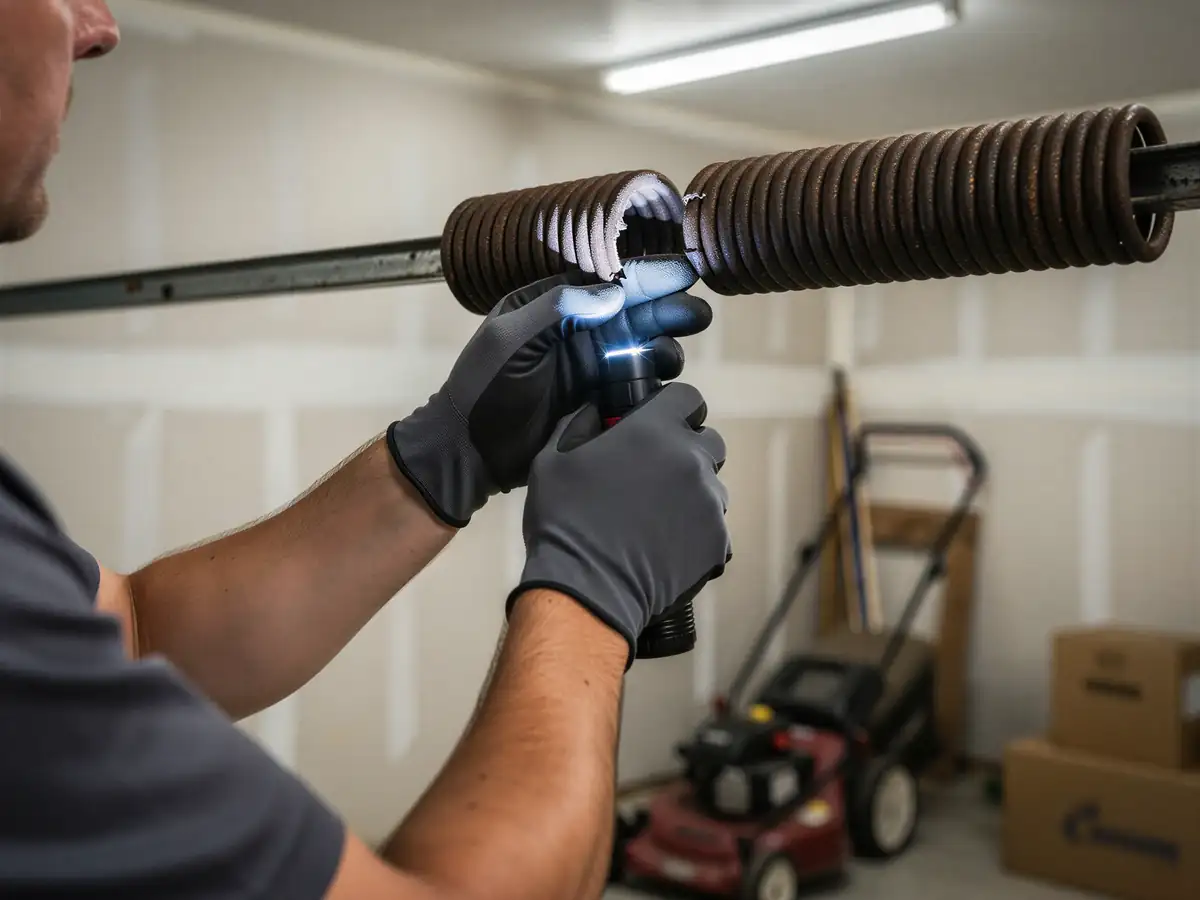
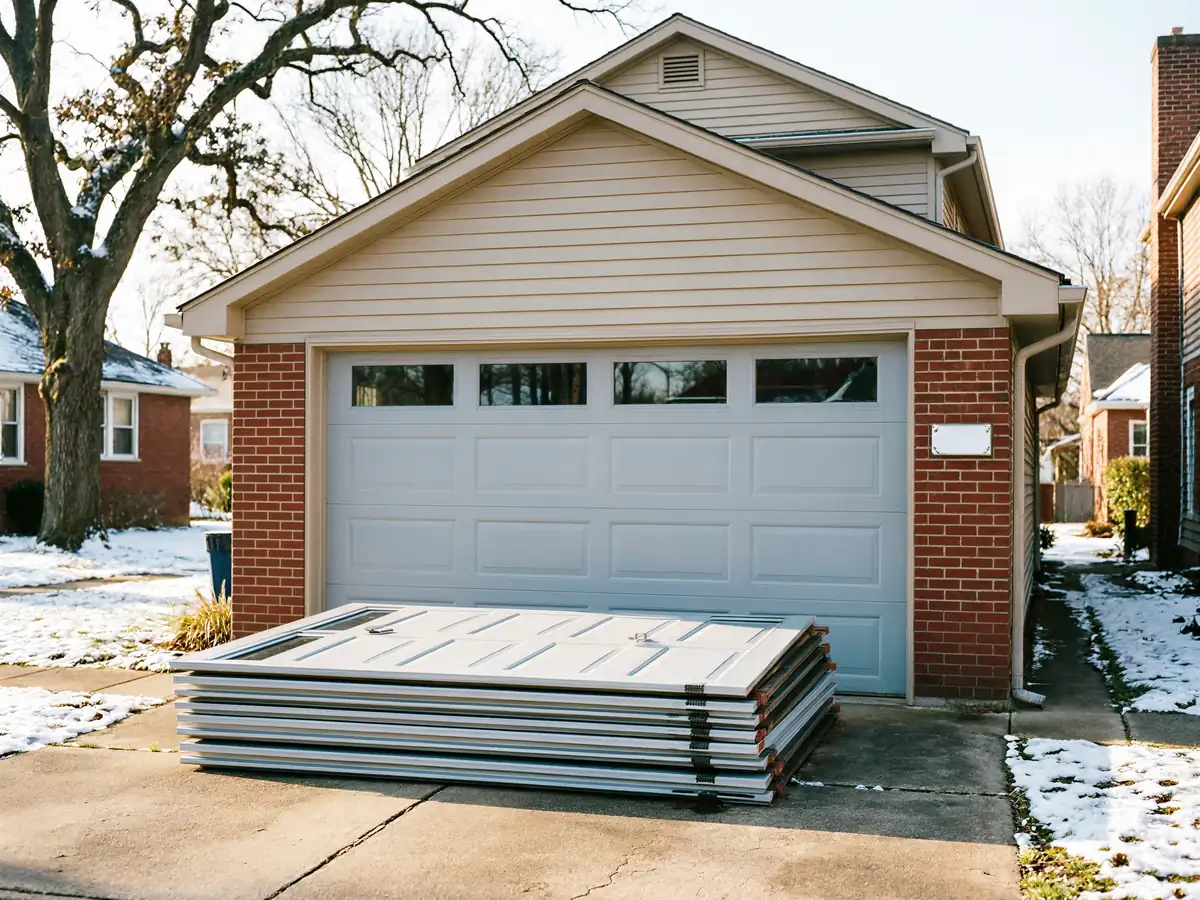
Orono sits nine miles from our Hopkins shop, which changes how a new-door job gets planned here. It isn't a same-day walk-up call - it's one trip, loaded right the first time, because swinging back for a forgotten part costs the better part of an afternoon on top of the drive. That's worth knowing if you're weighing whether to install a door yourself. A single garage door section can run well over a hundred pounds, and torsion springs store enough force to break fingers or worse if you don't know the wind count. Most houses in this part of town went up between 1957 and 2005, with the median landing around 1982, so a lot of what we're pulling out is an older steel door on hardware that doesn't match anything sold today. Matching new track and springs to a 40-year-old frame isn't a weekend project with a borrowed ratchet. If you're set on doing it yourself, at least have the old unit professionally disconnected first - most injuries happen during removal, not installation. We'll say plainly: this is one job where paying for the trip usually costs less than the ER visit.
What the Repair Takes
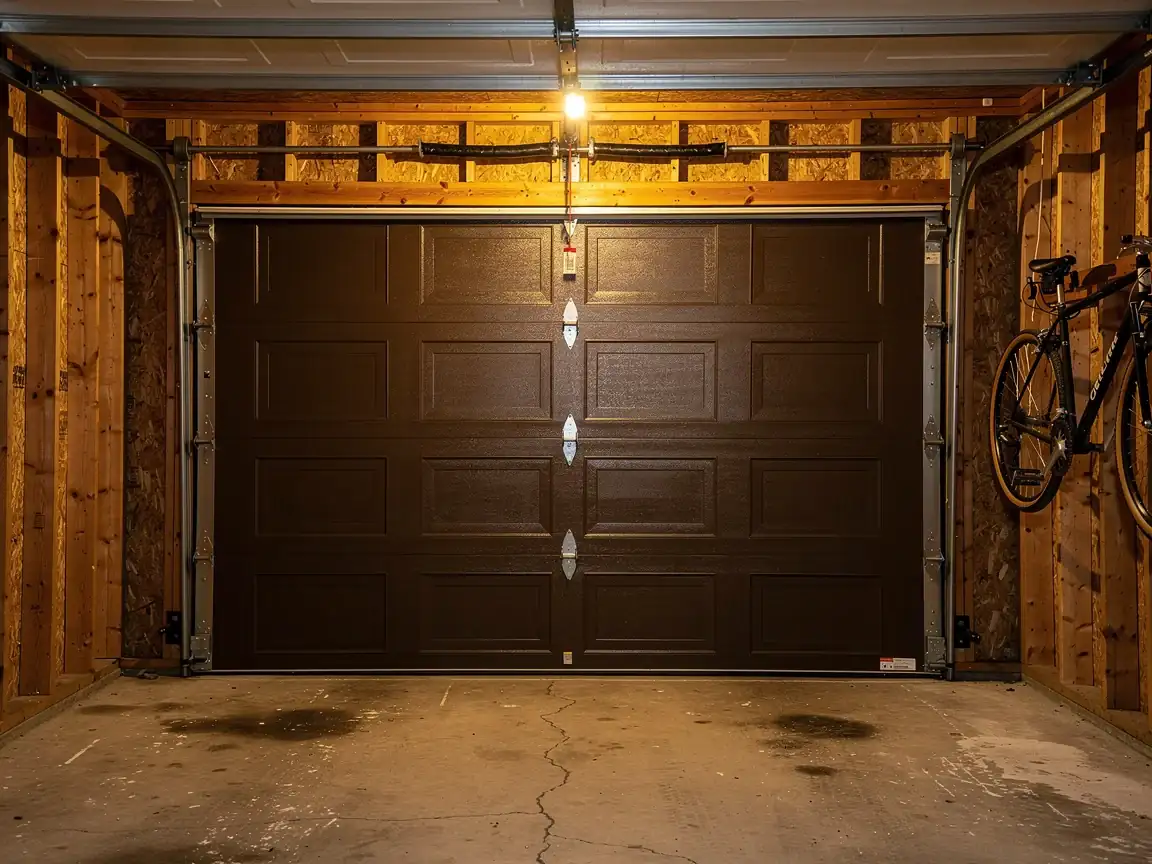
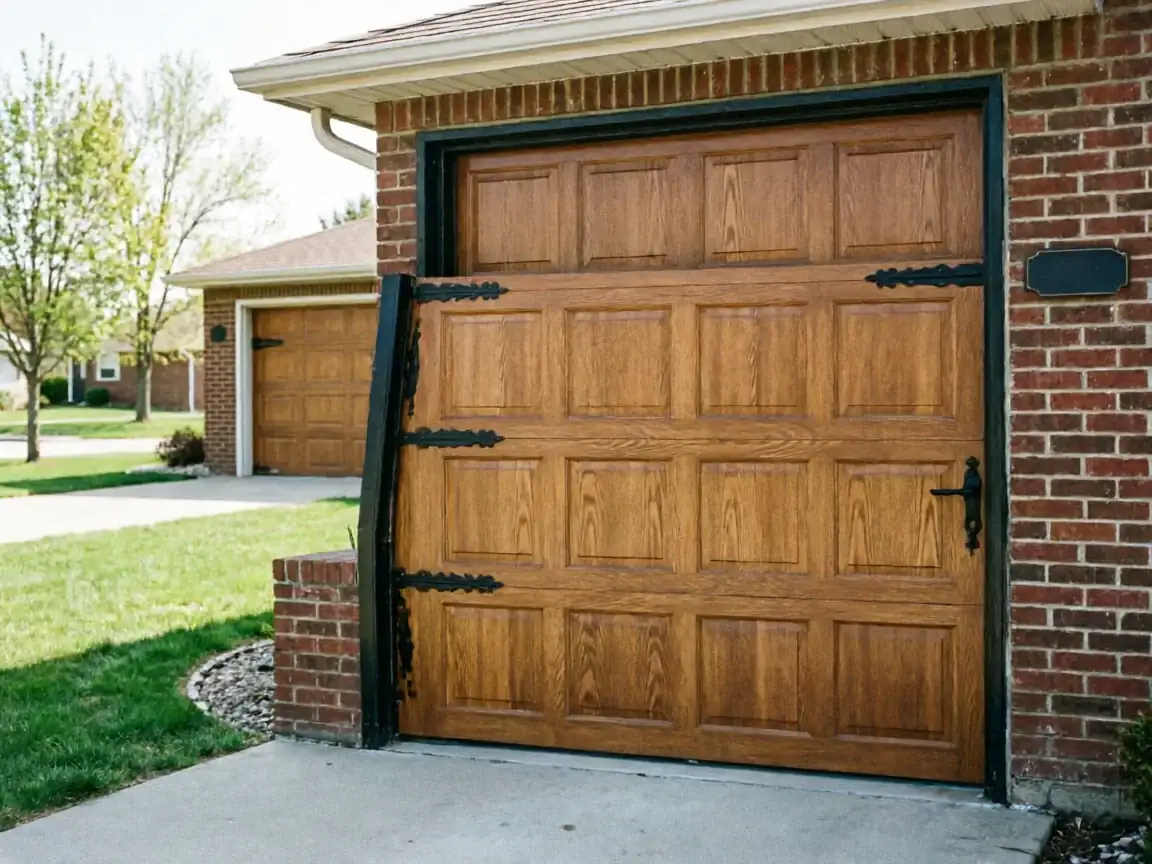
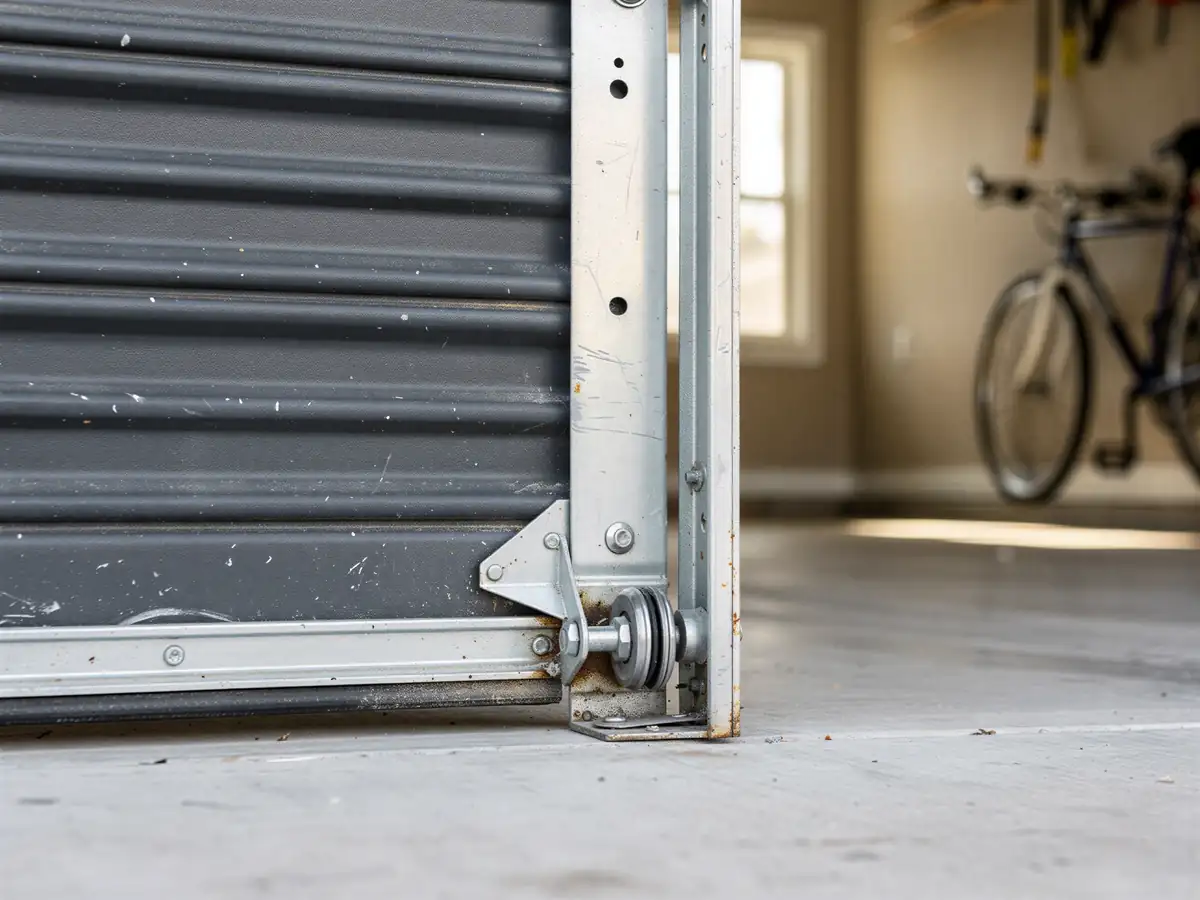
Pulling an old door and hanging a new one on a house from this era means matching new track to an opening that was framed decades before current door widths and spring ratios became standard. On homes built in the 1957 to 2005 range that make up most of this area, we often find the original jamb brackets are still square, which saves time, but the header sometimes needs reinforcing for a heavier insulated door than what came with the house. We check the opener mount, too - a door upgrade with an old opener bolted to a weak header is a comeback call waiting to happen. Winters here run cold enough that we always check weatherstripping and bottom seal fit as part of the job, not as an upsell; a gap that's fine in August lets drafts straight into an attached garage once temperatures drop. We won't sell you a full teardown if the track and opener are sound and only the door itself has failed - sometimes a panel swap does the job for less.
How Long You Are Without the Door
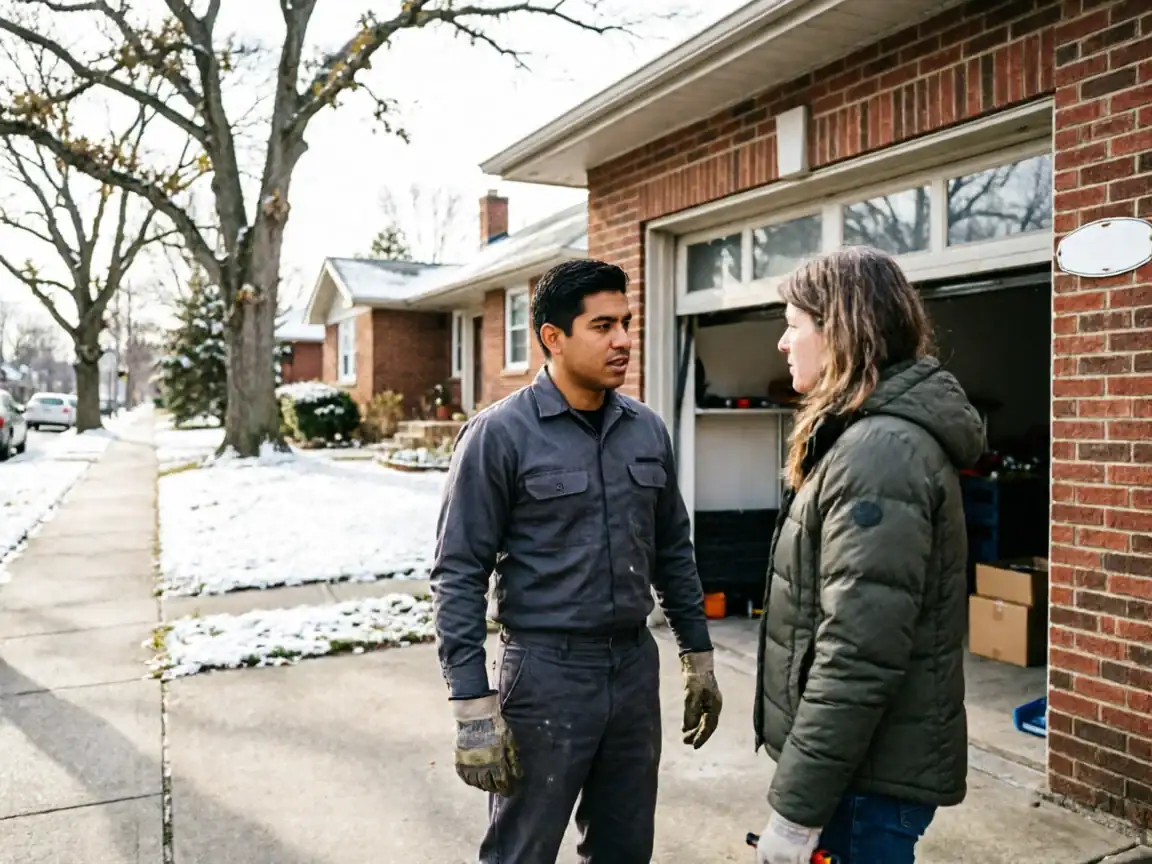
A standard install, once the door is on-site, usually runs one day from old door out to new door closing on its own opener. What stretches that timeline in Orono more than in some other towns is the special-order rate - given the preference we see here for insulated and custom-finish doors, you may be waiting on the manufacturer before the crew even loads the truck. We'll tell you that lead time up front rather than quoting an install date we can't hit. On the day itself, your garage sits open for a few hours during removal and framing work, which matters if you're storing anything valuable in there or if the weather's turned. We don't leave a job half-finished overnight as a rule - if we start the teardown, the new door goes up the same day unless something unexpected turns up in the framing.
The Symptom
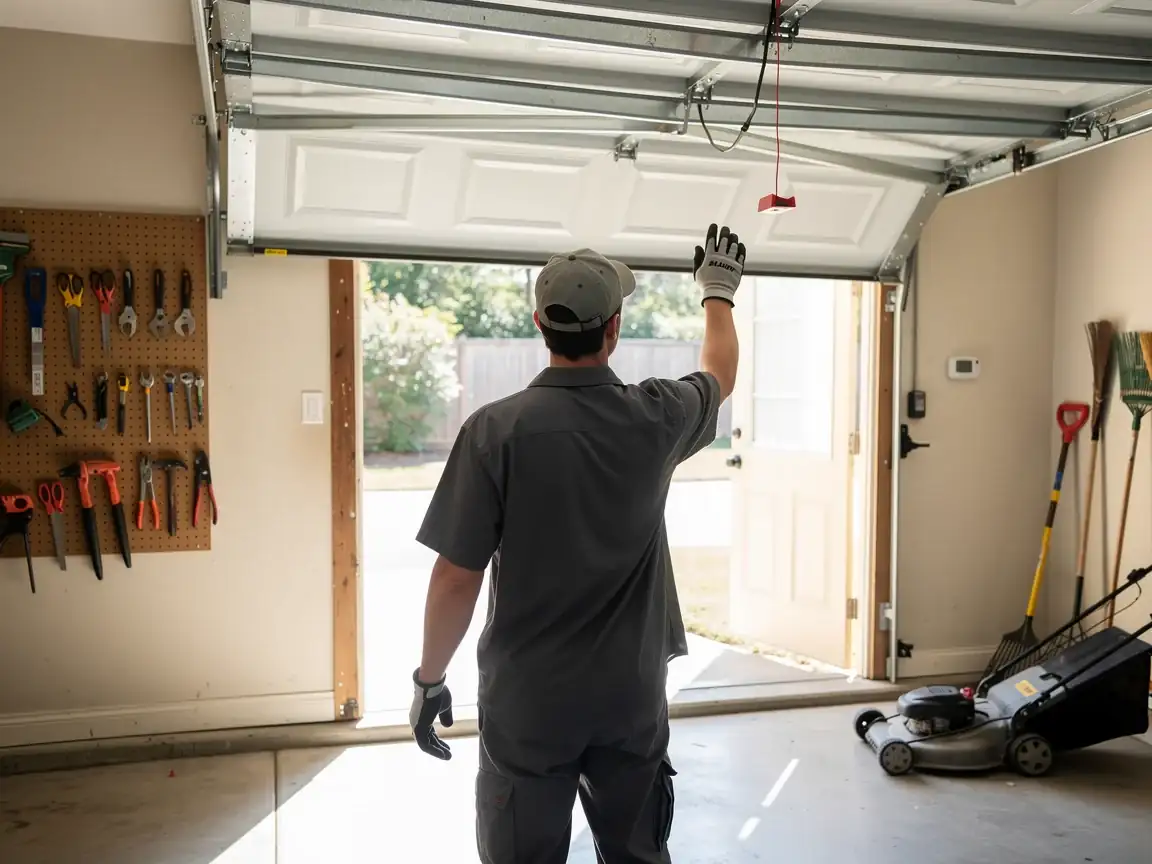
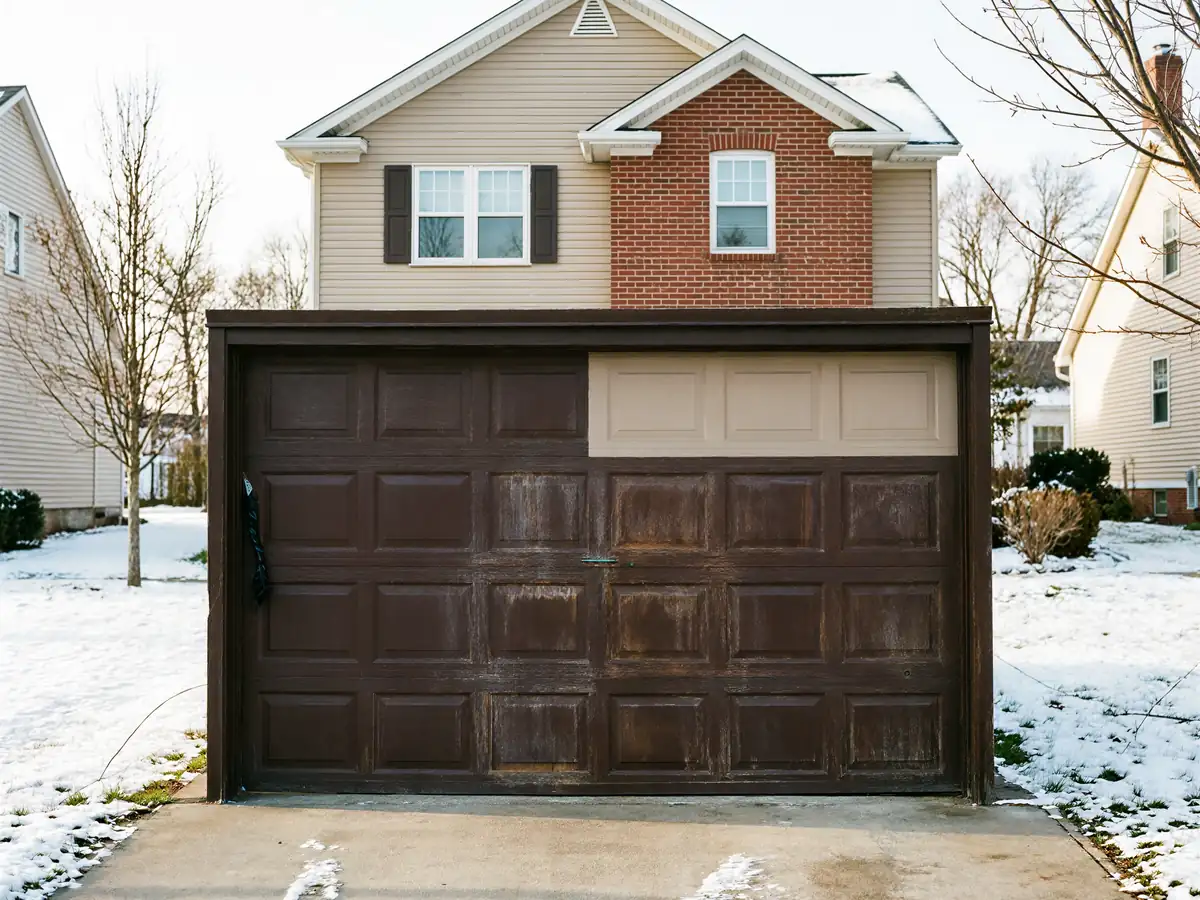
The giveaway that it's time for a new door rather than another repair is usually a steel panel that's rusted through at the bottom section or a door that's been patched at the same spring point twice already. On houses built around the 1982 median year common in this area, we also see doors that were never upgraded for cold-weather sealing - a single layer of steel with no insulation, which in a moderate cold climate like ours means a garage that's always a few degrees warmer than outside but never warm enough to matter. If the opener is straining, the track is bent in more than one place, and the door itself predates the house's last major renovation, replacement usually pencils out cheaper over five years than repair after repair. We'll always check the simpler fix first, though - a new door is not the answer to a sensor that's just dirty or a track that needs a bracket tightened.